
Review · SINGAPORE
Splendour of Colonial Singapore Walking Tour with Lunch
Singapore’s colonial story is written in stone around City Hall. On this walking tour, you move from St. Andrew’s Cathedral to grand civic buildings, old bridges, riverfront landmarks, and a former police station, tracing Singapore’s path from British trading post in 1819 to independent nation in 1965. The buildings are the hook, but the guide’s storytelling gives the walk its meaning.
I like the clear historical timeline, which keeps the tour from becoming a string of pretty façades. I also like the practical rhythm: indoor stops and air-conditioned buildings break up the heat, and a three-course lunch by the Singapore River gives you a proper pause.
The main consideration is the colonial focus. The tour gives strong attention to British planning, law, education, infrastructure, and architecture, so you should not expect a full account of every Singaporean community or every period of the island’s past. It is also a walking tour in tropical weather, rain or shine.
Key points before you book
- A 3.5-hour walk from City Hall: You cover the Civic District and riverfront on foot, returning to the starting point.
- Guide Ping is a major part of the experience: She is known for lively explanations, personal stories, quick answers, and taking photos for solo participants.
- Twelve history-rich stops: The route includes St. Andrew’s Cathedral, National Gallery Singapore, Cavenagh Bridge, the Fullerton Hotel, and more.
- A real lunch break at Boat Quay: The tour includes a three-course meal at a riverside restaurant, with about 40 minutes set aside.
- Useful in hot or wet weather: Comfortable shoes, water, and the supplied disposable poncho matter here.
- Good value at $49: You get a licensed guide, a substantial guided route, and lunch rather than only a short orientation walk.
Starting at City Hall and reading the city in order
Meet at 9:55 a.m. at City Hall MRT Station Exit B, at street level. This is a sensible starting point because you are immediately in the Civic District, where Singapore’s colonial-era public buildings are gathered close together.
The tour covers the period from Raffles’s arrival and the creation of a British trading post in 1819 through the Straits Settlements, crown-colony years, and independence in 1965. That time span gives the walk a useful backbone. You are not just hearing isolated facts about buildings. You are watching a trading post grow into a planned colonial city and then a modern state.
The pace appears manageable for someone of average fitness, but you should still expect several hours on your feet. Singapore’s heat can make a short walk feel longer, especially around open plazas and paved riverfront areas. Bring water and wear shoes that you would happily use for a half-day city walk.
More Walks with Lunch in the world:
- Prague Guided Walking Tour and Cruise with Authentic Czech Lunch
★ 5.0 · 3,627 reviews - From Sydney: Blue Mountains Tour with Waterfall Walk & Lunch
★ 4.8 · 2,400 reviews - Florence Walking Tour with Accademia, Uffizi & Lunch
★ 4.0 · 1,033 reviews
St. Andrew’s Cathedral and the first layer of colonial Singapore
The first formal stop is St. Andrew’s Cathedral, where you have about 15 minutes for a guided visit and photographs. Its religious setting gives the tour a useful contrast to the government buildings that follow.
Here, the guide can begin explaining how institutions helped shape colonial Singapore. The walk is not only about architecture. It also considers the systems associated with British rule, including town planning, law, education, and infrastructure. That approach helps you connect the buildings to the wider story.
Fifteen minutes is enough for an introduction and photographs, but not for a long architectural study. If you want to examine every detail or spend quiet time inside, this tour will move on before you are finished. The benefit is that you get a broad view of the district rather than lingering at one site.
National Gallery Singapore and the grand civic center
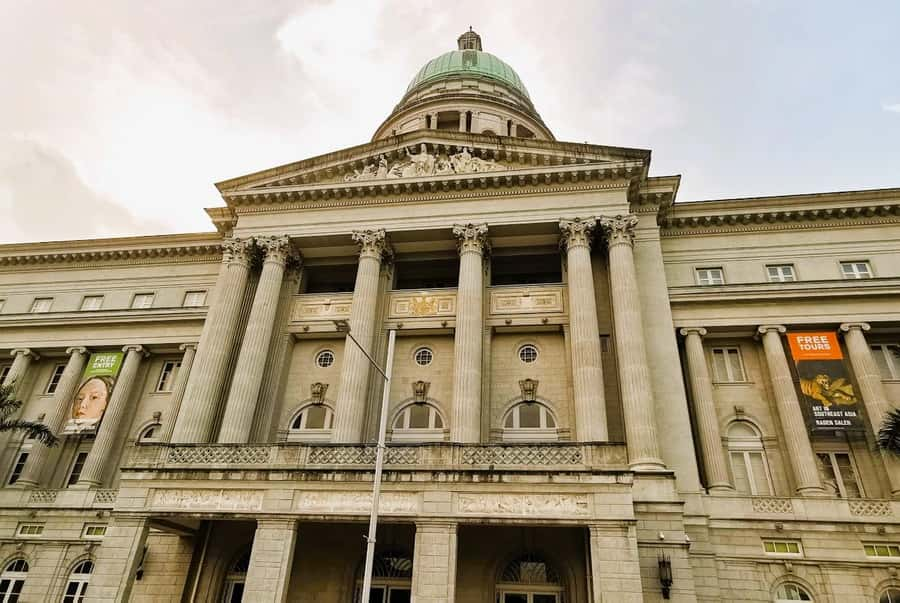
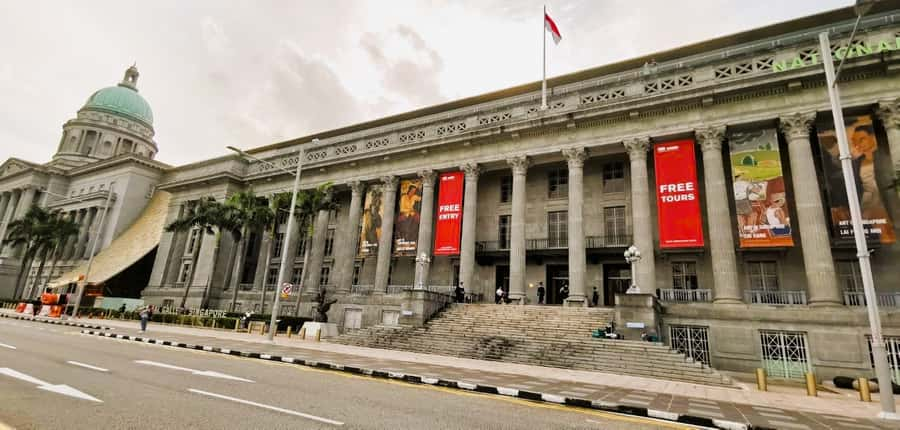
The longest stop is National Gallery Singapore, with about 40 minutes for explanation and photographs. Its grand neo-classical setting is one of the clearest examples of the formal civic architecture that gives this part of Singapore its character.
The tour presents restored Georgian, Victorian, and Edwardian structures as part of a larger story of public life. You will hear how carefully planned spaces and impressive buildings helped establish Singapore as a major colonial center. The guide also links that past to the city you see today.
This stop is especially useful if you are interested in architecture but do not want a museum-heavy day. You get context without committing to a full gallery visit. On the other hand, the 40 minutes are still part of a walking tour, so do not expect a detailed examination of every gallery or collection. The focus is the building and its place in Singapore’s development.
The guide’s role matters here. Ping is praised for explaining long stretches of history in plain language, mixing factual information with personal stories and humor. She is also known for asking what interests the group at the start, then adjusting her explanations. That can make the same building more rewarding for someone interested in architecture, politics, family history, or daily life.
The Arts House, Victoria Theatre, and the civic stage
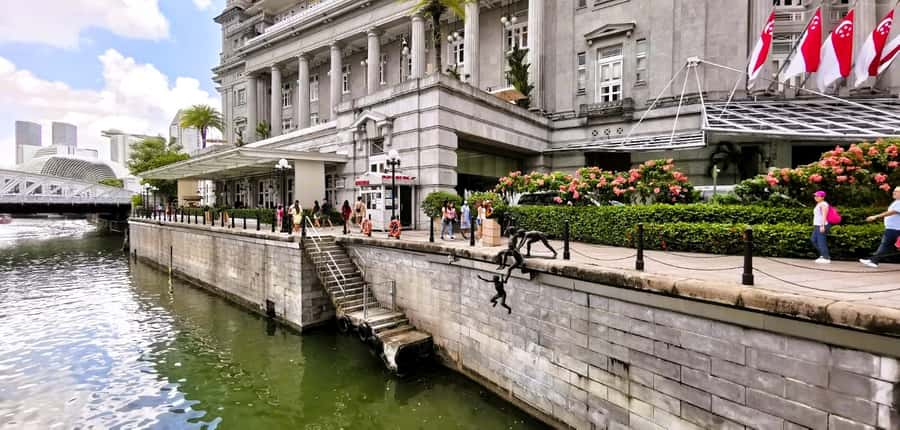
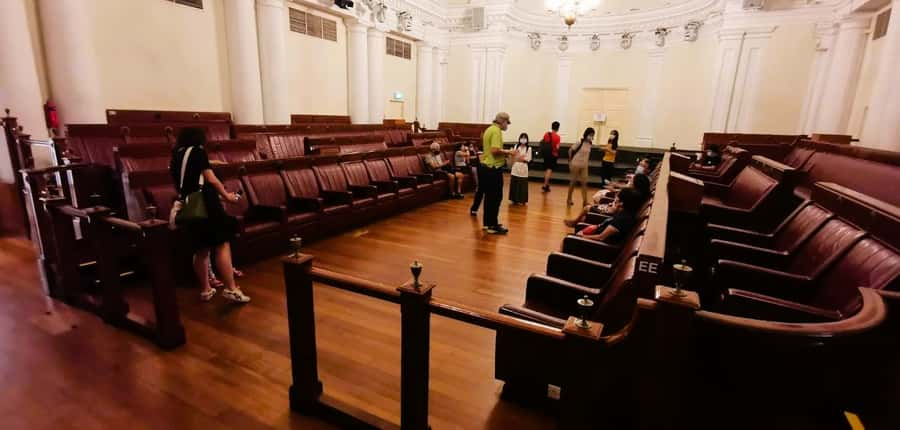
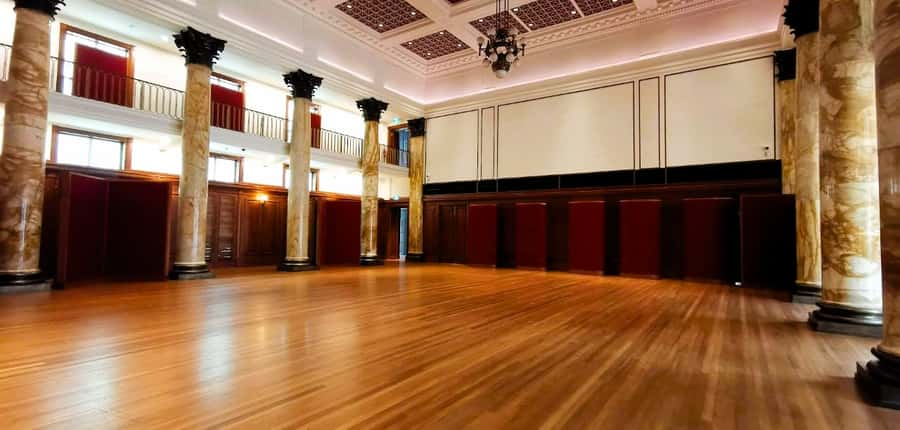
The Arts House receives about 20 minutes. This is a shorter stop, but it helps widen the tour beyond one grand institution. The building is presented as part of the restored colonial group that surrounds the Civic District.
Next comes Victoria Theatre and Concert Hall, with about 10 minutes. Ten minutes is enough for a focused explanation and a photo stop. It is not enough for an extended visit, so treat these buildings as pieces in a walking narrative rather than separate attractions with long indoor stays.
The route then passes the Asian Civilisations Museum. The listed time here is only about one minute, which tells you what to expect: a quick orientation and photograph rather than a museum visit. If you want to see its displays, you will need to return independently.
This mix of long and short stops is sensible. National Gallery Singapore receives the time needed for a fuller explanation, while nearby landmarks are covered efficiently. You see more of the district without turning the tour into a series of long admissions.
More Walking Tours in the world:
- Magical London: Harry Potter Guided Walking Tour
★ 4.7 · 22,044 reviews - Reykjavik Food Walk – Local Foodie Adventure in Iceland
★ 5.0 · 18,952 reviews - History and Hauntings of Salem Guided Walking Tour
★ 5.0 · 14,564 reviews - New Orleans Premier Ghost, Voodoo and Vampire Walking Tour
★ 4.5 · 12,856 reviews
Cavenagh Bridge and the river crossing
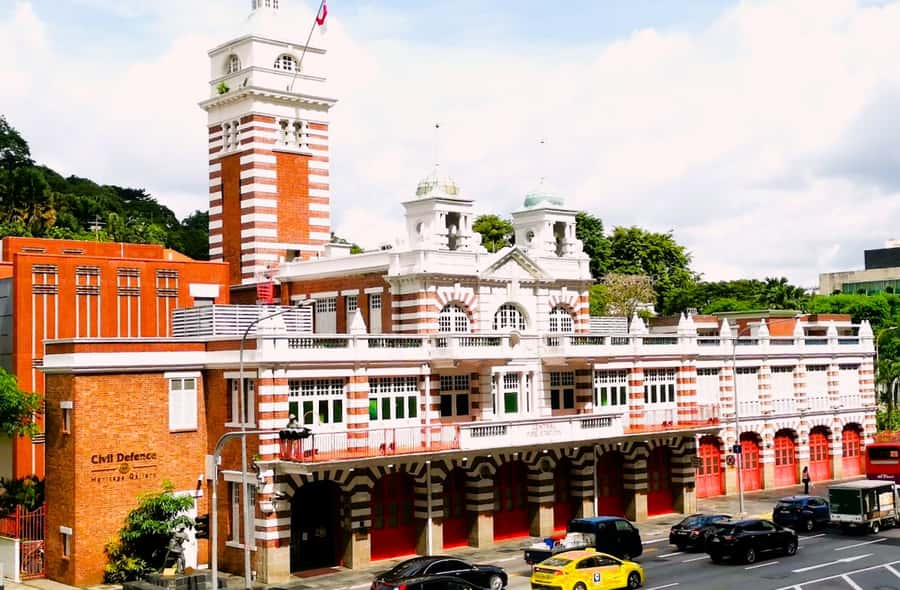
Cavenagh Bridge gets around 10 minutes. This is where the tour begins to connect the formal civic center with the Singapore River, the waterway that helped make the settlement commercially important.
A bridge is a good place to pause because it lets you look back at the buildings you have just passed and ahead toward the riverfront. The walk becomes less about isolated monuments and more about how the city’s public and commercial areas fit together.
The stop is short, so listen closely while the guide is speaking. Singapore’s heat, traffic, and surrounding activity can make it harder to hear in open areas. Staying near the guide will help you catch the details.
The Fullerton Hotel and Boat Quay lunch
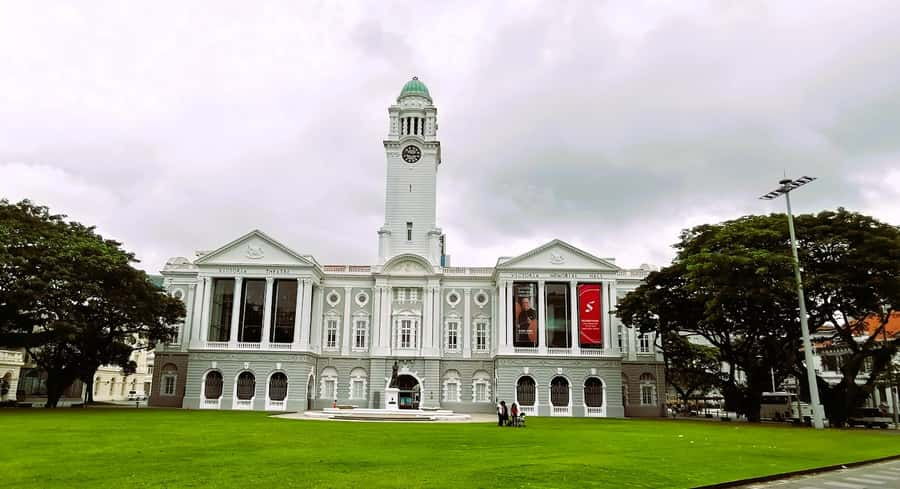
The Fullerton Hotel receives about 15 minutes of guided attention. Its grand presence fits the tour’s interest in colonial-era planning and architecture, while also marking the shift from civic buildings to the riverfront.
Then comes the practical reward of the morning: lunch at Boat Quay. About 40 minutes are set aside for a three-course meal at a riverside restaurant. This is more useful than a quick snack stop. You can sit down, cool off, and let the information settle before the final part of the route.
The setting by the Singapore River adds something that a café away from the route would not. You are still in the historic district, but the pace changes from looking and listening to eating and watching the river. One review specifically describes seeing river otters during lunch, but that is a chance sighting, not a promised part of the tour.
The lunch is included in the $49 price, which improves the value considerably. A guided half-day walk at this price would already be reasonable, but adding a three-course meal makes the booking easier to justify. You should still remember that the main appeal is the history and guide, not a food-focused tasting tour. The supplied information does not specify menu choices or dietary arrangements, so check with the operator if you have special requirements.
Old Hill Street Police Station and Central Fire Station
After lunch, the route continues to Old Hill Street Police Station, with a brief two-minute stop. This is mainly a quick look and explanation, so do not expect a long visit.
Central Fire Station receives about 20 minutes and gives the final stretch more substance. The building belongs to the restored colonial group that helps show how public services were organized and housed. It also gives you a different angle on colonial administration. Not every important building was a government office in the grand political sense. Services such as policing and firefighting were part of the city’s basic infrastructure.
This is one reason the tour works better than a simple architecture walk. It links handsome façades with the systems that supported urban life. The guide can explain the legacy of planning and infrastructure while also placing those achievements in the wider story of British rule.
St. Gregory the Illuminator and the return to City Hall
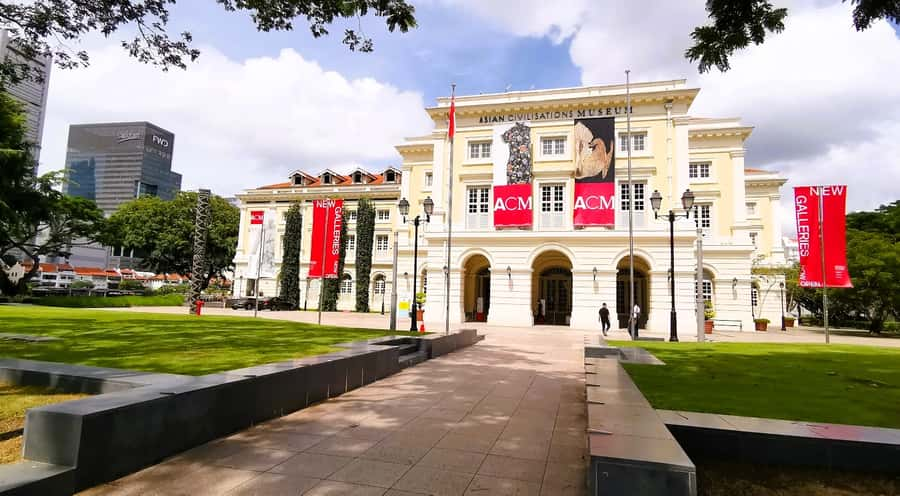
The final listed stop is St. Gregory the Illuminator, with about 15 minutes for a guided visit and photographs. Its inclusion broadens the tour beyond British civic buildings and reminds you that Singapore’s colonial-era city was shaped by more than one religious and cultural tradition.
The activity ends back at the original meeting point. That makes the tour easy to fit into a larger day, especially if you are staying near the downtown core or using the MRT. Since no hotel pickup or drop-off is included, you are responsible for reaching City Hall at the start and arranging your onward travel afterward.
The return to the same point is also handy for visitors who want to continue exploring the Civic District independently. Keep in mind that the scheduled duration is 3.5 hours, though a guide who answers many questions or adds extra stops may run longer. One of Ping’s strengths, according to the supplied comments, is not rushing people through the story.
What makes Ping’s guiding style useful
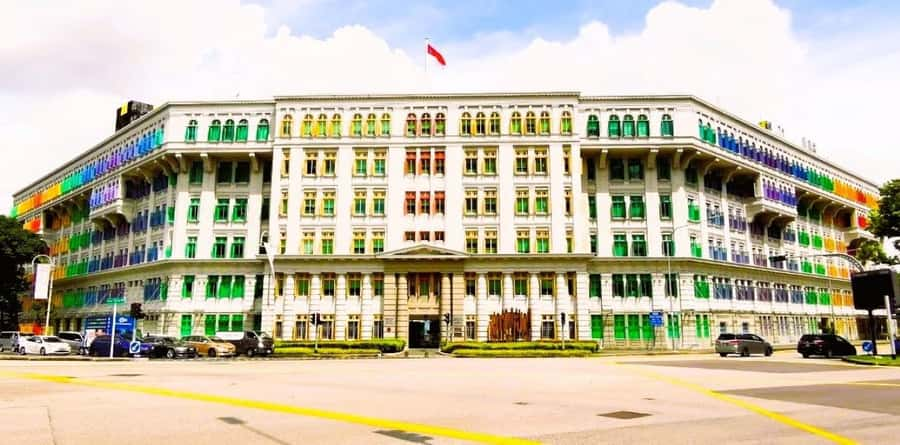
Ping is the guide most often associated with this experience, and her strengths are practical as well as historical. She is described as warm, clear, engaging, and able to answer open questions without losing the thread of the tour.
She also appears attentive to the needs of the group. Her approach includes rest and bathroom breaks, indoor or air-conditioned pauses when possible, and a pace that suits people of average fitness. These details matter in Singapore, where humidity can sap energy even on level streets.
Solo visitors may especially appreciate her habit of taking photographs. Several comments describe receiving photos after the tour or having pictures taken during the walk. That is a small service, but it makes a difference when you are exploring alone and want more than selfies.
Families can also find the format workable. The tour is historical, but the guide’s humor, personal experiences, and willingness to answer questions keep it from feeling like a lecture. Children who need constant entertainment may still find three and a half hours long, but the meal and frequent changes of scene help.
Guide availability can change, so Ping should not be treated as an absolute guarantee unless your booking confirms her name. Still, the experience clearly depends heavily on the guide’s ability to make the story human and easy to follow.
The colonial story, presented with a useful amount of perspective
The tour openly pays tribute to parts of the colonial legacy, including town planning, the legal system, education, infrastructure, and architecture. Those subjects are important to understanding how Singapore developed, and the surviving buildings make the discussion tangible.
You should also approach the tour with a questioning mind. The emphasis is on the British colonial period from 1819 to 1965, not on a complete account of Singapore’s earlier history or every community’s experience. If you want a broader treatment of migration, trade, wartime Singapore, or post-independence politics, you may need another museum or tour afterward.
That focus is not a flaw if you know what you are booking. It is useful for a first orientation because it shows how the Civic District was planned and how the modern city grew around those older foundations. It is less suitable if you want a critical study of colonial power or a detailed social history.
Is $49 a fair price?
At $49 per person, this is a solid value if you want a guided introduction rather than a self-guided stroll. The fee includes a licensed English-speaking guide, a three-course riverside lunch, and a route that covers many significant buildings in one morning.
You are paying for interpretation and organization. Without a guide, you could photograph most of these buildings, but you would have to research the timeline, decide which sites belong together, and work out when to stop for lunch. The tour handles that planning for you.
The price is less compelling if you only want photographs or prefer to move at your own pace. Several stops are brief, and the walk does not include hotel transportation. It is best value for someone who wants the stories behind the buildings and likes having a local person answer questions.
Cancellation is free up to 24 hours before the activity, and you can reserve now and pay later. Those policies are useful if your Singapore plans are still shifting, though the key practical issue remains the weather and your comfort with walking outdoors.
Who should book this City Hall walking tour?
I would choose this tour for a first or early day in Singapore, especially if you want a clear map of the central historic district. It suits solo visitors, couples, families with older children, and anyone who prefers a human guide to reading plaques on their own.
It is also a good fit if you want history without spending the whole day inside museums. You get short guided visits, photographs, outdoor views, a substantial lunch, and enough context to return to the district later with better bearings.
You may want a different activity if you dislike walking in heat, need a highly flexible schedule, or want a food tour rather than a history tour. Bring water, wear comfortable shoes, and remember that the tour runs rain or shine. A disposable poncho is supplied if rain arrives, but you should still dress for tropical weather.
Should you book it?
Book this tour if you want Singapore’s colonial buildings explained as part of a connected story, not simply pointed out for photographs. The strongest reasons are the well-planned route, the included lunch, and Ping’s warm, adaptable guiding style when she is leading the walk.
Skip it if you want deep access to museum interiors, a fully critical study of colonialism, or a short, transport-based sightseeing trip. For $49, though, it offers a practical half-day introduction with plenty of context, a meal beside the river, and a useful starting point for exploring Singapore on your own.
FAQ
Where does the tour start?
Meet at 9:55 a.m. at City Hall MRT Station Exit B, at street level.
Where does the tour end?
The activity ends back at the City Hall MRT Station meeting point.
How long does the tour last?
The scheduled duration is 3.5 hours. Check availability for the exact starting time.
What language is the tour conducted in?
The live tour guide speaks English.
Is lunch included?
Yes. The tour includes a three-course lunch at a riverside restaurant in Boat Quay. About 40 minutes are set aside for lunch.
Are hotel pickup and drop-off included?
No. You need to make your own way to City Hall MRT Station and arrange your onward travel after the tour.
What should I bring?
Bring comfortable shoes and water. The tour takes place rain or shine, and a disposable poncho is supplied if it rains.
Can I cancel the booking?
Yes. You can cancel up to 24 hours in advance for a full refund. You can also reserve now and pay later.
New routes in the world
- Baltimore Walking Foodie Tour in Fells Point★ 5.0 · 182 reviews
- Baku Oil Heritage & Old Town Walking Tour★ 5.0 · 232 reviews
- Baku Walking Tour (Old City)★ 5.0 · 127 reviews
- The Madam’s Curse Walking Ghost Tour★ 4.5 · 103 reviews
- Austin Small Group Morning Walk★ 5.0 · 412 reviews
- Austin Haunted Pub Crawl Walking Tour★ 4.5 · 232 reviews
- Austin Downtown Private Walking Food Tour With Secret Food Tours★ 5.0 · 71 reviews
- Austin Murder Walk★ 5.0 · 310 reviews
Singapore Walking Tours, compared.


Chinatown Hawker Market Food Tour with 7 Food Tastings
Read our review →Chinatown, Little India, Arab Street Walking Tour
Read our review →
Browse the lists this tour appears in