
Review · CITY HIGHLIGHTS
Port Louis: Street Eats and City Highlights Walking Tour
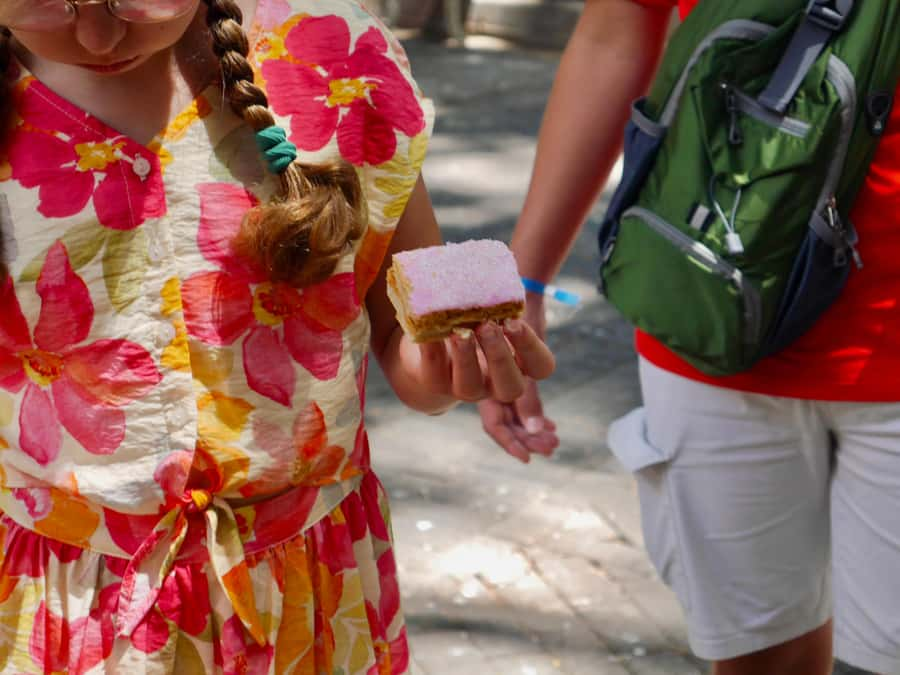
Port Louis is best understood one bite and one street corner at a time. This three-hour walk links Mauritian street food with China Town, Jummah Masjid, the Natural History Museum, and Central Market, giving you a useful first look at the capital rather than a quick drive past its sights.
I like two things in particular: the small group of no more than eight keeps the walk personal, and the food stops are tied to the island’s mix of Chinese, Indian, Creole, and other cultural influences. Guide Adrien is also a major part of the experience, taking time to answer questions and speak with each person in the group.
The main drawback is practical rather than cultural: this is a three-kilometre walking tour in a hot city, with no wheelchair access and no option for people with mobility impairments. Wear good shoes, bring sunscreen, and expect rain to continue unless official warnings make conditions unsafe.
Key points at a glance
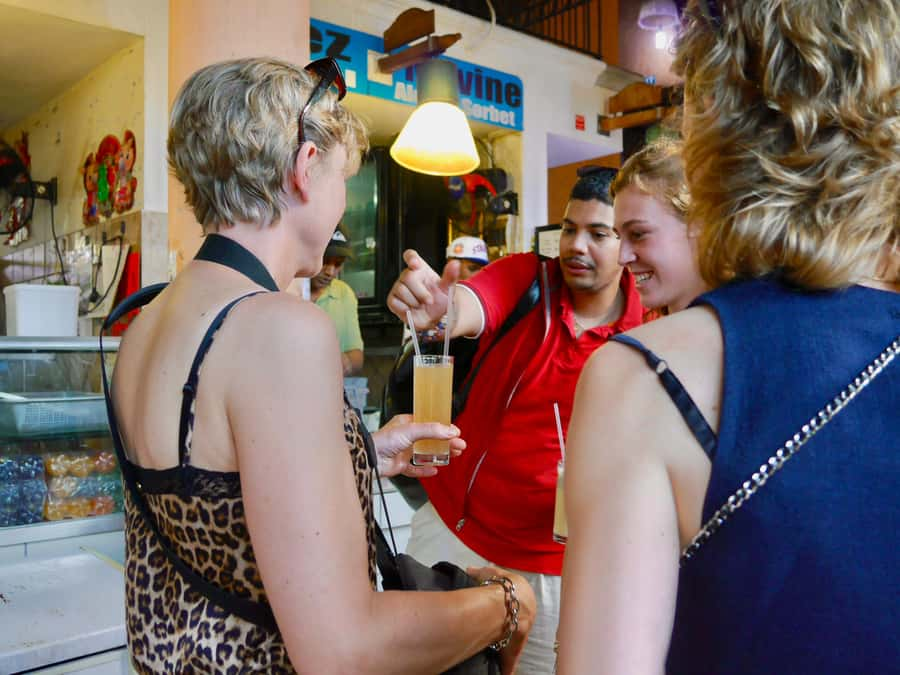
- China Town starts the food story: Try local dishes shaped by Chinese and Mauritian traditions, with street art along the way.
- Adrien gives the walk a personal feel: He explains Port Louis and Mauritian life in English, French, or Mauritian Creole, and makes room for questions.
- The route mixes food with landmarks: Jummah Masjid, the Natural History Museum, and Central Market keep the walk from becoming one long meal.
- Food is included in the $41 price: Tastings, bottled water, and entry to the listed sites are covered.
- This is a real walking tour: Plan on about 3km, hot streets, uneven city movement, and around three hours on foot.
- The group stays small: A maximum of eight people makes it easier to hear the guide and request help with food choices.
Why Port Louis works best as a food walk
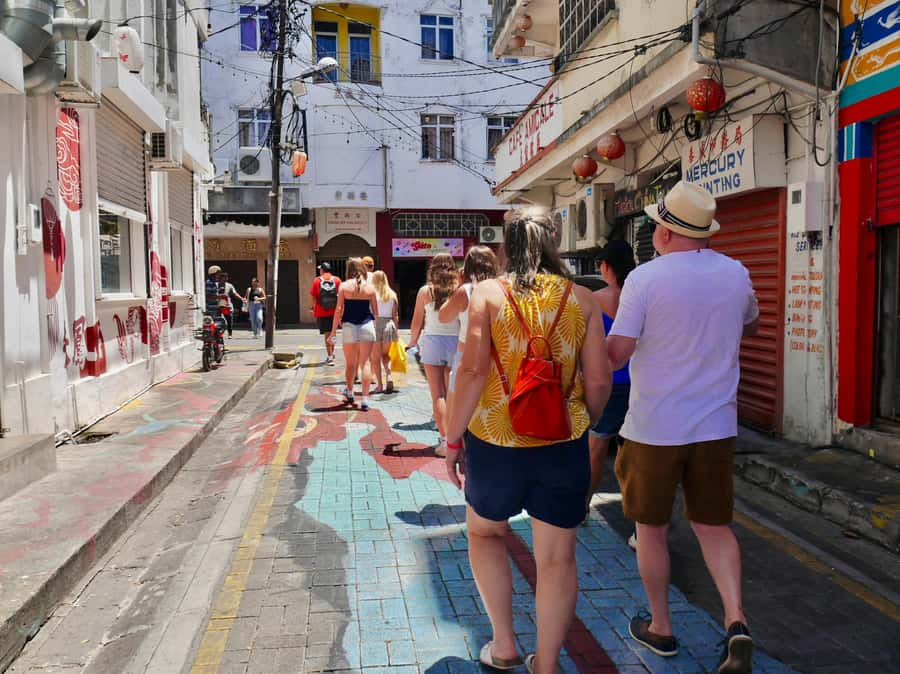
Port Louis can feel like a collection of separate impressions if you only see it from a car: colonial-era buildings, religious sites, crowded streets, food stalls, and the harbor area. Walking ties those pieces together. You notice how quickly the city’s character changes from one block to the next, and food gives each neighborhood a clear point of reference.
This tour begins outside the Caudan Arts Centre, next to the bridge. That is a sensible meeting point because you start near one of the city’s recognizable cultural areas and finish in the same place, without needing a taxi between stops.
The food is not treated as an afterthought. You taste several Mauritian staples while the guide explains how different communities and migration patterns shaped what people eat. That makes the meal more useful than simply being handed a snack with no context.
You should still arrive ready for a walking tour, not a restaurant crawl. Portions are spread across several stops, and the route includes visits where no food is served. It is a good format if you want to sample many things without committing to one large meal.
More City Highlights Walking Tours in the world:
- Ho Chi Minh City Street Food Tour & Sightseeing By Motorbike
★ 5.0 · 9,413 reviews - Historic Charleston Guided Sightseeing Walking Tour
★ 5.0 · 6,216 reviews - Dublin Highlights and Hidden Gems Guided Walking Tour
★ 5.0 · 6,020 reviews
China Town and the first tastings
The first food stop is in China Town, where you spend about 20 minutes trying dishes influenced by Chinese and Mauritian cooking. This is one of the clearest introductions to the island’s mixed food culture because the setting and the flavors tell the same story.
You can also see street art here. That adds a visual layer to the stop and keeps the opening section from feeling like a simple tasting session. Guide Adrien uses this part of the walk to explain how food traditions arrived and changed on the island.
The supplied details do not name every dish, so you should not book expecting a fixed menu of specific items. Instead, think of this as a guided sampling of local food selected to show the range of Port Louis cooking. If you have allergies, vegetarian needs, or other dietary restrictions, tell the operator when you book.
The first stop also sets the pace. You are not rushed through a large list of sights. You taste, listen, and then continue on foot. That rhythm suits people who like their city walks to include local businesses rather than only famous monuments.
Jummah Masjid and the city’s religious mix
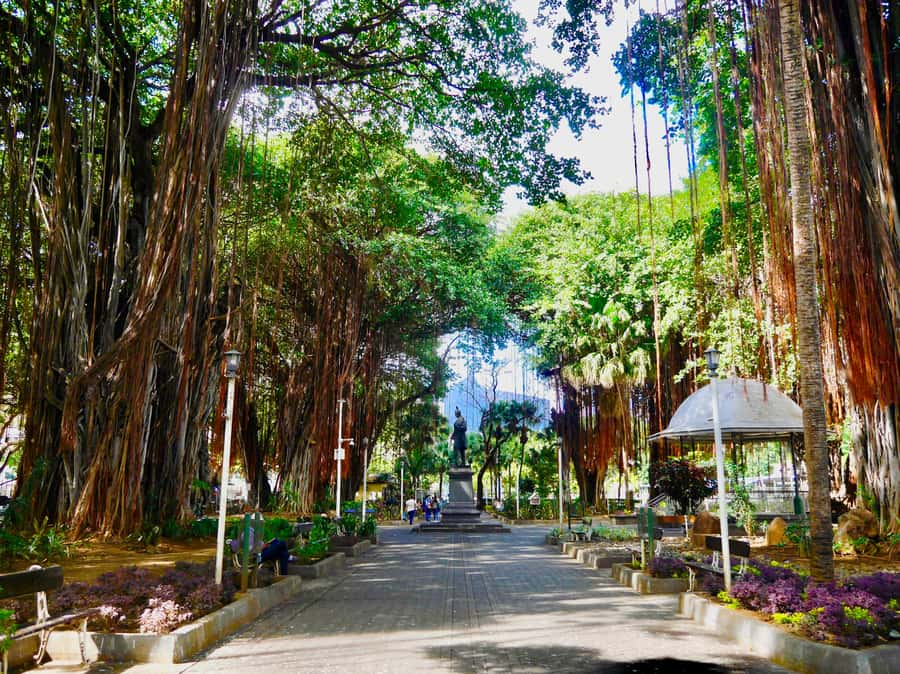
From China Town, the route continues to Jummah Masjid for a guided visit of about 10 minutes. It is a short stop, but an important one. The mosque adds religious and cultural context to a city shaped by several communities.
A short visit means you should expect an introduction rather than an extended architectural tour. The value is in seeing the site as part of Port Louis life and learning why it matters within the capital’s wider story.
Dress and behavior should be respectful at any religious site. The tour information does not list a formal dress code, so modest clothing is the sensible choice. Follow the guide’s instructions during the visit.
This is also where a small group helps. Eight people or fewer can gather without blocking the area, and you can ask a quiet follow-up question rather than losing the guide in a crowd.
The main street-food stretch
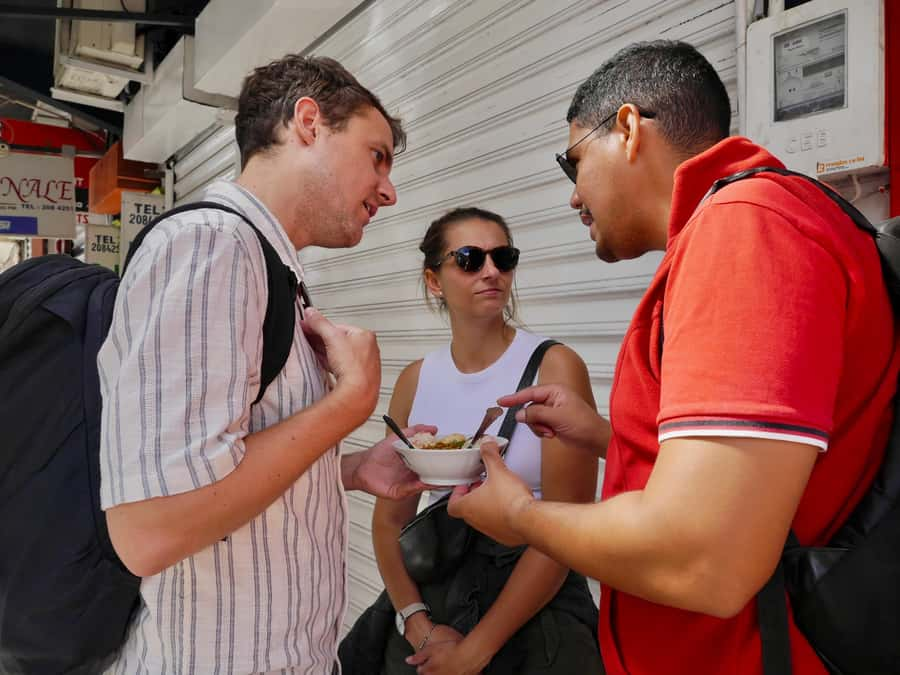
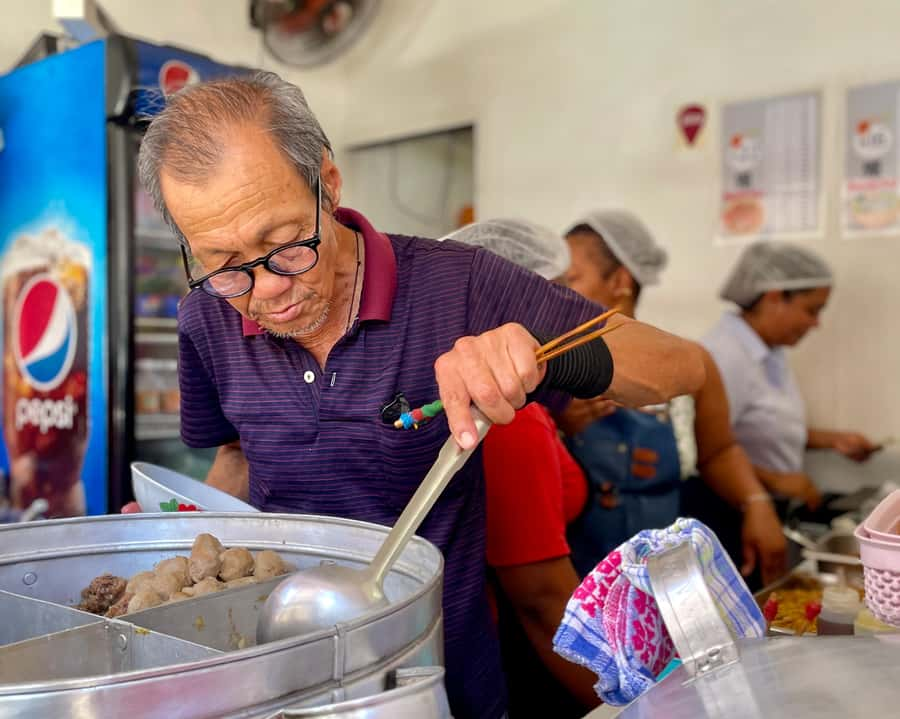
The longest part of the experience is the central food walk, lasting about an hour. This is where you try a wider selection of Mauritian staple dishes and see how the city eats during the day.
The most useful feature is the connection between food and place. You are not simply tasting dishes selected for visitors. The tour focuses on local family businesses and ordinary street-food stops, according to the experience details. That gives you a better chance of seeing the everyday side of Port Louis.
The food reflects the island’s mixed culture. You may find influences from Chinese, Indian, Creole, and other Mauritian traditions, but the tour presents these tastes as part of one island cuisine rather than as isolated categories. Adrien explains how each style came to Mauritius and how it became part of local life.
This section is likely to be the culinary high point, but it can also be the most filling. Go easy on breakfast if you plan to enjoy every tasting. Since the exact menu can vary, it is wise to mention dietary needs before the tour starts.
You should also pace yourself with water. Bottled water is included, and one person specifically noted how useful the water supply was during a hot walk. The guide also makes an effort to use shade when possible, but you should still bring sunscreen and insect repellent.
More Walking Tours in the world:
- Magical London: Harry Potter Guided Walking Tour
★ 4.7 · 22,044 reviews - Reykjavik Food Walk – Local Foodie Adventure in Iceland
★ 5.0 · 18,952 reviews - History and Hauntings of Salem Guided Walking Tour
★ 5.0 · 14,564 reviews - New Orleans Premier Ghost, Voodoo and Vampire Walking Tour
★ 4.5 · 12,856 reviews
The Natural History Museum and the Dodo
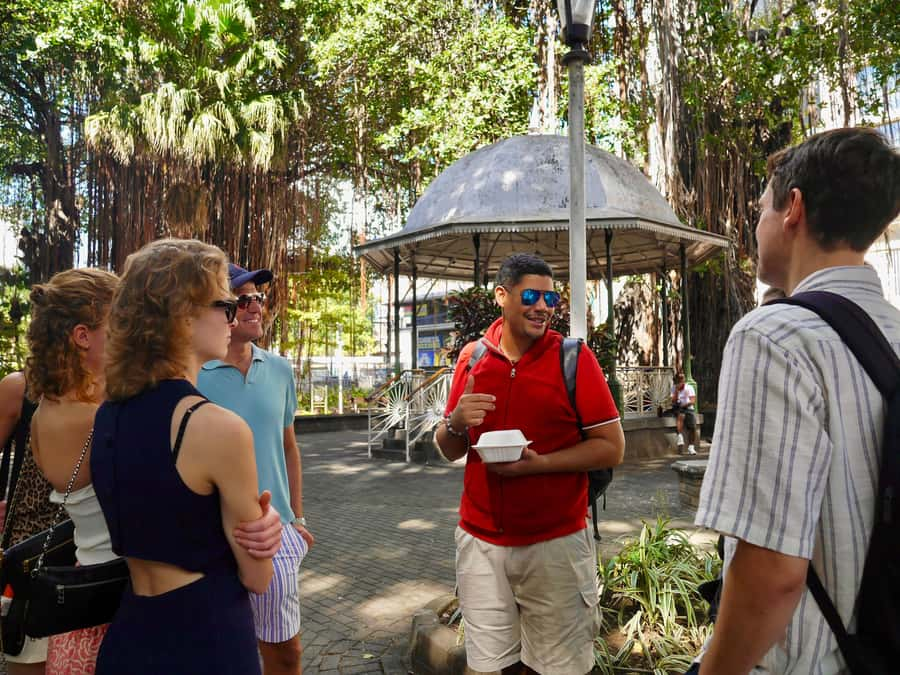
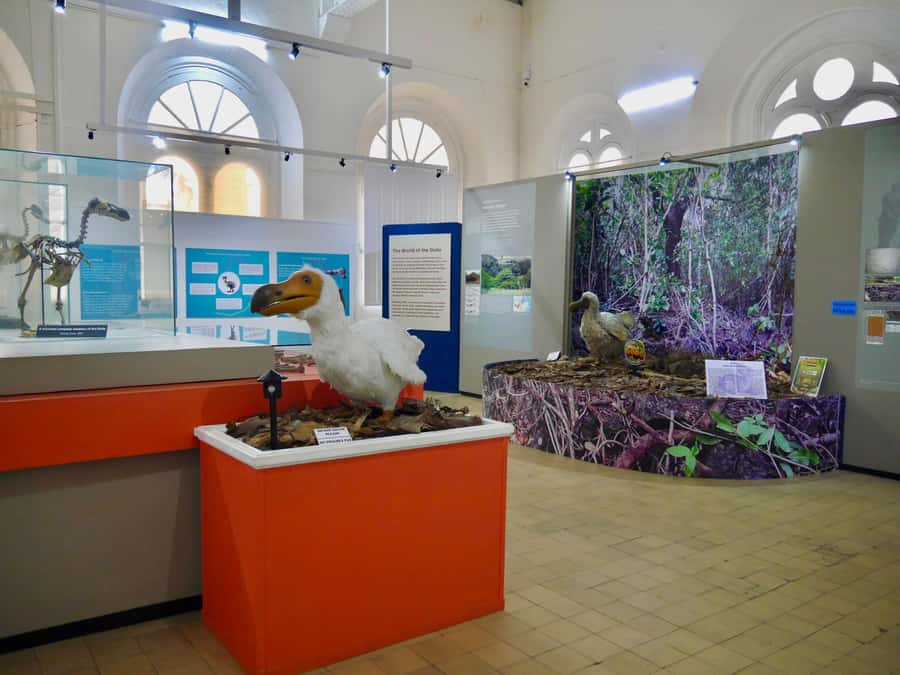
After the food stops, the route heads to the Natural History Museum for around 30 minutes. This gives you time to walk off the meal while shifting the focus from present-day street life to Mauritius’s natural past.
The museum visit includes a look at the legendary Dodo Bird. That is a small but memorable stop, especially if you want more than food from your Port Louis introduction. The Dodo is closely tied to the island’s identity, and seeing it in a museum setting gives the tour a clear historical marker.
The museum is also a useful change of pace. A food walk can become repetitive if every stop involves eating and standing beside a stall. Here, you get a quieter indoor visit and a chance to absorb another part of Mauritius.
The listed duration is 30 minutes, so this is not a full museum day. If you are especially interested in natural history, you may want to return independently later, but the tour gives you enough time to see the featured material without stretching the three-hour schedule.
Central Market for fruit and juice
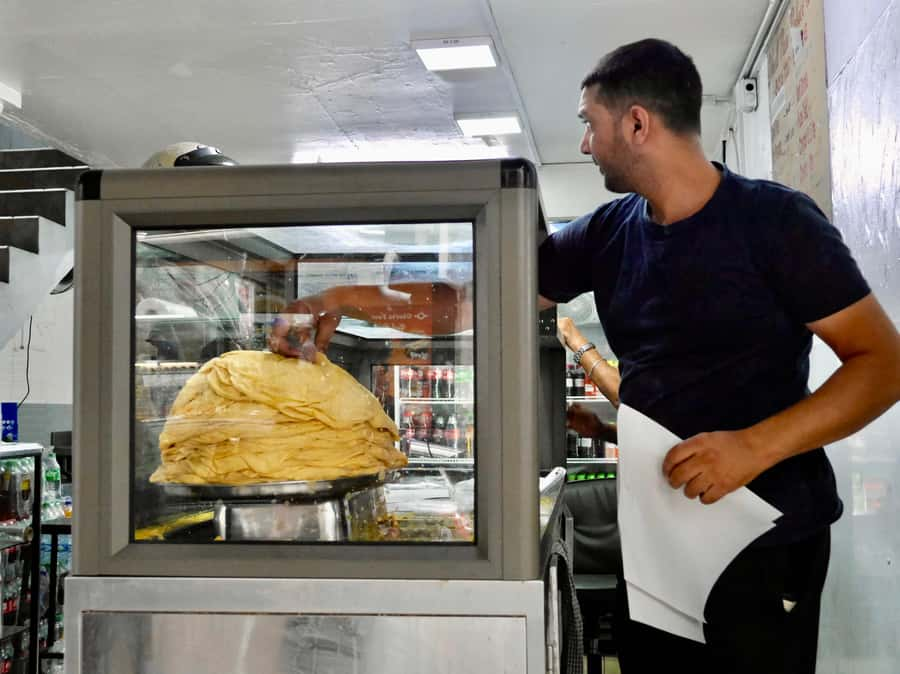
The final major stop is Central Market, where you spend about 30 minutes walking through the market and tasting fresh fruit and juice. This is a fitting end because markets show how a city shops, cooks, and eats beyond the prepared food sold on the street.
The market adds color and movement to the final part of the route, but you should keep your belongings secure in any crowded public market. The guide can help you understand what you are seeing, rather than leaving you to guess which stalls and products matter.
Fresh fruit and juice also provide a lighter finish after the earlier tastings. You settle your palate, then walk back toward the Caudan Arts Centre. Because the tour returns to its starting point, you do not need to arrange a ride from a different neighborhood.
The market is not presented as a dedicated shopping session. Souvenirs are not included, and the tour’s focus is food and city understanding. You may have opportunities to buy something, but you should not count on a long block of free shopping time.
What Adrien adds to the experience
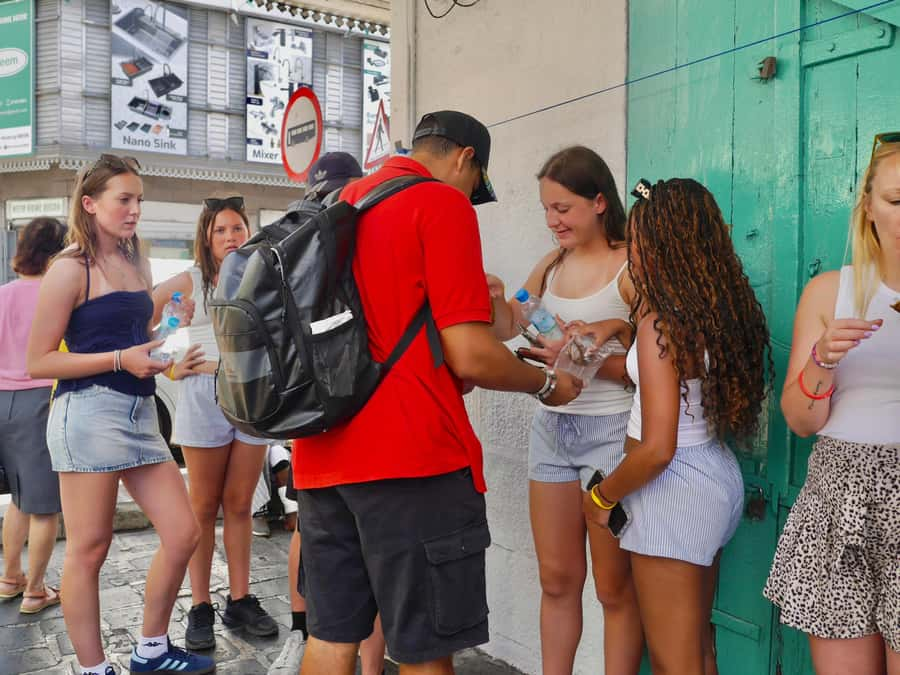
The guide can make or break a city food walk, and Adrien receives especially strong praise for his approach. He is described as friendly, patient, and happy to discuss both Mauritius and the countries represented in the group.
That matters because a small group should feel like a conversation, not a lecture. Adrien has been praised for answering questions on many subjects, adapting the walk to individual needs, and making time for each person. He also helped late arrivals join the tour, which shows useful flexibility, though you should still aim to arrive on time.
Language choices are another advantage. Tours can be conducted in English, French, and Mauritian Creole, with English and French listed as the main options. Confirm your preferred language when booking if that affects your choice.
The guide’s role is not limited to pointing out buildings. He explains how food traditions reached Mauritius, puts city sights into context, and connects the past with present-day life. That is the difference between a food sample and a food tour.
Is $41 good value?
At $41 per person, the tour is reasonably priced if you plan to eat your way through Port Louis while also visiting several city sights. The cost includes all food tastings, bottled water, and entry to the listed sites. You are also paying for three hours of guiding, not only for the food.
The value is strongest if you would otherwise book separate sightseeing and food activities. You get China Town, Jummah Masjid, the Natural History Museum, Central Market, and several tastings in one compact route.
It is less compelling if you want a long museum visit, a formal sit-down meal, or a shopping-focused experience. The tastings are spread out, and the tour moves at a city-walking pace. You are buying access and explanation as much as quantity.
A maximum of eight people improves the value. You have a better chance of hearing the guide, asking about ingredients, and receiving help with dietary concerns than on a large coach-style outing.
Heat, rain, and walking conditions
The distance is about 3km, but the heat can make that feel longer. One participant specifically described the day as very hot and appreciated the bottled water and efforts to remain in shade. Take that warning seriously.
Wear comfortable walking shoes rather than sandals that offer little support. Bring sunscreen, insect repellent, and water-friendly clothing for warm conditions. The tour does not suit wheelchair users or people with mobility impairments.
Rain alone does not cancel the tour. The activity continues unless official dangerous-weather warnings are issued. A light shower may therefore change the feel of the walk without ending it, so bring suitable protection if rain is in the forecast.
The tour lasts three hours and begins and ends at the Caudan Arts Centre. Hotel pickup and drop-off are not included, so you need to make your own way to the meeting point outside the center, next to the bridge.
Who should book this Port Louis walk?
I would choose this tour for a first visit to Port Louis, especially if you want a quick introduction before spending more time elsewhere in Mauritius. It combines food, religion, museums, markets, and city streets without demanding a full day.
It suits curious eaters, couples, solo visitors, and small groups that enjoy conversation. It is also a strong choice if you prefer local food businesses to polished tourist restaurants.
Families can join, but children must be accompanied by an adult over 21. The walking distance, heat, and food format may be tiring for very young children, though the booking details do not set a minimum age.
I would skip it if you need step-free access, dislike walking in hot weather, or have strict dietary requirements that cannot be accommodated. The operator asks you to report dietary needs when booking, but the menu is not specified in advance, so serious allergies require a direct check before you reserve.
Should you book it?
Book this Port Louis tour if you want the capital explained through its food, with several cultural stops added along the way. The strongest reasons are the small eight-person limit, the broad range of included tastings, the return to the Caudan Arts Centre, and Adrien’s personal style.
Skip it if you are looking for a private tour, a long museum visit, or a relaxed indoor meal. For most able-bodied visitors who want a practical first look at Port Louis, $41 buys a well-packed three hours and a useful introduction to how Mauritius eats and lives.
FAQ
How long does the Port Louis street-food tour last?
The tour lasts three hours.
How far do you walk?
The walking route is approximately 3km.
Where does the tour start?
It starts outside the Caudan Arts Centre in Port Louis, next to the bridge.
Where does the tour finish?
The tour returns to the Caudan Arts Centre.
What food is included?
All food tastings are included. The tour features Mauritian street food, China Town tastings, local staple dishes, and fresh fruit and juice at Central Market.
Is bottled water included?
Yes. Bottled water is included in the tour price.
Are entrance fees included?
Yes. Entry to all listed sites is included.
What languages are available?
Tours can be conducted in English, French, and Mauritian Creole. English and French are listed as the main tour languages.
How many people can join?
The tour is limited to a maximum of eight people.
Is the tour suitable for wheelchair users?
No. The tour is not suitable for wheelchair users or people with mobility impairments.
What should I bring?
Bring comfortable shoes, sunscreen, and insect repellent. Because the walk can be hot, carrying suitable sun protection is especially sensible.
What happens if it rains?
Rain does not automatically cancel the tour. It is canceled only if official dangerous-weather warnings are issued.
Can I cancel the booking?
You can cancel up to 24 hours in advance for a full refund. Reserve-now, pay-later booking is also available.
New routes in the world
- Baltimore Walking Foodie Tour in Fells Point★ 5.0 · 182 reviews
- Baku Oil Heritage & Old Town Walking Tour★ 5.0 · 232 reviews
- Baku Walking Tour (Old City)★ 5.0 · 127 reviews
- The Madam’s Curse Walking Ghost Tour★ 4.5 · 103 reviews
- Austin Small Group Morning Walk★ 5.0 · 412 reviews
- Austin Haunted Pub Crawl Walking Tour★ 4.5 · 232 reviews
- Austin Downtown Private Walking Food Tour With Secret Food Tours★ 5.0 · 71 reviews
- Austin Murder Walk★ 5.0 · 310 reviews
City Highlights Walking Tours, compared.
Ho Chi Minh City Street Food Tour & Sightseeing By Motorbike
Read our review →
Historic Charleston Guided Sightseeing Walking Tour
Read our review →
Dublin Highlights and Hidden Gems Guided Walking Tour
Read our review →
Guided Walking Tour of City Center Highlights
Read our review →

City Highlights Temple and Market Walking Tour
Read our review →
Montmartre Hidden Gems and Scenic Highlights Walking Tour
Read our review →
Browse the lists this tour appears in