
Review · PARIS
Paris: Le Marais & Montmartre Jewish History Walking Tour
Paris: Le Marais & Montmartre Jewish History Walking Tour connects two very different neighborhoods through the story of Jewish life in the city. In Le Marais, you’ll walk past synagogues, old community streets, Jewish businesses, and the Shoah Memorial. In Montmartre, the focus shifts toward Jewish artists, writers, cafés, and creative circles.
I like the small group size of up to nine people, which makes it easier to hear the guide and ask questions. I also like the way the tour joins serious history with everyday Paris, including food stops and the modern character of Le Marais. The main drawback is the amount of walking, along with a public transport transfer between neighborhoods.
Key points to know
- Two neighborhoods, one connected story: Le Marais covers Jewish community life and memory, while Montmartre adds art and literary history.
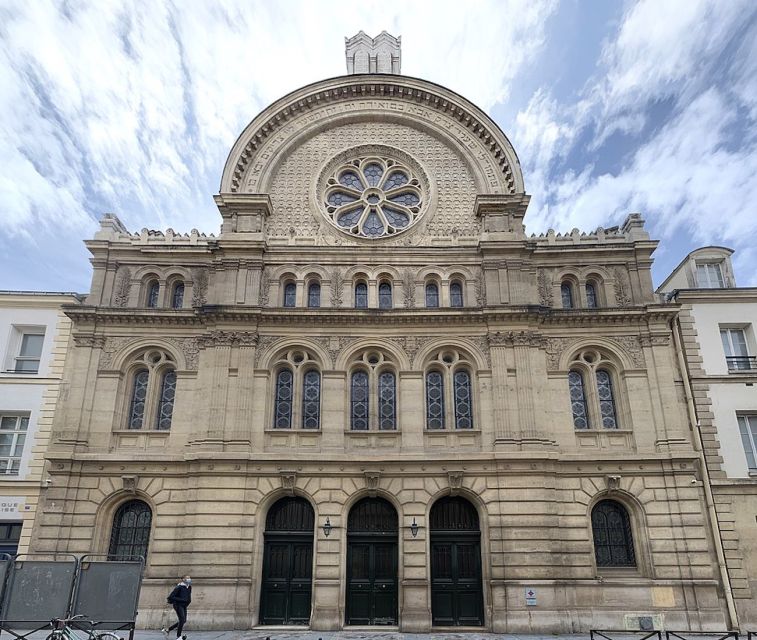
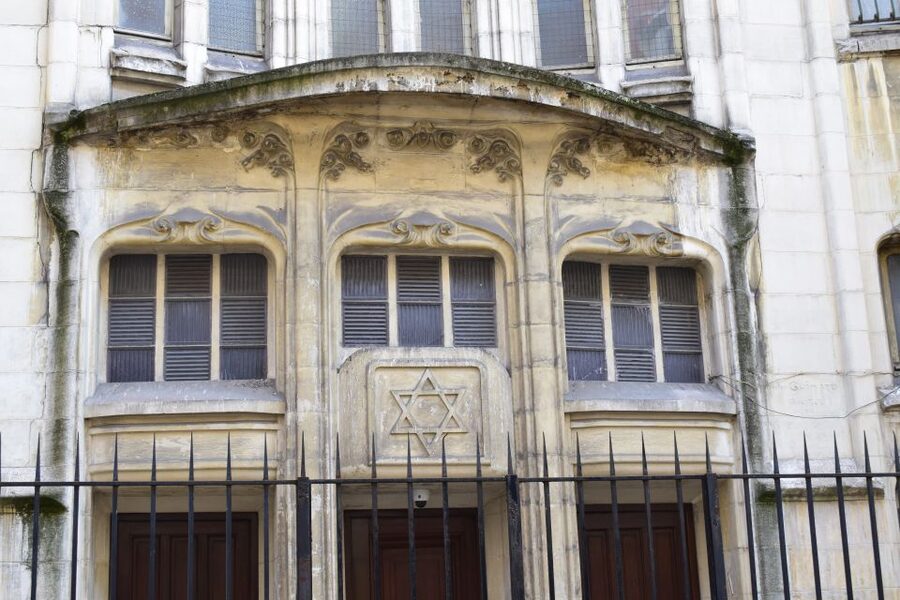
- Agoudas Hakehilos Synagogue: You’ll see Hector Guimard’s Art Nouveau exterior, but indoor synagogue visits are not included.
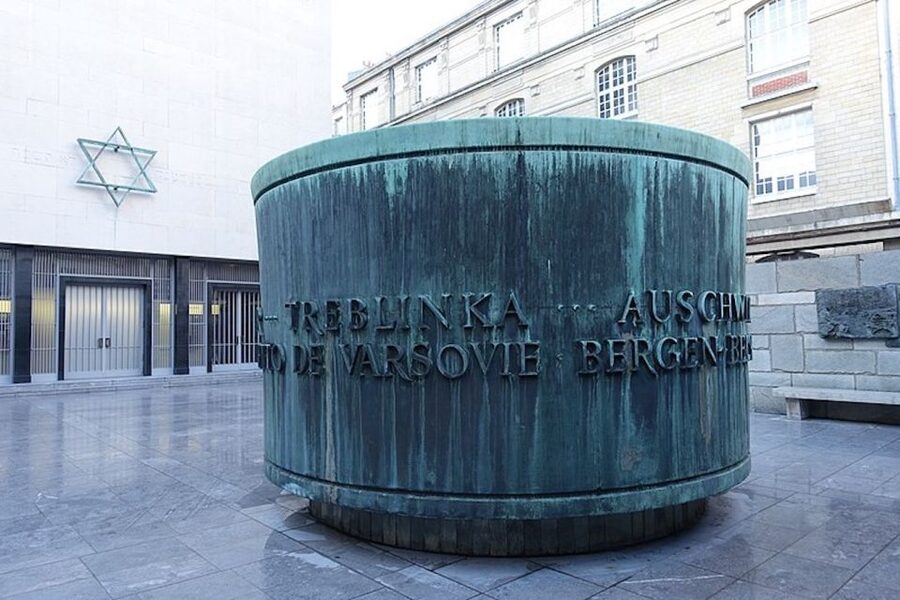
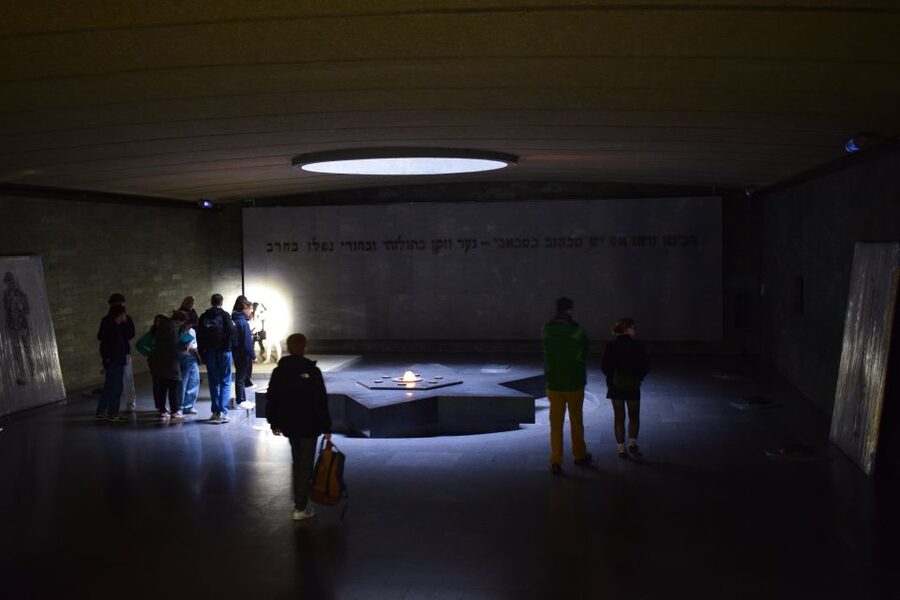
- The Shoah Memorial: The exterior visit offers a solemn stop focused on deportation, remembrance, and French Jewish history.
- Montmartre’s creative side: Stops include 7 Rue Ravignan, Le Bateau-Lavoir, the Musée de Montmartre area, and 16 Rue du Mont-Cenis.
- Sacré-Cœur finale: The tour finishes near Sacré-Cœur and Square Louise-Michel, with broad views across Paris.
- A serious walking commitment: Plan for about three and a half hours, comfortable shoes, and a prompt arrival 15 minutes before departure.
Why this tour works as a Jewish Paris introduction
Paris has no single Jewish quarter that tells the whole story. Le Marais gives you the strongest visible connection to Jewish Paris today, but Montmartre adds a less obvious chapter: the role of Jewish artists, writers, and intellectuals in the city’s creative life.
That contrast gives the tour its shape. You begin with community, religion, persecution, memory, and daily life. Later, you move uphill through Montmartre, where the subject becomes art, ambition, and cultural exchange. The result is broader than a standard neighborhood walk.
The guides are the key to making that connection clear. Benjamin is often praised for explaining history while also pointing out the current character of Le Marais. Benoit has a reputation for bringing French and Jewish history together and for offering useful food advice. Pierre-Louis and Achilles are also names associated with clear, engaging historical storytelling.
The tone is serious when it needs to be. The subject includes anti-Jewish persecution, the Holocaust, and the treatment of Jews in France. At the same time, the tour does not reduce Jewish Paris to tragedy. You’ll also hear about community life, food, architecture, creativity, and the continuing presence of Jewish culture.
More History Walking Tours in France
- Paris: Dark History and Ghostly Guided Walking Tour
★ 4.7 · 1,000 reviews - Paris City of Fashion History Private Guided Walking Tour
★ 5.0 · 221 reviews - Historic Paris Walking Tour in English
★ 4.9 · 78 reviews
Starting in Le Marais, where Jewish Paris is most visible
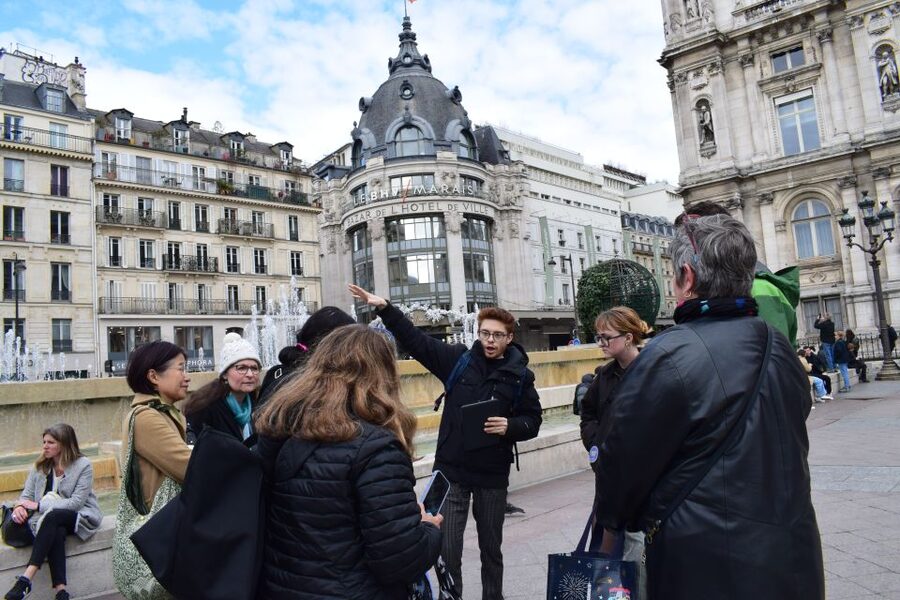
The meeting point may be near BHV Marais or L’Elephant Du Nil, depending on the option you book. BHV Marais is a large department store with several entrances, so give yourself extra time to identify the correct one. One person had trouble finding the entrance, and that is an avoidable way to begin a walking tour.
Arrive 15 minutes early. The tour cannot accept late arrivals after it has started, and city traffic can make even a short trip take longer than expected.
The Le Marais portion lasts about an hour and a half. You’ll walk through streets connected with Jewish life from the Middle Ages to the present. The guide’s job here is not just to point out buildings. It is to explain how communities formed, how trade and family life shaped the neighborhood, and how political events affected Jewish residents over many centuries.
Le Marais has changed a great deal. Today it is known for independent shops, food, fashion, galleries, and a strong LGBTQ identity. Parts of it can feel polished and heavily visited. That modern character is worth noticing because it sits beside older traces of Jewish Paris. Some places connected with Jewish life are no longer visually obvious, so the guide’s explanation matters.
This is one reason I would not treat the tour as a simple photo walk. You may spend time hearing what once stood in a location rather than looking at a preserved building. If you expect an intact old Jewish quarter at every turn, you could find the experience less visually dramatic than anticipated. If you want historical context, the changing streets become part of the story.
Agoudas Hakehilos Synagogue and Guimard’s unusual design
One of the most distinctive stops is the exterior of Agoudas Hakehilos Synagogue, designed by Hector Guimard. Guimard is best known for the curved Art Nouveau entrances of the Paris Métro, and this synagogue shows the same interest in flowing lines and decorative form.
The tour does not include an indoor visit. That is important to understand before booking. You’ll hear about the building and view its exterior, but this is not a synagogue service or an architectural tour inside the sanctuary.
Still, the stop works well because it brings Jewish identity and Parisian design together. The building is not a generic religious structure tucked away from the city. It is part of the street, part of the architectural conversation, and a reminder that Jewish institutions helped shape the look and daily life of the neighborhood.
Your guide can also place the synagogue in the wider story of Jewish communities in Paris. That context is more useful than simply taking a picture of the façade. Bring your questions, especially if you want to understand how religious life, immigration, and French urban history intersected here.
The Shoah Memorial, a quiet and serious pause
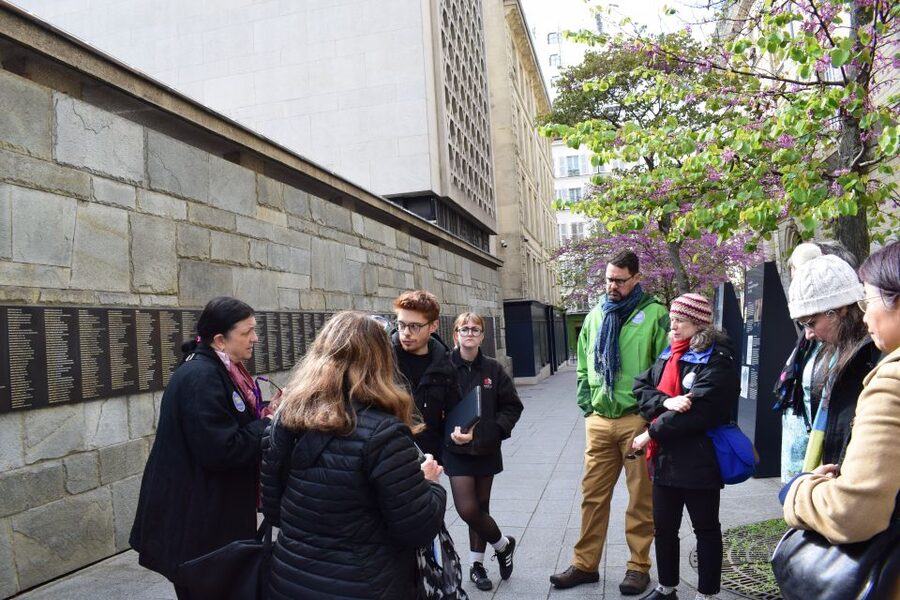
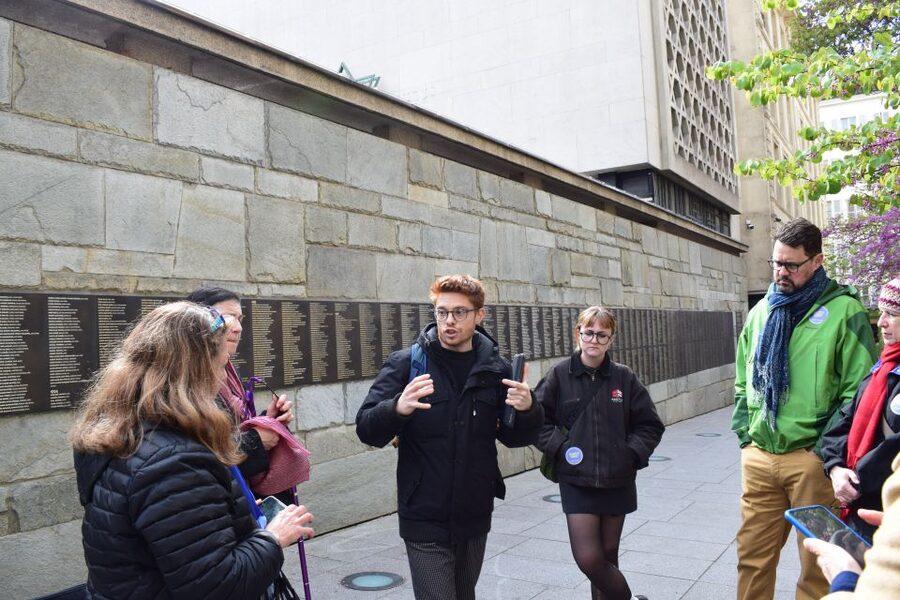
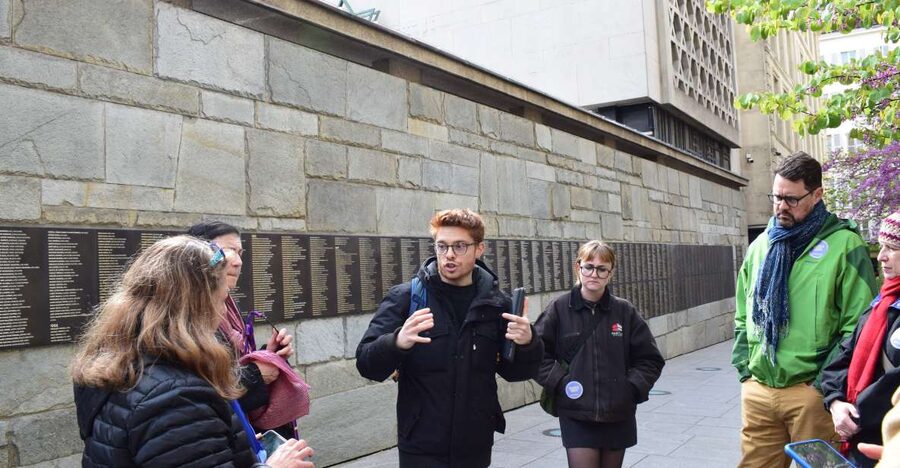
The route continues to the Mémorial de la Shoah, or Shoah Memorial. The tour visits the site from the exterior, so admission to the museum and its indoor displays is not included.
This is likely to be the most emotionally difficult stop. The memorial addresses the murder and deportation of Jews during the Second World War, as well as the people who helped others escape or survive. The focus is not decorative or light. Your guide needs to handle the subject with care, and this is an area where the strongest guides have been praised for their calm, sensitive explanations.
Allow yourself a little quiet here. The stop can feel more powerful than a long lecture because the setting gives the historical material a physical place in Paris. You are not only hearing about events in a classroom. You are standing in a neighborhood where those events affected real families and communities.
The tour does not replace a visit inside the memorial. If this subject is central to your trip, you may want to return separately for the full museum experience. On the walking tour, the exterior stop works as a focused introduction and a bridge between the older history of Le Marais and the modern memory of the Holocaust.
More Jewish Heritage Walking Tours in Paris:
- Amsterdam Anne Frank: Small-Group Walking Tour & Local Guide
★ 4.8 · 12,789 reviews - Anne Frank’s Story – Guided Walking Tour through Amsterdam
★ 5.0 · 11,619 reviews - Prague: Jewish Quarter Walking Tour with Admission Tickets
★ 4.7 · 3,729 reviews - Amsterdam: Anne Frank Guided Walking Tour in DE/EN/IT/ES
★ 4.9 · 3,107 reviews
The public transport transfer changes the pace
After Le Marais, the group takes public transport toward Montmartre. Tickets are included, and the transfer takes about 30 minutes.
This break is useful. You have already spent a substantial amount of time walking and listening, and the ride gives your feet a short rest. It also makes the tour feel like a real Paris outing rather than a route confined to one district.
The practical side is less polished. You need to stay close to the group, follow the guide through the transfer, and pay attention to traffic and street crossings. Paris sidewalks can be crowded, and cyclists add another concern. Keep your pace steady and do not lag behind when the group crosses roads.
The transfer also makes clear that this is not a compact neighborhood walk. You are seeing two areas separated by the city, so the total experience covers more ground than the 210-minute duration might first suggest.
Montmartre through Jewish artists and writers
Montmartre brings a different mood. Its steep streets, cafés, studios, and old artistic associations are famous, but the tour looks beyond the usual story of painters and cabarets.
Here, the guide explains how Jewish artists, writers, and thinkers formed part of Montmartre’s creative world in the late 19th and early 20th centuries. The emphasis is on people and connections, not just famous buildings. You’ll hear how studios, cafés, friendships, and artistic circles helped new ideas circulate.
The Montmartre section lasts about an hour and a half. Expect more uphill walking than in Le Marais, including streets leading toward Sacré-Cœur. The pace is manageable for many active visitors, but this is not a good choice if hills or extended walking are difficult for you. The experience is specifically listed as unsuitable for people with mobility impairments and wheelchair users.
One strength of the Montmartre segment is that it avoids treating Jewish history as separate from wider French culture. Jewish artists were part of the same creative city that produced modern movements in painting, writing, and design. The guide’s explanation helps you see Jewish identity as one thread within the larger story of Montmartre.
7 Rue Ravignan and Le Bateau-Lavoir
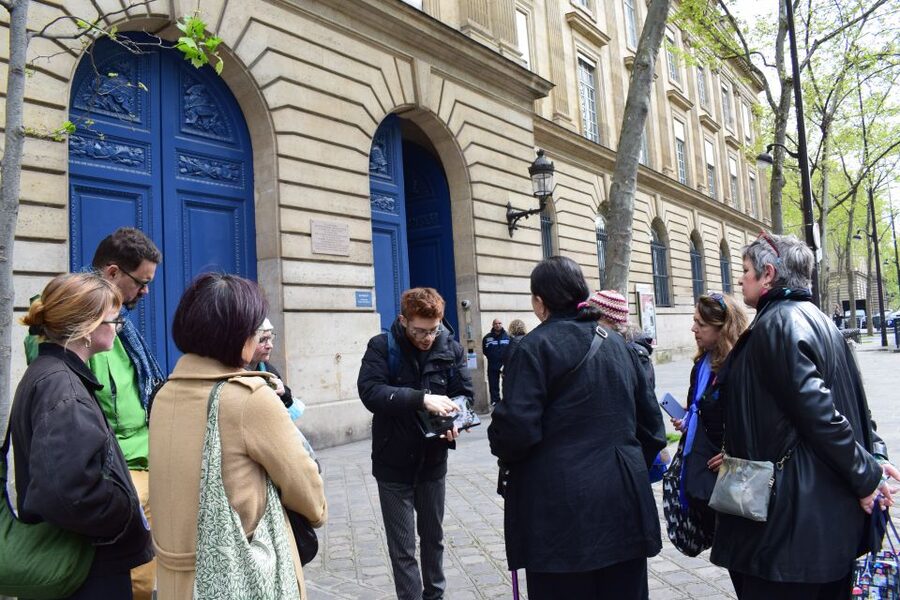
The stop at 7 Rue Ravignan takes you into the artistic heart of Montmartre. The address is linked with Le Bateau-Lavoir, the former studio building where artists worked and exchanged ideas.
You will not be entering a private artist’s studio as part of this tour. Instead, the guide uses the location to explain the creative networks that once made this part of Montmartre so important. That distinction matters. The value comes from the story attached to the place, not from a preserved interior.
Le Bateau-Lavoir is especially useful for understanding how artists lived and worked together. The tour connects that creative environment with Jewish figures and wider cultural change. You may find this portion less direct if your only interest is religious history, but it adds a meaningful explanation of how Jewish Paris contributed to modern artistic life.
The route also passes the Musée de Montmartre. There is no museum admission included, and the tour treats it as a passing landmark. If you want the museum’s indoor collections, plan a separate visit rather than expecting the walking tour to provide one.
Rue du Mont-Cenis and the climb toward Sacré-Cœur
At 16 Rue du Mont-Cenis, the guide continues the Montmartre story through another location tied to the neighborhood’s creative and social past. As with the earlier addresses, you are there for the guide’s interpretation and the surrounding streets rather than a scheduled indoor entry.
This is where the walk can begin to feel physically demanding. Montmartre is famous for stairs and slopes, and the route eventually heads toward Sacré-Cœur. Wear shoes with good grip, especially in wet weather. Rain has not stopped past tours from running, but it can make the cobbled streets and steps less comfortable.
The upside is that the climb changes your view of Paris. You move from close street scenes to open space and long city views. The setting gives the final part of the tour a clear sense of arrival.
Sacré-Cœur and the view across Paris
Sacré-Cœur Basilica is the tour’s best-known landmark and the natural visual finale. The program includes sightseeing here, but it does not include entry to monuments or historical sites. You should therefore expect to admire the basilica and its setting from outside rather than take part in an included interior visit.
The basilica itself is not a Jewish landmark, but its position helps close the tour’s Montmartre chapter. From the area around the church and Square Louise-Michel, you can look across Paris while thinking about the different communities, artists, and historical forces discussed during the walk.
This ending is more than a photo stop. The wide view gives you a chance to place Le Marais, Montmartre, and the rest of Paris in one mental picture. The tour ends with a reflection on Jewish Paris, identity, and artistic expression rather than with a final list of dates.
You may also finish close to places where you can continue exploring Montmartre on your own. The tour does not include a meal, but guides such as Benoit and Pierre-Louis have offered useful food suggestions, including advice about falafel and kosher restaurants in or near the Jewish quarter. Treat those recommendations as a helpful bonus, not as part of the paid experience.
What $80 buys you in 210 minutes
At $80 per person, this tour is not the cheapest way to walk through Le Marais. You are paying for a small group, an English-speaking guide, a carefully connected subject, and a route that joins two distant neighborhoods.
The group limit of nine matters. In a large city, a guide speaking to 20 or 30 people can make historical detail hard to follow. A group of nine allows more room for questions and makes it easier to stay involved during street-side explanations.
Public transport tickets are included, which removes one minor cost and keeps the transfer simple. Indoor admission is not included, but that also keeps the tour focused on walking, streets, exteriors, and interpretation.
I think the price makes the most sense if you have a real interest in French Jewish history, Holocaust memory, or the cultural role of Jewish artists in Paris. If you mainly want pretty streets, food tastings, or access inside monuments, you can spend less on a general neighborhood walk and visit sites separately.
The strongest value comes from the guide. Names such as Benjamin, Benoit, Pierre-Louis, Achilles, Pi-Lou, and Pierre appear often in connection with clear storytelling and thoughtful answers. Guide assignments can vary, so do not book solely on the promise of one specific person. The format gives you a good chance of a personal, question-friendly experience, but the individual guide will shape the tone.
Who should book this walk
I recommend it for first-time visitors who want more than the usual Paris landmarks, people tracing Jewish family history, and anyone interested in the connection between religion, politics, memory, and art.
It also suits visitors who prefer a guide to explain what they are seeing instead of reading plaques on their own. The subject is handled across many centuries, from early Jewish communities to modern Paris, with special attention to the Second World War and the artistic world of Montmartre.
You should think twice if you dislike long walks, steep streets, public transport, or emotionally serious subjects. The tour is not suitable for wheelchair users or people with mobility impairments. It can also be tiring at the end of a full sightseeing day, especially in hot weather or rain.
Arrive early, wear comfortable shoes, bring water, and keep your schedule flexible enough to stay with the group. Ask questions as you go. Past guides have adjusted explanations to match visitors’ interests, but one person’s repeated off-topic questions caused the tour to run well beyond its planned end, so a focused group helps everyone.
Should you book the Jewish History Walking Tour?
Book it if you want a guided explanation of how Jewish life fits into the story of Paris. The Le Marais stops give you community landmarks and Holocaust memory. Montmartre then shows a less expected side, Jewish participation in the city’s artistic and literary life.
I would not book it for indoor synagogue access, a museum visit, or a food tour. Those are not included. I would book it for the combination of a small group, strong English-language guiding, serious historical context, and the satisfying contrast between Le Marais streets and the views from Montmartre.
The best plan is to take it early in your Paris stay. You’ll leave with useful ideas for returning to the Shoah Memorial, eating in the Jewish quarter, visiting Montmartre’s museums, or exploring the city with a better sense of its layered past.
FAQ
How long does the tour last?
The tour lasts 210 minutes, or about three and a half hours. This includes walking in Le Marais, public transport to Montmartre, and the Montmartre walking section.
Is the tour conducted in English?
Yes. The listed live tour language is English.
Are indoor synagogue visits included?
No. The tour visits the exterior of Agoudas Hakehilos Synagogue. Indoor synagogue visits are not included.
Does the tour enter the Shoah Memorial or Sacré-Cœur Basilica?
No indoor admission is included for the Shoah Memorial, Sacré-Cœur Basilica, or other monuments and historical sites. The tour covers these places from the exterior or as sightseeing stops.
Is public transport included?
Yes. Public transport tickets for the transfer between Le Marais and Montmartre are included.
Is the tour suitable for wheelchair users?
No. The experience is listed as unsuitable for wheelchair users and people with mobility impairments. It includes extended walking and hills in Montmartre.
More History Walking Tours in Paris
- History and Hauntings of Salem Guided Walking Tour
★ 5.0 · 14,564 reviews - Lisbon: History, Stories and Lifestyle Walking Tour
★ 4.8 · 10,902 reviews - Boston: Freedom Trail History Small Group Walking Tour
★ 5.0 · 6,450 reviews - Historic Charleston Guided Sightseeing Walking Tour
★ 5.0 · 6,216 reviews
New routes in Paris
- The Official Emily in Paris Locations Walking Tour★ 4.9 · 383 reviews
- Paris: Montmartre Food Tasting Walking Tour with Secret Dish★ 4.8 · 107 reviews
- Paris: Emily Inspired Walking Tour★ 4.9 · 312 reviews
- Saint-Germain: Gourmet Chocolate & Pastry Walking Food Tour★ 4.8 · 495 reviews
- Paris: Walking Tour with Notre Dame or Ste-Chapelle Access★ 4.4 · 198 reviews
- Paris Uncovered: Unique Guided Walking Tours with a Twist★ 4.8 · 582 reviews
- Paris Top Sights Half Day Walking Tour with a Fun Guide★ 4.9 · 92 reviews
- Paris: Ghosts, Legends & Mysteries Evening Walking Tour★ 4.5 · 241 reviews
Paris Walking Tours, compared.

Authentic Parisian Gourmet Food Tour with 10 Local Dishes & Wines
Read our review →
Paris Top Sights Half Day Walking Tour with a Fun Guide
Read our review →
Montmartre Hidden Gems and Scenic Highlights Walking Tour
Read our review →
Montmartre Hill French Gourmet Food and Wine Tasting Walking Tour
Read our review →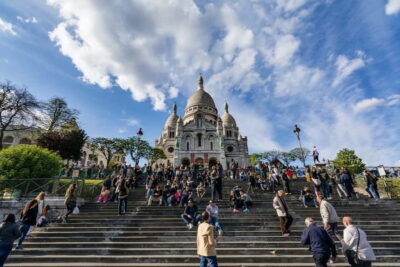
Montmartre Highlights Walking Tour with a Local Guide
Read our review →
Paris Île de la Cité and Notre-Dame Walking Tour With Crypt
Read our review →
Montmartre Cheese, Wine & Pastry Guided Walking Tour
Read our review →
Paris in a Day: Louvre or Orsay, Eiffel Tower, City Walk & Cruise
Read our review →Browse the lists this tour appears in