
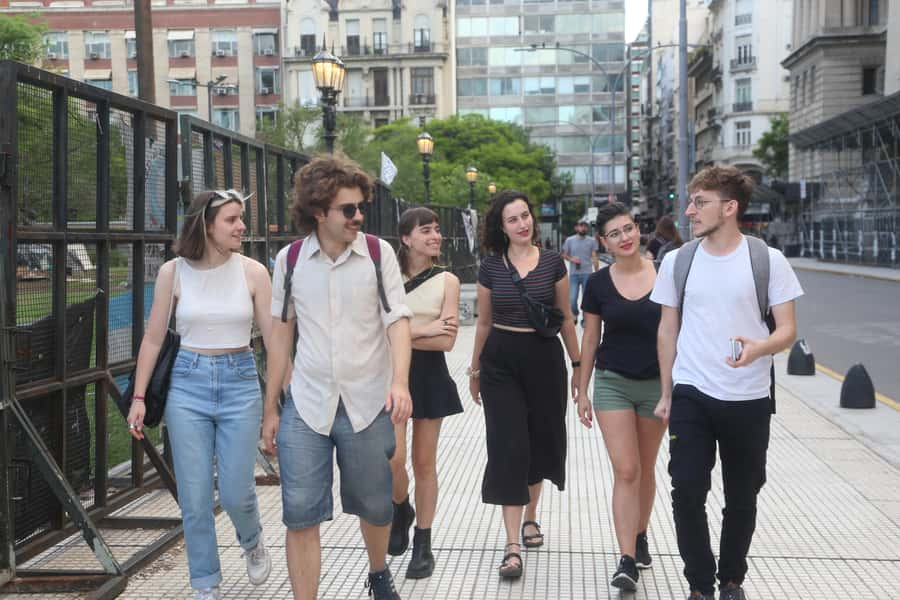
Review · HISTORY
Nazis in Buenos Aires: a historical walking tour
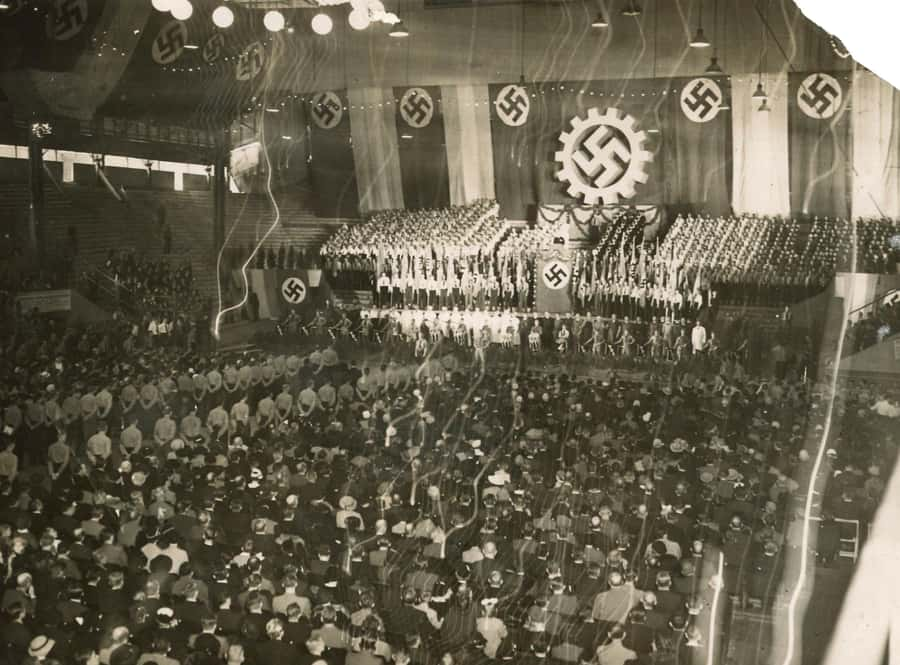
Buenos Aires has a complicated connection to the Nazi era, and this walk tackles it from street level. You’ll visit a theater that once held a 15,000-seat Nazi meeting, learn where Adolf Eichmann reportedly sat for coffee, and finish near the memorial for the former Israeli embassy, site of the worst terrorist attack in Latin America. The subject is serious, but the tour is built around places you can actually see.
I like two things especially: Max’s careful, evidence-based approach and the way he connects Nazi escape networks to Perón, Argentina’s Jewish community, and modern politics. The route also offers more than a parade of grim facts, with images, questions, and context at each stop. The main drawback is that this is not a light sightseeing walk, and some guests may prefer more time on Nazi fugitives and less on Argentine political history.
Key points at a glance
- Adolf Eichmann’s Buenos Aires story: Learn how the former SS officer was identified and captured, including the famous coffee-stop detail.
- A 15,000-seat Nazi gathering: See Luna Park, a working Buenos Aires theater linked to one of the tour’s most startling episodes.
- The Israeli embassy memorial: End with the story of the 1992 attack and its lasting impact on the city’s Jewish community.
- A history teacher as guide: Max leads in fluent English, uses photographs and graphics, and welcomes questions from beginners and serious history readers.
- A serious, evidence-led walk: The tour addresses disputed claims about Nazi immigration without reducing the subject to a simple yes-or-no story.
- Good value at $25: Two and a half hours of guided history in central Buenos Aires costs less than many museum visits or standard private tours.
Why this Buenos Aires walk matters
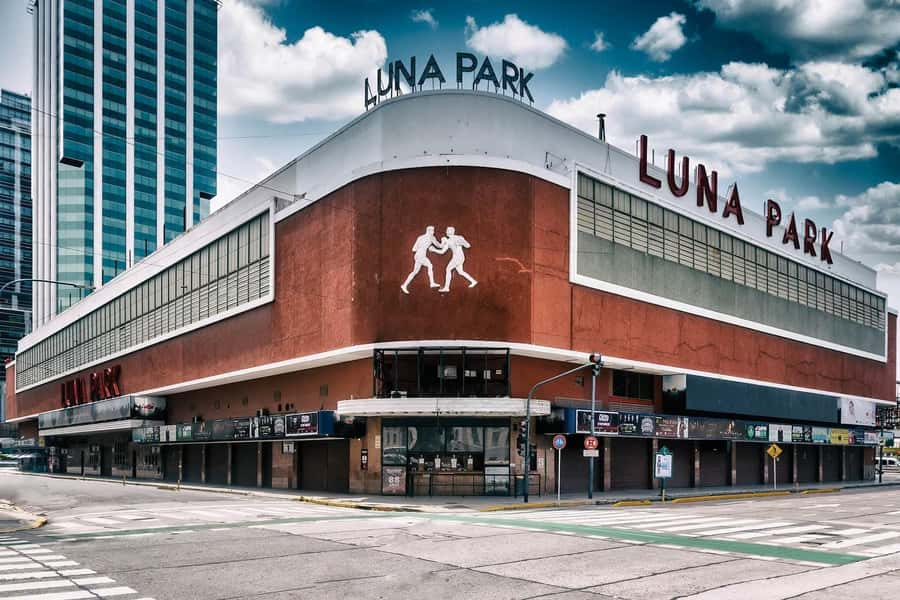
The title asks a pointed question: was Argentina a refuge for Nazi war criminals? The useful answer is not a slogan. It requires looking at immigration after 1945, government policy, political power, international networks, and the difference between what was known, what was tolerated, and what was actively encouraged.
That is the ground this tour covers. You will hear about Nazi war criminals who came to Argentina after the Second World War, then examine the disputed question of whether Argentine authorities knew about or helped those arrivals. The tour also places the subject within the presidency of Juan Domingo Perón, one of Argentina’s most important political figures of the twentieth century.
I appreciate that this approach asks you to think rather than simply collect shocking anecdotes. The best part of a tour like this is not leaving with a neat answer. It is learning which claims are firmly supported, which remain debated, and why the subject still matters.
You should have a basic grasp of the Second World War and the Holocaust before joining. You do not need a specialist background. Max explains the setting as he goes, answers questions about Nazism, Judaism, the war, and Argentine history, and uses photographs or graphics to help make the material clear.
More History Walking Tours in the world:
- History and Hauntings of Salem Guided Walking Tour
★ 5.0 · 14,564 reviews - Lisbon: History, Stories and Lifestyle Walking Tour
★ 4.8 · 10,902 reviews - Boston: Freedom Trail History Small Group Walking Tour
★ 5.0 · 6,450 reviews
Starting at the Juana Azurduy monument
The walk begins a few meters from the Monument to Juana Azurduy, near the benches facing Palacio Libertad, formerly known as the CCK. Max wears a black cap, which makes the meeting point easier to spot in a busy central area.
This opening location also puts you near an important group of Buenos Aires neighborhoods and institutions. The route moves through Recoleta, Retiro, and Microcentro, so the setting changes as the story develops. You are not sitting in a classroom hearing a fixed lecture. You are moving through the city where political, military, religious, and community stories overlap.
Plan to arrive ready for a serious walking tour rather than a quick orientation stroll. Comfortable shoes and water are sensible. The published timing is two and a half hours, with a ten-minute pause for the restroom.
Luna Park and the 15,000-seat gathering
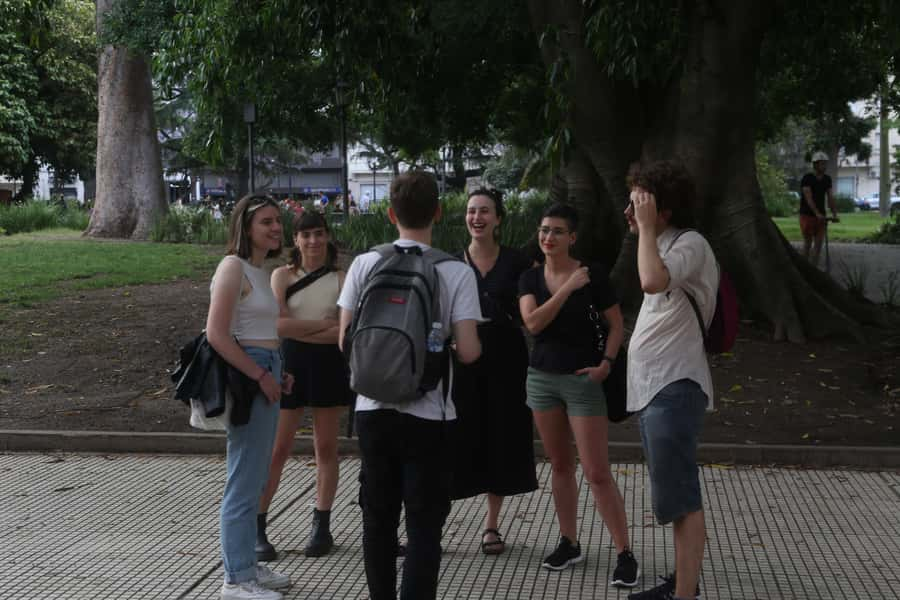
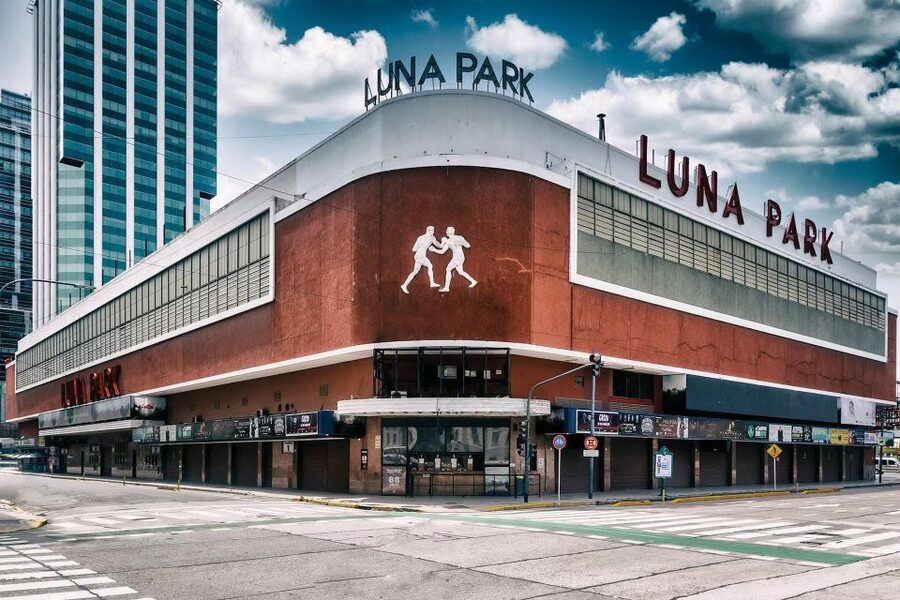
Luna Park is one of the strongest early stops because it gives the discussion a large public setting. This is not simply a story about secret fugitives hiding in remote corners. You will see the theater associated with a Nazi meeting attended by 15,000 people, an episode that raises difficult questions about public support, political climate, and how openly extremist ideas could appear in Buenos Aires.
The stop lasts about 20 minutes. That is enough time for Max to set out the known details and explain why the location matters, though it is not a full visit to every part of the venue. Entry to Luna Park is not included, so you should expect to discuss the site from the tour route unless separate access is available.
I like this stop because it pushes against the lazy picture of Nazi activity as something entirely hidden. The scale of the meeting gives the subject a public face, and the theater provides a memorable reference point for the rest of the walk.
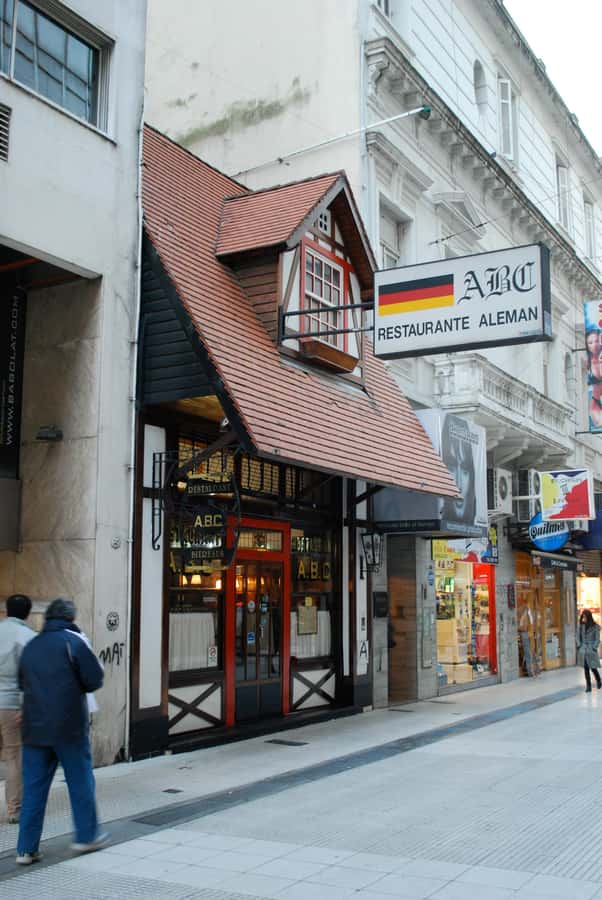
ABC Restaurant and the Eichmann thread
At ABC Restaurant, the tour turns toward the spy-like story of Adolf Eichmann’s identification and capture. Eichmann was a major Nazi figure involved in the machinery of the Holocaust, and his postwar life in Argentina became one of the country’s most internationally important Nazi-related stories.
The unusual detail here is the place where Eichmann sat for a cup of coffee. That small, ordinary image helps bring the story down from the level of governments and intelligence agencies to the scale of a Buenos Aires street. A coffee stop can sound almost casual, but in this context it becomes part of the trail that leads to questions of identity, surveillance, and capture.
Do not expect the restaurant visit to function like a museum exhibit. The value comes from Max’s explanation and the location itself. He uses relevant images and stories rather than simply pointing at a building, which helps the site carry historical weight without pretending that the pavement alone tells the whole story.
More Walking Tours in the world:
- Magical London: Harry Potter Guided Walking Tour
★ 4.7 · 22,044 reviews - Reykjavik Food Walk – Local Foodie Adventure in Iceland
★ 5.0 · 18,952 reviews - New Orleans Premier Ghost, Voodoo and Vampire Walking Tour
★ 4.5 · 12,856 reviews - Amsterdam Anne Frank: Small-Group Walking Tour & Local Guide
★ 4.8 · 12,789 reviews
The national arms museum and postwar movement
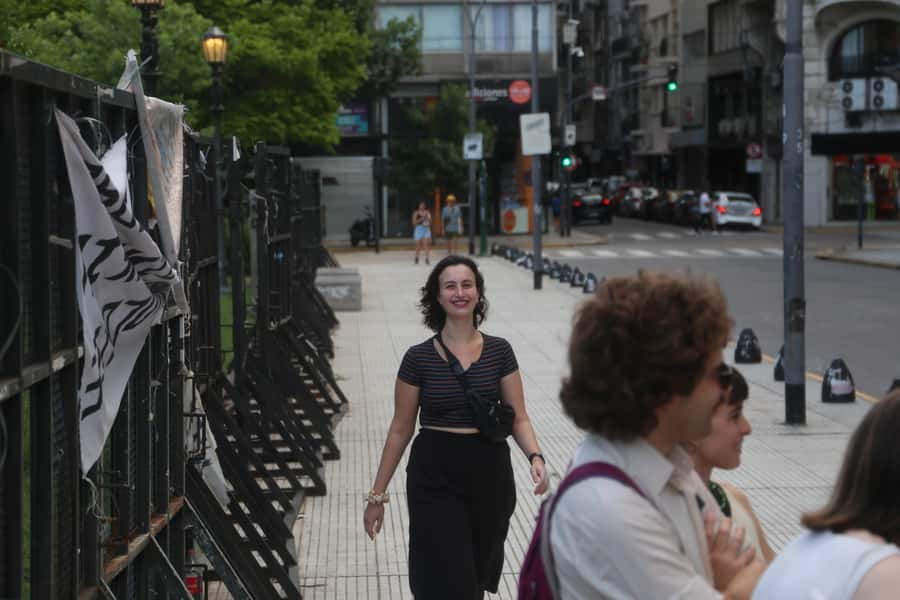
The next stop is the Museo de Armas de La Nación Tte. Gral. Pablo Riccheri. The itinerary allows about 20 minutes here, connecting the walk’s political story with Argentina’s military and national institutions.
The supplied information does not promise entry to the museum, so you should not book this tour expecting an indoor museum visit. Instead, treat it as a location where Max can add context to the larger question of postwar migration and the networks that helped former Nazis move across borders.
This is one reason the tour suits people who want more than a list of notorious names. The story involves military circles, official policy, immigration, and international pressure. You will get more from this stop if you are willing to follow the wider political argument, even when it moves away from the most familiar Nazi escape stories.
Palacio San Martin and the government question
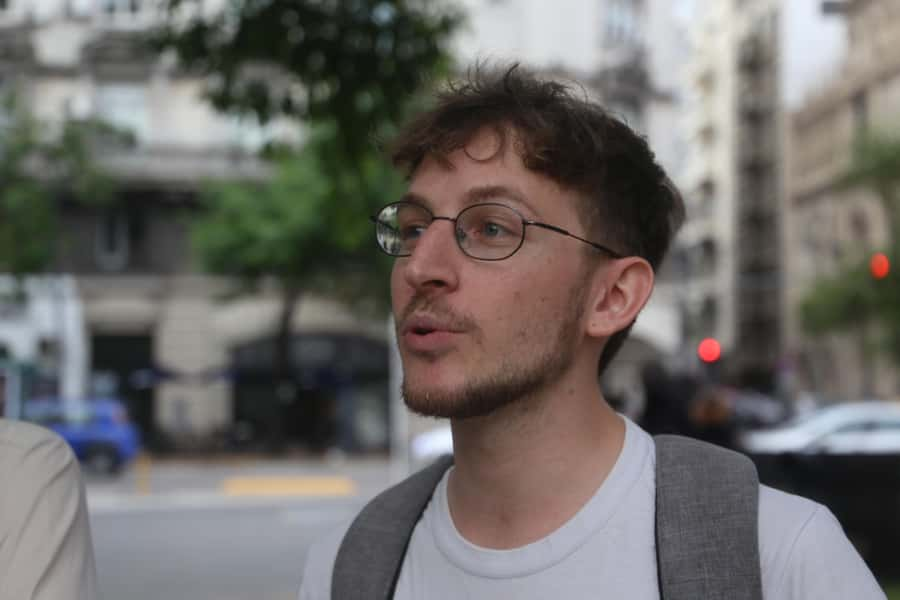
Palacio San Martin offers another setting for the question at the heart of the walk: what did the Argentine government know, and what role did it play in the arrival of Nazi war criminals after 1945?
The tour does not present this as a simple accusation with an easy answer. The reviews of the experience repeatedly praise Max for handling disputed material with care, and that is important here. He is described as willing to distinguish firm evidence from uncertainty rather than presenting every claim as settled fact.
This stop also helps explain why Argentine political history matters. If you come hoping for two and a half hours focused only on Nazis on the run, you may find the discussion of Perón and government policy longer than expected. One piece of feedback specifically wished for more time on fugitives and less on the political situation. That is a fair warning, but it also tells you what the tour is trying to do: place the escape stories inside Argentina’s wider political setting.
The Italian Circle and community history
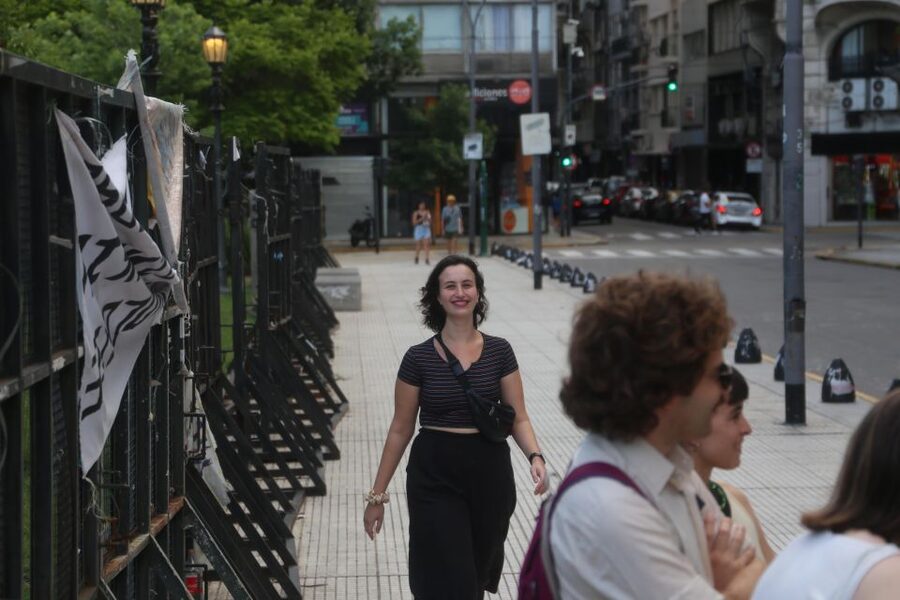
The Italian Circle of Buenos Aires adds another layer to the walk. The tour uses the location to continue its discussion of political networks and the public setting in which ideas, identities, and alliances took shape.
By this point, the route has moved beyond the headline question of Nazi refuge. You will also learn about Buenos Aires’s Jewish community, described as the second largest on the continent, and about how that community was affected by events before, during, and after the war.
That wider focus is one of the tour’s strongest features. Argentina’s relationship with Nazism cannot be understood only through European fugitives. You also need to consider Jewish life in Buenos Aires, the effects of antisemitism, later attacks, and the way memory has been handled in public life.
Max’s teaching style seems well suited to this part of the walk. He is a history teacher at the University of Buenos Aires and leads the tour in English. The most useful quality is not theatrical delivery but his care with sources. He has been praised for admitting when something is not certain, which is exactly the habit you want on a tour about conspiracy, secrecy, and contested evidence.
Finishing at the former Israeli embassy memorial
The route’s final landmark is Plaza Embajada de Israel, the memorial site of the former Israeli embassy. The 1992 bombing is described as the worst terrorist attack in Latin American history, and the memorial gives the tour a direct connection to more recent Buenos Aires.
This ending changes the emotional register of the walk. The subject is no longer confined to the 1930s and 1940s. The story reaches into the city’s recent past and the continuing experience of the Jewish community. It also shows why memory is not an academic exercise here. The consequences of antisemitism and political violence remain part of Buenos Aires itself.
The final section can feel especially relevant because it links historical events to current global concerns. That does not make the tour a modern politics walk, but it does give the material a present-day edge. Expect a thoughtful finish rather than a cheerful sightseeing finale.
There is a small practical inconsistency in the supplied meeting details. The route description says the walk ends at Plaza Embajada de Israel, while another note says the activity ends back at the meeting point. Confirm the exact ending location when you book, especially if you have a reservation or transport to catch afterward.
Max’s approach and the pace of the walk
The guide is Max, a history teacher who leads the tour in English. He has been praised for a friendly but authoritative manner, clear answers, strong preparation, and an ability to involve people with different levels of background knowledge.
You can expect photographs, graphics, and relevant images at several stops. These materials matter because many of the buildings are still functioning places rather than preserved crime scenes. A picture of a former event or person can show you what the street cannot.
The pace is not just walk, point, and move on. Each location receives roughly 20 minutes in the listed itinerary, and the full two and a half hours give Max time to build an argument. The experience has been compared to a university seminar held outdoors, which is a useful way to picture it. You will walk, listen, ask questions, and connect one stop to the next.
That format will suit you if you enjoy history told through evidence and discussion. It may feel slow if you want constant movement or a quick introduction to Buenos Aires landmarks. The walk is designed around explanation, not photo opportunities.
What the $25 price gets you
At $25 per person, this is strong value if you want a focused history experience. You receive a two-hour walking tour in the basic inclusions, though the published duration is two and a half hours, plus an English-speaking guide. The longer timing is the one I would use when planning your day.
The price does not include admission to Casa Rosada, Libertad Synagogue, or Luna Park Stadium. Those exclusions matter because the route passes through or near major sites, but this is primarily an outdoor walking and storytelling experience. You are paying for Max’s research, explanation, visual material, and the chance to discuss difficult subjects at the places connected to them.
The tour also offers free cancellation up to 24 hours before departure and a reserve-now, pay-later option. Those terms are useful when your Buenos Aires plans are still shifting. Check availability for the actual starting times rather than assuming the walk runs throughout the day.
Who should book this walk
I would recommend it most strongly to adults and older teenagers interested in the Holocaust, Nazi escape routes, Argentine politics, Jewish history, or the way cities remember political violence. Children under 10 are not accepted, and the material is serious enough that older children should already have some background.
The tour is also a good fit if you have already seen the main Buenos Aires sights and want a more focused look at the city. It takes you through central districts you may otherwise pass without understanding their connection to twentieth-century politics.
It is less suitable if you want a simple sightseeing tour, a short overview of Argentina, or a walk devoted only to Nazi fugitives. You should also note that the experience is not suitable for wheelchair users, according to the provided access information.
Practical tips before you go
Wear comfortable shoes and bring water. The walk lasts 2.5 hours, includes a ten-minute restroom pause, and moves through several central neighborhoods.
Arrive at the Juana Azurduy monument area and look for Max in a black cap near the benches facing Palacio Libertad. Since the meeting and ending details differ slightly, ask for confirmation of the final stop when you arrive.
A basic knowledge of the Second World War and Holocaust will help, but do not worry if your background is limited. Max is prepared to explain the setting and answer questions. Bring curiosity, patience, and a willingness to separate documented facts from disputed claims.
Should you book it?
Book this tour if you want a serious, carefully argued look at Buenos Aires and its connection to Nazism, Jewish history, Perón, Eichmann, and later political violence. The price is fair, the route has memorable locations, and Max’s teaching style gives the walk more substance than a standard point-and-name tour.
Skip it if you want an easygoing introduction to Buenos Aires or if the political context sounds like too much. For history-minded visitors, though, this is one of the city’s more unusual walks, and its greatest strength is that it does not force a tidy answer onto a difficult subject.
FAQ
How long does the tour last?
The tour lasts 2.5 hours. The itinerary also lists a ten-minute pause for restroom use.
What language is the tour conducted in?
The live tour guide speaks English.
Where does the tour begin?
It begins a few meters from the Monument to Juana Azurduy, by the benches facing Palacio Libertad, formerly known as the CCK. Max wears a black cap.
Where does the tour end?
The route description ends at Plaza Embajada de Israel, the memorial site of the former Israeli embassy. Another meeting note says the activity ends back at the meeting point, so confirm the final location when booking.
Is admission to Luna Park included?
No. Entry to Luna Park Stadium is not included.
Is the tour suitable for children?
Children under 10 are not permitted. The tour is most suitable for older children and adults who can engage with serious material about Nazism, the Holocaust, and political violence.
Can wheelchair users join the tour?
The activity is listed as not suitable for wheelchair users.
New routes in the world
- Baltimore Walking Foodie Tour in Fells Point★ 5.0 · 182 reviews
- Baku Oil Heritage & Old Town Walking Tour★ 5.0 · 232 reviews
- Baku Walking Tour (Old City)★ 5.0 · 127 reviews
- The Madam’s Curse Walking Ghost Tour★ 4.5 · 103 reviews
- Austin Small Group Morning Walk★ 5.0 · 412 reviews
- Austin Haunted Pub Crawl Walking Tour★ 4.5 · 232 reviews
- Austin Downtown Private Walking Food Tour With Secret Food Tours★ 5.0 · 71 reviews
- Austin Murder Walk★ 5.0 · 310 reviews
History Walking Tours, compared.
History and Hauntings of Salem Guided Walking Tour
Read our review →
Freedom Trail History Small Group Walking Tour
Read our review →
Historic Charleston Guided Sightseeing Walking Tour
Read our review →
Tapas Walking Tour with Food, Wine, and History
Read our review →
Savannah History and Haunts Candlelit Ghost Walking Tour
Read our review →
A History of Terror – Belfast City Centre Walking Tour
Read our review →Browse the lists this tour appears in