
Review · LONDON
London: Winston Churchill and London in WWII Walking Tour
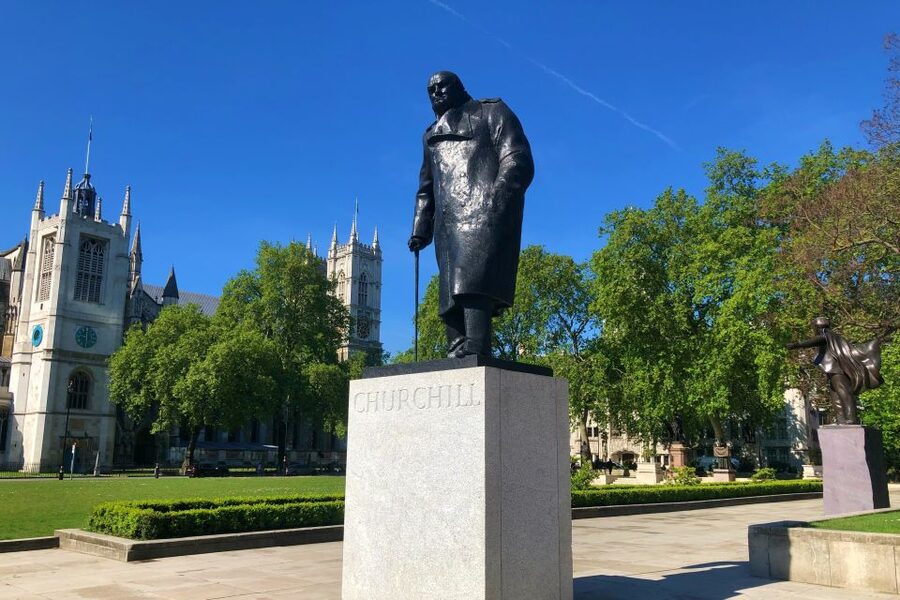
London’s wartime story comes alive best around Westminster, where grand government buildings, memorials, and Churchill’s underground command center still shape the streets. This tour connects those places with stories about Winston Churchill, Battle of Britain pilots, cabinet decisions, and ordinary Londoners living under attack.
I like the personal detail and the lively guides, especially Nathan, Richard, and Francis, who bring biographies and small anecdotes into the larger story. I also like that the walk ends at Churchill’s War Rooms, so you can continue the subject underground after the guided portion. The main drawback is its short length: at 1.5 hours, it can feel more like a talking tour than a long walk.
Key points at a glance
- Starts by Westminster Station: Meet beside the Boadicea and Her Daughters Statue at Exit 2, near Victoria Embankment.
- Wartime Westminster in context: See Big Ben, Westminster Abbey, Whitehall, Downing Street, the Cenotaph, and government buildings through their WWII story.
- Strong storytelling: Guides including Nathan, Richard, Francis, Babs, and Rosie have been praised for humor, personal detail, and clear explanations.
- Finishes at Churchill’s War Rooms: The guided walk ends outside the underground complex, but admission is not included.
- Good value for history fans: At $39, the price is fair if you want a focused introduction before visiting the War Rooms.
- Bring practical footwear: The tour is outdoors, does involve walking, and is not suitable for wheelchairs or people with mobility impairments.
Westminster as a wartime stage
This is not a general sightseeing walk with a few WWII facts added on. The point is to look at familiar Westminster sights through the pressure of war.
You begin beside the Boadicea and Her Daughters Statue outside Westminster Station, at Exit 2 for Victoria Embankment. Look for the guide holding the orange Urban Saunters sign. The meeting point is central and easy to reach by Underground, but follow the signs carefully because Westminster Station has several exits.
From there, the guide sets the scene for a city under threat. London in the 1940s was not only a place of speeches and military decisions. It was also a city of blackouts, air raids, fear, routine, and endurance. The best part of this tour is the effort to link the famous names with the people who had to live through the war.
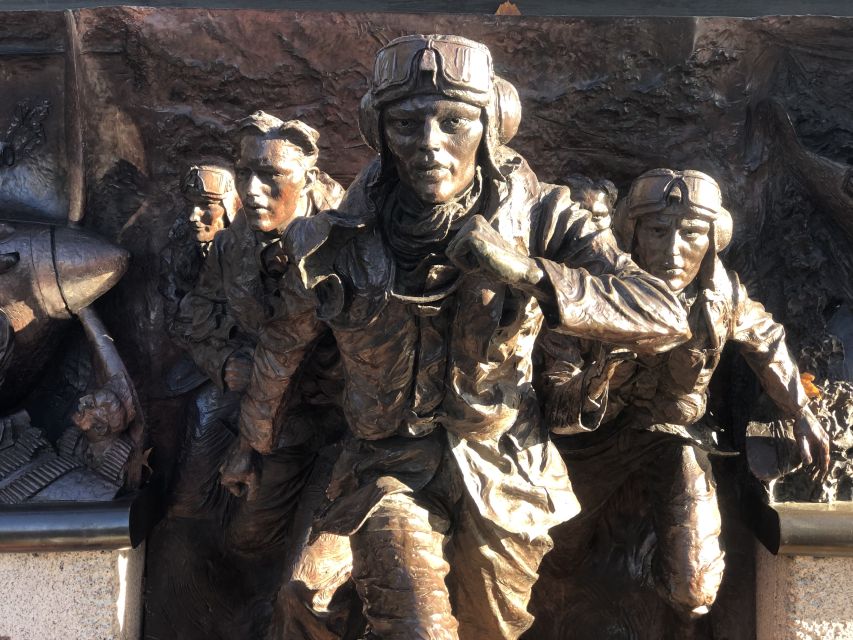
The opening stop is associated with the Royal Air Force and the Battle of Britain. That gives the tour a clear starting point: the struggle to prevent invasion and defend British airspace. You can expect the guide to move between larger military events and individual stories about pilots and other figures.
That balance matters. If you already know the basic outline of WWII, the biographies and lesser-known anecdotes add texture. If you are new to the subject, the guide helps you understand why Westminster was more than a collection of impressive buildings.
More Walking Tours in London:
- Magical London: Harry Potter Guided Walking Tour
★ 4.7 · 22,044 reviews - London: The Original Jack the Ripper Walking Tour
★ 4.7 · 7,833 reviews - Tour for Muggles The Ultimate Harry Potter Walking Tour in London
★ 5.0 · 4,684 reviews
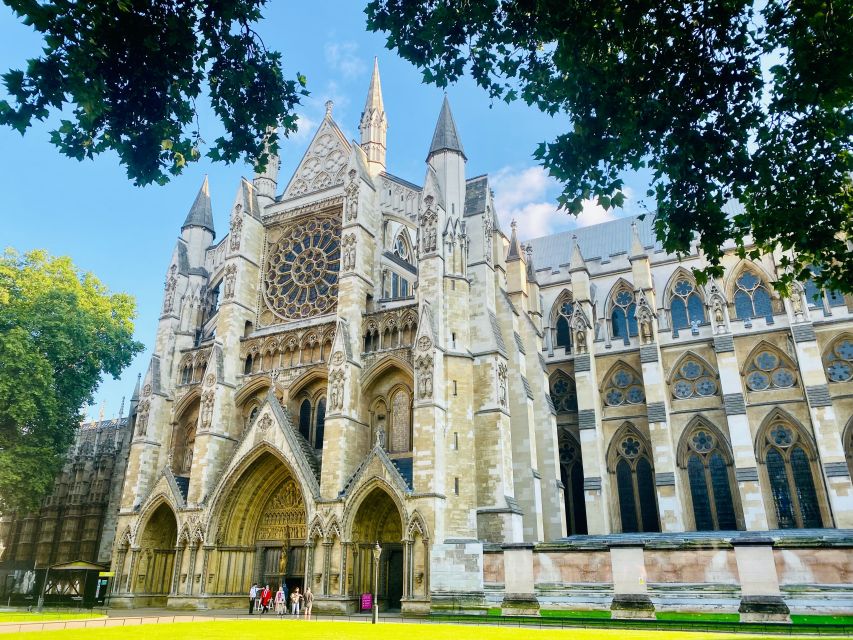
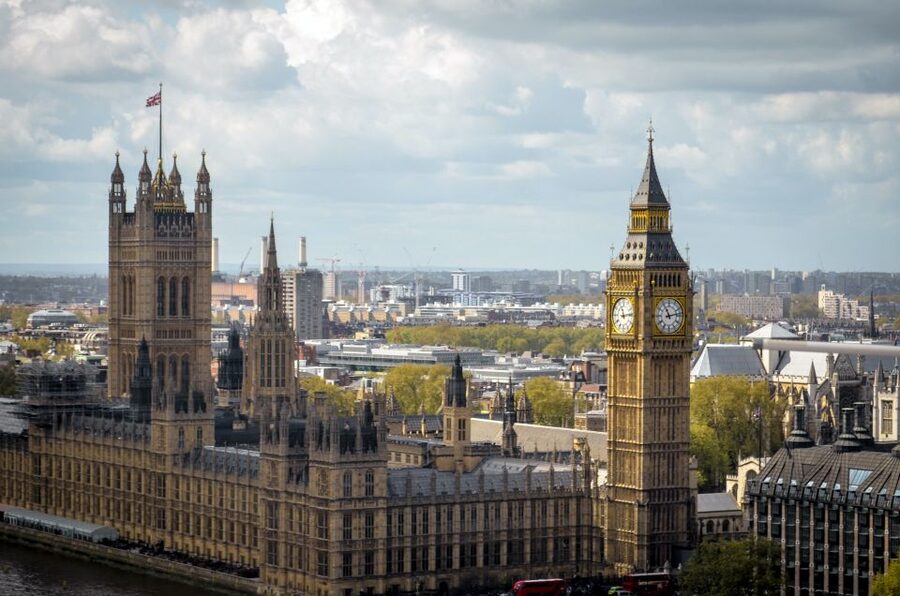
Big Ben and the Houses of Parliament
Big Ben and the Houses of Parliament are among London’s most photographed sights, but this walk asks you to see them as working symbols of national leadership during wartime.
The guide explains the effect of WWII on Westminster and the people making decisions inside these buildings. You are not simply stopping for a photograph. You are hearing how the seat of government functioned while Britain faced military danger and how Churchill’s leadership fit into that setting.
The experience is mostly outdoors. That means you get the atmosphere of modern Westminster while listening to the wartime story, but you do not enter the Houses of Parliament or other named monuments as part of the tour. Entrance tickets to monuments are not included.
This distinction is important for planning. If you want interiors, architecture, or a formal visit to Westminster Abbey, you will need to arrange those separately. The walking tour works best as a historical layer added to your sightseeing, not as an admission ticket to the landmarks themselves.
Westminster Abbey and the human side of war
Westminster Abbey brings a different tone to the route. It is one of London’s major historic buildings, yet the wartime story here is less about grand ceremony and more about national feeling, memory, and the strain placed on British society.
Your guide connects the Abbey and nearby streets to the experience of a country at war. The strongest guides do not treat history as a list of dates. Nathan, for example, has been praised for combining Churchill’s story with the lives of everyday citizens. Francis has been noted for keeping the pace moving while making the details personal.
That approach suits people who are not military history specialists. One family group joined because a young son was fascinated by military history, but the walk also held the attention of adults who were less familiar with the subject. A good guide can make the material work for both groups.
Still, keep your expectations clear. This is not an audio-visual presentation or a museum visit. Much depends on the guide’s delivery, and you will spend time standing outdoors while listening. The payoff is a more direct connection between the street in front of you and the events being discussed.
Whitehall, the Cenotaph, and the machinery of government
The route continues through Whitehall, the heart of Britain’s government. Here, the war story shifts from public landmarks to administration, military planning, and the daily operation of a country fighting for survival.
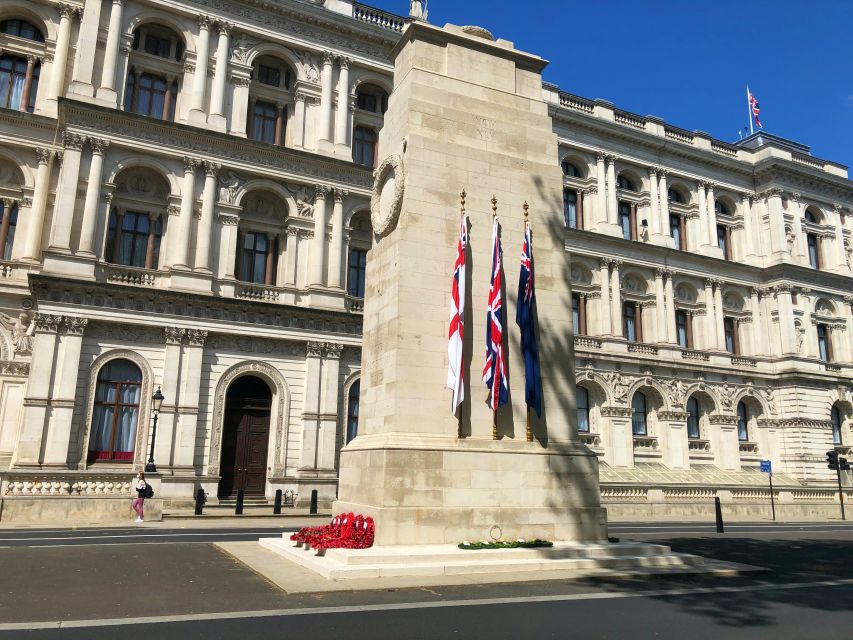
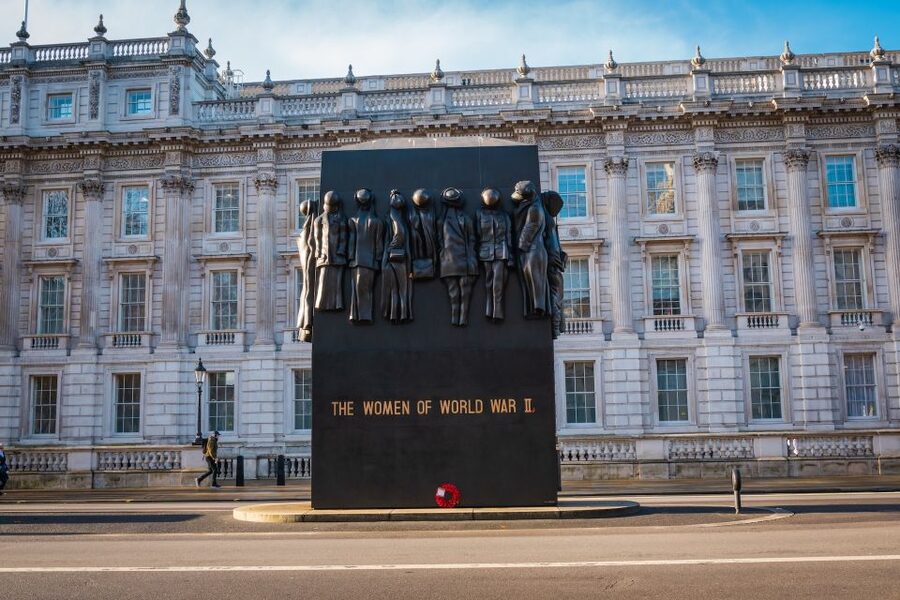
You see the Cenotaph, the Ministry of War area, Downing Street, and other important government buildings. These places help explain the machinery behind Churchill’s speeches. Britain’s wartime effort depended on far more than one famous leader. Civil servants, ministers, military officers, workers, families, and service personnel all played a part.
Downing Street adds a political angle. The guide places Churchill and the wartime cabinet within the setting where major decisions were made. The walk does not take you inside 10 Downing Street, but seeing it in context helps connect the public image of Churchill with the work of government behind closed doors.
The Cenotaph gives the route a more reflective stop. It is a place of remembrance, and the guide uses the surrounding area to discuss sacrifice and national memory. You should expect a serious subject handled with occasional British humor. Richard, Babs, Rosie, and Nathan have all been praised for using wit without losing sight of the human cost.
Same streets, a different guide:
- London Jack The Ripper Guided Walking Tour
★ 5.0 · 3,131 reviews - London: Harry Potter Movies Walking Tour (Kids Go Free)
★ 4.7 · 3,071 reviews - London Bridge & Borough Market Food Tour with 7 Authentic Dishes
★ 5.0 · 1,972 reviews - Changing of the Guard Guided Walking Tour in London
★ 5.0 · 1,793 reviews
Churchill’s War Rooms: the natural next step
The tour finishes outside Churchill’s War Rooms. This is one of its smartest choices because the walk gives you the story above ground, then points you toward the underground command center where Churchill and his cabinet directed the war.
Admission is not included, so you must buy a separate ticket if you want to go inside. The tour guide does not continue through the museum. Instead, you are left at the entrance with the option to explore on your own.
I would treat the walking tour and the War Rooms as two connected activities. The walk helps you understand the political and geographic setting. The museum then gives you a closer look at the bunkers and rooms used during the war, preserved in a way that makes the period feel immediate.
Allow extra time if you plan to visit the War Rooms. The guided walk itself is listed as 1.5 hours, while the overall activity information gives a duration range of 1.5 to 3 hours. The difference appears to depend on the chosen schedule and time spent around the route, but you should check the available start time when booking and avoid placing a tight appointment immediately afterward.
The guides make the biggest difference
The repeated strength of this experience is the quality of its storytelling. Nathan receives especially strong praise for his clear explanations, humor, and ability to answer questions. He also brings in details about people who do not always appear in standard accounts of Churchill and WWII.
Richard is another guide who has been noted for combining serious historical detail with British humor. His storytelling about Churchill, London, and the people of the period gives the walk a personal feel. Francis is praised for a steady pace and for making history easier to picture.
Other named guides include Babs, Rosie, and Amber. Babs brings visible enthusiasm to the subject, Rosie adds humor and energy, and Amber has been described as lively and engaging. Your exact guide depends on the departure date, so you should not book on the assumption that one particular person will lead every tour.
The practical lesson is simple: choose this experience because you want a live storyteller, not because you expect a fixed script or a large museum display. The guide is central to the value.
How much walking is involved?
The route is not described as a strenuous hike. One person found it to be more of a talking tour with limited walking, and another noted that there was not too much walking because the main sights are close together around Parliament and Downing Street.
Even so, you should wear comfortable shoes. You will be outside, moving between locations, and standing while the guide talks. Westminster can also be crowded, so staying close to the group matters.
The tour is not suitable for wheelchair users or people with mobility impairments. No large bags or luggage are allowed. If you are carrying shopping, a suitcase, or a substantial day bag, make other arrangements before arriving.
The meeting point is near public transport, but the guide meets you at street level beside the statue, not on the Underground platform. Follow the signs for Exit 2, Victoria Embankment, then take the stairs up.
Is $39 a fair price?
At $39 per person, the tour sits in a reasonable range for a focused London walking experience. The price includes the 1.5-hour guided walk and an English-speaking local guide, but it does not include food, drinks, hotel pickup, monument admission, or entry to Churchill’s War Rooms.
The value depends on how you use it. If you only want to walk past Westminster landmarks and take photographs, you can do that without paying. If you want a clear explanation of how those places relate to WWII, the fee buys you structure, context, and access to a guide who can answer questions.
The price feels less attractive if your main goal is the War Rooms themselves. You still need to pay the separate entrance fee, and the walking tour does not replace the museum. It works better as a companion to the War Rooms than as an alternative.
For a private tour, the cost can make more sense if you are sharing it with a small group and want to ask plenty of questions. A shared group tour is the more economical choice for most visitors.
Who will enjoy this walk?
I would recommend it most strongly to:
- People who want Churchill and WWII explained through real London locations.
- Families with older children or teenagers interested in military history.
- Visitors planning to visit Churchill’s War Rooms and wanting useful context first.
- First-time visitors who want a short, focused introduction to Westminster.
- Anyone who prefers stories about individuals and daily life alongside political history.
It may be less suitable if you want a long walking route, extensive interior visits, or a broad survey of all London history. It is also not a good fit for anyone who cannot manage stairs, outdoor standing, or a regular walking pace.
The tour can work for people who are not history fans, provided the guide keeps the storytelling lively. Several guides are praised for using humor and clear explanations, which helps prevent the subject from becoming a parade of dates and military terms.
Small practical tips for a better visit
Arrive a little early at the Boadicea and Her Daughters Statue. The guide holds an orange Urban Saunters sign, but Westminster Station can be confusing if you leave through the wrong exit.
Wear shoes you can stand in comfortably. You do not need specialist equipment, but this is an outdoor walk and the experience depends on being able to stay with the group.
Do not bring luggage or a large bag. Pack lightly, especially if you plan to continue to the War Rooms afterward.
If the subject matters to you, book a departure that leaves enough time for Churchill’s War Rooms later. The museum is the logical follow-up, and rushing away after the walk would weaken the value of both parts.
Free cancellation is available up to 24 hours before the tour, and you can reserve now and pay later. That flexibility is useful when your London schedule includes weather-sensitive outdoor plans.
Should you book the Winston Churchill and London in WWII Walking Tour?
Book it if you want focused WWII storytelling in the actual Westminster setting, especially if Churchill’s War Rooms are already on your London list. At $39, you are paying for a short, guided history lesson rather than entry to a monument, and the strongest guides make that lesson personal, clear, and entertaining.
I would be cautious if you want a long walk or expect to enter the Houses of Parliament, Westminster Abbey, or the War Rooms as part of the price. Those are separate experiences.
For most history-minded visitors, the best plan is simple: take the walk first, listen closely to the stories about Churchill and ordinary Londoners, then visit the War Rooms afterward. That combination gives you both the streets above ground and the wartime command center below.
FAQ
Where does the tour meet?
Meet by the Boadicea and Her Daughters Statue outside Westminster Station, Exit 2. Follow signs for Exit 2, Victoria Embankment, then take the stairs to street level. The guide will hold an orange Urban Saunters tour sign.
How long does the tour last?
The guided walking tour lasts 1.5 hours. The activity information gives an overall duration range of 1.5 to 3 hours, so check the available start time when booking.
Which landmarks are included on the route?
The route includes views and discussion of Big Ben, Westminster Abbey, the Houses of Parliament, the Cenotaph, the Ministry of War area, 10 Downing Street, and Whitehall.
Is entry to Churchill’s War Rooms included?
No. The walking tour finishes outside Churchill’s War Rooms, but admission to the War Rooms is separate.
Is this a private tour or a group tour?
You can choose between a shared group tour and a private walking tour.
What language is the tour offered in?
The tour is conducted in English with a live English-speaking local guide.
Is the tour suitable for wheelchair users?
No. The activity is not suitable for wheelchair users or people with mobility impairments. You should also wear comfortable shoes and avoid bringing luggage or large bags.
New routes in London
- German London : The Ultimate Walking tour★ 4.8 · 400 reviews
- London: Medieval History Walking Tour from The Tower★ 4.9 · 318 reviews
- The Beatles London Walking Tour★ 4.2 · 147 reviews
- London: Sherlock Holmes-Themed Walking Tour★ 4.7 · 756 reviews
- Secret Old London Walking Tour★ 4.8 · 154 reviews
- Secrets of London Walking Tour★ 4.7 · 562 reviews
- London: Notting Hill Walking Tour★ 4.5 · 254 reviews
- London: Old City Walking Tour★ 4.8 · 135 reviews
London Walking Tours, compared.

Magical London: Harry Potter Guided Walking Tour
Read our review →
Tour for Muggles The Ultimate Harry Potter Walking Tour in London
Read our review →

Harry Potter Movies Walking Tour (Kids Go Free)
Read our review →
London Bridge & Borough Market Food Tour with 7 Authentic Dishes
Read our review →
Changing of the Guard Guided Walking Tour in London
Read our review →
The Great British Rock and Roll Music Walking Tour
Read our review →Browse the lists this tour appears in