
Review · KRAKOW
Jewish Krakow Walking Tour in English
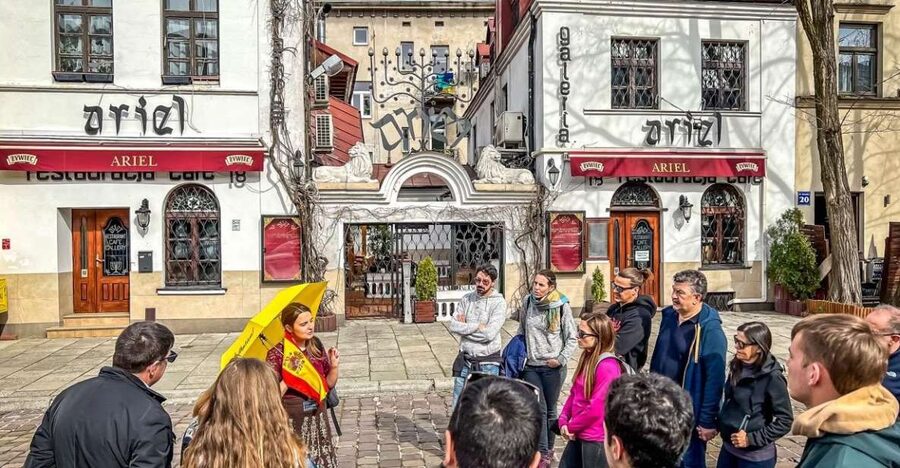
Krakow’s Jewish story is written across two neighborhoods. In Kazimierz, old synagogues and Jewish streets recall a flourishing community. Across the river in Podgórze, former ghetto buildings and wartime sites tell a far darker story. This tour connects both chapters in one thoughtful walk.
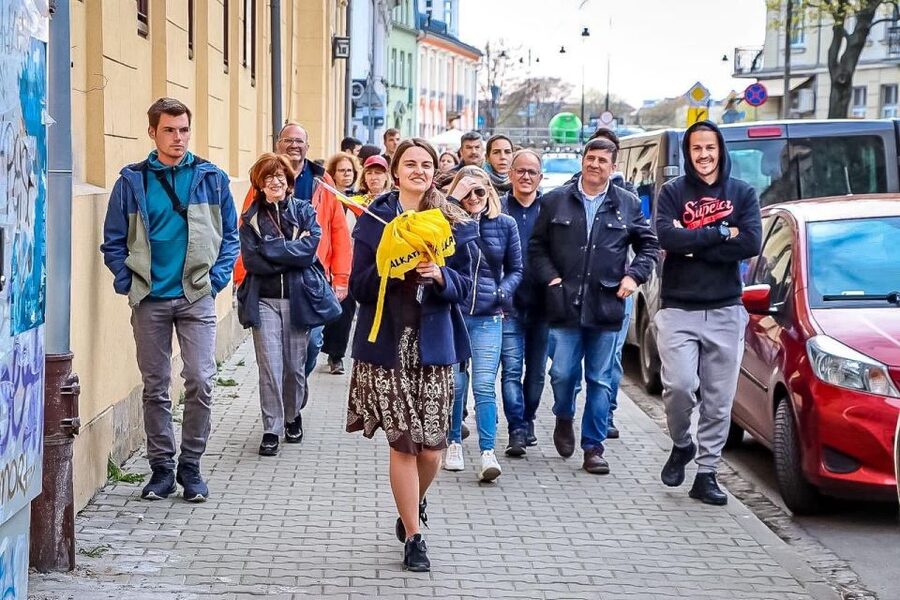
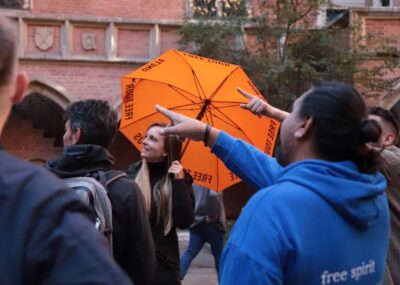
I like the clear route from the Old Synagogue to the former Jewish Ghetto, and I like the guides’ human approach. Max, Maciek, Pawel, Mateusz, Lucy, and others have been praised for strong storytelling, warmth, and an ability to answer questions without turning the walk into a dry lecture.
The main drawback is the length and footing. Two and a half hours on cobblestones can wear you down, and the tour may finish across the river rather than where it began. One stop for coffee or a drink may help, but families with very young children should plan carefully.
Key points to know before you book
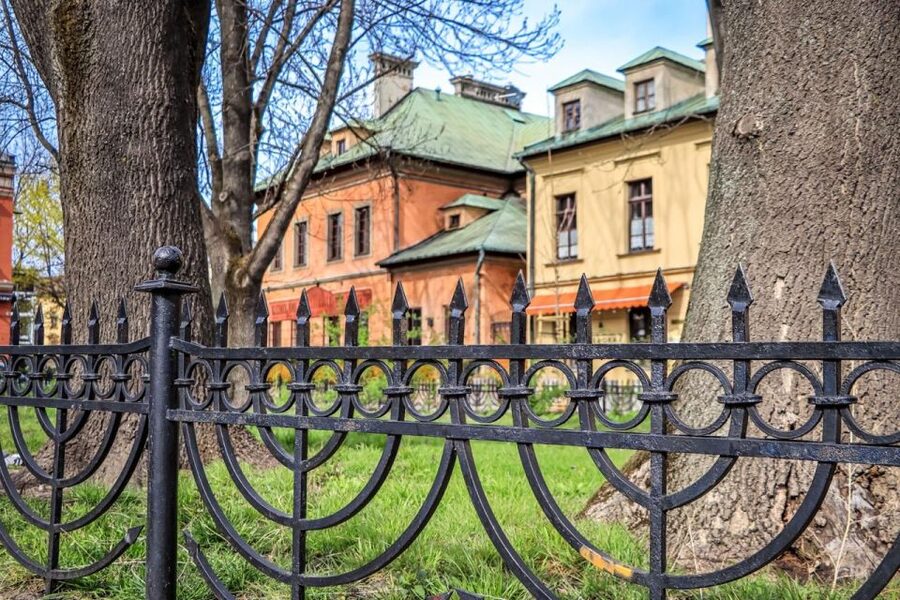
- Seven historic synagogues frame the Kazimierz portion, giving you a clear sense of the district’s former importance.
- The walk connects Kazimierz with Podgórze, so you learn about both Jewish life before the war and the Nazi persecution that followed.
- Guides such as Max, Maciek, Pawel, and Mateusz use stories and humor carefully, keeping a serious subject accessible without making it feel casual.
- The route lasts 150 minutes and includes cobblestones, so comfortable shoes matter more than stylish ones.
- The $26 price covers the reservation and guide payment, despite the tour’s pay-as-you-wish format.
- A stop for coffee or a drink may break up the walk, though the activity does not include snacks or hotel transport.
Starting at the Old Synagogue in Kazimierz
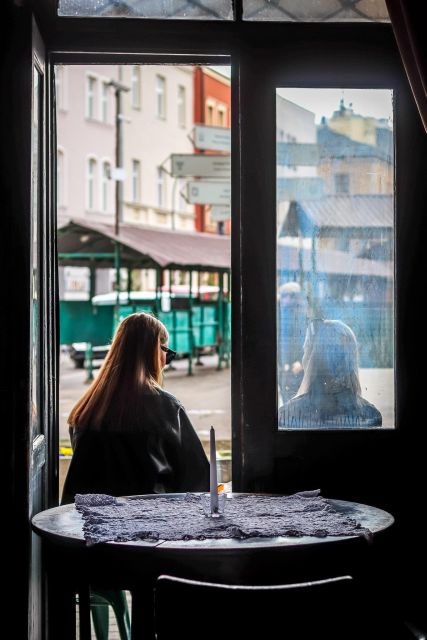
You meet on the steps in front of the Old Synagogue, on the main street of Krakow’s former Jewish quarter. Arrive about 10 minutes early. The location is central to the story, not just a convenient landmark: this is where the walk begins its look at Jewish Krakow before the Second World War.
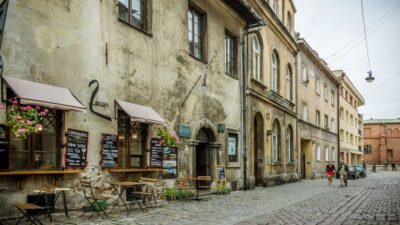
Kazimierz was once a separate town before becoming part of Krakow. Its streets held homes, shops, schools, prayer houses, and synagogues serving a large Jewish population. The tour uses the neighborhood to explain how Jewish life took shape over centuries, rather than beginning with the Holocaust alone.
That context matters. If you go straight to wartime sites, it is easy to see Jewish Krakow only through loss. This walk first gives you a picture of a living community, its customs, institutions, and buildings. The result is a more honest understanding of what was destroyed.
Finding the meeting point should be manageable in good weather, but rain can make the steps and surrounding pavement less obvious. One person had trouble locating the group in wet conditions and was redirected quickly. Bring the meeting details with you and leave a little time to get your bearings.
More Jewish Heritage Walking Tours in Poland
- Krakow: Kazimierz Jewish Quarter Walking Tour
★ 4.8 · 571 reviews - Krakow: Jewish Ghetto Walking Tour
★ 4.6 · 349 reviews - Krakow: Jewish Quarter Guided Walking Tour
★ 4.8 · 119 reviews
Kazimierz and the seven surviving synagogues
The historic Jewish district is the first major section of the walk. You pass places connected with Jewish worship and public life, including the group of seven old synagogues that survived the destruction of the war and Holocaust. The tour explains why these buildings matter and how they fit into the district’s story.
Do not expect a standard synagogue service. The activity does not promise entry into a working synagogue, and one participant specifically wished the route included a visit to a practicing congregation. If stepping inside an active place of worship is important to you, check the day’s arrangements before booking.
The strength of this section is the guide’s explanation of what you cannot see from the pavement. A facade may look like an old building, but the guide can connect it to the people who worshipped there, the community structures around it, and the changes brought by the war.
This is also where the tour’s tone is set. The subject is serious, but guides have been praised for being friendly, lively, and occasionally funny without losing respect for the material. Maciek, for example, has been singled out for combining passion with strong storytelling. That balance helps a long walk feel focused rather than heavy from the first minute.
Kazimierz is also a modern cultural center, with cafes, bars, and renewed interest in Jewish culture. The walk addresses this revival, which is important because the district is not simply an open-air memorial. Contemporary Krakow has given the area new energy, while the older Jewish identity remains central to its appeal.
From prewar community to wartime destruction
The tour’s central value is the transition from everyday Jewish life to the devastation of the Holocaust. You learn about the local community before the war, then follow the changes imposed during the German occupation and the years of persecution.
This part can be difficult. The walk is not a light sightseeing loop, and you should expect direct discussion of death, displacement, and destruction. The guide’s job is to connect events to actual streets and buildings, which can make the history feel immediate.
That direct connection is also why I would schedule this tour early in your Krakow visit. One participant planned to visit Auschwitz the following day and found the Krakow walk useful preparation. It gives you local context before a larger memorial site, showing how persecution affected homes, streets, and neighborhood life.
The strongest guides keep the narrative moving without rushing. Reports about Max, Pawel, Michael, Tom, Victoria, Johanna, and others repeatedly point to clear explanations, strong pacing, and an ability to answer questions. You are not simply being led from marker to marker. You are being shown how the pieces fit together.
Still, remember that guide quality can vary from one departure to another. The names above indicate the range of guides who have led the activity, not a guarantee that you will receive a particular person. The consistent theme is an English-language walk built around explanation rather than a silent procession between sights.
Crossing to Podgórze and the former Jewish Ghetto
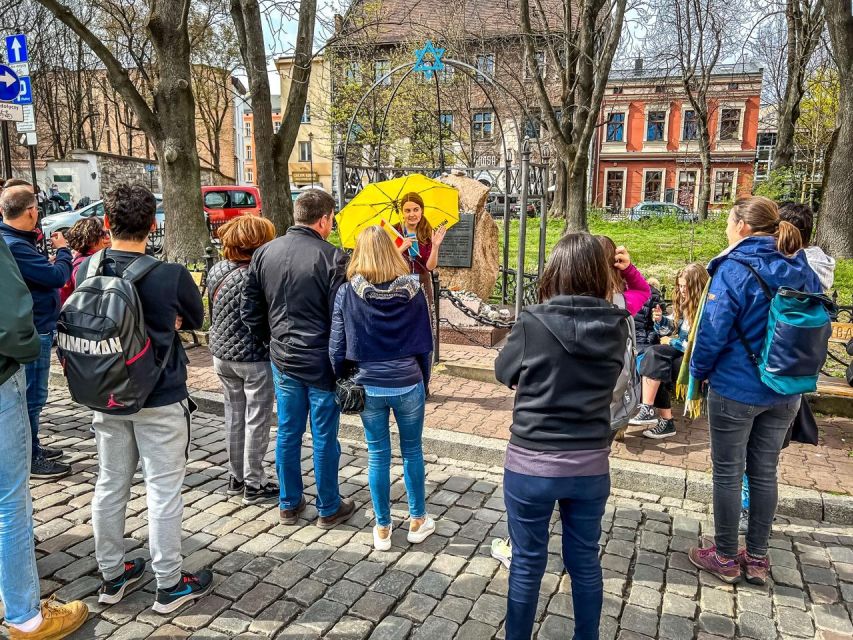
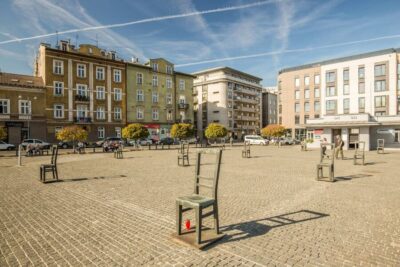
The route continues toward Podgórze, across the river from Kazimierz. This was the site of Krakow’s former Jewish Ghetto during the Second World War. The change in setting gives the story a physical break, while the guide explains how the ghetto operated and what happened to the people forced into it.
Here, ordinary buildings carry a grim charge. The tour points out places where wartime events unfolded and explains the role of the remaining structures. You may find this more affecting than a museum display because the setting is still part of the city around you.
One useful detail to know is that the walk may finish in Podgórze rather than return to the Old Synagogue. A person who expected to end at the starting point found the route finished across the river and was unsure how to get back. That is not a reason to reject the tour, but you should plan for the final location and be ready to continue independently.
There was also a complaint that a surviving section of the ghetto wall, about 200 meters farther on, was not included at the end of one walk. Since routes can vary, you may want to ask the guide whether that section is part of the day’s plan. If it is a priority, the question could prevent disappointment.
This is a good example of the tour’s trade-off. Covering both Kazimierz and Podgórze gives you a much broader story than a short neighborhood stroll, but the route cannot include every important site. The 150-minute limit requires choices.
More Jewish Heritage Walking Tours in Krakow:
- Krakow: Jewish Ghetto Guided Walking Tour
★ 4.7 · 78 reviews - Krakow: 2h Kazimierz (Jewish Quarter) Walking Tour
★ 4.5 · 75 reviews - Amsterdam Anne Frank: Small-Group Walking Tour & Local Guide
★ 4.8 · 12,789 reviews - Anne Frank’s Story – Guided Walking Tour through Amsterdam
★ 5.0 · 11,619 reviews
Why the storytelling matters
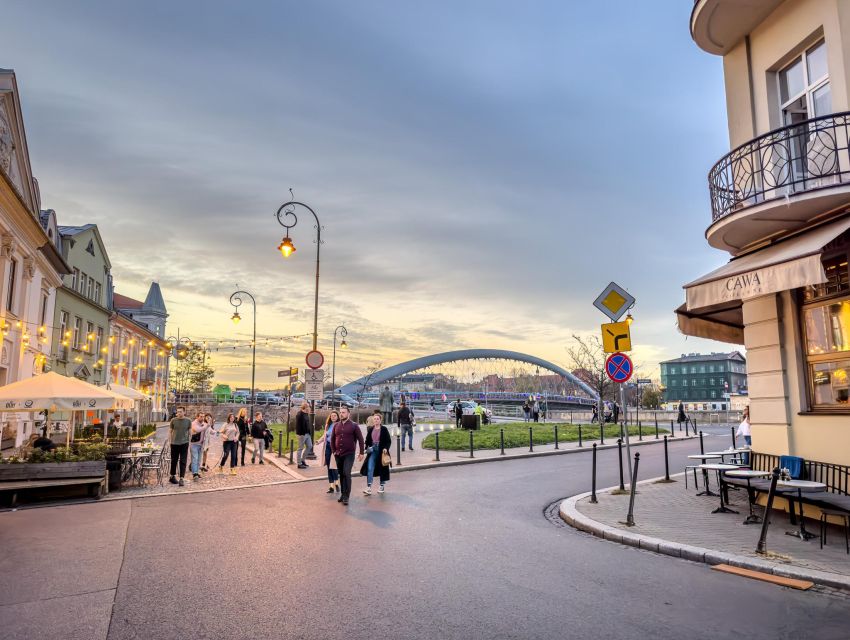
I would not book this activity simply to tick off synagogues. Its value is the narrative linking them. The Old Synagogue, the streets of Kazimierz, the wartime ghetto, and the present-day cultural revival make sense together only when someone explains the connections.
The best guides also make room for questions. Amanda praised Lucy’s ability to answer questions clearly. Other guides, including Krzysztof and Natalia, were described as friendly and engaging while keeping the subject understandable. That personal exchange is useful when the history raises uncomfortable or complicated points.
The route also avoids one common problem with historic walking tours: treating tragedy as the whole identity of a place. You hear about Jewish culture before the war, the destruction of the Holocaust, and the small but active Jewish community in present-day Krakow. Those three periods give you a fuller view.
The tour can be especially useful if you know little about Polish or Jewish history. You do not need to arrive with background reading. At the same time, people with more prior knowledge may appreciate the local focus, since the walk ties broad events to specific places in Krakow.
Walking conditions, pace, and family considerations
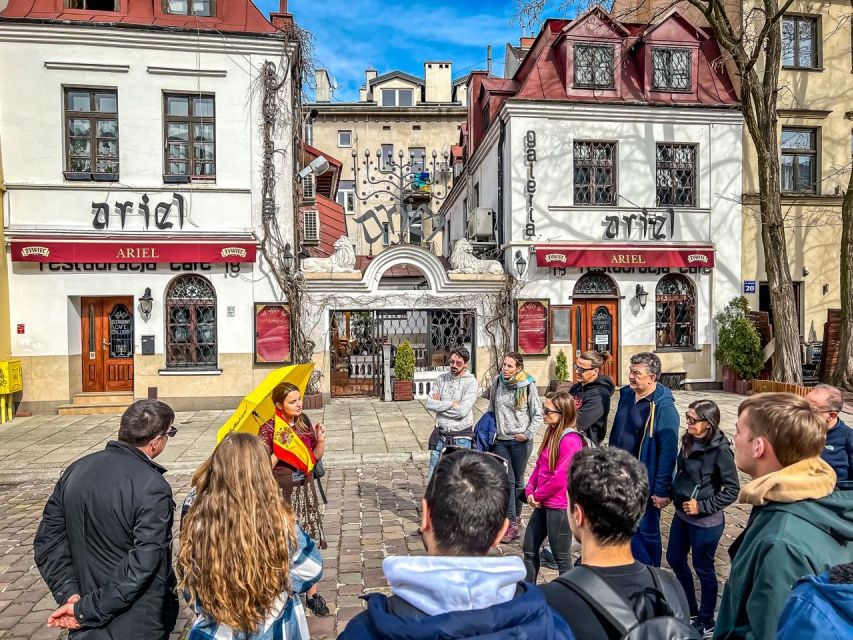
You will be outside for two and a half hours, mostly on city streets and cobblestones. Wear comfortable shoes with good support. This is practical advice, not a minor detail: one person described most of the route as cobbled, while another said the pace was not too strenuous.
The walk is listed as wheelchair accessible, but you should still consider the exact conditions. Cobblestones, weather, and the route between neighborhoods may affect comfort. If you use a wheelchair, contact the provider before the tour to confirm the day’s path and any accessibility needs.
A break may occur during the tour. One group stopped for coffee, and another enjoyed mulled wine in a bar during a cold afternoon. That kind of pause can make the route easier, but snacks and drinks are not included, so bring money if you want refreshments.
Families need to judge the length carefully. A four-year-old became tired and left after the coffee break. The tour may work for older children who can handle walking and serious history, but very young children may struggle with both the duration and the subject matter.
Rain also affects the experience. The meeting point can be harder to spot in poor weather, and wet cobbles are less pleasant underfoot. Check the forecast, dress for the conditions, and arrive early enough to find the steps without stress.
Price, payment, and overall value
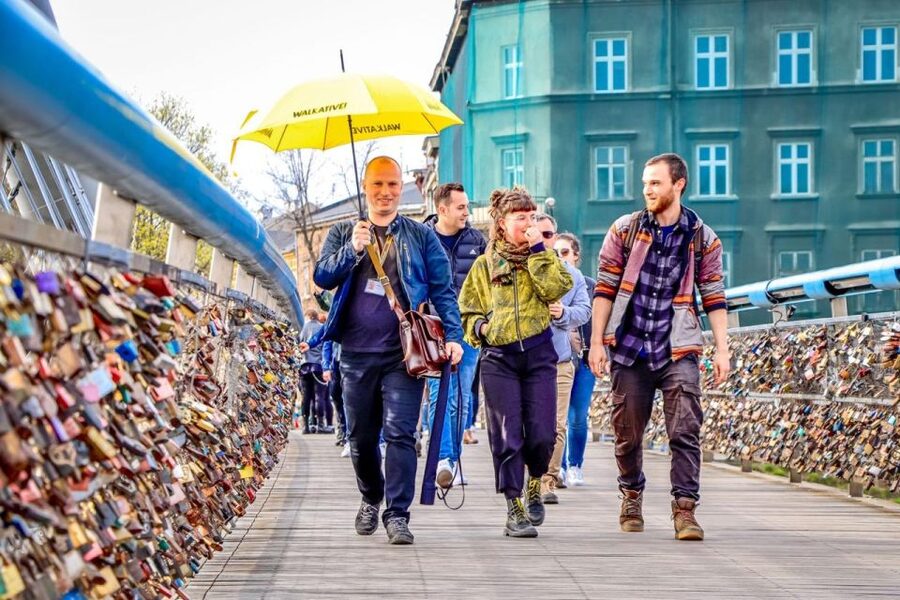
The listed price is $26 per person. That is a fair amount for a 150-minute English-language walk covering two major historic districts, especially when the guide provides the historical structure that makes the sites meaningful.
There is an unusual payment detail. This operates as a general pay-as-you-wish tour, but the $26 booking amount covers the reservation fee and the guide’s payment. One person was confused about paying the guide after already paying through the booking system. Read the payment terms closely so you know what the advertised amount covers.
You do not pay for hotel pickup, drop-off, or refreshments. That is normal for a city walking tour, and the meeting point is central enough to make self-arranged transport practical. The main extra cost is likely whatever you choose to buy during the break, if one occurs.
The value is strongest for first-time visitors, people preparing for a visit to Auschwitz, and anyone who wants more than attractive old streets. A shorter, self-guided walk may cost less, but it will not necessarily explain why the buildings matter or how Kazimierz connects to Podgórze.
The rating is 4.8 from 102 ratings, with particularly strong praise for guide quality, pacing, and clear storytelling. I would treat that as useful evidence of consistency, while remembering that a live walking tour depends partly on the individual guide, weather, and group energy.
Who should book this walk?
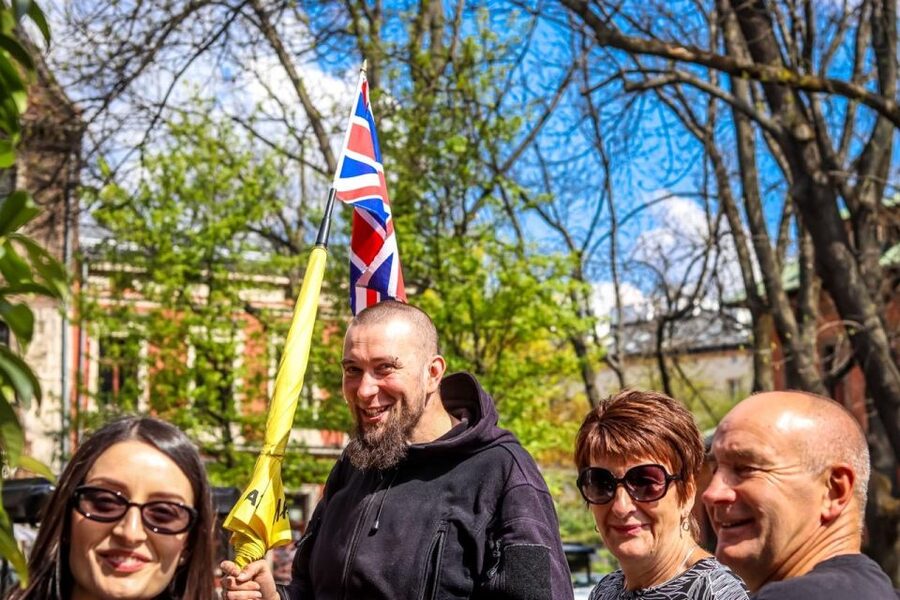
Book it if you want a serious but approachable introduction to Krakow’s Jewish past and present. It suits adults, older students, history-minded visitors, and anyone planning to visit Auschwitz who wants local background first.
It also works well as a first or second-day activity. Early in your stay, it can help you recognize the difference between Kazimierz as a historic Jewish district and Kazimierz as a modern social quarter. Later in your stay, it provides a focused way to understand places you may already have walked through.
You may want another option if you dislike long walks, need frequent stops, or want entry into active synagogues. You should also think twice if you prefer a cheerful sightseeing tour with little discussion of wartime suffering.
For most visitors, the route earns its price through the guide rather than through admission tickets. Maciek, Max, Pawel, Mateusz, Lucy, and the other named guides have been praised for making difficult material clear, personal, and well paced. That is exactly what you need here.
My verdict on the Jewish Krakow Walking Tour
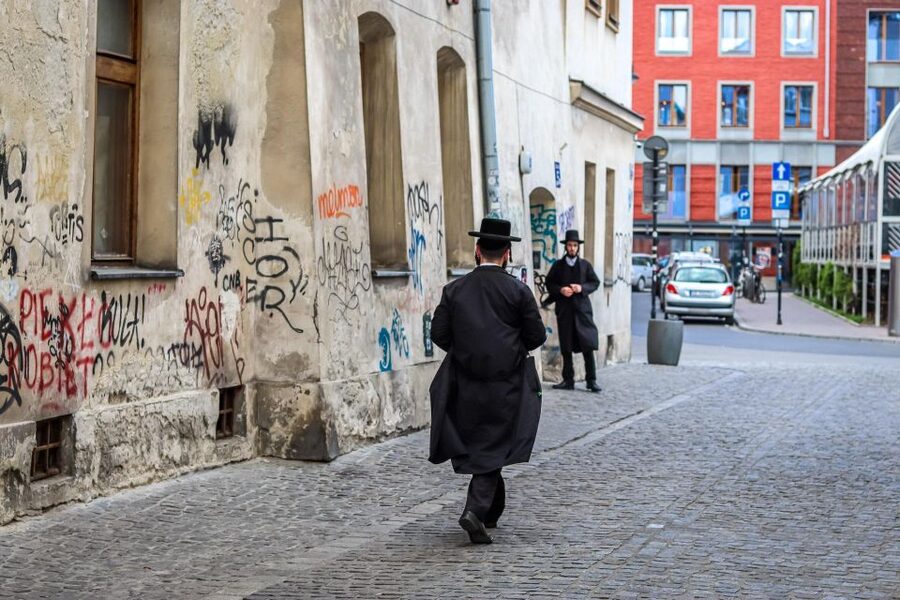
I would book this tour if you want the human story behind Kazimierz and Podgórze, not just a look at old buildings. The route covers a lot, the subject is handled with care, and the English-language narration gives you context that is hard to build alone.
Set your expectations correctly: this is a serious 150-minute walk on cobblestones, not a museum visit or a synagogue service. Arrive early at the Old Synagogue, wear comfortable shoes, ask about the ghetto wall if it matters to you, and plan your way home from the finishing point. With those details in place, this is a strong-value introduction to one of Krakow’s most important stories.
FAQ
Where does the Jewish Krakow Walking Tour begin?
The tour begins on the steps in front of the Old Synagogue on the main street in Krakow’s Jewish Quarter, Kazimierz.
How long does the tour last?
The walking tour lasts 150 minutes, or two and a half hours.
What language is the tour conducted in?
The tour is conducted in English with a live guide.
Does the tour visit both Kazimierz and Podgórze?
Yes. It covers historic Kazimierz and continues to Podgórze, the area of the former Second World War Jewish Ghetto.
Is the tour wheelchair accessible?
The activity is listed as wheelchair accessible. Since the route includes cobblestones, it is sensible to confirm the day’s route with the provider if you have specific mobility needs.
Can I cancel or pay later?
You can cancel up to 24 hours before the activity for a full refund. Reserve-now, pay-later booking is also available.
New routes in Krakow
- Krakow: Jewish Quarter Guided Walking Tour★ 4.8 · 119 reviews
- Krakow: Old Town Guided Walking Tour★ 4.6 · 94 reviews
- Kraków: Old Town & Wawel Castle Walking Tour in English★ 4.8 · 532 reviews
- Krakow: Old Town Highlights Walking Tour★ 4.5 · 173 reviews
- Krakow: 2h Kazimierz (Jewish Quarter) Walking Tour★ 4.5 · 75 reviews
- Krakow: Old Town Highlights Private Walking Tour★ 4.9 · 79 reviews
- Krakow: Street Food Walking Tour★ 4.8 · 285 reviews
- Krakow: Legends and Tales of Old Town Walking Tour★ 4.8 · 227 reviews
Krakow Walking Tours, compared.

Browse the lists this tour appears in