
Review · HAMBURG
Hamburg: Guided Port Walk for Families
Hamburg’s port comes alive here through short stories, spice samples, pictures, and a ferry ride, rather than through a long lecture about dates and ships. You follow the waterfront from old Deichstraße through the Speicherstadt and HafenCity, see the Elbphilharmonie, then cross the Elbe toward Landungsbrücken.
I like the way the tour gives children something to look at and touch, and I like the clear route that links Hamburg’s old merchants’ houses with its modern port. Guides such as Dörte and Klaus-Peter have been praised for keeping children involved and adjusting the pace to the group. The main drawback is that the tour may feel more like a Speicherstadt and waterfront walk than a close look at working harbor operations, especially in poor weather.
Key points to know before booking
- The tour is built for ages 6 to 12: Expect explanations shaped for children, with stories, pictures, and spice samples rather than a technical port lecture.
- The route covers old and new Hamburg: You visit Deichstraße, the Speicherstadt, HafenCity, the Elbphilharmonie, and Landungsbrücken.
- A five-minute ferry ride is included in the route: You need a public transport ticket, which is not included in the $14 tour price.
- The regular tour is in German: English group tours can be arranged for individual dates.
- The tour finishes at Landungsbrücken: That makes it easy to continue along the waterfront after the guide says goodbye.
- Weather matters: Much of the experience is outdoors, and a cold, rainy day can make the two hours feel long for young children.
A family-friendly way into Hamburg’s port
Hamburg’s harbor can be hard for children to understand from a map. It is huge, spread along the Elbe, and filled with warehouses, canals, ferries, docks, and modern ships. This tour gives you a manageable slice of it in two hours, using a route that moves from old city streets to the river.
The focus is not simply on looking at boats. Your guide explains why merchant houses were built beside or over the water, what was stored inside the Speicherstadt warehouses, how large ships reach a dry dock, and what an English closet means. Those questions give children a reason to pay attention. They also help you see Hamburg as a working trading city, not just a pretty waterfront.
At $14 per person, the tour is reasonably priced if your children enjoy asking questions and learning through stories. The price covers the guide, but not the public transport tickets needed for the route. Since the ferry ride is short, you are paying mainly for the guided interpretation and the family-friendly structure, not for a long boat excursion.
More Guided Walks in Germany:
- Berlin: Third Reich & Cold War Guided Walking Tour
★ 4.9 · 8,378 reviews - Berlin: Hidden Backyards Guided Walking Tour
★ 4.8 · 5,360 reviews - Bamberg: Guided Walking Tour
★ 4.6 · 3,202 reviews
Starting on Deichstraße with merchants and water
Meet at the corner of Deichstraße and Steintwiete, near Deichstraße 30. This is a useful starting place because Deichstraße gives you an immediate sense of old Hamburg. The street is closely tied to the city’s commercial past, and the guide uses it to explain how merchants lived and worked beside the waterways.
For children, the questions are the best part. Why are the merchants’ houses standing in the water? What did merchants bring into Hamburg? How did goods move from ships into storage? These are simple questions, but they lead into the basic workings of a port.
The tour also introduces stories of merchants and pirates, spices, and goods from distant parts of the world. Pictures and spice samples help keep the subject concrete. A child may not remember every name or date, but the smell of a spice or an image of an old ship can make the port’s trade easier to picture.
Deichstraße is also a good place to begin if your family has limited patience for long walks. You start with a defined historic area instead of being dropped into the wider harbor district. Still, you should expect a walking tour, not a seated activity. Children need to be comfortable walking outdoors for the full two hours.
Speicherstadt: Hamburg’s warehouse district
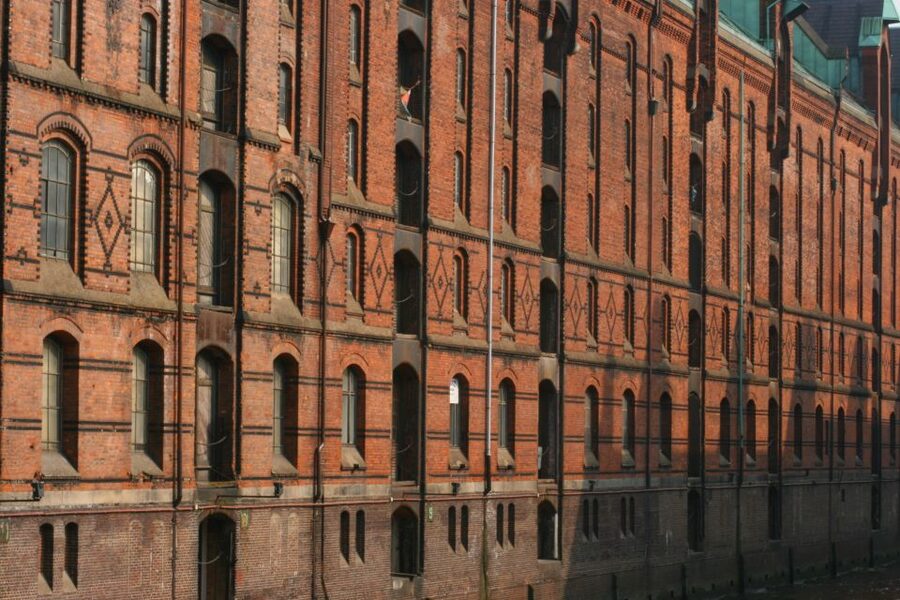
From Deichstraße, the route continues into the Speicherstadt, Hamburg’s famous district of red brick warehouses and canals. This is likely to be one of the most memorable parts of the walk because the setting is striking even before the explanation begins.
The guide talks about what was stored inside the warehouses and how goods moved through the port. This is where the spice samples make particular sense. Speicherstadt was built for trade and storage, so the stories connect the grand brick buildings with the everyday work of handling goods from around the world.
Look closely at the relationship between the buildings and the canals. The warehouses were designed around water access, and the tour helps explain why that mattered. Children can see that the canals were not just decorative. They were part of the transport system.
One point to weigh before booking is the balance between the title and the actual route. The experience is called a port walk, but much of the time is spent in Speicherstadt and nearby historic areas rather than beside container terminals or active industrial docks. If you want a close look at heavy port machinery, this may feel too limited. If you want to understand how Hamburg’s trading center developed, the Speicherstadt section is a strong fit.
HafenCity and the Elbphilharmonie
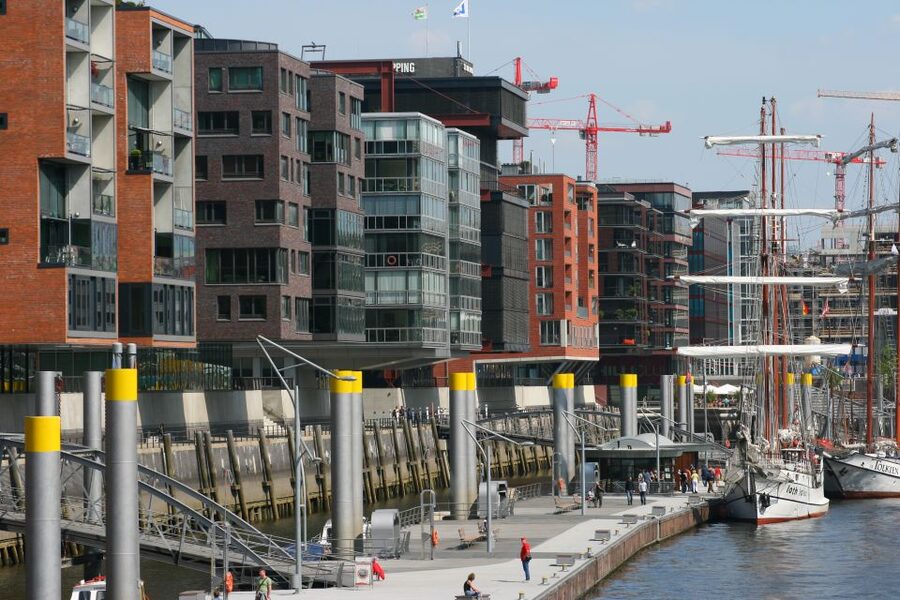
The route then brings you into HafenCity, the newer waterfront district, with the Elbphilharmonie as its most famous landmark. This change in scenery helps children see that Hamburg’s port did not stop developing after the old warehouses were built.
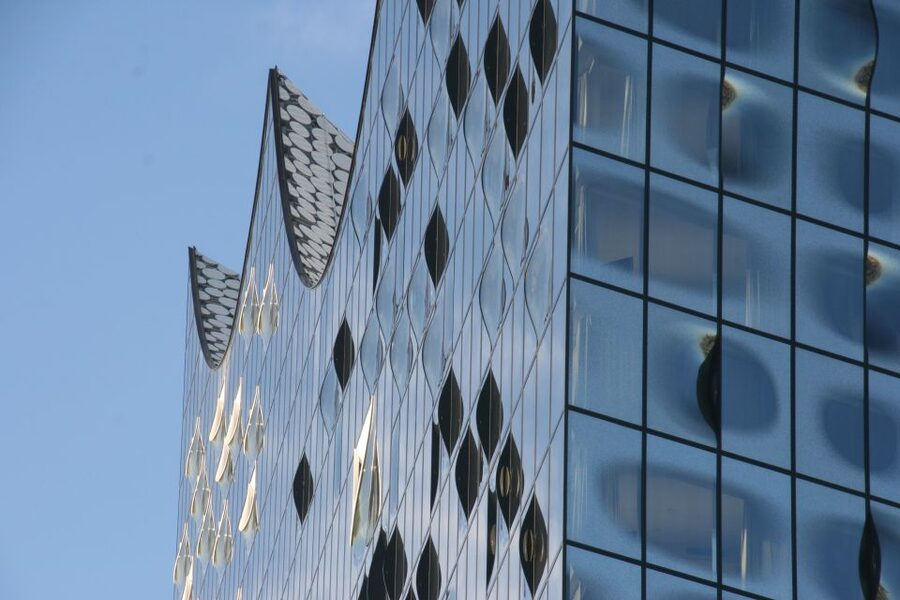
The Elbphilharmonie gives the guide a clear visual marker and provides a chance to talk about modern Hamburg. You get impressive views along the river and canals, with the old warehouse district and newer buildings forming a useful contrast.
Do not expect a concert visit or an inside tour of the Elbphilharmonie. The supplied information describes a guided stop and views of the building, not admission to a performance or access to a special interior area. The value here is the setting and the explanation of how this part of the waterfront fits into the city today.
This is also where the tour may appeal to parents who want more than a children’s activity. You get architecture, city planning, and harbor views alongside the stories aimed at younger listeners. The guide’s job is to keep those layers understandable without turning the walk into a formal history class.
More Walking Tours in Germany:
- Discover Berlin Half-Day Walking Tour
★ 5.0 · 9,624 reviews - Berlin City walk Government District and Places of Democracy
★ 4.7 · 8,467 reviews - Munich: Third Reich & WWII Walking Tour
★ 4.6 · 6,181 reviews - Berlin: Discover Berlin Walking Tour
★ 4.9 · 5,998 reviews
The five-minute ferry crossing
A short ferry trip links the walking sections. It lasts about five minutes, so keep your expectations realistic: this is not a harbor cruise or a long sightseeing boat ride.
Still, the ferry matters because it lets you experience Hamburg’s waterfront from the water. You see the river from a different angle, feel the movement of the harbor, and give children a welcome change after walking along canals and streets.
Public transport tickets are required for the tour and are not included in the price. Check this before setting out, since the ferry is part of the route rather than an optional extra. The exact ticket arrangements are not specified here, so you should confirm the current transport requirement when booking.
The ferry can also be the most weather-sensitive part of the experience. On a cold or wet day, the open waterfront may feel uncomfortable, particularly for younger children. Bring suitable clothing and do not treat the tour as an indoor backup plan.
Landungsbrücken and the working river view
The tour ends at Landungsbrücken, one of Hamburg’s best-known waterfront areas. This is a practical finish because you are already at a major point for harbor views, ferries, and further walks along the Elbe.
The guide uses the route to connect old ships with modern container vessels. You may also hear how large ships reach a dry dock, which gives children a sense of the scale and engineering behind the port. The tour does not promise access to a dry dock or a working container terminal, so think of this as an explanation from public viewpoints rather than a behind-the-scenes port visit.
Landungsbrücken gives you a clear ending. You can stop for a view, continue exploring, or make your own plans from there. Since the start and finish are in different parts of the waterfront, the route feels like a real city walk instead of a loop back to the meeting point.
The drawback is that two hours goes quickly. The guide has to cover Deichstraße, Speicherstadt, HafenCity, the Elbphilharmonie, the ferry, and Landungsbrücken. Some children may enjoy the steady stream of questions and stories, while others may prefer less explanation and more time simply looking around.
How the guides handle children
The quality of a family walk depends heavily on the guide. Here, the strongest comments focus on kindness, energy, and the ability to adjust the content for children.
Dörte has been singled out for making the tour entertaining and easy to follow, with plenty of enthusiasm. Klaus-Peter has also been praised for presenting the material in a way children could understand. These names may not tell you who will lead your particular departure, but they show the kind of guiding style to hope for: friendly, attentive, and willing to shape the talk around the children present.
The tour is aimed at children from 6 to 12, a broad age range. A six-year-old and a twelve-year-old may not want the same level of detail, so the guide has to strike a balance. Some families have found the explanations especially engaging, while one account found there was a little too much talking and not enough seeing.
That is useful advice, not a flaw in itself. If your child likes asking why and how, the tour should have plenty to offer. If your child needs constant movement, keep expectations modest. The ferry and changing locations help, but this remains a guided educational walk.
Children must be accompanied by an adult. The tour is offered in German, while English group tours can be arranged for selected dates. If English is important for your family, arrange that before booking rather than assuming the regular departure will be bilingual.
Weather, walking, and what to bring
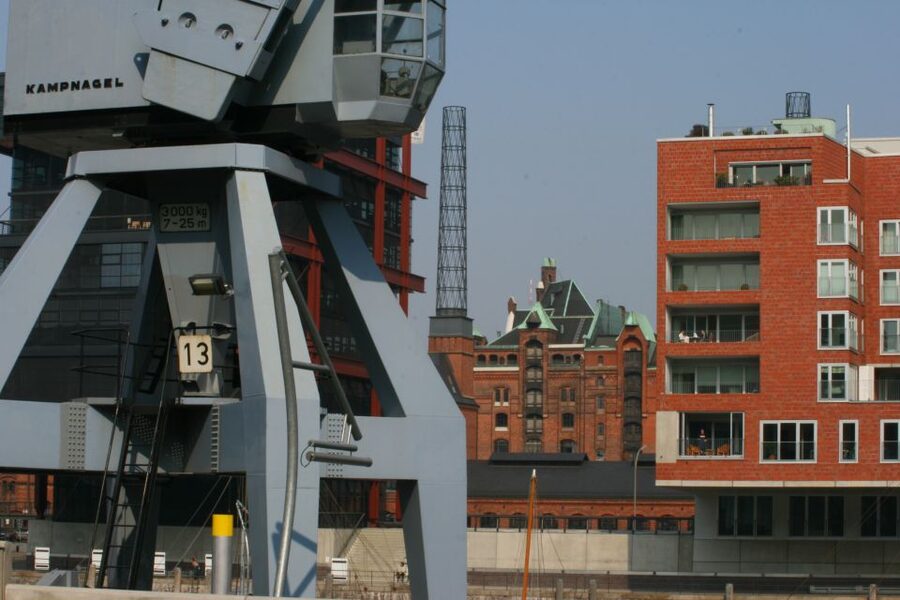
This is an outdoor tour along canals, streets, and the riverfront. Hamburg weather can change, and the waterfront often feels colder than an enclosed city street. A rainy day can also reduce the pleasure of the views and make children lose interest faster.
Bring weather-appropriate clothing and shoes suitable for two hours of walking. The tour data does not specify seating, indoor stops, or shelter, so plan as if most of the experience will take place outside.
The route is best for families who can keep moving at a moderate pace. You should also allow a little flexibility around the meeting point. The start is on the corner of Deichstraße and Steintwiete, and the finish is at Landungsbrücken, so make sure everyone knows that you will not return to the starting place.
Because the tour ends at Landungsbrücken, you can use it as a morning or afternoon anchor. It pairs naturally with further waterfront sightseeing afterward, though the tour itself does not include additional attractions or meals.
Is $14 a fair price?
At $14 per person, this is a low-cost way to add structure to a Hamburg sightseeing day. The fee includes a qualified guide, the walking route, the explanations, and the family-focused material. You also receive a short ferry crossing as part of the route, though transport tickets are extra.
The value is strongest when you would otherwise wander through Speicherstadt without knowing what you are seeing. A guide can turn warehouses, canals, and old houses into a connected story. For a family, that can be more useful than paying for a larger attraction that does not hold a child’s attention.
The value is weaker if your main goal is to see the industrial port up close. You will see port-related landmarks and hear about ships, goods, and dry docks, but the route concentrates on public historic areas, Speicherstadt, HafenCity, and famous waterfront viewpoints.
The flexible booking terms also help if your schedule is uncertain. You can cancel up to 24 hours in advance for a full refund, and you can reserve now and pay later. These policies do not change the tour itself, but they reduce the risk of fitting a family activity into a shifting Hamburg itinerary.
Who should book this Hamburg port walk?
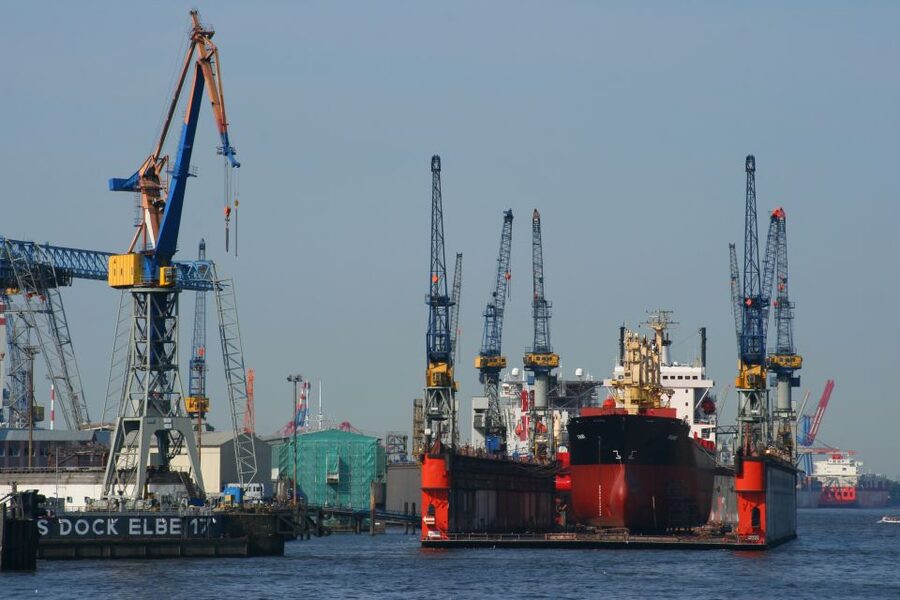
I would choose this tour for families with children ages 6 to 12 who want Hamburg explained in plain language. It works especially well for children who like ships, old buildings, unusual questions, and hands-on details such as spice samples.
I would also choose it early in a Hamburg visit. The walk introduces several useful areas, and ending at Landungsbrücken gives you a better sense of where the riverfront fits within the city.
I would hesitate if your child dislikes guided explanations, if you want a long boat ride, or if you are seeking access to restricted working-port areas. The route is educational and scenic, but it is not an industrial port tour or a full harbor cruise.
For most families, the best reason to book is the balance of old warehouses, modern architecture, public ferry travel, and child-focused storytelling. Just dress for the weather, budget for the required transport ticket, and confirm the language if you need English. With those points clear, the $14 price offers a sensible way to make Hamburg’s port understandable rather than simply photogenic.
FAQ
How long does the Hamburg family port walk last?
The tour lasts two hours.
What ages is the tour designed for?
It is designed for children ages 6 to 12 and their parents. Children must be accompanied by an adult.
Where does the tour start?
The meeting point is on the corner of Deichstraße and Steintwiete, at Deichstraße 30.
Where does the tour finish?
The tour finishes at Landungsbrücken in Hamburg.
Is the ferry ride included?
A short ferry ride of about five minutes is part of the route, but public transport tickets are required and are not included in the tour price.
Is the tour available in English?
The regular tour language is German. English group tours can be arranged for individual dates.
New routes in Germany
- Munich: Walking Tour Old Town and Viktualienmarkt★ 4.7 · 839 reviews
- Stuttgart: Guided Ghost Walking Tour★ 4.5 · 867 reviews
- Stuttgart: Private Guided Circular City Walk★ 4.7 · 129 reviews
- Stuttgart: Old Town Highlights Guided Walking Tour★ 4.2 · 101 reviews
- Stuttgart: City Highlights – Guided Walking Tour★ 4.7 · 189 reviews
- Hamburg: Private Tour Red Light District Walking Tour★ 4.7 · 227 reviews
- Small Group Walking Tour: “Wild Kreuzberg”★ 4.8 · 199 reviews
- Sachsenhausen Memorial: Walking Tour from Berlin★ 4.7 · 132 reviews
Hamburg Walking Tours, compared.



English Hamburg City Center Pay-What-You-Want Walking Tour
Read our review →

Browse the lists this tour appears in