
Review · MOROCCO
Explore Fes: Unforgettable Guided Walking Tour of the Medina
Fes Medina is not a place you casually wander into and instantly understand. Its lanes twist, narrow, and change character by the minute. A local guide helps you see the street signs, find the important buildings, and notice the workshops you might otherwise pass without a second thought. Mohammed, Mohamed, Majid, and Abdul are among the guides praised for clear explanations, patience, and a strong feel for the old city.
I like two things especially: the three-hour length, which gives you a useful introduction without exhausting you, and the practical help with getting around, bargaining, food, and local customs. The $15 price is excellent for a first orientation. The main catch is that part of the route can include shops and sales demonstrations, so anyone wanting a pure architecture walk may find those stops slow.
Key points at a glance
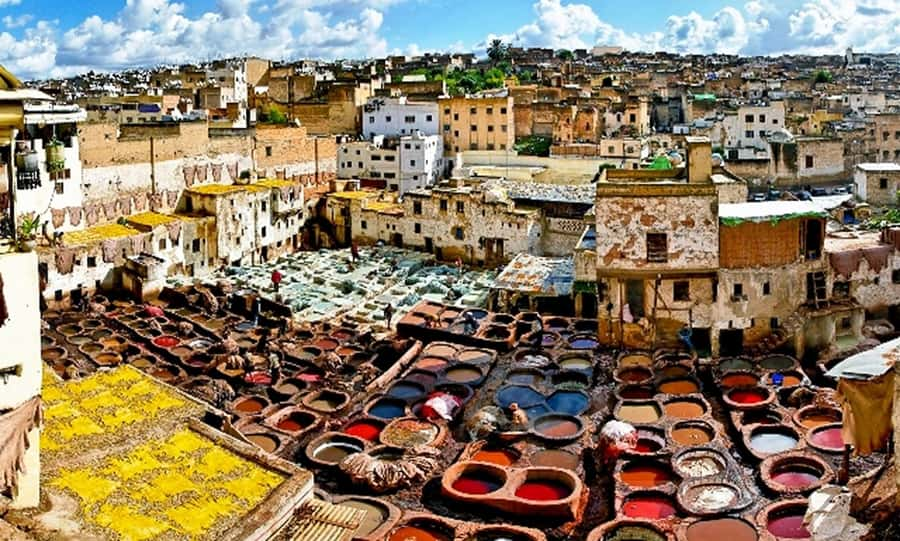
- See Fes from the inside: Walk the old Medina with someone who knows its alleys, signs, workshops, and historic buildings.
- Visit major sights: The route can include Bou Inania Madrasa, Nejjarine Fountain, the tanneries, Al-Saffarin Madrasa, museums, and the area around Al-Qarawiyyin Library.
- Pay only for what you enter: Site fees are separate, usually 20 to 40 dirhams each, and you can choose to skip them.
- Learn practical Medina skills: Guides explain how to read local street signs, avoid misleading directions, bargain more sensibly, and find your way later.
- Expect artisan stops: You can see ceramics, leather, spices, or other Moroccan crafts, but buying is optional.
- Best timing: Book it near the beginning of your stay, and bring good shoes, water, sunscreen, and modest clothing.
Why a guide helps in Fes Medina
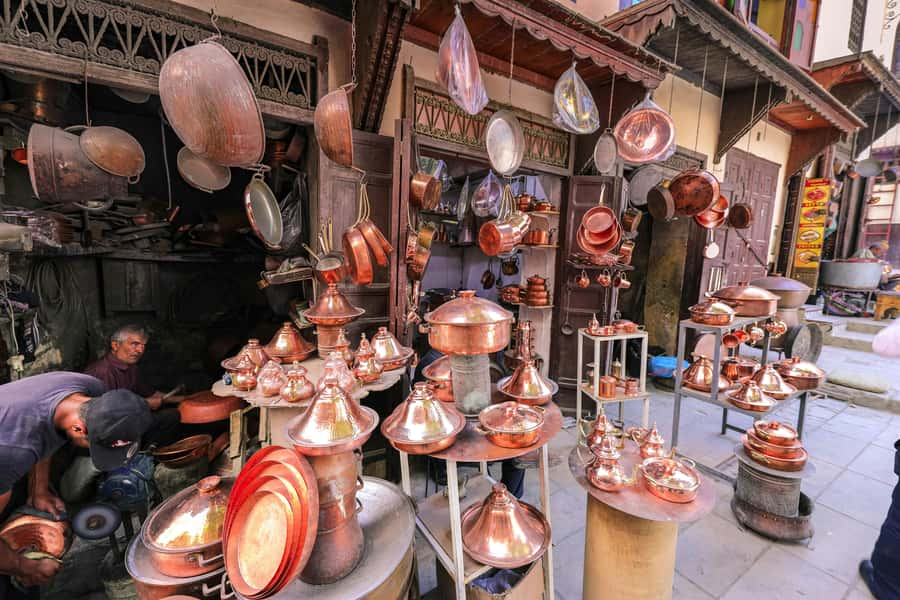
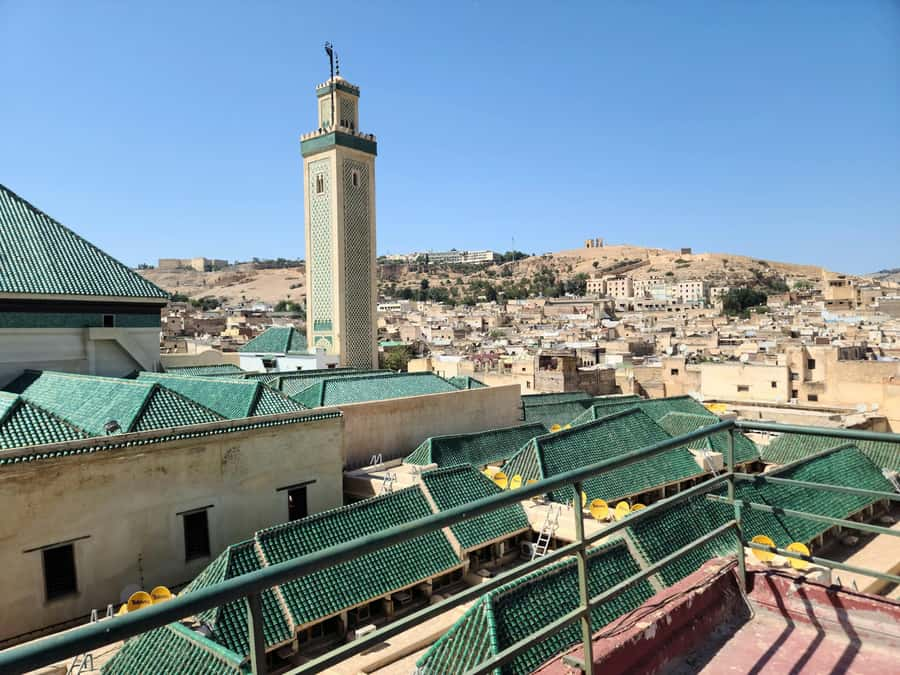
Fes Medina is one of the largest and best-preserved medieval cities in the world. That sounds impressive in a brochure, but on the ground it means a maze of lanes with few obvious landmarks. A map app may point you in the right direction, yet it cannot explain why one opening leads toward a main street while another ends at a wall, workshop, or private doorway.
A guide turns the Medina from a confusing collection of alleys into a city with a story. You learn to watch for local street signs, including the square and hexagonal markers that can help distinguish a dead end from a through street. That sort of small lesson matters. After three hours, you can return to places you liked with more confidence.
I also value the social ease. A guide can introduce you to craft workers and explain what you are seeing before you decide if you want to enter a shop. Several guides, including Mohammed, Majid, and Abdul, are praised for keeping the pace relaxed and answering questions instead of rushing from one sight to the next.
The tour meets in the Oued Zhoune area, in front of Bab Al Madina Hotel. The guide is due there 15 minutes early and will contact you through WhatsApp with the final meeting details. Send your WhatsApp number before the tour so communication is simple.
More Old Town Walking Tours in Morocco:
- Marrakech: Colorful Medina Souks Guided Walking Tour
★ 4.7 · 2,470 reviews - Marrakech: Saadian Tombs & Bahia Palace, Medina Guided Tour
★ 4.6 · 1,989 reviews - Marrakech: Medina by Night Walking Tour with Moroccan Tea
★ 4.6 · 586 reviews
Three hours through the old city
The walk begins with a welcome in or near Rue Oued Zhoune, then heads into the Medina. The exact order can change, which is useful in a city where traffic, shop hours, prayer times, and group interests affect the rhythm.
Expect a mixture of walking, short stops, explanations, photographs, free time, and chances to look around markets. There may also be tea, street food, a food market, or a workshop visit, but meals and drinks are not included. If you want lunch before the tour, eat first. One practical complaint is that the three-hour experience does not include a built-in lunch break.
The route is better understood as an introduction than a checklist. You will not spend a long museum-style session at every sight. Instead, the guide gives context at the entrance, then lets you choose whether to pay for entry and explore further or continue walking.
That flexibility is one of the tour’s strongest features. If you care about architecture, you can spend more time at a madrasa. If you are more interested in daily life, you can stay with the souks and workshops. Tell your guide what matters to you.
Bou Inania Madrasa and the old schools
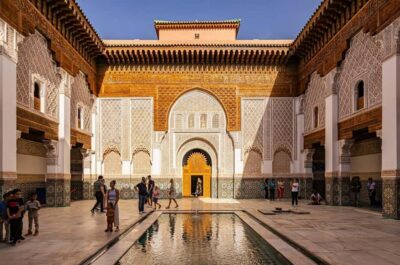
Bou Inania Madrasa is one of the main stops. A madrasa is a religious school, and these buildings help explain how learning, faith, design, and public life worked together in historic Fes.
Your guide explains the building outside before you decide if you want to enter. The entrance fee is separate and generally falls between 20 and 40 dirhams. That policy keeps the base price low, but bring cash if you expect to visit several sites.
Al-Saffarin Madrasa may also be included, along with other historic buildings and museums. Each gives you another angle on the city. One stop may focus on decoration and architecture, while another helps you understand the role of education and religious institutions.
The value here is not simply seeing a pretty courtyard. Your guide points out the details that give the buildings meaning. Without that context, you may admire the tilework and carved plaster, then move on without understanding why the site matters.
Nejjarine Fountain and craft traditions
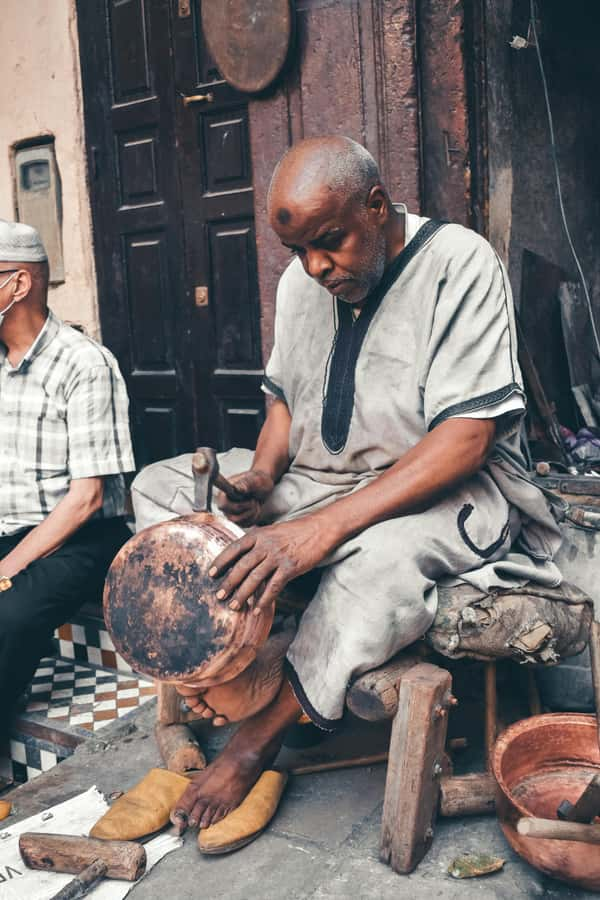
The Nejjarine Fountain is another notable stop, and the area offers a close look at Fes craftsmanship. The tour may also include the Nejjarine Museum, where you can learn more about Moroccan woodwork and traditional tools if you choose to pay the separate entry fee.
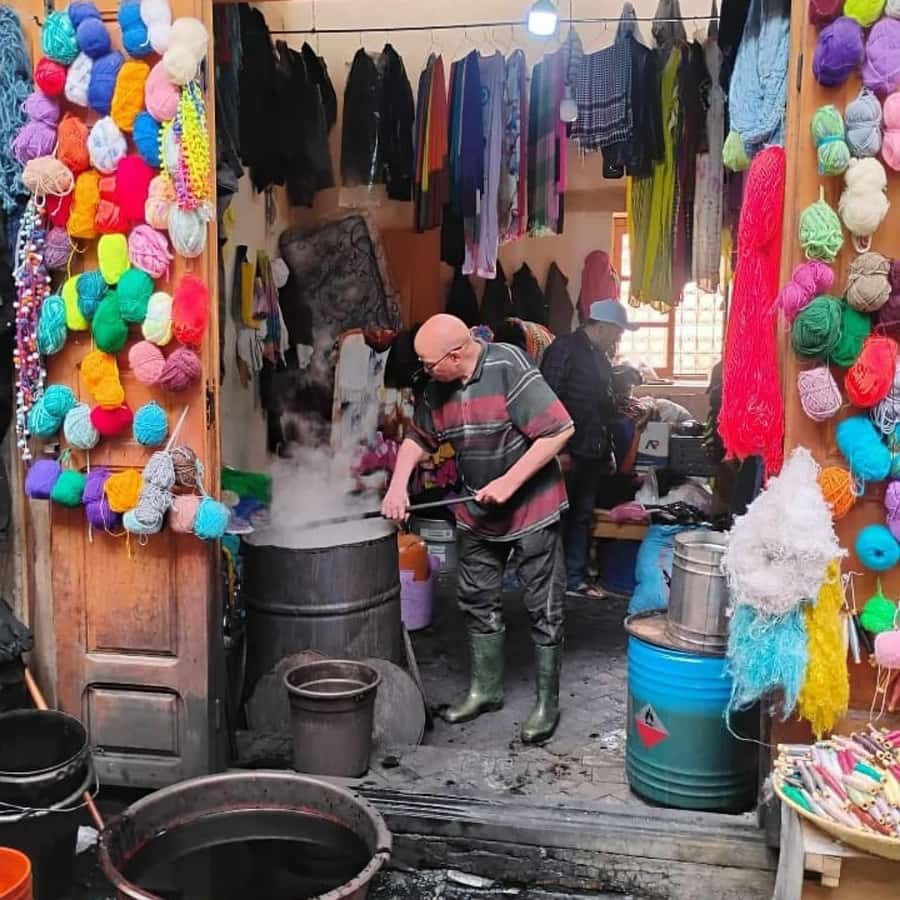
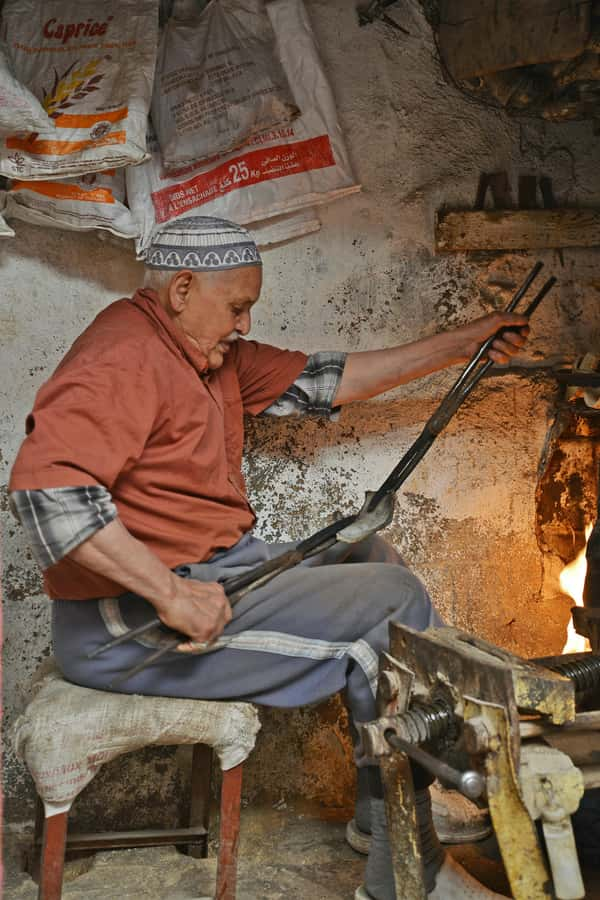
Craft is not a side issue in Fes. It is part of the Medina’s identity and working life. As you walk, you may see artisans handling leather, ceramics, metal, wood, spices, or other goods. The guide helps separate a working craft setting from a simple souvenir display.
That distinction is useful when shopping. A demonstration can explain how an item is made, but the first price you hear is not automatically the best price. Guides often give practical advice about negotiation, and some can help with arrangements such as shipping purchases home. Still, you should decide for yourself what to buy and at what price.
More Guided Walks in Morocco:
- Fez: Guided Walking Tour of the Historic Medina
★ 5.0 · 359 reviews - Marrakech: Monuments, Souks and Medina Guided Walking Tour
★ 4.8 · 208 reviews - Marrakech: Souk by Night Medina Guided Walking Tour.
★ 4.3 · 166 reviews - Private Tour –In Old Medina of Fez with a Professional Guide
★ 4.7 · 146 reviews
The tanneries: memorable, noisy, and not polished
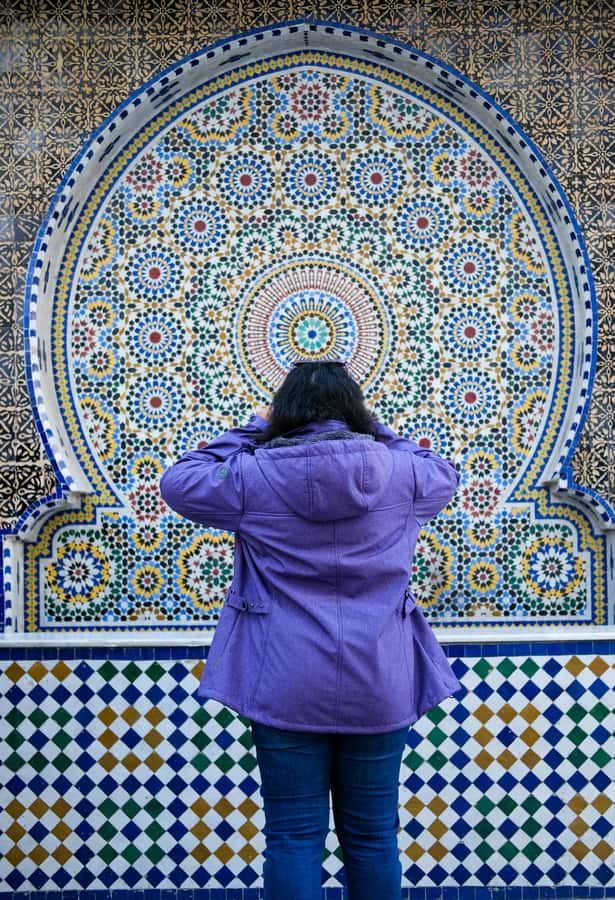
The tanneries are often the visual high point of the walk. You see leather being processed using methods that have continued for centuries, with workers handling hides in open vats and nearby workshops preparing goods for sale.
This is a working place, not a staged attraction. It can be busy, strong-smelling, and visually intense. Your guide explains the process and points out how the different stages connect to the leather goods sold in the surrounding shops.
The tour materials suggest an optional visit to artisan shops, and the route may lead you to viewing areas or stores near the tanneries. You may be offered products after the demonstration. You do not have to buy anything.
If the tanneries are your priority, tell the guide early. Several people consider this the most memorable part of the tour, while others prefer the religious architecture or quiet lanes. A good guide can adjust the emphasis.
Souks, food markets, and the everyday Medina
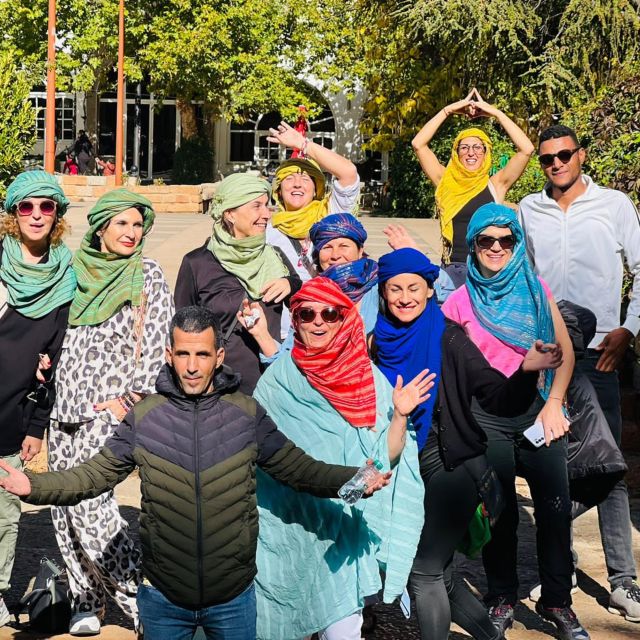
Fes is more than monuments. The souks are where the old city feels most active, with spices, food, household goods, clothing, and handmade products filling the narrow streets. You will hear calls from shopkeepers, smell cooking and spices, and pass people moving through their daily routines.
The tour may include a food market, street food, tea, or a tea ceremony. These are optional moments in the wider walk rather than a fixed meal. If you want to eat during the tour, budget extra and ask your guide what is suitable.
I like this part because it puts the major sights in context. The Medina is not a museum frozen in time. It is a living city where historic buildings sit beside shops, homes, workshops, cafés, and market stalls.
That said, the market section can feel commercial. Some visitors appreciate the chance to inspect Moroccan products and ask questions. Others would rather spend all three hours on history and architecture. Tell your guide directly if shopping is not a priority.
Artisan shops and the sales question
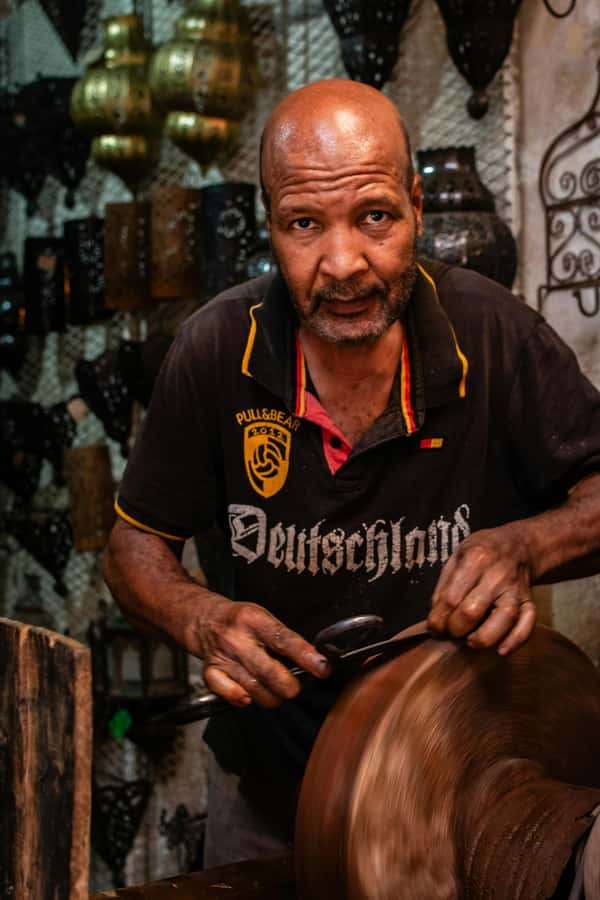
The tour includes visits to local artisan shops as part of the cultural experience. You may see a ceramic cooperative, a spice or herbal shop, leather goods, or other craft displays. Staff may explain the products and show how they are made.
There is no obligation to buy, and the strongest reports describe the sales approach as manageable rather than aggressive. Still, a few stops can take up a significant part of the tour. One person felt the final third became mainly a shopping session, while another preferred to pay more for a route without such stops.
This is the clearest tradeoff. The shops provide access to demonstrations and make it easier to understand Moroccan crafts. They also create a commercial pause in what could otherwise be a more focused walking tour.
If you want to browse, ask questions, or shop with help, these stops are useful. If you are short on time, tell the guide you want to keep moving. You can politely decline a purchase and continue.
What the guides add
The guides receive especially strong praise for their explanations, calm manner, and ability to answer questions. Mohammed and Mohamed are frequently named, while Majid, Abdul, and Abdellatiif are also singled out for guiding people through the Medina and adapting the route.
The important point is not just language ability, though the tour is offered in English, Italian, and Spanish. It is the guide’s feel for the city. A good guide knows when to stop, when to let you take photographs, and when to explain a detail that would otherwise disappear into the background.
The practical help can be just as valuable as the history. Guides explain how to move through the souks, how to find your way back, where to eat afterward, and how to handle shopping. Some have even checked that visitors reached their accommodation safely.
Group size can vary. The experience has been described as a small-group walk, and some bookings may be private or have only one person. Smaller groups make it easier to ask questions and change the pace. If your booking is shared, the operator says a car may be sent to help if you cannot find the meeting point. For a private tour, the guide may come directly to your accommodation if needed.
Is $15 good value?
Yes, especially if you are new to Fes. For $15, you get three hours with a local guide, orientation through a difficult-to-read old city, explanations at major landmarks, artisan visits, and local suggestions for the rest of your stay.
The value increases if you use the tour as a first-day briefing. You can identify places to revisit, learn which lanes connect, and return later without paying for another guide. Several people specifically recommend taking it early in a one- or two-day visit.
The base price does not include admission fees, food, drinks, or hotel pickup. Plan on 20 to 40 dirhams for each historic site you enter. This pay-as-you-go setup is fair for mixed groups because you are not forced to pay for every museum or madrasa.
At $15, I would not expect a fully private, no-shopping architecture seminar. If that is what you want, ask about a custom private route. For a friendly first look at the Medina, the price is hard to argue with.
Clothing, walking, and practical comfort
Wear comfortable shoes. The route takes place on foot through narrow, uneven streets, and the experience is not suitable for wheelchair users or people with mobility impairments.
Dress modestly, with shoulders and knees covered, especially because the route includes historic and religious sites. Sunglasses and sunscreen are sensible, and you should bring your passport or ID card as requested.
Choose your start time with the weather in mind. The three-hour length works well in heat, but you will still spend much of the time walking. Fridays can be quieter because it is a holy day, though some places may be closed. If seeing as many interiors as possible matters to you, confirm opening conditions with your guide.
The tour offers free cancellation up to 24 hours before the start and reserve-now, pay-later booking. Those terms are useful when your arrival plans are uncertain.
Who should book this Fes walk?
Book it if you are visiting Fes for the first time, have only one or two days, or feel uneasy about navigating the Medina alone. It also suits curious visitors who want history, architecture, craft, food, and practical local advice in one short outing.
It is a good match for solo visitors and couples who want a personal introduction without committing to a full-day tour. Families with older children may appreciate the variety, though the walking and uneven streets require reasonable mobility.
Skip it, or request a custom version, if you dislike any shopping component. You should also choose another format if you want long, uninterrupted visits inside every monument. This tour balances major sights with street life, workshops, and orientation.
Should you book it?
I would book this early in a Fes stay. The guide helps you understand the Medina before you explore it on your own, and the advice about street signs, shopping, food, and local customs keeps paying off afterward.
Go in expecting a lively introduction rather than a perfectly fixed historical route. You will see important places, learn how the city works, and likely stop at a few shops. For $15, that is a useful and affordable start to Fes, especially when you tell your guide what you want from the three hours.
FAQ
Where does the tour meet?
Meet in the Oued Zhoune area, in front of the entrance to Bab Al Madina Hotel. The guide is expected to arrive 15 minutes early and will contact you through WhatsApp with more precise meeting details.
How long is the walking tour?
The tour lasts three hours. It includes walking, guided explanations, photo stops, sightseeing, free time, and visits to markets or workshops.
Which languages are available?
The live guide is available in English, Italian, and Spanish.
Are entrance fees included?
No. Entry to places such as Bou Inania Madrasa, the Nejjarine Museum, and Al-Qarawiyyin Library costs about 20 to 40 dirhams per site. You can choose to enter or continue walking.
Do I have to buy anything at the artisan shops?
No. The shops are included so you can see Moroccan craftsmanship and hear explanations about the products. Buying is optional.
Is the tour suitable for wheelchair users?
No. The experience is not suitable for wheelchair users or people with mobility impairments. Comfortable walking shoes are required.
New routes in Morocco
- Marrakech: Souk by Night Medina Guided Walking Tour.★ 4.3 · 166 reviews
- Marrakech: Monuments, Souks and Medina Guided Walking Tour★ 4.8 · 208 reviews
- Marrakech 3-Hour Walking Tour★ 4.3 · 120 reviews
- Marrakech: Authentic Moroccan Food Walking Tour & Dinner★ 4.8 · 261 reviews
- Marrakech: Uncover Hidden Gems on a Half-Day Walking Tour★ 4.2 · 92 reviews
- Marrakech: Customized Guided Walking Tour★ 4.3 · 82 reviews
- Marrakech: 3-Hour Monuments, Souks & Old Medina Walking Tour★ 4.7 · 133 reviews
- Marrakech Guided Souks Tour with a Local Insider★ 4.6 · 109 reviews
Morocco Walking Tours, compared.
Ben Youssef, Secret Garden, & Souks Walking Tour
Read our review →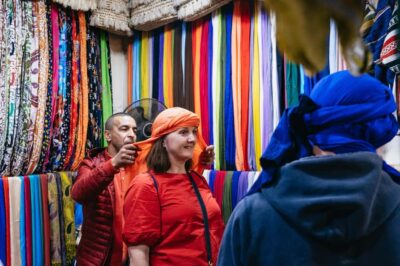
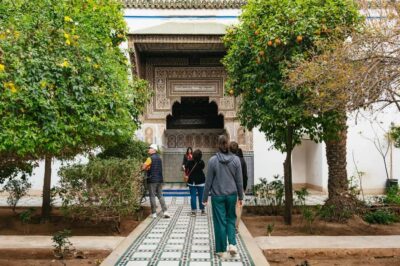
Saadian Tombs & Bahia Palace, Medina Guided Tour
Read our review →
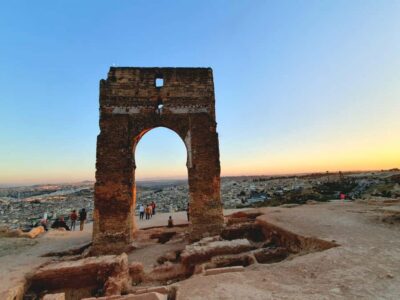
Fez: Guided Walking Tour of the Historic Medina
Read our review →
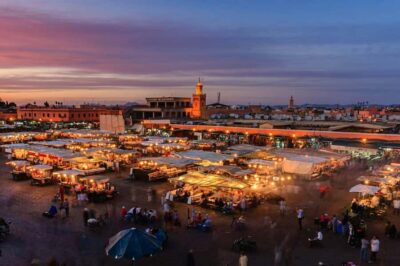
Private Tour –In Old Medina of Fez with a Professional Guide
Read our review →Browse the lists this tour appears in