
Review · THAILAND
Chiang Mai: 3 Hour Old City and Temples Guided Walking Tour
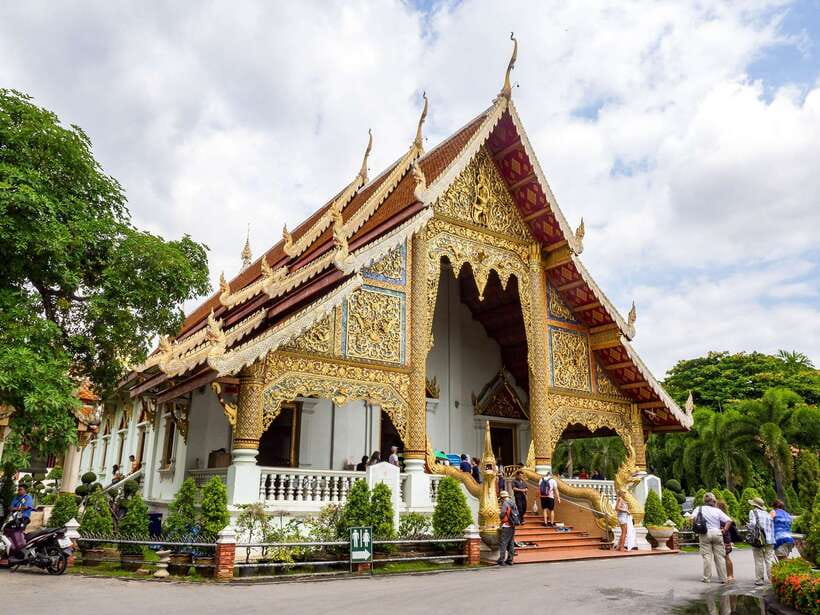
Chiang Mai’s best-known temples are close enough to link on foot, but their stories are easy to miss when you explore alone. This tour gives you a local guide, three major temple stops, and a clear introduction to Lanna design, Buddhist practice, and the city’s past for $16 per person.
I especially like the contrast between the enormous stupa at Wat Chedi Luang and the small, finely carved teak building at Wat Phan Tao. I also like the practical pace: about an hour at each temple, with time to ask questions and take photographs. The main catch is the heat. You will walk, stand, remove your shoes often, and pay 120 THB in temple fees on top of the tour price.
Key points to know before you book
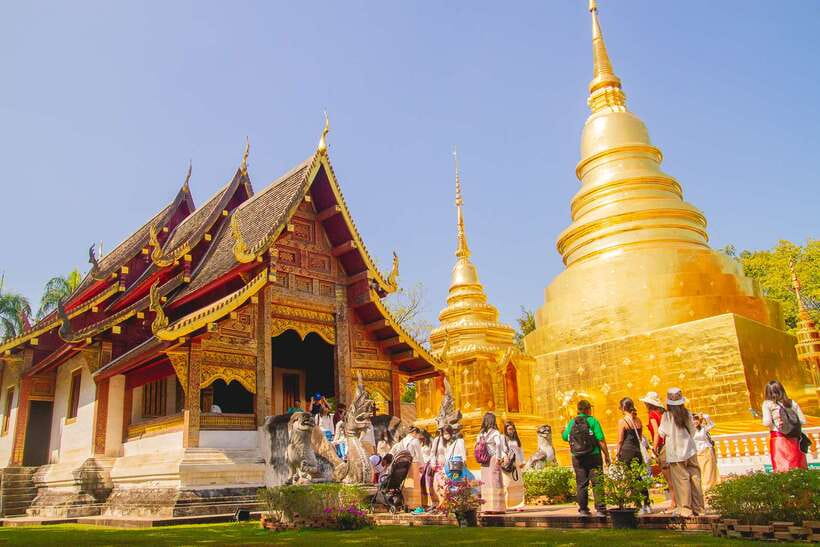
- Three major temples in one walk: Visit Wat Chedi Luang, Wat Phan Tao, and Wat Phra Singh, all in Chiang Mai’s Old City.
- A guide makes the difference: Guides including Nana, TomTam, Sunny, Nuttaya, Boon, and Popcorn have been praised for clear English, humor, and useful explanations of Buddhism and Thai culture.
- The temples offer real contrast: See a huge ancient stupa, a quiet teak sanctuary, and a lavish complex filled with mosaic work and gilded details.
- Budget for entrance fees: The tour costs $16, while temple tickets add 50 THB, 20 THB, and 50 THB.
- Dress and footwear matter: Cover your shoulders, back, underarms, and knees, and wear shoes that slip off easily.
- Best for reasonably fit walkers: The route is not designed for people with mobility impairments, heart problems, respiratory issues, or pregnancy.
Why this short Old City walk works
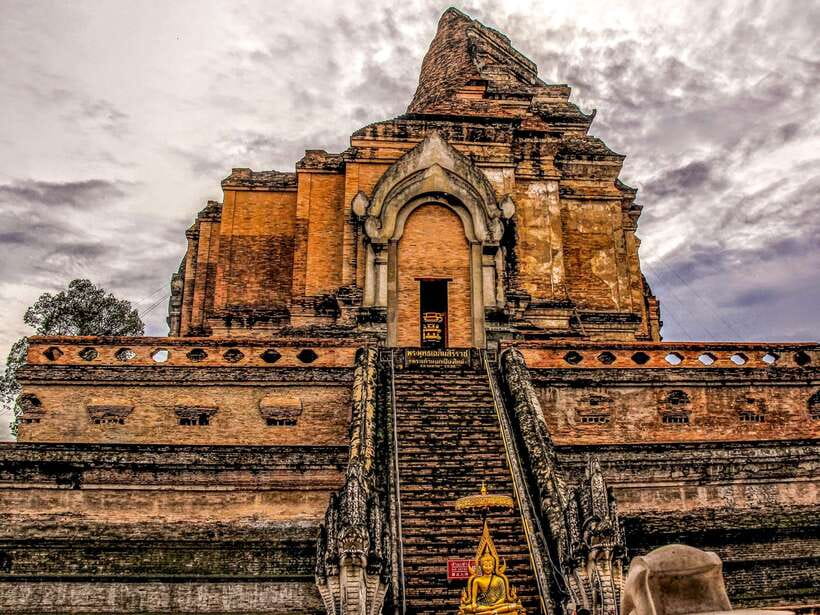
Chiang Mai has no shortage of temples, but seeing several in a row can blur together. This route avoids that problem by giving each stop a different role. Wat Chedi Luang introduces you to the scale and power of the old Lanna kingdom. Wat Phan Tao slows things down with delicate woodwork. Wat Phra Singh finishes with polished decoration and one of the city’s most important Buddha images.
That sequence is useful. You do not simply collect three photographs. You get a basic visual guide to northern Thai religious architecture, then hear how Buddhism shapes local life. Guides often explain beliefs, temple customs, languages, meditation, and the history of Chiang Mai itself.
The strongest part of the experience is the human explanation. Guides such as Nana and Nuttaya are praised for explaining Thai culture in clear English, while TomTam is noted for taking time with questions. Boon has even included a short meditation lesson at one temple, and Popcorn has spoken about his own upbringing as a monk. Those details can turn a pretty building into a place with meaning.
The tour is also small enough in scope to fit neatly into a morning or afternoon. It does not attempt to cover every corner of the Old City. That is a good thing. You get a focused introduction without spending a full day moving from one distant sight to another.
More Old Town Walking Tours in Thailand:
- Underground Vaults Walking Tour in Edinburgh Old Town
★ 4.5 · 8,506 reviews - Prague: 3-Hour Walking Tour of Old Town & Prague Castle
★ 4.7 · 5,696 reviews - Dubrovnik: Old Town Walking Tour
★ 4.8 · 5,174 reviews
Starting at Wat Chedi Luang and its giant stupa
You meet at the entrance to Wat Chedi Luang, where your guide will hold a TripGuru sign. Arrive 10 minutes early. There is no hotel pickup or drop-off, so you need to make your own way to the temple.
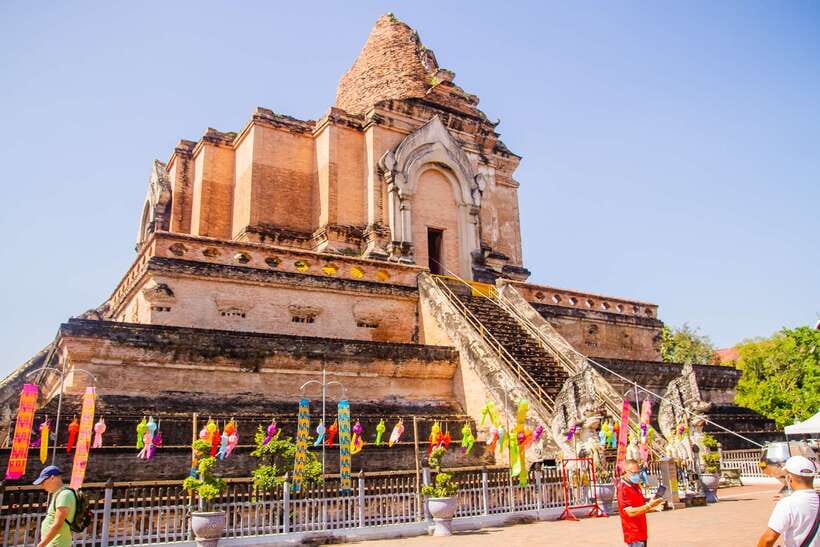
Wat Chedi Luang is the big opening act. Built between the 14th and 15th centuries, it contains Chiang Mai’s largest stupa, a broad brick structure that gives the compound its weight and character. The scale helps you understand why this was such an important religious and royal site.
Your guide should help you look beyond the size. Pay attention to the Lanna-style forms, the layout of the compound, and the way religious buildings sit together rather than appearing as isolated monuments. The hour here gives you time to walk around, hear the background, and take photographs without racing through the grounds.
This is also the stop where the tour’s history lesson begins. You learn about Chiang Mai and the old northern kingdom, then connect that past to living Buddhist practice. Several guides have been praised for explaining how Buddhism influences everyday life, not just temple decoration.
The drawback is that Wat Chedi Luang can feel like a lot at once. The compound is larger than the later stops, and the heat can build while you are walking over open areas. Carry water, wear sunscreen, and do not assume February will feel cool. One guide specifically advised bringing plenty of water, even during the cooler season.
Entry to Wat Chedi Luang costs 50 THB and is not included in the $16 tour price.
Wat Phan Tao, a small temple with fine teak carving
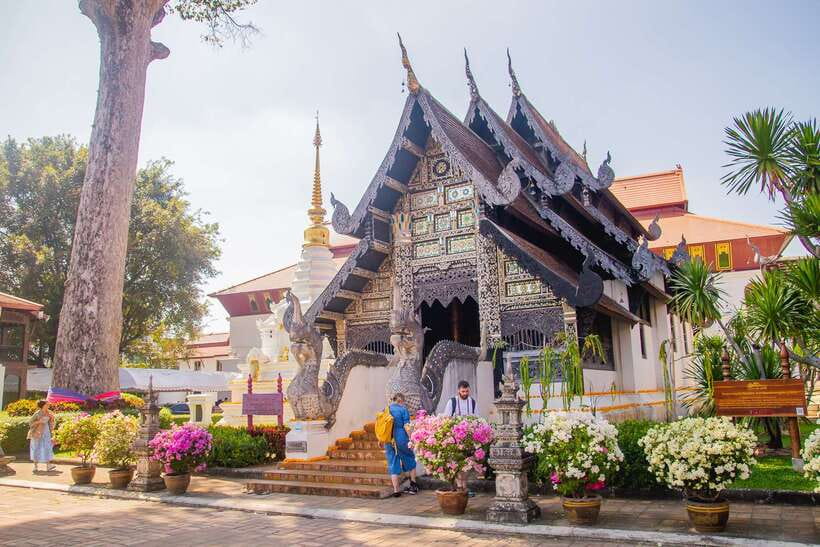
The second temple is Wat Phan Tao, a quieter and more modest building than Wat Chedi Luang. Its smaller size is exactly what makes it worth the stop. The facade is made from intricately carved teak, giving you a close look at a style that can be lost amid the larger compounds.
Wat Phan Tao once served as a throne hall for King Mahotara Prateth before becoming a place of prayer. That change gives the building an unusual story, and the wooden details reward a slower look. Ask your guide to point out the carving and explain how the building’s earlier royal role shaped its design.
This stop provides a welcome change of pace. After the massive stupa, you move to craftsmanship at a more intimate scale. I find that contrast one of the best reasons to take the guided route. On your own, you might spend five minutes here and move on. With a guide, you have a reason to look carefully.
The temple fee is 20 THB. It is inexpensive, but you should carry Thai cash because the entry charges are separate from the tour.
As at the other temples, you will need to remove your shoes before entering areas where shoes are not allowed. Easy-on, easy-off footwear saves time and keeps the process less awkward. If you dislike walking barefoot, bring socks. The tour involves repeated shoe removal, not just one quick change at the first temple.
Wat Phra Singh brings the grand finale
Wat Phra Singh is the final stop, and it gives the tour its most polished finish. Built in the 14th century, this is one of Chiang Mai’s finest temples, with decorated grounds, mosaic-inlaid surfaces, gilded pagodas, and the large Lion Buddha image known as Phra Singh.
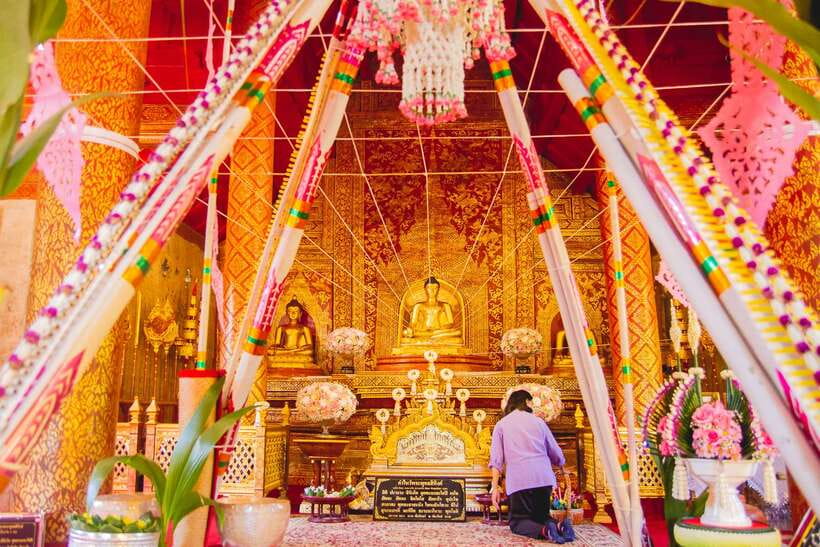
This is the temple where you will likely take the most photographs. The details change from one building to the next, so your hour can pass quickly. Look for the mosaic work, gold surfaces, pagoda shapes, and the relationship between the image, sanctuary, and surrounding grounds.
A guide is particularly helpful here because the decoration can otherwise become a blur of gold and color. The better guides explain what you are seeing, why the Buddha image matters, and how temple design reflects northern Thai traditions. Sunny has been praised for explaining clearly and answering questions, while guides such as Nattiya Kanya and Lyla are known for making the visit friendly as well as informative.
Wat Phra Singh is also where the walk ends, at Wat Phra Singh Woramahawihan. That makes the finish convenient if you want to continue exploring the Old City on foot, though you will need to arrange your own transport afterward if your hotel is elsewhere.
The entry fee is 50 THB. As with the other temples, dress modestly. Official expectations require clothing that covers shoulders, underarms, back, and knees. Even if enforcement appears relaxed at a particular moment, it is wiser to dress for the strictest rule and avoid wasting time at the entrance.
More Three-Hour Walks in Thailand:
- Eat Like a Local: Venice 3-Hour Small-Group Food Tasting Tour
★ 5.0 · 3,137 reviews - Experience Porto’s Charm: 3-Hour Guided Walking Tour
★ 5.0 · 2,432 reviews - Valletta: 3-Hour Walking Tour
★ 4.7 · 2,219 reviews - Belfast: Political Conflict 3-Hour Walking Tour
★ 4.6 · 2,215 reviews
What the guide adds to the temples
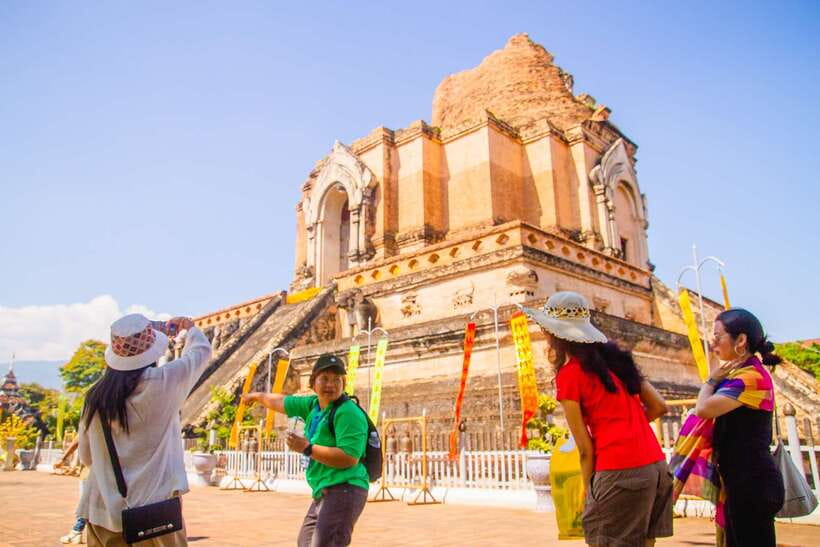
This tour is not mainly about transport or exclusive access. You are paying for interpretation. The guide links architecture, history, Buddhist ideas, and local customs in a way that is difficult to get from plaques alone.
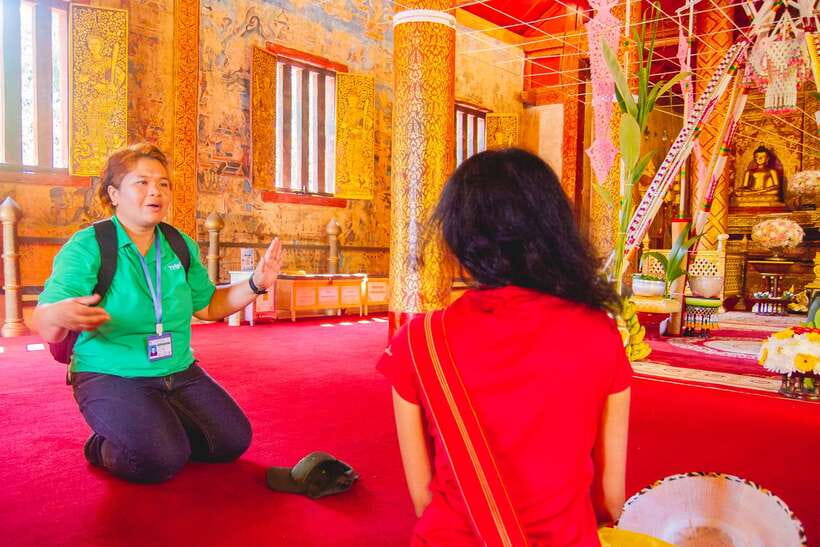
The most praised quality across the guide team is clear, warm explanation. Nana has been singled out for historical detail and humor. TomTam is appreciated for answering questions without rushing. Boon has added meditation instruction, and Popcorn has shared personal insight from his years connected with monastic life.
You may be assigned someone else. The guide names are not guaranteed, but the pattern is clear: this experience depends heavily on the person leading it. A strong guide can explain the difference between a Buddha image and a decorative figure, show you what to notice in Lanna design, and answer questions about Thai beliefs without making the subject feel like a lecture.
The best approach is to ask questions. Ask about Buddhist practice, the temple’s role in local life, the meaning of a particular image, or why one building uses teak while another emphasizes brick, gold, or mosaic. The more curious you are, the more useful the three hours become.
Timing, walking, heat, and comfort
The advertised duration is three hours, with roughly one hour planned at each temple. That is enough time for a proper introduction, but not enough for a slow photographic study of every corner. The walk is best understood as a guided overview with room for questions, not a private architectural inspection.
The route requires moderate fitness. You should be comfortable walking between sites, standing during explanations, and handling hot weather. People with mobility impairments, heart problems, or respiratory issues are advised not to take the tour, and it is not suitable for pregnant women.
The walking itself is not the only physical issue. You will move in and out of shoes, cross temple grounds, and spend time standing in the sun or warm shade. Wear light, modest clothing, a hat, sunglasses, sunscreen, and comfortable shoes. Bring insect repellent if you are sensitive to bites.
Carry water and some cash. Food and extra drinks are not included, and the three separate entry fees must be paid independently. A scarf can help cover your shoulders if your clothing is otherwise cool and comfortable.
One practical point deserves emphasis: do not schedule an important appointment immediately afterward. The planned duration is three hours, but a good guide may allow extra time for questions or a short break. One especially enthusiastic outing ran longer than expected, while another visitor found the tour a little long. The pace can depend on the group and guide.
Price and overall value at $16
At $16 per person, this is a strong-value introduction to Chiang Mai’s central temples. You pay for a local English-speaking guide and a walking route that connects three major sites. The added temple fees total 120 THB, which still keeps the overall cost modest compared with arranging a private guide.
The value is highest if you are new to Chiang Mai or usually walk through historic places without context. You will see the main architectural highlights and get an explanation of Buddhism, Lanna culture, and city history in one compact outing.
The value is lower if you have already spent several days studying Chiang Mai’s temples or prefer to wander alone. You will be following a set route and spending a planned amount of time at each stop. The tour does not include hotel transport, meals, drinks, or private access.
I would also avoid comparing this with a full-day cultural tour. This is a focused Old City walk. It gives you three important temples and a useful foundation, leaving you free to explore other parts of Chiang Mai later.
Sustainable travel without making a show of it
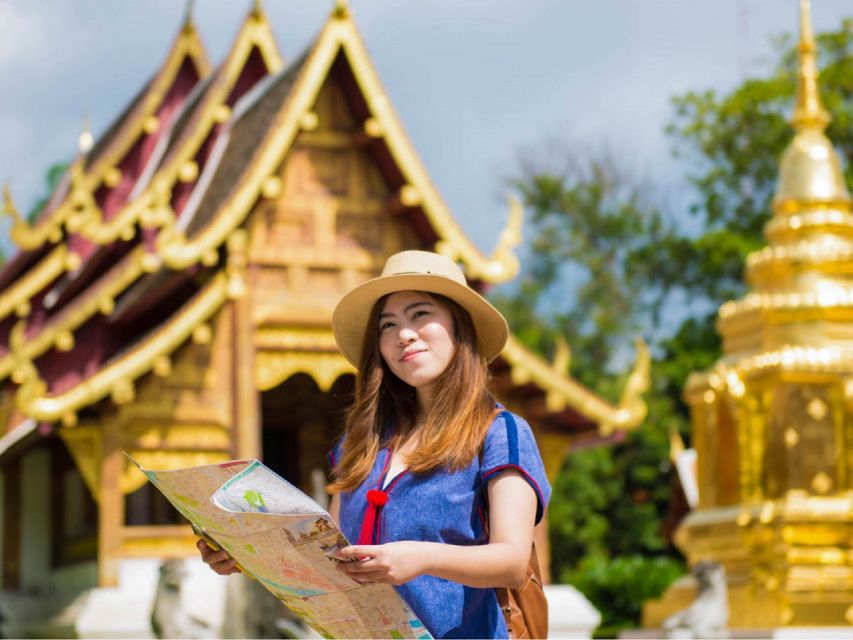
The experience is GSTC-certified and presented as a low-impact way to explore. Its main practical advantage is simple: you walk between central sights rather than adding a separate vehicle journey to each temple.
The tour also emphasizes carbon offsetting and reducing the environmental impact of the activity. That does not remove every effect of tourism, but it gives you a more responsible option for seeing the Old City. The format is sensible for Chiang Mai: the temples are close, the route is active, and the experience supports local guiding rather than treating the sites as a string of quick photo stops.
You still need to behave respectfully. Dress properly, follow shoe-removal rules, keep voices low in prayer areas, and ask before photographing people engaged in worship. A responsible tour is not only about carbon calculations. It is also about how you enter and use a religious place.
Who should book this walking tour?
I would choose it for a first visit to Chiang Mai, especially if you have one free morning or afternoon and want a clear introduction before exploring on your own. It also suits solo visitors who want company, culture-focused couples, and anyone who prefers explanations to silent sightseeing.
It is a good pick for travelers who want to learn about Buddhism and Thai culture rather than simply photograph temple roofs. The guides have helped people understand meditation, local beliefs, languages, and the way religion fits into daily life.
I would hesitate if you have difficulty walking or standing, need hotel transport, dislike heat, or want a relaxed private visit with no fixed timing. Families with young children should also consider the repeated shoe removal, temple etiquette, and three-hour walking commitment.
FAQ
How long does the Chiang Mai temple walking tour last?
The tour lasts three hours. The planned schedule allows about one hour at Wat Chedi Luang, one hour at Wat Phan Tao, and one hour at Wat Phra Singh.
Which temples are included?
The tour visits Wat Chedi Luang, Wat Phan Tao, and Wat Phra Singh.
Where does the tour start?
The meeting point is at the entrance of Wat Chedi Luang. Your guide will hold a TripGuru sign, and you should arrive 10 minutes before the scheduled start.
Where does the tour finish?
The tour finishes at Wat Phra Singh Woramahawihan.
Are the temple entrance fees included?
No. You pay 50 THB for Wat Chedi Luang, 20 THB for Wat Phan Tao, and 50 THB for Wat Phra Singh.
Is hotel pickup included?
No. Hotel pickup and drop-off are not included. You need to reach Wat Chedi Luang independently.
What language is the tour conducted in?
The tour has a live English-speaking guide.
What should I wear to the temples?
Wear clothing that covers your shoulders, underarms, back, and knees. Bring a scarf if needed, and use shoes that are easy to remove because you will take them off repeatedly.
Should you book it?
Book this tour if you want the three most useful temple introductions in central Chiang Mai without paying private-guide prices. The combination of Wat Chedi Luang’s huge stupa, Wat Phan Tao’s carved teak, and Wat Phra Singh’s lavish sanctuary gives you a well-chosen snapshot of the city.
Just arrive prepared for heat, walking, modest dress, shoe removal, and separate entry fees. If you do, the $16 price buys more than a route between pretty buildings. It gives you the cultural background that helps the rest of your time in Chiang Mai make sense.
New routes in Thailand
- Local Life, Culture & Food Walking Tour at Chinatown★ 4.7 · 119 reviews
- Khao Lak: Full-Day Khao Sok Jungle Walk and Canoeing Tour★ 4.7 · 149 reviews
- Chiang Mai: Temple And City Walking Tour Part I★ 4.7 · 244 reviews
- Chiang Mai: Historic Temples and City Guided Walking Tour★ 4.7 · 650 reviews
- Chiang Mai Untouched Elephant: Nature Walk & Waterfall Trek★ 4.7 · 77 reviews
- Chiang Mai: Local Food and Markets Guided Walking Tour★ 4.3 · 175 reviews
- Bangkok: City Highlights and Landmarks Private Walking Tour★ 4.3 · 142 reviews
- Bangkok: Chinatown by Night Walking Tour★ 4.5 · 162 reviews
Thailand Walking Tours, compared.
City Highlights Temple and Market Walking Tour
Read our review →
Grand Palace and Wat Phra Kaew Guided Walking Tour
Read our review →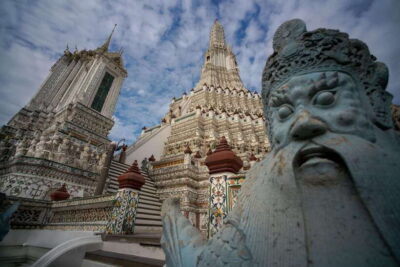
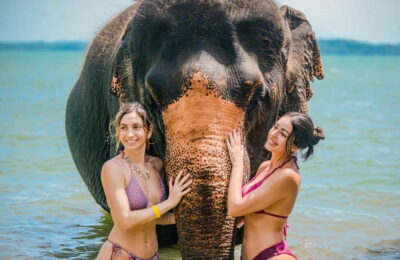
Phuket:Beach walk with elephants, rain & care. 2.5 hours
Read our review →
Phuket: Bukit Elephant Park Sanctuary Walk and Feed Tour
Read our review →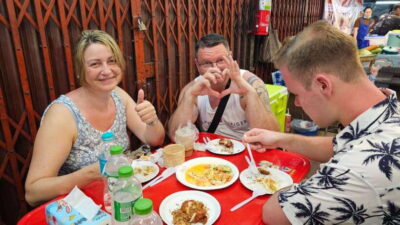
Bangkok Authentic Tasting Thai-Chinatown Walking Food Tour
Read our review →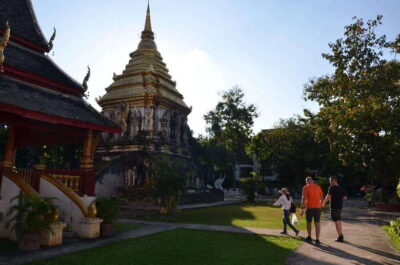
Chiang Mai: Historic Temples and City Guided Walking Tour
Read our review →
Chiang Mai: Temple And City Walking Tour Part I
Read our review →Browse the lists this tour appears in