

Review · BOSTON
Boston: Full Revolution Story Epic Small Group Walking Tour
Boston’s Revolution story makes far more sense when you follow the chain of events instead of simply walking from one Freedom Trail marker to the next. This small-group tour of about 16 people links Boston’s old neighborhoods, burial grounds, meeting houses, harborfront, and military sites into one chronological story.
I like the serious storytelling and the practical visual aids, including maps, battle figures, and even Lego pieces. I also like that guides such as Mike, Tyler, and Rob bring in the reasons behind the Revolution, not just names and dates. The drawback is clear: 210 minutes of walking can be tiring, and the pace and amount of information may be too much for young children or anyone wanting a light sightseeing stroll.
Key points to know before booking
- The route follows the story, not just the Freedom Trail: You move from Boston’s early colonial setting through the Boston Massacre, Tea Party, Lexington and Concord, and Bunker Hill.
- The guides make history interactive: Maps, photographs, name tags, figures, and occasional assigned roles help you keep track of the people and events.
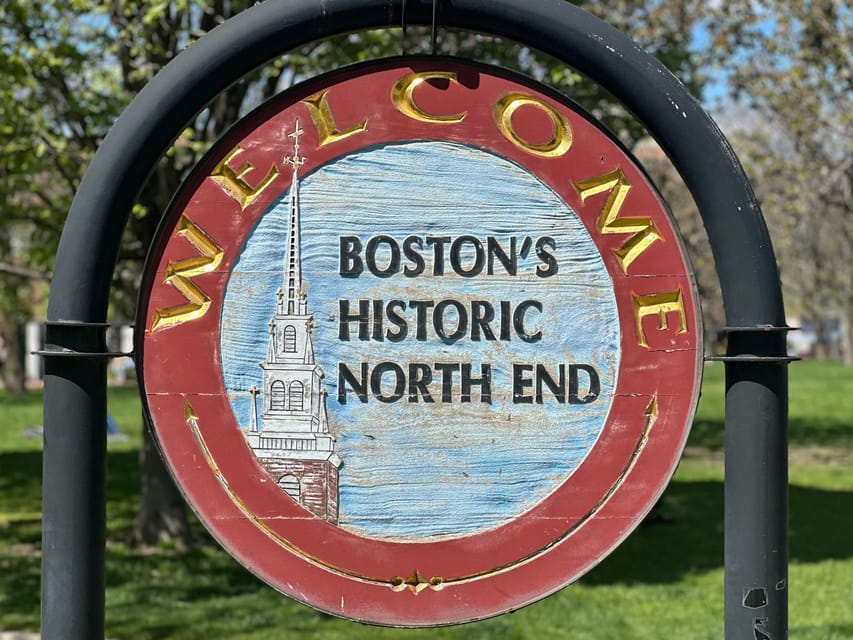
- You see more than the standard trail: The route reaches the North End, Charlestown views, the USS Constitution area, Boston Harbor, and Lewis Wharf.
- The group stays small: With roughly 16 participants, it is easier to hear the guide and ask questions than on a large city tour.
- The tour is aimed at serious learners: It is accessible to interested adults and teens, but children may lose interest during the longer historical explanations.
- Wear proper walking shoes: The tour requires moderate activity, includes one uphill section and stairs, and lasts three and a half hours.
Why the chronological route works so well
Many Boston walking tours treat the Freedom Trail like a checklist. You see a church, hear a short anecdote, walk to a graveyard, hear another anecdote, and continue. That approach gives you famous sights, but it can leave the Revolution feeling like a pile of disconnected episodes.
This tour takes a different route through the material. The guide explains how Boston developed, introduces the people shaping the city, and then shows how political tension grew over time. By the time you reach the Boston Massacre, Boston Tea Party, and Bunker Hill, you have enough background to understand why each event mattered.
That structure is especially useful if you are visiting from outside the United States. You do not need to arrive with a working knowledge of colonial politics. The story is laid out in order, with maps and visual material to make places and movements easier to follow.
The approach also gives more weight to people who can get lost in the familiar version of the story. You will hear about Benjamin Franklin, Paul Revere, Samuel Adams, John Hancock, and John Adams, but the guide also adds context about lesser-known figures and the competing motives behind the conflict.
The tone is academic without being stiff. Guides use humor, questions, visual aids, and sometimes volunteers from the group to represent historical figures. That interaction is not a costume show or a forced reenactment. It is a simple way to help you remember who was doing what as the pressure built.
More Small-Group Walking Tours in the USA
- Boston: Freedom Trail History Small Group Walking Tour
★ 5.0 · 6,450 reviews - The Full Revolutionary Story Epic Small Group Boston Walking Tour
★ 5.0 · 2,356 reviews - Boston: Freedom Trail History Small Group Walking Tour
★ 4.9 · 1,590 reviews
Starting at City Hall Plaza and entering old Boston
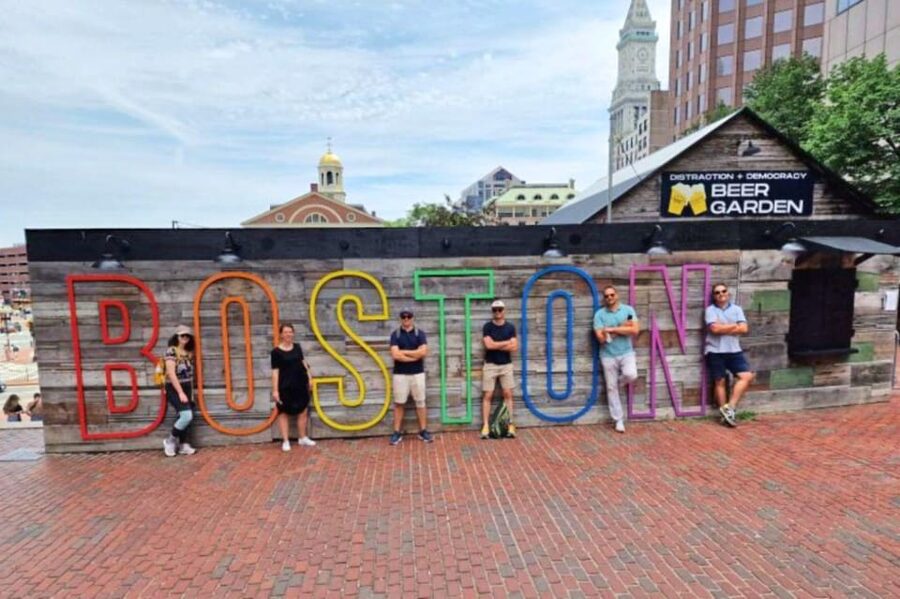
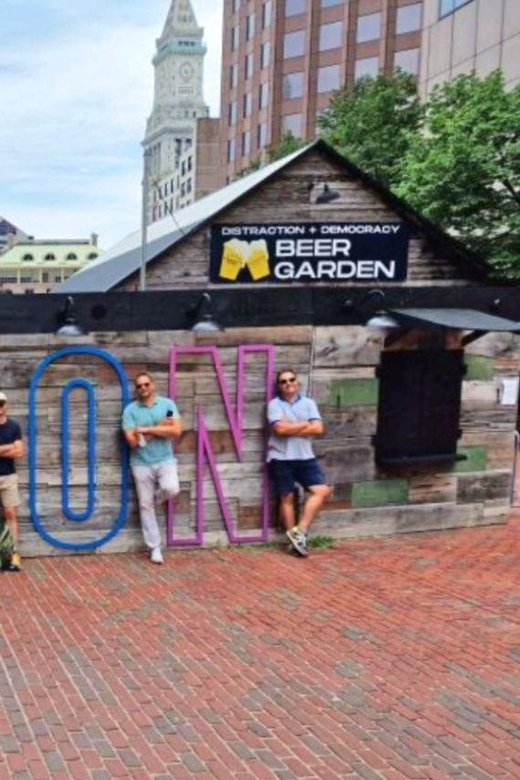
The meeting point is City Hall Plaza, directly across from Faneuil Hall. Look for the Five Iron Golf area between Staples Connect and City Hall, near the Bill Russell statue and seasonal beer garden. The Green Line uses Government Center station, while the Orange and Blue Lines use State Street.
This is a sensible starting point because you begin near the civic center of modern Boston before moving into the older streets. The opening section touches the Freedom Trail and gives you a quick sense of how the modern city surrounds the colonial one.
The group then reaches King’s Chapel Burying Ground. The graveyard is an early reminder that Boston’s story is not only about generals and famous speeches. Old burial grounds show the age of the city in a direct, physical way, and the guide uses the site to place early Boston in its colonial setting.
At Granary Burying Ground, the focus turns toward people connected with the coming Revolution. The stop is more useful when you already understand the wider story, because the names on the stones become part of a political and social network rather than isolated historical labels.
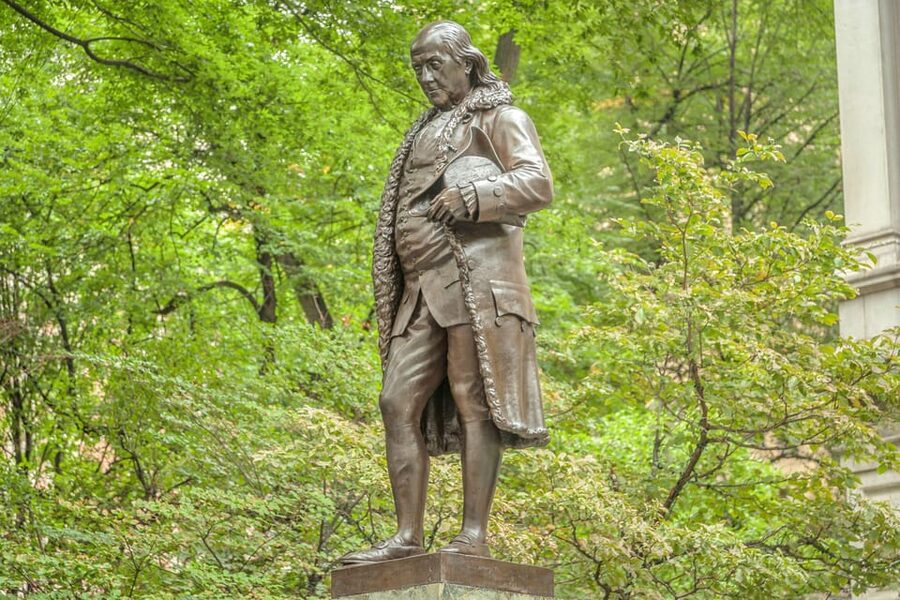
You pass Park Street Church and visit Old City Hall, adding later architectural layers to the route. At Boston Latin School and the Benjamin Franklin statue, the guide brings education, civic identity, and one of Boston’s most famous native sons into the conversation.
Old State House and the Boston Massacre

The Old State House is one of the most important stops because it represents colonial government and public power. The Boston Massacre site is nearby, and the short distance between them helps the guide show how authority, protest, and public reaction collided in the same compact part of town.
This section is where the tour’s why, not just what method pays off. You are not simply told that the massacre happened. The guide explains the setting and the tension around it, then shows how the event was remembered and used in the political argument against British rule.
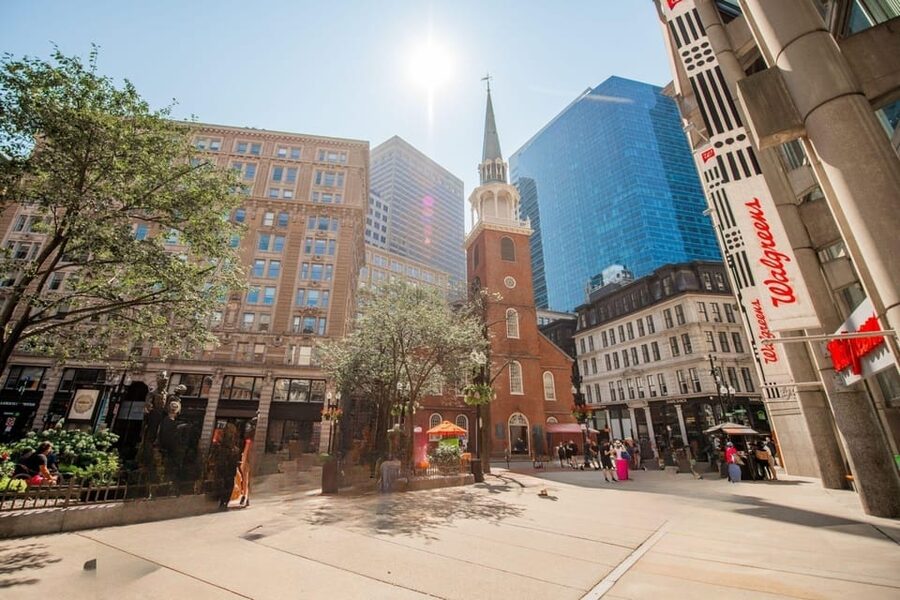
The route continues past the Old Corner Book Store and on to the Old South Meeting House. The meeting house is closely tied to Boston’s political life and the events leading to the Tea Party. It gives the story a sense of scale: large gatherings, public debate, and organized resistance all took place within walking distance of the earlier sites.
At Post Office Square and Liberty Square, you continue across the downtown core. These stops are brief, but they help connect the old street plan with today’s city. I appreciate this sort of walking because you are not sealed inside a historical district. You see how Boston’s working city and modern business center grew around the places where the conflict unfolded.
Faneuil Hall, Quincy Market, and a useful break
Faneuil Hall is one of Boston’s best-known civic landmarks. When it is open, the tour includes entrance inside, giving you a chance to see the hall rather than simply photograph the exterior.
The guide then takes you to Quincy Market for a 15-minute restroom and refreshment break. This is a practical pause in a long walking tour. You can stretch, use the facilities, and get your bearings before the route heads into the North End.
The break is not long enough for a full meal, so plan accordingly. If you want lunch, save that for the end, when the group finishes in Boston’s North End and the guide can point you toward local food options.
After Quincy Market, the route crosses the Rose Kennedy Greenway. This section provides a change of pace and helps you see the city as a modern place rather than only a preserved colonial stage set.
More Small-Group Walking Tours in Boston:
- Amsterdam Anne Frank: Small-Group Walking Tour & Local Guide
★ 4.8 · 12,789 reviews - New Orleans Food Walking Tour of the French Quarter with Small-Group Option
★ 5.0 · 6,118 reviews - Barcelona Tapas and Wine Experience Small-Group Walking Tour
★ 5.0 · 5,804 reviews - Reykjavík Small group Walking Tour – by CityWalk
★ 5.0 · 5,076 reviews
Paul Revere, the North End, and Old North Church
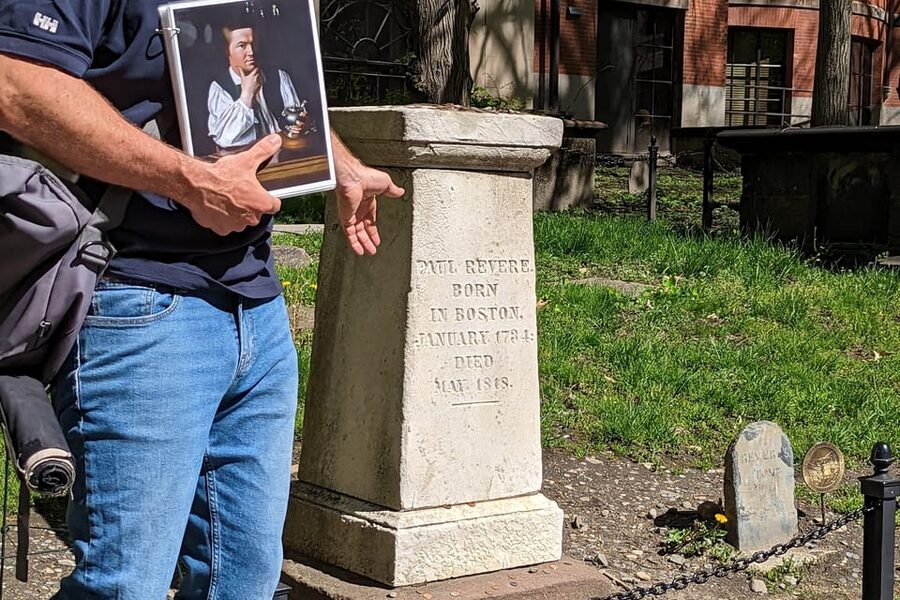
The tour enters the North End at the Paul Revere House. Here, the story becomes more personal. Revere is often reduced to one famous nighttime ride, but the guide uses the neighborhood and the house to place him within Boston’s wider network of tradespeople, activists, families, and political organizers.
The North End itself is part of the experience. You are walking through one of Boston’s most distinctive old neighborhoods, not just checking off a single historic house. The route then reaches Paul Revere Mall, where you can stop for photographs and continue the discussion of Revere’s place in the Revolution.
Old North Church is another major point in the story. The building is linked to the lantern signal associated with the ride to Lexington and Concord, and its position helps the guide explain how information moved through the city and harbor area.
You then visit Copp’s Hill. This is one of the more useful elevated points on the route because it offers scenic views and a better sense of Boston’s geography. From here, the guide can connect the North End with Charlestown and the waterways that mattered to both daily life and military planning.
Charlestown views, the USS Constitution, and Bunker Hill
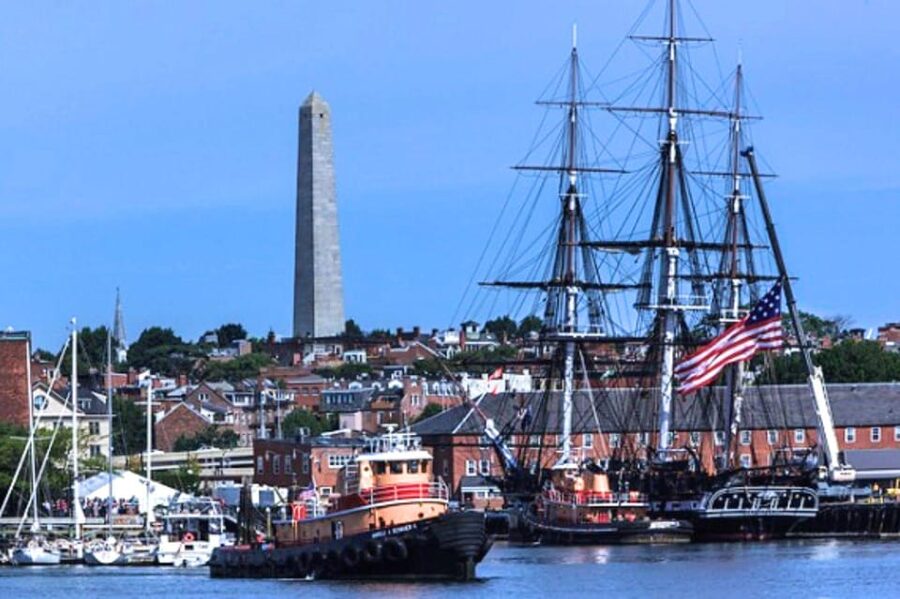
The route continues toward the USS Constitution area and passes by the ship. The visit is listed as a brief pass-by rather than a full ship tour, so you should not expect time to explore the vessel inside. Even so, its presence adds naval and military context to the story.
The tour then reaches the Bunker Hill Monument area. The Battle of Bunker Hill was one of the Revolution’s early major clashes, and the monument gives the guide a chance to explain the battle’s place in the larger conflict.
This part of the route also adds a welcome change in scenery. You move away from the denser downtown streets and gain broader views near Charlestown and the harbor. The walk is not just a history lecture with buildings as backdrops. The geography matters, and the guide uses it to show why certain sites were important.
After Bunker Hill, the route passes through Charter Street Park and continues along the Harborwalk. The harborfront offers a different view of Boston and a quieter final stretch. Pilot House Park adds another scenic stop before the tour finishes at Lewis Wharf.
The ending is useful for planning. You finish near the water rather than returning to City Hall Plaza, so you can continue exploring the North End and waterfront or follow the guide’s restaurant suggestions.
The guides and the teaching style
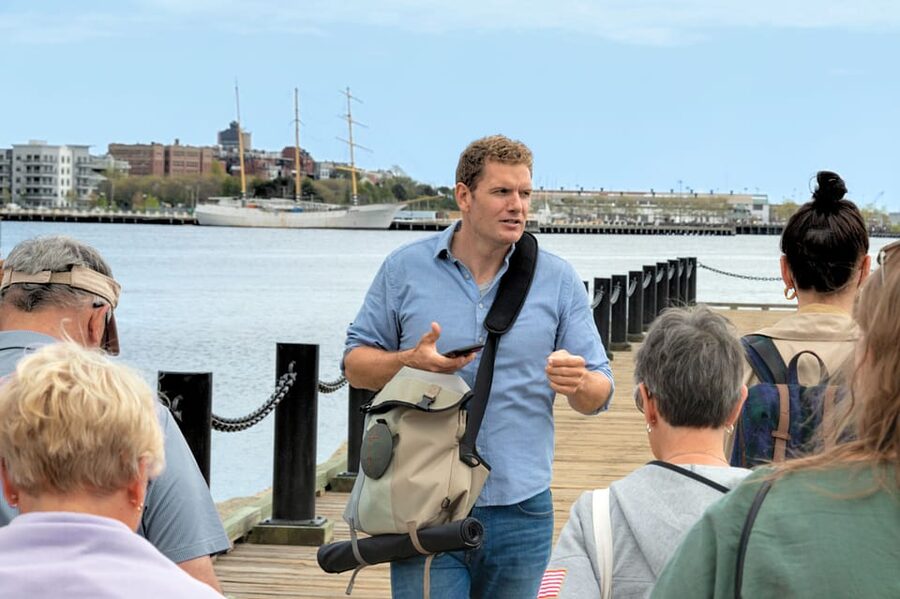
The guide is the heart of this experience. Mike receives repeated praise for his energy, clear voice, use of maps, food advice, and ability to explain motives. Tyler is noted for strong storytelling, a good pace, and bringing participants into the lesson. Rob uses assigned roles especially well, while Tom and Chris are also described as engaging and well informed.
The exact guide matters because this is a story-led tour. The strongest moments come from explanation and delivery, not from simply reaching a landmark. A good guide keeps the group together, checks that everyone can hear, and uses the street around you as part of the lesson.
The visual material is a real advantage. Maps help you understand troop movements and Boston’s changing shape. Photographs and figures make abstract events easier to picture. Name tags or assigned characters give the group a simple memory aid.
That said, the role-playing element will not suit everyone. You may be asked to help represent a historical person or event. It is low-key rather than theatrical, but anyone who prefers silent observation should know that the tour invites participation.
Walking demands, pace, and who will enjoy it
The route requires a moderate level of fitness. It is mostly flat, but there is one uphill section and a flight of stairs toward the end. The walk covers roughly two and a half miles according to one detailed participant account, though the three-and-a-half-hour duration matters as much as the distance because you spend a lot of time standing and listening.
Wear comfortable shoes and bring water. The city streets can be crowded, and a quick pace may be used to keep the group on schedule. One participant found the pace difficult for some older people, while others appreciated that the guide kept the group moving without making anyone feel rushed.
This is best for adults, history fans, and older teenagers who can follow a long narrative. It also suits people who already know Boston and want more context, rather than only first-time visitors. Families with young children may find the amount of explanation too heavy.
International visitors should consider their English level. The tour is in English and covers political ideas, personalities, and events in detail. The chronological format helps, but casual interest or limited English may make a shorter, simpler tour a better choice.
Is $57 a good value?
At $57 per person, this is not the cheapest way to see Boston’s historic center. It is also not a basic walk along the Freedom Trail. You are paying for three and a half hours with a live guide, a small group, a route covering downtown, the North End, Charlestown views, and the harbor, plus visual teaching tools and local recommendations.
The value is strongest if you want interpretation. A self-guided walk can take you past many of the same buildings, but it will not connect the events in the same order or answer the larger questions about motives and consequences.
The tour also saves you from arranging several separate visits across different parts of Boston. You cover major landmarks, burial grounds, civic buildings, waterfront areas, and Revolution sites in one organized outing.
I would book it early in your Boston stay. The route gives you a useful map of the city, and the North End and waterfront suggestions can help shape the rest of your visit. Just remember that the entrance time at some sites can depend on opening conditions, and the USS Constitution is passed rather than toured in depth.
Should you book this Boston Revolution tour?
Book it if you want the full political story, enjoy a serious but friendly guide, and can handle a long walk. It is especially good for adults, history-minded visitors, and international visitors who want the events explained in order rather than presented as scattered American folklore.
Skip it if you want costumes, reenactments, a short overview, or a relaxed stroll with many café stops. You should also choose another option if stairs, hills, or several hours on your feet would be a problem.
For the right person, this is a strong use of half a day. You leave with more than a list of Boston landmarks. You understand how the streets, people, arguments, and events fit together.
FAQ
How long is the Boston Revolution walking tour?
The tour lasts 210 minutes, or three and a half hours.
Where does the tour begin?
It begins at City Hall Plaza, directly across from Faneuil Hall. Meet near Five Iron Golf between Staples Connect and City Hall, close to the Bill Russell statue and seasonal beer garden.
Where does the tour finish?
The tour finishes at Lewis Wharf.
Is the Freedom Trail included?
Yes. The route includes sections of the Freedom Trail, but it also visits areas beyond the standard trail, including the North End, Charlestown viewpoints, the Harborwalk, and Lewis Wharf.
What language is the tour conducted in?
The live tour is conducted in English.
How large is the group?
The group is small, with approximately 16 participants.
Does the tour include a restroom break?
Yes. The tour includes a 15-minute break at Quincy Market, where you can use the restroom and look around.
Is the tour suitable for people with mobility impairments?
The tour is not considered suitable for people with mobility impairments. It requires moderate physical activity, includes one uphill section, and has a flight of stairs toward the end.
What is included in the $57 price?
The price includes the live guide. Hotel pickup and drop-off are not included.
New routes in Boston
- Cambridge, Massachusetts: MIT and Harvard Walking Tour★ 4.7 · 486 reviews
- Boston: Salem by Boat – Witch Trials & Walking Tour★ 4.3 · 263 reviews
- Boston: 2-Hour Historic Walking Tour★ 4.7 · 88 reviews
- Boston: North End Pizza Walking Tour with 3 Slices & Cannoli★ 4.8 · 162 reviews
- Boston: Freedom Trail Guided Walking Tour in French★ 4.9 · 106 reviews
- Self Guided Classic Freedom Trail Location Aware (GPS) Walking Audio Tour★ 4.5 · 258 reviews
- Boston History Tour: Scenic Walk Through Time & Landmarks★ 5.0 · 627 reviews
- Boston Pizza Lovers Food and History Walking Food Tour★ 4.5 · 1,082 reviews
Boston Walking Tours, compared.
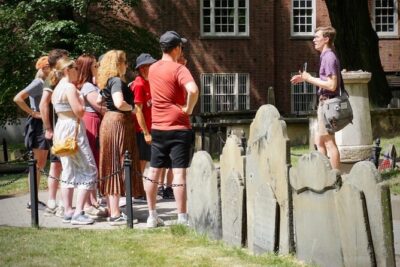
Freedom Trail History Small Group Walking Tour
Read our review →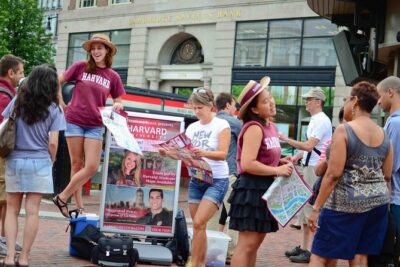
Harvard University Campus Guided Walking Tour
Read our review →
Boston Freedom Trail Walking Tour with Costumed Guide
Read our review →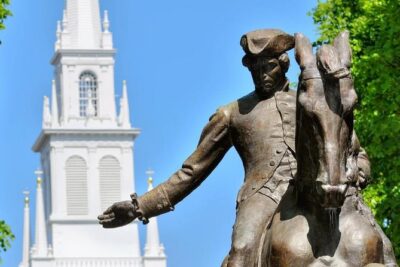
The Full Revolutionary Story Epic Small Group Boston Walking Tour
Read our review →
Boston North End Food Tour of 6+ Tastings, Cannoli, Lobster Roll
Read our review →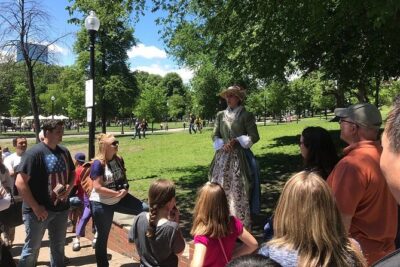

Boston Pizza Lovers Food and History Walking Food Tour
Read our review →
Boston History Tour: Scenic Walk Through Time & Landmarks
Read our review →Browse the lists this tour appears in