
Review · AMSTERDAM
Amsterdam: Sex, Drugs, and Freedom Walking Tour
Amsterdam’s most famous freedoms are also its most misunderstood. This two-hour walking tour looks past the neon windows and coffeeshop clichés to explain how prostitution, soft-drug policy, gay rights, and sexual liberty became part of public debate in the Netherlands.
I like the tour’s local point of view, especially the stories tied to the Old Church, the Condomerie, and small lanes that are easy to miss on your own. I also like its practical length and clear price of $31, which makes it a useful first look at the district rather than a full-day commitment.
The main consideration is pace. Two hours gives you a strong introduction, but not a full study of Dutch drug policy or the economics of the sex industry. The winding streets can also be difficult for people with mobility impairments, and the meeting point changes with the option you book.
Key points to know before you book
- Amsterdam’s liberal laws get real context: Learn how prostitution became legal and how coffeeshops developed under Dutch soft-drug rules.
- The route mixes landmarks with local corners: Expect Dam Square, the Royal Palace, the Old Church, the Condomerie, and less familiar lanes.
- The subject is treated as social history: The guide discusses sex work, drug policy, equality, gay rights, and sexual freedom rather than offering a simple novelty walk.
- Guide personality matters here: Past guides have included Martin, David, Stan, and Jesse, with Jesse noted for clever humor and patient explanations.
- The tour is short and easy to fit into a day: At $31 for two hours, it works well near the start of an Amsterdam visit.
- It is not designed for every walking ability: Comfortable shoes are important, and the activity is not suitable for people with mobility impairments.
Why Amsterdam’s famous freedoms need explanation
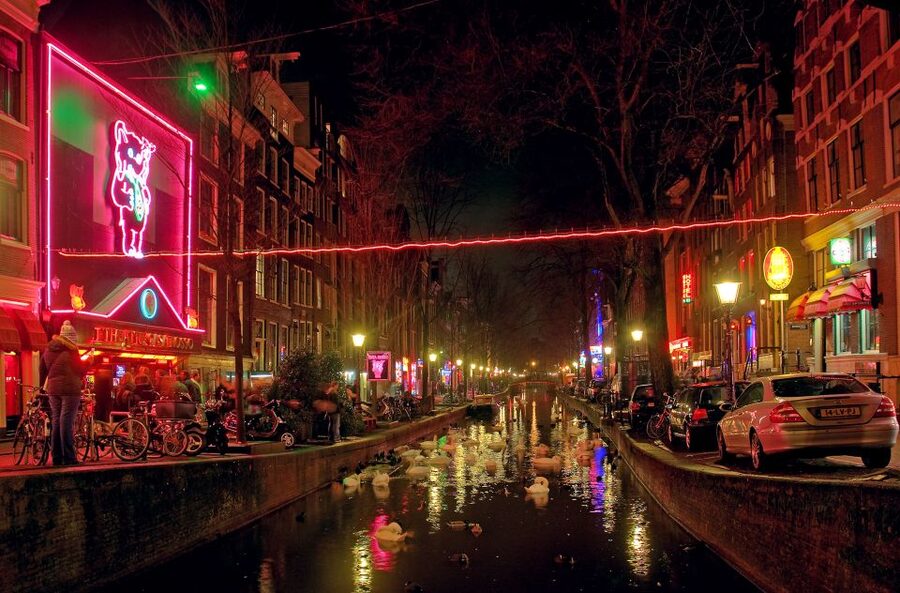
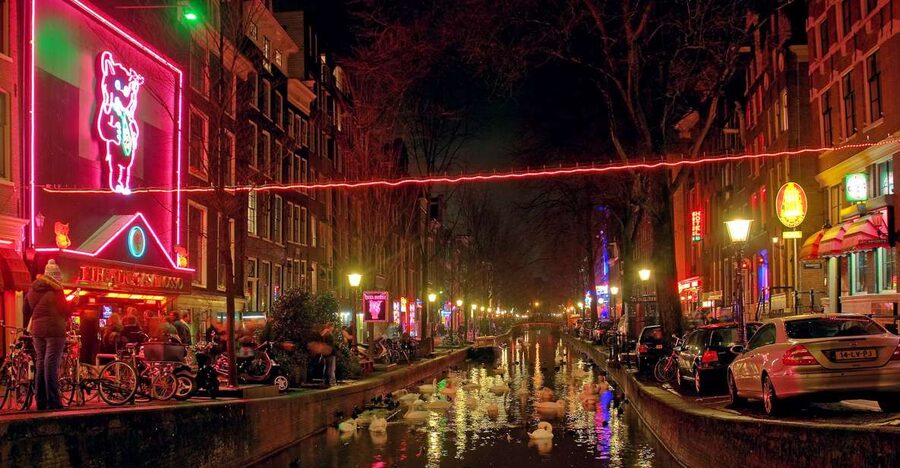
A visit to Amsterdam’s Red Light District can leave you with more questions than answers. Why are some drugs tolerated but not fully legal? Why are sex workers displayed in windows? How did a city known for trade and tolerance become a center of gay rights and sexual freedom?
This tour gives you a framework for those questions. Instead of treating the district as a collection of provocative sights, it connects the streets to Dutch law, public policy, and changing social attitudes. That makes the experience useful even if you have no interest in visiting a coffeeshop or the sex industry itself.
I especially like this approach for a first day in Amsterdam. The district is compact but confusing, with narrow streets, alleys, canals, churches, shops, and tourist traffic packed closely together. A guide can help you understand what you are seeing and separate local practice from the simplified version often sold to outsiders.
The tone is intended to be open and direct. You can ask questions about prostitution, drugs, or sexual liberty without needing to guess which subjects are acceptable. At the same time, the tour is not a promise of sensational entertainment. Its value comes from explanation and context.
More Walking Tours in Amsterdam:
- Amsterdam Anne Frank: Small-Group Walking Tour & Local Guide
★ 4.8 · 12,789 reviews - Anne Frank’s Story – Guided Walking Tour through Amsterdam
★ 5.0 · 11,619 reviews - Absolutely Amsterdam – the Essential Introductory Walking Tour
★ 5.0 · 3,629 reviews
Starting among Dam Square and the Royal Palace
The exact meeting point depends on the option you select, so check your confirmation carefully. Once the group is together, the walk takes you through central Amsterdam toward the district and its surrounding streets.
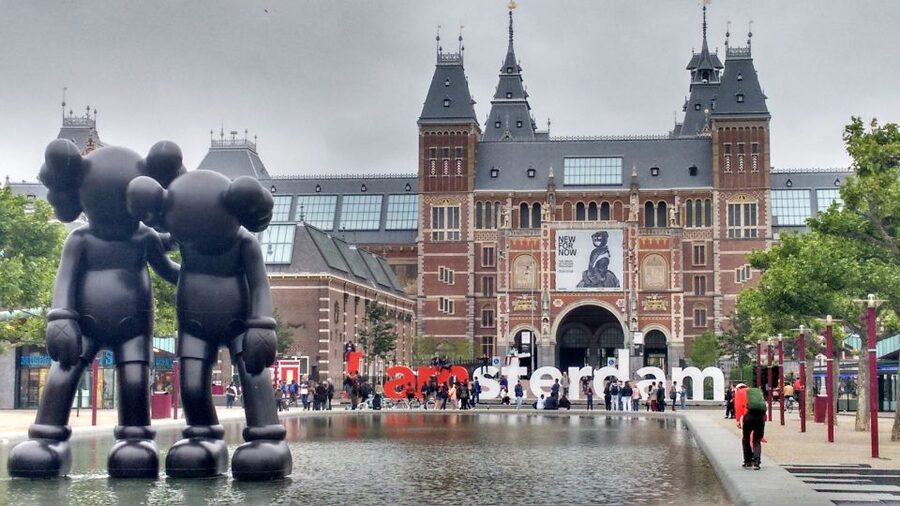
Dam Square and the Royal Palace give the guide a useful starting point. These places connect the modern tourist center with the city’s older public life, commerce, authority, and changing ideas about who belongs in the city. The contrast matters: only a short walk separates grand civic sights from the streets most associated with sex and drugs.
This opening section can help you get your bearings quickly. One customer described the experience as a good introduction to Amsterdam when arriving in the city, and that is a fair way to view it. You are not simply being shown a set of attractions. You are being given a basic map of how the center fits together.
The route uses winding streets and alleyways, so wear shoes that can handle two hours on foot. The walk is not suitable for people with mobility impairments, and the narrow urban setting may feel demanding if you need frequent rest stops.
The Old Church beside the Red Light District
The Old Church is one of the tour’s most telling stops. Its presence beside the Red Light District shows how different parts of Amsterdam’s public and private life have shared the same small area for centuries.
Here, the guide can explain the district’s development and how its identity changed over time. You learn about the history of the Red Light District, the people who work there, and the social rules that shape the area today.
The setting also helps keep the conversation grounded. Prostitution is not presented as an abstract idea. It is tied to real streets, businesses, residents, workers, visitors, and the authorities who regulate the area. That makes the discussion more useful than a list of amusing facts.
Expect the guide to address what it is like to work as a prostitute and how legal prostitution has shaped the district. The tour focuses on the complex issues surrounding the industry, so you may hear points that challenge your own assumptions. This is one reason the experience suits curious adults who want a candid discussion, not just a photo stop.
The Condomerie and Amsterdam’s public attitude toward sex
The Condomerie is a memorable stop because it reflects Amsterdam’s unusually open approach to sexual health and sexual expression. It gives the guide a concrete place to discuss how the city became associated with sexual liberty and public awareness.
This part of the route can be light in tone, but it also has a serious purpose. The tour explores how Amsterdam developed a reputation for being inclusive and welcoming, including its long connection to campaigns for equality and gay rights.
I would not book this walk expecting every stop to be a formal museum-style presentation. The experience is conversational, and much depends on the guide’s ability to explain sensitive subjects without turning them into cheap jokes. The strongest guides named in customer feedback include Martin, David, and Stan, while Jesse was praised for a patient manner and clever humor.
That variation is worth keeping in mind. The guide is the heart of this experience. A lively guide can make complicated social history easy to follow, while a quieter style may appeal if you prefer a more measured discussion.
Same streets, a different guide:
- Amsterdam: Anne Frank Guided Walking Tour in DE/EN/IT/ES
★ 4.9 · 3,107 reviews - Amsterdam: Anne Frank Guided Small Group Walking Tour
★ 4.8 · 2,722 reviews - Amsterdam: Cultural Highlights Walking Tour
★ 4.9 · 2,629 reviews - Amsterdam: Ganja Walking Tour
★ 4.2 · 2,127 reviews
Coffeeshops, soft drugs, and the Dutch compromise
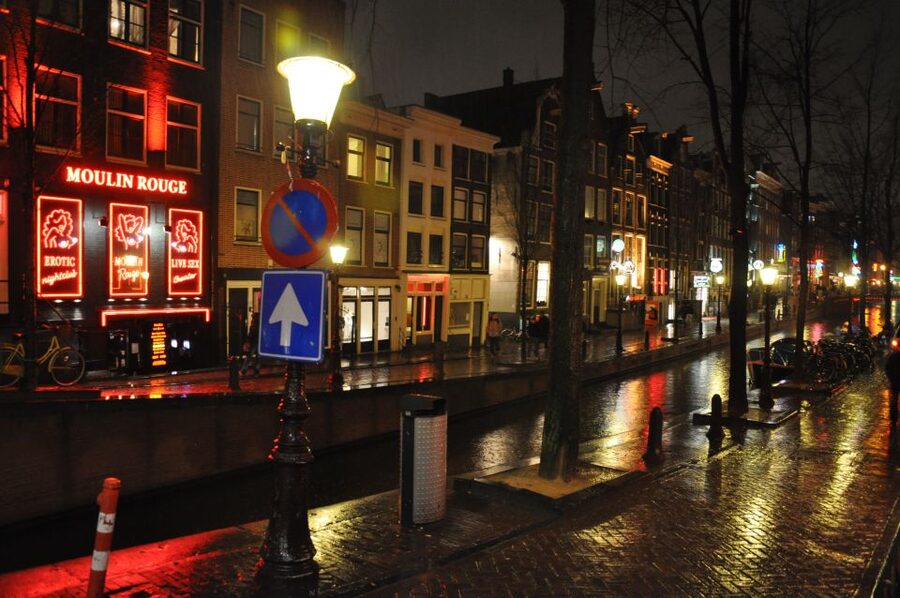
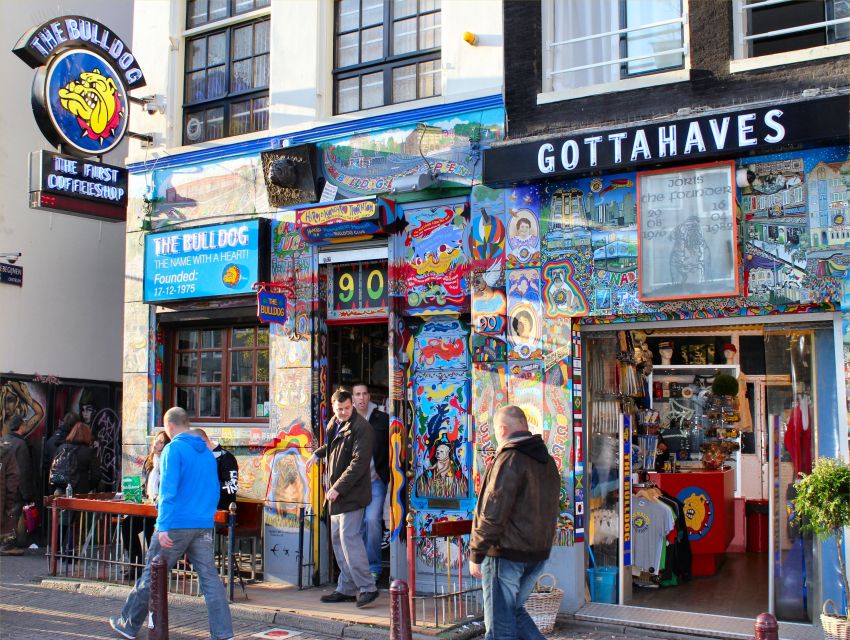
The drug section explains Amsterdam’s peculiar regulations, including the origins of coffeeshops and the use and manufacture of soft drugs. The key value here is clarification. Many visitors arrive with a vague idea that drugs are simply legal in the Netherlands, which is not an accurate way to understand the policy.
The tour examines how tolerance developed and how coffeeshops fit into that system. You can ask questions directly, and the guide can explain the difference between public image and actual regulation.
This portion is especially useful if you want to understand why Amsterdam has coffeeshops without reducing the subject to a novelty. It also gives you a better basis for deciding how you feel about the policy. You may find the discussion more complicated than the city’s tourist slogans suggest.
One point to manage is your expectation of detail. Two hours must cover prostitution, drugs, equality, gay rights, and the city’s broader social development. A customer who wanted more discussion of drugs and the Dutch economy still found the tour worthwhile, but the time limit is real. If drug policy is your main interest, you may wish to treat this tour as an introduction rather than the final word.
The tour does not include food or drinks, and it is a walking experience rather than a coffeeshop visit with refreshments. Bring water, particularly if you are booking during a warm spell.
The Red Light District without the usual clichés
The Red Light District is often reduced to neon windows and provocative jokes. This walk tries to show the working reality and historical development behind those images.
You learn how prostitution was legalized in the Netherlands and how that decision affected the district. The guide also discusses what it is like to work as a sex worker, the reasons people defend legal regulation, and the problems that remain.
That balance is important. Legal status does not make every issue simple, and the tour presents prostitution as a subject involving work, rights, regulation, safety, public attitudes, and personal choice. I appreciate that the discussion is framed around the needs of people and the way society responds to them, rather than treating sex workers as scenery.
You should also be aware of the setting. The streets can be crowded and distracting, and the subject matter is adult and direct. This is not the right choice for someone looking for a quiet architecture walk or a general family sightseeing tour.
The route may include places known mainly to locals, but exact stops can depend on the guide, group, and meeting option. That flexibility is part of the appeal, although it means you should not expect a fixed list of every stop on every departure.
Equality, gay rights, and Amsterdam’s inclusive identity
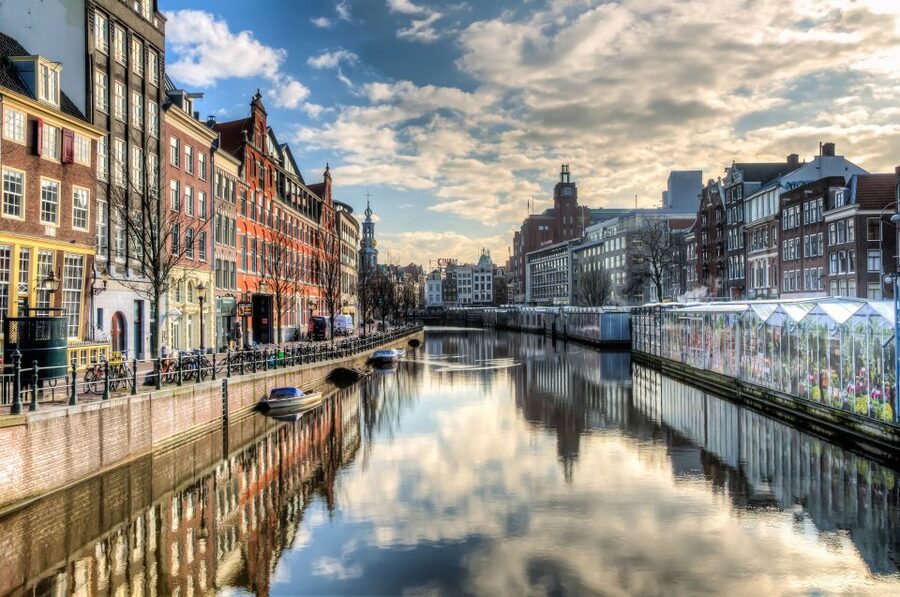
The tour moves beyond sex and drugs to explain how Amsterdam became associated with equality and inclusion. You learn about the Dutch fight for gay rights, social awareness, and sexual freedom.
This broader section keeps the experience from becoming a narrow Red Light District tour. It shows how several movements and public debates shaped the city’s modern identity. The walk asks you to consider why some forms of personal behavior are tolerated, how rights are won, and where social acceptance remains complicated.
I find this one of the most worthwhile parts for visitors who already know the basic Red Light District story. Amsterdam’s reputation for freedom did not appear overnight, and it is not limited to coffeeshops or prostitution. The guide connects the district to a wider idea of a city trying to make room for different lives.
The discussion also helps explain why the tour can suit people with different views. You do not have to agree with every Dutch policy to understand why people supported it or what needs those policies were meant to address.
What the two-hour pace feels like
Two hours is long enough to cover several central sights and short enough to fit between other plans. I would schedule it early in your Amsterdam stay if you want a quick orientation to the center and the Red Light District.
A good guide keeps the walk moving while leaving room for questions. Past guide feedback points to several strengths that matter here: clear explanations, engaging stories, calm handling of wandering group members, and the ability to make serious subjects easy to digest.
The route’s pace also depends on the group. One past departure included people who were tipsy and kept falling behind, yet the guide stayed calm and worked to keep everyone together. That is useful evidence of the practical side of the job, since central Amsterdam can quickly split a group between narrow lanes and busy crossings.
You should arrive in comfortable clothes and shoes, with water in hand. The activity lasts two hours, and food and drinks are not included. Live guiding is available in English, Dutch, Spanish, or German, depending on the departure.
Is $31 good value?
At $31 per person, this is a fair price for a two-hour guided walk in central Amsterdam. You are paying mainly for the guide’s interpretation, local stories, and ability to connect several difficult topics into one clear route.
The value is strongest if you would otherwise walk through the district without understanding what you are seeing. A self-guided stroll can show you the streets, but it may not explain the history of legal prostitution, the logic behind coffeeshops, or the connection between the district and Dutch equality movements.
The value is weaker if you want a long specialist lecture on drug economics or a detailed study of prostitution policy. The tour has too many subjects to cover every one at great length. Think of it as a lively orientation, not an academic course.
Private groups are available, which may suit families of adults, friends, or colleagues who want more control over the conversation. The standard experience is also a reasonable choice if you want a lower-cost introduction and do not need a private guide.
Free cancellation is available up to 24 hours before the activity for a full refund, and you can reserve now and pay later. Those options help if your Amsterdam plans are still changing, but the meeting point can vary, so confirm the details for your chosen option.
Who should take this Amsterdam walking tour?
I would recommend it to adults who want the social story behind Amsterdam’s famous freedoms. It suits first-time visitors, curious history fans, and anyone who wants a local explanation before exploring the district independently.
It is also a good match if you enjoy asking questions. The guide is expected to discuss sensitive subjects openly and offer insight into prostitution, coffeeshops, gay rights, and sexual liberty.
I would skip it if you want a conventional sightseeing walk focused on paintings, canals, or grand architecture. I would also think twice if you have mobility limitations, since the activity is on foot through winding streets and is specifically not suitable for people with mobility impairments.
The experience may be less useful if you already have detailed knowledge of Dutch drug law or the sex industry. Even then, a strong guide could add local anecdotes and lesser-known places, but the short format limits how far the discussion can go.
Should you book it?
Book this tour if you want Amsterdam explained rather than merely photographed. For $31, you get two hours of direct discussion about the Red Light District, prostitution, coffeeshops, equality, and the city’s liberal reputation, with landmarks such as Dam Square, the Royal Palace, the Old Church, and the Condomerie along the way.
Go in expecting a candid introduction, not a complete investigation of every policy. Wear comfortable shoes, keep your questions ready, and allow for a guide-led route that may change with the meeting option. If that sounds like the right balance, this is a useful way to get your bearings in one of Amsterdam’s most misunderstood areas.
FAQ
How long is the Amsterdam Sex, Drugs, and Freedom Walking Tour?
The tour lasts two hours.
What does the tour cost?
The listed price is $31 per person.
Which places are included on the walking route?
The route includes the Old Church, the Condomerie, the Royal Palace, Dam Square, and locations known mainly to locals. The exact meeting point may vary with the option booked.
What subjects does the guide discuss?
The guide discusses prostitution and the Red Light District, Dutch soft-drug regulations, the origins of coffeeshops, the use and manufacture of soft drugs, gay rights, social awareness, equality, and sexual liberty.
Which languages are available?
Live guiding is available in English, Dutch, Spanish, and German.
Can I book a private group?
Yes. A private group option is available.
Is food or drink included?
No. Food and drinks are not included. You should bring water.
What should I bring, and is the tour suitable for people with mobility impairments?
Bring comfortable shoes, water, and comfortable clothes. The activity is not suitable for people with mobility impairments.
New routes in Amsterdam
- Small Group Walking Tour in Amsterdam with Friendly and Fun Guide★ 5.0 · 281 reviews
- Humans of Amsterdam: Cultural Walking Tour incl. meeting 2 locals★ 5.0 · 320 reviews
- Private Tour: Amsterdam City Walking Tour and Canal Cruise★ 4.5 · 142 reviews
- Amsterdam: Private Introduction Walking Tour (TOP RATED)★ 5.0 · 223 reviews
- Amsterdam: Anne Frank and World War II Walking Tour (TOP RATED)★ 4.5 · 72 reviews
- Anne Frank and Jewish Quarter Amsterdam Private Walking Tour★ 5.0 · 684 reviews
- Secrets of Amsterdam Walking Tour plus Dutch Sweets Tasting★ 5.0 · 111 reviews
- Amsterdam Private Historical Walking Tour★ 5.0 · 75 reviews
Amsterdam Walking Tours, compared.

Amsterdam Anne Frank: Small-Group Walking Tour & Local Guide
Read our review →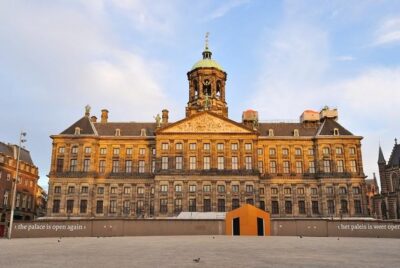
Absolutely Amsterdam – the Essential Introductory Walking Tour
Read our review →
Anne Frank Guided Walking Tour in DE/EN/IT/ES
Read our review →

Anne Frank Walking Tour Amsterdam Including Jewish Cultural Quarter
Read our review →
Amsterdam Highlights Walking Tour: Small Group Experience
Read our review →
Anne Frank’s Last Walk & See Anne Frank House in Virtual Reality
Read our review →Browse the lists this tour appears in