
Review · POLAND
Warsaw: Warsaw Ghetto Private Walking Tour with Hotel Pickup
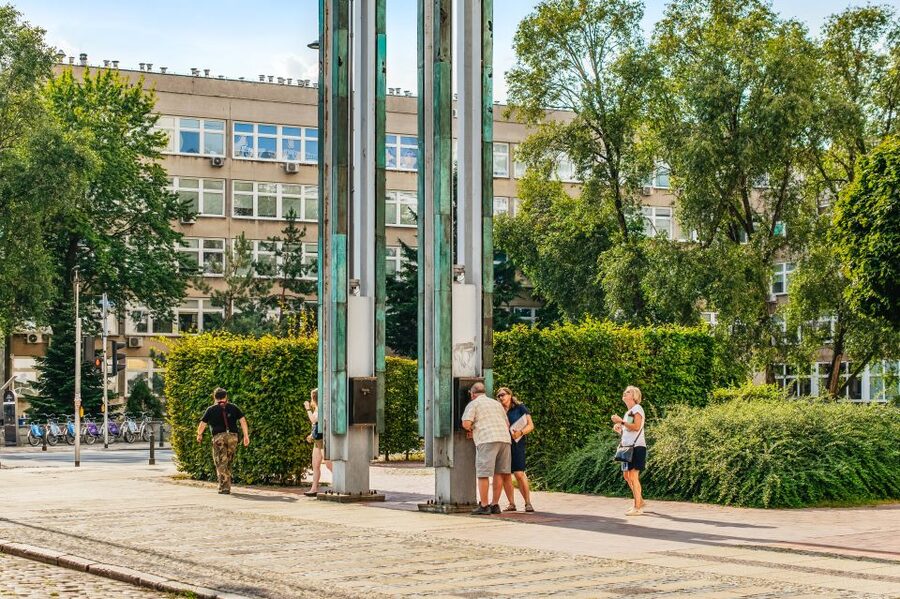
Warsaw’s former Jewish ghetto is not a single preserved district waiting behind a gate. It is scattered across a modern city, with fragments, monuments, surviving buildings, and ordinary streets carrying the memory of what happened there. This private tour helps you connect those pieces into one clear story, from the ghetto’s creation in 1940 to the 1943 uprising and its destruction.
I like the way the guides use old photographs and maps beside present-day streets. I also like the private format, which gives you room to ask difficult questions and set the walking pace to your needs. The main drawback is practical: the booking information says hotel pickup is included, yet several visitors found they needed to meet the guide at Prozna Street 9. Confirm this point before you go.
Key points to know before you book
- The tour links scattered sites: You visit wall fragments, the last surviving street section, Umschlagplatz, the Ghetto Heroes Monument, and areas once inside the ghetto.
- Guides build the story in order: Marzena and Mary receive especially strong praise for clear explanations, patience, and the use of wartime images.
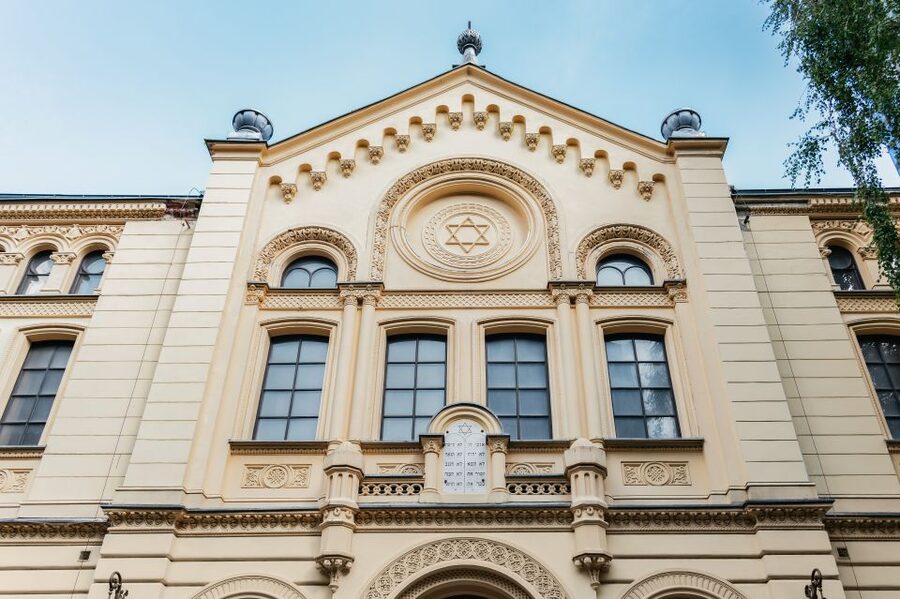
- The Nożyk Synagogue is still active: It is the only synagogue in Warsaw to survive the Second World War and remains in use.
- This is a serious history tour: The subject includes starvation, disease, mass murder, deportation, resistance, and the destruction of the ghetto.
- Three hours involves walking: Wear comfortable shoes, bring sun protection and a hat, and expect an outing that may not suit children under 14 or people with mobility impairments.
- The private price buys attention: At $84 per person, it costs more than a large group walk, but you get a licensed guide, transport by car, printed material, and time for questions.
Why the former ghetto is difficult to see without a guide
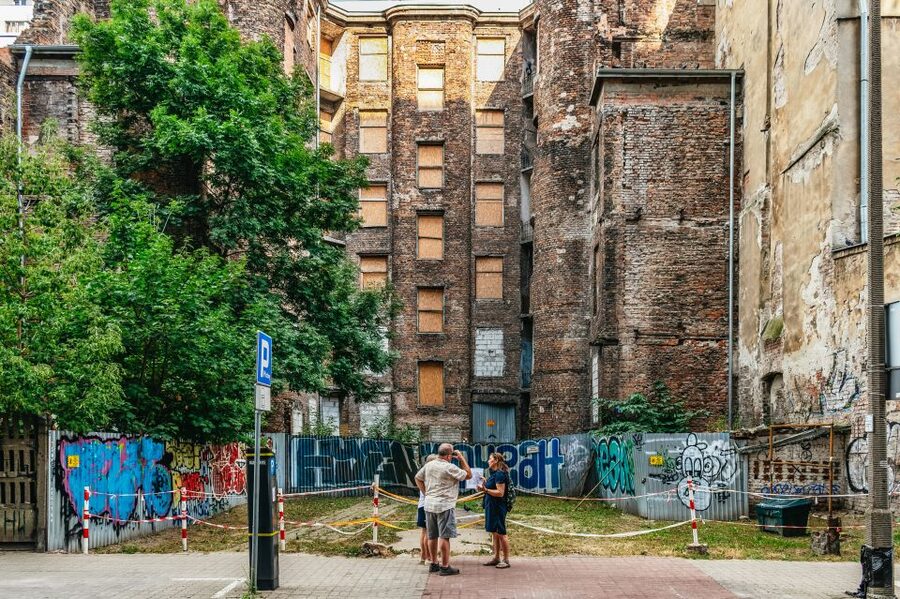
The prewar Jewish quarter was a major part of Warsaw, but the wartime ghetto was almost entirely destroyed. Today, modern buildings and rebuilt streets cover much of the area. Without historical photographs or a good map, you can walk past important locations without realizing what stood there.
That is the central value of this experience. Your guide does not simply point to a monument and recite a date. The tour connects a street corner, a wall fragment, or an empty space with the buildings and people once found there.
Before the Second World War, Warsaw had one of the world’s largest Jewish communities. Jewish residents made up about 30 percent of the city’s population. In 1940, Nazi authorities forced more than 400,000 Jews from Warsaw and nearby areas into roughly four square kilometers.
The numbers are hard to grasp, so the physical route matters. Your guide helps you understand how such a large population was compressed into such a small area, and how hunger, illness, exhaustion, forced labor, and terror shaped daily life.
The story then moves toward the ghetto’s destruction. About 100,000 people died inside the ghetto from starvation, disease, and exhaustion. More than 300,000 were sent to Treblinka and murdered there. The tour explains how Nazi policy moved from segregation to deportation and mass killing, while also showing how Jewish residents responded.
More Jewish Heritage Walking Tours in Poland
- Krakow: Kazimierz Jewish Quarter Walking Tour
★ 4.8 · 571 reviews - Krakow: Jewish Ghetto Walking Tour
★ 4.6 · 349 reviews - Warsaw: Jewish History Guided Walking Tour in English
★ 4.7 · 324 reviews
Rebuilding the map with photographs and wartime evidence
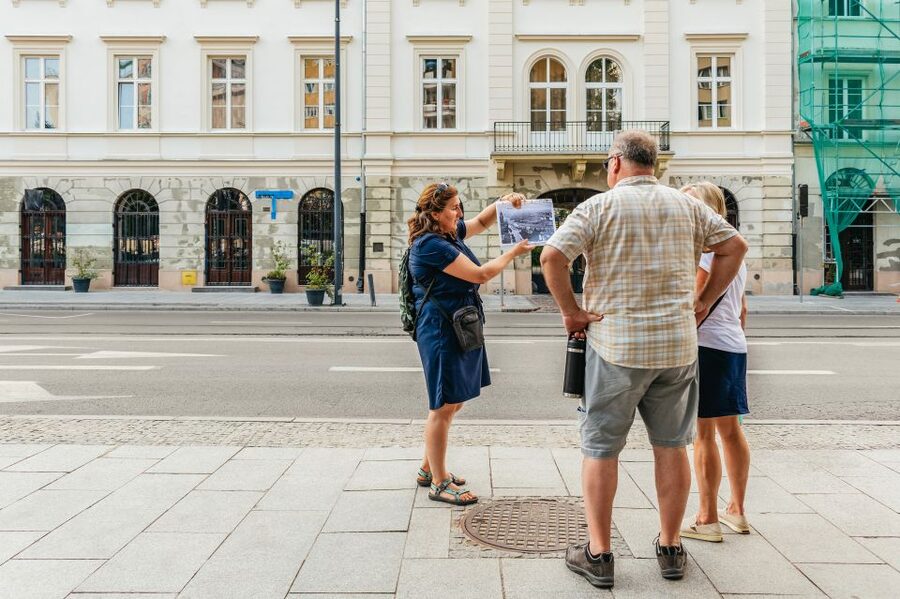
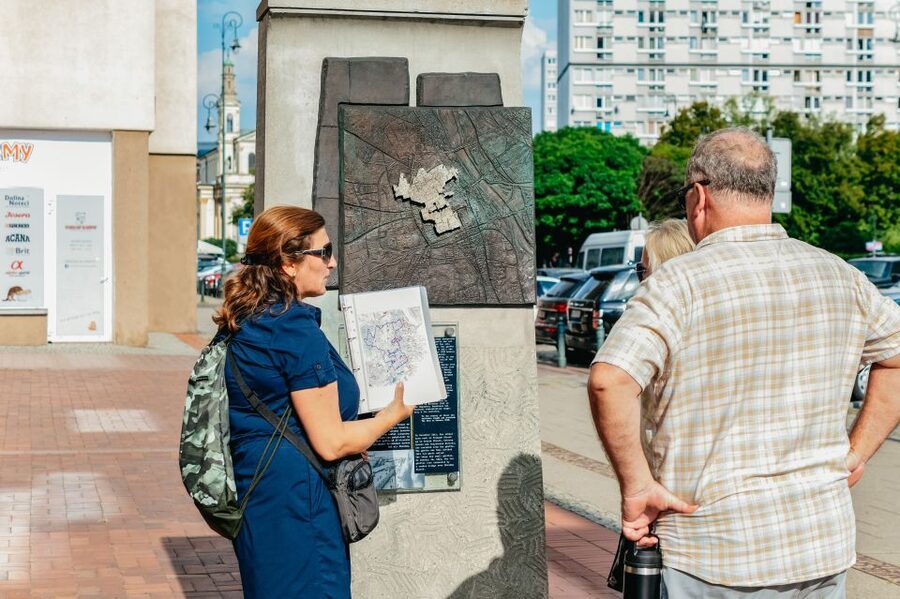
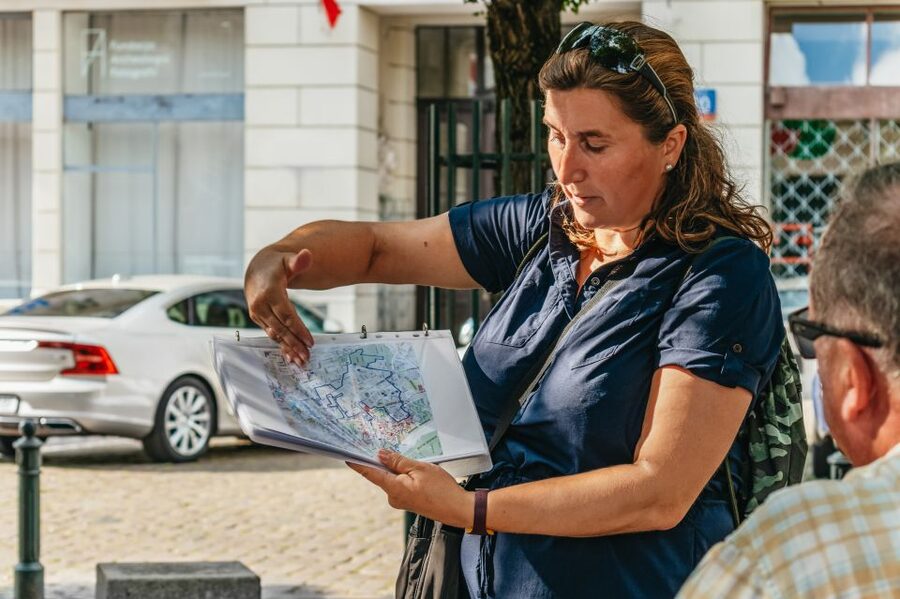
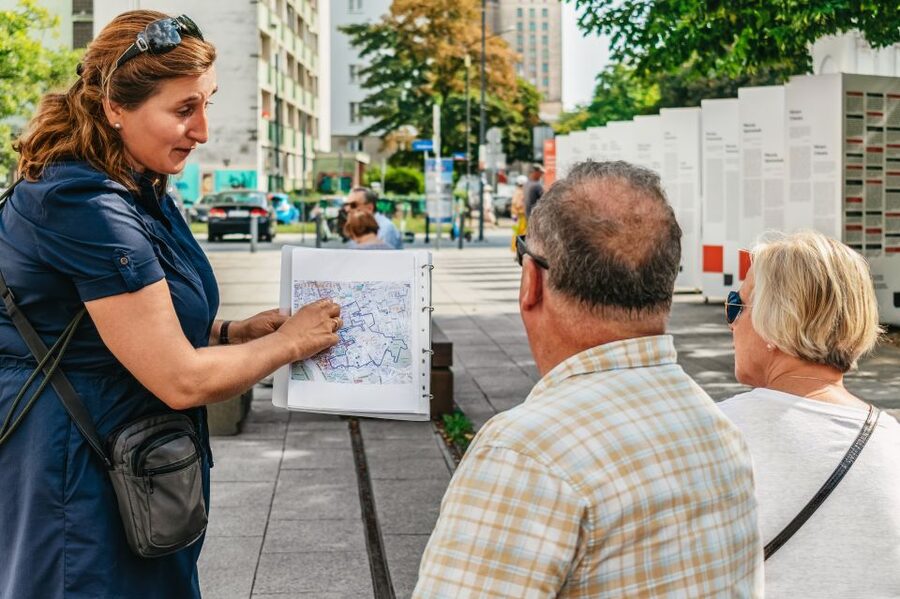
One of the best features is the use of visual material. Guides bring old photographs, maps, and other background information so you can compare wartime Warsaw with the streets in front of you.
This matters because many of the original buildings are gone. A photograph can show a gate, a crowded street, a wall, or a landmark that now has a completely different setting. The comparison does not recreate the past, but it gives you a sharper sense of what has disappeared.
Marzena is the guide most often named in the supplied details, and her approach is described as chronological, clear, and adaptable. Mary is also praised for adjusting the pace, answering questions, and explaining sites with photographs. Other guides, including Eva and Wojtek, have led the experience as well.
You should not book expecting a theatrical performance. This is a guided history walk built around explanation and discussion. The strongest part is the way the guide ties the larger Nazi plan to the specific location where you are standing.
Ghetto wall fragments and the last surviving street
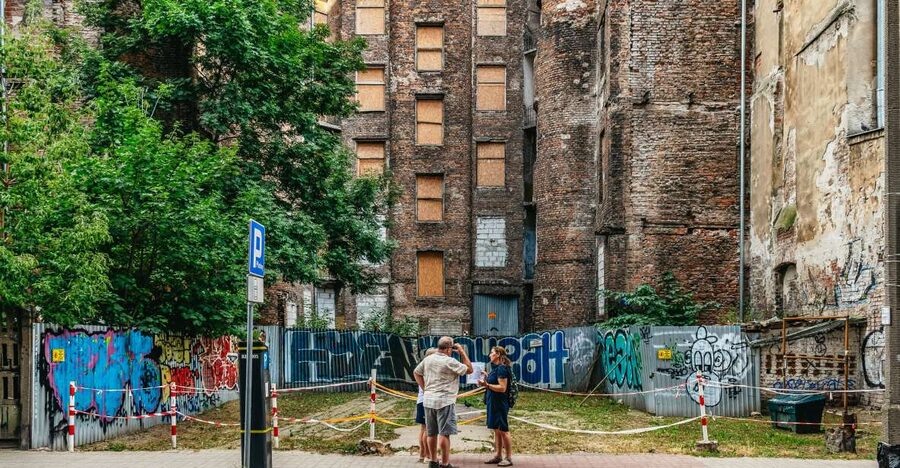
The remaining wall fragments are among the most important physical traces on the route. They are not a complete section of the old ghetto, and you should not expect a preserved neighborhood. Their value comes from what they represent: the forced separation of Jewish residents from the rest of Warsaw.
You also see the last street of the ghetto. The wording can sound as though an entire street has survived unchanged, but the experience is better understood as a look at the final surviving stretch and the surrounding former ghetto area. Your guide explains its wartime role and places it on the larger map.
This is where the photographs are especially useful. A present-day street may look quiet and ordinary, while an old image reveals the walls, checkpoints, crowds, and cramped conditions that once defined it.
The route covers a lot of ground for three hours. Some people completed the tour in about two and a half hours, while others used the full time. Your pace depends on questions, stops, weather, and mobility. If you want to pause often, tell the guide at the start.
The Nożyk Synagogue and a surviving thread of Jewish life
The tour includes Warsaw’s only synagogue to survive the Second World War. The Nożyk Synagogue is still in operation, making it more than a historical shell. It connects the destroyed prewar community with Jewish life in Warsaw today.
You need to bring cash for the synagogue entrance donation, listed as 20 PLN, 5 EUR, or 5 USD. A head covering or kippah is also required, so pack one if you have it. The instructions specifically ask visitors to bring a head covering, and this is one of the few stops where practical preparation affects your visit.
The synagogue visit also adds balance to the tour. Much of the route deals with murder and destruction. Here, you encounter a place of worship that survived and continues to function. Your guide can explain its place in Warsaw’s Jewish story, while the donation supports access to the site.
Food and drinks are not included, so plan around the three-hour schedule. The tour may begin at Prozna Street 9, between Bistro Charlotte Menora and Strefa Restaurant, if you are meeting the guide there.
Same streets, a different guide:
- Warsaw: Old Town Highlights Walking Tour in English
★ 4.7 · 1,516 reviews - Old Town Krakow & Wawel Castle Walking Tour
★ 5.0 · 1,508 reviews - Creepy Krakow: 2-Hour City Walking Tour
★ 4.7 · 1,131 reviews - Gdańsk City Sights & History Guided Walking Tour in English
★ 4.8 · 876 reviews
Umschlagplatz, deportation, and the mechanics of murder
A major stop is Umschlagplatz, the collection point where Jews were assembled before deportation. The site’s importance lies in showing how mass murder was organized through a process of confinement, gathering, transport, and removal.
The tour explains how the supposed logic of the Nazi system worked. The language of administration and order concealed a plan of racial persecution, deportation, and extermination. Seeing the collection point helps you understand that the Final Solution was not an abstract policy. It was carried out through real streets, buildings, schedules, guards, and trains.
This is also one of the more emotionally difficult parts of the walk. You are dealing with the deportation of hundreds of thousands of people, most of whom were murdered at Treblinka. Allow yourself time afterward if you need a quiet break.
The guide’s role is important here. The subject can become a list of numbers unless someone explains how the system affected families, work, food, shelter, and everyday choices. The private setting lets you ask for clarification instead of trying to keep up with a large group.
The Ghetto Heroes Monument and the 1943 uprising
The Ghetto Heroes Monument is linked to the uprising that began in 1943, when Jewish fighters resisted the German attempt to liquidate the ghetto. The unequal battle lasted nearly a month. German forces had far greater weapons and manpower, but the resistance fighters chose to fight rather than wait passively for deportation and death.
Your guide explains who took up arms, how the resistance operated, and who helped the people trapped inside the ghetto. The focus is not only on military events. It also covers the moral and human reasons behind the uprising.
The monument is one of Warsaw’s best-known places of remembrance, but seeing it after walking through the former ghetto gives it more force. You have already heard about the walls, deportations, hunger, and destruction. The monument then becomes part of a physical sequence rather than an isolated photo stop.
The Nazis destroyed the ghetto in retaliation and left little of the original district. A few Jews survived, including Władysław Szpilman, whose story was later portrayed in Roman Polanski’s film The Pianist. The tour uses such details to show both the scale of the destruction and the individual lives that continued beyond it.
The value of a private three-hour tour
At $84 per person, this is not the cheapest way to see Warsaw’s Jewish heritage. A private tour costs more than a large group walk, and the price may give budget-conscious visitors pause.
The question is what you want from the outing. You are paying for a licensed guide, a private group, transport by car, city maps and information booklets, hotel pickup and drop-off as advertised, and the chance to shape the conversation around your own questions.
The guide is the main value. Several people praised Marzena’s ability to keep the story moving for three hours without losing clarity. Others appreciated Mary’s patience and her habit of stopping to explain photographs and maps. One older visitor specifically valued the slower pace and regular stops.
The private format is also useful if your group has different levels of background. You can ask for basic context about the Holocaust, or ask more detailed questions about resistance, Jewish life, wartime politics, or the rebuilding of Warsaw.
Still, do not assume the car will carry you from hotel door to hotel door throughout the outing. The stated details include transport and optional pickup, but several people found the hotel pickup wording unclear. The listed meeting point is Prozna Street 9, so confirm the exact arrangement with PolinTours before the day of the tour.
Who will get the most from this experience
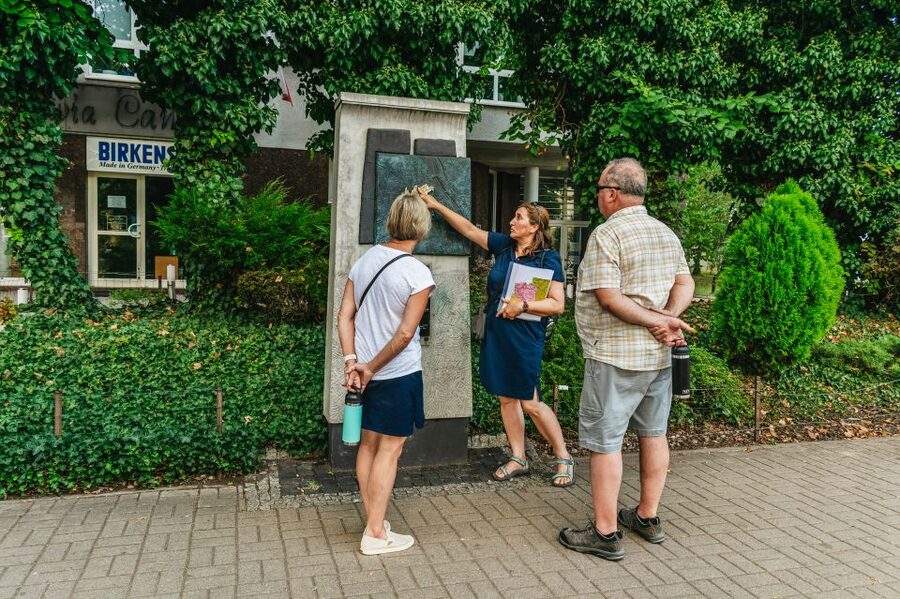
This tour suits adults and teenagers aged 14 and older who want a serious introduction to the Warsaw Ghetto. It is especially useful if you know the broad outline of the Holocaust but cannot picture how the ghetto fitted into the city.
It also works well for people who have already read widely. The guides use maps, photographs, and local details that can add meaning beyond a general account of the Second World War. A private guide can also spend more time on the subjects that matter most to you.
The experience is less suitable if you want a light sightseeing walk or a quick list of landmarks. The material is painful, and the route includes walking on city streets rather than moving through a preserved museum complex.
People with mobility limits should take care. The experience is not listed as suitable for people with mobility impairments. Comfortable shoes are essential, and you should bring a hat and sunscreen in warm weather.
If you have time afterward, consider visiting the POLIN Museum of the History of Polish Jews. The tour does not include museum admission, but some routes end near the museum, and one guide has recommended allowing at least two additional hours there. The walking tour and museum serve different purposes: one places you on the streets, while the other provides a large indoor presentation of Jewish life in Poland.
Practical details that affect the day
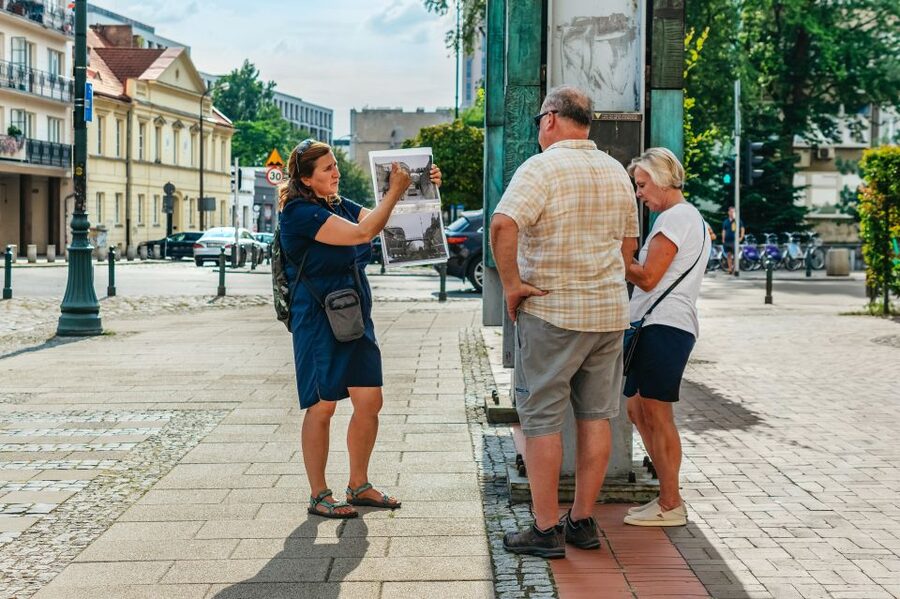
The experience lasts three hours and is offered in English or German. It is a private group tour, so you are not sharing the guide with a large crowd.
Look for a guide holding a PolinTours sign if you are meeting at Prozna Street 9. The location is between Bistro Charlotte Menora and Strefa Restaurant. Because the pickup details have caused confusion, contact the operator if your confirmation mentions both hotel pickup and the street meeting point.
Bring:
- Comfortable walking shoes
- A hat and sunscreen
- A head covering or kippah for the synagogue
- Cash for the synagogue donation
- Any personal notes or questions you want to discuss
Large bags and oversize luggage are not allowed. Food and drinks are not included, so eat beforehand or plan a stop after the tour.
The booking terms allow free cancellation up to 24 hours in advance, and you can reserve now and pay later. Those options help if your Warsaw schedule is still changing.
Should you book the Warsaw Ghetto tour?
I would book this tour if you want the former ghetto explained through real locations rather than only through a museum display. The combination of wall fragments, the last surviving street section, Umschlagplatz, the Ghetto Heroes Monument, and the Nożyk Synagogue gives the history a clear physical shape.
The strongest reason to choose it is the guide. Marzena and Mary receive particular praise for their clear English, patience, old photographs, maps, and ability to adjust the pace. Guide assignments can change, so you should not treat a specific name as guaranteed, but the format is designed for a personal conversation.
I would skip it if you want a casual walk, have trouble walking for several hours, or prefer to explore only at your own pace. At $84 per person, it is a considered purchase, but the private attention can justify the cost for a small group that wants serious historical context.
Confirm the pickup arrangements, bring cash and a head covering, and leave emotional space after the tour. If you do that, this is one of the clearest ways to understand how Warsaw’s Jewish community was confined, persecuted, resisted, and nearly destroyed.
FAQ
How long is the Warsaw Ghetto private walking tour?
The tour lasts three hours, although the exact pace can vary depending on stops, questions, and the needs of the private group.
What languages are available?
The tour is available with a live guide in English or German.
Is this a private tour?
Yes. The activity is arranged for a private group rather than a large shared walking group.
Is hotel pickup included?
The booking information lists hotel pickup and drop-off, but it also gives Prozna Street 9 as the meeting point. Because this detail has caused confusion, confirm the pickup arrangement with PolinTours before the tour.
What sites are included?
The route includes fragments of the former ghetto walls, the last street of the ghetto, former ghetto neighborhoods, the Nożyk Synagogue, Umschlagplatz, and the Monument to the Ghetto Heroes.
Do I need to pay separately for the synagogue?
Yes. The synagogue entrance donation is 20 PLN, 5 EUR, or 5 USD. Food and drinks are also not included.
What should I bring?
Bring comfortable shoes, a hat, sunscreen, cash, and a head covering or kippah for the synagogue.
Are children allowed on the tour?
The activity is not suitable for children under 14.
Can I cancel or pay later?
You can cancel up to 24 hours before the activity for a full refund. Reserve now and pay later is also available.
More Private Walking Tours in Poland
- Gdańsk: Old Town Private Walking Tour with Legends and Facts
★ 4.9 · 245 reviews - Krakow: Old Town Highlights Private Walking Tour
★ 4.9 · 79 reviews - Szczecin: Old Town Highlights Private Walking Tour
★ 4.7 · 76 reviews - Beijing: Forbidden City Tour(Group/Private)-Tickets Included
★ 4.8 · 7,974 reviews
New routes in Poland
- Krakow: Jewish Quarter Guided Walking Tour★ 4.8 · 119 reviews
- Szczecin: Old Town Highlights Private Walking Tour★ 4.7 · 76 reviews
- Old Town Poznan: Guided Walking Tour in English★ 4.6 · 78 reviews
- Krakow: Old Town Guided Walking Tour★ 4.6 · 94 reviews
- Kraków: Old Town & Wawel Castle Walking Tour in English★ 4.8 · 532 reviews
- Krakow: Old Town Highlights Walking Tour★ 4.5 · 173 reviews
- Krakow: 2h Kazimierz (Jewish Quarter) Walking Tour★ 4.5 · 75 reviews
- Krakow: Old Town Highlights Private Walking Tour★ 4.9 · 79 reviews
Poland Walking Tours, compared.
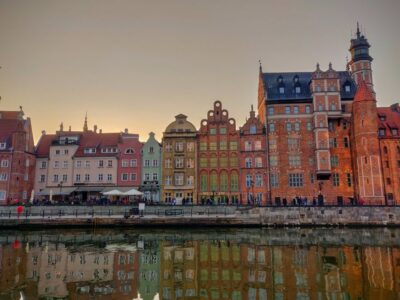
Gdańsk City Sights & History Guided Walking Tour in English
Read our review →
Browse the lists this tour appears in