
Review · VALLETTA
Valletta: 3-Hour Walking Tour
Valletta packs centuries of Maltese history into a small, walkable city, and this tour gives you the useful overview before you start exploring on your own. You’ll see grand Baroque buildings, narrow streets, the New Parliament, and the Upper Barrakka Gardens, where the Grand Harbour opens out below you.
I like the tour’s three-hour route and its steady pace. I also like that guides such as Julia, Matthew, Alessia, and Mario bring local knowledge and answer questions instead of simply marching a group from one photo stop to the next. The main drawback is that entrance fees are not included, so this is primarily an outside sightseeing tour rather than a ticketed visit inside Valletta’s major buildings.
Key points at a glance
- Grand Harbour viewpoint: The Upper Barrakka Gardens provide the tour’s finest scenic stop, with time to pause and take in the harbour.
- A strong first-day activity: The route helps you understand Valletta’s layout and choose which buildings to revisit independently.
- Local, English-speaking guides: Guides including Julia, Matthew, Alessia, and Mario are praised for clear explanations, warmth, humour, and strong knowledge of Malta.
- A broad city route: You pass the City Gate, New Parliament, Auberge de Castille, St John’s Co-Cathedral, the Courts of Justice, and St George’s Square.
- A useful mid-tour pause: The walk includes a break of roughly 15 to 20 minutes, with time for a drink, snack, and bathroom stop.
- Good value at $25: You pay for a guided introduction to Valletta, but not for entry into attractions.
Why this Valletta walk works so well on a first visit
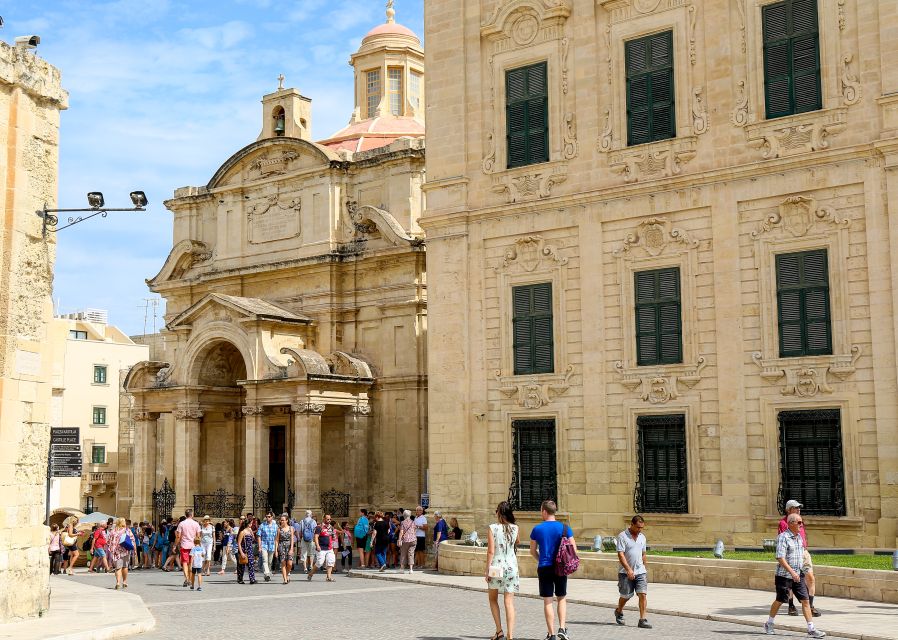
Valletta can feel compact on a map yet surprisingly dense once you begin walking. One street leads to a palace, a church, a government building, or a lookout with a long story behind it. I like having a guide here because the city’s beauty is easy to see, but its purpose is not always obvious.
A good guide connects the pieces. You learn why the Knights of St John built the city, how Grand Master Jean de Valette shaped its identity, and how Malta changed over the centuries. Instead of seeing a handsome façade as just another old building, you get a sense of the power, religion, military planning, and civic pride behind it.
The route also gives you practical bearings. After three hours, you should know the main spine of Republic Street, the position of the Upper Barrakka Gardens, the location of St George’s Square, and which buildings deserve a second look. Several guides also offer suggestions for what to see after the walk, which makes the tour more useful than a quick list of dates and names.
The tour costs $25 per person and lasts three hours. That is a fair price if you want a structured introduction without committing to several paid interiors. At the same time, remember that admission fees are extra. If your main aim is to spend a long time inside St John’s Co-Cathedral or another major site, you will need to plan and pay for those visits separately.
More Three-Hour Walks in the world:
- Prague: 3-Hour Walking Tour of Old Town & Prague Castle
★ 4.7 · 5,696 reviews - Eat Like a Local: Venice 3-Hour Small-Group Food Tasting Tour
★ 5.0 · 3,137 reviews - Experience Porto’s Charm: 3-Hour Guided Walking Tour
★ 5.0 · 2,432 reviews
Meeting the guide beside the New Parliament
The meeting point is at the bottom of the steps beside Malta’s New Parliament, near the Valletta City Gate. This is an important detail because there are several nearby steps and entrances, and one participant arrived late after waiting at the wrong set. The guide waited in that case, but you should still allow extra time to find the exact spot.
The New Parliament gives you an immediate talking point. Designed by Renzo Piano, its modern stone structure has been debated since it opened. Some people appreciate its clean, contemporary approach beside the old city walls. Others find the contrast jarring. Either way, it is a useful introduction to Valletta because the city is not frozen in the age of the Knights. Old and new Malta meet right at the starting point.
The first steps require comfortable shoes. The route includes narrow streets, pavement, and some stairs. One detailed account described only one flight of steps at the beginning, but you should still expect three hours on foot. Supportive shoes matter more than fashionable ones here.
From the Royal Opera House to Auberge de Castille
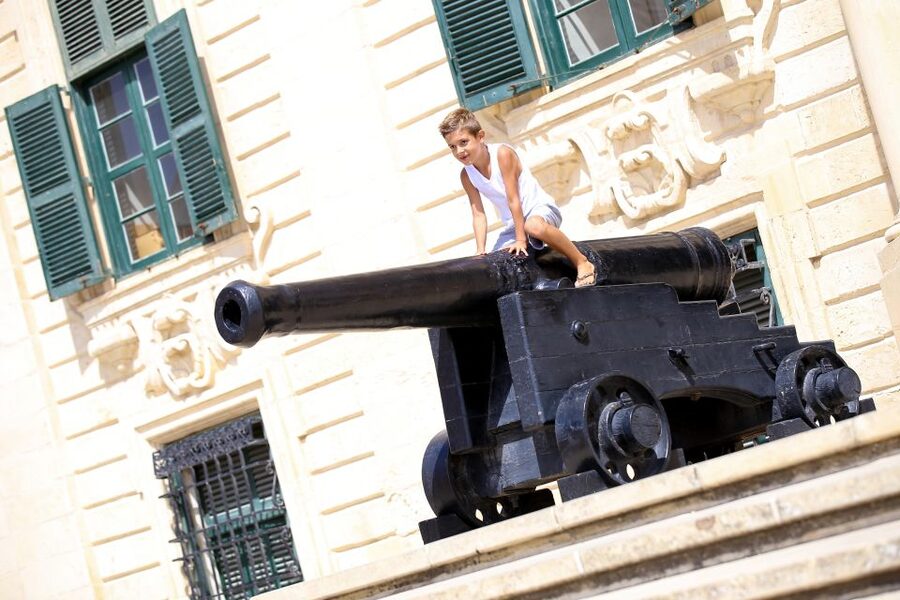
The walk begins near the Royal Opera House, a place that shows how Valletta has changed over time. The site links the city’s past with its present cultural life, and the remains of the former opera house sit close to the new City Gate and Parliament.
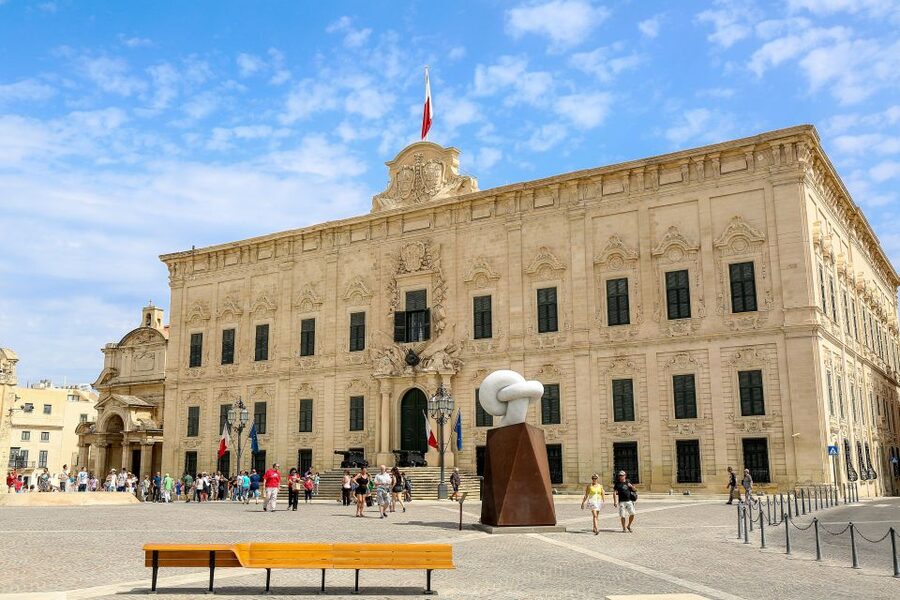
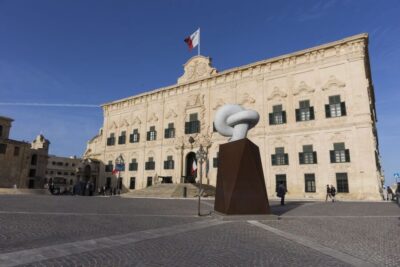
From there, the guide leads you toward Auberge de Castille. This imposing building once served as the residence of the Knights of St John from the Castile, León, and Portugal language group. Today it is associated with Malta’s government, but its scale and formal façade still communicate the rank of the people who once lived and worked there.
This is where a guide adds real value. The buildings around Valletta are close together, yet their original functions can blur when you see them independently. I like having someone explain who used each auberge, how the Knights organized themselves, and why these buildings mattered to the running of the city.
Jean de Valette Square and the Church of Our Lady of Victory
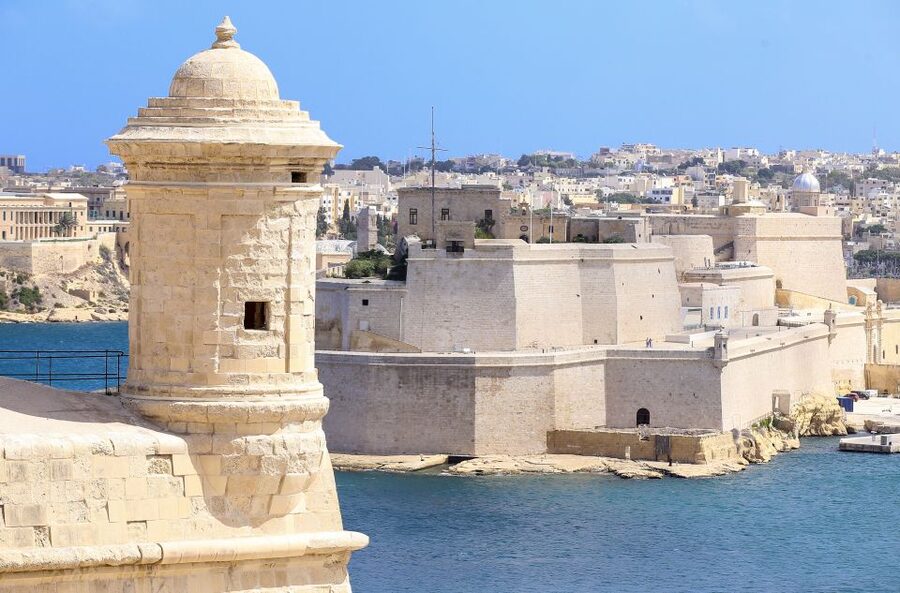
Pjazza Jean de Valette carries the name of the Grand Master linked to Valletta’s founding. The square is a natural place to connect the city’s name with the military and political events that shaped it.
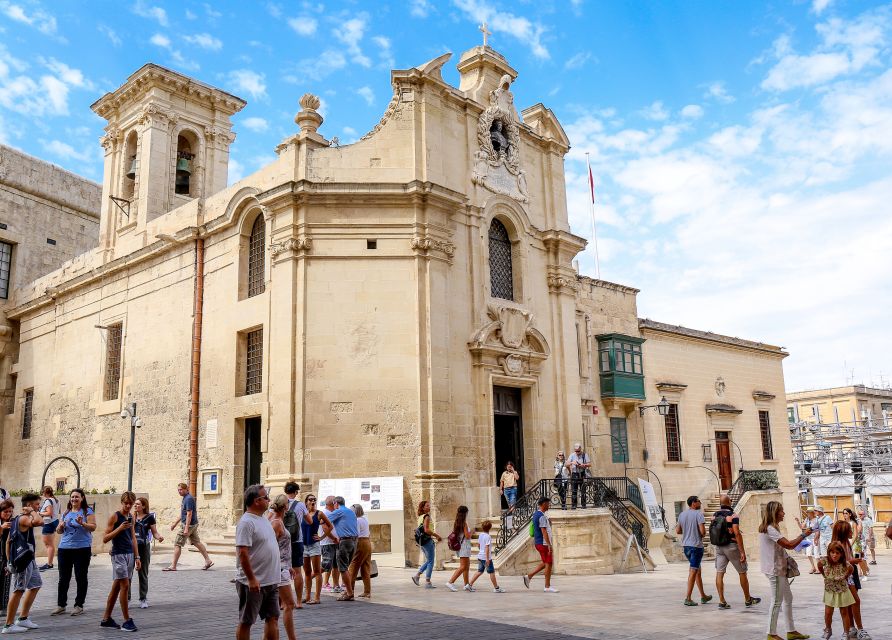
The nearby Church of Our Lady of Victory brings the story into a more personal and religious setting. It is tied to the early development of Valletta and the Knights’ presence on the island. The tour focuses on the building and its place in the city rather than promising an extended interior visit.
That distinction matters. You will hear about major sites and see their exterior details, but entrance fees are not part of the tour. If a particular church or palace catches your eye, note it during the walk and return later after checking opening hours and ticket costs.
More Walking Tours in the world:
- Magical London: Harry Potter Guided Walking Tour
★ 4.7 · 22,044 reviews - Reykjavik Food Walk – Local Foodie Adventure in Iceland
★ 5.0 · 18,952 reviews - History and Hauntings of Salem Guided Walking Tour
★ 5.0 · 14,564 reviews - New Orleans Premier Ghost, Voodoo and Vampire Walking Tour
★ 4.5 · 12,856 reviews
The Upper Barrakka Gardens and Grand Harbour views
The Upper Barrakka Gardens are the scenic heart of this walk. From the terrace, you look across the Grand Harbour toward the fortified waterfront and the Three Cities. It is the kind of view that helps the geography of Malta make sense.
I would plan to take a few minutes here rather than treating the garden as a quick photo stop. The harbour explains much of Valletta’s importance. Ships, fortifications, trade, and defense all shaped the city, and the view gives you a clear picture of why this location mattered.
The gardens also provide the tour’s mid-route pause. The break is usually around 15 to 20 minutes, with time for coffee, a snack, and a bathroom stop. That short rest is welcome, especially in warm weather or after a busy morning of sightseeing. It also gives you a chance to ask the guide about places you want to visit later.
Some tours reach the Saluting Battery area around midday, and one detailed account noted being there for the midday gun. The exact timing can depend on the departure time and the pace of the group, so treat that as a possible bonus rather than a guaranteed part of the schedule.
Palazzo Parisio and Valletta’s Baroque character
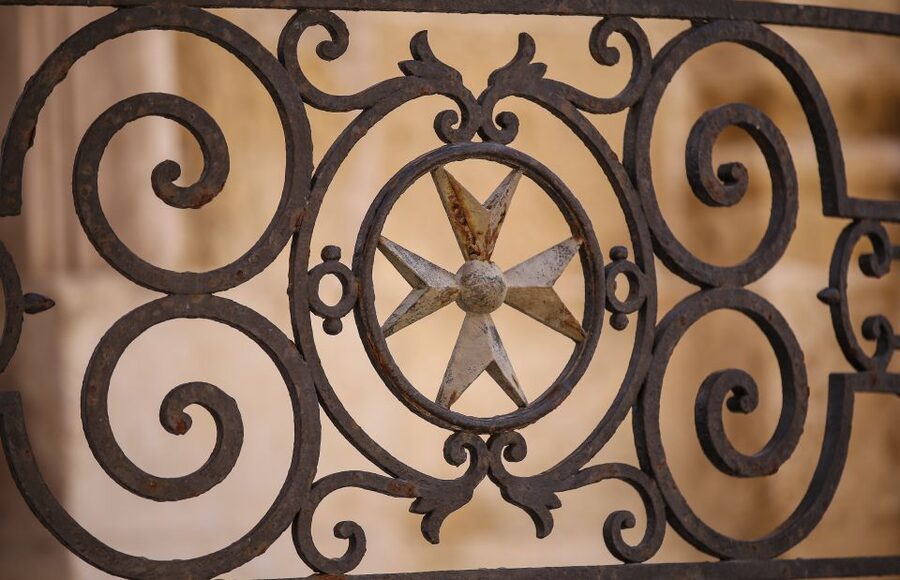
After the gardens, the route continues toward Palazzo Parisio. Valletta’s appeal comes partly from the way grand structures appear along ordinary-looking streets. You can turn a corner and find a formal palace façade, a carved balcony, or a church entrance that would be a major sight in another city.
At Palazzo Parisio, the guide helps you read those details. Look for the proportions, stonework, balconies, and decorative elements that reveal Valletta’s Baroque taste. The point is not just to collect building names. You begin to recognize the visual language that gives the city its character.
The streets themselves deserve attention. Valletta was planned, but its compact lanes, slopes, and sudden openings make the walk feel varied. A guide can also point out less obvious buildings and side streets, which helps you see more than the headline sights.
St John’s Co-Cathedral from the outside
St John’s Co-Cathedral is one of Valletta’s essential sights. Its exterior may appear restrained compared with the richly decorated interior, which is one reason many people choose to return for a separate paid visit.
During the walk, the guide explains the cathedral’s place in the story of the Knights and points out the façade and surrounding setting. You will not get an included interior tour, so think of this stop as an informed preview. If you want to see the ornate chapels, artworks, and marble floor in detail, set aside additional time and money for a separate entrance.
This is one of the tour’s useful limitations. You get context before deciding how much time to spend inside. Rather than rushing through every ticketed attraction in one morning, you can use the walk to make better choices.
Republic Street, the Courts of Justice, and St George’s Square
Republic Street is Valletta’s main thoroughfare, but the tour passes along it rather than treating it as a long formal stop. That is sensible. You get a feel for the city’s central artery while keeping the focus on the buildings and history around it.
The Courts of Justice provide another chance to see how Valletta’s historic architecture continues to serve modern public life. The building sits within a city where government, religion, commerce, and daily life occupy the same compact space.
The tour finishes at St George’s Square. Ending here gives you a convenient point from which to continue exploring, find a café, or return to a site that caught your attention. The finish also leaves you in the center of Valletta rather than sending you back to the starting point.
Because this is a one-way walk, pay attention to the route as you go. That is part of the value. You are not only hearing stories. You are learning how to move around the city afterward.
The guides make the biggest difference
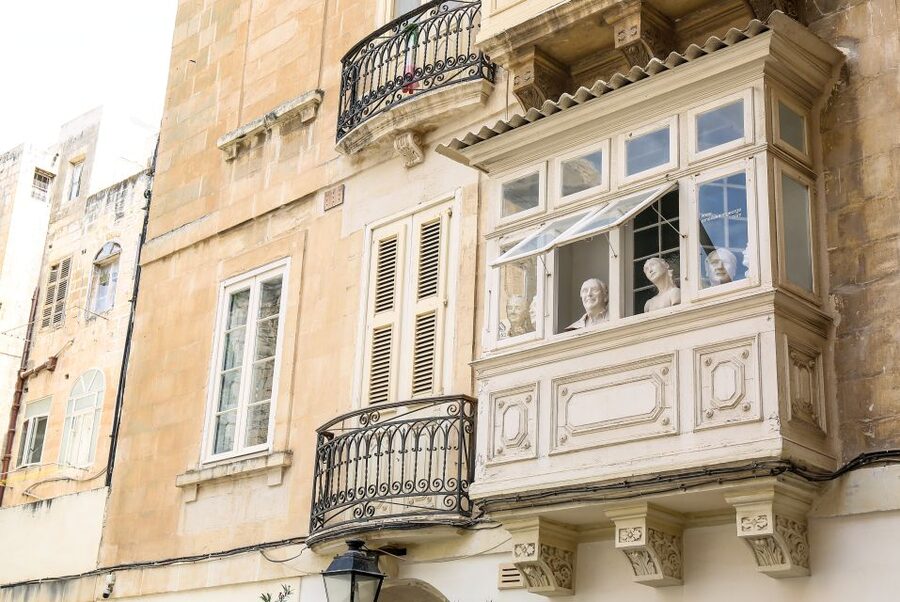
The strongest part of this experience is the guide. Across the available feedback, the most praised qualities are clear explanations, local pride, friendliness, humour, and an easy pace.
Julia is repeatedly singled out for her passion and strong understanding of Maltese history. Matthew is praised for answering questions fully and creating a relaxed atmosphere. Alessia is noted for pointing out important buildings in side streets, while Mario is remembered for mixing solid information with a dry sense of humour.
Guide names and styles can change by departure, so you cannot book a particular person unless the operator confirms that option. Still, the pattern is clear: this tour depends heavily on having a good guide, and the provider appears to use guides who can do more than recite a script.
Group size may vary. One group had only three people, while another had about 25. A small group makes questions easier and gives you more room around narrow streets. A larger group may require closer attention when crossing streets or moving between stops.
What to bring and how to pace yourself
Wear comfortable shoes. That advice sounds basic, but it is the most important preparation for this experience. You will walk for three hours through Valletta’s streets, with steps and changes in pace.
Bring water, especially in warm weather, and consider a hat or sun protection if the route is exposed. These items are sensible suggestions for a walking tour, but they are not listed as required equipment. The one stated requirement is suitable footwear.
The tour is conducted in English with a live guide. The pace is designed to cover a large section of Valletta without feeling rushed. A detailed account described the route as easy apart from the first flight of steps, while others praised the balance between seeing a lot and having time for questions.
Who should book this tour?
I would choose this walk if you are visiting Valletta for the first time, arriving for a short stay, or simply want the city to make sense before exploring alone. It is also a good choice for anyone who enjoys architecture and historical context but does not want a full day inside museums.
You should be comfortable walking for three hours and listening while standing in city streets. Families and mixed-age groups can fit well if everyone is happy with the distance. The tour is less suitable if you need frequent seated breaks, want a fully accessible route, or prefer to spend most of your time inside ticketed attractions. The provided information does not promise an accessible route, so ask the operator before booking if that matters to you.
At $25, the tour offers good value for orientation, views, and guided storytelling. The price is less attractive if you only want photographs or plan to visit Valletta independently with a guidebook. It becomes especially useful when you take the advice from the walk and return to selected sites on your own.
Should you book the Valletta walking tour?
Yes, I would book it as an opening activity in Valletta. The Upper Barrakka Gardens give you the big harbour view, the route covers the city’s main historic core, and the guide helps connect Malta’s military, religious, and civic past.
Book it with realistic expectations. You are paying for a lively three-hour introduction, not entrance to St John’s Co-Cathedral or a private tour of every palace. Wear good shoes, arrive at the correct steps beside the New Parliament, and keep an eye out for the sites you want to revisit. At $25, it is a practical way to get your bearings and give the rest of your Malta visit a clearer shape.
FAQ
How long is the Valletta walking tour?
The tour lasts three hours.
What language is the tour conducted in?
The live tour guide speaks English.
Where does the tour begin?
Meet at the bottom of the steps beside the New Parliament of Malta, near the Valletta City Gate, at the City Walking Tours Malta meeting point.
Where does the tour finish?
The walk finishes at St George’s Square in Valletta.
Are entrance fees included?
No. Entrance fees are not included in the tour price.
Is hotel pickup included?
No. Hotel pickup and drop-off are not included.
Does the tour include a break?
Yes. The route includes a break, generally allowing time for a drink, snack, and bathroom stop. Detailed tour accounts describe the pause as about 15 to 20 minutes.
What should I wear?
Wear comfortable shoes suitable for a three-hour walking tour.
New routes in the world
- Baltimore Walking Foodie Tour in Fells Point★ 5.0 · 182 reviews
- Baku Oil Heritage & Old Town Walking Tour★ 5.0 · 232 reviews
- Baku Walking Tour (Old City)★ 5.0 · 127 reviews
- The Madam’s Curse Walking Ghost Tour★ 4.5 · 103 reviews
- Austin Small Group Morning Walk★ 5.0 · 412 reviews
- Austin Haunted Pub Crawl Walking Tour★ 4.5 · 232 reviews
- Austin Downtown Private Walking Food Tour With Secret Food Tours★ 5.0 · 71 reviews
- Austin Murder Walk★ 5.0 · 310 reviews
Valletta Walking Tours, compared.

Valletta: Street Food and Culture Walking Tour
Read our review →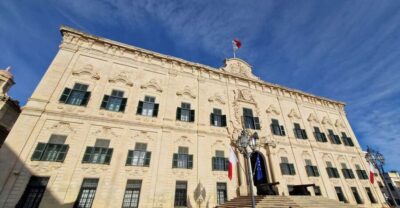
Browse the lists this tour appears in