
Review · VALLETTA
Valletta: Guided City Walking Tour
Valletta is compact, but its story is anything but small. This 2.5-hour walking tour gives you a useful first look at the fortress capital, from the City Gate and New Parliament Building to the gardens above Grand Harbour, Knights’ auberges, churches, palaces, and lively squares. Guides such as Marisa, Angela, Nadine, and John bring the city to life with local memories, old photographs, humour, and clear historical explanations.
I like the route’s strong sense of place. You are not simply ticking off buildings. You hear how Valletta began, how it changed, and how people live there now. I also like the gentle pace, with pauses, views, and chances to sit down. The main caution is the weather: two and a half hours can feel long in strong summer heat, and the route includes a few steps.
- Local stories make the history memorable: Guides often connect major events with everyday life in Valletta.
- Barracca Gardens provide harbour views: The route includes scenic pauses above Malta’s Grand Harbour.
- The pace is manageable: Frequent stops and comfort breaks keep the walk from becoming a forced march.
- You see more than the headline sights: Side streets, architectural details, and less obvious corners add character.
- A useful first-day tour: The final orientation and food recommendations help you plan the rest of your stay.
- Good value at $24: The price covers a licensed English-speaking guide for 2.5 hours, but not museum or church entry fees.
Why Valletta Makes Sense on Foot
Valletta rewards walking because its main sights sit close together inside a historic grid. You can cover a lot in a short time, but the streets can still be confusing when you first arrive. A guide gives those streets a sequence and explains why the city looks the way it does.
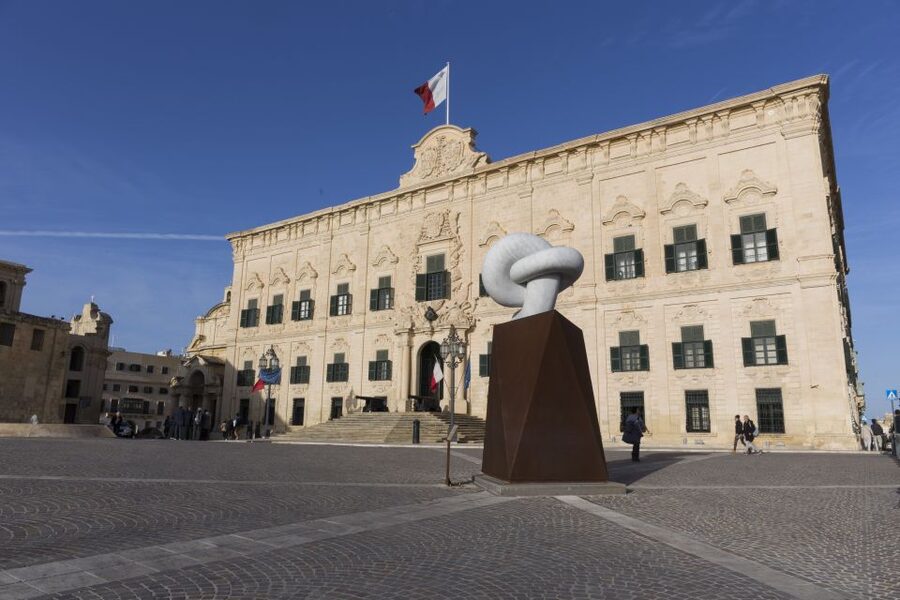
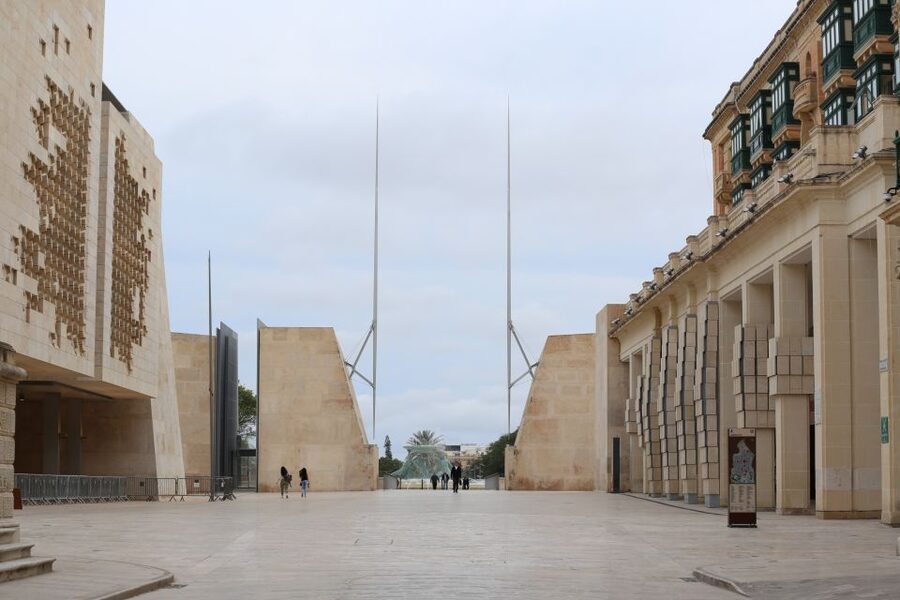
The tour begins just beyond Valletta’s City Gate, beside the New Parliament Building. This is a practical meeting point if you arrive by taxi: ask to be dropped near the Phoenicia Hotel at Triton’s Square, only a few metres from the gate. After passing the City Gate, look for the red City Walking Tours umbrella.
Arrive about 10 minutes early. That small bit of planning matters because the guide needs to gather the group and start on time. The starting area can feel busy, so the umbrella is more useful than relying on a vague meeting description.
Your guide gives a short introduction before leading you into the old centre. The route then unfolds as a story rather than a random list of monuments. You learn how Valletta was planned as a fortress city, how it developed over the centuries, and which events shaped its streets and buildings.
City Gate and Valletta’s First Chapter
The opening section helps you understand the transition from modern Malta into the old capital. The City Gate area has changed considerably, and the nearby New Parliament Building makes that contrast especially clear. A guide can explain how present-day Valletta sits beside layers of older architecture and military planning.
This is also where the tour establishes its tone. The best guides do not bury you under dates. Marisa has been praised for combining historical facts with personal stories and images showing how Valletta looked in earlier periods. That kind of comparison helps you notice change instead of treating the city as a frozen museum.
John has also been praised for sharing details that are not easy to pick up from a quick internet search. Angela and Nadine are noted for clear explanations, energy, and humour. Guide assignments can change, so you should not book on the assumption that one particular person will lead your tour. Still, the repeated pattern is clear: the experience depends heavily on a warm, engaging guide.
More Guided Walks in the world:
- Magical London: Harry Potter Guided Walking Tour
★ 4.7 · 22,044 reviews - History and Hauntings of Salem Guided Walking Tour
★ 5.0 · 14,564 reviews - Amsterdam Anne Frank: Small-Group Walking Tour & Local Guide
★ 4.8 · 12,789 reviews
Squares, Streets, and the Knights’ Auberges
The middle of the walk takes you through Valletta’s main squares and characteristic streets. Here, the guide’s value is not only naming the buildings. You learn how the Knights of St. John used the city, how grand residences fitted into the plan, and how public spaces connected political, religious, and daily life.
The auberges are a key part of the route. These were associated with the different national groups within the Order of St. John, and their buildings help explain the city’s unusual mix of military purpose and ceremonial style. The guide places them within Valletta’s story instead of leaving you to admire the façades without context.
You also pass palaces and churches. Entrance to churches or museums is not included, so this is primarily an outside tour. That is both a benefit and a limit. You can cover more ground without stopping for admission queues, but you will need to return later if you want to explore interiors.
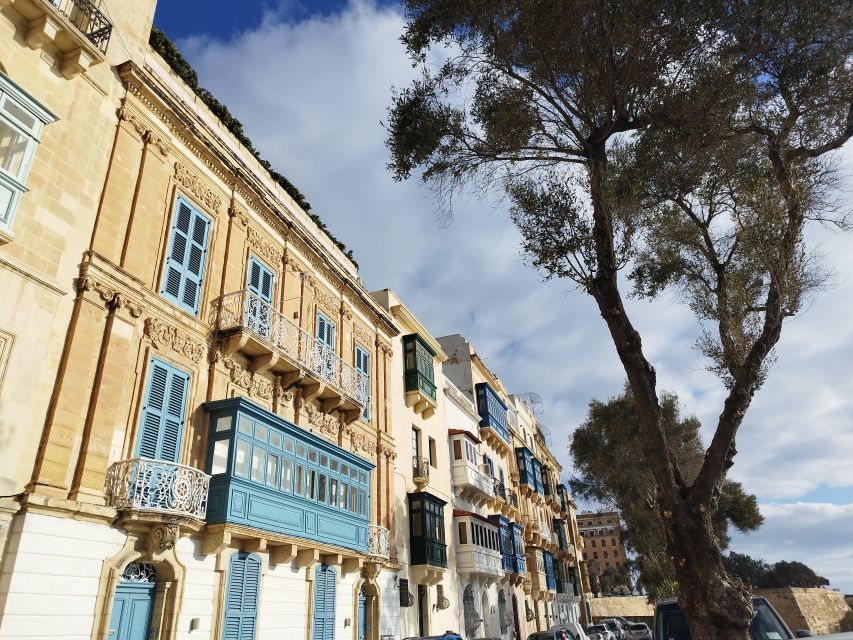
Pay attention to the smaller details between major buildings. The guide may point out changes in stonework, narrow streets, architectural features, or corners that you might otherwise walk past. One of the tour’s strengths is that it gives these ordinary-looking spaces a reason to matter.
Barracca Gardens and the Grand Harbour Views

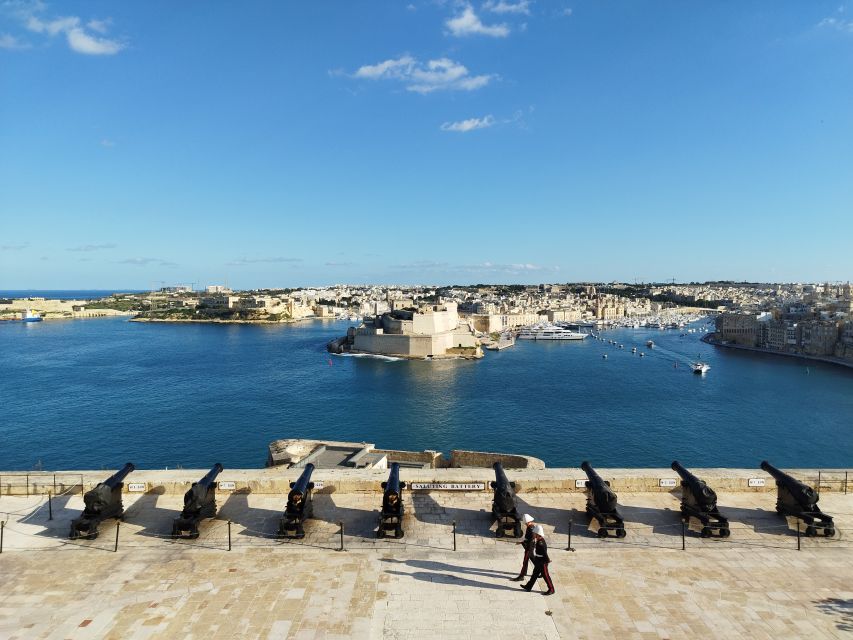
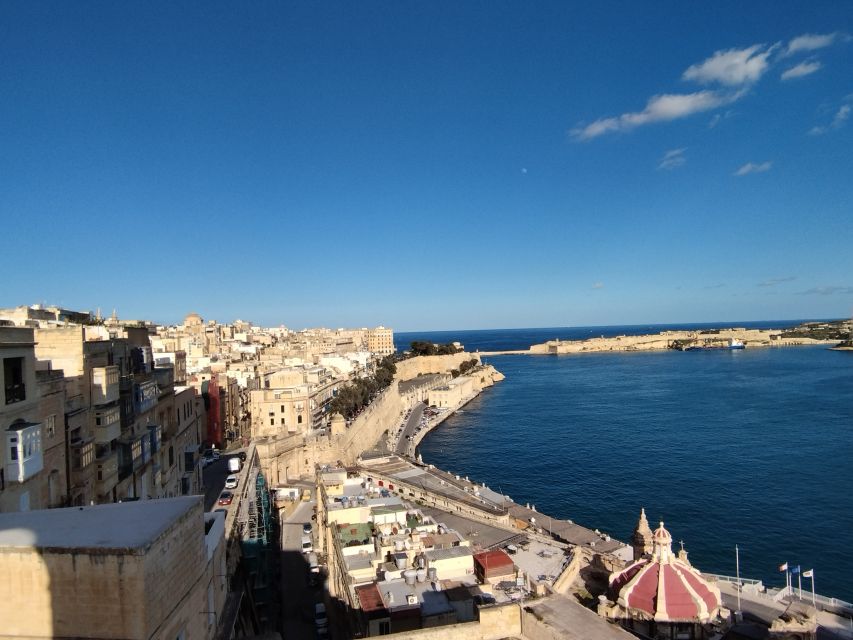
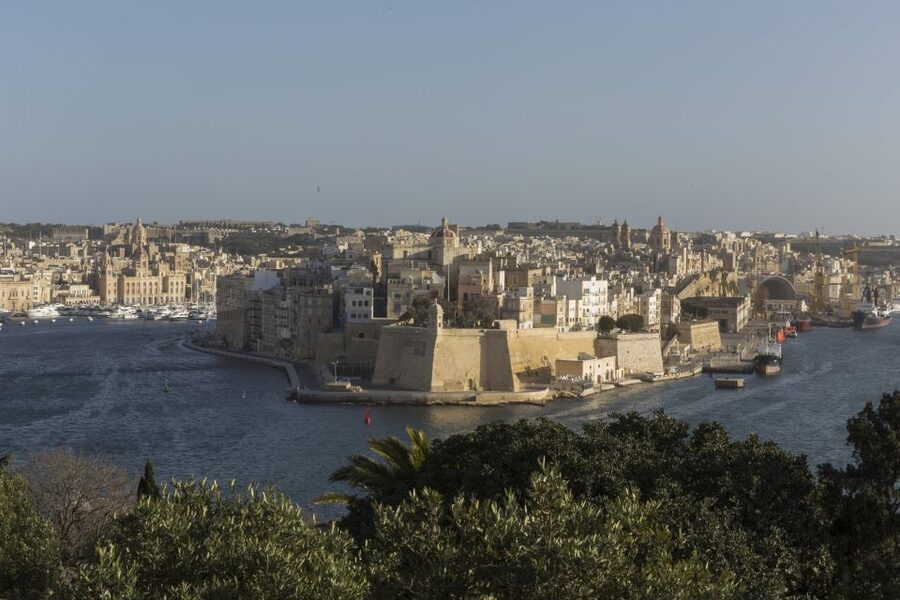
The Barracca Gardens are among the route’s most rewarding pauses. Their position gives you broad views across Malta’s Grand Harbour, making this a good place to step back from the close streets and see Valletta in its wider setting.
The view is not just a photo stop. It helps explain why Valletta was built where it was and why the harbour mattered so much to Malta’s military and commercial story. A guide can connect the fortifications and harbour to the city’s development, giving the scenery a purpose.
Several guides have made a point of allowing time to take in the views rather than rushing straight to the next talk. That balance matters. A walking tour should not feel like standing in one place for two and a half hours, but it should also give you time to look around.
The gardens can be exposed to wind and sun. Wear comfortable shoes, bring water, and consider a hat in warm weather. The tour is not described as strenuous, but Valletta does include steps and changes in level. If you prefer a fully step-free route, this experience is not suitable for wheelchair users.
Personal Stories Make the History Stick
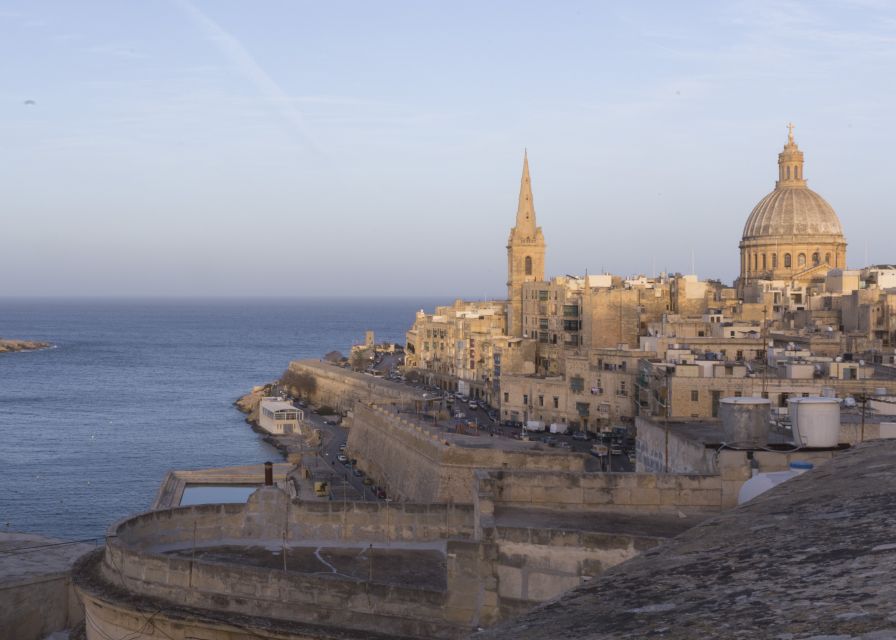
The most praised feature of this tour is the way guides connect Malta’s past with present-day life. Marisa, in particular, has used personal memories of growing up in Malta and old photographs to show how Valletta has changed. That makes the city feel lived in, not simply labelled with dates.
This personal approach can also make the tour more relaxed. Oksana appreciated the balance between cultural detail and an easygoing atmosphere, without an overload of facts. That is important for a first visit. You want enough background to understand what you see, but not so much that every square becomes a lecture.
The stories also vary by guide. Angela has been praised for humour and childhood memories of the city. Angel has been noted for a good balance between Maltese history and entertaining facts. Marisa often adds advice on cafés, restaurants, complimentary appetisers with drinks, and things to do if rain affects your plans.
Those recommendations are a useful bonus, especially because the tour ends early enough for you to use them the same day. Write down names as you go. A lively guide can offer more suggestions than you can remember.
More Walking Tours in the world:
- Reykjavik Food Walk – Local Foodie Adventure in Iceland
★ 5.0 · 18,952 reviews - New Orleans Premier Ghost, Voodoo and Vampire Walking Tour
★ 4.5 · 12,856 reviews - Edinburgh: Harry Potter Magical Guided Walking Tour
★ 4.8 · 11,944 reviews - Edinburgh Castle: Guided Walking Tour with Entry Ticket
★ 4.7 · 11,699 reviews
A Pace That Works for Most Walkers
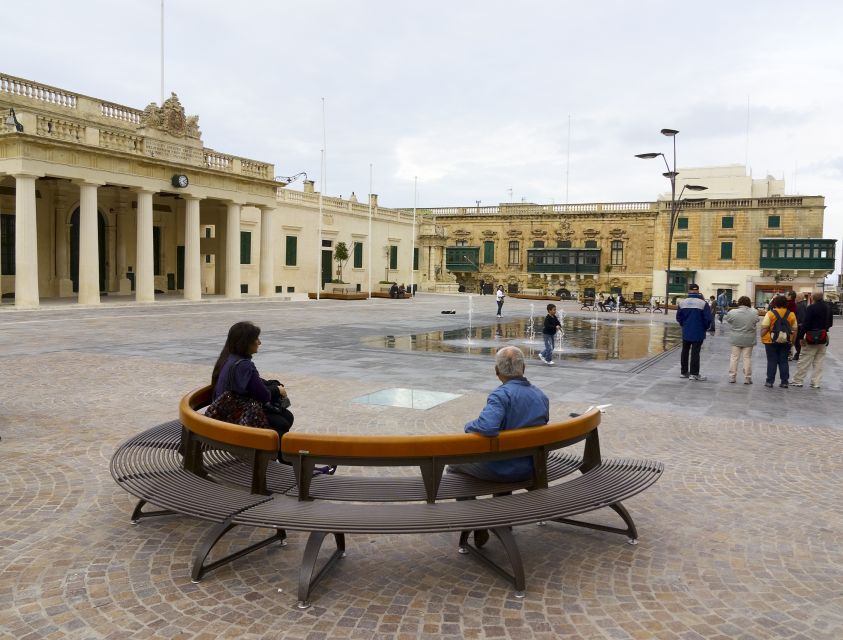
The advertised duration is 2.5 hours, although one experience was described as closer to three hours. Most of the supplied feedback describes the walk as casual or manageable, with pauses and a short comfort break. The route is designed to cover a lot, but not at a breathless pace.
That makes it suitable for a first visit, older walkers who can manage ordinary city walking, and anyone who prefers explanation to hurried sightseeing. One guide was praised for sitting down twice with the group to rest tired legs, while another used an audio system that made it easier to hear in a large group.
The audio equipment is worth noting. Valletta’s streets can be noisy, and a personal listening device or guide microphone helps you follow the commentary without crowding around the speaker. It may not be used on every departure, but it has been part of the experience for some groups.
There are still tradeoffs. A group tour cannot stop everywhere for long, and the walk may feel extended on a hot day. If you have limited time or want only a quick orientation, a shorter tour may suit you better. If you want context and plenty of sights in one outing, the length is justified.
What You Will Not Get for the $24 Price
At $24 per person, this is a reasonably priced way to understand Valletta. You are paying for a licensed guide and two and a half hours of interpretation, not for admissions or transport. Compared with entering several sites separately or hiring a private guide, the cost is modest.
The value is strongest if you take the tour near the start of your Malta stay. You gain a map in your head, learn which buildings deserve a return visit, and receive advice about food and later sightseeing. Adrian specifically recommended taking it on your first day for that reason.
The price does not include entry to a church or museum. That keeps the walk moving, but budget separately if you plan to visit interiors. You should also bring your own water and wear proper shoes.
Free cancellation up to 24 hours before the start and the option to reserve now and pay later make the booking less rigid. Check the available starting time when you book, since the schedule can vary.
Who Will Get the Most From This Walk
I would choose this tour if you are visiting Valletta for the first time and want the city explained before exploring alone. It is also a good fit if you enjoy architecture, military history, local culture, and stories about how a place changed over time.
Families with older children may appreciate the mix of facts, humour, and views, though the length and steps may not suit very young children. The English-language format works best if you can comfortably follow a spoken tour for 2.5 hours.
This is less suitable if you want guaranteed access inside museums and churches, a private guide, or a fully accessible route. It is also worth thinking about the season. On a hot day, choose a cooler starting time if one is available, and do not forget water.
Practical Tips Before You Go
Wear shoes with good grip. Valletta is easy to explore on foot, but hard soles and poor footwear will make the steps and uneven sections less pleasant.
Arrive 10 minutes early and look for the red City Walking Tours umbrella after passing the City Gate. If you arrive by taxi, the Phoenicia Hotel is the closest useful drop-off point.
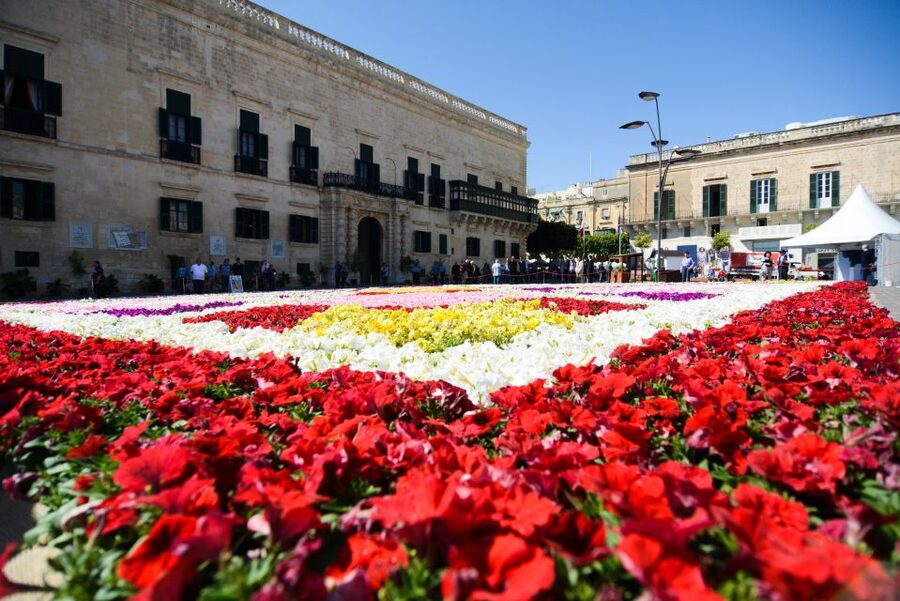
Keep your schedule flexible after the tour. It ends at St. George’s Square, beside the Grandmaster’s Palace, and the guide can help you decide how to continue. You might visit a museum or church later, follow a food recommendation, or simply retrace a street that caught your eye.
If rain is forecast, ask for practical ideas before the group disperses. Marisa has been especially helpful with wet-weather planning, according to the supplied experience details.
Should You Book Valletta Guided City Walking Tour?
I would book it for $24 if you want a clear, lively introduction to Valletta and plan to explore more on your own afterward. The strongest reasons are the local storytelling, harbour views, steady pace, and useful orientation at the end.
I would skip it only if you dislike group walks, need step-free access, or want a tour focused mainly on indoor monuments. For most first-time visitors, it offers a sensible mix of history, architecture, local memories, and practical advice without making Valletta feel like a classroom.
FAQ
Where does the Valletta walking tour meet?
Meet at the entrance to Valletta, in front of the New Parliament Building. Pass the City Gate, keeping it on your right, and look for the red City Walking Tours umbrella.
How long does the tour last?
The advertised duration is 2.5 hours. Some departures may run slightly longer, so allow extra time in your schedule.
What language is the tour conducted in?
The tour is conducted in English with a live guide.
Are entrance fees included?
No. Entrance fees to churches and museums are not included in the tour price.
What should I bring?
Wear comfortable shoes. You should also consider bringing water, especially in warm weather.
Is the tour suitable for wheelchair users?
No. The tour includes a few steps and is not suitable for wheelchair users.
New routes in the world
- Baltimore Walking Foodie Tour in Fells Point★ 5.0 · 182 reviews
- Baku Walking Tour (Old City)★ 5.0 · 127 reviews
- Baku Oil Heritage & Old Town Walking Tour★ 5.0 · 232 reviews
- The Madam’s Curse Walking Ghost Tour★ 4.5 · 103 reviews
- Austin Small Group Morning Walk★ 5.0 · 412 reviews
- Austin Haunted Pub Crawl Walking Tour★ 4.5 · 232 reviews
- Austin Downtown Private Walking Food Tour With Secret Food Tours★ 5.0 · 71 reviews
- Austin Murder Walk★ 5.0 · 310 reviews
Valletta Walking Tours, compared.

Valletta: Street Food and Culture Walking Tour
Read our review →

Browse the lists this tour appears in