
Review · THAILAND
Chiang Mai: Temple And City Walking Tour Part I
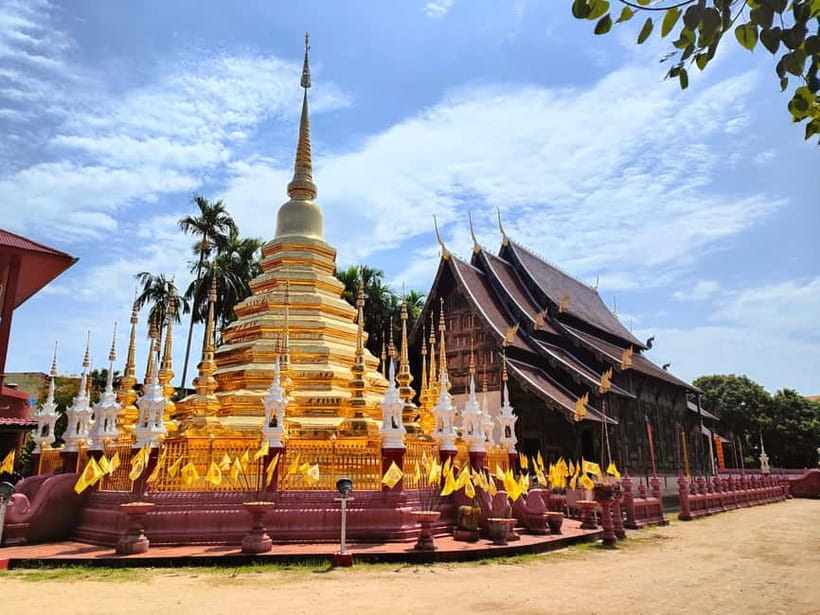
Chiang Mai’s best temple lesson may happen on foot, one shaded courtyard at a time. This four-hour walk links Wat Chedi Luang, Wat Phan Tao, and Wat Phra Singh, but the real point is learning what you are looking at, why Buddha statues sit in different poses, and how temple life fits into Thai culture.
I like the 8:20 am start, which gets you moving before the strongest heat, and I like the chance to ask an ex-monk about meditation and daily Buddhist practice. The main drawback is that the tour involves plenty of standing, and the two temple entrance fees add 90 THB to the $15 booking price.
Key points at a glance
- An ex-monk may guide your walk: Guides including Son, Eddie, Big, and Katoon have shared firsthand insight into monastic life and Buddhist practice.
- Three major old-city temples: See the damaged 14th-century chedi at Wat Chedi Luang, the Lanna-style Wat Phan Tao, and Wat Phra Singh.
- Early morning timing: The 8:20 am start helps you avoid the worst midday heat.
- A lesson, not just a photo stop: Expect explanations of Buddha images, prayer customs, temple symbols, and Chiang Mai’s past.
- Low headline price: The tour costs $15 per person, with 50 THB for Wat Chedi Luang and 40 THB for Wat Phra Singh paid separately.
- Dress and conduct matter: Wear clothing that covers your shoulders and knees, and be ready to remove shoes before entering buildings.
A morning walk through Chiang Mai’s old city
This is a compact cultural tour with a useful shape: three important temples, a guide who explains the setting, and enough time to ask questions. You do not spend the morning racing between distant sights. The route stays in Chiang Mai’s old city and is walked from temple to temple.
The tour begins at 8:20 am and lasts about four hours. That timing matters in Chiang Mai. Even when the walk feels easy, sun and humidity can wear you down, especially if you are not used to a hot climate. An early start gives you cooler streets and quieter temple grounds, though you should still bring water and wear comfortable shoes.
The guides vary by date. Son, Eddie, Big, Katoon, Katoon, Weerayut Toon, Earth, and other guides have led different departures. Several have been former monks, which gives the Buddhist explanations a personal angle. You can ask about meditation, becoming a monk, prayer, Buddha images, and the daily life of a monk rather than receiving only a standard list of dates and architectural terms.
That personal exchange is the strongest reason to book. The temples are easy to visit on your own, but it is much harder to understand their symbols and customs without help.
More Walking Tours in Thailand:
- Bangkok: City Highlights Temple and Market Walking Tour
★ 4.5 · 3,990 reviews - Bangkok: Grand Palace and Wat Phra Kaew Guided Walking Tour
★ 4.4 · 2,417 reviews - Bangkok: Wat Pho and Wat Arun Guided Walking Tour
★ 4.6 · 1,720 reviews
Wat Chedi Luang and the great ruined stupa
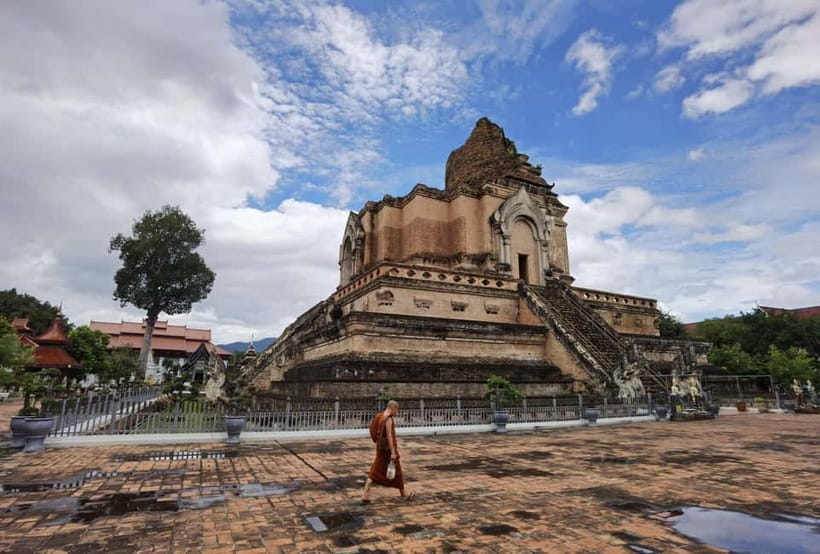
The first major stop is Wat Chedi Luang, home to one of Chiang Mai’s most striking structures. Its large chedi was built in the 14th century and badly damaged by an earthquake in 1545. What remains is still imposing, with broad brick ruins that show the former scale of the monument.
I like beginning here because the site gives you a quick lesson in how Chiang Mai’s religious buildings changed over time. You are not looking at a polished new monument. You are looking at an old structure shaped by construction, weather, disaster, repair, and continued worship.
Your guide can help separate the various parts of the complex and explain the difference between a chedi, a hall, and an ordination building. Without that context, it is easy to admire the brickwork, take a few photographs, and move on without understanding why this place matters.
Wat Chedi Luang is also one of the stops where you pay an extra entrance fee. The listed charge is 50 THB, not included in the $15 tour price. That is a small addition, but you should carry Thai baht so the morning stays simple.
Expect time on your feet here. The tour is not difficult in the sense of long-distance hiking, but temple visits involve standing while the guide explains details, moving between buildings, and pausing for photographs. One guide may speak softly, so staying close can help, particularly if the group is larger or the grounds are noisy.
Wat Phan Tao and Lanna woodwork
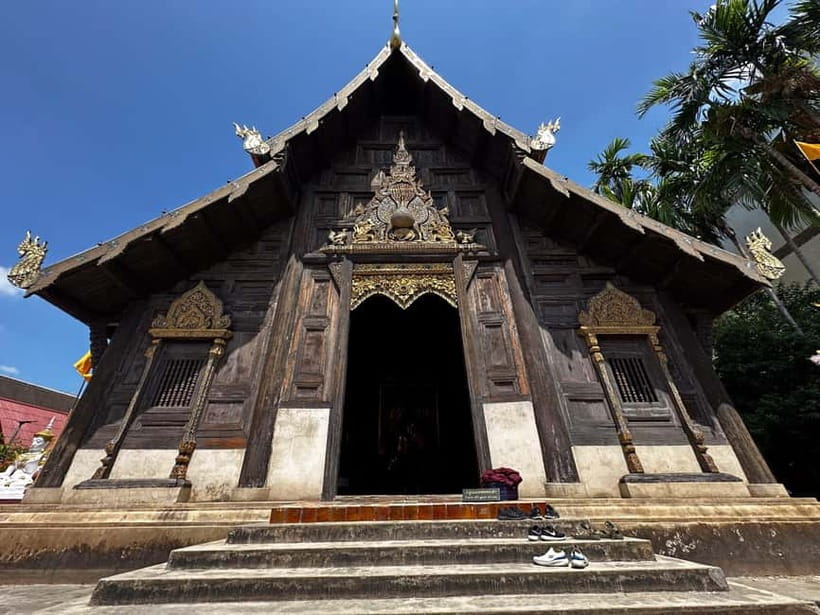
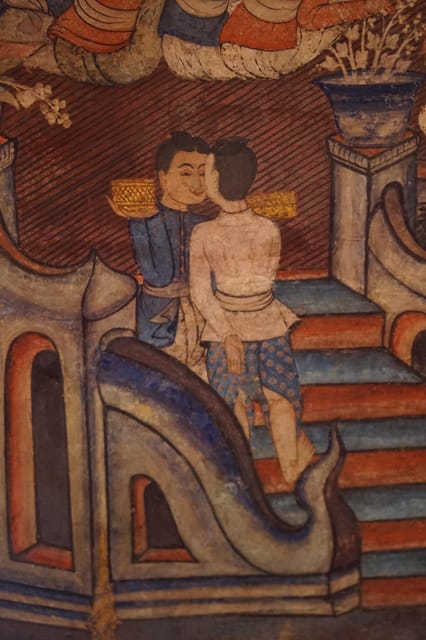
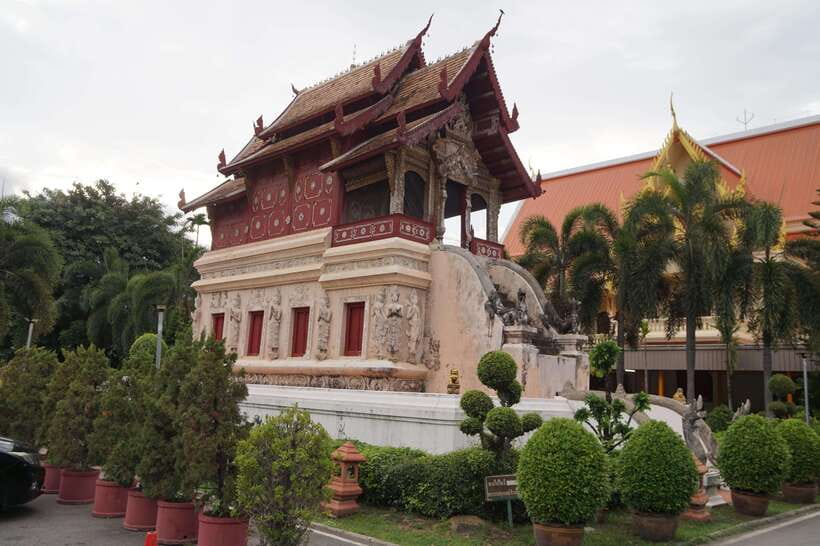
A short walk brings you to Wat Phan Tao, a smaller temple with a different feel from the massive brick chedi. It is known for its Lanna-style ordination hall and murals depicting scenes from the life of the Buddha.
This change of scale makes the second stop useful. Wat Chedi Luang gives you monumental ruins. Wat Phan Tao asks you to look more closely at wood, painted details, interior decoration, and the role of the ordination hall.
Your guide can explain why particular scenes appear in the murals and how Buddhist stories are presented visually. That is especially helpful if you do not recognize the figures or understand the meaning of the images. The visit is less about checking off another temple and more about learning how a religious story is communicated through architecture and art.
You may also hear about Lanna culture, the northern Thai tradition that shaped Chiang Mai’s buildings and religious style. The tour connects local design with Buddhist practice, so the walk does not treat the temples as isolated monuments.
Wat Phan Tao is a good place to slow down. The building is smaller, and the details reward patient looking. You will likely spend time standing inside or near the hall while the guide explains what you are seeing. If you prefer a fast sightseeing pace, this may feel talk-heavy. If you want the meaning behind the decoration, it is one of the most useful parts of the morning.
Wat Phra Singh and the Lion Buddha
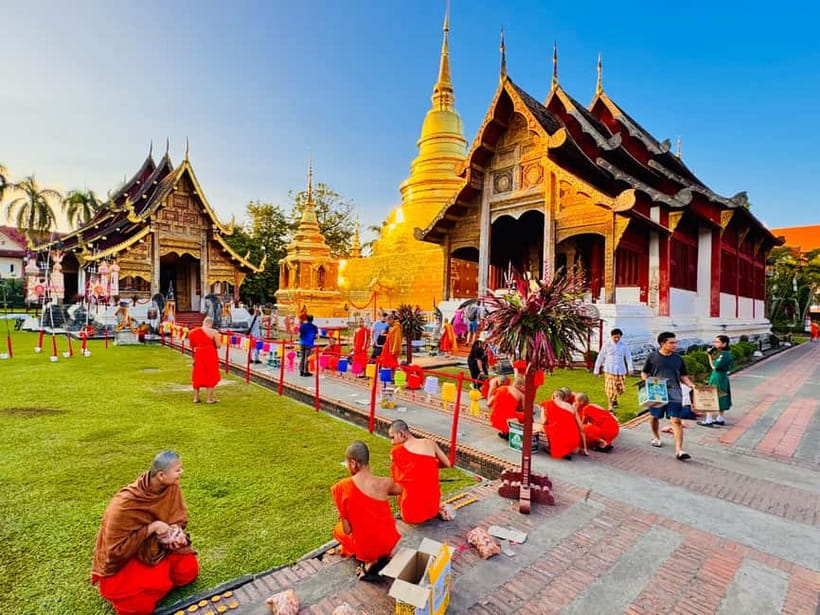
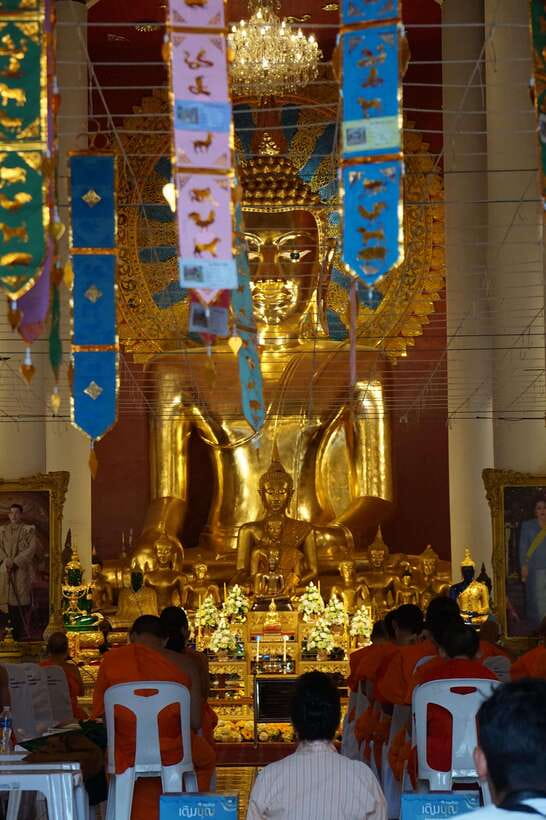
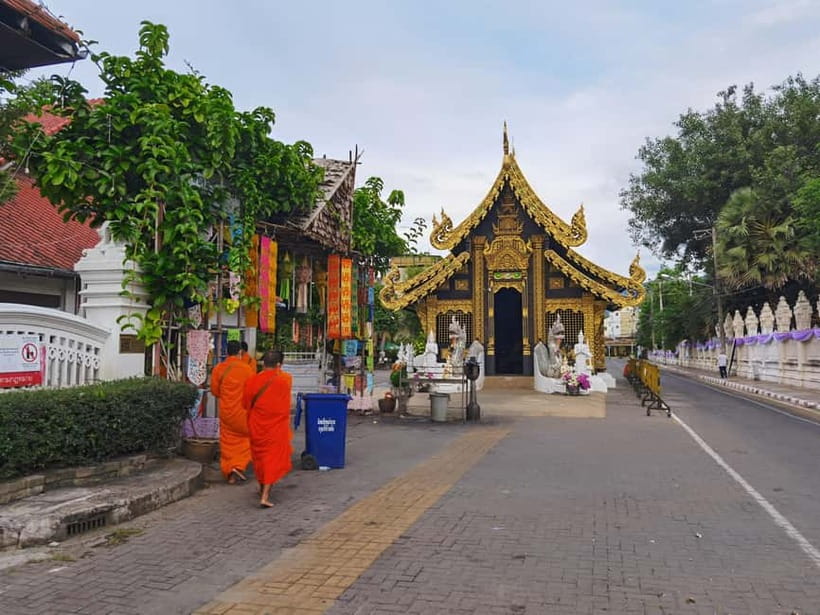
The final main stop is Wat Phra Singh, one of Chiang Mai’s most important temples. It is associated with the Phra Singh Buddha image, a highly revered statue, and is known for its architecture and grounds.
This temple adds another layer to the morning. By now, you have seen a huge damaged chedi and a smaller Lanna-style hall. At Wat Phra Singh, your guide can bring together the themes of sacred images, temple design, royal and local history, and living Buddhist practice.
The Phra Singh Buddha is not simply a sculpture for display. It has religious importance, and a good explanation helps you understand why people approach, pray, or make offerings in particular ways. Guides have also explained different Buddha positions and what they represent, which can turn a series of similar-looking statues into a set of distinct teachings and stories.
There is a separate 40 THB entrance fee for Wat Phra Singh. Add that to the 50 THB charge at Wat Chedi Luang, and your total temple admission comes to 90 THB per person. At this price, the tour remains inexpensive, but the advertised cost is not the full out-of-pocket total.
Same streets, a different guide:
- Chiang Mai: 3 Hour Old City and Temples Guided Walking Tour
★ 4.6 · 1,568 reviews - Phuket:Beach walk with elephants, rain & care. 2.5 hours
★ 4.9 · 969 reviews - Phuket: Bukit Elephant Park Sanctuary Walk and Feed Tour
★ 4.9 · 926 reviews - Bangkok Authentic Tasting Thai-Chinatown Walking Food Tour
★ 4.9 · 852 reviews
What the Buddhist teaching adds
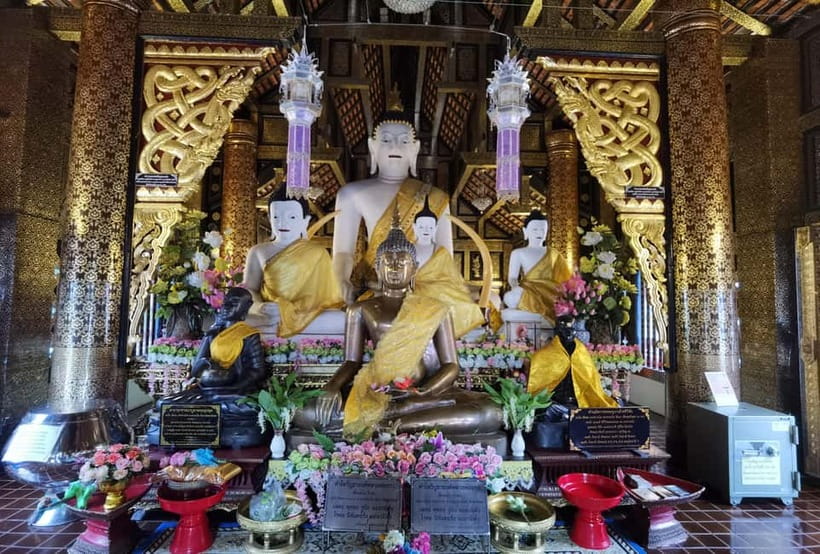
The strongest part of this experience is the chance to ask direct questions. Several guides have discussed their own time as monks, how meditation works, how a person becomes a monk, and what everyday monastic life involves.
Some departures have included a short meditation session, instruction on how to pray, a monk’s blessing, or a god-sticking ritual. These details are not guaranteed on every departure, so treat them as possible additions rather than promised stops. The reliable feature is the guide-led explanation of Buddhist customs and temple meaning.
I would especially recommend this tour if you are curious about small details. Why do temples use elephants on a stupa? Why are names written on certain objects? Why do Buddha images have different hand positions? How should you behave in a temple? These are the questions that turn a sightseeing walk into a cultural lesson.
The guides have generally been praised for patience and for allowing time to ask questions. Some have also taken photographs for the group. That can be useful when you are traveling alone or when you want a picture that includes everyone, though photography should never interrupt prayer or temple activity.
The main limitation is consistency in presentation. Guides change, and one guide may speak more quietly than another. A few people have found it hard to hear at times, so stay near the guide and ask for repetition if needed. One small-group departure also felt unclear because two guides were present and the roles were not explained. That sounds like an occasional organizational wrinkle rather than the normal format, but it is worth knowing.
Walking, heat, clothing, and temple manners
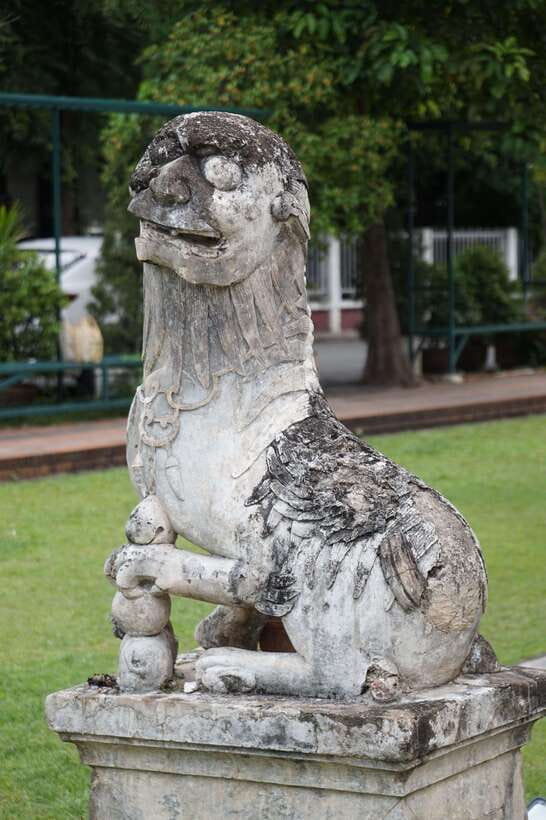
The walking itself is manageable, but the four-hour length includes a lot of standing. Wear shoes you can remove and put back on without fuss, since you may need to take them off before entering temple buildings.
Dress with respect. Shorts, short skirts, sleeveless shirts, and other clothing that leaves shoulders or knees uncovered are not allowed. A light scarf or loose cover-up can be useful, but the safest plan is to start the morning in suitable clothing.
Smoking, smoking indoors, alcohol, drugs, drones, climbing, and nudity are not allowed. These rules are sensible around active religious sites, not just formalities for a tourist attraction. Keep your voice low inside halls, follow the guide’s instructions, and avoid treating Buddha images as casual props.
The heat is the practical challenge. The early start helps, but April in particular can feel intense. One person found that more refreshment pauses would have helped during hot weather. Bring water, wear sun protection, and do not assume an easy city walk will feel cool.
The tour is not listed as suitable for pregnant women, babies under one year, or people over 95. The route also requires enough mobility for walking and standing. If that is a concern, ask the provider before booking rather than assuming the pace can be changed.
Is $15 good value?
At $15 per person, this is a strong-value way to get context at three major temples. You pay separately for 90 THB in entrance fees, but the combined cost is still modest for a four-hour guided experience in central Chiang Mai.
The value comes from the guide rather than transportation. Hotel pickup and drop-off are not included, and there is no vehicle transfer between the stops. That keeps the price low and suits you if you are already staying near the old city and are happy to walk.
You should not book this expecting a luxury tour, private car, or a polished museum-style presentation. You are paying for a walking route, a live guide, and access to explanations that would be difficult to gather on your own.
Small groups can make the experience especially rewarding because you get more time for questions. On one quiet departure, a single participant received something close to a private tour. Group size is not specified, however, so do not book on the assumption that your departure will be private.
Free cancellation is available up to 24 hours before the start time, and you can reserve now and pay later. Those options are useful if your Chiang Mai plans are still shifting.
Who should book this temple walk?
I would choose this tour if you are visiting Chiang Mai for the first time and want more than attractive buildings. It suits people who enjoy history, religion, architecture, photography, and open conversation.
It is also a good fit if you have visited temples before but never learned how to read their symbols. The guide can explain prayer, Buddha positions, murals, ordination halls, and monastic life in plain language.
You may prefer to skip it if you want a quiet, self-guided morning with very little commentary. The tour is information-heavy, and the four hours include substantial standing. It is also not the right choice if you want transport, hotel pickup, or a flexible route built around shopping and food.
For most visitors, the early start is a smart trade. You see three important temples, avoid some of the day’s heat, and gain enough Buddhist context to make later temple visits more meaningful.
Should you book it?
Book this walking tour if you want to understand Chiang Mai’s temples rather than simply photograph them. The standout feature is the guide’s personal connection to Buddhism, especially when you are paired with someone such as Son, Eddie, Big, or Katoon who can explain former monastic life and answer detailed questions.
Bring 90 THB for admission, dress conservatively, stay close enough to hear, and prepare for several hours of walking and standing. If the heat is high, carry water and pace yourself.
At $15, this is an easy recommendation for a curious first-time visitor. It is less suitable for anyone seeking a short, casual stroll or a fully transported sightseeing trip.
FAQ
How long does the Chiang Mai temple walking tour last?
The tour lasts four hours.
What time does the tour start?
The stated start time is 8:20 am. Other starting times may be available, so check availability when booking.
Which temples are visited?
The main route visits Wat Chedi Luang, Wat Phan Tao, and Wat Phra Singh.
How much does the tour cost?
The listed price is $15 per person.
Are temple entrance fees included?
No. Wat Chedi Luang costs 50 THB and Wat Phra Singh costs 40 THB. These fees are paid separately.
Is hotel pickup included?
No. Hotel pickup and drop-off are not included. The experience is a walking tour.
What languages does the guide speak?
Live guides are available in Thai and English.
Are the guides former monks?
Several guides who lead this experience have been former monks, including guides named Son, Eddie, Big, and Katoon. The specific guide depends on the departure.
What should I wear?
Do not wear shorts, short skirts, sleeveless shirts, or other clothing that does not cover the shoulders and knees. You should also wear shoes that are easy to remove before entering temple buildings.
Can I cancel the booking?
You can cancel up to 24 hours in advance for a full refund. Reserve now and pay later is also available.
New routes in Thailand
- Local Life, Culture & Food Walking Tour at Chinatown★ 4.7 · 119 reviews
- Khao Lak: Full-Day Khao Sok Jungle Walk and Canoeing Tour★ 4.7 · 149 reviews
- Chiang Mai: Historic Temples and City Guided Walking Tour★ 4.7 · 650 reviews
- Chiang Mai Untouched Elephant: Nature Walk & Waterfall Trek★ 4.7 · 77 reviews
- Chiang Mai: Local Food and Markets Guided Walking Tour★ 4.3 · 175 reviews
- Bangkok: City Highlights and Landmarks Private Walking Tour★ 4.3 · 142 reviews
- Bangkok: Chinatown by Night Walking Tour★ 4.5 · 162 reviews
- Bangkok: Grand Palace, Wat Pho, & Wat Arun Walking Tour★ 4.6 · 116 reviews
Thailand Walking Tours, compared.
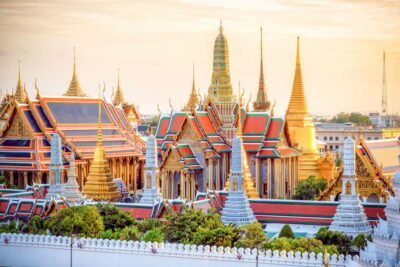
City Highlights Temple and Market Walking Tour
Read our review →
Grand Palace and Wat Phra Kaew Guided Walking Tour
Read our review →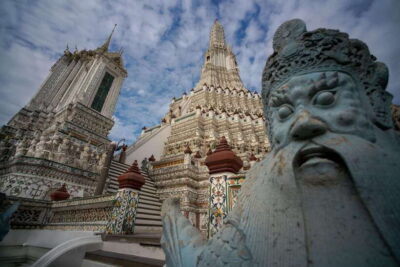
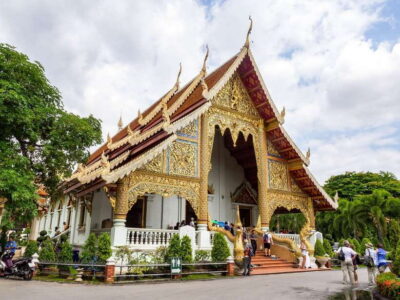
Chiang Mai: 3 Hour Old City and Temples Guided Walking Tour
Read our review →
Phuket:Beach walk with elephants, rain & care. 2.5 hours
Read our review →
Phuket: Bukit Elephant Park Sanctuary Walk and Feed Tour
Read our review →
Bangkok Authentic Tasting Thai-Chinatown Walking Food Tour
Read our review →
Khao Lak: 2-Hour Elephant Sanctuary Eco-Walk with Guided
Read our review →Browse the lists this tour appears in