
Review · AUSTRIA
Salzburg Oldtown: Sightseeing Walking Tour with Licensed Local Guide
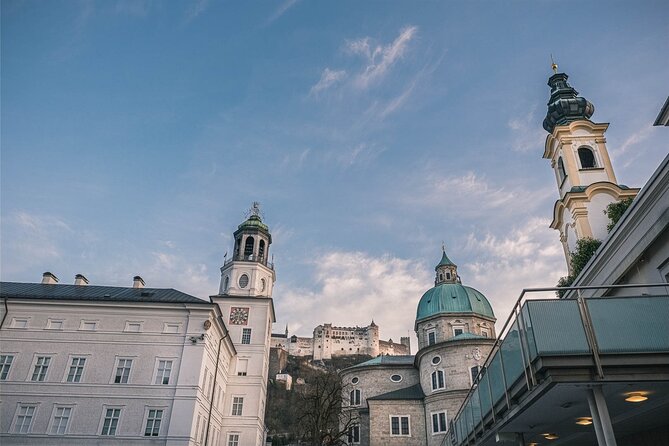
Salzburg’s old town is compact, handsome, and packed with stories. This 90-minute walk links Mozart’s former home, Mirabell Garden, Getreidegasse, the cathedral, Saint Peter’s, and the Salzburg Festival district, giving you a useful first look at the city without taking your whole morning. The short route is its biggest strength.
I like the way the tour mixes famous sights with less obvious details, such as the canal system, modern art in Furtwänglerpark, and the reason Salzburg earned the nickname Rome of the North. I also like the practical ending at Mozartplatz, beside the cathedral and tourist information, where you can easily continue exploring. The main compromise is limited interior time. You see several churches and grand buildings from outside, and the walk can feel brisk on a cold or crowded day.
Key points at a glance
- Mozart without the full museum visit: See the Mozart Residence and Mozartplatz, while hearing about the musician’s life and the later growth of the Mozart cult.
- A smart first-morning route: Cover the main old-town sights in about 90 minutes, then return to the places you want to explore properly.
- Useful local orientation: The walk crosses both sides of the Salzach River and ends in the core of Salzburg’s old town.
- More than postcard views: Learn about archbishops, monasteries, Salzburg University, canals, modern art, and the summer festival.
- Small extras included: You receive a printed city map and a postcard, handy for planning the rest of your day.
- Strong guide element: Johannes, Sonja, and Brigit are praised for clear stories, humor, good pacing, and useful food and coffee suggestions.
Why this 90-minute walk works well
I see this as an orientation tour first and a sightseeing tour second. You are not paying for long museum visits or a slow architectural lecture. You are paying for a local guide to connect Salzburg’s main places, explain what you are looking at, and help you decide where to spend the rest of your time.
The price, listed at $10.89 per person, is unusually modest for a guided city walk. It offers good value if you are visiting Salzburg for the first time, especially because a guide can give meaning to streets and squares that might otherwise blur together. The included map adds a practical benefit after the walk.
The group can reach a maximum of 25 people. That keeps the tour from being enormous, though it is not a private experience. You should expect to stay fairly close to the guide, particularly on Getreidegasse or near the cathedral. The walk is offered in English and begins at 10:00 am, a useful start time for fitting in a museum, lunch, or another booking later.
The experience is often reserved far ahead, with an average booking lead time of 247 days. That does not mean you must plan that early, but it does suggest that popular dates can fill well before arrival. If your Salzburg visit falls during the summer festival period, booking ahead makes sense.
More City Highlights Walking Tours in Austria
- Vienna: Guided Walking Tour of City Center Highlights
★ 4.7 · 4,989 reviews - Vienna: Guided Walking Tour of City Highlights & Hidden Gems
★ 4.9 · 2,180 reviews - Vienna: Small Group Guided Walking Tour of City Highlights
★ 5.0 · 540 reviews
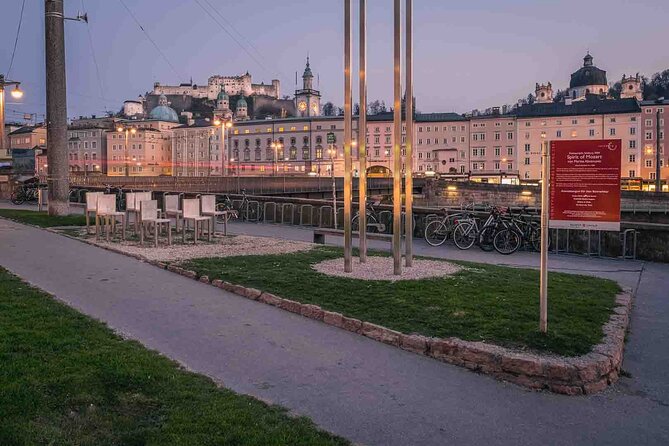
Starting near the Spirit of Mozart

The meeting point is the Spirit of Mozart at Imbergstraße 33A. This places you on the eastern side of the Salzach River, close to the river crossing that leads toward the historic center.
Starting here gives the walk a natural shape. You first look toward Salzburg’s old town, then cross the river and move through its major streets and squares before finishing at Mozartplatz. The end point is convenient: Mozartplatz is beside Salzburg Cathedral, Residenzplatz, and the tourist information office.
The tour returns close to where it began. The walk from Mozartplatz back to Staatsbrücke and the Spirit of Mozart takes about five minutes, so you can retrieve your bearings without a long transfer. You may also choose to stay in the old town and continue sightseeing from the finish.
Mozart Residence and Mirabell Garden
The first stop is the Mozart Residence, or Mozart Wohnhaus. Mozart lived here from age 17, and the guide discusses the building from across the square rather than taking you inside.
That approach keeps the walk moving, but it also means you should not book this experience expecting a Mozart museum visit. The value is in the setting and the explanation. You get an early sense of how Mozart is woven into Salzburg’s identity, without spending museum time before you know what interests you most.
From there, the walk turns to Schloss Mirabell and Mirabell Garden. You get a glance at the garden and hear what it meant in the past and what role it plays today. The stop lasts about 15 minutes, making it one of the more substantial pauses on the route.
I would treat this as a preview, not a garden tour. The guide specifically leaves you room to return later and explore the grounds at your own pace. That is a sensible plan because gardens reward a slower visit, especially if you want time for photographs or a quiet walk rather than a quick explanation.
Getreidegasse and the University Church
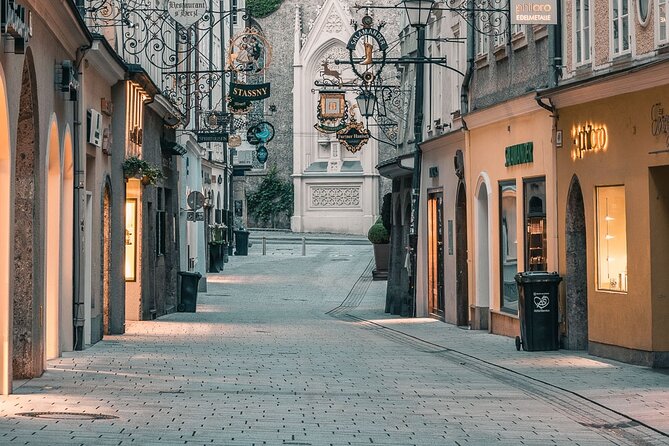
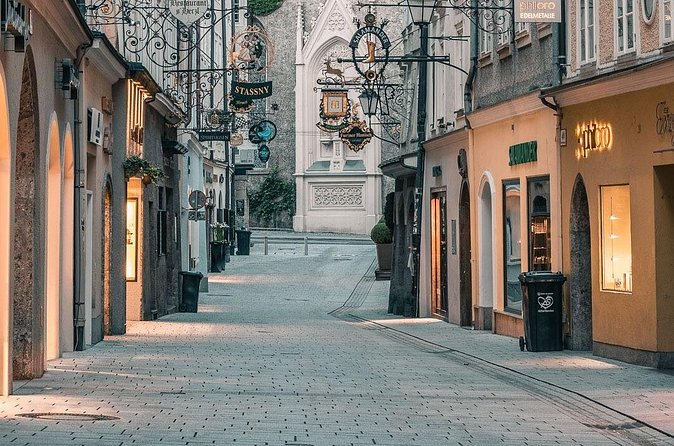
After crossing the river, you reach Getreidegasse, Salzburg’s best-known street. The route follows this narrow shopping street toward Mozart’s birthplace, giving you a direct look at the old town’s most famous urban setting.
The walk does not list an interior visit to Mozart’s birthplace, so you should see this stop as a location explanation rather than a museum entry. The street itself is part of the appeal, with its historic appearance and famous signs. Because Getreidegasse can be busy, staying near the guide matters here.
The next stop is Universitätskirche, the University Church. This is one of the few places where the group may enter, provided the building is open. The guide describes it as Salzburg’s last historic building and explains that it is no longer used as a church.
That possibility adds welcome variety to an otherwise exterior-focused route. Still, entry is not guaranteed. The building may be closed for a reason, so keep your expectations flexible. The stop is brief, about five minutes, but enough for a compact explanation and a look inside if conditions allow.
Same streets, a different guide:
- Vienna: Vienna Central Cemetery Guided Walking Tour
★ 4.8 · 3,307 reviews - Vienna: Viennese Underworld Guided Walking Tour
★ 4.7 · 1,865 reviews - Vienna: World War II Historical Walking Tour
★ 4.8 · 1,772 reviews - Vienna Historic Center Small Group Walking Tour
★ 5.0 · 1,746 reviews
Furtwänglerpark and the Salzburg Festival
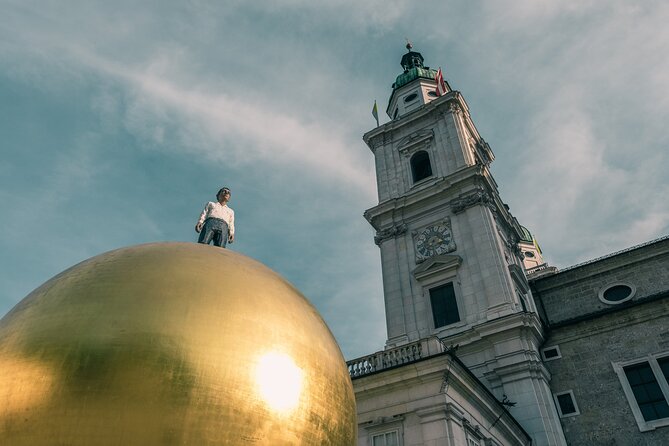
Wilhelm-Furtwängler-Garten, also called Furtwänglerpark, brings a different side of Salzburg into view. The area was once a monastery garden and is now connected with Salzburg University.
This stop is useful because it moves beyond the standard Mozart-and-cathedral story. You hear about the university, modern art, and Salzburg’s canal system before continuing to the concert hall. I like that combination: it shows how the city’s old religious center has been adapted for modern education and public life.
Next comes the Grosses Festspielhaus, the main concert hall associated with the Salzburg Festival. The festival is presented as one of the world’s most prestigious classical music events, with concerts and opera taking place here during six weeks in summer.
You will not attend a performance as part of this walk. Instead, the guide explains the building’s role and the festival’s place in Salzburg. That makes the stop most useful if you want to understand why music is such a major part of the city’s identity. If you are visiting during the summer festival, the area may feel especially important, though the short stop cannot replace a concert or a formal venue visit.
Saint Peter’s, the cathedral, and Kapitelplatz
Saint Peter’s Abbey is one of the strongest historical stops. Salzburg was founded here in 696, and Saint Peter’s is the oldest monastery in the German-speaking region.
The tour visits the monastery courtyard but does not enter the church or Saint Peter’s cemetery. The monastery remains active, and guided group visits are not allowed. This is an important limitation, since the church and cemetery are among the places many people most want to see.
Even so, the courtyard and the guide’s explanation provide useful context. You learn how Salzburg’s religious power shaped the city before moving toward its political and civic center. If Saint Peter’s is high on your list, return later on your own and check the opening arrangements.
Salzburg Cathedral follows. This is the city’s most important church, but the tour views it from outside and focuses on its facade and history. Again, the walk is giving you a decision point rather than a full visit.
I consider that a fair trade for a short orientation tour. You can admire the cathedral’s scale, hear why it matters, and then choose to come back when you have more time. The lack of interior entry is the clearest drawback for anyone hoping to see Salzburg’s major churches in detail.
At Kapitelplatz, the route opens toward Hohensalzburg Fortress. You also see modern art and the city’s oldest bakery. This is one of those stops where the guide’s local knowledge matters more than a simple photo. The square brings together the fortress view, daily city life, and signs of Salzburg’s changing public spaces.
Makartsteg and the city’s river divide
The Makartsteg bridge is Salzburg’s famous love-lock bridge. Here the guide talks about the locks, the Salzach River, and the buildings along the riverbanks.
This crossing gives you a helpful mental map. Salzburg is not only a cluster of old streets on one side of the river. The walk has already connected Mirabell and the Spirit of Mozart area with the old town, and the bridge makes that relationship clear.
The love locks are a light moment in a tour that often deals with archbishops, monasteries, and music. The guide also uses the river and surrounding buildings to explain how the two sides of the city fit together. It is a short stop, but it helps you navigate later.
Residenzplatz and Mozartplatz

Residenzplatz is the main square and the heart of the old town. Its name comes from the archbishop’s former residence, a reminder that Salzburg was shaped for centuries by church rulers with both religious and political power.
This is a good place to pause and understand the city’s structure. Grand buildings face the square, and many of Salzburg’s major sights are within easy walking distance. The guide can help you place the cathedral, residence, and nearby streets before the tour reaches its final stop.
Mozartplatz ends the walk. The statue here marks the beginning of Salzburg’s Mozart cult in the 19th century, and the guide explores some of the mystery around Mozart and the way his image developed after his death.
That is a more interesting ending than simply stopping at a famous statue. It asks you to think about the difference between Mozart the historical person and Mozart the symbol used to represent Salzburg. The square is also practical. You are next to the cathedral, Residenzplatz, and tourist information, so you can continue with a map in hand.
What the guides add to the route
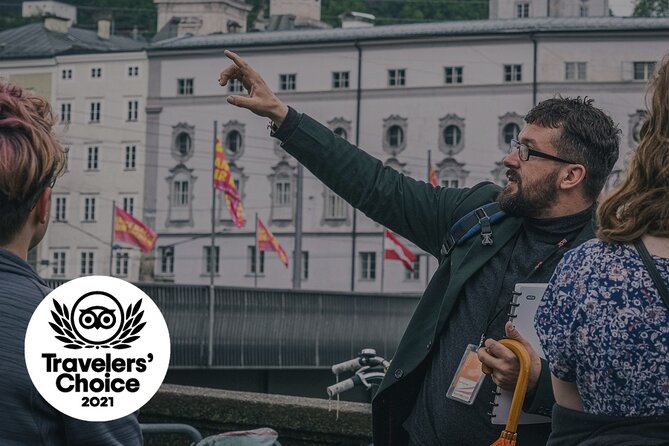
The guide makes or breaks a walking tour, and the strongest descriptions of this experience point to clear storytelling, humor, and a steady pace. Johannes is praised for being entertaining and well versed in Salzburg, while Sonja is noted for useful explanations and suggestions for food and coffee. Brigit handled a very cold, misty morning by keeping the group moving briskly and making herself easy to spot in a bright red coat.
Those details matter. A good old-town walk is not just a list of dates. It needs someone who can connect Mozart, church power, music, public squares, and ordinary city life without burying you in facts.
The pace may be brisk, especially in poor weather. That is useful when you want to cover the main sights, but it may feel fast if you prefer long pauses for photographs. The group size of up to 25 also means you should not expect a private conversation with the guide at every stop.
Planning the rest of your day
Use the tour as a first look, then return to the places that catch your attention. The cathedral, Saint Peter’s, Mirabell Garden, and the Mozart sites all deserve more time than this route can provide.
I would avoid scheduling a tight attraction immediately after the 10:00 am start. The advertised duration is about 1 hour 30 minutes, but walking groups can take a little longer if a stop becomes lively or access to the University Church is possible. The end at Mozartplatz is central, so you are well placed for whatever comes next.
Bring comfortable shoes and dress for the weather. The route is outside for most of its length, and one account describes a cold, misty morning. Service animals are allowed, the tour is near public transportation, and most people can participate, but the supplied information does not describe specific wheelchair access or the walking surface in detail.
Cancellation is free up to 24 hours before the start time. Cancellations or changes made within 24 hours are not refunded or accepted. The experience also requires a minimum number of participants, so if the operator cancels for that reason, you are offered another date or experience, or a full refund.
Who should book this Salzburg walk?
I would choose this tour if you are visiting Salzburg for the first time, want a fast sense of the old town, or prefer a guide to explain the city before you explore alone. It is also a good fit if you have limited time and want the major sights connected in one efficient route.
The tour suits curious visitors who enjoy stories about Mozart, archbishops, monasteries, music, and city planning. It is less suitable if your main goal is extended time inside museums and churches. You will need to return independently to the cathedral, Saint Peter’s, Mirabell Garden, and the Mozart sites for a fuller visit.
At $10.89, the value is strong if the guide gives you useful context and saves you from wandering without a plan. The printed map and postcard are small extras, but the real benefit is knowing which sights deserve your later attention.
Should you book it?
Yes, if you want a lively introduction rather than a detailed museum tour. The route covers a lot in 90 minutes, and the best guide accounts point to humor, clear explanations, good pacing, and practical tips about where to eat and get coffee.
Book it with the right expectations. You will see many important places, but you will not enter most of them. For a first morning in Salzburg, that is a sensible bargain. Take the walk, mark your favorite stops on the map, then spend the rest of your day returning to the interiors and gardens that interest you most.
FAQ
Where does the Salzburg walking tour start?
The tour starts at the Spirit of Mozart, Imbergstraße 33A, 5020 Salzburg, Austria.
What time does the tour begin?
The scheduled start time is 10:00 am.
Where does the tour finish?
The walk finishes at Mozartplatz, next to Salzburg Cathedral and Residenzplatz. The tourist information office is also nearby.
How long does the tour last?
The tour lasts approximately 1 hour 30 minutes.
Is the tour offered in English?
Yes. The experience is offered in English.
Are entrance tickets included?
The walk includes guided visits to exterior locations and may enter the University Church if it is open. It does not enter Salzburg Cathedral, Saint Peter’s Church, Saint Peter’s cemetery, the Mozart Residence, or other listed attractions as standard visits.
What is included with the booking?
You receive a walking tour city map and a postcard. The experience also includes a licensed local guide.
Can I cancel the tour?
You can cancel up to 24 hours before the start time for a full refund. Cancellations or changes made less than 24 hours before the start time are not refunded or accepted.
New routes in Austria
- The unknown Vienna City- a guided walking tour in 3 hours★ 4.7 · 137 reviews
- Hungry in Vienna? A Food Lover’s Coffee & Market Walk★ 4.9 · 276 reviews
- Salzburg: Old Town, Mozart, & Mirabell Gardens Walking Tour★ 4.8 · 461 reviews
- 3-Hour Walking Tour of Vienna Central Cemetery★ 4.7 · 71 reviews
- Hallstatt: 2-Hour Guided Walking Tour with Photographer★ 5.0 · 152 reviews
- Vienna: City Center Guided Walking Tour★ 4.8 · 99 reviews
- Vienna Private Walking Tour with a Local★ 4.5 · 131 reviews
- Private Hidden Vienna Walk — Stories Behind Quiet Corners★ 5.0 · 137 reviews
Austria Walking Tours, compared.

Guided Walking Tour of City Center Highlights
Read our review →
Vienna Historic Center Small Group Walking Tour
Read our review →
Ghosts and Legends Guided Nighttime Walking Tour
Read our review →Browse the lists this tour appears in