
Review · SOUTH AFRICA
Cape Town: Art, Culture & History Walking Tour
Cape Town’s story is written into its streets, and this tour reads several important chapters in one useful walk. You begin among Bo-Kaap’s painted houses and mosques, then move through Long Street, Greenmarket Square, the Company’s Garden, the Slave Lodge, Parliament and District Six.
I like the local perspective, especially the way guides connect Cape Malay culture, apartheid-era removals and present-day identity. I also like the mix of art, architecture and practical city tips, including galleries, markets and places to explore later. The main drawback is pace: two hours is a short time for so many stops, so most visits are brief rather than full museum experiences. You will also need comfortable shoes and sensible city awareness.
Key points at a glance
- Bo-Kaap begins the story: See the painted homes, historic mosques and streets tied to Cape Malay culture.
- A useful city-centre route: Cover Long Street, Greenmarket Square, Company’s Garden, the Slave Lodge, Parliament and District Six on foot.
- Art is part of the route: Expect local galleries, crafts, textiles and creative work made from recycled materials.
- Strong guide-led storytelling: Guides including Mandi, Olwethu, Diego and others bring history and present-day life together.
- Good first-day activity: Use the walk to get your bearings and collect ideas for restaurants, shopping and later sightseeing.
- Simple logistics: The tour costs $37 per person, lasts two hours, runs in English and begins at Bo-Kaap Deli.
Starting in Bo-Kaap, where colour carries meaning
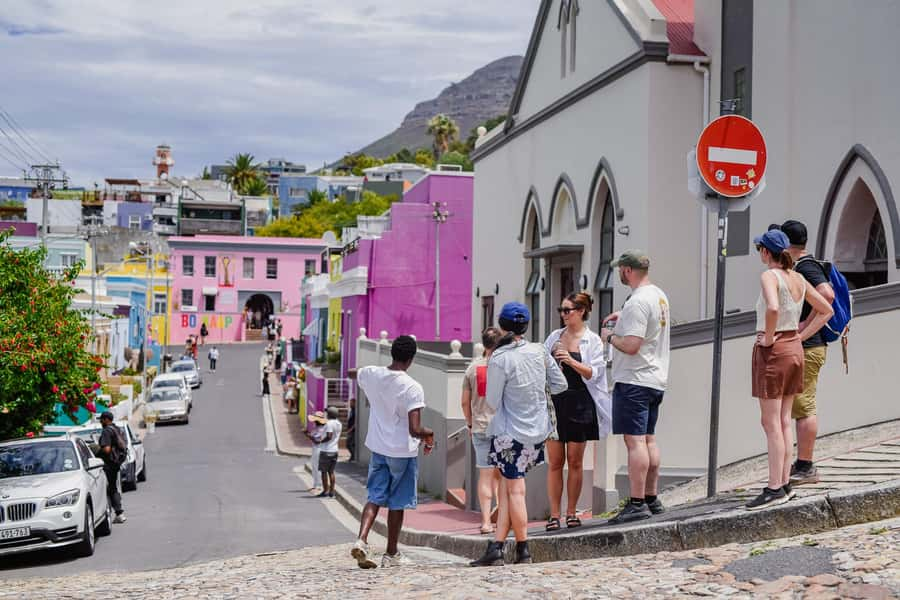
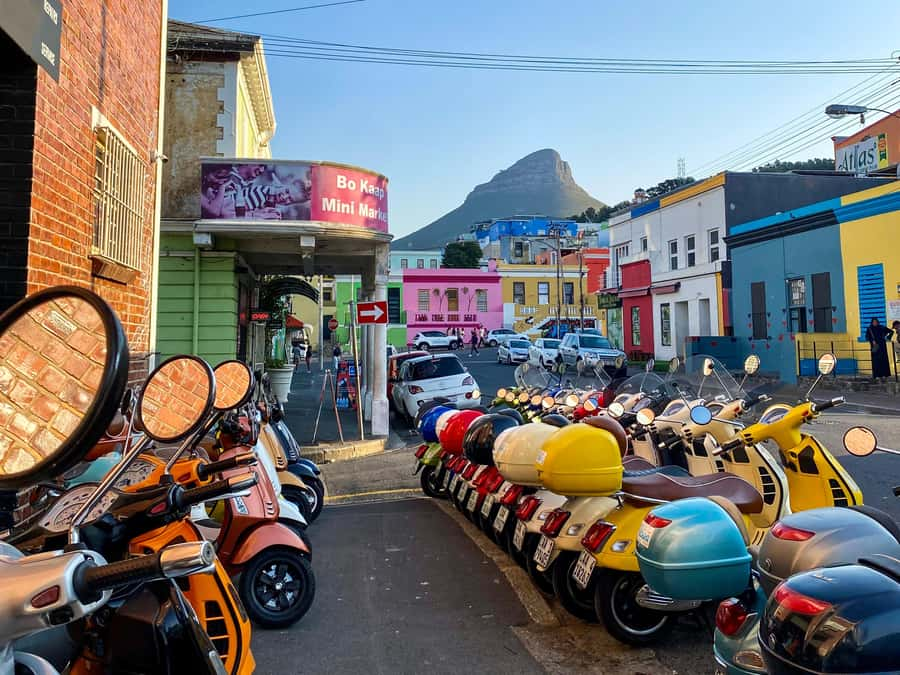
Meet at Bo-Kaap Deli at 97 Church Street. This is a practical starting point because Bo-Kaap gives you an immediate sense of Cape Town’s layered identity. The painted homes are the first thing you notice, but the guide’s explanation is what makes the neighbourhood more than a photo stop.
The area is closely linked with Cape Malay culture, Islam and families whose presence has shaped Cape Town’s food, faith and community life. You will hear about the neighbourhood’s cultural roots and the effort to protect its character as the city changes.
A guide can also help you look beyond the famous facades. The streets, homes and mosques are not simply decorative backdrops. They point to migration, colonial rule, religious life and the way communities have held onto a shared identity.
The first Bo-Kaap visit takes about 20 minutes. That is enough time for an introduction and photographs, but not enough for a slow wander through every street. I suggest arriving a little early so you can meet at the deli without rushing and settle into the walk.
More History Walking Tours in South Africa:
- Stellenbosch: Guided Historical Walking Tour
★ 4.7 · 283 reviews - History and Hauntings of Salem Guided Walking Tour
★ 5.0 · 14,564 reviews - Lisbon: History, Stories and Lifestyle Walking Tour
★ 4.8 · 10,902 reviews
Auwal Masjid and the meaning of Wale Street
Auwal Masjid is one of the important early stops. The tour treats it as a place of faith and community, not just another building on the route. Its presence helps explain why Bo-Kaap cannot be separated from Cape Town’s Muslim heritage.
You should listen closely here. The guide’s value is in explaining how a landmark fits into the story of local people. A short stop can give you a useful framework for understanding the neighbourhood as you continue toward the city centre.
The route then follows Wale Street for roughly 15 minutes. This section is less about one grand attraction and more about watching the city change around you. Bo-Kaap’s residential streets give way to commercial blocks, older buildings and the everyday traffic of central Cape Town.
That shift is one of the strengths of the walk. You are not being taken from isolated sight to isolated sight. You are walking through connected districts and seeing how the city’s past and present sit side by side.
Long Street, from Victorian facades to city life
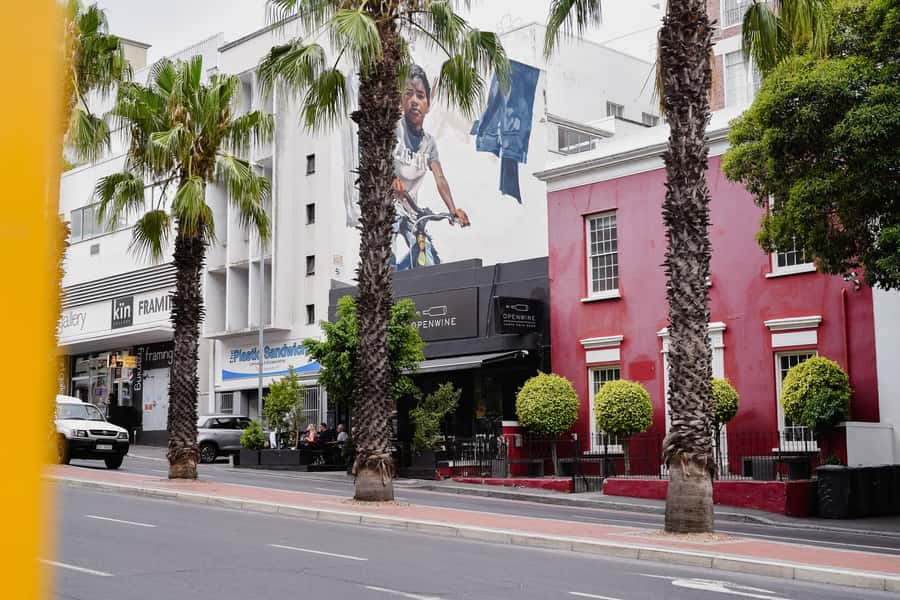
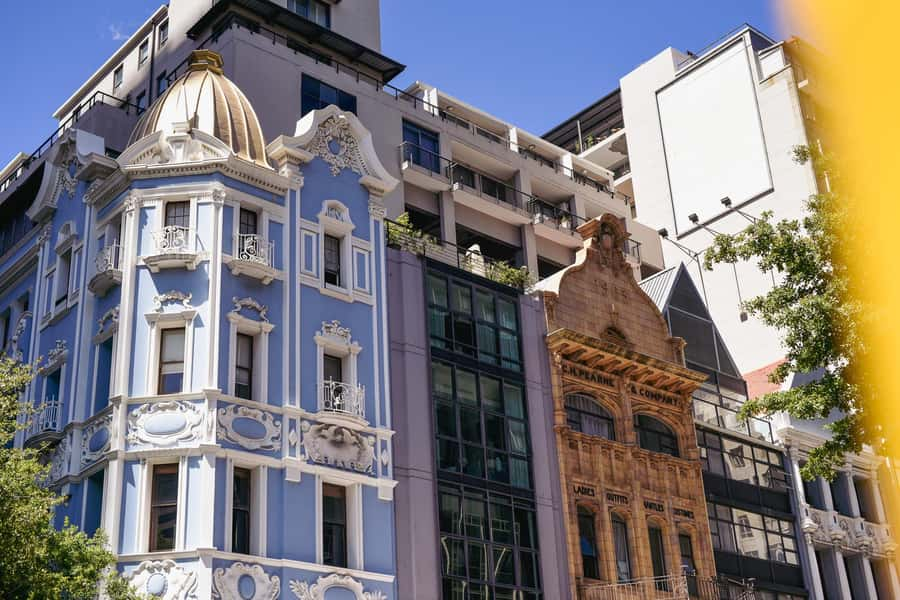
Long Street brings a different mood. Victorian-era buildings line a street known for bars, bookshops and vintage boutiques. The guide points out how the architecture and businesses reflect changing city life.
The stop lasts about 15 minutes, so expect an overview rather than a detailed architectural lecture or time to browse every shop. Still, it is a useful place to pause and notice how Cape Town’s older buildings have been adapted for modern uses.
I like this part because it keeps the tour from becoming only a lesson in difficult history. You get a sense of the city people use today, with places to eat, shop and spend an evening. Several guides also offer practical suggestions for the rest of your stay, which makes the route more useful than a simple list of monuments.
If you have already spent time around Long Street, the guide may reveal details you missed. If it is your first visit, this section helps you recognise one of the city centre’s main social corridors.
Greenmarket Square and Cape Town’s creative side
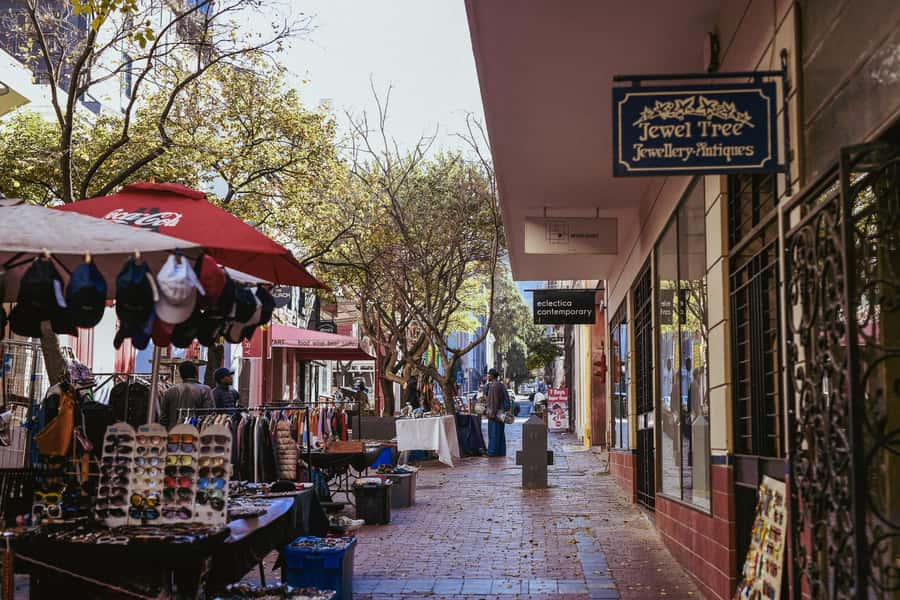
Greenmarket Square is the longest market stop, at about 20 minutes. Traders sell handmade goods, local art and textiles, giving you a chance to see the city’s creative economy in action.
You can browse, take photographs and ask questions about the objects on display. The time is limited, so I would not plan on serious souvenir shopping here. If you see something you want, keep the group schedule in mind rather than assuming you can negotiate for a long time.
This stop also adds balance to the tour. The route deals with slavery, colonial rule and forced removals, but Greenmarket Square shows how trade, craft and public space remain part of daily city life.
Some guides have also included short visits to galleries or artist studios. One particularly interesting detail in the guide feedback was a recycling artist’s studio. The exact creative stops may vary, so think of the art element as a guided introduction rather than a fixed gallery tour.
More Cultural Walking Tours in South Africa:
- Durban: Local Markets and Culture Guided Walking Tour
★ 4.9 · 89 reviews - Savannah First Squares Culinary & Cultural Walking Food Tour
★ 5.0 · 3,229 reviews - Tokyo Tsukiji Fish Market Food and Culture Walking Tour
★ 5.0 · 3,184 reviews - New Orleans French Quarter, Voodoo and Culture Walking Tour
★ 4.5 · 2,961 reviews
The Company’s Garden and the city’s older institutions
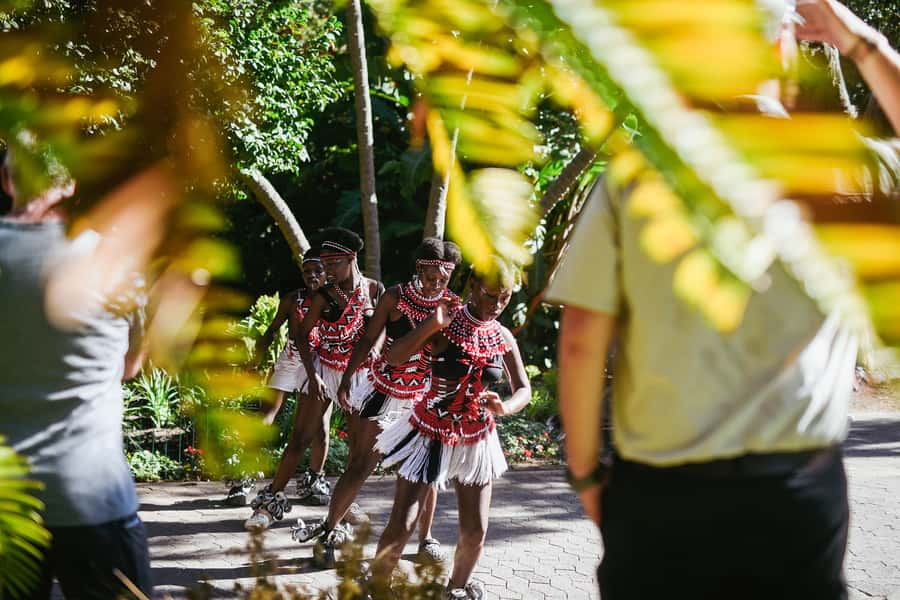
The Company’s Garden offers a calmer stretch between the market and the major historical sites. You walk through a central green space while the guide explains how the area fits into Cape Town’s development.
The stop is listed at about 15 minutes. That gives you time to look around and hear the main points, but you should not expect a long break or a full botanical visit. It is part of the wider walk, not a separate garden excursion.
This section matters because it helps connect the city’s institutions. Cape Town’s public buildings, religious sites, museums and gardens are close together, yet each reflects a different part of the city’s past. A guide can make those links clearer than a quick self-guided stroll.
You may also appreciate the change of pace. After the market and city streets, the garden gives the group room to slow down before moving into more serious subjects.
The Slave Lodge and the weight of colonial history
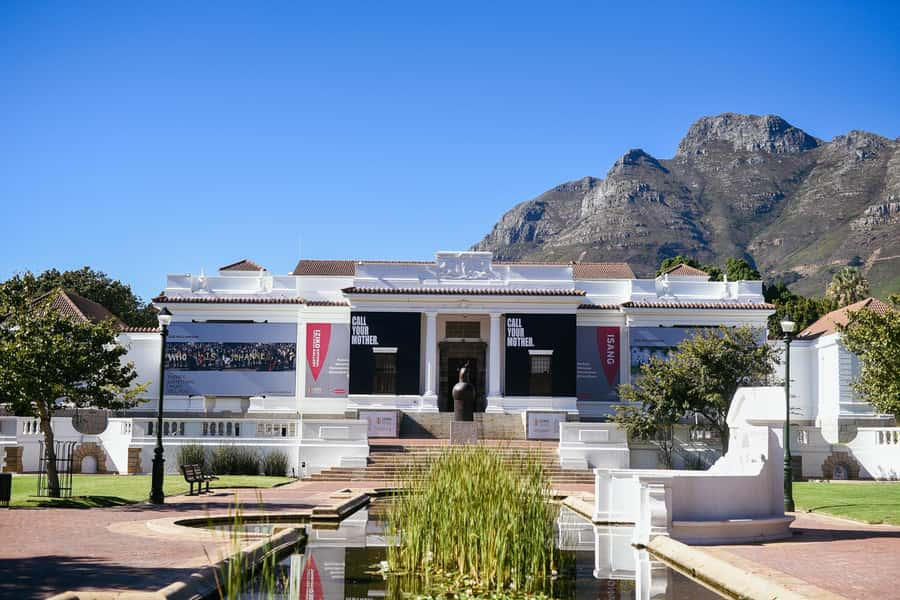
The Slave Lodge is one of the most important stops on the route. It serves as a direct reminder that Cape Town’s history includes slavery and the forced movement of people, not only trade, architecture and scenic views.
The planned stop is about 10 minutes and may be a pass-by or guided explanation rather than a full museum visit. This is a key limitation to understand. If you want to study the museum’s exhibitions in detail, you will need to return on your own with more time.
Even a short explanation can change how you read the city. The streets around you are not neutral scenery. They were shaped by systems of power, labour and control, and the guide places those systems into a local setting.
The subject can be uncomfortable, as it should be. The best part of the experience is that the guide does not treat Cape Town’s past as a neat tourist story. Guides such as Mandi and Olwethu have been praised for explaining difficult subjects clearly, with room for questions and conversation.
Parliament, City Hall and the Mandela connection
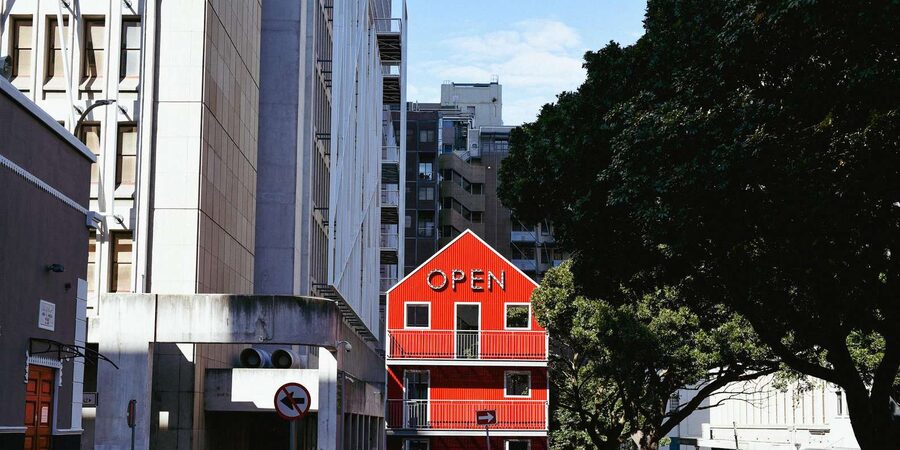
The route continues past Parliament and other civic landmarks. The listed timing is about 15 minutes, with photographs, explanation and views along the way.
These buildings help you understand Cape Town as a political centre. The tour connects public spaces with speeches, protests and major moments in South Africa’s modern history. You may also have the chance to see an exhibition connected with Nelson Mandela.
The Mandela element is useful because it links the city’s physical streets with the national struggle against apartheid. This is not designed as a full political history lesson, but the guide gives you a clearer sense of why certain buildings and squares matter.
The route can also include a photograph with a Nelson Mandela statue, according to the experience details shared by past participants. Treat this as a possible part of the walk rather than a guaranteed formal exhibit visit.
District Six and the story of forced removal
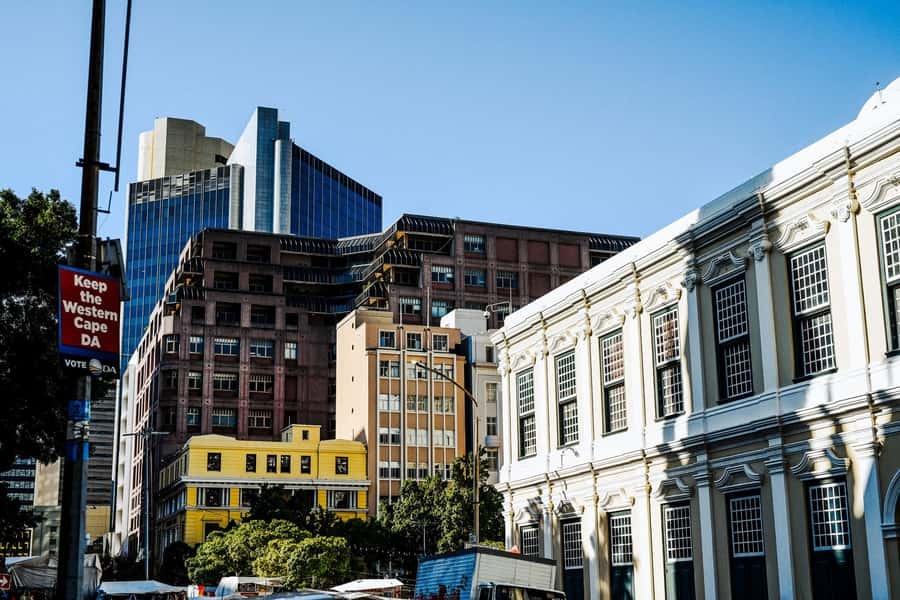
District Six is the emotional centre of the tour. The district became a symbol of apartheid-era forced removals, when families were pushed out and the community was broken apart.
The walk gives you an introduction to that story and explains how it still shapes Cape Town’s identity. You will hear about loss, displacement and cultural resilience rather than simply seeing an empty plot or a museum facade.
The District Six Museum stop is listed at about 10 minutes. Again, this is not enough time for a full museum visit. If this subject matters to you, plan to return separately and give the museum the attention it deserves.
Still, placing District Six near the end of the route works well. By then, you have already heard about Bo-Kaap, slavery, public institutions and community life. The district becomes part of a larger story about who gets to live in a city, whose culture is protected and how communities rebuild a sense of belonging.
This is also where the tour’s focus on South African identity becomes clearest. You are encouraged to think about Cape Town not as a collection of attractions, but as a city shaped by people, laws, removals and survival.
Ending near Truth Coffee Roasting
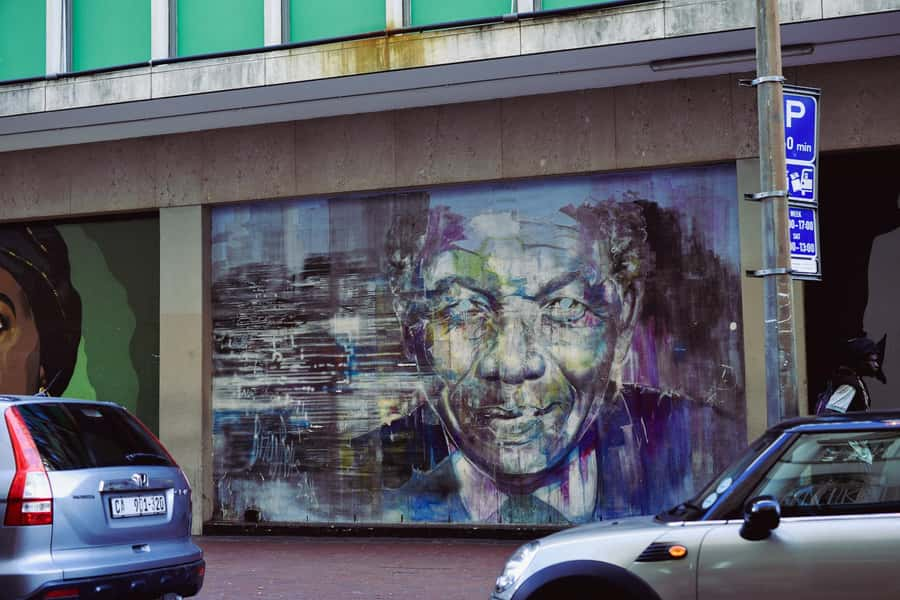
The final listed stop is Truth Coffee Roasting. The information provided does not give a fixed tasting or meal, so I would treat this as a possible coffee stop and a chance to close the walk in a relaxed setting.
Lunch is not included, and personal spending is extra. If you want food or coffee, bring money and allow for your own purchase. The stop can also help you decide where to continue after the tour.
The ending is convenient for a visitor who wants to keep exploring the city centre. It does not provide hotel transport, so you will need to arrange your own way back or continue on foot.
What the guides add to the experience
The guide is the main reason to book this walk. The route itself is easy to map, but the meaning of Bo-Kaap, District Six and the civic buildings is harder to grasp without local explanation.
Guides named in the available material include Mandi, Olwethu, Diego, Basil and Sipho. The strongest praise has focused on clear explanations, friendly conversation, useful tips and an ability to handle questions. Mandi, in particular, has been described as energetic, thorough and easy to talk with. Olwethu has been praised for being patient and accommodating, while Diego is often noted for humour, local insight and teaching simple greetings in African languages.
The experience is not just a speech delivered while you walk. Good guides adjust the tone, making room for conversation and questions. Some have helped with souvenir shopping, suggested places to eat and offered extra directions after the official route.
Guide assignments can change, so I would not book solely to meet one named person. Book because you want a human explanation of the city, then enjoy the guide you receive.
Is $37 good value for two hours?
At $37 per person, this is not the cheapest way to take a walk around Cape Town. The value depends on what you want from the outing.
If you only want photographs of Bo-Kaap’s houses, you can see them without paying for a tour. You can also pass through Long Street and Greenmarket Square independently. The fee makes more sense if you want the connections between places explained as you go.
You are paying for a professional English-speaking guide, a planned route and context that would take time to gather on your own. You also get a useful first look at several districts in a short period. For a first day in Cape Town, that can save you from spending valuable time wandering without a clear sense of what you are seeing.
The tradeoff is depth. The tour covers a lot in two hours, so most stops are introductions. I see it as a city orientation with serious historical content, not a substitute for the District Six Museum, Slave Lodge or a longer specialist art tour.
Walking conditions and practical advice
Wear comfortable shoes. The route takes you through several city neighbourhoods, with about two hours on foot and repeated stops for photographs and explanations.
Bring water, sunscreen, sunglasses and a sun hat. Rain gear is sensible because weather can shift, and a camera is useful for Bo-Kaap and the city streets. Carry any personal medication you need, along with hand sanitizer or tissues.
The tour is in English and is listed as wheelchair accessible. You will need to reach Bo-Kaap Deli yourself, since hotel pickup, drop-off and transport to the meeting point are not included.
Keep personal belongings secure and follow the guide’s advice about where to walk after the tour. One account described a troubling robbery incident after the group had separated, which is a reminder not to assume every nearby street feels the same once the guide is gone. Stay aware, use sensible transport plans and ask the guide for current local advice before setting off alone.
You can cancel up to 24 hours before the activity for a full refund, and the reserve-now, pay-later option keeps your plans flexible. The activity is not suitable for people over 95, according to the stated conditions.
Who should book this Cape Town walking tour?
I would choose this tour if you are visiting Cape Town for the first time and want a clear introduction to its central neighbourhoods. It is especially useful if you care about culture, apartheid history, public memory, architecture and local art more than ticking off major viewpoints.
It also suits you if you want to ask questions. The guide-led format is much more valuable for a curious person than for someone who prefers to move silently and take photographs.
Families with older children may find the range of subjects useful, though the difficult history requires maturity. Art lovers will enjoy the galleries, crafts and creative references, but this is not a dedicated studio tour. Visitors with limited time will appreciate the compact route, while museum fans should plan follow-up visits.
Should you book it?
Book this tour if you want context, conversation and a strong first look at central Cape Town. The route covers an impressive range of places, and the best guides make the city easier to understand without burying you in facts.
Skip it if you want long museum visits, private transport or a slow photography walk. Two hours moves quickly, and the most important sites are introduced rather than explored in full.
For $37, I think it offers good value as an opening experience. Use it to get your bearings, learn which places deserve a longer visit and see Cape Town through its communities as well as its buildings.
FAQ
Where does the Cape Town walking tour begin?
The tour begins at Bo-Kaap Deli, located at 97 Church Street, Bo-Kaap, Cape Town, 8001.
How long does the tour last?
The walking tour lasts two hours. Starting times vary, so you should check availability when booking.
Which language is the tour offered in?
The tour is conducted in English with a live guide.
What places does the tour visit?
The route includes Bo-Kaap, Auwal Masjid, Wale Street, Long Street, Greenmarket Square, the Company’s Garden, the Slave Lodge, Parliament and District Six. Truth Coffee Roasting is listed as the final stop.
Is hotel pickup included?
No. Hotel pickup and drop-off are not included, and you must arrange your own transport to the Bo-Kaap meeting point.
What should I bring?
Bring comfortable shoes, water, sunscreen, sunglasses, a sun hat, a camera, rain gear, personal medication and hand sanitizer or tissues.
New routes in South Africa
- Stellenbosch: Guided Historical Walking Tour★ 4.7 · 283 reviews
- Cape Town: Street Art Walking Tour in Woodstock★ 4.8 · 293 reviews
- Johannesburg: City Centre Walking Tour★ 4.8 · 152 reviews
- Durban: Local Markets and Culture Guided Walking Tour★ 4.9 · 89 reviews
- Durban: City Sightseeing and Walking Tour★ 4.6 · 98 reviews
- Cape Town: Private Walking Tour with a Local★ 4.6 · 243 reviews
- Cape Town Walking Tour: Bo-Kaap & City Highlights★ 4.8 · 161 reviews
- Cape Town: Bo-Kapp Walking Tour and Malay Cooking Class★ 4.7 · 105 reviews
South Africa Walking Tours, compared.

Soweto: Walking Tour with a Local Guide and Lunch
Read our review →
Plettenberg Bay: Bungee Jumping with Zipline and Sky Walk
Read our review →
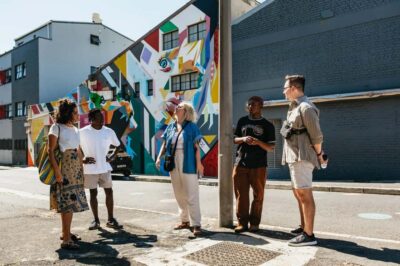
Cape Town: Street Art Walking Tour in Woodstock
Read our review →

Cape Town Walking Tour: Bo-Kaap & City Highlights
Read our review →
Browse the lists this tour appears in