
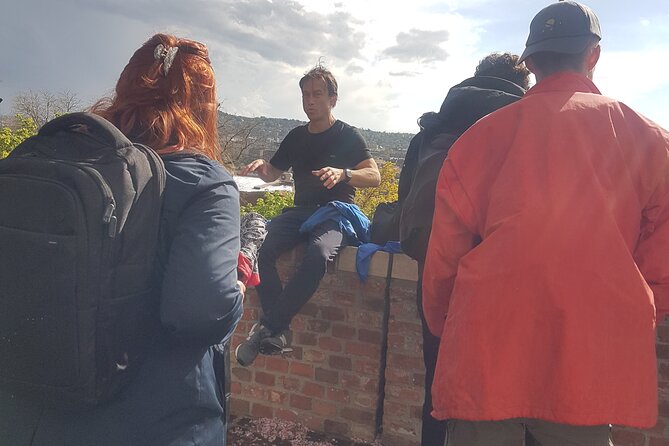
Review · BUDAPEST
Budapest: Castle District Walking Tour
Buda Castle Hill is much more than a grand palace and a fine view. In two hours, this walking tour connects royal buildings, war damage, Jewish and Ottoman history, odd little statues, underground defenses, and everyday life in the old district. The result is a useful first look at one of Budapest’s most layered neighborhoods.
I like the way the tour brings together the main sights and lesser-known details, from Fisherman’s Bastion and Matthias Church to the medieval Jewish Prayer House and public art mini monuments. I also like the guides’ lively approach. Rita, Gary, Boulash, Dora, Andras, and others are praised for clear explanations, humor, local suggestions, and patience with the uphill pace.
The main caution is physical: this is not a flat stroll. You’ll face a roughly 10-minute uphill walk, stairs, and several stops on uneven or sloping ground. The route is not suitable for wheelchair users, and a stroller could be awkward.
Key points to know before you book
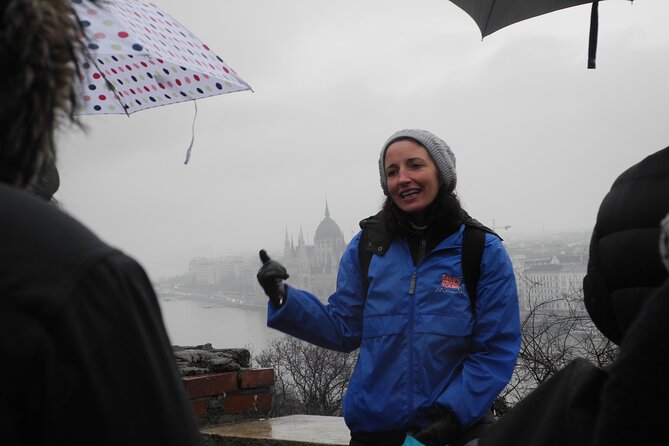
- Two hours on Castle Hill: You get a brisk introduction to the district without spending half a day finding each landmark yourself.
- A history tour with unusual angles: Expect stories about the Nazi stronghold, Ottoman rule, Jewish life, underground tunnels, Hungarian symbols, and Walt Disney’s connection to Fisherman’s Bastion.
- Strong local guiding: Guides including Rita, Gary, Dora, Boulash, Andras, Udit, Odea, Judith, and Zsolt are noted for humor, clear storytelling, and practical advice.
- A real uphill walk: The climb is manageable for many people, but you should be comfortable with stairs and a moderate level of activity.
- Low booking price, tip-based format: The advertised price is $2.27 per person, but the booking fee mainly secures your place. A tip of about €10 per person is commonly suggested.
- Best for first-time Budapest visitors: The route gives you context before you return to the church, palace, museums, or viewpoints on your own.
Starting at Batthyány tér with the best first view

The meeting point is at the Batthyány tér metro exit, about 15 meters from St. Anna Church. Look for a guide holding a royal blue flag. This is a sensible place to begin because the square sits across the Danube from the Pest side, giving you an immediate sense of how Buda and Pest fit together.
There are public toilets and a food market near the meeting point, useful if you arrive early. You should also bring water and wear shoes with a firm grip. The route soon heads uphill, so this is not the time for flimsy footwear or a heavy bag.
Your guide gathers the group and explains the route before leading you toward Castle Hill. The group can reach up to 30 people, large enough to provide energy but potentially less intimate than a small private walk. The guides generally keep the group together and pause so people can catch up.
That patience matters. Andras, for example, was praised for waiting during the climb before continuing his explanation. Rita also received credit for giving clear advice at the start and allowing people time to regroup. You should still expect a walking tour, not a slow sightseeing bus with a stop every few minutes.
More Castle and Palace Walking Tours in Budapest:
- Budapest: Buda Castle Walk with Saint Stephen’s Hall
★ 4.5 · 3,012 reviews - Budapest: Buda Castle District Walking Tour
★ 4.6 · 2,108 reviews - Budapest: 3-Hour Grand City Tour and Castle Walk
★ 4.3 · 1,437 reviews
Climbing into the Castle District
The first climb is the practical test. It takes about 10 minutes uphill, and later parts of the route include stairs. The effort is not described as extreme, but several people found the ascent challenging enough to mention it directly.
I would schedule this tour early in your Budapest visit if you are comfortable with hills. Once you understand the layout of Castle Hill, later visits become easier. You will know which viewpoints you want to revisit, which buildings deserve an interior visit, and how the old district sits above the Danube.
The climb also helps explain the hill’s defensive importance. Castle Hill was not chosen for convenience. Its height offered protection and control, while the caves and passages below gave the settlement another layer of defense.
The route is not suitable for wheelchair users, and families with strollers should think carefully. One route report specifically found the stairs difficult with toddlers and a stroller. The activity information does not give a stroller-friendly alternative, so I would choose another way to see the district if you need step-free access.
Matthias Church and the symbols of Hungarian identity
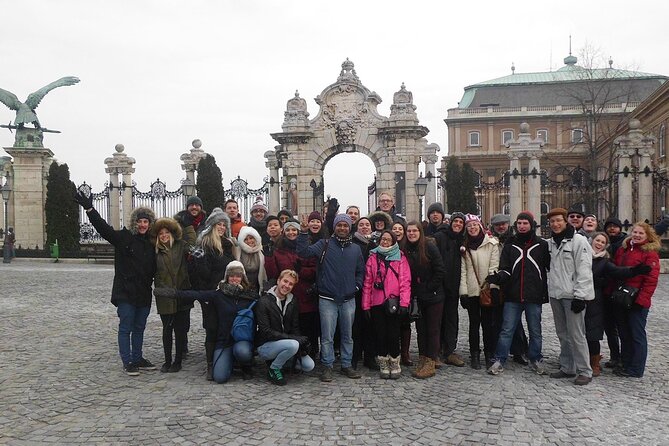
Matthias Church is one of the key stops. Its patterned roof and prominent position make it one of the most recognizable buildings on Castle Hill, but the tour’s value comes from the explanation around it.
The guide discusses the district’s changing rulers, religious life, and the meaning of Hungarian symbols. You may learn the difference between a cross with one, two, or three horizontal strips, as well as the story of the mythical bird associated with Hungary.
This is the sort of information that gives the buildings a clearer setting. Without context, you may simply see an ornate church beside a grand square. With a guide, you begin to read the symbols and understand how religious and political power were displayed here.
The tour focuses on the exterior route rather than promising an extended interior visit. That is important if seeing the inside of Matthias Church is a priority. You should treat this walk as an orientation and history tour, then return on your own if you want more time at the church.
Fisherman’s Bastion and the Danube panorama
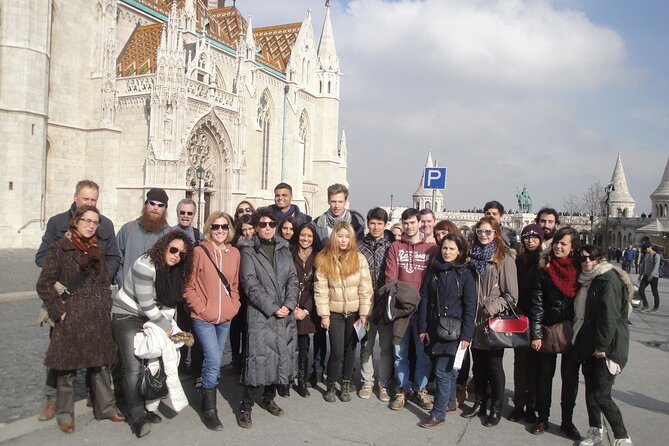
Fisherman’s Bastion supplies the tour’s classic photo stop. From its terraces, you get a broad view across the Danube toward Pest, with Budapest spread out below the hill.
The guide explains the structure, its role in the Castle District, and its connection to Walt Disney. That detail gives the stop a lighter touch and helps break up the dates, wars, and political changes.
The terraces can be busy, and a two-hour group walk does not guarantee unlimited time for photographs. One four-star assessment specifically wished for more free time at the top of the castle. If you want carefully composed pictures or a long pause with the view, plan to return later.
Still, the viewpoint is one of the strongest parts of the route. It lets you connect the historic hill to the modern city. You see why Castle Hill remains one of Budapest’s essential stops, even after centuries of rebuilding.
More Walking Tours in Budapest:
- Big Bus Budapest Hop-On Hop-Off Bus and Walking Tour
★ 3.5 · 2,206 reviews - Budapest City Landmarks Walking Tour in 2 Hours
★ 5.0 · 2,048 reviews - 3-Hour Orientation Walking Tour of Buda and Pest
★ 4.8 · 1,834 reviews - Budapest Historical Sightseeing – Free Walking Tour
★ 5.0 · 1,302 reviews
Royal Palace, presidents, and the scars of war
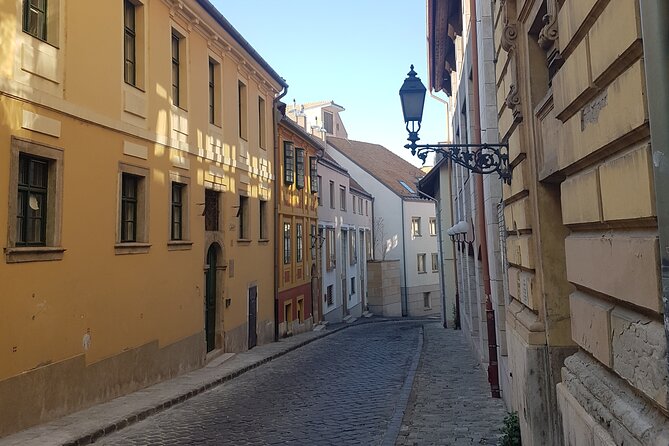
The route continues through the area of the Royal Palace, once the residence of Hungarian kings. The building has been rebuilt several times after war damage, so the palace is not simply a preserved royal home. It is also a record of destruction, reconstruction, and changing political power.
Your guide explains where the president’s and prime ministers’ offices are located and points out the Turul, the mythical bird of Hungarian tradition. These details make the palace area more than a grand façade. You get a sense of how the old royal center remains tied to present-day government.
The tour also addresses the massive destruction caused by the Second World War. You learn where the Nazi stronghold was and how the district was affected. This is one of the more serious parts of the walk, and it adds needed balance to the beautiful views and decorative buildings.
I value this section because Castle Hill can look polished and romantic from a distance. The guide reminds you that the district has been damaged, occupied, rebuilt, and repurposed many times. The pretty streets do not tell the whole story.
Jewish, German, Hungarian, and Ottoman stories
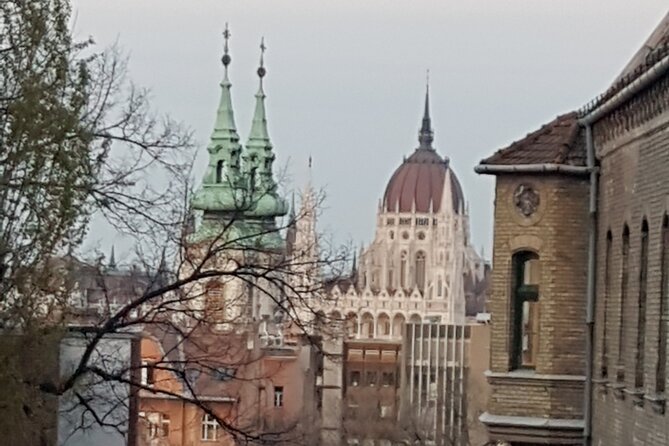
The Castle District was home to different communities, and the route makes an effort to explain daily life among German, Jewish, and Hungarian residents. That social detail is especially useful because grand monuments can otherwise make the area seem like it was built only for kings and officials.
You see the medieval Jewish Prayer House and the baroque residential buildings around it. The prayer house offers a different scale of history than the palace. Instead of focusing on royal power, it points to the religious and domestic life of people who lived and worshipped in the district.
The tour also covers Gül Baba, the Ottoman Turkish monk and soldier, and the Muslim pilgrimage site connected with him. This is a helpful reminder that Budapest’s past includes Ottoman rule as well as Hungarian monarchy, German influence, and twentieth-century occupation.
You also learn where wealthy Hungarians live today. That makes the route feel connected to the living district rather than locked in a museum version of the past. The old façades still have residents, offices, and official buildings behind them.
Underground passages and the life below the streets
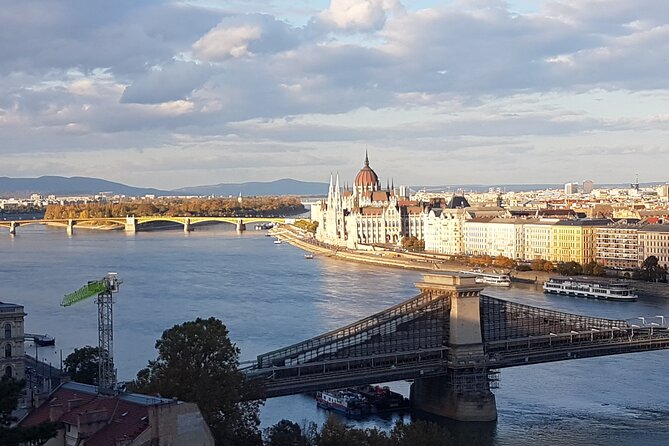
Castle Hill has a second world beneath its streets. The guide discusses the cave system, labyrinths, and their use in defense over the centuries.
The supplied details do not promise entry into every underground passage, so do not book this expecting a separate cave tour. The value here is the explanation of how the underground spaces fit into the hill’s history. You learn that the district’s defensive design was not limited to walls and lookout points.
This part also helps explain why the hill has endured so many changes. Above ground, palaces and houses were damaged and rebuilt. Below ground, caves and corridors formed a less visible part of the settlement’s protection.
If underground history interests you, listen closely and ask questions. The guides are encouraged to answer questions throughout the walk, and the final part includes time for anything you did not get to ask earlier.
Mini monuments, statues, and the lighter side of the walk
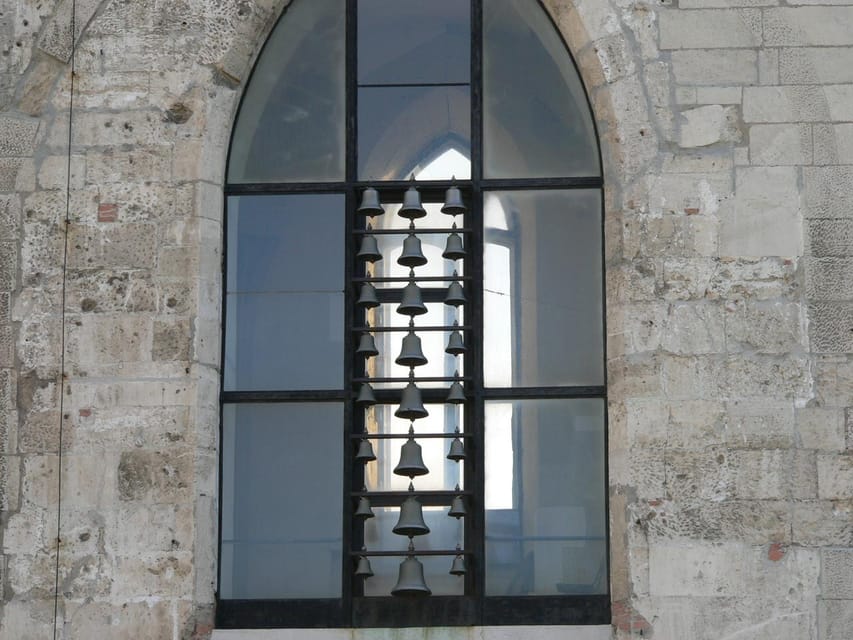
The tour is not all wars, dynasties, and religious change. You also see small public art monuments and some of Budapest’s funniest statues.
The guide explains the huszar, the light cavalry fighters known for their womanizing reputation, along with other playful or surprising details. These stories give the walk a human scale. They also help younger members of a group stay interested when the chronology becomes dense.
The guides’ personalities matter here. Gary is praised for enthusiasm and for continuing in good spirits even in rain. Dora is described as warm, funny, and well prepared. Boulash is repeatedly praised for making the history enjoyable, while Judith is noted for being personable as well as clear.
Guide quality can vary from one departure to another because the named guides are not guaranteed. Still, the pattern is encouraging: the strongest part of the experience is the human explanation, not simply the act of walking past famous buildings.
How the two-hour pace works
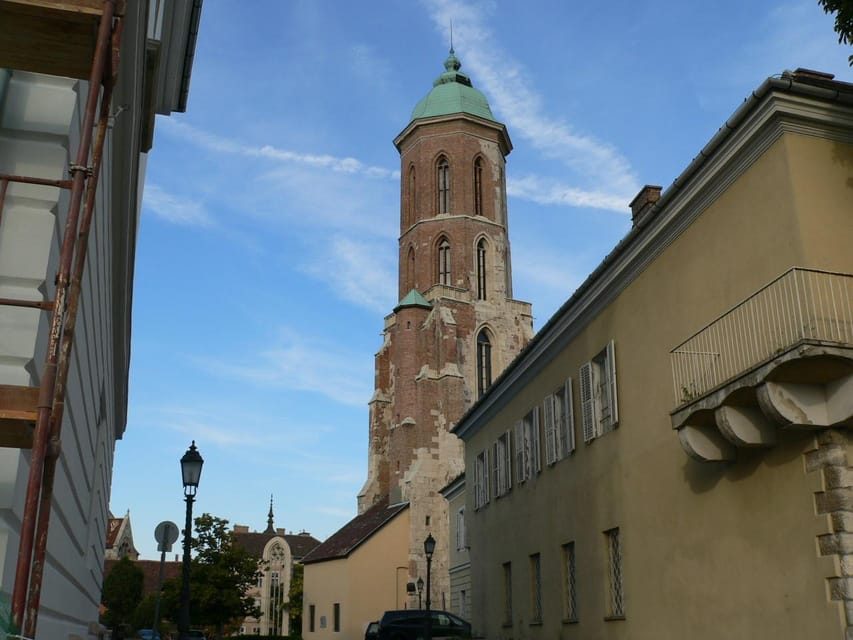
Two hours is enough for an overview, not enough for a full museum day. You will move between major sights, pause for explanations, take in viewpoints, and hear a large amount of historical information.
Odea, Udit, and Judith are praised for organizing Hungarian history into a clear sequence. That is useful because Castle Hill’s past covers roughly 800 years and includes several wars and occupations. A good guide prevents the story from becoming a heap of dates.
The pace includes uphill walking and waiting for the group to gather. You should not expect long stretches of independent exploration during the route. One person wanted more free time at the top, and that is a fair criticism for anyone who prefers photography or quiet viewing.
On the other hand, the fixed route saves time for a first visit. You do not need to search for the best terrace, work out which lane leads to the prayer house, or guess where the important political buildings are. You get the broad framework first, then choose what to explore in greater detail.
Price, tipping, and overall value
The advertised price is $2.27 per person, but this is best understood as a small booking and administration fee paid through GetYourGuide. The guide relies on tips, and the tour information suggests about €10 per person is typical, with the final amount left to you.
That makes the real cost higher than the headline figure. Even so, the value can be strong if you want a two-hour introduction to Castle Hill with historical explanation, route planning, and practical advice for the rest of your stay.
I would not compare this with a fully prepaid private tour. It is a tip-based walking experience with a group of up to 30 people. You are paying mainly for the guide’s time, storytelling, and local perspective rather than reserved entry to an attraction.
The price structure also means you should budget for the tip instead of treating the $2.27 as the entire expense. If your guide gives you clear history, answers questions, waits for the slower walkers, and offers useful restaurant or sightseeing ideas, the suggested tip is part of the expected cost.
Who should take this Castle District walk
This tour suits first-time visitors who want to understand Buda Castle Hill before exploring it alone. It is also a good match for anyone who enjoys history delivered through stories rather than reading every plaque.
You should choose it if you want:
- A clear route through the major Castle District sights
- A local English-speaking guide
- Historical context on Hungarian, Jewish, German, and Ottoman life
- Views from Fisherman’s Bastion and other terraces
- Practical suggestions for restaurants and additional places to visit
- A short introduction rather than a full-day activity
You may want another option if you use a wheelchair, need a step-free route, dislike stairs, or want extensive free time at each stop. People over 95 are specifically advised against joining, and the activity calls for moderate physical fitness.
Groups of eight or more cannot book, even if they try to reserve separately. That rule makes the tour better suited to couples, families within the permitted size, and smaller groups of friends.
Should you book the Budapest Castle District Walking Tour?
I would book this as an early Budapest activity if you can manage the uphill walk. The strongest reasons are the mix of major landmarks and less obvious stories, the panoramic stop at Fisherman’s Bastion, and the guides’ record of clear, friendly, often funny explanations.
Go in with the right expectations. You are not buying a private tour, an indoor museum visit, or a leisurely photography session. You are joining a tip-based, two-hour orientation with stairs, a group pace, and a lot of history packed into a short route.
For most able-bodied first-time visitors, that is a good trade. Take notes on the places you want to revisit, listen for the practical restaurant and sightseeing advice, and leave extra time later for Matthias Church, the palace area, or the viewpoints that deserve a slower look.
FAQ
How long does the Castle District walking tour last?
The tour lasts two hours. Starting times vary, so you need to check availability when booking.
Where does the tour begin?
It begins at the Batthyány tér metro exit, about 15 meters from St. Anna Church. Look for a guide holding a royal blue flag.
Where does the tour finish?
The activity ends back at the meeting point at Batthyány tér.
What language is the tour conducted in?
The live tour guide speaks English.
Which major sights are included?
The route includes Buda Castle, Matthias Church, Fisherman’s Bastion, the Royal Palace area, the Maria Magdalena Church Tower area, and other important buildings in the Castle District.
Does the tour include underground places?
The guide discusses the caves, labyrinths, and underground life beneath Castle Hill. The supplied information does not promise entry into every underground passage.
How difficult is the walk?
You need moderate physical fitness and should be able to complete a roughly 10-minute uphill walk. The route also includes stairs and sloping sections.
Is the tour suitable for wheelchair users or strollers?
The activity is not suitable for wheelchair users. A stroller may also be difficult because of the stairs, and no alternative step-free route is provided.
How much should I tip the guide?
The tour information suggests that many people tip about €10 per person, though the final amount is up to you. The $2.27 booking fee is paid for administration and marketing and is not the guide’s full payment.
Can a group of eight or more people join?
No. Groups of eight or more are not permitted to book this tour, even when reservations are made separately.
New routes in Budapest
- Budapest: Street Art and Underground Movements Walking Tour★ 5.0 · 365 reviews
- Jewish Quarter of Budapest Walking Tour★ 4.7 · 369 reviews
- Budapest 3-Hour Walking Tour in Italian★ 4.6 · 217 reviews
- Budapest: Walking Tour to the Shoes Memorial and Parliament★ 4.7 · 151 reviews
- Budapest: Jewish History Guided Walking Tour with Historian★ 4.8 · 205 reviews
- Budapest: Walking Tour and Photoshoot with Digital Photos★ 4.7 · 82 reviews
- Budapest: Inner City Walking Tour in German★ 5.0 · 76 reviews
- Budapest: Hungarian Cooking Class and Market Walk★ 5.0 · 91 reviews
Budapest Walking Tours, compared.
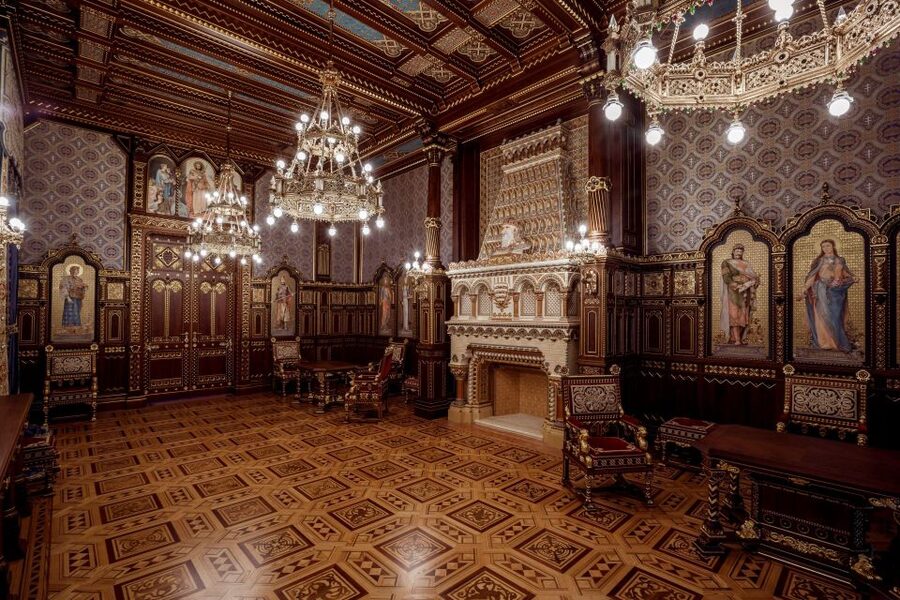

Big Bus Budapest Hop-On Hop-Off Bus and Walking Tour
Read our review →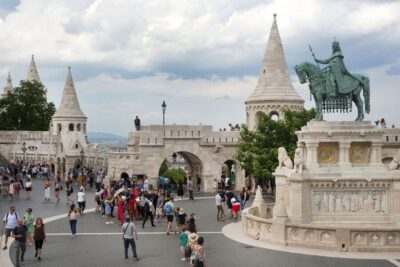
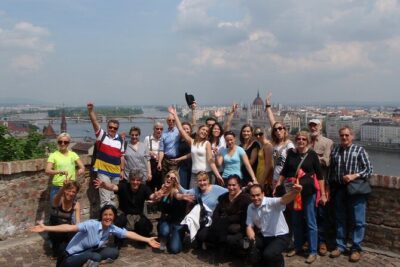
Budapest City Landmarks Walking Tour in 2 Hours
Read our review →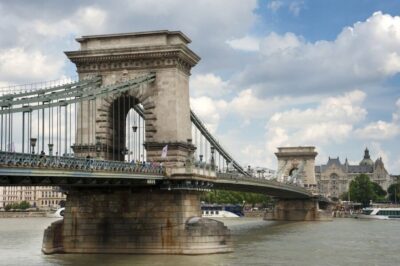
3-Hour Orientation Walking Tour of Buda and Pest
Read our review →
Budapest Historical Sightseeing – Free Walking Tour
Read our review →
Budapest All in One Small Group Walking Tour with Strudel Stop
Read our review →Browse the lists this tour appears in