
Review · OLD TOWN
Paraty: Historic Centre Walking Tour & Cachaça Tasting
Paraty’s old town is easy to admire, but much harder to understand without context. This 90-minute walk connects the crooked stone streets, churches, colonial buildings, and unusual Masonic symbols to the forces that shaped the town.
I like two things right away: the focus on Paraty itself, rather than a broad generic city tour, and the closing taste of Gabriela cachaça, a sweet local drink made with honey, clove, and cinnamon. Guides such as Thiago are praised for clear explanations and for answering questions.
The main consideration is the footing. Paraty’s historic streets can be slippery, and the walk is not suited to people with mobility or hearing impairments. Book an earlier start if you want to see the architecture in daylight.
Key points at a glance
- A focused 90-minute introduction: See the Historic Centre while learning how colonization, trade, religion, and local cultures shaped Paraty.
- Freemasonry gets real attention: The tour explains the Masonic influence on the town’s layout and buildings, a subject several visitors found especially interesting.
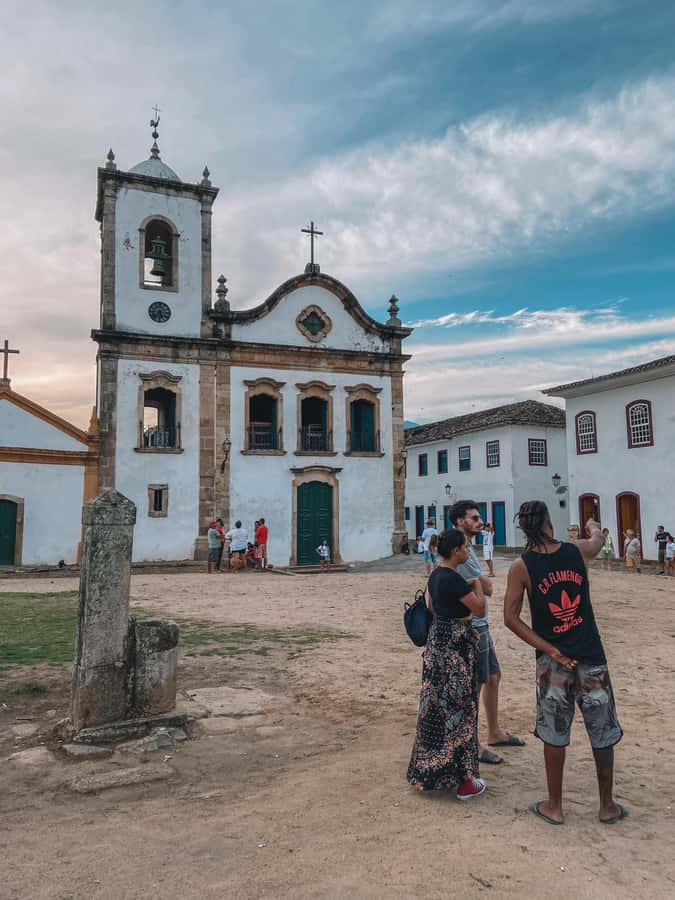
- Meet at Santa Rita Church: The tour begins in front of one of Paraty’s best-known landmarks and returns to the same spot.
- Finish with Gabriela cachaça: Taste Paraty’s sweet signature blend of white cachaça, honey, clove, and cinnamon at a local bar.
- English, Portuguese, or Spanish: You can select a live guide in one of these three languages, with private and small-group options available.
- Wear shoes with grip: Uneven, slick paving is part of the old town experience, not a minor detail.
Why a guided walk helps in Paraty
Paraty is the sort of place where you can spend an hour taking photographs and still miss the point of what you are seeing. Its Historic Centre has strong visual appeal, but the meaning sits below the surface: who built the town, why trade passed through it, and how wealth from Brazil’s inland resources reached the coast.
This tour gives you a compact framework. You hear about the original peoples of the region and the process of colonization, then move through the economic cycles tied to gold, sugarcane, coffee, and pau-brasil. That list matters because Paraty was not simply a pretty colonial settlement. Its fortunes changed as different products gained value and moved through the area.
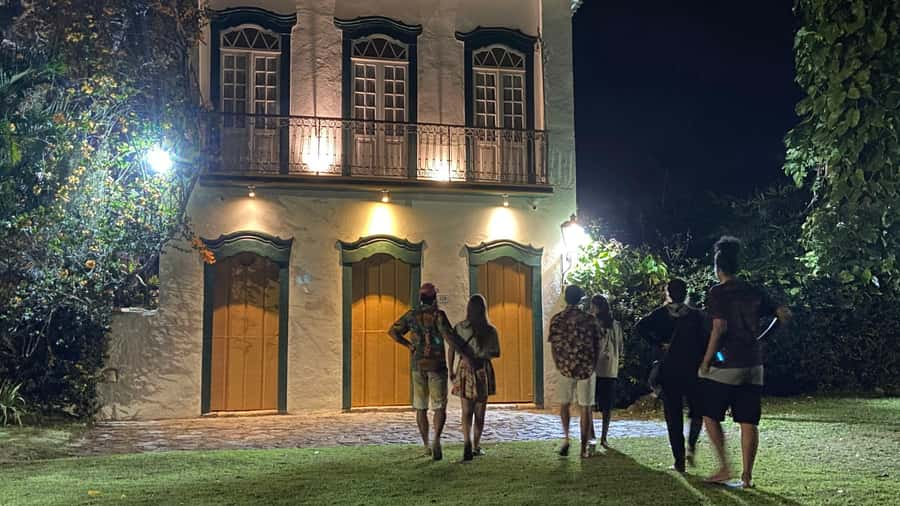
I also like that the tour includes the influence of Freemasonry. That subject is easy to miss on an independent stroll, since you may notice repeated shapes or details without knowing why they appear. The guide explains the role of Masonic ideas in Paraty’s development and points out the logic behind the town’s construction.
The strongest guide feedback centers on Thiago, who is described as passionate about Paraty and able to bring the past to life without shutting down questions. Another guide, Chaqqa, is also praised for spending extra time with guests and offering useful suggestions for the rest of a stay. Guide quality can vary from one departure to another, but the experience is designed around a local professional rather than a recorded explanation.
More Food Walking Tours in the world:
- Reykjavik Food Walk – Local Foodie Adventure in Iceland
★ 5.0 · 18,952 reviews - Ho Chi Minh City Street Food Tour & Sightseeing By Motorbike
★ 5.0 · 9,413 reviews - Little Havana Food and Walking Tour in Miami
★ 5.0 · 8,882 reviews
Starting at Santa Rita Church
You meet in front of Santa Rita’s Church at Largo de Santa Rita. This clear landmark makes the start simple, especially if you are staying near the old town and can walk to the meeting point.
The church gives the tour a suitable opening. Paraty’s religious buildings are not just decorative stops. They help explain the social and colonial structure of the town, where faith, local power, trade, and community life were closely linked.
From here, you begin walking through the Historic Centre. Expect a steady sightseeing route rather than a strenuous hike, but do not treat it like a smooth modern pavement walk. The stones may be slick, especially after rain, and comfortable shoes with good grip are strongly advised.
The tour returns to Largo de Santa Rita at the end. That is useful if you have another activity planned, since you do not need to arrange transport back from a distant neighborhood.
Reading Paraty’s stone streets
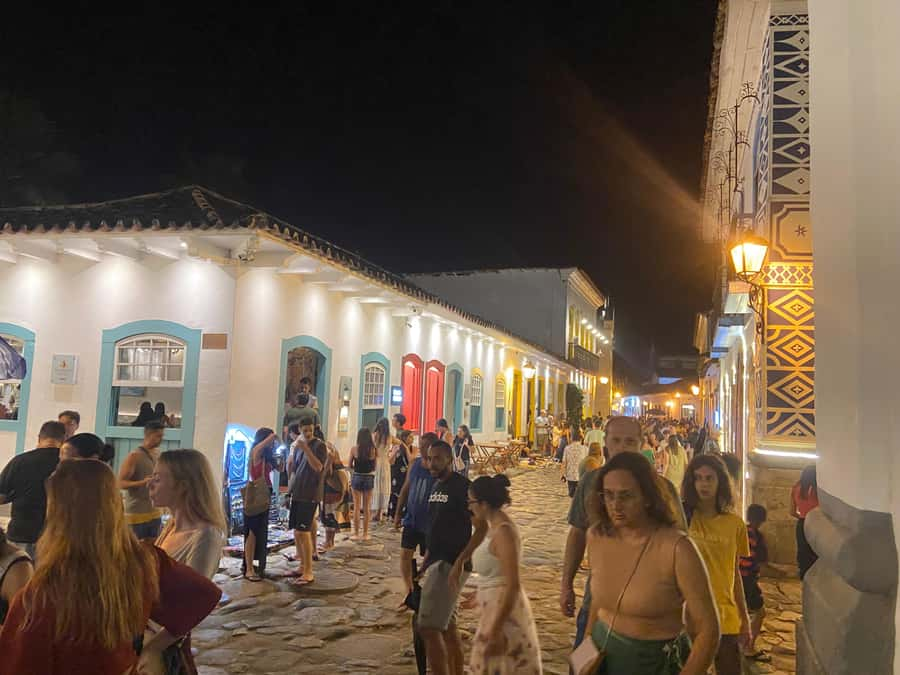
The old town’s streets are the main setting for the experience. You move through the Historic Centre while the guide explains the town’s origins, architecture, and curiosities.
This is where the tour adds value over a self-guided walk. You can see the buildings on your own, but a guide gives you reasons to pause. A doorway, street alignment, church detail, or decorative mark becomes part of a larger explanation about how Paraty developed.
The architecture is best seen in daylight. One visitor specifically noted that a later tour made it harder to appreciate some details after dark. If the appearance of the buildings matters to you, choose an earlier available time rather than assuming every departure offers the same view.
The route lasts about an hour and a half, so you will not inspect every corner of the old town. That is both a limit and a benefit. You get a manageable introduction without committing half a day, but you should not book it expecting an exhaustive architectural survey.
From Indigenous peoples to colonial trade
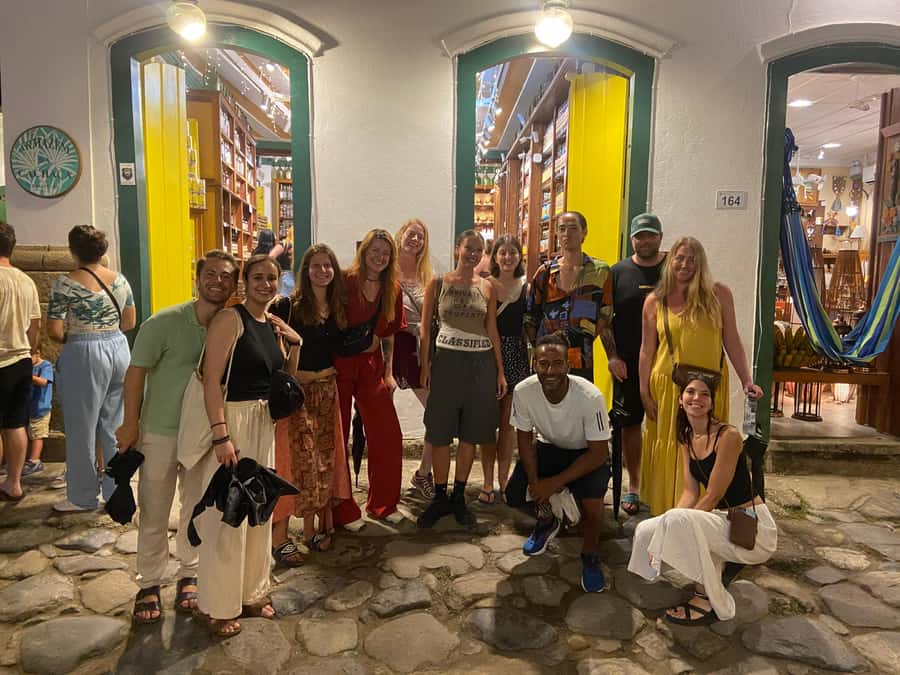
A useful part of the walk is the attempt to place Paraty’s colonial story alongside the story of the region’s original peoples. The tour covers colonization and the interaction between older local cultures and the Portuguese colonial project.
That broader frame keeps the experience from becoming a simple parade of old buildings. You learn how the town’s identity was shaped by economic interests and by the people who lived in or passed through the region.
The discussion then turns to the commercial cycles that made Paraty important. Gold, sugarcane, coffee, and pau-brasil each point to a different period of production and trade. The guide connects these products to the town’s growth, helping you understand why this coastal settlement developed the way it did.
I would pay close attention during this section if you are interested in Brazil beyond postcard scenery. The information is compact, but it gives you useful context for later visits to churches, museums, markets, and the surrounding region.
More Old Town Walking Tours in the world:
- Underground Vaults Walking Tour in Edinburgh Old Town
★ 4.5 · 8,506 reviews - Prague: 3-Hour Walking Tour of Old Town & Prague Castle
★ 4.7 · 5,696 reviews - Dubrovnik: Old Town Walking Tour
★ 4.8 · 5,174 reviews - Split: Old Town and Diocletian Palace Walking Tour
★ 4.9 · 4,727 reviews
The Freemasonry connection
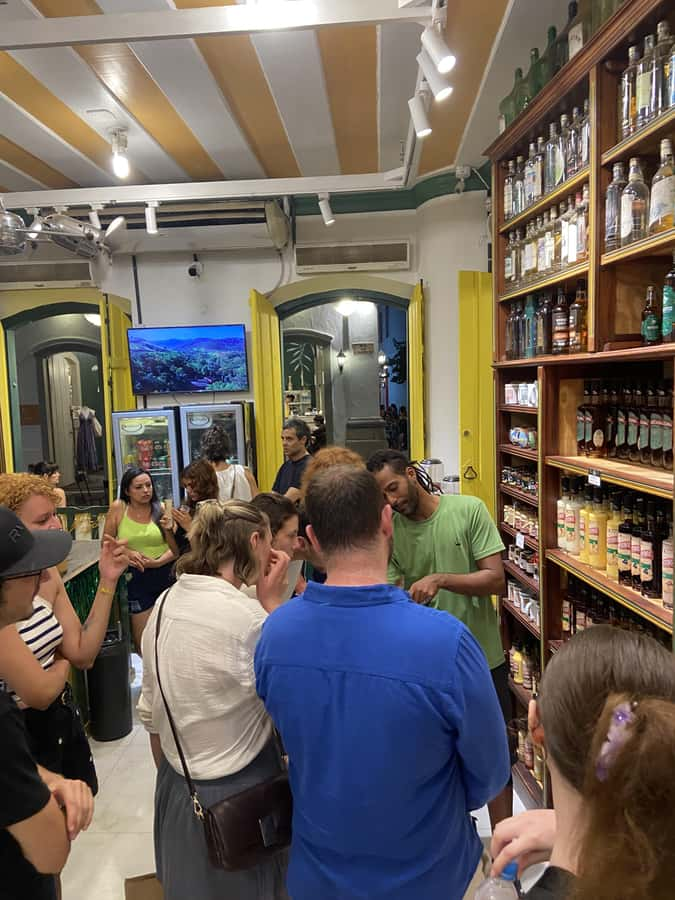
The Masonic material is one of the tour’s more distinctive features. It is not usually the first thing people associate with Paraty, which makes it a worthwhile addition to a standard old-town walk.
The guide discusses how Freemasonry influenced the development of the town and explains architectural or planning details connected with that influence. Several visitors singled out this part as especially interesting, and I can see why. It offers a different way to read the built environment.
You do not need prior knowledge of Freemasonry to follow the explanation. The point is not to turn the tour into a specialist lecture. It is to show how ideas and organizations left marks on Paraty’s streets and buildings.
This section also rewards questions. Guides such as Thiago are repeatedly praised for taking time to answer them, so speak up if you want to understand a symbol or building detail more clearly.
Ending at a local bar with Gabriela

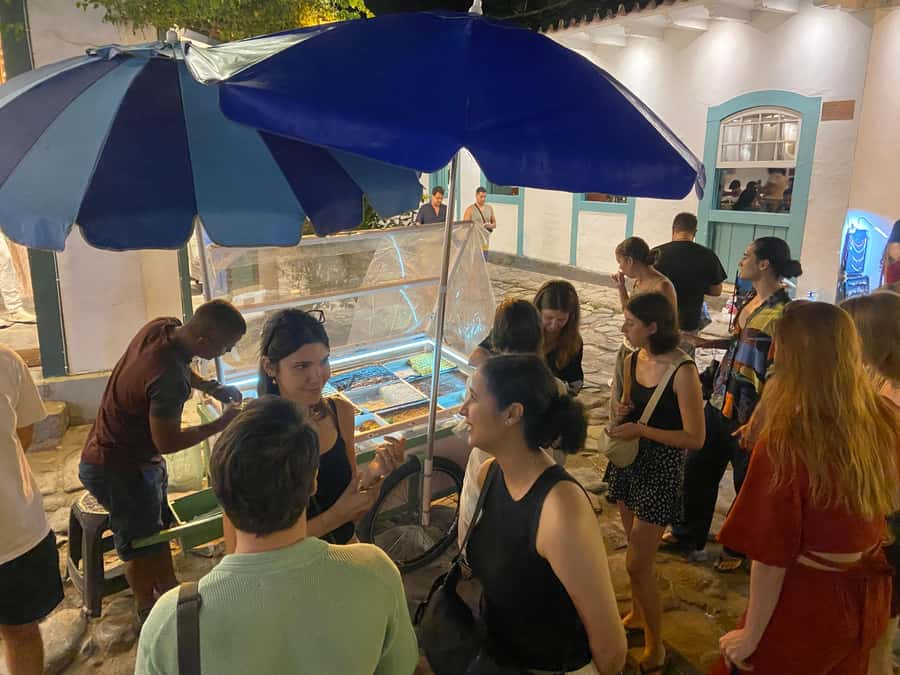
The walk finishes at a local bar, where you taste Gabriela cachaça. The tasting is included, but additional food and drinks are not.
Gabriela is a Paraty specialty made from white cachaça mixed with honey, clove, and cinnamon. It was created in honor of Jorge Amado’s novel Gabriela, Cravo e Canela, which explains both the name and the unusual flavor profile.
This is not a full food tour or a long spirits workshop. Think of it as a short local tasting that gives the tour a pleasant finish and introduces you to something strongly tied to Paraty. The itinerary also describes this stop as a wine tasting, but the specific included tasting is Gabriela cachaça.
I like the choice of ending here. You have just heard about the products and trade that shaped the town, and then you get to taste a local drink connected to its modern identity. It is a small detail, but it makes the experience feel more rooted in place.
If you do not drink alcohol, the supplied information does not specify a nonalcoholic alternative. You may want to ask the provider before booking.
What the $19 price gets you
At $19 per person, this is priced as a short introductory tour rather than a full-day cultural experience. The fee covers the 90-minute guided walk, a professional local guide, and the Gabriela tasting.
The value is strongest if you are new to Paraty and want a clear orientation early in your stay. A good guide can help you notice details you might otherwise pass, and the tour can shape how you explore the old town afterward.
The value is less obvious if you already know Paraty well or prefer to wander without a set route. One visitor felt the price was slightly high for what was included, though still considered the experience worthwhile. That is a fair assessment: the tour is short, and it does not include a meal, wider drinks package, transport, or museum admission.
Private and small-group options are available, which may make the price feel more reasonable if you want extra time for questions or a quieter pace. If you are comparing tours, check the group format and available language before booking, since those details can affect the experience more than the tasting itself.
Timing, footwear, and pace
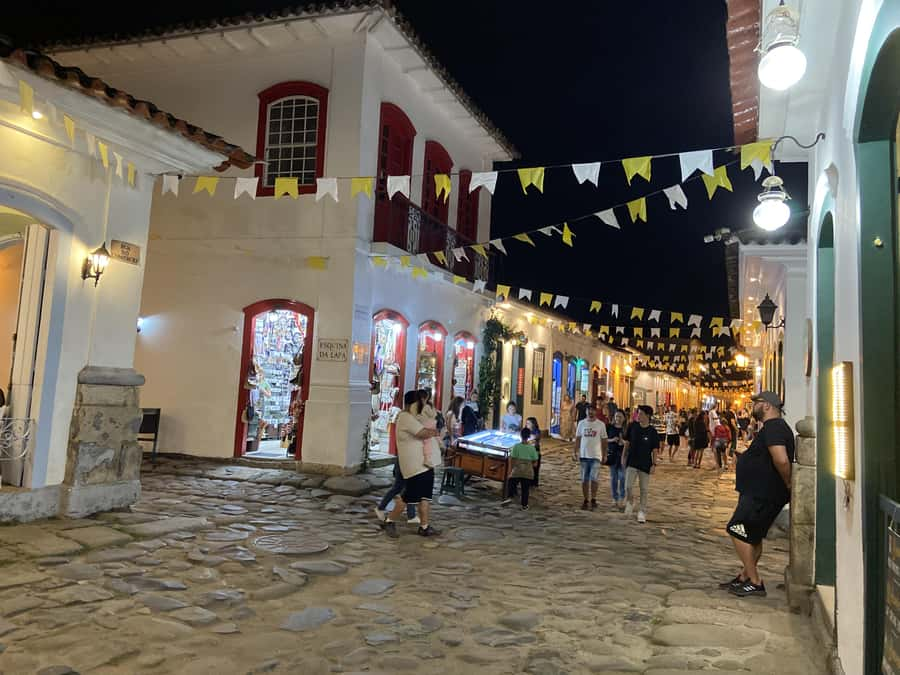
The tour lasts 90 minutes, including the walk and tasting stop. That makes it easy to fit into a short stay or place near the beginning of a day of exploring.
For the best visual experience, I would choose a departure with enough daylight to see the architecture. The old town remains atmospheric after dark, but building details are easier to understand when you can see their shapes and surfaces.
Wear comfortable shoes with non-slip soles. This is the most practical advice attached to the experience. Paraty’s historic paving can be uneven and slippery, so sandals with poor grip or smooth soles are a bad match.
Your pet is welcome, according to the activity information. You should still consider the stone streets and the pace of the group when deciding if your pet will be comfortable.
The experience is not suitable for people with mobility impairments or hearing impairments. The booking information also lists restrictions for people over 70, 75, and 95, which is not presented clearly. If age or mobility could affect your participation, confirm the current policy with the provider before paying.
Choosing your guide language and group size
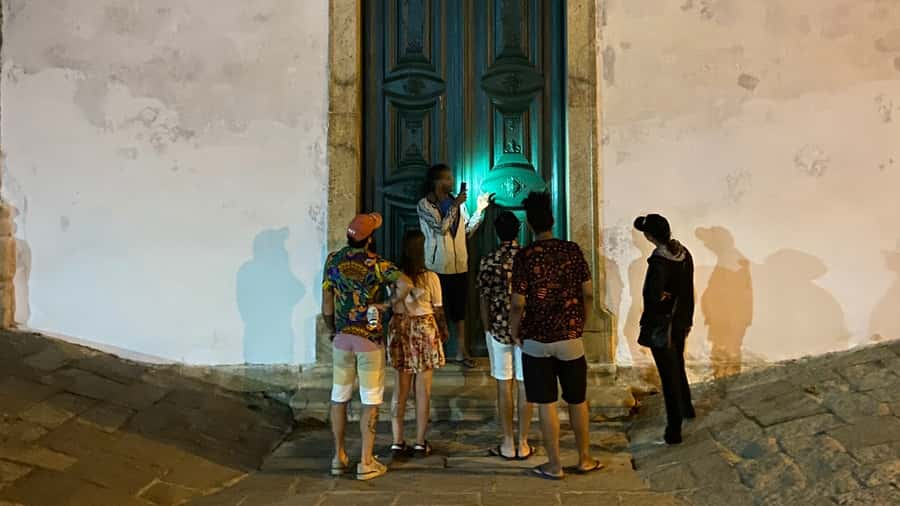
Tours are offered in English, Portuguese, and Spanish. That matters here because the experience depends on explanation, not just on following a route.
Choose the language in which you can comfortably ask questions about colonial history, Masonic details, and local traditions. If you understand Portuguese or Spanish, a local-language departure may offer a different feel, but English is available.
Private and small-group formats are also offered. A smaller group is useful if you want to hear every explanation clearly or ask several questions. A larger departure may feel less personal, though the 90-minute format keeps the group moving.
The guide names most often associated with the experience are Thiago and Chaqqa. Thiago receives especially strong praise for his passion, clear explanations, and friendly manner. Chaqqa is noted for sharing extra suggestions about Paraty beyond the formal route.
Who should book this Paraty walk?
I would recommend it to a first-time visitor who wants an efficient introduction before exploring alone. It is also a good fit if you enjoy architecture, local history, colonial trade, or unusual cultural details such as Freemasonry.
The tour suits you if you prefer a short activity with a clear beginning and end. It can also work well for a couple or small group that wants a local guide but does not want to spend an entire day indoors or on a bus.
You may want to skip it if you have limited mobility, dislike uneven paving, or want a long food and drink experience. The cachaça stop is a tasting, not a meal, and food and extra drinks cost more.
I would also think twice if you plan to arrive late in the day and care most about architecture. The walk remains useful after dark, but the buildings lose some of their visual detail.
Should you book the Historic Centre and Gabriela tour?
Book it if you want Paraty to make sense, not just look attractive. For $19, the combination of local history, Masonic details, a professional guide, and a distinctive cachaça tasting gives you a solid introduction, especially at the start of your visit.
Choose an earlier departure, wear shoes with grip, and expect a compact cultural walk rather than an all-day outing. If you prefer wandering alone, the price may feel less compelling, but the guide’s explanations can add the context that the streets cannot provide on their own.
FAQ
Where does the tour begin?
The meeting point is in front of Santa Rita’s Church at Largo de Santa Rita.
How long does the experience last?
The experience lasts 90 minutes, including the guided walk through the Historic Centre and the tasting stop.
Which languages are available?
Live guides are available in English, Portuguese, and Spanish.
What is included in the price?
The price includes the 90-minute guided walking tour, a professional local guide, and a tasting of Gabriela cachaça.
Are food and extra drinks included?
No. Food and additional drinks are not included.
What is Gabriela cachaça?
Gabriela is a sweet mixture of white cachaça, honey, clove, and cinnamon. It was created in honor of Jorge Amado’s work Gabriela, Cravo e Canela.
What should I wear?
Wear comfortable footwear with good grip, ideally anti-slip shoes. The Historic Centre’s streets can be slippery.
Can I bring my pet?
Yes. Pets are welcome on the tour.
More History Walking Tours in the world
- History and Hauntings of Salem Guided Walking Tour
★ 5.0 · 14,564 reviews - Lisbon: History, Stories and Lifestyle Walking Tour
★ 4.8 · 10,902 reviews - Boston: Freedom Trail History Small Group Walking Tour
★ 5.0 · 6,450 reviews - Historic Charleston Guided Sightseeing Walking Tour
★ 5.0 · 6,216 reviews
New routes in the world
- Baltimore Walking Foodie Tour in Fells Point★ 5.0 · 182 reviews
- Baku Oil Heritage & Old Town Walking Tour★ 5.0 · 232 reviews
- Baku Walking Tour (Old City)★ 5.0 · 127 reviews
- The Madam’s Curse Walking Ghost Tour★ 4.5 · 103 reviews
- Austin Small Group Morning Walk★ 5.0 · 412 reviews
- Austin Haunted Pub Crawl Walking Tour★ 4.5 · 232 reviews
- Austin Downtown Private Walking Food Tour With Secret Food Tours★ 5.0 · 71 reviews
- Austin Murder Walk★ 5.0 · 310 reviews
Old Town Walking Tours, compared.
Underground Vaults Walking Tour in Edinburgh Old Town
Read our review →
3-Hour Walking Tour of Old Town & Prague Castle
Read our review →
Old Town and Jewish Quarter Guided Walking Tour
Read our review →
Cartagena: Historic Center and Getsemaní Shared Walking Tour
Read our review →
Prague Ghost and Legend of Old Town Walking Tour
Read our review →
Browse the lists this tour appears in