
Review · TBILISI
Tbilisi: Old Town Walking Tour – Must-See Attractions
Tbilisi’s Old Town is compact on a map but full of steep lanes, churches, courtyards, balconies, and stories layered across centuries. This three-hour walk links the city’s best-known sights with less obvious corners, giving you a useful first look at the Georgian capital without spending your first day figuring out the layout alone.
I like the way the tour combines major landmarks with ordinary Old Town streets, rather than treating the city as a string of photo stops. I also like the small-group format, limited to 10 people, and the option to book privately. The main consideration is physical: this is a proper city walk with uneven paving and uphill sections, especially around Narikala Fortress.
Key points at a glance
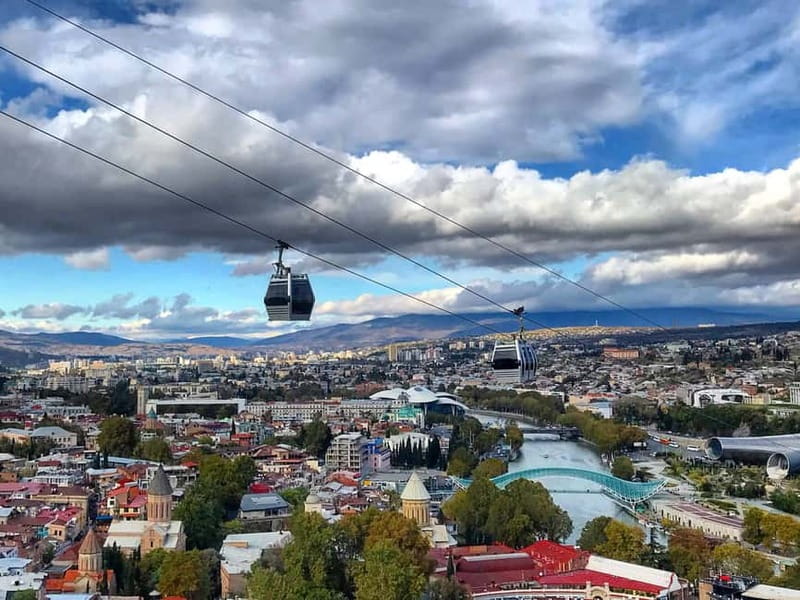
- Three hours through central Tbilisi: Cover churches, squares, the Bath District, Narikala Fortress, and the Peace Bridge in one well-packed introduction.
- A guide-led history lesson: Expect stories about Georgian culture, Soviet-era changes, religion, architecture, and daily life.
- Narikala views: The fortress and Mother of Georgia provide some of the tour’s best city panoramas.
- A genuinely mixed city: See a synagogue, Armenian church, and mosque alongside Georgian Orthodox churches.
- Small groups or private touring: Groups of 10 or fewer make it easier to ask questions and adjust the pace.
- Bring sturdy shoes: The route includes slopes and uneven surfaces, and large bags are not allowed.
Why this is a smart first walk in Tbilisi
I would place this tour near the beginning of a Tbilisi stay. It gives you a working map of the Old Town, introduces the city’s main symbols, and leaves you with practical ideas for food, wine, shopping, and further sightseeing.
The route also helps explain why Tbilisi feels so different from one street to the next. Georgian Orthodox churches sit near a synagogue, an Armenian church, and a mosque. European-style squares meet Oriental-influenced lanes. Old walls and medieval buildings appear beside modern structures such as the Peace Bridge. A good guide can connect these contrasts instead of presenting them as unrelated sights.
The guides listed for this experience include Oksana, Gio, Jonah, Alex, Tamar, Khatuna, Nini, Nina, and others. The strongest pattern in the feedback is their ability to explain history in plain language while keeping the walk conversational. Oksana is particularly praised for detailed explanations, flexible routing, and restaurant recommendations. Gio and Jonah are often noted for humor, local knowledge, and help with photographs.
At $16 per person, the tour offers strong value if you want orientation and context, not just a walk between buildings. Entrance fees are included, though the one-way cable-car ride costs an additional 2.5 GEL. The final price can change with the date, season, group size, and discounts, so treat $16 as a commonly displayed starting price rather than a guarantee.
More Old Town Walking Tours in the world:
- Underground Vaults Walking Tour in Edinburgh Old Town
★ 4.5 · 8,506 reviews - Prague: 3-Hour Walking Tour of Old Town & Prague Castle
★ 4.7 · 5,696 reviews - Dubrovnik: Old Town Walking Tour
★ 4.8 · 5,174 reviews
Meeting at Freedom Square
You meet at the entrance of the Burberry store on Freedom, also called Liberty, Square. This is a central and easy-to-recognize starting point, but arrive early. The guide will wait no longer than 10 minutes, which is not much time if you are coming from the wrong side of the square or are delayed by traffic.
Freedom Square is a useful place to begin because it represents modern Tbilisi as much as the Old Town. From here, the walk moves into older streets where the architecture changes quickly. Your guide may explain the square’s role in the city and connect it to Georgia’s more recent political and social changes.
The exact path can change because of weather, construction, or other conditions. That flexibility is useful in a city with steep streets and narrow passageways, though it means your walk may not follow the same order as another group’s tour.
Anchiskhati Basilica and medieval Tbilisi
Anchiskhati Basilica is one of the tour’s important early stops. It is described as Tbilisi’s oldest church, and its age gives you a useful starting point for understanding the city’s Christian traditions and long history as a regional crossroads.
This is not a stop to rush through for a quick photograph. Listen for the guide’s explanation of how Georgian religious buildings differ from the city’s later churches and surrounding architecture. The value here comes from context. Without it, an old stone church can look like simply another attractive building.
The walk continues toward Sioni Church and Metekhi Church, both tied to medieval Tbilisi. These sites help show how the city grew around the river, its defensive positions, and its religious institutions. Metekhi is especially important for its setting above the Mtkvari River, where the city’s hills and older neighborhoods become easier to understand.
Expect a fair amount of standing while the guide explains details. If you plan to enter churches or other places of worship, dress with care. Shorts and sleeveless tops are not allowed, and both men and women must cover their knees and shoulders.
Meidan Bazaar and the older market streets
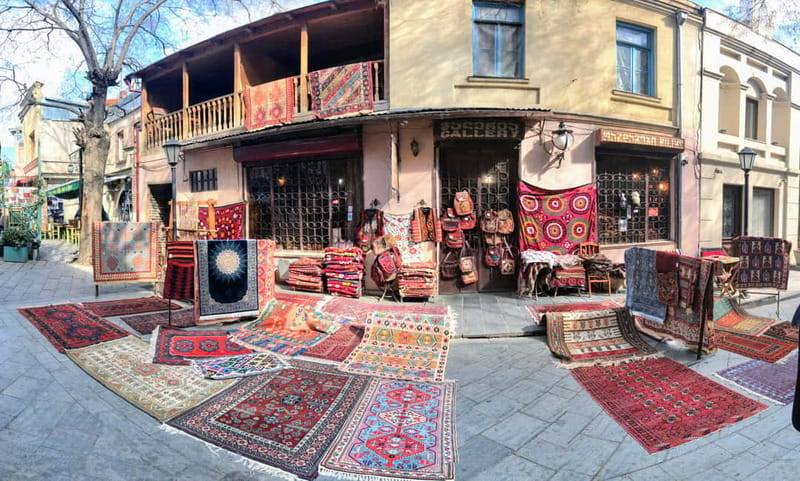
The Meidan Bazaar area gives the walk a more everyday feel. Rather than focusing only on monuments, the route passes through streets associated with trade, food, crafts, and souvenir shopping.
This part is useful if you want help deciding where to return later. Guides can point out places to eat, drink, and shop, and several guides have been praised for practical recommendations. You may also get a clearer sense of how tourist-facing streets fit into the older neighborhood around them.
The lanes can be narrow and uneven. Keep your attention on the ground as much as on the buildings, especially if you are taking photographs. Tbilisi is a city where the best view may be above your head, with carved balconies, wooden galleries, and old facades competing for attention.
More City Highlights Walking Tours in the world:
- Ho Chi Minh City Street Food Tour & Sightseeing By Motorbike
★ 5.0 · 9,413 reviews - Historic Charleston Guided Sightseeing Walking Tour
★ 5.0 · 6,216 reviews - Dublin Highlights and Hidden Gems Guided Walking Tour
★ 5.0 · 6,020 reviews - Vienna: Guided Walking Tour of City Center Highlights
★ 4.7 · 4,989 reviews
The Bath District and its waterfall
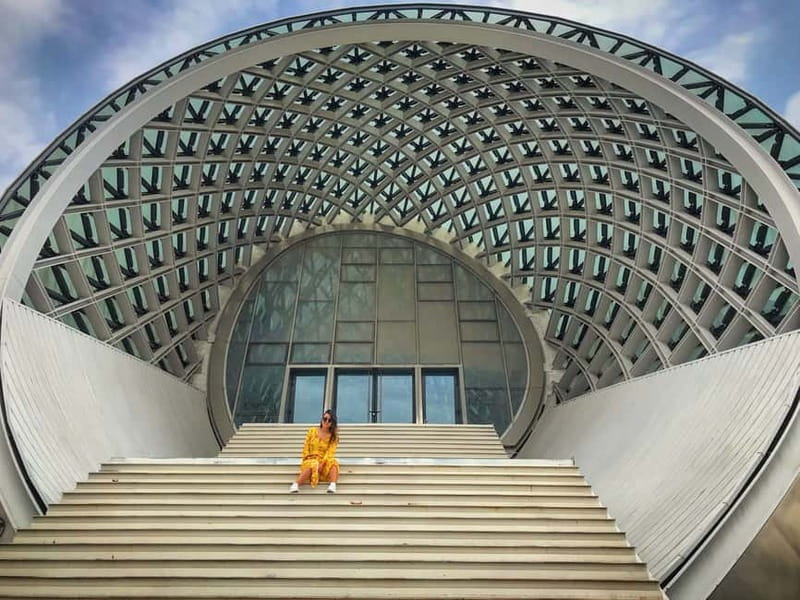
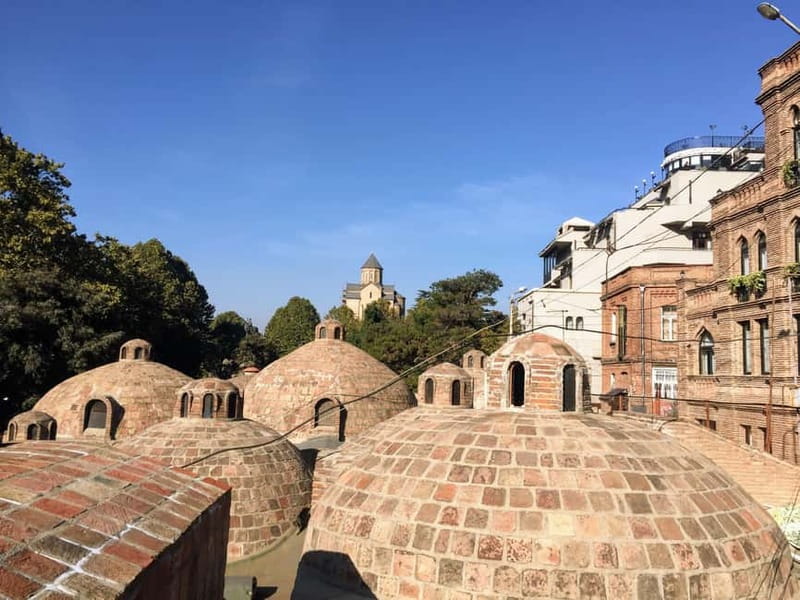
The historic Bath District is one of Tbilisi’s most distinctive areas. The name comes from the city’s hot springs, and the district’s buildings, domed bathhouses, and narrow streets offer a different mood from the churches and open squares earlier in the walk.
The tour also reaches a waterfall in this area. It is an unexpected sight in the middle of the city and makes a welcome change from architecture and history. The approach may involve damp or rough surfaces, so comfortable shoes matter here.
This stop is also a good example of why a local guide helps. A guide can explain how the district fits into Tbilisi’s identity and can help you return later if you want to use one of the baths. One participant arranged a bath after the walk and had the route adjusted accordingly, showing that the guides may be able to make small changes when timing allows.
Do not expect a quiet nature walk. The waterfall is in a historic urban district, and the surrounding streets may feel crowded or busy at times. Still, it is one of the more memorable moments on the route.
A synagogue, Armenian church, and mosque
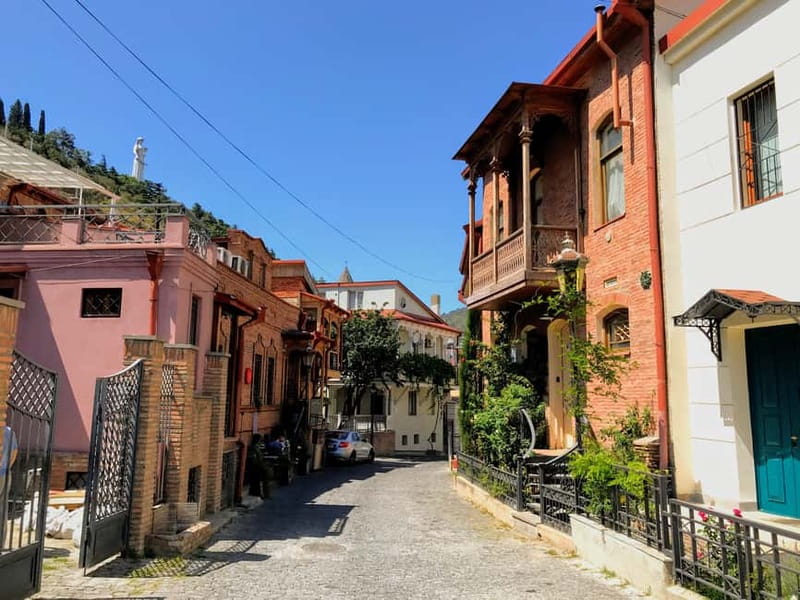
Tbilisi’s religious mix is one of the most valuable parts of this experience. The walk includes a synagogue, an Armenian church, and a mosque, along with Georgian Orthodox churches.
These stops show that the city cannot be understood through one religious tradition alone. Tbilisi has long been shaped by different communities, languages, and empires. Your guide can help you see how that variety appears in the streets and buildings, not just in a history book.
Access inside places of worship may depend on current conditions, services, dress, and local rules. The tour information confirms that entrance fees are included, but it does not guarantee that every interior will be open at every moment. Follow your guide’s instructions and dress modestly from the start.
Narikala Fortress and the Mother of Georgia
The walk up toward Narikala Fortress is the tour’s biggest physical challenge and one of its biggest rewards. The fortress sits high above the city, so you earn the views with an uphill route and uneven ground.
From this height, Tbilisi’s layout begins to make sense. You can look across the old rooftops, the river, the surrounding hills, and the newer parts of the city. It is an ideal place for photographs, and guides often help with angles and group pictures.
The famous Mother of Georgia statue is nearby. She represents hospitality and resilience, and your guide will explain why she has become such a familiar symbol of Tbilisi. The combination of fortress walls, statue, and city view gives this section more than a standard sightseeing stop. It connects the city’s defensive past with its modern identity.
The route may use the cable car for one section. A one-way ride costs 2.5 GEL and is not included in the tour price. Some departures have included a cable-car ride to the upper area, while the advertised arrangement leaves this cost separate. Ask your guide at the start how your group will handle this part.
If steep ground is hard for you, this is the section to think about most carefully. The tour is not recommended for people with mobility impairments, wheelchair users, or those bringing baby strollers. A child with an injured leg was accommodated carefully on one tour, but that kind of support should not be treated as a substitute for easy access.
The Puppet Theatre clock tower
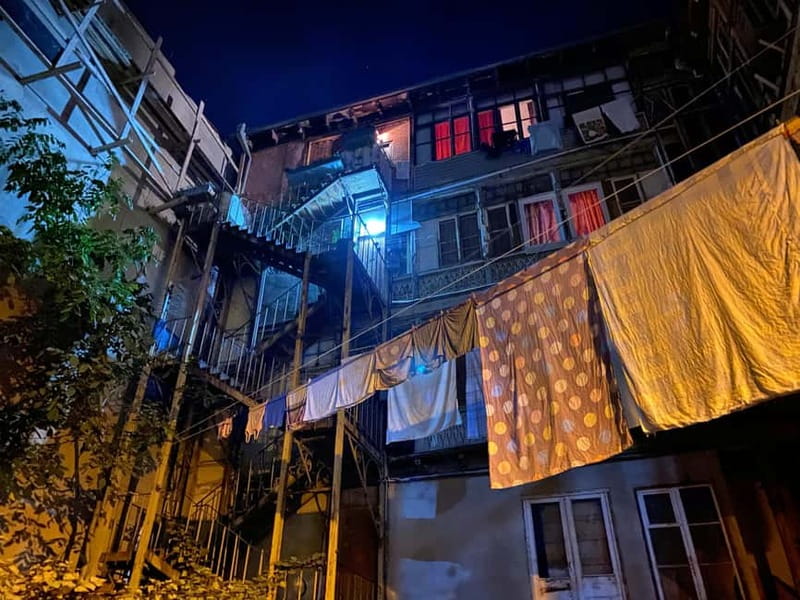
The Puppet Theatre clock tower is one of Tbilisi’s most unusual landmarks. Its playful design gives the route a lighter moment after the churches, fortress, and religious history.
It is also a good photo stop. The tower is distinctive enough to remember, and a guide can explain how it fits into the city’s modern cultural life. You will not spend a long time here, but it adds variety to the walk and keeps the route from feeling like a procession of formal monuments.
The same is true of the photo help offered by the guides. Several guides are specifically praised for finding good angles and taking pictures. If you are traveling alone, this is a practical benefit rather than a minor extra.
The Peace Bridge and old meets new
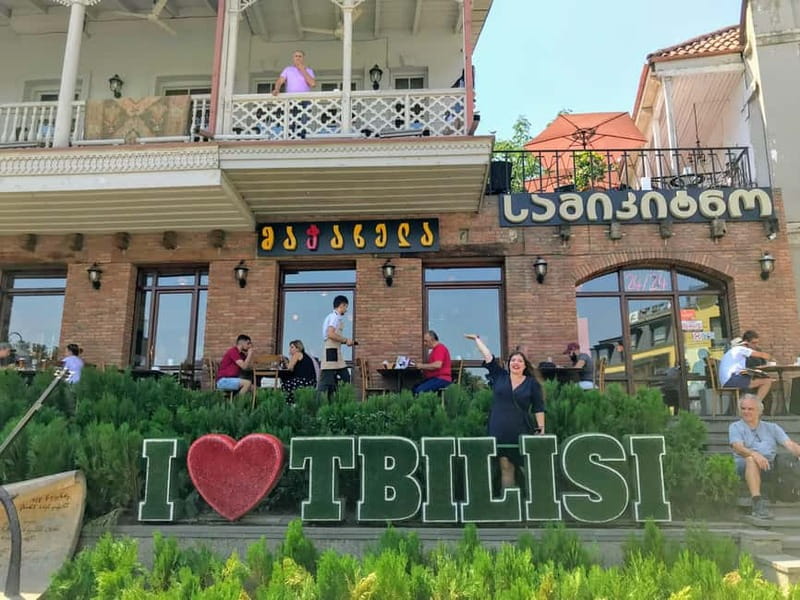
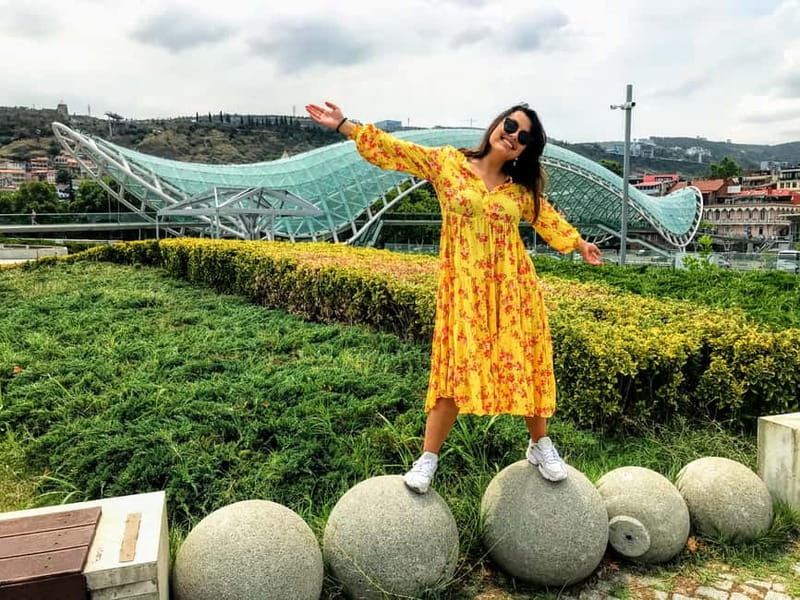
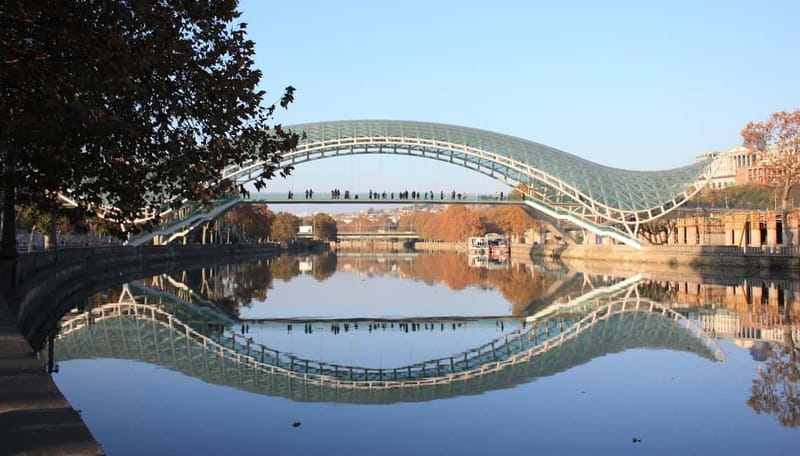
The Peace Bridge provides a clear contrast with the older parts of the route. Its modern design crosses the Mtkvari River and represents a newer version of Tbilisi, one that is more polished, international, and outward-looking.
After walking through medieval churches, old market lanes, and the Bath District, the bridge helps you see how quickly the city changes. It is a useful place to ask your guide about present-day Tbilisi, recent development, and how modern construction fits beside older neighborhoods.
The bridge is also an easy place to take photographs, especially when you want a different view from the high panorama near Narikala. The tour gives you both perspectives: the city from above and the city at river level.
Pace, group size, and guide style
Three hours is enough time to cover a lot, but the route is full. You should expect continuous walking, stops for explanations, and uphill sections. One participant described it as a real city hike, which is a fair warning for anyone expecting a gentle stroll.
Small groups of 10 or fewer make a real difference. You can hear the guide more easily, ask questions without holding up a large crowd, and sometimes adjust the pace. Private tours offer more control and may suit families, couples, or anyone with a particular interest in architecture, religion, food, or photography.
The strongest guides make the history feel like a conversation rather than a lecture. Oksana has been praised for explaining historical facts alongside current affairs and local customs. Jonah is described as relaxed, funny, and able to answer questions about architecture and religion. Gio is often noted for his manners, local insight, and ability to keep the mood easy.
Guide quality can vary from one departure to another, as it does with any guided activity. Still, the repeated praise for clear explanations, humor, patience, and local recommendations is encouraging. You are not simply paying for someone to point at buildings. You are paying for connections between them.
What to bring and what to skip
Wear comfortable shoes with good grip. Sandals or dress shoes will make the uneven streets and climb to Narikala less pleasant.
Leave large luggage and bulky bags behind. They are not allowed on the tour, and carrying extra weight through slopes and narrow lanes is unnecessary anyway.
Dress modestly for churches and other religious sites. Cover your shoulders and knees from the beginning, rather than relying on a jacket or scarf later.
Bring water and a phone or camera, though only the comfortable-shoes requirement is specifically stated. If you hope for help with photographs, let the guide know early. The route includes several strong picture stops, from Freedom Square and the Puppet Theatre tower to the fortress and Peace Bridge.
Who should book this Tbilisi walking tour?
I would recommend it most strongly to first-time visitors, history fans, solo visitors, and anyone who wants a fast but meaningful introduction to Tbilisi. It also works well for people arriving with only a few days in Georgia, since the route covers many central sights without requiring separate planning.
Families with older children may enjoy the variety, especially the fortress, waterfall, cable car option, and unusual clock tower. The physical demands may be too much for young children in strollers or anyone who cannot manage slopes and uneven paving.
You should choose the private option if you want a slower pace, have a special interest, or need more flexibility. The small-group choice is the better value if you are happy to follow a shared route and enjoy meeting other people.
Should you book it?
Book this tour if you want orientation, local context, and a strong list of first-day sights for a low price. The best parts are the mix of churches and communities, the views from Narikala, the Bath District waterfall, and the guides’ practical advice about food, wine, and later sightseeing.
Think twice if you want a flat route, lots of free time at each monument, or a tour built around interiors. This is an active city walk, and weather or construction can alter the order of stops.
For most visitors, I would book it early in the stay, wear sensible shoes, dress for religious sites, and ask about the cable-car plan when you meet at Freedom Square. It is a good way to get your bearings fast while seeing why Tbilisi is much more than a collection of old buildings.
FAQ
How long is the Tbilisi Old Town walking tour?
The tour lasts three hours.
How much does the tour cost?
The displayed price is $16 per person, though the final price can vary by day, season, group size, and promotional discounts.
Where does the tour meet?
Meet at the entrance of the Burberry store at Freedom, also called Liberty, Square.
How long will the guide wait at the meeting point?
The guide will wait no longer than 10 minutes.
Which languages are available?
Live guides are available in English, Russian, and Ukrainian.
Is the cable car included?
The one-way cable-car ride is not included. It costs 2.5 GEL.
Are entrance fees included?
Yes, entrance fees are included in the tour.
Is this tour suitable for wheelchair users?
No. The route has uneven surfaces and is not recommended for wheelchair users or people with mobility impairments.
What should I wear and bring?
Wear comfortable shoes and dress modestly for places of worship. Shorts and sleeveless tops are not allowed, and knees and shoulders must be covered. Large bags and luggage are not allowed.
New routes in the world
- Baltimore Walking Foodie Tour in Fells Point★ 5.0 · 182 reviews
- Baku Oil Heritage & Old Town Walking Tour★ 5.0 · 232 reviews
- Baku Walking Tour (Old City)★ 5.0 · 127 reviews
- The Madam’s Curse Walking Ghost Tour★ 4.5 · 103 reviews
- Austin Small Group Morning Walk★ 5.0 · 412 reviews
- Austin Haunted Pub Crawl Walking Tour★ 4.5 · 232 reviews
- Austin Downtown Private Walking Food Tour With Secret Food Tours★ 5.0 · 71 reviews
- Austin Murder Walk★ 5.0 · 310 reviews
Tbilisi Walking Tours, compared.

Tbilisi Walking Tour Including Cable Car and Traditional Bakery
Read our review →
Tbilisi:Evening Walking & Talking Tour with Wine & Boat Ride
Read our review →
Old Tbilisi Highlights Walking Tour with Wine & 10 Tastings
Read our review →Browse the lists this tour appears in