
Review · QUEBEC CITY
Quebec City: Old Quebec Historical Walking Tour
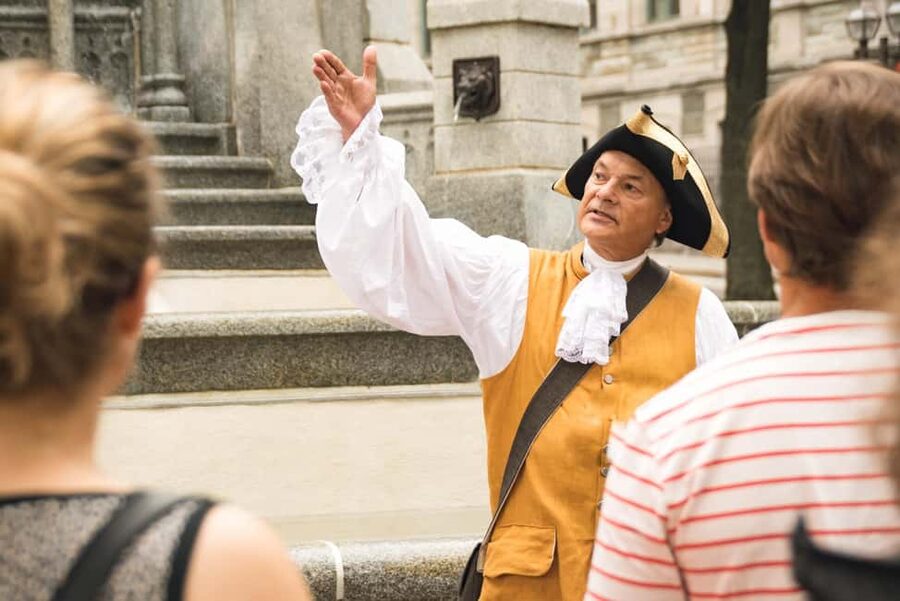
Old Quebec is easiest to understand when someone connects its steep streets, old walls, churches, and grand hotels into one story. This two-hour walk with a guide in period costume does exactly that, taking you from the cradle of French civilization in North America to the landmarks that define the city today.
I like the way the guides use character and humor without losing the facts. I also like that the route can reach corners you might miss on your own, rather than simply marching between the most photographed sights. The main drawback is physical: Old Quebec has hills and stairs, and two hours can feel brisk if you want long stops or time inside every major building.
Key points to know
- A story-led introduction: Guides present 400 years of Quebec City history through anecdotes, humor, and historical characters such as Louis Hébert, Champlain, and Pierre.
- Major sights in a compact route: Expect Place Royale, Dufferin Terrace, Notre-Dame de Québec Basilica, Château Frontenac, and winding streets in Old Quebec.
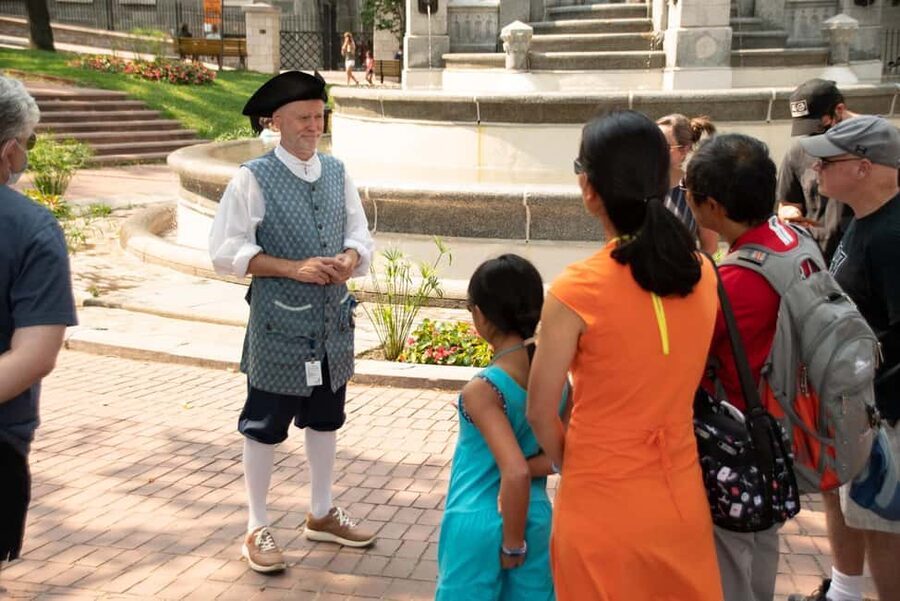
- Period costume adds context: The colonial clothing and in-character presentation make the past easier to picture without turning the tour into pure theater.
- A good first look at the city: You get political, religious, Indigenous, geographical, and settlement history in one overview.
- Walking ability matters: Comfortable shoes and clothes are essential, and the tour is not suitable for wheelchair users.
- Strong value at $24: For two hours with a licensed guide, the price is modest, especially if this is your first visit.
Why a costumed walk works so well in Old Quebec
Old Quebec is not a museum arranged behind glass. It is a working city with narrow streets, stone buildings, monuments, churches, terraces, and steep changes in level. Without context, you can admire the scenery and still miss why the city matters.
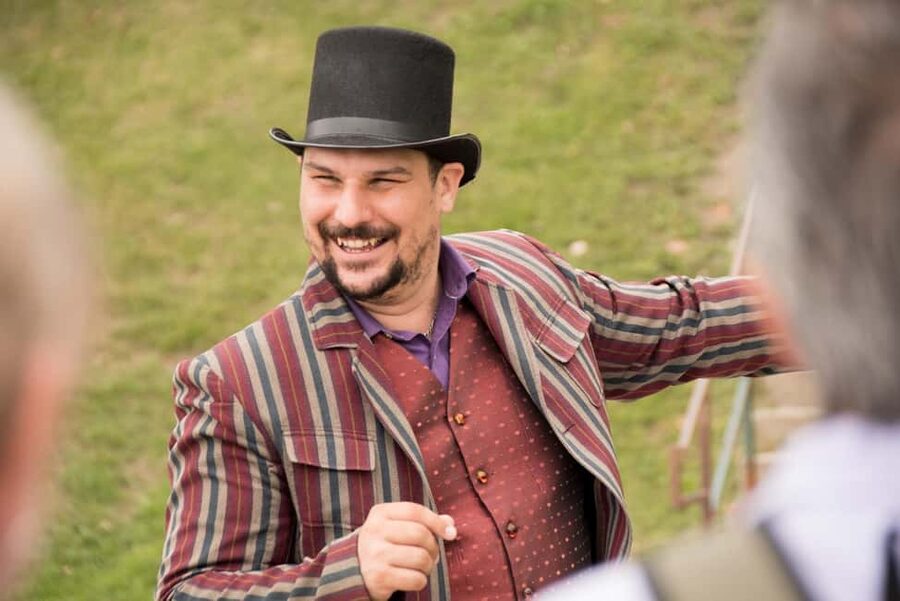
A costumed guide gives the walk a human voice. You might meet a guide presenting himself as Louis Hébert, one of the early settlers, or hear the story of Quebec through a character linked to the French colony. Guides have included Pierre, Sylvain, Bernard, Charles, Gary, Jean-Claude, Marie-Anne Barbel, and others, so the exact personality and historical role can vary.
That variety is part of the appeal. One guide may lean into theatrical storytelling, while another may offer a more direct historical explanation. The strongest guides combine both. They answer questions, adjust the pace, and connect old events to the city you see around you.
I would not book this expecting a formal lecture. The experience is closer to a walking story told by someone who knows the streets well. You may hear about religious life, settlement, political change, Indigenous perspectives, farming, geography, and modern Canada in the same outing.
More History Walking Tours in Canada
- Gastown Historic Walking Food Tour
★ 5.0 · 1,863 reviews - Vancouver: Gastown Historical Walking Food Tour
★ 4.8 · 539 reviews - Pete’s Historic Walking Tour
★ 5.0 · 321 reviews
Starting near Sainte-Anne Street
Check in at the Cicerone information Centre at 12 Sainte-Anne St., G1R 3X2, unless your booked option gives a different meeting point. Pay close attention to the address before setting out. A past booking had incorrect starting information, which caused a frustrating extra walk through an unfamiliar city.
The location puts you in the heart of Old Quebec, close to several major sights. That is useful because the tour does not waste time transferring from a distant meeting point. Still, give yourself enough time to find the centre and check in. Meeting details can vary by option.
The tour is offered in English or French. A small-group option is available, which is worth considering if you prefer to hear the guide clearly and ask questions without competing with a large crowd.
Place Royale and the beginnings of French Quebec
Place Royale is one of the most meaningful stops on the route. It is often described as the cradle of French civilization in North America, and the square helps explain why. Here, the city’s French foundations are not an abstract date in a textbook. They are visible in the architecture, street plan, and setting.
A good guide uses the square to explain how Quebec developed as a settlement and trading centre. You may hear about the early colony, the people who established farms, and the practical challenges of building a permanent French community in North America.
This is where the in-character approach can be especially effective. Historical names and dates are easier to remember when attached to a person, a decision, or a small story. Janice, for example, found that a guide portraying Louis Hébert made the story of settlement and farming easier to follow.
Place Royale is also a reminder that Old Quebec is more than a pretty collection of old façades. The buildings reflect changing uses and changing communities. Listen for how the guide explains the relationship between the square, the river, commerce, religion, and the growth of the colony.
Notre-Dame Basilica and the religious story
The Basilica of Notre-Dame de Québec adds another layer to the walk. Its exterior helps you read the importance of Catholic institutions in the city, while the surrounding streets show how religious life shaped Old Quebec.
The tour focuses on the historical setting rather than promising a long interior visit. That distinction matters. You should expect to admire the basilica and learn why it matters, but do not assume the walk provides an extended indoor tour or detailed access to every interior space.
One of the better features of this experience is its range. The guides do not treat Quebec history as only a French military or colonial story. Feedback about the walk points to religious, Indigenous, political, and current perspectives. That broader frame gives you a more useful understanding of how the city developed.
If religion is not your main interest, the guide’s storytelling keeps this section from becoming dry. The point is not simply to list church dates. It is to show how belief, power, education, and daily life were tied together in old Quebec.
Same streets, a different guide:
- Quebec City Walking Tour
★ 5.0 · 4,716 reviews - Old Quebec City: Grand Walking Tour with Private Option
★ 4.8 · 2,609 reviews - Montreal Mile End Authentic Food Tour with 7 Delicacies Tastings
★ 5.0 · 2,598 reviews - The Original Old Montréal Walking Tour by Guidatour
★ 4.5 · 2,217 reviews
Château Frontenac and Dufferin Terrace
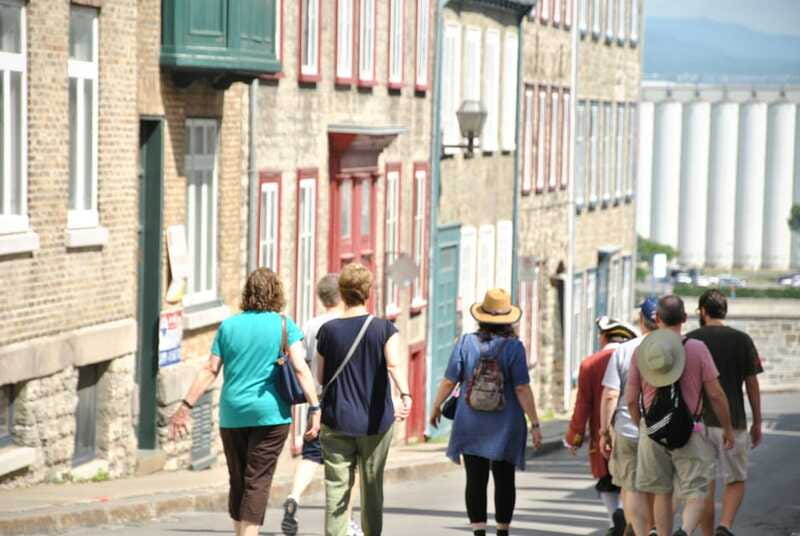
Château Frontenac is the tour’s grand visual centrepiece. Its exterior architecture is easy to admire, with its towers and imposing position above the city. The guide explains the hotel’s place in Quebec City rather than treating it as just a photo stop.
Dufferin Terrace gives you another important view of the city. It is a natural place to pause, look outward, and understand how the upper town relates to the river and lower sections of Old Quebec.
There is one limitation here: the amount of time spent at the Château and on the boardwalk may vary. One person wanted more time in these areas, which is a fair criticism if you especially enjoy architecture and views. A two-hour overview must keep moving, and the route also has several other sites to cover.
The experience includes access to exclusive areas of the Château Frontenac according to the tour information, but the exact extent of that access is not explained. I would treat this as a useful bonus, not as a full hotel tour. If seeing more of the hotel is your top priority, confirm the precise access attached to your booking option.
The streets between the landmarks
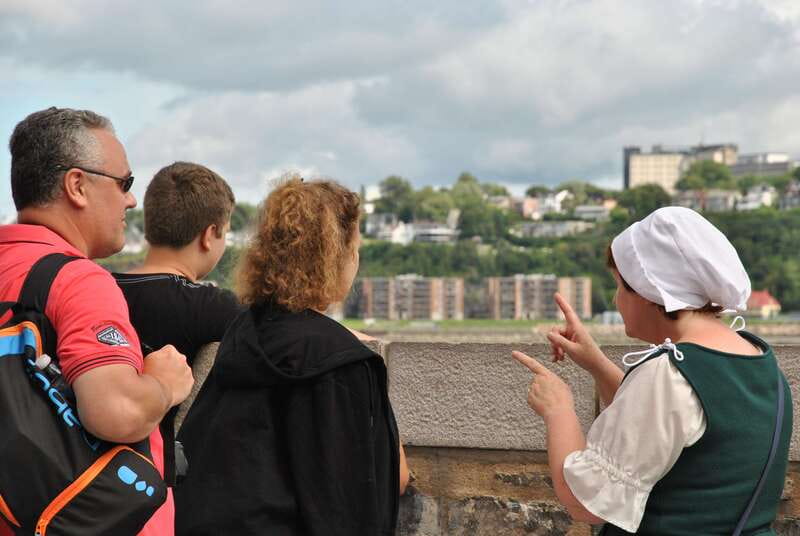
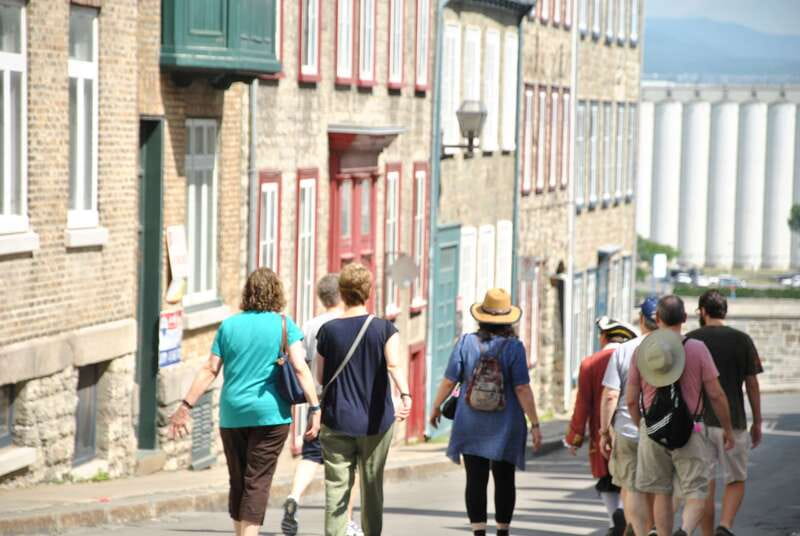
The best part of the walk may be the space between the headline sights. Guides take you off the most obvious path and point out places you might pass without understanding. That can include overlooked corners, older streets, monuments, and details in the façades.
This is where a walking tour earns its price. You are not just transported to a list of locations. You are shown how the pieces fit together. The guide can point toward a slope, building, or street and explain why it mattered.
The route covers quite a bit of ground, but several people found it manageable. One guide avoided many flights of stairs and used sloping streets instead, which helped keep the route accessible to more members of the group. That does not make the walk flat. Old Quebec still involves hills, uneven surfaces, and changes in level.
Wear proper walking shoes. Comfortable clothing is equally important, especially if the weather is poor. A past group continued through inclement weather, but that should not be taken as a promise of shelter or an indoor alternative.
How the guides shape the experience
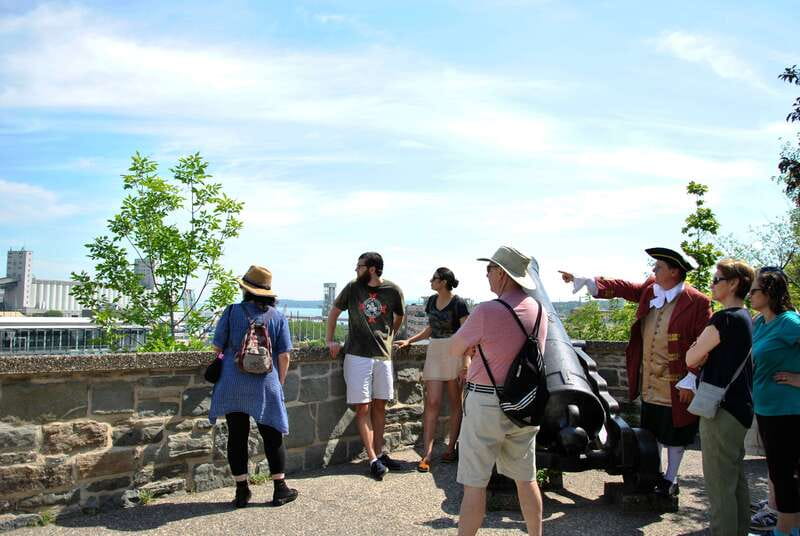
The guide matters more here than in a basic sightseeing circuit. The most praised qualities are clear presentation, humor, warmth, and the ability to answer questions. Several guides were described as entertaining without becoming excessive or theatrical.
Pierre has been praised for listening carefully and tying historical facts to the people in his group. Sylvain kept a steady pace while giving a useful overview. Bernard was noted for combining humor with solid historical detail. Marie-Anne Barbel was described as energetic and full of stories, while Kevin, presented as Champlain, was both engaging and ready to answer questions.
Those examples point to what you should expect from a good outing: not just memorized facts, but a guide who watches the group and adjusts. The walk may change pace or avoid difficult stairs when needed. It can also become more interactive when people ask about side topics.
The character element is not for everyone. If you prefer a quiet, academic tour, the costume and theatrical presentation may feel a little much. Most guides seem to use it as a doorway into the facts rather than as a replacement for them, but the tone will depend on who leads your group.
What two hours can and cannot cover
Two hours is enough for a strong introduction, not a complete study of Quebec City. You can expect a broad historical arc covering roughly 400 years, with stops at the city’s best-known landmarks and some less obvious places.
The advantage is focus. You leave with a mental map of Old Quebec and a list of subjects to explore later. Several people found the tour made them want to return and spend more time with particular stories.
The tradeoff is limited time at each stop. You may not get a long rest, a café break, a souvenir stop, or a detailed interior visit. One participant wished the tour were longer partly for these reasons, and that is useful advice for anyone who walks slowly or needs regular sitting breaks.
If you are nearing 80, have trouble with hills, or simply dislike walking tours at a steady pace, consider your stamina carefully. One participant found the final section difficult. The guide may adapt the route, but the basic demands of Old Quebec remain.
Is $24 a fair price?
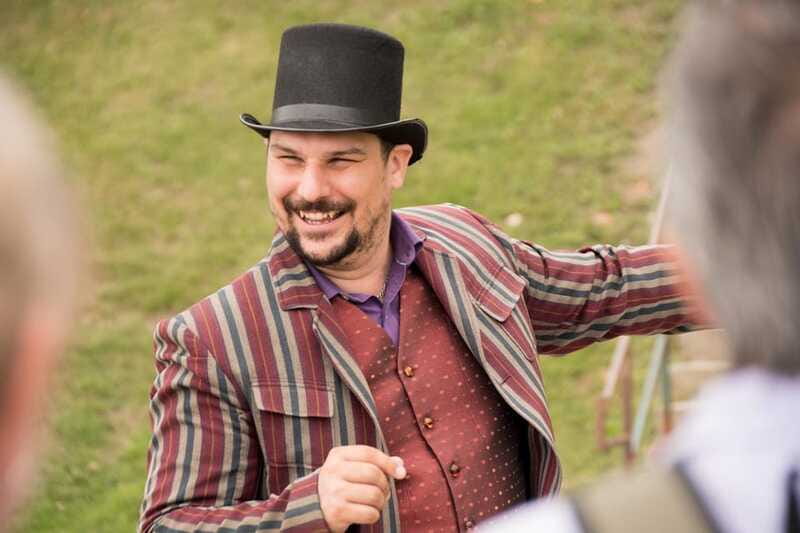
At $24 per person, this is a good-value way to get oriented. The fee includes the two-hour walk and a licensed guide in period costume. It does not include gratuity, so plan to tip if the service suits you.
You are paying for interpretation, not transportation or admission to a series of paid attractions. That distinction helps explain the value. Old Quebec is easy to stroll through for free, but it is much harder to understand on your own in a short visit.
For a first-time visit, I think the price works especially well. The guide gives you historical connections, local orientation, and a route through places you may not find by simply following a map. If you already know the city well, the value depends on how much you enjoy character-led storytelling and historical detail.
The reserve-now, pay-later option also keeps your plans flexible, and cancellation is free up to 24 hours in advance for a full refund. Those terms are useful if your schedule in Quebec City is still shifting.
Who should book this Old Quebec walk?
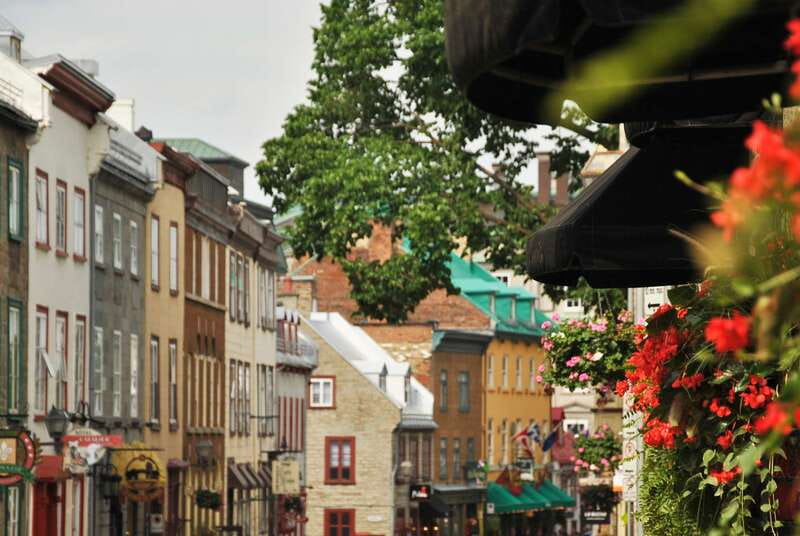
I would recommend it most strongly to first-time visitors who want a readable introduction before exploring on their own. It also suits history fans, families with older children, and anyone who prefers stories to guidebook paragraphs.
The walk is a good fit if you want:
- A compact overview of Quebec City’s past
- A guide who can answer questions in English or French
- A route that includes major landmarks and quieter corners
- Historical storytelling with some humor and theater
- A small-group format when available
I would hesitate if you use a wheelchair, need a completely level route, or want extensive indoor access at Château Frontenac and the basilica. I would also choose a longer or more specialized tour if your main goal is architecture, food, military history, or religious art.
Should you book it?
Yes, if you are new to Quebec City and want the old town to make sense quickly. The strongest reason to book is the guide-led storytelling, especially when the guide uses a historical character without letting the performance overwhelm the facts.
At $24, the tour gives you a useful first framework for Place Royale, Notre-Dame Basilica, Château Frontenac, Dufferin Terrace, and the streets connecting them. Bring good shoes, allow extra time to find the meeting point, and expect hills. If you can accept a brisk overview rather than a long stop at each sight, this is a practical and entertaining way to begin your time in Old Quebec.
FAQ
How long is the Old Quebec Historical Walking Tour?
The tour lasts two hours. Starting times vary, so check availability for the date you want.
How much does the tour cost?
The listed price is $24 per person. Gratuity for the guide is not included.
Which languages are available?
The tour is offered in English and French.
Where does the tour meet?
Check in at the Cicerone information Centre at 12 Sainte-Anne St., G1R 3X2. The meeting point may vary depending on the option booked.
Is the tour suitable for wheelchair users?
No. The tour is listed as not suitable for wheelchair users, and Old Quebec includes hills and stairs.
Can I cancel the booking?
Yes. You can cancel up to 24 hours in advance for a full refund. A reserve-now, pay-later option is also available.
New routes in Canada
- Toronto: Private Walking Tour with a Local★ 4.7 · 150 reviews
- Toronto: Dark History Nighttime Walking Tour★ 4.7 · 273 reviews
- Toronto: City Walking Tour★ 4.9 · 185 reviews
- Toronto: 2-Hour Downtown Walking Tour★ 4.4 · 101 reviews
- Toronto: Distillery District Historic Walking Tour★ 4.8 · 267 reviews
- Quebec City: Christmas Magic Walking Tour in Old Quebec★ 4.7 · 146 reviews
- Quebec City: Old Quebec Classic Walking Tour with Funicular★ 4.9 · 695 reviews
- Ottawa: Walking Tour in the Heart of the Capital★ 5.0 · 122 reviews
Quebec City Walking Tours, compared.
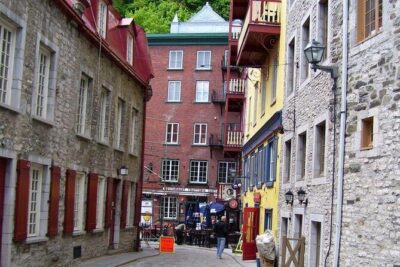

Old Quebec City: Grand Walking Tour with Private Option
Read our review →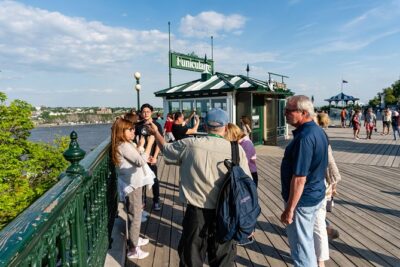
Old Quebec Classique Walking Tour with Funicular
Read our review →
Old Quebec City Food Tour with 10+ Autentic Local Tastings
Read our review →
Quebec: Crimes of New France Animated Walking Tour
Read our review →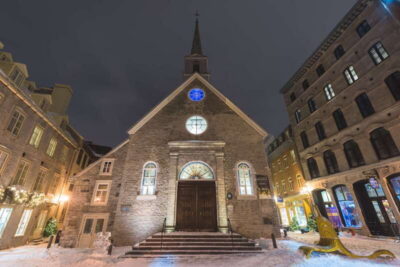
Browse the lists this tour appears in