

Review · THAILAND
Phuket: Bukit Elephant Park Sanctuary Walk and Feed Tour
Bukit Elephant Park offers the kind of elephant encounter I prefer: no riding and no bathing, just food, space, and time to watch the animals behave like elephants. You feed bananas, walk through the park, hear each animal’s story, and prepare rice balls mixed with fruit.
I like the clear focus on animal welfare, and I like that the elephants can roam across a large area rather than being led through a string of forced tricks. The main drawback is that the first banana-feeding session can feel crowded and rushed, especially when several people are trying to feed at once.
Key points to know
- Rescued elephants roam freely: The park gives the animals space to walk, eat, and follow their own routines.
- Two feeding activities: You offer bananas first, then make fruit-filled rice balls for the elephants.
- No riding or bathing: The program avoids the activities most often linked to poor elephant welfare.
- Guides explain individual stories: Guides including Siri and Jamie have described the elephants’ pasts, habits, and personalities.
- Hotel pickup is included: Shared vans collect from major Phuket resort areas, but you must wait in your lobby on time.
- A short, family-friendly outing: The 90-minute visit fits neatly into a busy Phuket itinerary.
Why Bukit feels different from a standard elephant show
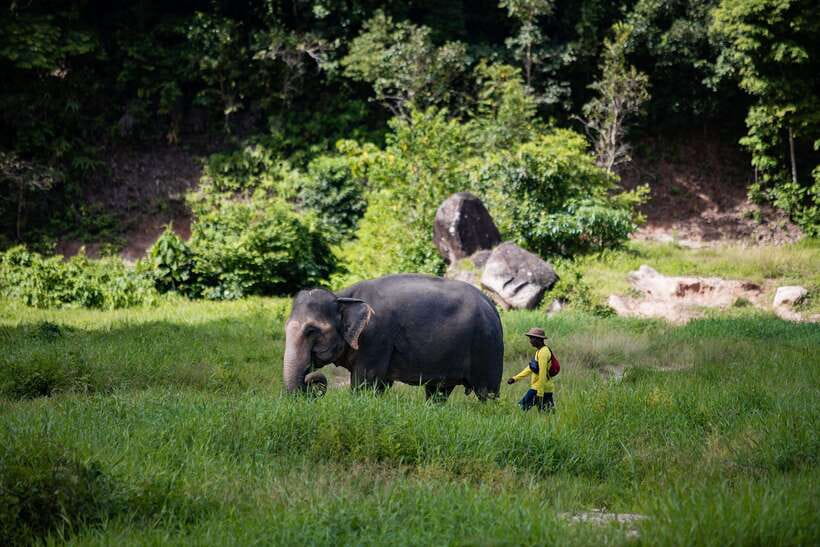
The most important detail here is what you do not do. There is no riding, no bathing with the elephants, and no demand that the animals perform. Instead, the staff explain how to feed them, where to stand, and when to give an elephant space.
That matters because elephants are powerful, social animals with strong individual habits. A responsible visit should allow the elephant to choose how close it wants to come. At Bukit, you may feed an elephant directly, but you are also expected to watch its body language and respect its boundaries.
The sanctuary works with rescued elephants, many of which spent earlier parts of their lives in captivity or in exploitative work. The guides explain where the animals came from and how their past treatment shaped their current needs. Some of these stories are difficult to hear, but they help explain why a quiet feeding encounter is more appropriate than a staged performance.
The park is described as covering about 45 acres, giving the elephants room to move around. That does not turn the place into a truly wild setting, but it is a far better arrangement than a cramped enclosure or a busy show ring. You get to see elephants eating, walking, and sometimes bathing by themselves, rather than being scrubbed for visitors.
More Walking Tours in Thailand:
- Bangkok: City Highlights Temple and Market Walking Tour
★ 4.5 · 3,990 reviews - Bangkok: Grand Palace and Wat Phra Kaew Guided Walking Tour
★ 4.4 · 2,417 reviews - Bangkok: Wat Pho and Wat Arun Guided Walking Tour
★ 4.6 · 1,720 reviews
Arriving by shared van from Phuket hotels

Pickup is included from a wide range of areas, including Phuket Town, Patong, Karon, Kata, Rawai, Panwa, Kamala, Bang Tao, Cape Panwa Hotel, Koh Sirey, Chalong, and nearby parts of the island. The vehicle is shared with other people, so this is not a private transfer.
Your pickup window depends on your area. Surin and Kamala pickups are listed around 7:50 to 8:00, 9:50 to 10:00, or 12:50 to 1:00. Patong, Kalim, Ao Por Pier, Laem Hin Pier, and Koh Sirey follow slightly later windows. Karon, Kata, Rawai, Panwa, Phuket Town, and Nai Harn are listed around 8:20 to 8:30, 10:20 to 10:30, or 1:20 to 1:30.
The practical rule is simple: wait in the hotel lobby before the stated time. The driver has other pickups to make and may leave if you are late. Provide a WhatsApp number or Thai phone number, along with your hotel name, so the operator can reach you.
The ride can be a strong part of the arrangement because it removes the need to find the park yourself. It can also add time to the outing if you are picked up early or dropped off after several other stops. If you want a private, unhurried transfer, this is not the right product.
The banana feeding session comes first
At the park, the staff provide a basket of bananas for the first hands-on activity. This is the moment when you get closest to the elephants, and it can be thrilling. An elephant’s trunk moves with surprising speed and precision, and the animals quickly learn who is holding food.
The guides explain how to present the bananas and how to keep your hands positioned safely. Pay attention here. The elephants are gentle, but they are still large animals with their own moods and appetites. Avoid crowding an elephant, grabbing at it, or assuming that every animal wants to be touched.
This part can feel a little hectic. If several people in the group are feeding at once, everyone may try to get the best photo or offer food before another elephant moves away. I would treat the first feeding as a short introduction rather than expecting a quiet private moment.
The upside is that you see the elephants at close range without a performance built around them. You can watch how they use their trunks, how they react to different foods, and how the keepers guide the group without forcing contact.
Walking through the park with the elephants
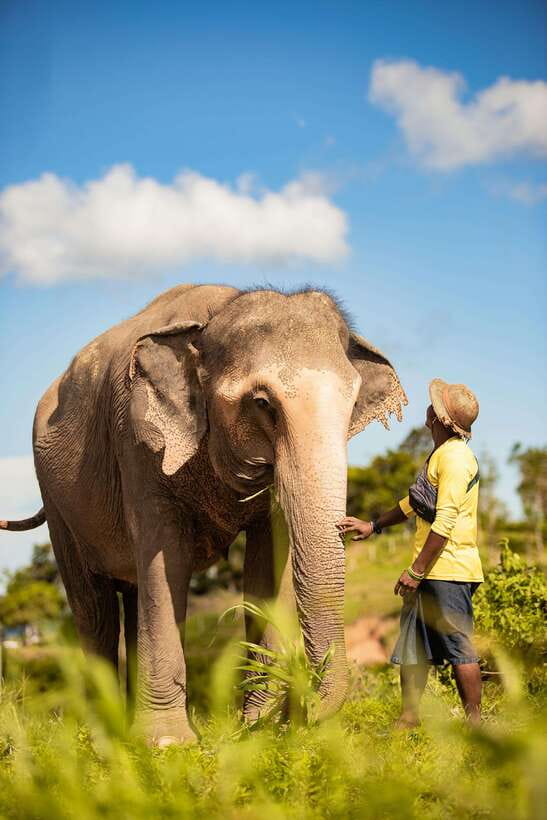
After the first feeding, the visit shifts from direct contact to observation. You walk through the sanctuary while the elephants move, eat, and follow their normal routines.
This is the most important change in pace. Once the food rush settles down, you have more room to watch the animals as individuals. A guide may introduce the elephants one by one and explain their different backgrounds and personalities. Siri and Jamie are among the guides praised for making these explanations clear and engaging, though the assigned guide can vary.
The park’s open setting gives you better context than a small photo pen. You may see an elephant pause to eat, stroll along a path, or head toward water. Rain can change the experience. On a wet day, the elephants may not mud-bathe or spend as much time in the open, and walking paths can become less comfortable.
You should bring comfortable shoes, water, a sun hat, insect repellent, and a camera. The sanctuary has provided umbrellas and rain gear when needed, but you should still dress for Phuket’s heat and sudden showers. Flash photography is not allowed, and that is sensible around animals with sensitive eyes.
Same streets, a different guide:
- Chiang Mai: 3 Hour Old City and Temples Guided Walking Tour
★ 4.6 · 1,568 reviews - Phuket:Beach walk with elephants, rain & care. 2.5 hours
★ 4.9 · 969 reviews - Bangkok Authentic Tasting Thai-Chinatown Walking Food Tour
★ 4.9 · 852 reviews - Chiang Mai: Historic Temples and City Guided Walking Tour
★ 4.7 · 650 reviews
Learning each elephant’s story
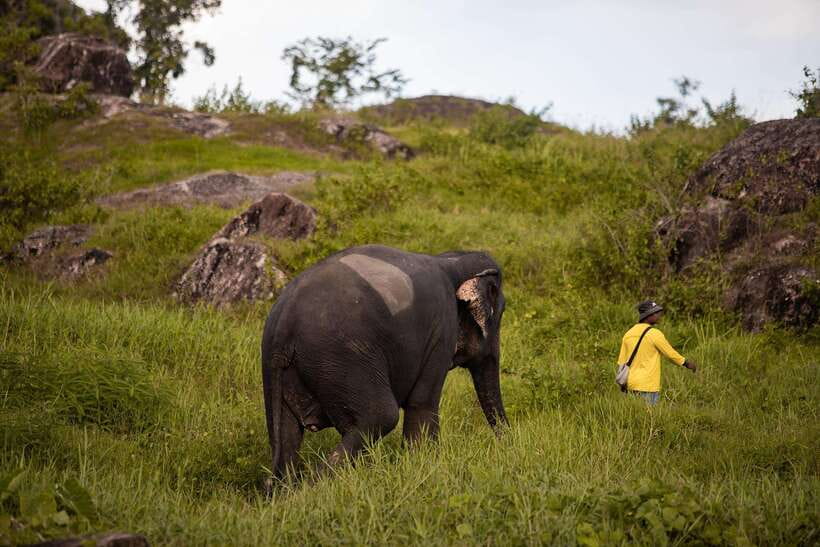
The guide’s explanation of the individual elephants is one of the strongest parts of the visit. Instead of treating the animals as interchangeable photo props, the staff explain their pasts and show you how their behavior reflects their experience.
You may hear about elephants rescued from harsh working conditions or captivity. The point is not to turn the visit into a sad lecture. It is to show why the sanctuary avoids forcing contact and why some elephants are allowed to remain at a distance.
You might be invited to interact with one elephant while another is left alone. That is a good sign. An ethical encounter does not require every animal to touch every person. If an elephant does not want to be handled, you watch it instead.
This approach also helps you read the animals better. You learn that an elephant may enjoy food but not touching, or may tolerate people nearby while preferring not to face them. The guide’s job is to explain these signals and keep the group from pushing for a closer photograph.
Making rice balls with fruit
The second feeding activity is more hands-on for you. You prepare rice balls mixed with fruit, then offer them to the elephants.
This is a simple activity, but it gives the visit a nice change of rhythm. You are not just standing in a line with a banana basket. You help prepare a treat and then watch how the elephants accept it. The rice balls are fed directly into the elephant’s mouth, under staff direction.
Families may especially enjoy this section because it is easy to understand and active without being rough or noisy. Children should still stay close to their adults and follow every instruction. An elephant’s mouth and trunk are not toys, even during a friendly feeding.
One important point is that the feeding program may change. A dated account connected with the park indicated that this activity could close around March 2026 because of changing animal-welfare rules. Since the current description still includes rice-ball feeding, check the latest program details before booking if this particular activity matters to you.
What the $51 price gets you
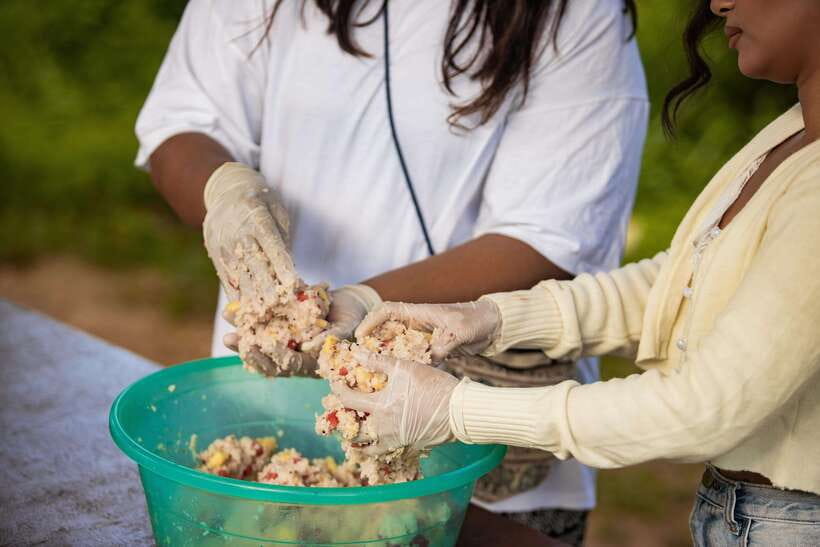
At $51 per person, the cost is reasonable if you value ethical care, a guide, hotel transport, and a short but structured visit. You are paying for more than a quick elephant photo. The price includes the guide, bananas, rice-ball preparation, feeding, access to the sanctuary, and transport from listed pickup zones.
The value depends on your expectations. If you want a full-day nature outing, a private meeting with one elephant, or a long walk through the jungle, this 90-minute visit may feel brief. The advertised park activity is only an hour and a half, although the total time from hotel pickup to return will be longer.
I see the price as fair for a first elephant encounter in Phuket, particularly because the activity avoids riding and bathing. The money also helps support the sanctuary’s rescue and care work. The park has faced pressure to relocate because development is planned on the current site, so supporting responsible care may have added importance, although you should confirm the sanctuary’s current location and plans before going.
Do not expect a full restaurant experience at the park. Refreshments such as tea, coffee, water, and umbrellas may be offered, but a full cafe or dining facility is not part of the stated package. Eat before pickup if you need a proper meal.
Who should book this experience

I would recommend Bukit for you if you want close elephant contact without riding or bathing. It suits first-time visitors who need a manageable introduction, families who can follow animal-safety rules, and couples looking for photographs in a natural setting.
It also works well on your first full day in Phuket. The activity is short enough to leave time for the beach, a town visit, or another attraction. Several pickup times make it easier to fit into a morning or afternoon plan.
You may want another option if you need wheelchair access, use an electric wheelchair, or are traveling with a baby stroller, since those items are not allowed. The activity is also not suitable for pregnant women. Alcohol, drugs, intoxication, drones, and flash photography are prohibited.
The experience is less suitable if your main goal is touching an elephant constantly. The sanctuary may limit contact with an animal that does not want it. That is exactly the point of the program, but it is worth understanding before you pay.
Useful planning details before you go
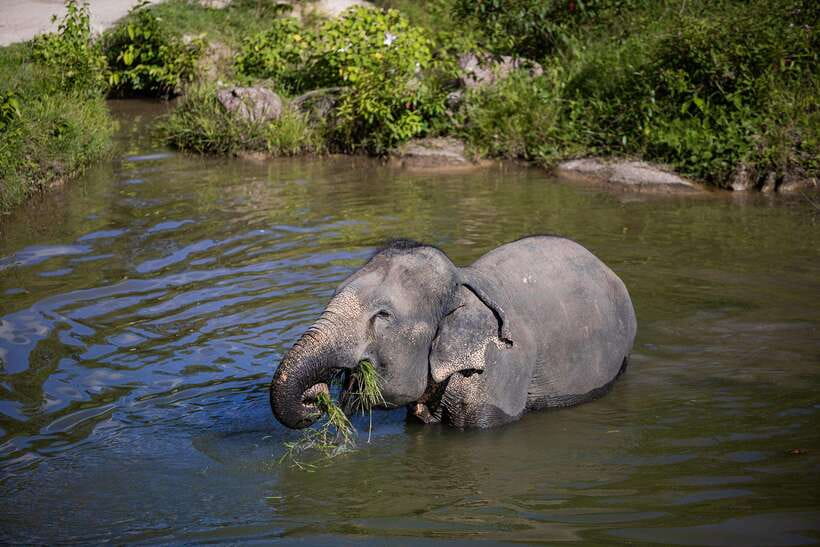
Wear shoes that can handle a walk and possible wet ground. Bring water, sunscreen or a sun hat, insect repellent, and a camera without using flash. A light rain layer is sensible during Phuket’s wet season.
English is the stated tour language. The live guide leads the group through feeding, walking, safety instructions, and the elephant introductions.
The listed rating is 4.9 from 926 reviews, and the strongest pattern is clear: people value the guides, the smooth hotel pickup, the animals’ open living space, and the chance to learn each elephant’s story. The weaker points are also useful to know: the banana feeding can feel rushed, the experience is not very intimate when the group is busy, and transport quality may vary between drivers.
Free cancellation is available up to 24 hours before the activity for a full refund, and you can reserve while paying later. That gives you some flexibility if your Phuket plans are still changing.
Should you book Bukit Elephant Park?
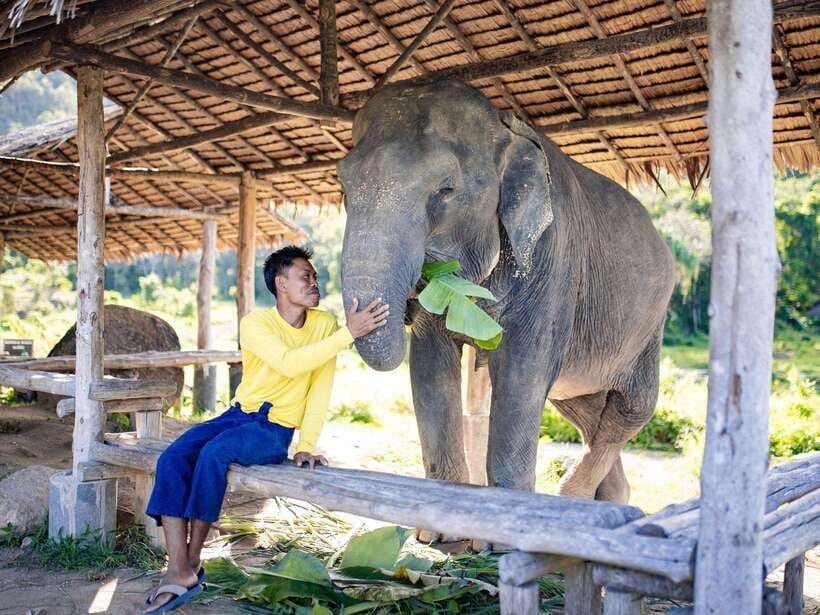
Book it if you want a short, ethical elephant encounter with feeding, personal stories, and a clear ban on riding and bathing. The strongest part is not the photo opportunity. It is watching the elephants choose how they move and interact while guides explain their needs.
Go in expecting a shared group experience, not a private meeting. The first banana session may be busy, the park can be affected by rain, and the rice-ball activity may change as welfare standards develop.
For most visitors who have only a few hours and want to support rescue work, I think the $51 price is good value. Bring patience, follow the keepers’ instructions, and let the elephants set the pace.
FAQ
How long does the Bukit Elephant Park tour last?
The guided sanctuary experience lasts 90 minutes. Hotel pickup and drop-off add extra time, depending on your location and the other stops on the shared van route.
Is hotel pickup included?
Yes. Pickup is offered from listed areas including Phuket Town, Patong Beach, Karon Beach, Kamala Beach, Bang Tao Beach, Cape Panwa Hotel, Koh Sirey, Chalong, and nearby zones.
Is the transportation private?
No. The transfer is in a shared van with other people. You should wait in your hotel lobby before the assigned pickup time.
Can I ride the elephants?
No. Elephant riding is not included and is not allowed as part of this experience.
Can I bathe with the elephants?
No. Bathing with elephants is not included. The program focuses on watching, walking, and feeding.
What food do I give the elephants?
You receive a basket of bananas and also prepare rice balls mixed with fruit. The rice balls are fed to the elephants under staff direction.
Is the tour suitable for children?
The activity can suit families, provided children follow the guides’ safety instructions and stay supervised around the elephants. Baby strollers are not allowed.
What should I bring?
Bring comfortable shoes, a sun hat, water, insect repellent, and a camera. Flash photography is not allowed.
Can pregnant women join the tour?
No. Pregnant women are listed among those for whom the activity is not suitable.
New routes in Thailand
- Local Life, Culture & Food Walking Tour at Chinatown★ 4.7 · 119 reviews
- Khao Lak: Full-Day Khao Sok Jungle Walk and Canoeing Tour★ 4.7 · 149 reviews
- Chiang Mai: Temple And City Walking Tour Part I★ 4.7 · 244 reviews
- Chiang Mai: Historic Temples and City Guided Walking Tour★ 4.7 · 650 reviews
- Chiang Mai Untouched Elephant: Nature Walk & Waterfall Trek★ 4.7 · 77 reviews
- Chiang Mai: Local Food and Markets Guided Walking Tour★ 4.3 · 175 reviews
- Bangkok: City Highlights and Landmarks Private Walking Tour★ 4.3 · 142 reviews
- Bangkok: Chinatown by Night Walking Tour★ 4.5 · 162 reviews
Thailand Walking Tours, compared.

City Highlights Temple and Market Walking Tour
Read our review →
Grand Palace and Wat Phra Kaew Guided Walking Tour
Read our review →
Chiang Mai: 3 Hour Old City and Temples Guided Walking Tour
Read our review →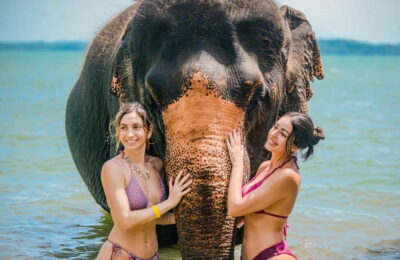
Phuket:Beach walk with elephants, rain & care. 2.5 hours
Read our review →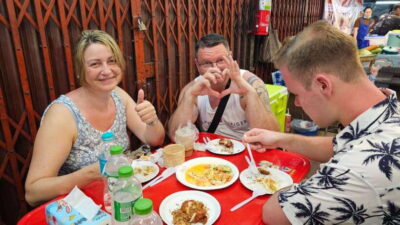
Bangkok Authentic Tasting Thai-Chinatown Walking Food Tour
Read our review →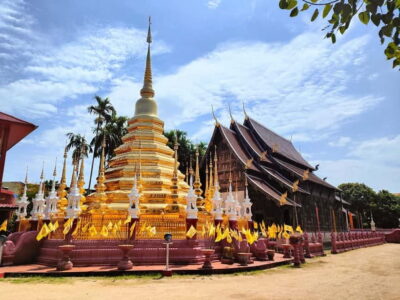
Chiang Mai: Temple And City Walking Tour Part I
Read our review →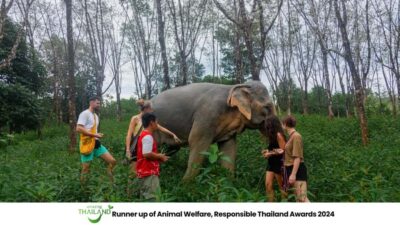
Khao Lak: 2-Hour Elephant Sanctuary Eco-Walk with Guided
Read our review →Browse the lists this tour appears in