
Review · MONTREAL
Montréal: Old Town Small Group Guided Walking Tour
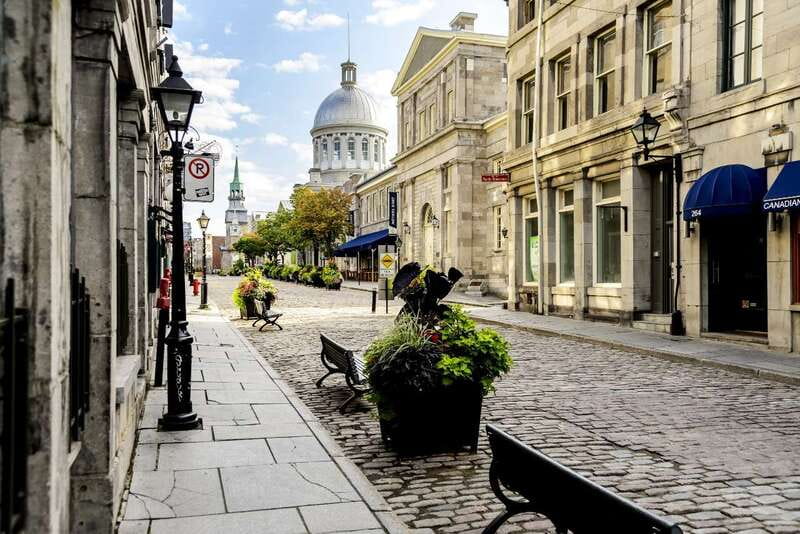
Old Montréal makes its best first impression on foot, and this small group tour of eight or fewer gives you room to hear the guide, ask questions, and stop without being swallowed by a crowd. You follow cobblestone streets, old squares, narrow lanes, and landmark façades while a certified city guide connects the buildings to Montréal’s past.
I like the easy 2.5-hour pace and the personal feel. Guides such as Sarah, Martin, Vanessa, Carol, Lise, Isabelle, and David have been praised for explaining history clearly, adding humor, and adjusting the conversation to the people in the group. The main consideration is that the tour is mostly outdoors, and access inside Notre-Dame Basilica should not be assumed.
Key points to know
- Smallest practical group: No more than eight people, so questions are easier and the guide can keep everyone together.
- Certified local guide: The tour uses an official city certified guide, with English and French offered.
- Old Montréal essentials: The route includes Place Royale, Place Jacques-Cartier, Place d’Armes, Notre-Dame, and Saint-Paul Street.
- Strong orientation: The walk helps you decide which sights, cafés, shops, and historic spots deserve a second look.
- Flexible booking: You can cancel up to 24 hours before the start for a full refund and reserve without paying immediately.
- Simple meeting point: Find the guide at the obelisk in front of 206 Place d’Youville.
Why a group of eight changes the walk
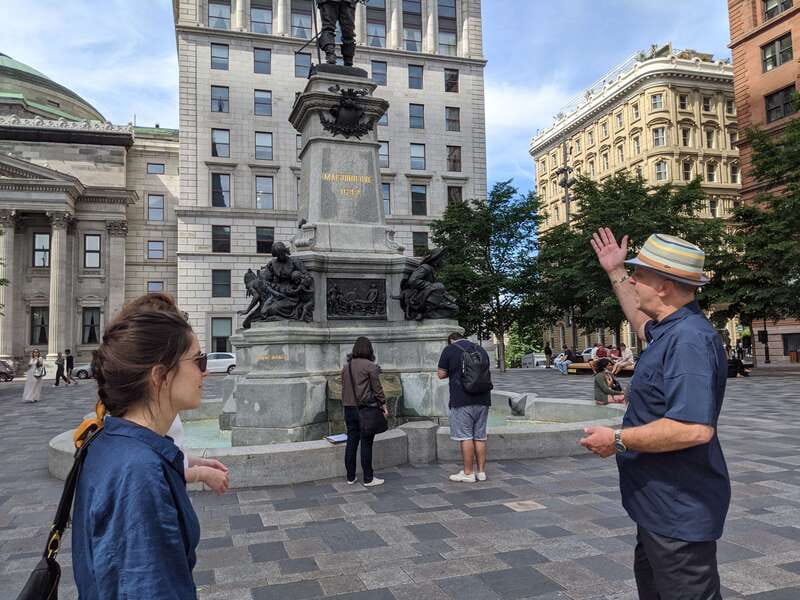
Large city walks can leave you straining to hear while the guide talks to the back row. That problem is much less likely here. With a maximum of eight people, you can stand close enough to see architectural details and ask a question without interrupting a long chain of strangers.
The small size also makes the route feel less like a procession. One guide, David, was praised for mixing history and trivia with a good sense of humor, while Diane was noted for keeping a comfortable pace and watching the needs of the people in her group. Those details matter more than flashy presentation. A walking tour succeeds when you are comfortable enough to pay attention.
The size may be even smaller on your date. Several past outings had only two to four people, creating a private-tour feel at a lower price. That is not guaranteed, but it is one reason the semi-private format can offer good value.
More Old Town Walking Tours in Canada:
- Old Town Toronto Highlights 3 Hour Walking Tour | Gratuity-Based
★ 4.5 · 290 reviews - Underground Vaults Walking Tour in Edinburgh Old Town
★ 4.5 · 8,506 reviews - Prague: 3-Hour Walking Tour of Old Town & Prague Castle
★ 4.7 · 5,696 reviews
Meeting at Place d’Youville

The meeting point is the obelisk in front of 206 Place d’Youville. This is useful to know because Old Montréal has several broad plazas and many handsome buildings that can look similar when you are hurrying to meet a guide.
Plan to arrive ready to walk. Wear comfortable shoes, since the route uses cobblestone streets, and check the forecast before leaving. Bring clothing suited to the weather. The tour lasts 150 minutes, so you will want to be prepared for a full morning or afternoon outdoors.
There is no hotel transfer. You make your own way to the obelisk, then remain on foot for the duration of the tour. The activity is listed as wheelchair accessible, though anyone concerned about cobblestones or individual mobility needs should confirm the route details before booking.
Place Royale and Montréal’s beginnings
Place Royale is one of the route’s most useful stops because it gives you a clear sense of Old Montréal as the city’s starting point. Rather than seeing a collection of attractive old buildings, you begin to understand how the settlement developed around its earliest center.
The guide’s job here is to connect place and people. The most successful tours do not simply list dates. They explain who arrived, why the site mattered, and how the early community changed over time. Past guides have been praised for making the founding of Montréal understandable and for showing how difficult early settlement could be.
This is also where a small group helps. You can ask about the names and people introduced during the explanation, rather than trying to remember a long speech while the group moves on. If local history normally feels like a blur of unfamiliar names, use this stop to ask for the short version first, then follow up on what interests you.
Place Jacques-Cartier and the city in public view
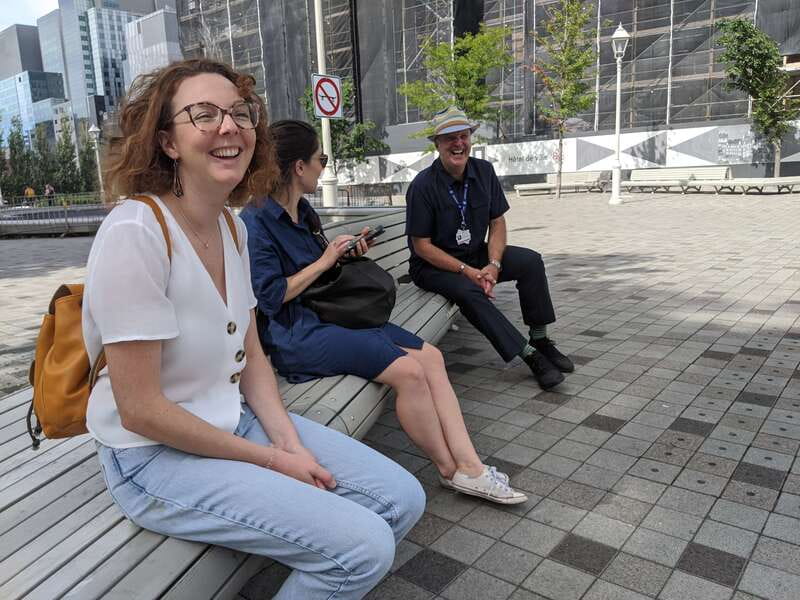
Place Jacques-Cartier gives the walk a change of scale. Here, you are not only looking at individual structures. You are seeing how a public square helps organize Old Montréal and how the area has remained a central gathering place.
Guides use this kind of stop to explain the city’s growth, public life, and changing appearance. Martin, for example, was praised for connecting Montréal’s past to modern times and for shaping the conversation around the group’s own background. That kind of flexibility is valuable. A good guide can explain the same square differently to a family with children, a couple interested in architecture, or someone focused on the city’s French and Canadian identity.
Carol also made an effort to tell the story in a way a four-year-old could enjoy. That suggests this walk can work for families, provided children are comfortable walking and listening for a long stretch. The route is not built around games or entertainment, but a warm guide can make the material approachable.
More Small-Group Walking Tours in Canada:
- Old Montreal Small-Group Walking Tour | Max 10 | by MTL Detours
★ 5.0 · 2,088 reviews - Show me the City! A Small Group Walking Tour of Toronto
★ 5.0 · 621 reviews - Montreal: Top Rated Small Group Old Montreal Walking Tour
★ 4.9 · 611 reviews - Prince Edward Island: Small Group Charlottetown Walking Tour
★ 4.4 · 147 reviews
Place d’Armes and the architectural lesson
At Place d’Armes, the tour turns toward architecture and the layers of Montréal’s built past. This is a good place to slow down and look up. The square brings several styles and periods together, allowing the guide to explain why a building looks the way it does rather than simply naming it.
Jeanne specifically valued learning about architecture and the stories behind it. Other guides have explained why particular styles were used and how buildings reflected the people who commissioned them. This is the sort of detail that changes how you walk through the rest of the city. After the tour, you start noticing stonework, façades, proportions, and small differences that might otherwise pass unnoticed.
The drawback is that a two-and-a-half-hour route cannot give every building equal treatment. You will get an orientation and a selection of important places, not a full architectural survey. If one façade or church catches your eye, make a note and return later with more time.
Notre-Dame and what to expect at the basilica

Notre-Dame is one of the major landmarks on the route, and the guide explains its place in Old Montréal’s story. The building is a natural highlight because it brings together architecture, faith, craft, and the city’s public identity.
It is important to separate seeing Notre-Dame from guaranteed interior entry. The tour information names Notre-Dame as a highlight, but access inside has not always been possible. One past participant specifically noted that the interior visit did not happen despite being advertised at the time. Treat the basilica as an important stop, but confirm current entry arrangements if going inside is central to your plans.
Even without an interior visit, the stop can be worthwhile for the exterior and the explanation around it. Guides such as Sarah have continued sharing information near the basilica after the formal walk, helping people understand what they are seeing. Still, do not build your schedule around a guaranteed interior visit unless the booking details clearly say it is included.
Saint-Paul Street and the feel of Old Montréal
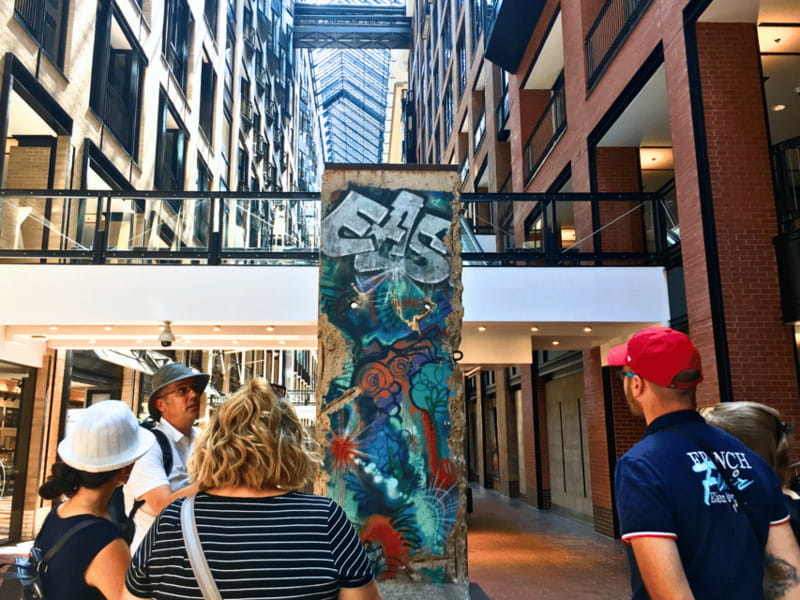
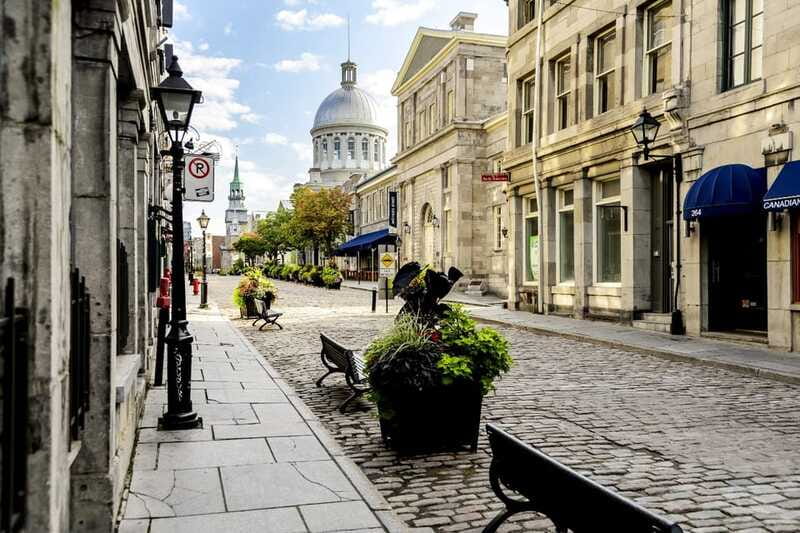
Saint-Paul Street brings the tour back to the everyday experience of the district. Its old façades, narrow scale, and stone surfaces show why Old Montréal feels different from the newer parts of the city.
This is a useful part of the route for practical orientation. You can ask the guide about places to eat, shops selling local goods, and spots worth returning to. Carol was praised for offering food recommendations and suggestions for authentic handmade souvenirs. Those tips can save you from spending your limited time on places that simply look convenient.
Do not expect every shop or restaurant recommendation to suit your taste. The value is in having a local starting point. Write down names as you go, or ask the guide to repeat them before the tour ends.
Stories, humor, and the guide’s role
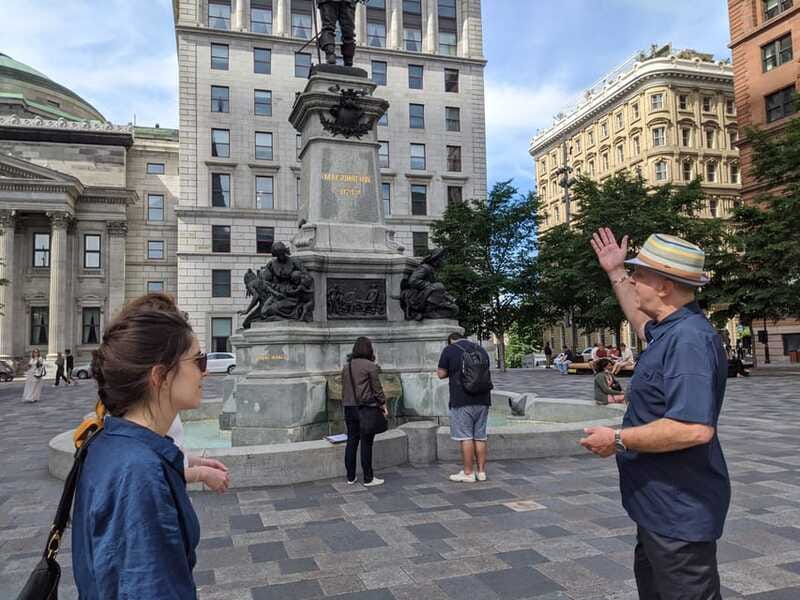
The guide makes or breaks a history walk. This experience uses official city certified guides, but each person brings a different style. Past guide names include Sarah, Martin, Vanessa, Guy, Lise, Elise, Isabelle, Felicite, Diane, Maryse, Carole, David, Stacey, and George.
The strongest descriptions point to a common pattern: clear explanations, friendly conversation, good pacing, and humor used to make facts easier to remember. George was praised for answering questions in a relaxed way. Nicholas brought past events to life without making the walk feel rushed. Madeleine used passion and fun to make Montréal’s story memorable.
You cannot request a particular guide unless the operator allows it, so book this for the format and subject rather than one named individual. Still, the long list of praised guides suggests the experience is not dependent on a single personality.
The conversation can also be shaped around your interests. Kimberly’s tour with Martin included parts of Montréal’s past that connected with her background in Louisiana. That is a useful reminder to tell your guide where you are from and what you want to understand. A small group leaves more room for those connections.
Pace, distance, and the two-and-a-half-hour commitment
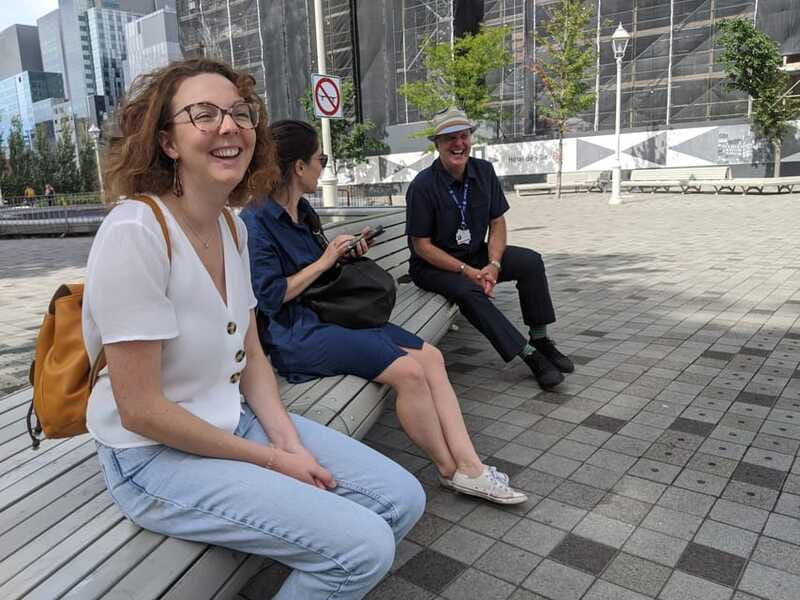
The walk is long enough to give you a real framework for Old Montréal without taking your entire day. At 150 minutes, it has time for several major stops, questions, and historical context. Past descriptions repeatedly point to a relaxed pace rather than a rushed march.
You should still treat it as an active outing. Comfortable shoes are essential, and cobblestones can make the walk tiring for anyone unused to uneven surfaces. Weather matters too. Rain has not stopped every past tour, but clothing suited to the conditions will make a large difference.
The pace is especially helpful for first-time visitors. You get enough information to recognize the important areas, then you can return independently to spend more time inside a church, browse a shop, or sit in a square. Jessica described the walk as a strong starting point because several stops became places to revisit later.
Is $51 a fair price?
At $51 per person, this is not the cheapest way to stroll through Old Montréal. You can walk the streets independently for nothing, and guidebooks or audio tours cost less.
The comparison changes when you consider the group limit. A private guide for one or two people usually costs much more, while a large group can make questions and conversation awkward. Here, you pay for an official city certified guide, a maximum of eight people, and two and a half hours of focused explanation.
I think the price makes the most sense during a first visit, especially if you want historical context rather than a simple list of landmarks. It also works well for people who have limited time in Montréal and want a strong introduction before exploring on their own.
The value is weaker if you already know Old Montréal well, dislike guided walks, or want extended time inside individual buildings. In that case, an independent walk followed by a paid visit to the sights that interest you may be a better use of your money.
Booking details that matter
English and French are available, so choose the language that lets you follow historical names and architectural explanations comfortably. The group is capped at eight, but the exact size can vary.
You can reserve now and pay later, which helps if your schedule is still shifting. Cancellation is free up to 24 hours before the start, with a full refund. Those terms are useful in Montréal, where weather can affect the comfort of a long outdoor walk.
The tour is wheelchair accessible, but you should still consider the physical character of Old Montréal. Cobblestones and historic streets can be demanding, so ask for current route information if you need a smoother path.
Who should book this Old Montréal walk?
I would choose this tour for:
- First-time visitors who want a clear introduction to Old Montréal
- Couples or families who prefer a small, conversational group
- People interested in architecture, local stories, and the city’s early development
- Visitors who want restaurant and souvenir suggestions from a local guide
- Anyone who likes to orient themselves before exploring independently
- Families whose children can manage a 2.5-hour outdoor walk
I would think twice if you want guaranteed basilica entry, dislike walking on cobblestones, or prefer to linger at one sight for a long time. The tour covers a good range of Old Montréal, but its strength is the overall story and orientation, not exhaustive access to every interior.
Should you book it?
Book this semi-private Old Montréal tour if you want the benefits of a local guide without paying private-tour rates. The maximum of eight people, certified guides, relaxed pace, and strong focus on questions give it a personal feel.
For the best experience, take it near the start of your Montréal stay. Use the guide’s suggestions to plan the rest of your time, then return to the places that deserve a closer look. If Notre-Dame’s interior is essential, verify that detail before committing. Otherwise, $51 is a fair price for a friendly, useful introduction to the city’s oldest streets.
FAQ
How long does the Old Montréal walking tour last?
The tour lasts 150 minutes, or 2.5 hours.
How many people can join the group?
The group is limited to a maximum of eight participants.
Where does the tour meet?
Meet the guide at the obelisk in front of 206 Place d’Youville.
Which languages are available?
The tour is offered in English and French.
Is hotel transfer included?
No. Hotel transfer is not included, so you need to make your own way to the meeting point.
Is the tour wheelchair accessible?
Yes, the activity is listed as wheelchair accessible. Comfortable shoes and weather-appropriate clothing are recommended.
Can I cancel for a full refund?
Yes. You can cancel up to 24 hours in advance for a full refund. You can also reserve now and pay later.
New routes in Canada
- Toronto: Private Walking Tour with a Local★ 4.7 · 150 reviews
- Toronto: Dark History Nighttime Walking Tour★ 4.7 · 273 reviews
- Toronto: 2-Hour Downtown Walking Tour★ 4.4 · 101 reviews
- Toronto: City Walking Tour★ 4.9 · 185 reviews
- Toronto: Distillery District Historic Walking Tour★ 4.8 · 267 reviews
- Quebec City: Christmas Magic Walking Tour in Old Quebec★ 4.7 · 146 reviews
- Quebec City: Old Quebec Classic Walking Tour with Funicular★ 4.9 · 695 reviews
- Ottawa: Private Walking Tour with a Local★ 4.5 · 80 reviews
Montreal Walking Tours, compared.

Montreal Mile End Authentic Food Tour with 7 Delicacies Tastings
Read our review →
The Original Old Montréal Walking Tour by Guidatour
Read our review →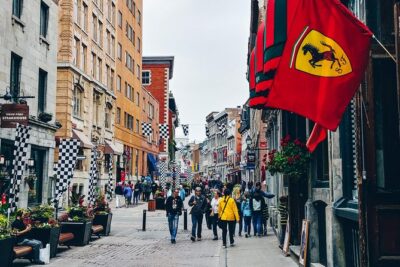
Old Montreal Small-Group Walking Tour | Max 10 | by MTL Detours
Read our review →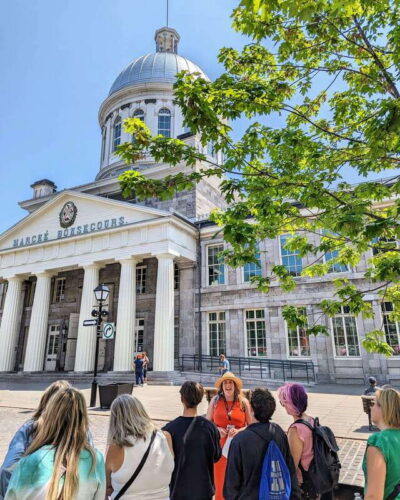
Top Rated Small Group Old Montreal Walking Tour
Read our review →

RESO Underground City and Downtown Walking Tour
Read our review →
The Original Locally Owned Street Art Walking Tour
Read our review →Browse the lists this tour appears in