
Review · MALTA
Malta: Mdina and Rabat Walking Tour with Catacombs
Mdina’s quiet lanes, grand palazzos, and honey-colored stone make more sense when someone explains how this hilltop city moved from ancient settlement to Malta’s old capital. This tour also crosses into Rabat, where catacombs, St. Paul’s Grotto, and wartime shelters add a more grounded look at island life.
I like the strong mix of Mdina and Rabat and the fact that the three Rabat entrances are included in the $29 price. I also like the guides’ style. Matthew, Carmel, Mario, and Dylan are repeatedly praised for clear stories, humor, local detail, and patience with questions. The main drawback is pace: 2.5 hours is tight for so many sites, and the walking and standing may not suit people with limited mobility or young children.
Key points to know before you book
- Mdina’s medieval lanes and bastions: See the old capital’s narrow streets, palazzos, churches, and wide views from the city walls.
- Rabat adds real depth: Enter the catacombs, St. Paul’s Grotto, and World War II shelters at the Wignacourt Museum.
- Guides make the difference: Matthew, Carmel, Mario, Dylan, and others are praised for humor, local stories, and easy-to-follow history.
- Good value at $29: Admission to the catacombs, shelters, and grotto is included, along with a licensed English-speaking guide.
- Plan for a walking tour: Wear comfortable shoes, carry water and sun protection, and expect stairs, standing, and time underground.
- Choose your timing with care: One guide recommends an earlier tour, since Mdina can feel very quiet later in the day.
Why Mdina is better with a guide
Mdina is easy to admire and surprisingly easy to misunderstand. Its narrow lanes can look like a pretty stone maze if you do not know why the city was built here, who ruled it, or how its importance changed over time.
The site has been occupied since at least the Bronze Age. Phoenicians and Romans used the plateau, while Arab rule helped shape the city’s name and layout. The Normans later made Mdina Malta’s capital. Valletta eventually took over that role, but Mdina kept its old-city character.
A guide gives you the basic timeline while you walk, instead of asking you to piece it together from scattered signs. Mario is known for his background as a history teacher, while Matthew is often praised for explaining complicated events in simple terms. Carmel brings humor and local detail, and Dylan is noted for making the past easy to follow.
That human explanation matters here. Mdina’s story includes Arab influence, Norman rule, the rise of Valletta, and rebuilding after the 1693 earthquake. The city changed after that earthquake, but much of its shape and atmosphere remained remarkably stable.
More Walking Tours in the world:
- Magical London: Harry Potter Guided Walking Tour
★ 4.7 · 22,044 reviews - Reykjavik Food Walk – Local Foodie Adventure in Iceland
★ 5.0 · 18,952 reviews - History and Hauntings of Salem Guided Walking Tour
★ 5.0 · 14,564 reviews
Entering Mdina through the old gate
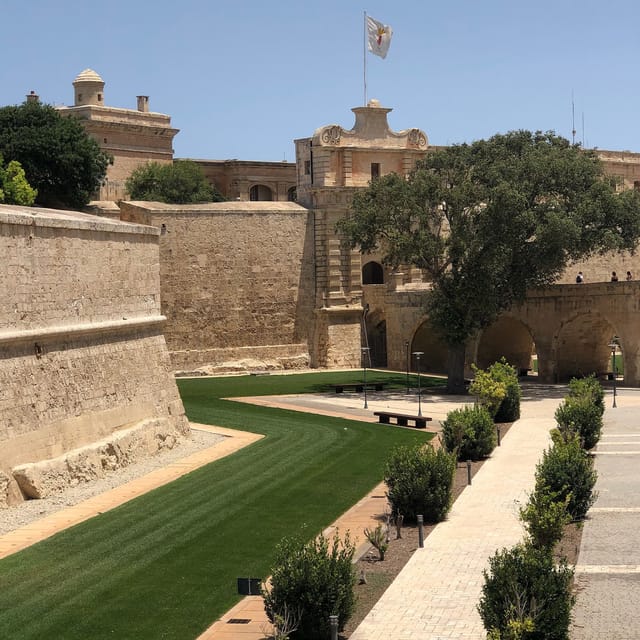
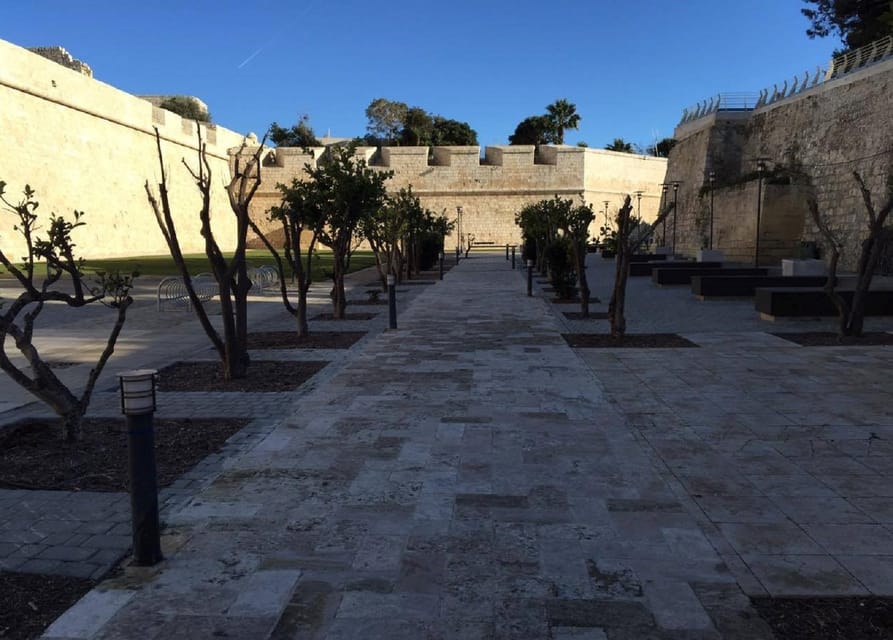
The meeting point is outside Mdina Gate, beside the playing field. This is useful to know because Mdina is compact once you are inside, but finding the correct starting point can still take a little attention. One participant had trouble reaching the meeting point because of public transport and received help from support staff. Another was grateful for contact through WhatsApp after getting lost.
Once the group enters, the mood changes quickly. Traffic and modern Malta give way to a quieter network of lanes and stone buildings. The walk is not a museum visit with one object after another. It is a guided look at a living historic city, where the street plan, doorways, churches, and defensive walls all help explain how Mdina functioned.
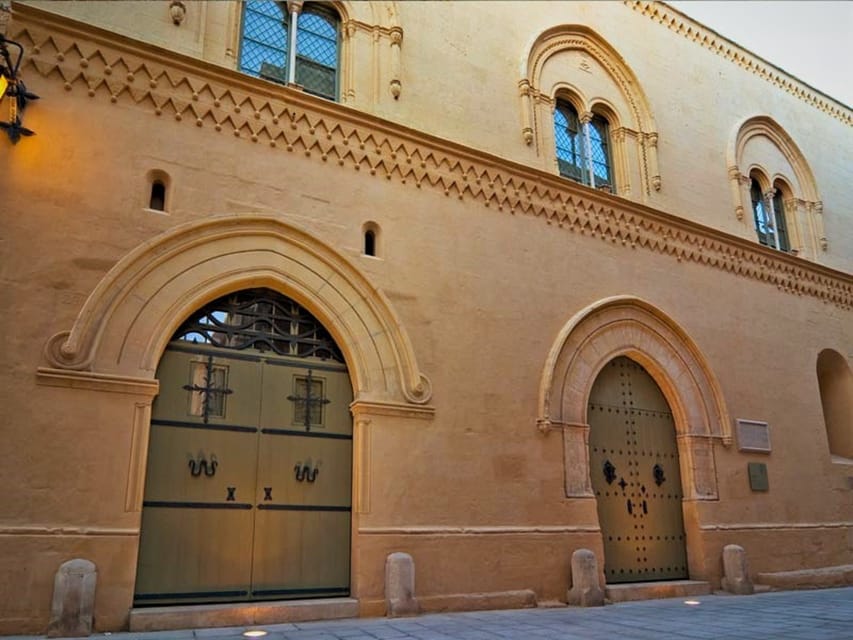
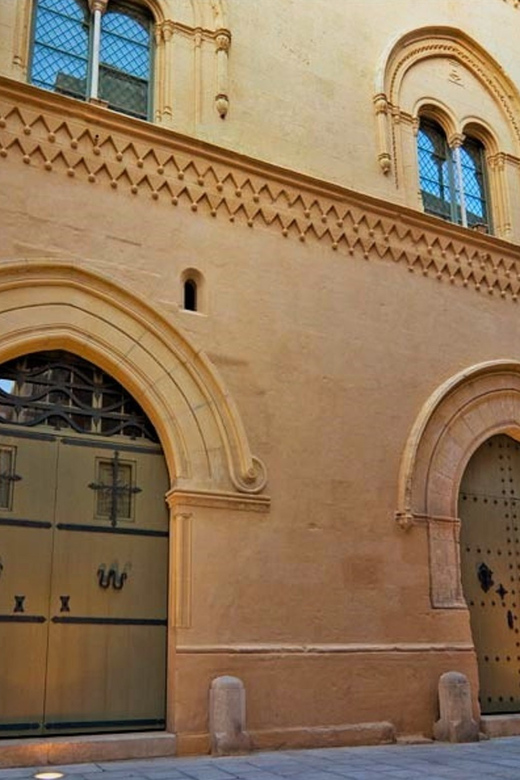
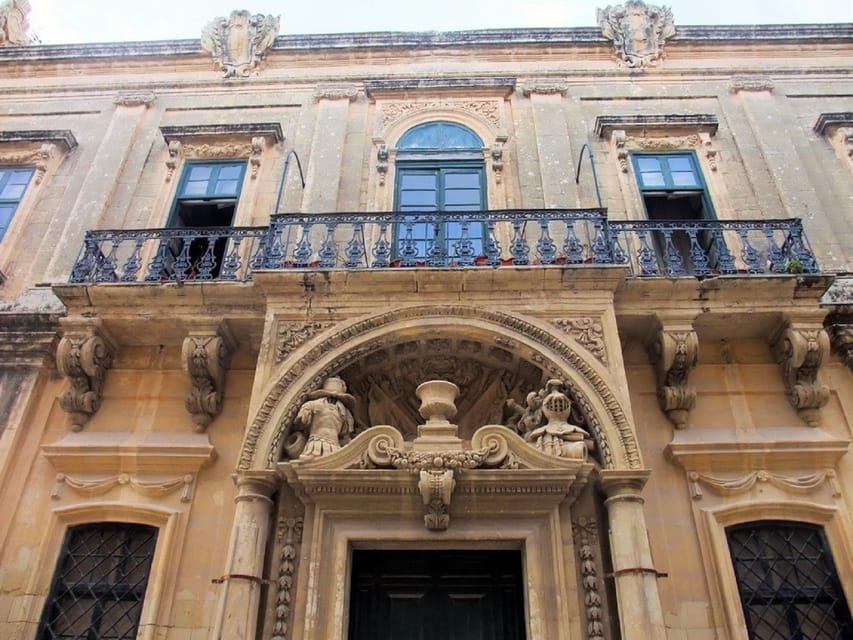
You will pass Vilhena Palace, St. Agatha’s Chapel, the Banca Giuratale, and other notable buildings. Palazzo Falson, also called Palazzo Falzon, is another important sight. The guide points out the mixture of medieval forms and later baroque work, helping you notice how Mdina was repaired and reshaped rather than frozen in one single period.
Palazzos, churches, and the baroque cathedral
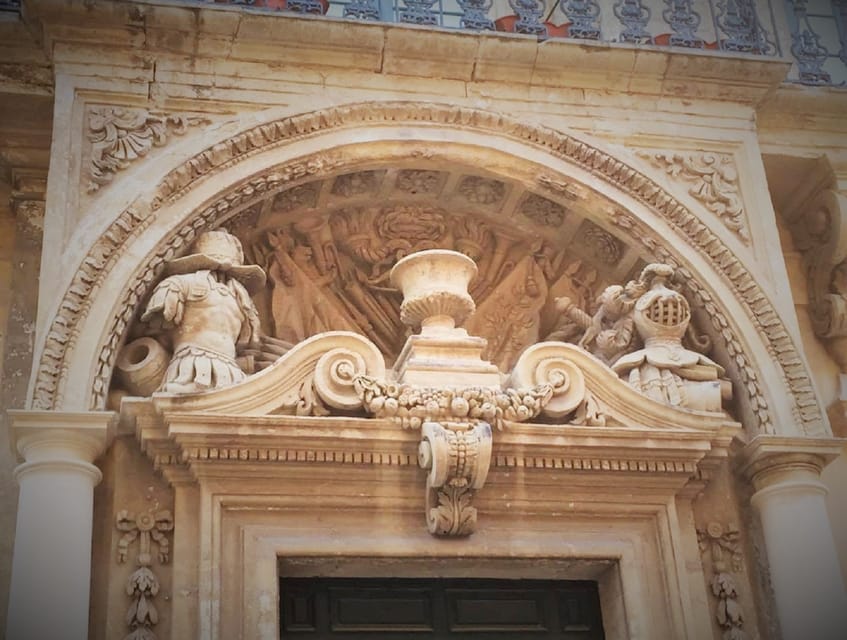
The architecture is one of the tour’s strongest features. Mdina’s streets are narrow, but its public buildings have a formal, grand scale. That contrast gives the city much of its character.
At the Mdina Cathedral, you get one of the clearest examples of the city’s later baroque identity. The tour focuses on seeing the cathedral from the outside as part of the walking route, so do not assume the experience includes a separate interior visit unless your booking details say otherwise.
The Banca Giuratale and Vilhena Palace help show the civic side of Mdina, while St. Agatha’s Chapel adds a more intimate religious stop. The guide’s job is to connect these buildings to Malta’s political and religious past, not merely name them as you pass.
I would pay close attention during this section, then leave a little time after the tour if you want to examine Mdina at your own speed. The route is packed with information, and the short duration means you may want to return to one or two places rather than trying to absorb every detail at once.
The bastion walls and views across Malta
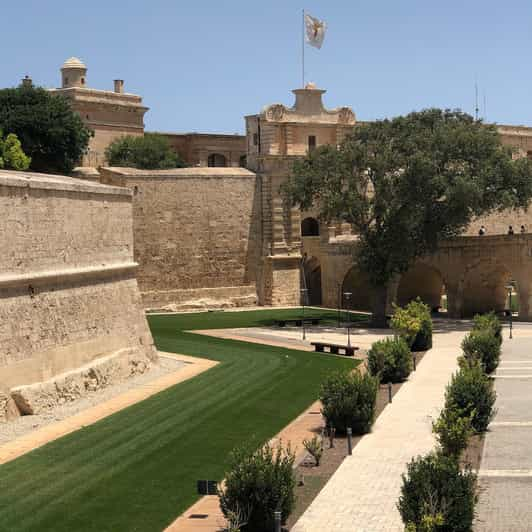
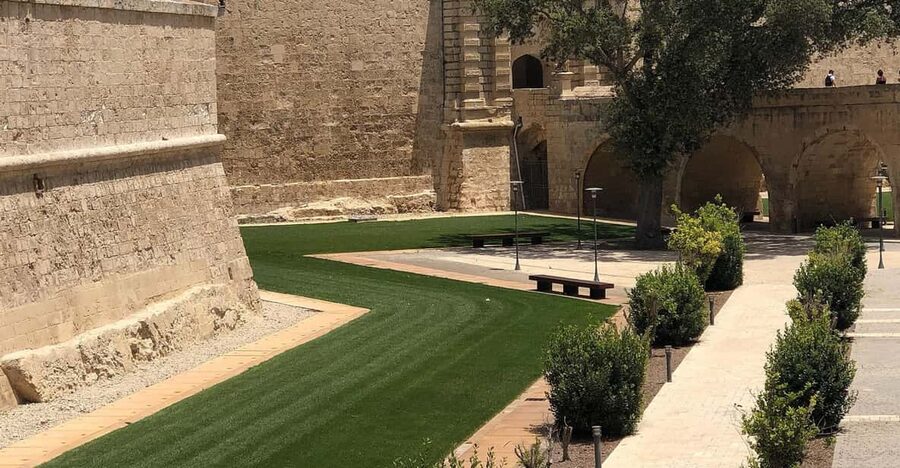
Mdina’s position on a central plateau is part of its appeal. From the bastion walls, the city’s height becomes clear, and you get broad views across the island.
This is one of the better moments for photographs, but the view also explains the city’s importance. A strong defensive position was not chosen by accident. The old capital could watch the surrounding area and control access to the plateau.
The walls are also a welcome change from the narrow lanes. You step into open air, see the city’s pale stone from a wider angle, and get a break from the close rhythm of the streets. In summer, however, the open sections offer little relief from the sun. Bring a hat, sunscreen, and water, as the tour’s practical advice sensibly recommends.
Same streets, a different guide:
- New Orleans Premier Ghost, Voodoo and Vampire Walking Tour
★ 4.5 · 12,856 reviews - Amsterdam Anne Frank: Small-Group Walking Tour & Local Guide
★ 4.8 · 12,789 reviews - Edinburgh: Harry Potter Magical Guided Walking Tour
★ 4.8 · 11,944 reviews - Edinburgh Castle: Guided Walking Tour with Entry Ticket
★ 4.7 · 11,699 reviews
Walking from Mdina into Rabat
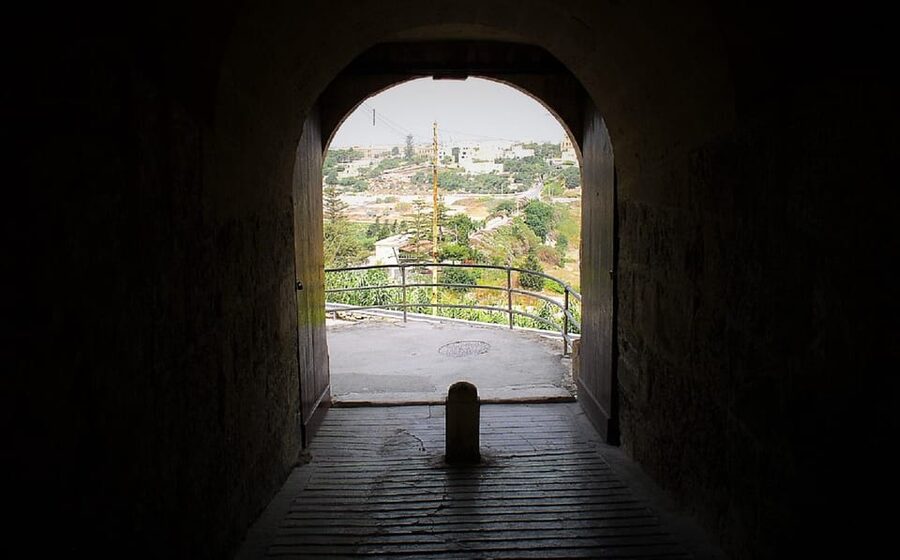
The tour then takes you into Rabat, Mdina’s neighboring town. This shift is valuable because Rabat feels less like a preserved old capital and more like a place connected to ordinary Maltese life.
The guide explains how the two places fit together, rather than treating them as unrelated stops. That connection gives the tour a better sense of Malta’s development. Mdina represents the old seat of power, while Rabat adds religious, underground, and wartime layers.
The route includes the Wignacourt Museum, where the included admission covers St. Paul’s Grotto, the catacombs, and World War II shelters. These are not just add-ons to fill time. Together, they show how people used the same area for worship, burial, refuge, and community life across very different periods.
St. Paul’s Grotto and the Wignacourt Museum
St. Paul’s Grotto is tied to the Christian tradition surrounding St. Paul’s arrival in Malta. The guide provides the historical and religious context as part of the Rabat visit.
This stop works best if you enjoy places where belief and history overlap. You are not simply looking at an old room. You are considering why the site became important and how its meaning developed over time.
The museum visit also gives the tour an indoor pause, which can be helpful after walking in strong sun. Still, the full experience involves moving between streets and underground areas, so it is not a seated museum outing.
Catacombs: fascinating, but not for everyone
The catacombs are likely to be the most memorable part of the Rabat section. They offer a physical look at ancient burial customs and the layers beneath the town.
You should expect steps, enclosed spaces, and some time underground. One visitor found the catacombs fascinating without finding them frightening or excessively claustrophobic. Another suggested shortening this section because it can feel airless, especially for anyone uneasy in confined places.
That is a fair warning. The catacombs are not presented as a horror attraction, but they are still underground burial spaces. If you are claustrophobic, have difficulty with stairs, or dislike enclosed passages, ask the guide about the route before descending. The tour can still be worthwhile if you decide to skip part of this section, but you should be realistic about your comfort.
World War II shelters and Malta’s wartime story

The World War II shelters add a more recent and personal layer to the tour. Malta’s wartime history is a major part of its identity, and walking through shelter spaces helps move that story beyond dates and battle names.
The guide explains how the spaces relate to life on the island during the war. Several guides are praised for making this period especially clear and interesting. If you are more drawn to modern history than medieval architecture, this may be the section that stays with you longest.
The shelters also balance the grander Mdina material. Palaces and cathedral facades tell you about power, religion, and government. The shelters bring the focus down to safety, family life, and the practical realities of civilians during wartime.
Guide quality and the value of local stories
The clearest strength of this tour is the guide. The route itself is good, but Mdina and Rabat become much more useful when someone gives you context without drowning you in dates.
Matthew is repeatedly described as warm, clear, and able to answer many questions while keeping the group on schedule. Carmel is praised for charm, humor, and detailed explanations of history, art, culture, and trade. Mario, sometimes called the history teacher, is known for stories and careful explanations. Dylan is noted for an easy, funny style.
The exact guide depends on the date and departure, so you should not book expecting one particular person unless the provider confirms it. The consistent pattern is an English-speaking, licensed guide who encourages questions and adds personal or local detail.
That matters for a walking tour because the group needs to keep moving. The best guides manage both tasks: they explain enough to make the places meaningful, then keep the route from turning into a lecture in the middle of a street.
Is $29 good value?
At $29 per person, this is a solid value if you want guided interpretation and plan to visit the Rabat sites anyway. The entrance fees to the catacombs, World War II shelters, and St. Paul’s Grotto are included, along with the professional guide.
You are paying for access to several different types of places in one outing: Mdina’s streets and bastions, Rabat’s museum sites, underground burial spaces, and wartime shelters. That is more useful than paying for a simple orientation walk and then arranging separate admission elsewhere.
The tradeoff is time. The advertised duration is 2.5 hours, though some outings take closer to three hours. One participant felt that even 2.5 hours was not enough for everything, while another appreciated that the tour never felt rushed. Your experience will depend partly on the guide, group, questions, and time spent underground.
Food, drinks, and hotel transport are not included. Bring water and a snack, especially in hot weather. The guide may suggest places for lunch or sweets afterward, but you should plan to arrange those separately.
Who should take this tour?
I would recommend it to first-time visitors who want a clear introduction to central Malta. It suits people who enjoy history, architecture, religious sites, and guided walking rather than a quick photo stop.
It is also a good choice if you want to see both Mdina and Rabat in one outing. The route gives you enough background to return later and explore independently, which is useful because Mdina can seem less interesting when you do not understand its past.
Families with older children may enjoy the variety, especially the shelters and underground areas. I would hesitate with very young children, since the walk includes plenty of standing and historical explanation. One family-oriented warning from the tour experience is sensible: younger children may not have the patience for the amount of information.
This is not the best pick for anyone with major mobility limits. The information describes the activity as wheelchair accessible in one place, but it also says it is not suitable for people with mobility impairments or wheelchair users. That conflict should be clarified with the provider before booking. Either way, expect a walking route, stairs, uneven historic streets, and underground areas.
Practical tips for a smoother walk
Choose an earlier departure if you can. Mdina can feel very quiet later in the day, and morning timing may also help you avoid the worst heat.
Wear shoes that you can walk and stand in for several hours. Add a hat, sunscreen, comfortable clothes, and a full bottle of water. A rain poncho is useful in wet weather, since the walk continues outdoors, though guides may move the group under cover during the heaviest rain.
Keep your schedule flexible after the tour. The route covers a lot, and you may want to stay in Mdina or Rabat for lunch, return to a favorite building, or visit another museum based on the guide’s suggestions.
Cancellation is free up to 24 hours before the start, and you can reserve now and pay later. Tips are optional. The tour is conducted in English.
Should you book it?
Book this tour if you want Mdina to be more than a pretty collection of stone lanes. The combination of Mdina’s old capital, Rabat’s underground sites, and included admission gives you a lot for $29.
Skip it if you prefer exploring alone, dislike group pacing, or feel uncomfortable with stairs and enclosed spaces. For most first-time visitors who want history explained clearly, this is an efficient and fairly priced way to understand why Mdina and Rabat matter.
FAQ
How long does the Mdina and Rabat tour last?
The stated duration is 2.5 hours, though some tours may run closer to three hours depending on the pace and time spent at the sites.
What is the price?
The price is $29 per person.
What is included in the ticket?
The tour includes a professional licensed guide and entrance fees for the catacombs, World War II shelters, and St. Paul’s Grotto.
Is hotel pickup included?
No. Hotel pickup and drop-off are not included.
Where does the tour meet?
Meet the guide outside Mdina Gate, next to the playing field.
What language is the tour conducted in?
The live tour is conducted in English.
What should I bring?
Bring comfortable shoes, a sun hat, sunscreen, water, food, and comfortable clothing.
Is the tour suitable for wheelchair users?
The activity information gives conflicting guidance. It lists the tour as wheelchair accessible but also says it is not suitable for people with mobility impairments or wheelchair users. Contact the provider before booking to confirm the current route.
Can I cancel the booking?
Yes. You can cancel up to 24 hours in advance for a full refund. You can also reserve now and pay later.
New routes in the world
- Baltimore Walking Foodie Tour in Fells Point★ 5.0 · 182 reviews
- Baku Oil Heritage & Old Town Walking Tour★ 5.0 · 232 reviews
- Baku Walking Tour (Old City)★ 5.0 · 127 reviews
- The Madam’s Curse Walking Ghost Tour★ 4.5 · 103 reviews
- Austin Small Group Morning Walk★ 5.0 · 412 reviews
- Austin Haunted Pub Crawl Walking Tour★ 4.5 · 232 reviews
- Austin Downtown Private Walking Food Tour With Secret Food Tours★ 5.0 · 71 reviews
- Austin Murder Walk★ 5.0 · 310 reviews
Malta Walking Tours, compared.


Valletta: Street Food and Culture Walking Tour
Read our review →
From Cospicua: Senglea, Bormla, and Birgu Walking Tour
Read our review →Browse the lists this tour appears in