
Review · OLD TOWN
Arequipa: Walk through the Historic Center of the City
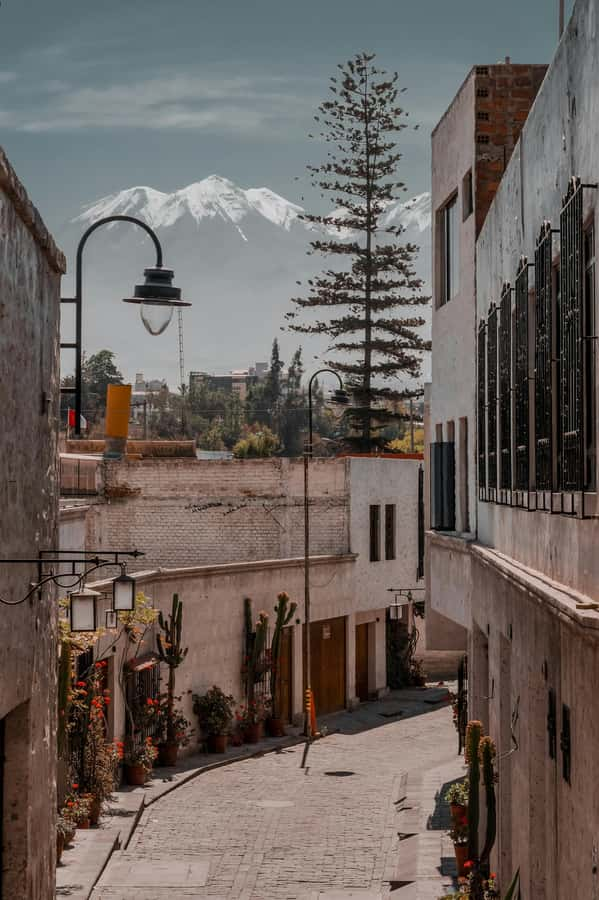
Arequipa’s old center is best understood on foot, and this tour takes you beyond the main plaza into colonial cloisters, old tambos, and quiet corners that are easy to miss on your own. The walk ends at a high viewpoint, where the white city opens toward Misti, Chachani, and Pichu Pichu.
I like the small group limit of six, which gives guides such as Joss, Joseph, and Jose room to answer questions and adjust the walk. I also like the practical advice: guides share restaurant suggestions, places to visit, and tips for the rest of your time in Peru. The one caution is that the tour can include long stretches of walking with less explanation, so anyone seeking a building-by-building history lesson may want more detail.
Key points to know before you book
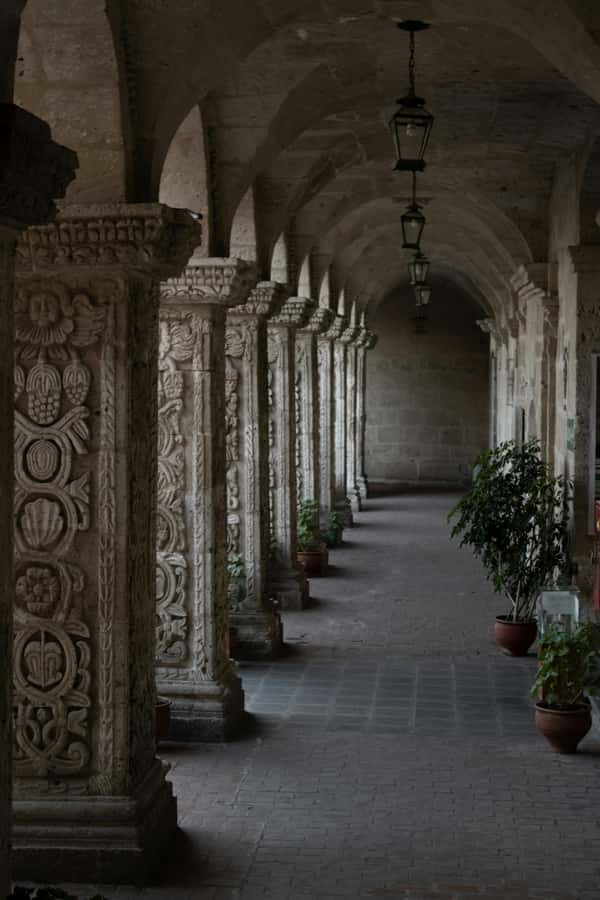
- The route covers five historical sites, including the Cathedral, colonial cloisters, and ancient tambos.
- The group is limited to six people, and solo bookings may become a private or nearly private walk if others cancel.
- Joss, Joseph, and Jose receive the strongest praise, especially for local knowledge, warm service, and useful advice.
- The final viewpoint is a real highlight, with sunset and pisco sour possibilities mentioned by several participants.
- English and Spanish tours are available, with morning and afternoon starting times.
- The walk costs $15 per person, a fair price if you value local guidance and recommendations, but less compelling if you only want a quick look at the main square.
Starting in San Lázaro, where Arequipa feels local
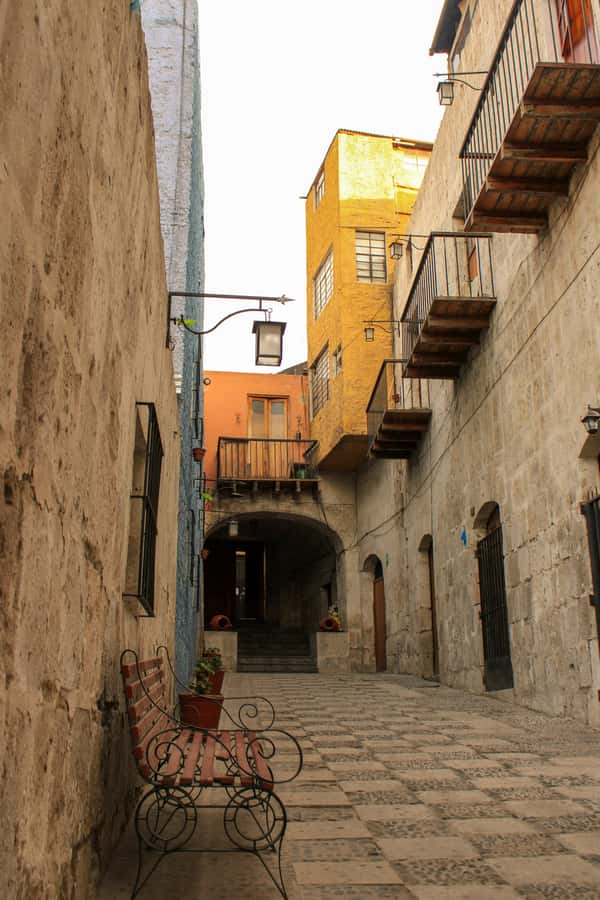
The meeting point is Campo Redondo in San Lázaro, one of the most characterful parts of Arequipa. This is a useful starting place because the tour begins away from the most obvious tourist center and lets you ease into the city through streets with a more lived-in feel.
You meet at the stated coordinates near Campo Redondo San Lazaro. From there, the walk moves through the historic center on foot. No transport is involved in the experience as described, so wear shoes you can use comfortably on cobblestones and uneven streets.
The opening portion also gives you a chance to ask your guide what matters most to you. If you care about food, ask for restaurant suggestions. If you want to understand the city’s geography, ask about the volcanoes. If you are deciding what to visit later, the guide can help shape the rest of your time.
That flexibility is one reason this tour works well early in a stay. Several guides, especially Joss and Joseph, are praised for continuing to help with suggestions after the walk. One participant even used a guide’s recommendation to arrange a separate Cathedral visit afterward.
More Old Town Walking Tours in the world:
- Underground Vaults Walking Tour in Edinburgh Old Town
★ 4.5 · 8,506 reviews - Prague: 3-Hour Walking Tour of Old Town & Prague Castle
★ 4.7 · 5,696 reviews - Dubrovnik: Old Town Walking Tour
★ 4.8 · 5,174 reviews
The Cathedral and Arequipa’s white-stone identity
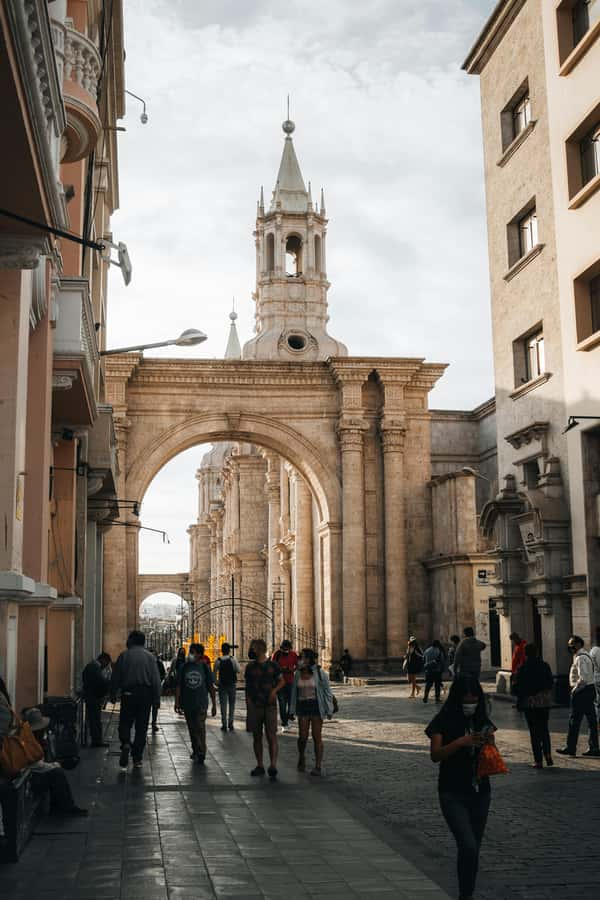
The Cathedral is the first major landmark on the route and one of Arequipa’s defining buildings. The tour uses it as a way into the city’s architecture and religious history, rather than treating it as a quick photo stop.
Arequipa is often called the White City because many historic buildings use pale volcanic stone known as sillar. The tour connects the buildings you see with the local material, the city’s setting, and the cultural influences that shaped its center.
The exact amount of time spent inside the Cathedral can vary. The experience description includes a visit to this major building, but one guide recommended a separate guided Cathedral tour to a participant afterward. If seeing the interior is especially important to you, ask your guide what is included on your chosen departure and whether an additional visit makes sense.
This is also where a good guide earns the $15 fee. A quick independent walk can show you the facade, but a local guide can explain why the building matters and answer questions about Arequipa’s development. Joss is repeatedly praised for connecting architecture with geography and cultural influence, which gives the sights more meaning than a list of dates.
Cloisters, courtyards, and the best kind of slow sightseeing
The colonial cloisters provide a change of pace. Their enclosed courtyards, arches, and stonework are made for slow looking. Instead of rushing from one major church to the next, you get time to notice how religious and civic spaces were designed.
The tour includes five historical sites in total, with the cloisters among the central stops. You will hear stories, legends, and curious facts as you walk. This matters in Arequipa because the city’s character is not limited to famous facades. Much of the appeal is in the details: a passageway, a courtyard, a piece of old stonework, or a tale attached to a building.
The guides are especially strong at making these places feel connected. Joss has been praised for explaining architecture alongside cultural influences and the wider region. That combination helps you understand Arequipa as more than a pretty colonial center.
Still, the pace may not suit everyone. One participant felt there were stretches of walking without enough information about the streets and buildings passed along the way. If you want nonstop commentary, say so at the start. If you prefer quiet time to take photographs and look around, the pauses may feel welcome.
The old tambos and Arequipa’s working past
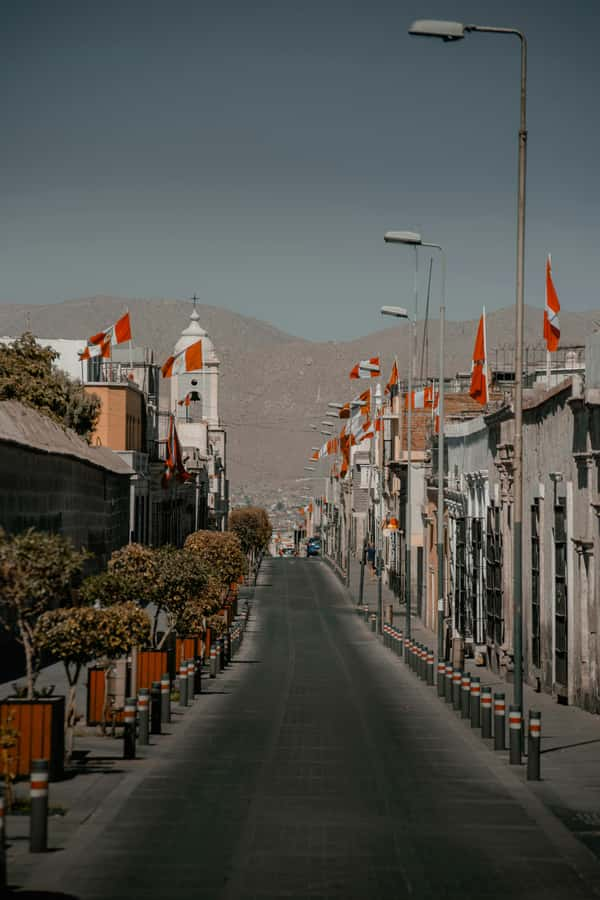
The tambos are among the more distinctive stops. These old lodgings played an important role in life in Arequipa for centuries, and they offer a glimpse into the city’s practical past.
A tambo was not simply a decorative colonial building. It was tied to movement, lodging, trade, and daily life. Including these sites gives the walk a broader focus than churches and grand civic buildings alone. You see how people used the city, not only how its most important institutions presented themselves.
This is the sort of stop that benefits from a local guide. A sign may identify an old building, but it will not always explain how it fitted into the city’s life. The tour’s stories and legends add color, while the guide’s personal knowledge helps place the site in the modern city.
The route is also designed to reveal corners you might not find through a basic online search. Several guides are praised for taking people to less familiar places without turning the walk into a shopping trip. That is important: you are paying for interpretation and local direction, not just a march between famous landmarks.
More History Walking Tours in the world:
- History and Hauntings of Salem Guided Walking Tour
★ 5.0 · 14,564 reviews - Lisbon: History, Stories and Lifestyle Walking Tour
★ 4.8 · 10,902 reviews - Boston: Freedom Trail History Small Group Walking Tour
★ 5.0 · 6,450 reviews - Historic Charleston Guided Sightseeing Walking Tour
★ 5.0 · 6,216 reviews
Cobblestone streets, legends, and local recommendations
The walking itself is part of the experience. You move through picturesque cobblestone streets while hearing stories passed down through generations. The guide may point out places that are easy to pass without noticing, then explain the tradition or tale connected with them.
I would treat the legends as part of the cultural experience, not as a formal history lecture. They help you understand how residents have remembered the city and its buildings. Ask questions if a story catches your interest. Small groups make that easier than large walks where the guide must keep moving.
The tour also includes recommendations for restaurants, bars, and other things to do in Peru. This practical layer receives unusually strong praise. Guides have shared restaurant lists, suggested places around the city, and offered help after the walk through WhatsApp.
That advice can be worth more than a polished speech. You may learn where to eat, what to visit next, or how to make better use of an extra afternoon. Guides have also pointed out contemporary places such as cafes and restaurants, creating a useful link between old Arequipa and the city you are visiting today.
San Camilo Market and the contemporary city
San Camilo Market appears in one version of the experience, so it may be included depending on the guide or route that day. When it is part of the walk, it adds a welcome change from churches and colonial stone.
A market helps you see ordinary city life: shopping, food, and local routines. It also gives the guide another setting for explaining Arequipa beyond its monuments. If San Camilo Market is a priority, ask about it before the walk begins rather than assuming every departure follows the same path.
This is a useful example of why the small-group format matters. Joss has been praised for adding places that suited the group and for showing a mix of historical and contemporary sights. A private or nearly private walk can feel more personal, though the precise route can still depend on timing and the guide.
Finishing above the city with volcano views
The final viewpoint is the tour’s strongest visual payoff. From here, you can look across Arequipa toward Misti, Chachani, and Pichu Pichu. The volcanoes give the city its dramatic setting, and seeing them after walking through the old center helps connect the architecture with the surrounding region.
Several departures have ended on a rooftop or terrace with a wide view and, in some cases, pisco sours at sunset. The exact drink is not listed as part of the included price, so plan to pay separately if you stop for one. Still, the setting makes a pleasant finish and gives you time to talk with the guide.
The afternoon option may be best if you care most about the final light and city view. Morning departures make more sense if you want to use the tour as an orientation before a day of sightseeing. Starting times vary, so check availability when booking.
The climb or walking effort is not described in detail, but the experience is a two-hour walk, with the actual hike described elsewhere as roughly one and a half hours. You should expect to be on your feet for most of the outing. Comfortable footwear and water are sensible, even though those items are not listed as formal requirements.
What the $15 price really gets you
At $15 per person, this sits in the affordable range for a guided city walk. The value is strongest when you use the guide as a local introduction rather than paying only to see buildings you could find yourself.
You are getting a small group, a live guide in English or Spanish, five historical sites, local stories, recommendations, and a viewpoint finish. The group limit of six is important. It allows more questions and can lead to a more flexible route. If others cancel, the experience may become private without a higher price, as happened for some bookings.
The price feels less convincing if you expect a long, detailed lecture at every street corner. One participant felt the tour was basic for the cost and wanted more explanation while walking between sights. That criticism is fair. The tour’s main strengths are its local feel, personal guidance, and useful recommendations, not exhaustive academic detail.
You can cancel up to 24 hours before the start for a full refund, and you can reserve without paying immediately. Those terms make it easier to fit the walk around changing Peru plans.
Who will enjoy this Arequipa walk most
I would choose this tour if you are new to Arequipa and want a clear introduction in your first day. It gives you the main historic center, lesser-known corners, a sense of local stories, and practical ideas for the rest of your stay.
It also suits solo visitors and couples. The small group keeps the walk from feeling anonymous, and a solo booking may become nearly private if the group is light. Families and older visitors should consider the amount of walking and cobblestone streets before booking.
Food-focused visitors will appreciate the restaurant advice. Photographers will like the combination of stone courtyards, old streets, market life, and volcano views. You will get the most from it if you ask questions and tell the guide what interests you.
The experience is less suitable if you want to enter every major building in depth or need a fully fixed, museum-style itinerary. The route can include personal recommendations and lesser-known places, which is part of its charm but also means the exact feel may vary.
Should you book it?
Book this walk if you want a friendly local introduction to Arequipa rather than a formal lecture. The strongest reasons are the groups of six or fewer, the guides’ practical advice, the old tambos and cloisters, and the final view toward the volcanoes.
I would schedule it early in your stay, preferably in the morning if you want help planning your days, or in the afternoon if the rooftop and sunset appeal to you most. Ask about the Cathedral interior and San Camilo Market if either is a priority.
At $15, it is good value for a personal orientation with a strong local touch. Just keep your expectations realistic: you may encounter some quiet walking stretches, and the level of building-by-building detail may depend on the guide. For most visitors who want to get their bearings and see more than the obvious plaza, this is an easy recommendation.
FAQ
Where does the Arequipa walking tour meet?
The meeting point is Campo Redondo San Lazaro in Arequipa. The supplied coordinates are approximately -16.3934138, -71.5336117.
How long does the tour last?
The activity lasts two hours. The walking portion is also described as approximately one and a half hours.
How much does the tour cost?
The listed price is $15 per person.
Which languages are available?
Live guiding is available in English and Spanish. Some content may be shown in its original language.
How many people are in each group?
The group is limited to six participants. If other bookings cancel, your walk may become private or nearly private.
Which places are included?
The route includes five historical sites, with the Cathedral, colonial cloisters, and ancient tambos specifically described. Some departures have also included San Camilo Market.
Does the tour finish at a viewpoint?
Yes. The walk ends at a viewpoint with views toward Arequipa’s surrounding volcanoes, including Misti, Chachani, and Pichu Pichu.
Can I cancel or pay later?
You can cancel up to 24 hours before the tour for a full refund. You can also reserve now and pay later, keeping your plans flexible.
New routes in the world
- Baltimore Walking Foodie Tour in Fells Point★ 5.0 · 182 reviews
- Baku Oil Heritage & Old Town Walking Tour★ 5.0 · 232 reviews
- Baku Walking Tour (Old City)★ 5.0 · 127 reviews
- The Madam’s Curse Walking Ghost Tour★ 4.5 · 103 reviews
- Austin Small Group Morning Walk★ 5.0 · 412 reviews
- Austin Haunted Pub Crawl Walking Tour★ 4.5 · 232 reviews
- Austin Downtown Private Walking Food Tour With Secret Food Tours★ 5.0 · 71 reviews
- Austin Murder Walk★ 5.0 · 310 reviews
Old Town Walking Tours, compared.

Underground Vaults Walking Tour in Edinburgh Old Town
Read our review →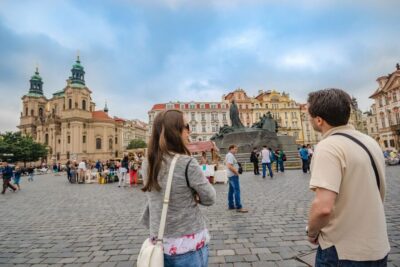
3-Hour Walking Tour of Old Town & Prague Castle
Read our review →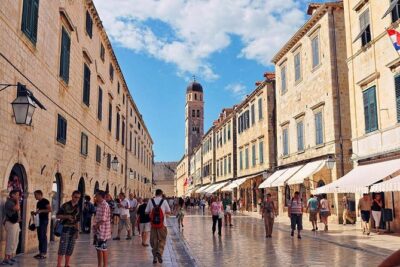
Old Town and Jewish Quarter Guided Walking Tour
Read our review →
Cartagena: Historic Center and Getsemaní Shared Walking Tour
Read our review →
Prague Ghost and Legend of Old Town Walking Tour
Read our review →
Browse the lists this tour appears in