
Review · FLORENCE
Florence: Uffizi & Accademia Small Group Walking Tour
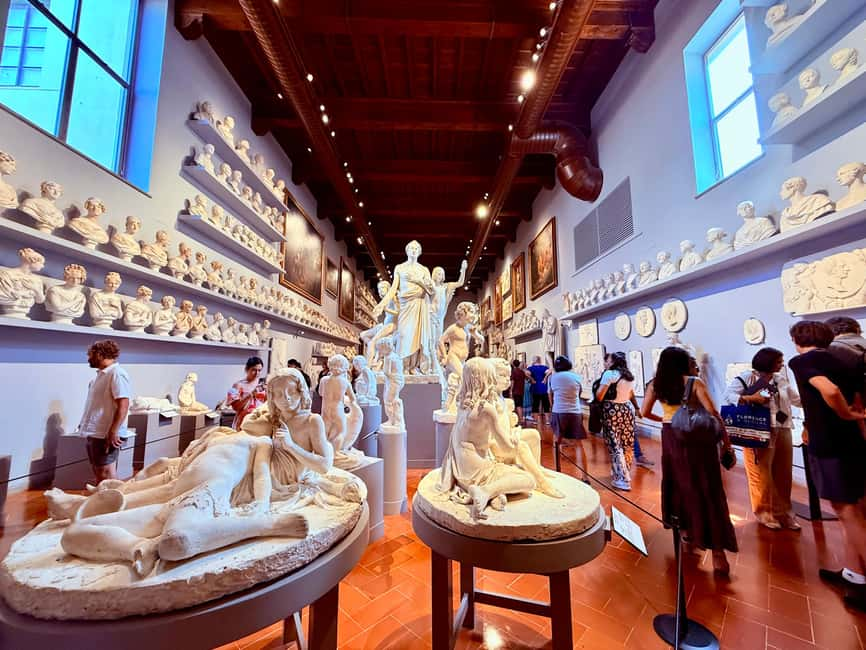
Michelangelo’s David is the star, but this tour gives you Florence’s bigger picture: sculpture at the Accademia, the Duomo outside, and Renaissance painting at the Uffizi. I like the small groups of 10 to 15 and the way the walking route links the museums with the city streets between them. I also like having radios and headsets, since you can hear the guide even when the galleries grow noisy.
I especially like the guides’ mix of art knowledge and local stories. Deborah, Rosa, Sylvia, Margaret, Amanda, Anna, and others are repeatedly praised for clear explanations, humor, and good crowd control. The main drawback is the pace: four hours without a guaranteed drink or toilet break can feel long, especially in summer.
Key points to know before booking
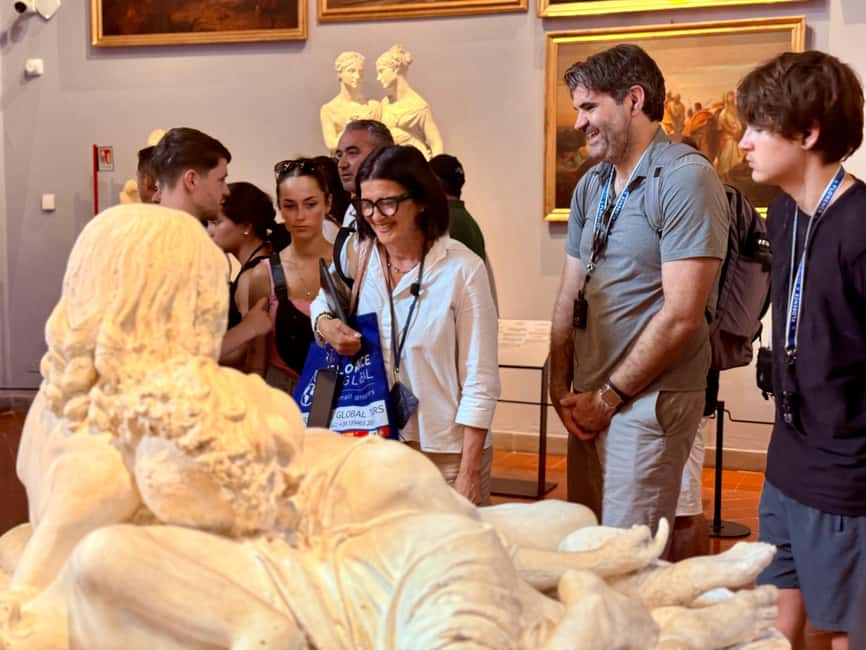
- David comes first: Start at the Accademia with time to study Michelangelo’s famous marble.
- Two major museums in one morning or afternoon: Visit both the Accademia and Uffizi without arranging separate tickets.
- A useful city walk connects the museums: See Duomo Square and Piazza della Signoria along the way.
- The Uffizi focuses on major names: Expect Botticelli, Leonardo, Michelangelo, and other Renaissance masters.
- Small groups help in crowded galleries: Groups generally range from 10 to 15 people, with some departures much smaller.
- Plan for four hours on your feet: Wear comfortable shoes, carry identification, and bring water if permitted.
Why this Florence tour works so well
Florence can overwhelm you in a good way. The Accademia and Uffizi each deserve hours, yet many short visits leave you staring at famous pictures without knowing why they matter. This tour gives you a guided route through both museums, with a city walk in between to connect the art to Florence itself.
The experience costs $148 per person. That is not a casual add-on, but the price includes guided entry to both museums and the main benefit of a reserved, organized visit. You are paying for access, structure, and four hours with someone who can explain what you are seeing instead of leaving you to decode hundreds of rooms alone.
The strongest part is the human element. Guides such as Sylvia, Deborah, Rosa, Margaret, and Anna are praised for making art easy to follow without flattening it into a list of dates. Some add humor, some focus on historical context, and some are especially good at moving a group through tight crowds.
You should still know what this is not. It is not a slow, private museum consultation. You will see the important works, listen to explanations, and keep moving. If you want to sit before every painting or return later to one gallery, a self-guided visit may suit you better.
More Small-Group Walking Tours in Florence:
- Uffizi & Accademia Timed Entry: Small Group Duomo Walking Tour
★ 4.5 · 3,630 reviews - Michelangelo’s David, Accademia & Uffizi Small Group Tour
★ 4.5 · 1,986 reviews - Florence: Small Group Guided Walking Tour
★ 4.7 · 176 reviews
Michelangelo’s David at the Accademia
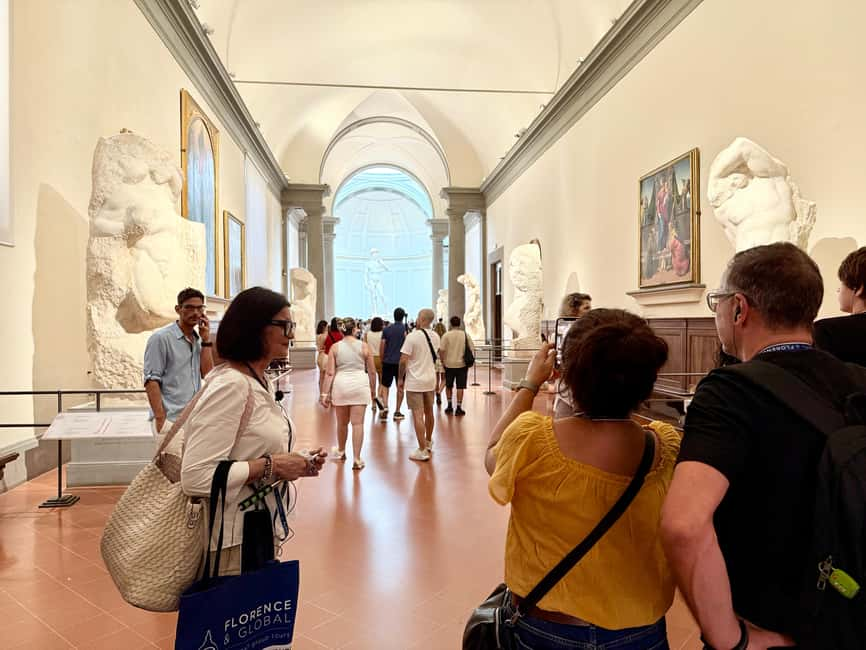
The tour begins at the Accademia, where the guide introduces you to Michelangelo’s David. This is the moment many people are waiting for, and the guide helps you look beyond the statue’s fame.
You’ll learn about the sculpture’s scale, pose, and details, including the way Michelangelo turned a block of marble into a figure that feels alert and ready for action. The guide’s explanation gives you something to look for before you stand beneath the statue, which makes the encounter more rewarding than a quick photograph and exit.
The Accademia is smaller than the Uffizi, but David can still attract a crowd. A guide helps you get oriented and keeps the group together as people stop for pictures. Several guides are also praised for taking group photos, a useful extra when you are traveling with family or friends and want everyone in the frame.
Do not expect the entire four-hour visit to be spent at the Accademia. The museum is one major stop in a tightly planned route. You get time to view David and other selected works, but the focus is on the museum’s key pieces rather than every room.
There is also a practical issue here. The tour may allow only a short pause at the first museum, and the bathroom line can be longer than the break. Use facilities before you arrive if you can, and do not assume you will have time for a full snack stop.
Duomo Square and Brunelleschi’s dome
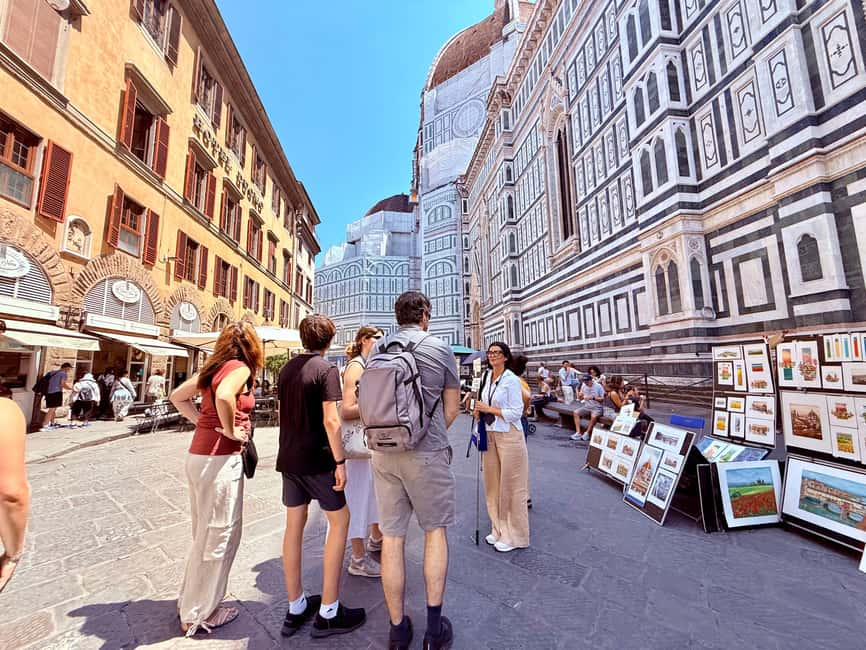
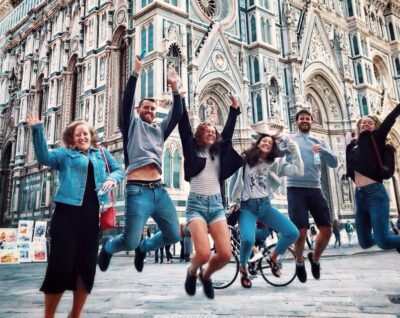
After the Accademia, the route heads outdoors to Duomo Square. This part matters because it gives you a breath of fresh air and places the museum art within Florence’s streets and buildings.
You’ll see the cathedral façade and Brunelleschi’s huge dome from the square. The tour does not include climbing the dome, and the dome interior is not presented as a separate admission. Instead, the guide explains the cathedral complex from outside while pointing out the features that make it one of Florence’s defining sights.
This stop is also where a strong guide earns the fee. The best guides do not simply name the buildings. They connect the city’s architecture, artists, patrons, and public spaces, helping you understand why Florence became such a powerful center for Renaissance art.
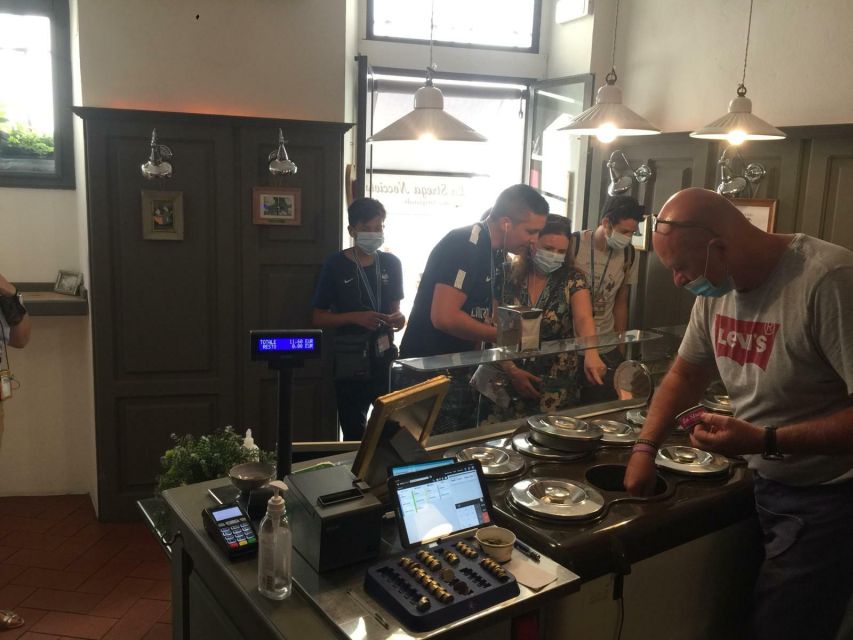
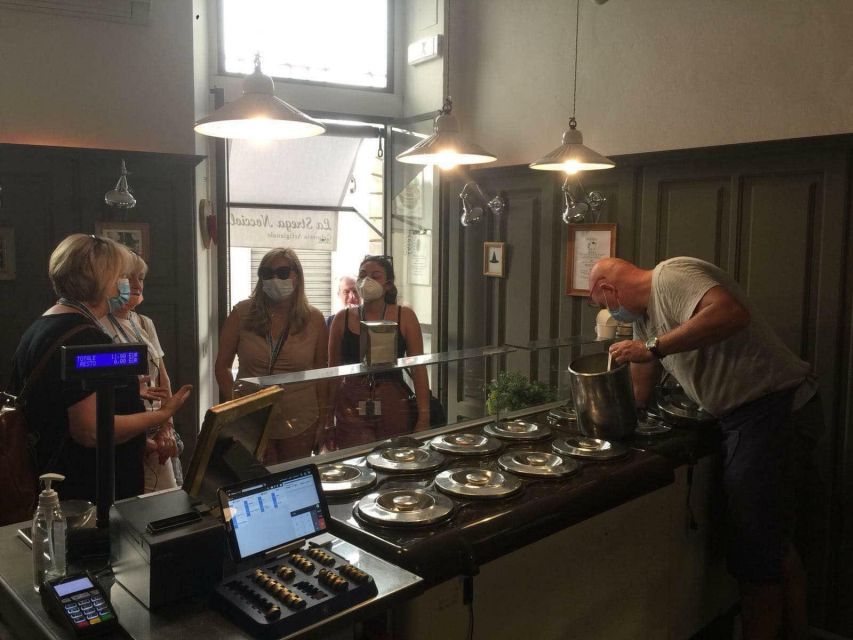
The outdoor section is a true walking tour, not just a transfer between museums. You might hear local tips on gelato, learn small stories about Florence’s leading families, or get context for the streets you pass. One guide even used the walk to explain how to judge the quality of gelato, a practical lesson after several hours of art.
The tradeoff is weather. Florence can be hot, and the route includes standing outdoors between indoor visits. In high season, the heat can make the schedule feel demanding, so wear light clothing, use sun protection, and carry water.
Piazza della Signoria and the city between museums
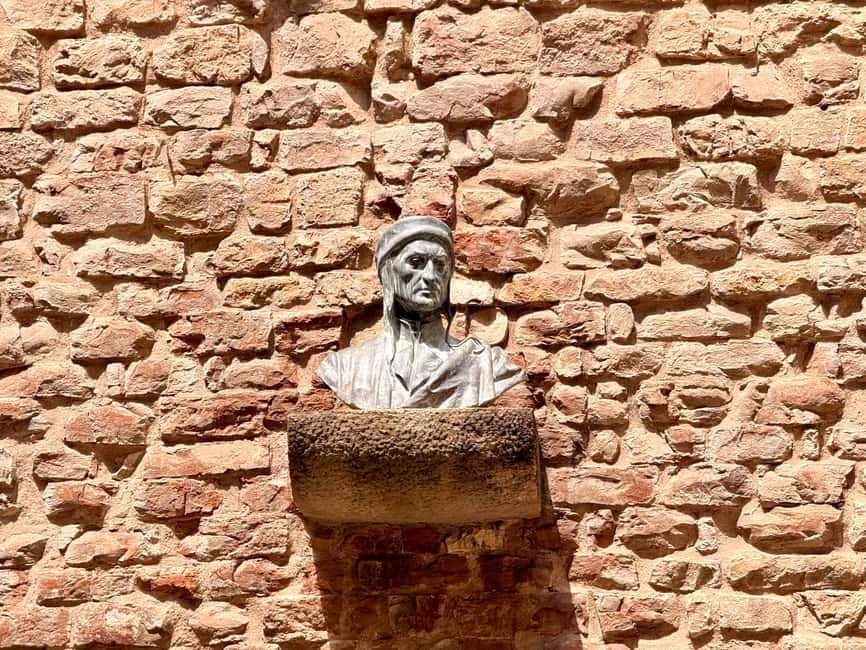
The walk continues through Piazza della Signoria, one of Florence’s most important public squares. This is a good bridge between the quiet concentration of David and the painting galleries at the Uffizi.
You’ll see the square’s open-air sculpture setting and hear about its role in Florence’s public life. The guide helps you read the space as more than a pleasant place for photographs. It is part of the city’s political and artistic story, and its position beside the Palazzo Vecchio makes it a natural lead-in to the Uffizi.
I like this section because it prevents the day from becoming two disconnected museum entries. You move through the same streets that shaped the city’s culture, then enter the former Medici office complex that became the Uffizi Gallery.
The walking route also gives the guide a chance to answer questions. You can ask about Florence’s artists, the Medici family, local food, or the buildings around you. Guides such as Rosie, Deborah, and Rosa are praised for adding personal stories and humor, which can make the outdoor portion feel less like a lecture.
Keep your group in sight. Piazza della Signoria can be crowded, and one guide noted that a more visible flag or marker would help in heavy foot traffic. The headset makes the explanation easier to hear, but you still need to watch where the guide is going.
More Walking Tours in Florence:
- Florence: Highlights Walking Tour with Expert Guide
★ 4.6 · 4,662 reviews - Florence: Duomo Complex with Tickets & City Walk Guided Tour
★ 4.7 · 2,057 reviews - Florence: Guided Walking Tour
★ 4.6 · 1,602 reviews - Florence: Renaissance and Medici Tales Guided Walking Tour
★ 4.8 · 1,549 reviews
The Uffizi and its Renaissance masterpieces
The Uffizi is the tour’s largest museum stop and usually the section that requires the most concentration. Its collection covers major turning points in European painting, and a guide helps you focus on the works that matter most.
Botticelli’s Birth of Venus is one of the headline pieces. You can expect an explanation of the painting’s figures, symbolism, and place in Florentine art. The goal is not to rush past the famous image, but to give you enough background to understand why it has become such an emblem of the Renaissance.
Leonardo and Michelangelo also feature in the guided route, along with other major artists. The guide points out changes in style, technique, and subject matter, helping you see how Renaissance painting developed. If you are new to art history, this structure is valuable. If you already know the basics, you can use the guide for questions and details you might otherwise miss.
The Uffizi can be crowded, especially in summer and on popular days. Experienced guides such as Deborah and Sylvia are praised for keeping groups together and finding a workable path through busy rooms. Skip-the-ticket-line entry saves time, but it does not mean you will walk straight into every gallery without any waiting. Museum security and entrance procedures can still slow things down.
The tour also includes upper-floor views toward the Ponte Vecchio and the city. These views are a welcome change after the indoor galleries and give you a chance to look back at Florence from above. The terrace adds another visual reward, although the amount of time available there depends on the guide and the day’s crowd levels.
What the four-hour format feels like
Four hours is long enough to cover the essential works and short enough to fit into a busy Florence itinerary. The route is efficient, but it is not relaxed in the way a private full-day art visit would be.
You will spend much of the time standing or walking. Comfortable shoes are essential. The headsets help because you do not need to crowd around the guide, and they let you look at a painting while still following the explanation.
The main comfort concern is the lack of a fixed refreshment break. One guide made time for coffee and a snack, and another handled a participant’s need for water with care, but you should not count on every departure following that pattern. Bring water if the museum rules allow it, and use the restroom before the tour begins.
Families should think about stamina. Older children and teenagers can enjoy the mixture of sculpture, painting, architecture, and stories, and one guide received strong praise for keeping both children and adults engaged. Very young children may find four hours of museum listening difficult, especially if the day is hot.
Small-group size and guide quality
The advertised group size is 10 to 15 people, but some departures are smaller. One group had only three participants, while others had around eight to twelve. That difference matters. A tiny group allows more questions and a more personal pace, while a full group still feels manageable but requires you to stay close.
The guides are the strongest part of the experience. Deborah is praised for art expertise, calm organization, and personal attention. Rosa is known for taking command when crowds become difficult and for sharing useful photographs. Sylvia receives high marks for energy, clear explanations, and keeping everyone together.
Margaret, Amanda, Anna, Caterina, Elena, Cosetta, and Rosie are also praised for making the art approachable. Their styles differ. Some focus on early and mature Renaissance art, some add more local anecdotes, and others bring more humor. You cannot choose a specific guide unless the booking option says so, but the repeated pattern is clear: the tour depends heavily on the individual leading it.
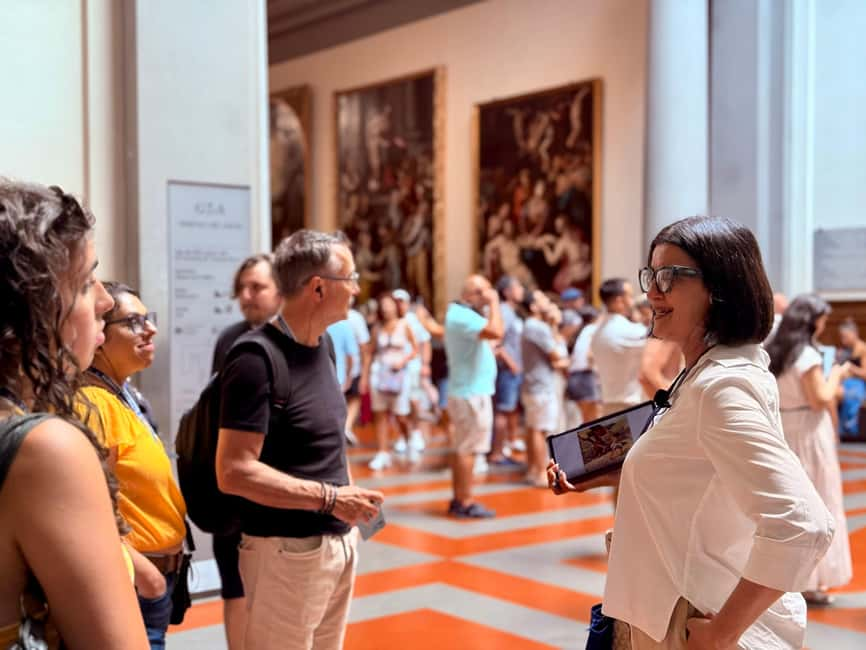
The headsets are a real practical advantage. In a packed gallery, you can stand a few steps away from the guide and still hear. This also means the guide does not need to shout, which makes the visit less tiring.
Is $148 a fair price?
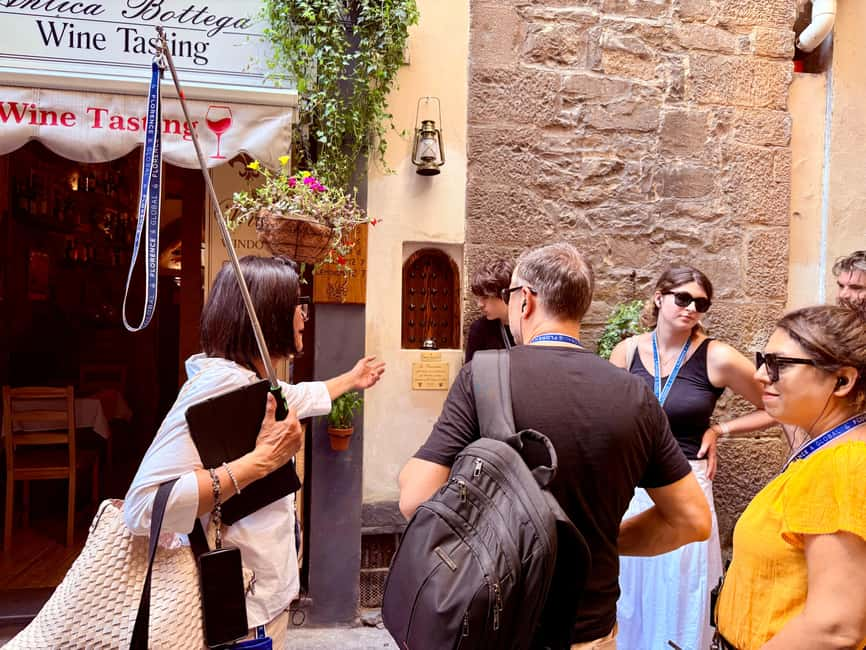
At $148, this is a premium half-day tour. The value depends on how you like to visit museums.
I think the price is reasonable if you want both museums in one organized visit, need help deciding what to see, and place a high value on avoiding the regular ticket line. Buying separate admission and wandering through both collections alone may cost less, but you would give up the guide’s explanations and the planned route.
The tour is also useful if your Florence stay is short. You can cover David, the Duomo area, Piazza della Signoria, the Uffizi, and city views in four hours. That leaves the rest of the day for lunch, another church, shopping, or a slower walk.
The price is harder to justify if you already have strong art-history training or prefer to explore at your own speed. You may want more time with fewer works rather than a highlights route. You should also consider that a full group of 15 gives you less personal attention than a private guide.
Free cancellation up to 24 hours ahead and the option to reserve now and pay later add useful flexibility. You must provide every participant’s name as shown on a passport or identification card, including children, and carry identification on the day.
Who should book this tour?
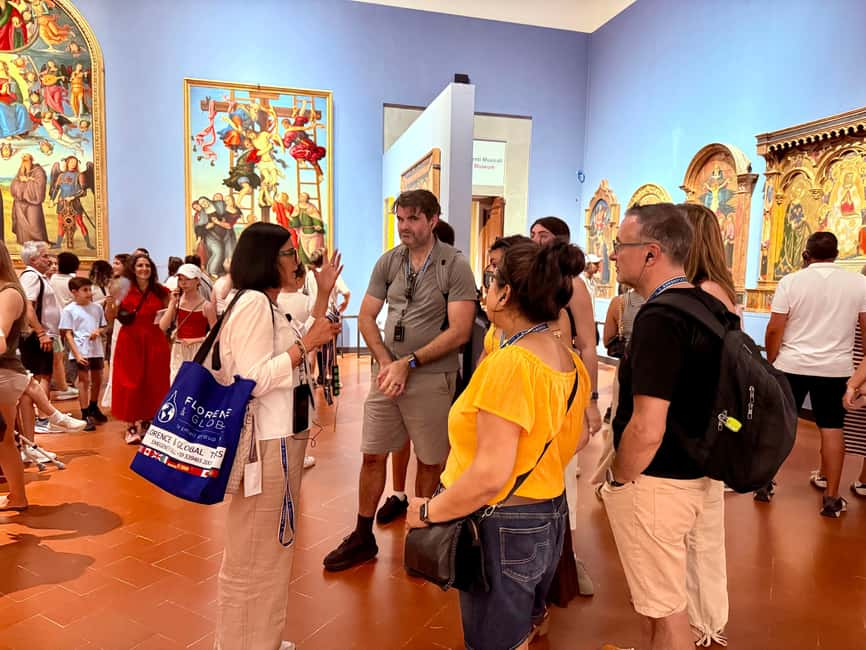
I would choose this tour for a first visit to Florence, especially if you want the city’s main art landmarks without spending days planning museum reservations. It suits couples, families with older children, and anyone who wants a clear introduction to Renaissance art.
It is also a good fit for people who feel unsure in large museums. The guide selects the essential works, explains what makes them important, and helps you manage the crowds. You will leave with a stronger sense of how David, the Duomo, Piazza della Signoria, and the Uffizi fit together.
I would hesitate if you need frequent breaks, dislike standing, or want a quiet, unhurried museum visit. The schedule is demanding, and bathroom and drink stops are not guaranteed. Anyone with mobility concerns should confirm the exact arrangements for the chosen departure, even though the activity is listed as wheelchair accessible.
The first Sunday of each month is a special case. Museum entry is free then, but tickets cannot be reserved ahead of time, so admission is not guaranteed. If you choose that date, the usual skip-the-line advantage may not apply in the same way.
Should you book it?
Book this tour if you want the essential Florence art circuit in four hours, with a local guide to explain the masterpieces and steer you through busy museums. The strongest value comes from the combination of Accademia, Uffizi, city walking, and organized entry.
Skip it if your priority is total freedom, long pauses, or a slow study of individual galleries. For most first-time visitors, though, the route is a smart way to make sense of Florence quickly. Bring good shoes, identification, patience for crowds, and water if permitted. The art is extraordinary, but the guide is what turns a packed museum visit into a coherent day.
FAQ
How long does the tour last?
The tour lasts four hours.
Which museums are included?
The tour includes guided visits to the Accademia and the Uffizi.
Will I see Michelangelo’s David?
Yes. The Accademia visit includes Michelangelo’s David.
Will the tour visit the Duomo?
You will walk through Duomo Square and view the cathedral façade and Brunelleschi’s dome from outside.
Does the tour include the Uffizi’s major artworks?
The guided Uffizi visit includes works by Botticelli, Leonardo, Michelangelo, and other artists.
Is entry included in the price?
Skip-the-ticket-line entry to both the Uffizi and Accademia is included.
How large is the group?
Small groups generally contain 10 to 15 people. Some departures may be smaller.
Which languages are available?
Live guides are available in English, German, Spanish, French, and Italian.
Is the tour wheelchair accessible?
The activity is listed as wheelchair accessible. You should confirm the arrangements for your selected option when booking.
What should I bring?
Bring comfortable shoes and a passport or identification card. Children also need identification. Pets, luggage, and large bags are not allowed.
New routes in Florence
- Florence: Heart of Florence Guided Walking Tour★ 4.0 · 81 reviews
- Florence: Walking Tour with David, Duomo & Uffizi Gallery★ 4.7 · 414 reviews
- Florence: The Medici Family Guided Walking Tour★ 4.7 · 129 reviews
- Florence Walking Tour & Skip-the-Line David at Accademia★ 4.7 · 159 reviews
- Florence Street Food Walking Tour with Wine in Duomo Area★ 4.9 · 76 reviews
- Florence: Tuscan Food and Wine Guided Walking Tour★ 4.8 · 72 reviews
- Florence: Medici Family Guided Walking Tour★ 4.5 · 193 reviews
- Florence: Private Walking Tour with a Local★ 4.6 · 126 reviews
Florence Walking Tours, compared.
Uffizi & Accademia Timed Entry: Small Group Duomo Walking Tour
Read our review →
Duomo Complex with Tickets & City Walk Guided Tour
Read our review →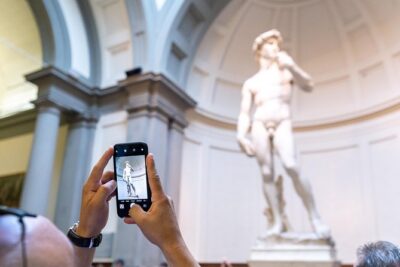
Michelangelo’s David, Accademia & Uffizi Small Group Tour
Read our review →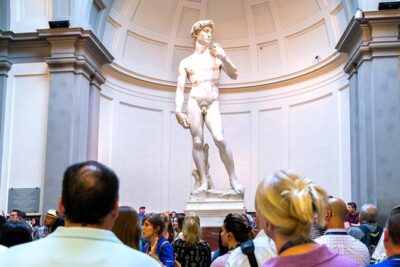
David & Accademia Guided Tour with Time Entry Ticket
Read our review →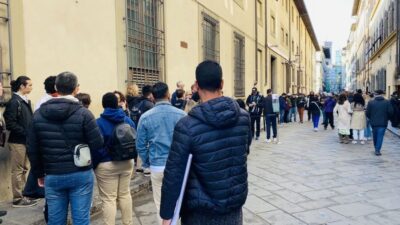
Renaissance and Medici Tales Guided Walking Tour
Read our review →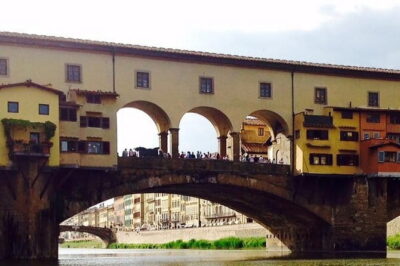
Skip-the-Line Florence Highlights and David Walking Tour
Read our review →Browse the lists this tour appears in