
Review · STOCKHOLM
Stockholm: Old Town Walking Tour
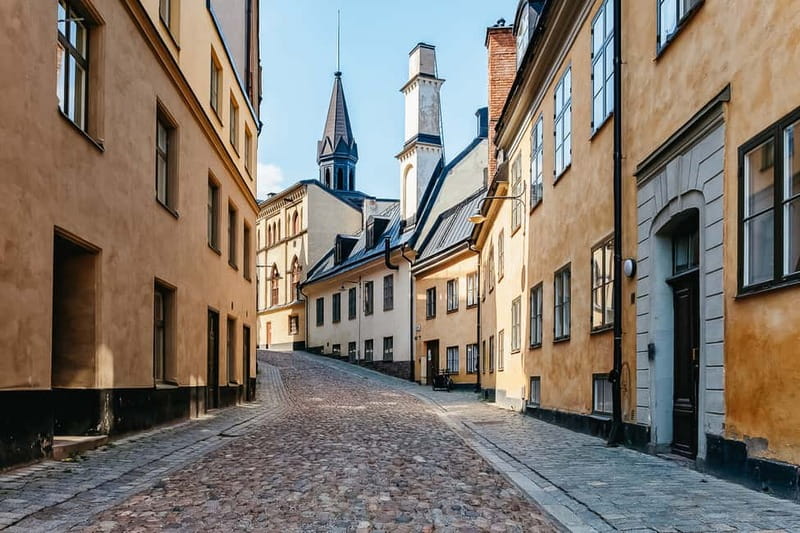
The most memorable part of Stockholm’s Old Town is how much drama is packed into its narrow lanes. In two hours, you’ll move through Gamla Stan as a medieval center of power, hearing about noblemen, princesses, dukes, the Stockholm Blood Bath, and a cannonball still wedged in a house wall. I like that the tour turns stones and statues into clues, rather than asking you to admire old buildings without context.
I also like the small-group feel reported on many departures, including occasions when a guide led just one or two people. Guides such as Sofia, Sara, Sophia, Adam, and Norbert are praised for clear English, patient answers, and a friendly pace. The main consideration is weather: this is an outdoor walking tour, and cold, wind, or rain can make the two hours feel longer.
Key points at a glance
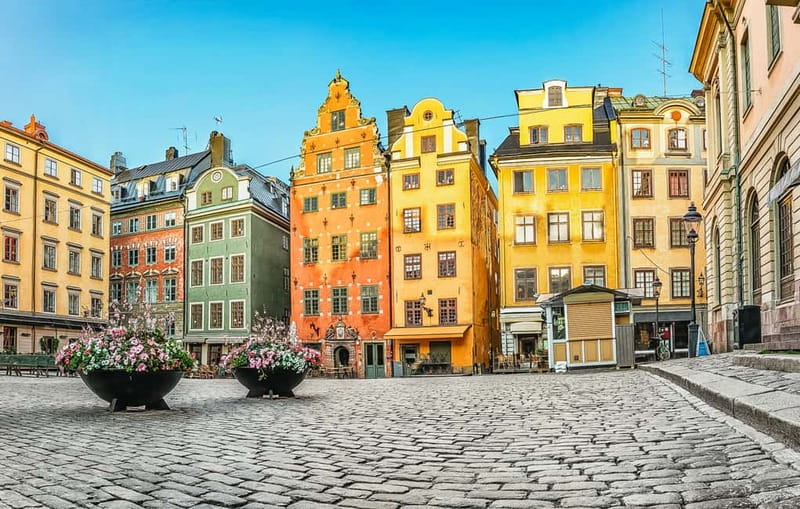
- Gamla Stan in two hours: A focused introduction to Stockholm’s oldest central neighborhood.
- Stories with specific landmarks: Look for the cannonball in a façade and hear the tale of St. George and the Dragon.
- Royal setting: The route includes a view of the 17th-century Baroque Royal Palace.
- English-speaking guides: The tour is led live in English, with guides including Sofia, Sara, Sophia, Emma, and others.
- Good question time: Guides are praised for answering questions, pausing for photos, and adjusting the pace.
- Useful first-day choice: Local food and sightseeing suggestions can help you plan the rest of your Stockholm stay.
Why Gamla Stan works so well on foot
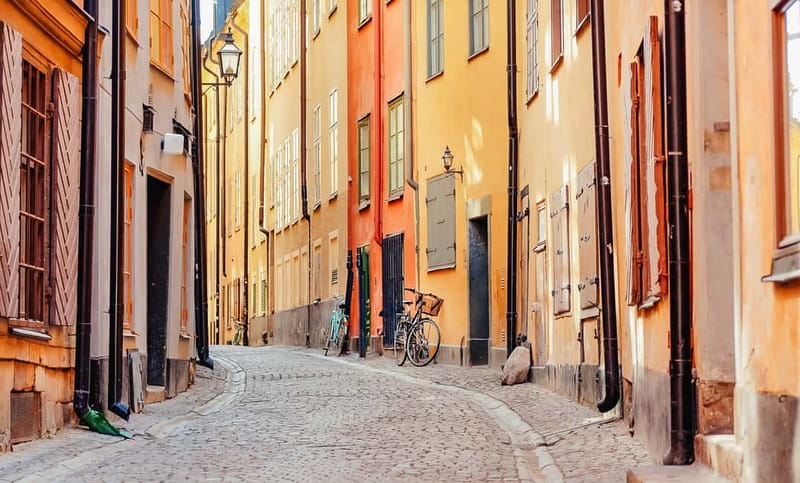
Gamla Stan is Stockholm’s historic center, and it is best understood at walking speed. Its lanes, squares, façades, and monuments are close together, so you spend your time looking around rather than transferring between sights.
The tour presents the district as it might have felt in the Middle Ages and the 1500s, when royal ambition, religious power, trade, and family politics shaped daily life. That time frame gives the walk a useful spine. You are not simply hearing dates. You are following the changes that made Stockholm a capital and seeing how old events still cling to the streets.
I like this kind of introduction early in a visit. After two hours, you should have a better sense of which streets deserve a second look and which landmarks need a museum visit to make full sense. The walk also gives you a story-based way to remember the district, which is far easier than memorizing a list of buildings.
The tradeoff is that a walking tour can only provide an outside view of many attractions. The emphasis is on streets, façades, legends, and historical explanation, not extended indoor visits.
More Old Town Walking Tours in Stockholm:
- Stockholm Gamla Stan: Old Town Walking Tour with Local Guide
★ 4.7 · 1,714 reviews - Walking Tour of Stockholm Old Town
★ 5.0 · 1,175 reviews - Stockholm: Old Town Private Walking Tour
★ 4.7 · 675 reviews
Meeting beneath the chestnut tree
The meeting point is Kindstugatan 1, 111 31 Stockholm, beneath the large chestnut tree. This is a precise landmark, but you should still arrive early. One participant specifically advised reaching the meeting point about 10 minutes before the start, a sensible plan in a maze of old lanes.
The nearby coffee shop can be useful before the walk. A coffee is especially welcome in the colder months, when several departures have taken place in chilly or windy conditions. The tour does not include refreshments, so plan accordingly.
At the start, look for the guide rather than expecting a large branded desk or indoor check-in. The experience is built around a live guide, and the quality depends heavily on that person’s storytelling, pacing, and ability to answer questions.
The first steps into Stockholm’s oldest center
The opening section sets the scene for Gamla Stan. You can expect an explanation of why this neighborhood matters and how it connects with Stockholm’s wider past.
A strong guide makes the old town feel less like a collection of attractive streets and more like a working medieval settlement. The stories concern people with power, people caught in political violence, and legends that helped shape how the city understood itself.
This is also where the guide can point out details you might miss alone. Several people appreciated small figures, carvings, statues, and architectural features that carried a story of their own. Look up and around you. The narrow lanes encourage eye-level viewing, but some of the best clues sit above shopfronts and doorways.
The route is not presented as a rush from one postcard view to the next. Guides are expected to leave time for questions and photographs. Sara, Sophia, and Sofia were particularly praised for explaining clearly and adjusting the pace, which matters when a group includes different ages or walking speeds.
The Royal Palace and the power of the crown
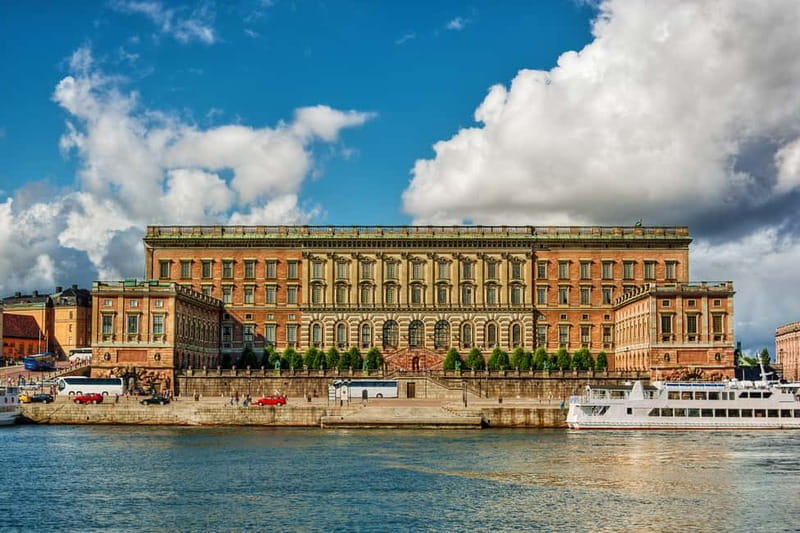
The Royal Palace is one of the main sights on the route. The current palace is associated with 17th-century Baroque design, giving the walk a grand counterpoint to Gamla Stan’s tight medieval lanes.
From the outside, the palace helps explain the scale of Swedish royal power. It also gives the guide a chance to connect architecture with politics, court life, and the people who shaped the country. You should expect a historical stop rather than a full palace tour. The supplied details do not include interior entry, tickets, or time inside the building.
That distinction is important when judging the price. If you want a palace interior visit, you will need to arrange that separately. If you want the palace placed within the story of Stockholm, the stop does its job without taking the whole afternoon.
I like this part because it shows how the old town contains different eras side by side. Medieval lanes lead toward a grand royal complex, and the contrast makes both more interesting.
More Walking Tours in Stockholm:
- Stockholm: Ghost Walk and Historical Tour
★ 4.7 · 2,685 reviews - Stockholm: Swedish Food Guided Walking Tour
★ 4.5 · 1,167 reviews - The Original Stockholm Ghost Walk and Historical Tour – Gamla Stan
★ 4.5 · 1,165 reviews - Stockholm: Guided Historic Old Town Walking Tour with Local
★ 4.8 · 618 reviews
The Stockholm Blood Bath and the harder side of history
The walk does not treat Stockholm’s past as a parade of pretty buildings. The Stockholm Blood Bath is one of the major events discussed, bringing political violence into the route.
This is valuable because it keeps the tour from becoming too polished. Gamla Stan has handsome façades and picturesque streets, but its past also includes conflict, punishment, and struggles for control. A good guide can make those events understandable without turning the walk into a lecture.
The amount of detail will depend on the guide and the group’s questions. Sofia, Sara, and Sophia were repeatedly praised for making difficult historical material clear and for linking Swedish events to other countries and cultures. One guide even connected Swedish history with Denmark and India during a personal discussion, showing how the conversation can widen beyond the immediate street.
If you prefer only architecture and light anecdotes, this section may feel more serious. I see that as a strength, but it is worth knowing that the tour includes real political history rather than only royal trivia.
The cannonball in the wall
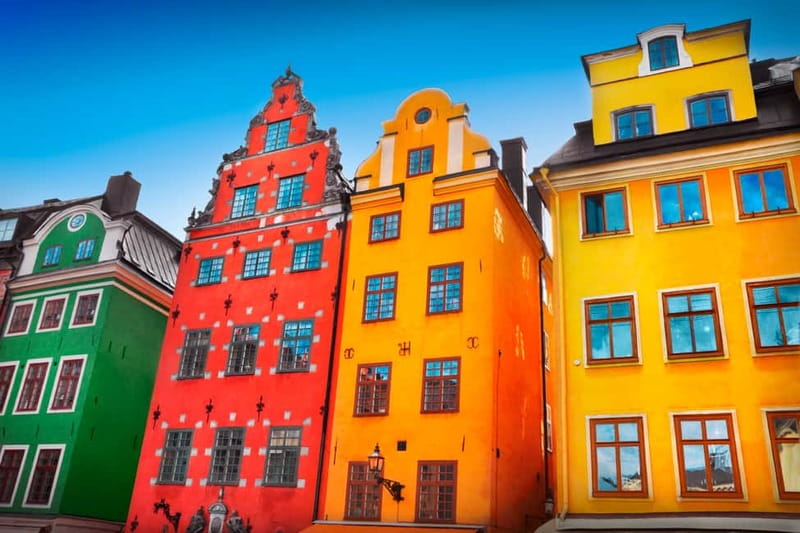
One of the walk’s most appealing details is a cannonball lodged in the façade of a house. It is the sort of small, physical clue that makes history stick.
A date or political explanation can fade quickly. A ball still sitting in a wall gives you something concrete to remember and photograph. It also shows why a local guide adds value. You might pass the façade alone without noticing anything unusual, or notice it without knowing why it is there.
This stop captures the style of the entire tour: look closely, hear the story, then connect a modest detail to a larger event. You will not need an expert interest in military history to enjoy it.
St. George, the Dragon, and Stockholm’s legends
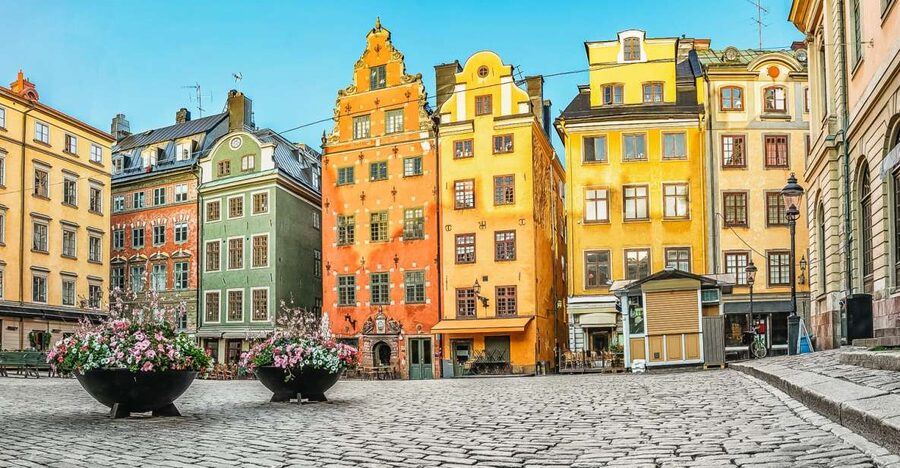
The legend of St. George and the Dragon adds a different mood. After political violence and royal history, the story brings in symbolism, faith, and the way legends become part of a city’s identity.
The route also includes statues and small figures whose meanings are explained along the way. This is where a guide’s personality matters most. The best version of this stop is not a dry explanation of a sculpture. It is a short story that helps you see why the image is present and what it meant to people.
You may find that the legendary material is easier to remember than a string of dates. It also gives children and mixed-age families something to latch onto, though the overall tour still requires attention and steady walking.
Guide style, language, and group size
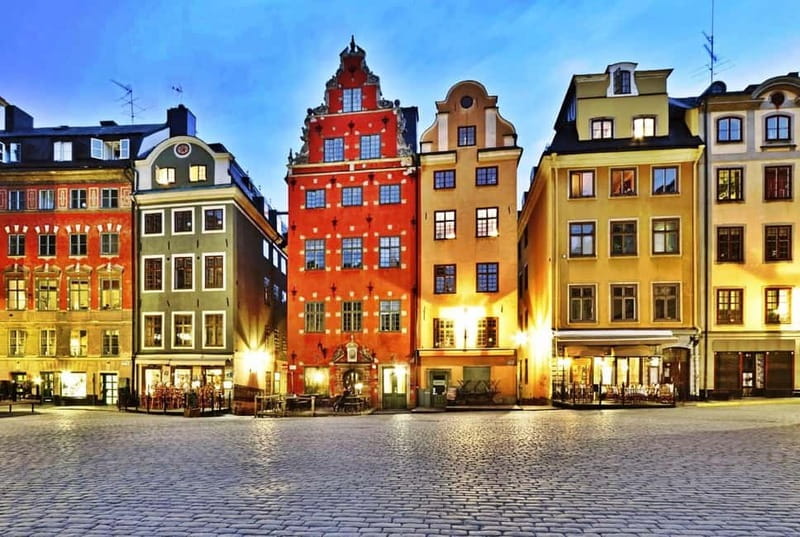
The tour is conducted in English. Past guides have included Sofia, Sophia, Sara, Emma, Adam, Nadia, Norbert, Samuel, and Kira, among others. You cannot choose a particular guide from the information provided, but the range of comments points to a team with different backgrounds and styles.
The strongest pattern is clear communication. Guides are praised for speaking slowly when needed, explaining Swedish history in an understandable way, and welcoming questions. That can make a real difference if English is not your first language or if you are traveling with someone who has difficulty hearing.
Group size appears to vary. Some departures have had only one or two participants, while others included a larger group. A small group can make it easier to ask questions, take photos, and keep a comfortable pace. The downside is less predictable interaction if one or two people take up too much of the guide’s time. One participant noticed that a pushy couple received too much attention during part of the walk.
I would treat the guide as the main reason to book rather than expecting an identical script every time. A warm, prepared guide can turn the same lanes into a much better experience than a rushed presentation.
Pace, weather, and practical comfort
The walk lasts two hours. That is long enough to give Gamla Stan a proper introduction but short enough to fit around a museum, lunch, ferry, or independent exploring.
Guides are praised for a measured pace and for making time for photographs. One guide even showed a group to the ferry afterward, though you should not treat that as a guaranteed part of every departure. The tour data does not specify the total walking distance, surface conditions, or seating during stops, so wear shoes you can use comfortably on old-town streets and plan for a standing experience.
Weather deserves real attention. Participants have completed the tour in intense cold, rain, and wind. The tour continues in those conditions, and an umbrella or waterproof layer may make a big difference. Bring your own weather protection, since umbrellas and coffee are not listed as included features.
Summer gives you longer daylight and generally easier conditions, but the old town may feel more crowded at popular points. Winter can make the stories feel atmospheric, but you need warm layers and gloves. The guide remains the same kind of resource in either season, while your comfort depends on preparation.
What the $50 price buys you
At $50 per person, this is not the cheapest way to see Gamla Stan. You can walk through the neighborhood on your own for free. The question is what you want from the visit.
I think the price can make sense if you value context and conversation. You are paying for two hours with a live English-speaking guide who can identify details, explain events, answer questions, and suggest what to do next. That last part has practical value. Guides have offered tips for restaurants and other activities, giving you ideas for the rest of your stay.
The value is strongest for a first visit, especially if you have limited time or want a clear introduction before exploring alone. It is less compelling for someone who already knows Stockholm’s history and prefers reading plaques or wandering without a schedule.
The flexible booking terms also reduce some risk. You can cancel up to 24 hours in advance for a full refund, and you can reserve now and pay later. Availability determines the start time, so check the current options before planning other fixed activities.
Who should book this walk?
I would choose this tour for a first-time visit to Stockholm, a short city break, or a port call when you want an efficient introduction to the old town. It also suits families and mixed-age groups who respond well to stories rather than long museum explanations.
It is a good fit if you enjoy asking questions. Several guides are praised for giving direct answers and adjusting the discussion to the group. It is also useful for anyone who wants restaurant or sightseeing ideas from someone who knows the area well.
You may want another option if you need a fully indoor activity, have difficulty walking for two hours, or want entry into the Royal Palace. The provided details do not promise a particular accessibility setup, indoor shelter, or palace admission. In poor weather, the experience depends on your clothing and tolerance for being outside.
My verdict on the Stockholm Old Town Walking Tour
Book it if you want Gamla Stan to make sense, not just look pretty. The Royal Palace, cannonball, Blood Bath, and St. George legend give the walk enough variety, while the guide supplies the connections between them.
The main uncertainty is the individual guide and the weather. The many guide names and generally strong comments suggest a solid experience, but the exact tone can vary. Arrive 10 minutes early beneath the chestnut tree, bring weather protection, and treat the walk as an introduction rather than a complete study of Stockholm.
For $50, I see the best value in the questions, stories, and local orientation. If you are spending only a day or two in Stockholm, those two hours can help you use the rest of your time with much more purpose.
FAQ
How long is the Stockholm Old Town Walking Tour?
The tour lasts two hours.
What language is the tour conducted in?
The live tour is conducted in English.
What is the price?
The listed price is $50 per person.
Where does the tour meet?
The meeting point is Kindstugatan 1, 111 31 Stockholm, Sweden, beneath the large chestnut tree.
What can I see during the walk?
The tour includes Gamla Stan, the 17th-century Baroque Royal Palace, a cannonball lodged in a house façade, and places connected with the Stockholm Blood Bath and St. George and the Dragon.
Is a guide included?
Yes. A professional tour guide is included.
Can I cancel the booking?
You can cancel up to 24 hours in advance for a full refund.
Do I have to pay when I reserve?
The activity allows you to reserve now and pay later, so you do not have to pay anything at the time of booking.
Are starting times fixed?
Starting times depend on availability. Check the available options when booking.
Is the tour suitable in cold or rainy weather?
The walk takes place outdoors and has operated in cold, windy, and rainy conditions. Bring suitable clothing and your own rain protection.
New routes in Stockholm
- Stockholm: Private Walking Tour with a Local★ 4.4 · 291 reviews
- Stockholm: Walking tour of Gamla Stan, the Old Town★ 4.9 · 101 reviews
- Stockholm: Guided Historic Old Town Walking Tour with Local★ 4.8 · 618 reviews
- Stockholm: Old Town Walking Tour★ 4.6 · 400 reviews
- Stockholm: Old Town Historical Walking Tour, small group★ 4.9 · 411 reviews
- Stockholm: Old Town Walking Tour, stories and secrets★ 4.8 · 275 reviews
- Stockholm: Old Town Private Walking Tour★ 4.7 · 675 reviews
- Walking Tour of Stockholm Old Town★ 5.0 · 1,175 reviews
Stockholm Walking Tours, compared.

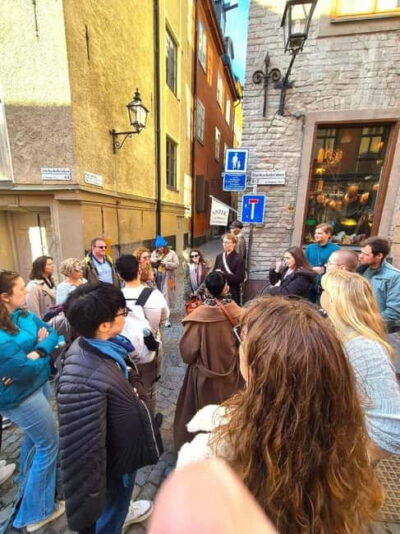
Stockholm Gamla Stan: Old Town Walking Tour with Local Guide
Read our review →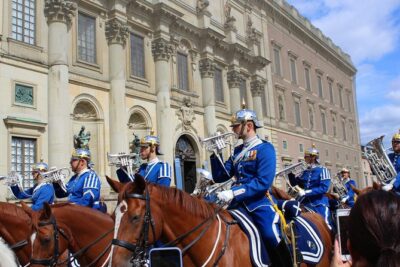


The Original Stockholm Ghost Walk and Historical Tour – Gamla Stan
Read our review →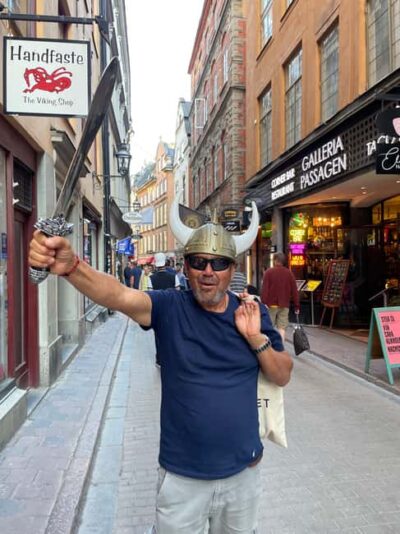
Guided Historic Old Town Walking Tour with Local
Read our review →

Browse the lists this tour appears in