
Review · PARIS
Paris: French Revolution Walking Tour
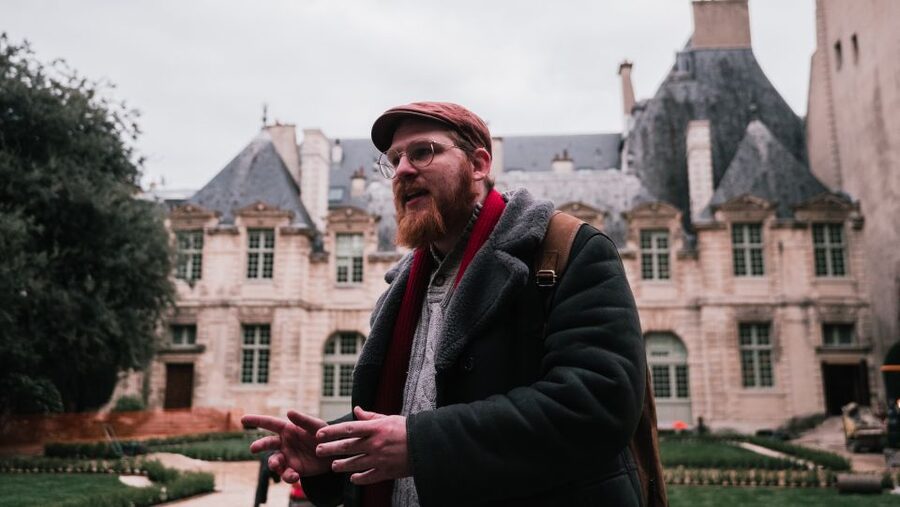
Paris still carries the marks of 1789, but you need a good storyteller to spot them. This two-hour French Revolution walk turns old streets, churches, and overlooked details into a fast-moving story of hunger, conspiracy, freedom, and bloodshed. The tour builds toward the storming of the Bastille and explains how a political crisis became a force that remade France.
I like the way the guides make a difficult subject easy to follow, especially when they condense years of upheaval into one walk. I also like the use of real streets and surviving features, since you are not just hearing about events in a classroom. The main drawback is scope: two hours cannot cover every major site, and some famous places, including the Place de la Concorde and Champ de Mars, may receive little or no attention.
Key points to know before you book
- A story-led walk from Place du Châtelet: Meet at the Fontaine au Sphinx, then follow your guide into the historic center of Paris.
- Guides with strong English delivery: François, Louis, Fran, Amber, Sam, Guillaume, and others have led this experience, with clear speech and an energetic approach.
- A close look at revolutionary Paris: Churches, streets, landmarks, and small surviving details help connect political events to daily life.
- A condensed but nuanced history: The walk covers the causes of the Revolution, the Bastille, the royal executions, revolutionary violence, and the movement’s changing goals.
- A comfortable two-hour format: The pace is designed to fit a lot into a short outing, with one account noting a comfort break midway.
- Good booking flexibility: The tour costs $46 per person, is wheelchair accessible, and allows cancellation up to 24 hours before departure for a full refund.
Starting at Place du Châtelet with Paris on the brink
Your meeting point is in front of the Fontaine au Sphinx on Place du Châtelet. This is a useful central location, but give yourself time to find the exact fountain. One person had trouble locating the guide because there was no obvious tour logo, and the guide did not introduce himself right away. I would arrive early, look for the group gathered by the fountain, and confirm that you have found the right walk before the start time.
The opening section sets up the crisis that pushed France toward revolution. You can expect the guide to explain the pressure on the monarchy, the anger over privilege, the financial strain facing the country, and the growing demand for political change. The value here is not simply learning a list of causes. You begin to see why events moved so quickly once ordinary people, political clubs, and members of the public found a common target.
The walk does not always follow events in exact date order. That is worth knowing if you prefer a strict timeline. The guide may organize the story around the streets and buildings in front of you, then move backward or forward in time to explain why a place mattered. A strong guide keeps the chronology clear while using the city as the outline.
More Walking Tours in Paris:
- Authentic Parisian Gourmet Food Tour with 10 Local Dishes & Wines
★ 5.0 · 4,754 reviews - Paris Top Sights Half Day Walking Tour with a Fun Guide
★ 5.0 · 2,893 reviews - Montmartre Hidden Gems and Scenic Highlights Walking Tour
★ 5.0 · 2,684 reviews
Following the old streets and forgotten details
The best part of this experience is the link between place and event. You walk through the old center of Paris and hear what happened in the same streets or near the same landmarks. Some details are small, such as objects or features that are easy to pass without noticing, but they help make the period feel close rather than remote.
The tour description promises a kind of historical treasure hunt, and that idea suits the format. You are not only listening to a speech while walking from one famous monument to another. You are looking for traces, asking what a church or street might have meant during the Revolution, and paying attention to the details that survived as Paris changed around them.
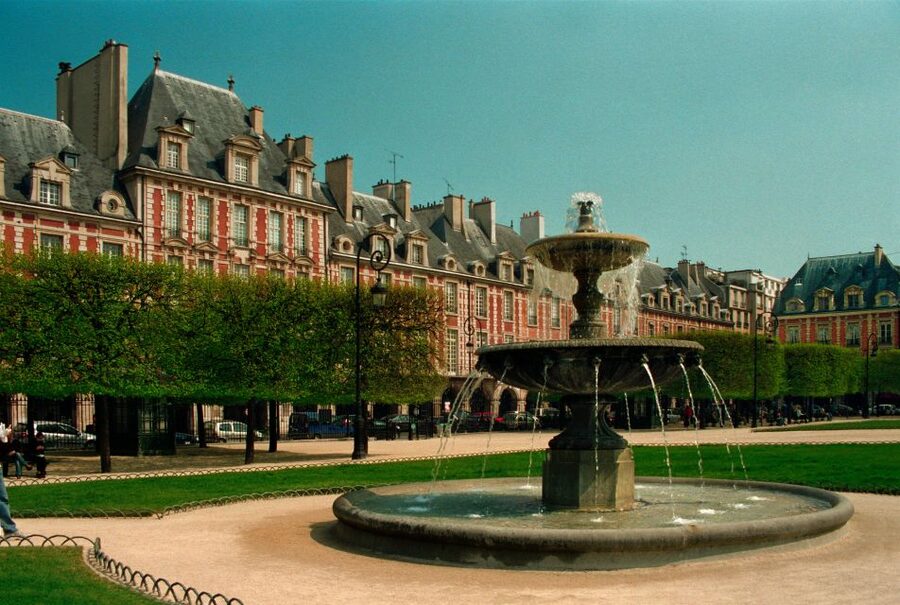
The stops vary, which keeps the walk from becoming a single long lecture. You may pause at churches and hear about the effect of revolutionary politics on religion. You may stand near a landmark and hear how public space became a stage for speeches, crowds, processions, punishment, and protest. The walk also takes in the Marais area, adding a side of Paris that many first-time visitors might miss if they only follow the biggest monuments.
I especially value this kind of route because the Revolution was not only fought in government rooms. It played out in streets, churches, meeting places, prisons, and public squares. Seeing those settings gives you a better sense of how close politics was to everyday life.
The Bastille as the walk’s dramatic turning point
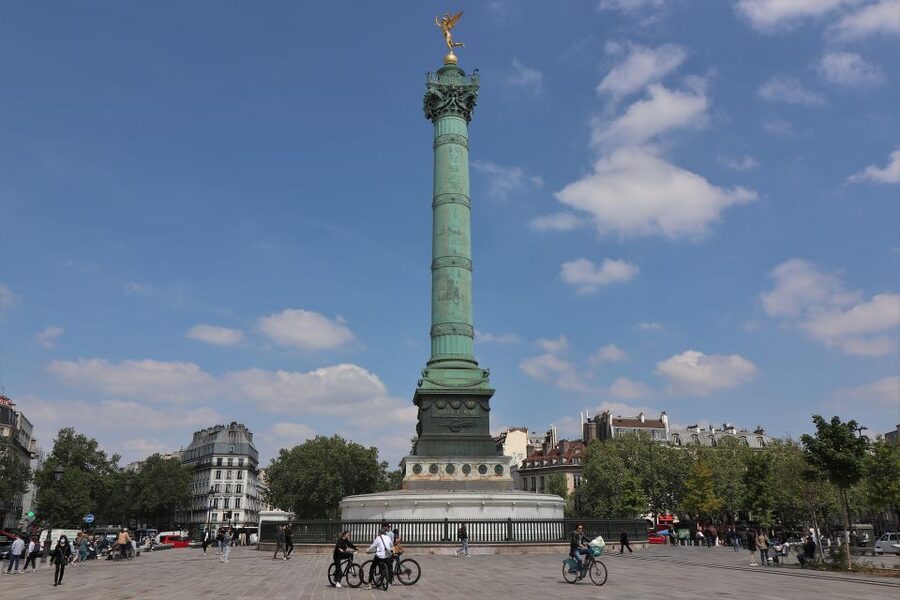
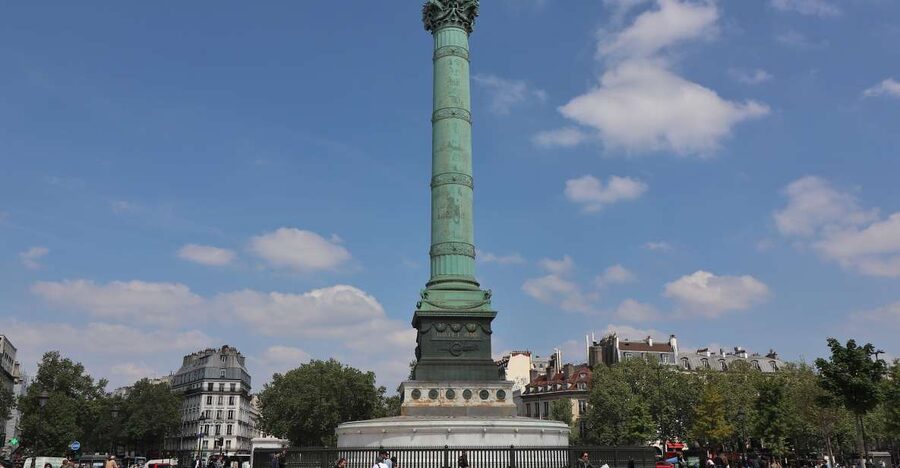
The storming of the Bastille is one of the clearest landmarks in the French Revolution, and this tour uses it as a major narrative high point. The guide builds toward the events of July 14, 1789, explaining the fear, anger, and pressure that made the fortress a symbol far larger than its military role.
One guide was praised for giving a day-by-day account leading to the storming of the Bastille. That approach can be especially effective because it slows down a famous event that is often reduced to one sentence in a textbook. You get a sense of how tension gathered and why the crowd’s action mattered.
The route itself is not presented as a simple march through every event in order. Instead, the guide connects the Bastille to the wider story of Paris, then uses the places along the way to explain the forces behind the uprising. If your main goal is a detailed visit to the Bastille site alone, this is not that kind of tour. It is a wider city walk that uses the Bastille as a powerful climax.
From royal power to the guillotine
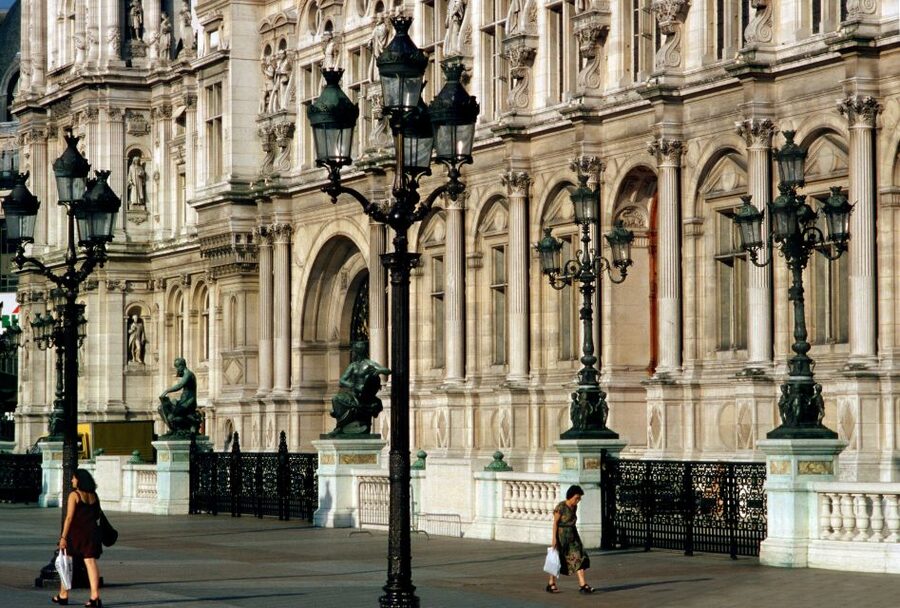
The darker side of the tour concerns the fall of Louis XVI and Marie Antoinette, along with the violence that followed the early hopes of reform. The subject includes murder, massacre, conspiracy, mass killing, and the guillotine, so this is not a light sightseeing walk.
The guide’s job is to explain how revolutionary ideals changed as the country faced war, internal conflict, fear, and competing visions of France. The experience is at its best when it avoids treating the Revolution as a simple battle between good and evil. Several guides have been praised for presenting a balanced account and for explaining newer interpretations alongside older ideas.
You will hear about the royal executions and the fate of important revolutionary figures. The tour also includes a dark prophecy connected with the death of a key revolutionary, adding the sort of strange personal detail that helps a large political story become memorable. The exact amount of time spent on each figure depends on the guide and the group’s questions.
This material may not suit young children, even though families with teenagers have enjoyed the walk. The subject is serious and at times grim. For adults and older teenagers with an interest in politics, crime, or French history, that darkness is part of the point.
Same streets, a different guide:
- Montmartre Hill French Gourmet Food and Wine Tasting Walking Tour
★ 5.0 · 2,588 reviews - Paris: Montmartre Highlights Walking Tour with a Local Guide
★ 4.9 · 2,318 reviews - Paris Île de la Cité and Notre-Dame Walking Tour With Crypt
★ 5.0 · 2,272 reviews - Paris: Montmartre Cheese, Wine & Pastry Guided Walking Tour
★ 4.8 · 2,255 reviews
Why the guides matter so much
The quality of the experience depends heavily on the person leading it. The strongest feedback has centered on guides including François, Louis, Fran, Amber, Sam, Guillaume, Ilan, and others. Their common strengths are clear English, strong command of the subject, enthusiasm, and an ability to answer questions without losing the thread.
François appears particularly suited to people who want detail without a dry lecture. He has been praised for explaining complicated events in a clear way, presenting competing ideas with care, and connecting the Revolution to the modern French view of the period. He also handled questions that went beyond the basic script.
Louis has been described as friendly, well informed, and good at pointing out small features along the route. Fran has a vivid style and sometimes uses the first person while describing events, which can make the past feel more immediate. Amber has led a family-friendly version of the walk, while Sam has been willing to answer questions beyond the main theme.
There is one useful warning. Not every guide will have the same style. A walk can be full of facts yet feel flat if the guide does not introduce the group or invite questions. If that happens, you can improve the experience by asking direct questions about a site, a person, or the way modern France remembers the Revolution.
Pace, comfort, and the practical side of walking
The tour lasts two hours, which is long enough to create a proper narrative but short enough to fit into a busy Paris day. Guides have been praised for keeping a comfortable pace, moving the group along without rushing, and noticing when people need to pause.
One account specifically noted a comfort break in the middle. That is helpful, but I would still use the facilities before meeting the guide, since a short walking tour does not guarantee a long stop. Wear shoes suitable for old city streets and expect to spend most of the time standing or walking.
The tour is listed as wheelchair accessible. Because the route passes through central Paris streets and public spaces, anyone with specific mobility needs should still confirm the current route and access details when booking. The supplied information supports accessibility, but it does not give a full description of pavement conditions, toilets, or the exact route length.
No hotel pickup or drop-off is included. You make your own way to Place du Châtelet, which is standard for a central walking tour and gives you control over your schedule. It also means you should check the starting time carefully and leave enough time to reach the Fontaine au Sphinx.
What $46 means for the value
At $46 per person, this is not the cheapest way to walk through central Paris. You can visit many streets and squares for free with a guidebook or audio app. The reason to pay is the interpretation: a good guide can connect a church, street, object, and political event in a way that is hard to build on your own during a short visit.
I think the price is fair if you are genuinely interested in the Revolution and want more than a quick mention of the Bastille or the guillotine. It is also good value if you are new to the subject and need a clear framework before visiting museums or reading more.
The value drops if you want a full survey of every major revolutionary site. The two-hour limit forces choices. Some people would like more discussion of the Place de la Concorde and Champ de Mars, but adding those areas would require a longer walk. You are paying for a focused introduction, not an all-day political history course.
The reserve-now-and-pay-later option helps if your Paris schedule is still changing. Free cancellation up to 24 hours before the tour gives you useful flexibility, particularly if you are arranging several timed visits. The guide, walking tour, and English narration are included, while transport and hotel service are not.
Who will get the most from this walk
I would choose this tour if you like history best when it is tied to real places. It suits adults, older teenagers, first-time visitors who want a different side of Paris, and anyone who already knows the basic story but wants more context.
It is also a good choice for visitors who have limited time. Two hours gives you a focused introduction without using an entire morning or afternoon. The central starting point makes it easy to fit around other plans, although you should not assume that every famous revolutionary location will be covered.
Families can enjoy it, especially with teenagers aged 13 and up, but the themes are sometimes violent and the guide’s approach may be more academic than playful. Children who need constant movement or simple stories may lose interest.
You might skip it if you dislike walking tours, want a strictly chronological lecture, or prefer to explore only grand monuments. You might also choose a longer experience if your top priorities are the Place de la Concorde, Champ de Mars, or a complete account of the Revolution’s later stages.
My verdict on the French Revolution Walking Tour
I would book this walk for the strong storytelling, real city settings, and thoughtful treatment of a complicated subject. The best guides make the Revolution feel like a chain of choices and pressures rather than a dull list of dates. They also help you notice parts of central Paris that you might otherwise pass without a second look.
Go in with the right expectations. You will get a lively two-hour introduction, not every battle, politician, prison, and execution site. Meet early at the Fontaine au Sphinx, wear comfortable shoes, and ask questions if you want to steer the discussion.
Book it if you want Paris to explain itself through streets, churches, and public spaces. Skip it only if your interest in the Revolution is slight or if you need a longer, site-by-site tour.
FAQ
Where does the French Revolution Walking Tour meet?
The meeting point is in front of the Fontaine au Sphinx on Place du Châtelet in Paris.
How long does the tour last?
The walking tour lasts two hours.
What language is the tour offered in?
The live tour is offered in English.
How much does the tour cost?
The listed price is $46 per person.
What is included in the price?
The price includes the walking tour and a guide.
Is hotel pickup included?
No. Hotel pickup and drop-off are not included, so you must reach Place du Châtelet yourself.
Is the tour wheelchair accessible?
Yes, the activity is listed as wheelchair accessible.
Can I cancel the booking?
Yes. You can cancel up to 24 hours in advance for a full refund.
Can I reserve now and pay later?
Yes. You can reserve your place and pay nothing at the time of booking, which keeps your plans flexible.
New routes in Paris
- The Official Emily in Paris Locations Walking Tour★ 4.9 · 383 reviews
- Paris: Montmartre Food Tasting Walking Tour with Secret Dish★ 4.8 · 107 reviews
- Paris: Emily Inspired Walking Tour★ 4.9 · 312 reviews
- Saint-Germain: Gourmet Chocolate & Pastry Walking Food Tour★ 4.8 · 495 reviews
- Paris: Walking Tour with Notre Dame or Ste-Chapelle Access★ 4.4 · 198 reviews
- Paris Uncovered: Unique Guided Walking Tours with a Twist★ 4.8 · 582 reviews
- Paris Top Sights Half Day Walking Tour with a Fun Guide★ 4.9 · 92 reviews
- Paris: Ghosts, Legends & Mysteries Evening Walking Tour★ 4.5 · 241 reviews
Paris Walking Tours, compared.

Authentic Parisian Gourmet Food Tour with 10 Local Dishes & Wines
Read our review →
Paris Top Sights Half Day Walking Tour with a Fun Guide
Read our review →
Montmartre Hidden Gems and Scenic Highlights Walking Tour
Read our review →
Montmartre Hill French Gourmet Food and Wine Tasting Walking Tour
Read our review →
Montmartre Highlights Walking Tour with a Local Guide
Read our review →
Paris Île de la Cité and Notre-Dame Walking Tour With Crypt
Read our review →
Montmartre Cheese, Wine & Pastry Guided Walking Tour
Read our review →
Paris in a Day: Louvre or Orsay, Eiffel Tower, City Walk & Cruise
Read our review →Browse the lists this tour appears in