
Review · STREET FOOD
Mauritius: Port Louis Street Food Walking Tour
Port Louis tells Mauritius’s story one bite at a time. This two-hour walk leaves the polished Le Caudan Waterfront for the central market, local food stalls, and the Chinatown quarter, where Indian, Chinese, African, and Gujarati influences meet on the plate. You’ll try about eight foods, including dholl puri, jalebi, and gâteau piment.
I like the way the food gives the history a clear purpose. I also like the small group, limited to 10 people, which makes it easier to hear guides such as Christopher, Christophe, or Sailen while moving through busy streets. The main drawback is the heat and uneven footpaths, so this is not a gentle stroll on a hot, humid day.
Key points to know before booking
- Eight tastings make this a full food outing: Come hungry, since portions can add up quickly.
- The central market is the heart of the route: It is a practical place to see local ingredients and everyday Mauritian food.
- Indian, Chinese, African, and Gujarati influences all appear: The guide links each dish to the people and traditions that shaped Mauritius.
- The group stays small: With no more than 10 participants, questions and conversation are easier.
- Port Louis walking conditions matter: Wear comfortable shoes and expect sun, heat, uneven paving, and a rain-or-shine schedule.
- Dietary limits are important: The tour does not cater to vegan or gluten-free diets.
Why food is the best way to understand Port Louis
Mauritius is often pictured as a beach destination, but its capital offers a different introduction to the island. Port Louis is where trade, migration, religion, language, and cooking meet. A food walk gives you a reason to move through the city while showing how Mauritian identity developed.
The route begins at Le Caudan Waterfront, in front of the casino opposite Café LUX. That meeting point is easy to find, but the point of the tour is to leave the familiar waterfront behind. From there, you enter the older city and head toward the central market.
I like this change of scene. The waterfront is neat and comfortable, but it tells you little about daily food culture. The market and surrounding streets are where you begin to see the ingredients, snacks, and eating habits that locals know well.
The guide is the key to making sense of it all. Christopher and Christophe are both praised for connecting food with Mauritian history, while Sailen is noted for his relaxed manner and strong grasp of the city and its dishes. The guide’s job is not simply to hand you a snack. You learn what it contains, where its influence comes from, and why it belongs in Port Louis.
More Street Food Walking Tours in the world:
- Ho Chi Minh City Street Food Tour & Sightseeing By Motorbike
★ 5.0 · 9,413 reviews - Naples: Street Food Walking Tour with Local Guide
★ 4.9 · 4,976 reviews - Private Street Food Evening Walking Tour in Ho Chi Minh City
★ 5.0 · 3,175 reviews
The central market and the first taste of local life
The central market is one of the most useful stops because it brings food and city life together. You are not just looking at prepared dishes. You can also get a sense of the ingredients and local shopping habits that support Mauritian cooking.
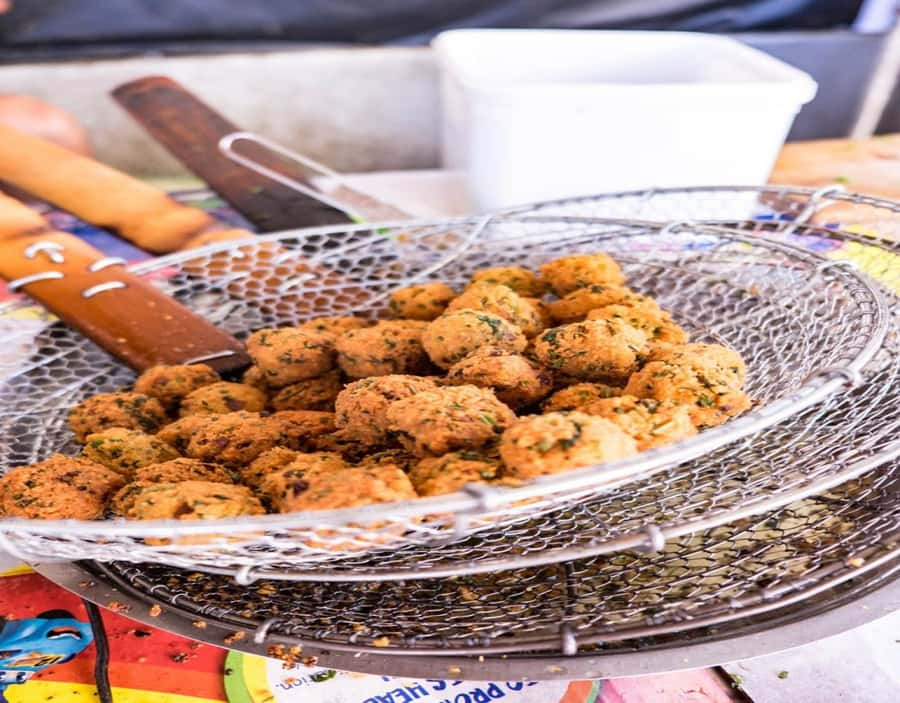
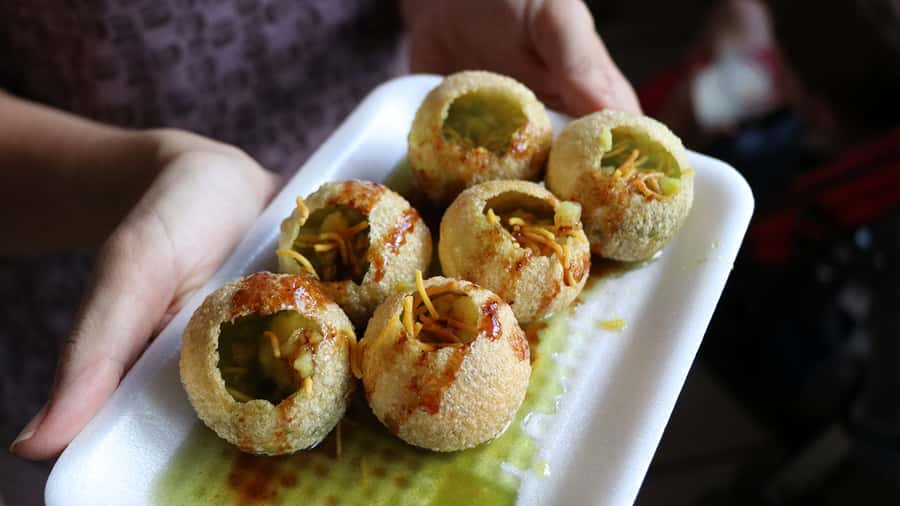
One important tasting is gâteau piment, also called gato pima or chili bites. These small fritters use soaked split peas, spring onions, and green chilies. They are fried and easy to eat while walking, but the flavor is more interesting than the size suggests. The pea mixture gives them substance, while the chili and onion add a sharp kick.
This snack shows the Gujarati influence on Mauritian food. It also makes a good early lesson in what the tour does well: take a familiar idea, such as a fried snack, and place it in a particular cultural setting.
The market can be crowded and noisy, and you may need to pay attention to where you walk. That is part of the experience, but it also means you should not expect a quiet tasting room or a carefully staged food demonstration.
Dholl puri, jalebi, and the Indian influence
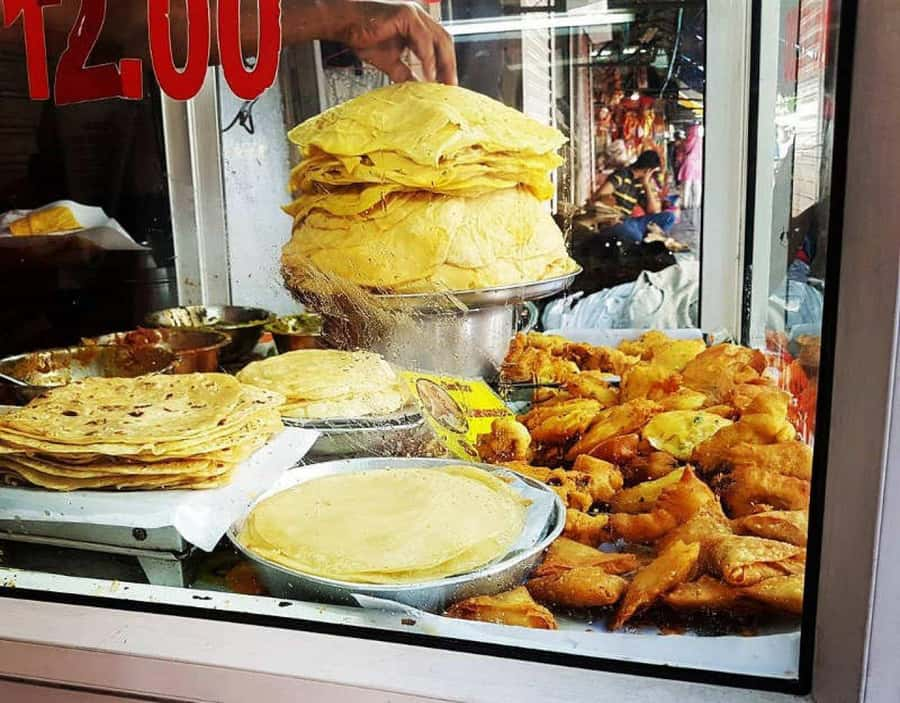
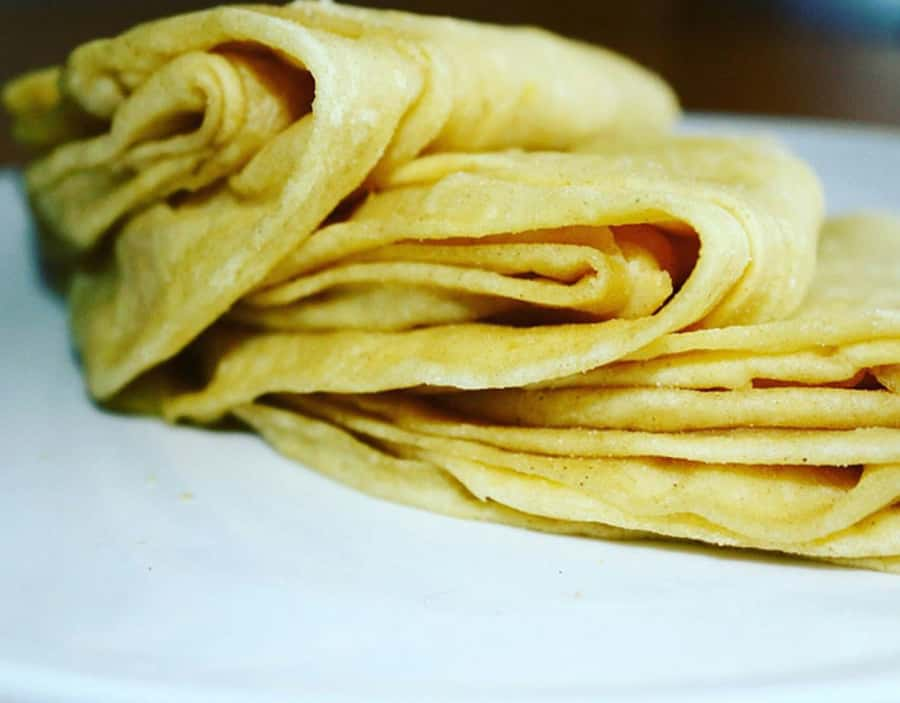
Dholl puri is one of the foods you should be ready to try. This flatbread is associated with the Indian influence on Mauritius and is one of the island’s best-known everyday foods. The food walk gives you a chance to taste it in the setting where it is commonly bought and eaten, rather than only encountering it on a restaurant menu.
Jalebi brings a sweet contrast to the savory dishes. These fried sweets are known for their bright color and syrupy texture. If you prefer savory snacks, the sweetness may feel intense, but it helps show the range of the route.
The tour also includes foods shaped by wider Indian traditions, with Gujarati touches appearing clearly in the snack selection. The guide explains the relationship between the food and the communities who brought their cooking to Mauritius. That context is especially useful if you are unfamiliar with the island’s cultural makeup.
You may hear preparation details too. One guide has inspired participants to recreate dishes at home, which suggests the explanations go beyond naming each item. If you enjoy learning how food is made, listen closely and take notes when a dish catches your attention.
Port Louis Chinatown and Hakka flavors

The walk continues through the gates of Port Louis Chinatown. This section adds a different set of flavors and food traditions, with Hakka Chinese influence forming part of the story.
The Chinese Mauritian food is valuable because it prevents the tour from becoming a simple Indian food circuit. Mauritius has more than one strong culinary influence, and the route lets you compare them in a short time. You move from split pea fritters and flatbread to dishes connected with Chinese migration and local adaptation.
The exact order of the tastings can depend on the day and the food available, so it is better to think of the eight samples as a broad tasting menu rather than a fixed restaurant course. The experience is strongest when you stay curious and let the guide explain why each stop matters.
Some outings have also included a museum visit. That addition can deepen the history side of the walk, though the central promise remains food, markets, and city streets. Ask your guide about the day’s route if a museum stop matters to you.
More Food Walking Tours in the world:
- Reykjavik Food Walk – Local Foodie Adventure in Iceland
★ 5.0 · 18,952 reviews - Little Havana Food and Walking Tour in Miami
★ 5.0 · 8,882 reviews - New Orleans Food Walking Tour of the French Quarter with Small-Group Option
★ 5.0 · 6,118 reviews - Authentic Parisian Gourmet Food Tour with 10 Local Dishes & Wines
★ 5.0 · 4,754 reviews
What the eight tastings mean for your appetite
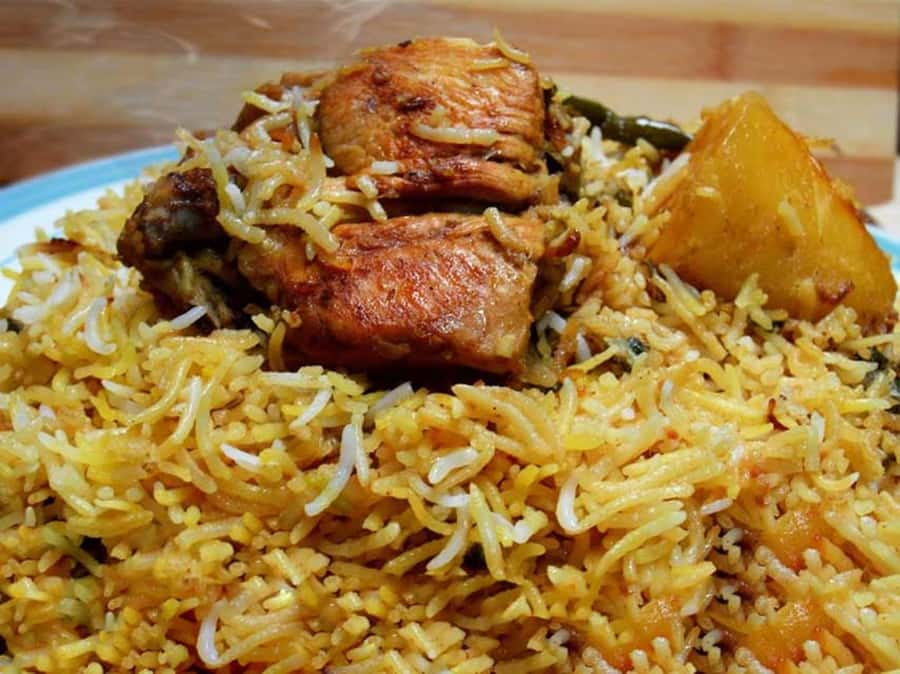
The food is not just a token sample. You should plan for a substantial amount to eat. Several people found the portions generous enough that they could not finish everything, and one useful approach is to take leftovers with you if that is possible at the stop.
Do not eat a large breakfast or lunch beforehand. Arriving hungry is practical advice, not a slogan. Eight tastings can include fried snacks, bread, sweets, and other filling foods, so your appetite will affect how much you enjoy the second half.
The range is one of the tour’s strongest points. You get sweet and savory items, crisp fried food, soft breads, and dishes influenced by several cultures. Most of the food may be vegetarian, but the tour is not designed for vegans. You should not book it if you need a strictly vegan or gluten-free menu.
Food allergies and dietary restrictions are not covered in the supplied details, so you should confirm directly before reserving if you have an allergy or need ingredient-level certainty. The stated information is clear on one point: vegan and gluten-free diets are not catered for.
Walking Port Louis in heat and rain
The tour lasts two hours, but the amount of walking can make it feel longer, especially in warm weather. One outing was described as taking closer to three hours and feeling tiring in temperatures around 30 degrees Celsius with high humidity. Treat that as a useful warning about conditions rather than a guaranteed schedule.
Wear comfortable shoes. The route includes city streets and footpaths that may be uneven or hazardous, and you will spend time watching your step. That can take attention away from the buildings and street scenes, particularly if the group is moving at a brisk pace.
Bring a hat and sunscreen, and use the included bottle of water as a start rather than assuming it will solve every need in hot weather. The tour runs rain or shine, so light rain can change the feel of the walk without cancelling it.
I would choose a cooler time of day if the available start times allow it. The booking page asks you to check availability for starting times, but no fixed time is supplied here. Whatever time you choose, allow a little energy for walking and standing between stops.
The route is wheelchair accessible, according to the activity details. Still, the comments about uneven footpaths are worth taking seriously. If you use a wheelchair or have limited mobility, confirm how the specific route handles the city’s paving and market areas before booking.
The small-group advantage

The maximum group size is 10. That is a useful limit in Port Louis, where a large group could easily block a narrow pavement or become separated near food stalls.
A small group also helps with the guide’s explanations. You can ask about ingredients, history, and cooking methods without shouting across a crowd. The guides are often praised for checking that everyone is comfortable and keeping the pace relaxed, though the heat and street conditions can still make the walk tiring.
The experience may feel especially good for solo visitors and couples who want company without joining a large coach group. It also works for families with older children who enjoy trying unfamiliar foods, provided they can manage the walking and the strong sun.
The stated upper age limit is 95 years. That is not a general recommendation about fitness, but it does make clear that the activity has participation limits. Anyone with mobility concerns should focus less on the food and more on the walking conditions before reserving.
Is $70 good value?
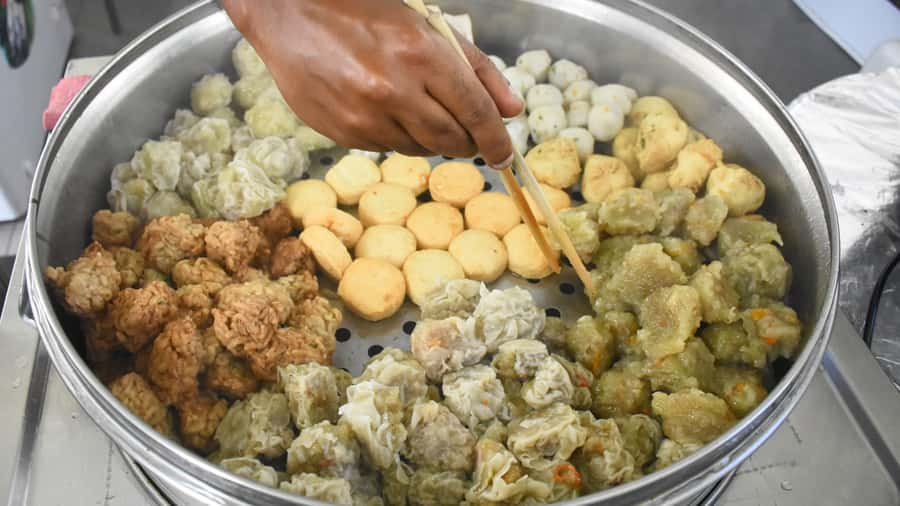
At $70 per person, this is not the cheapest way to eat in Port Louis. You could spend less by visiting individual stalls yourself. The value comes from combining food with a guided introduction to the city, its cultural influences, and places you might not choose on your own.
You receive about eight tastings and a bottle of water. You also get a guide who explains the foods, leads you through the market and Chinatown, and adds historical context. For a first visit to Port Louis, that combination can justify the price, especially if you would otherwise spend time guessing what to order or missing local areas.
The value is weaker if you already know Port Louis well or mainly want a quick snack. It is also less attractive if you cannot eat gluten, avoid all animal products, or dislike walking in heat. The food allowance is generous, but price alone should not be the deciding factor.
Free cancellation up to 24 hours before the tour and the option to reserve now and pay later reduce the risk of booking. Hotel pickup and drop-off are not included, so you need to make your own way to the Caudan Waterfront meeting point.
Who should book this food walk?
I would choose this tour early in a Mauritius visit. The guide can give you a working map of the capital and introduce dishes you might recognize later in the trip. It is also a good choice if you want history delivered in small, edible pieces rather than through a long formal lecture.
It suits you best if you:
- Like trying unfamiliar food
- Want a local market and Chinatown rather than only waterfront sights
- Enjoy cultural background with your meal
- Can walk for two hours in warm, humid weather
- Eat gluten and are not vegan
- Prefer a small group with a live English or French-speaking guide
I would be more cautious if you have limited mobility, tire quickly, or dislike uneven pavements. The route is wheelchair accessible, but the street conditions still deserve a direct check before booking.
The tone is generally relaxed, and guides such as Christopher, Christophe, and Sailen have made the experience feel personal and informative. The best part is not any single snack. It is the connection between food, migration, and the city you are walking through.
Should you book the Port Louis Street Food Walking Tour?
Book it if you want a practical first look at Mauritian culture and are happy to eat your way through the capital. The eight tastings, small group, market route, Chinatown stop, and cultural explanations give you more than a simple snack crawl.
Skip it if you need vegan or gluten-free food, want air-conditioned comfort, or prefer to explore at your own slow pace. For everyone else, $70 is a fair price for a guided introduction to Port Louis, provided you arrive hungry, wear sensible shoes, and prepare for sun, rain, and uneven streets.
FAQ
Where does the Port Louis Street Food Walking Tour begin?
It begins in front of the casino, opposite Café LUX at the Caudan Waterfront in Port Louis.
How long does the tour last?
The stated duration is two hours. The walking and weather can make it feel tiring, and one experience took closer to three hours.
How many foods will I taste?
The tour includes approximately eight food tastings.
Which Mauritian foods are included?
The tour information specifically mentions jalebis, dholl puri, and gâteau piment, also called gato pima or chili bites. Other tastings are influenced by Indian, Chinese, African, and Gujarati cooking.
Is water included?
Yes. One bottle of water is included.
Is hotel pickup included?
No. Hotel pickup and drop-off are not included, so you must reach the Caudan Waterfront meeting point yourself.
What languages does the guide speak?
Live guides are available in English and French.
Is the tour suitable for vegans?
No. The tour does not cater to vegan diets.
Is the tour suitable for people with gluten intolerance?
No. The tour does not cater to gluten-free diets.
What should I bring?
Bring comfortable shoes, a hat, and sunscreen. The tour runs rain or shine.
How large is the group?
It is a small-group tour limited to 10 participants.
Is the tour wheelchair accessible?
The activity is listed as wheelchair accessible. Because the route includes city streets and footpaths that may be uneven, confirm the current route if you have specific accessibility needs.
New routes in the world
- Baltimore Walking Foodie Tour in Fells Point★ 5.0 · 182 reviews
- Baku Oil Heritage & Old Town Walking Tour★ 5.0 · 232 reviews
- Baku Walking Tour (Old City)★ 5.0 · 127 reviews
- The Madam’s Curse Walking Ghost Tour★ 4.5 · 103 reviews
- Austin Small Group Morning Walk★ 5.0 · 412 reviews
- Austin Haunted Pub Crawl Walking Tour★ 4.5 · 232 reviews
- Austin Downtown Private Walking Food Tour With Secret Food Tours★ 5.0 · 71 reviews
- Austin Murder Walk★ 5.0 · 310 reviews
Street Food Tours, compared.
Ho Chi Minh City Street Food Tour & Sightseeing By Motorbike
Read our review →
Private Street Food Evening Walking Tour in Ho Chi Minh City
Read our review →
Trastevere & Campo de Fiori Street Food Walking Tour
Read our review →
[HOT] Hanoi Old Quarter Walking Street Food – Small Group Tour
Read our review →
Palermo Original Street Food Walking Tour by Streaty
Read our review →
Trastevere Street Food Walking Tour with Local Expert
Read our review →
Browse the lists this tour appears in