
Review · AUSTRALIA
Margaret River: Birds of Prey Encounter and Forest Walk
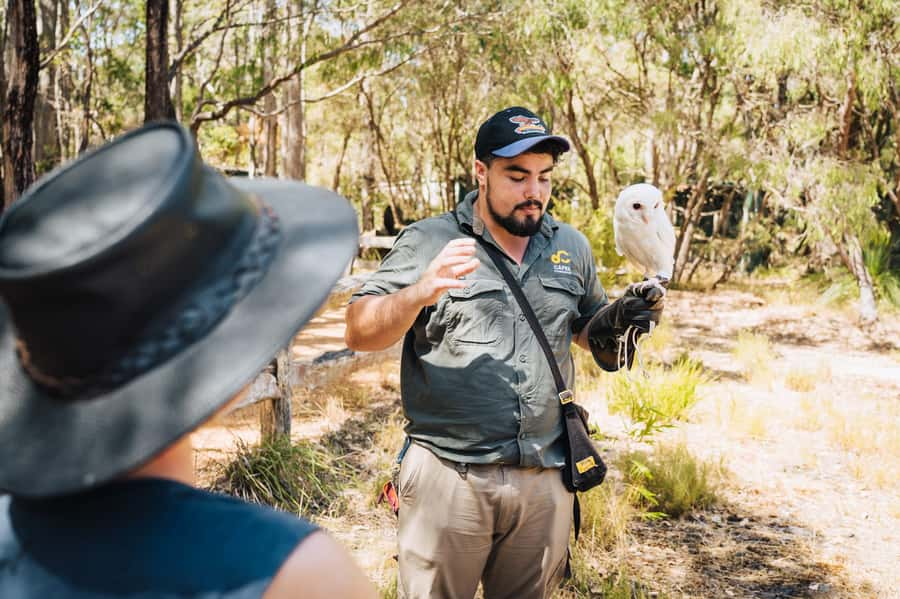
At Capes Raptor Centre, the best moment may be a black kite catching food from the air or an owl passing close enough for a proper look. This is not just a quick photo stop. It is a 90-minute visit built around rescued birds, a live presentation, and a 1km forest walk through the sanctuary.
I like the mix of close contact and useful conservation lessons. I also like the low $17 price, which gives you a full activity rather than a short viewing platform. The main consideration is that the centre has a rustic feel, and some aviaries and structures are still being improved.
Key points to know before you go
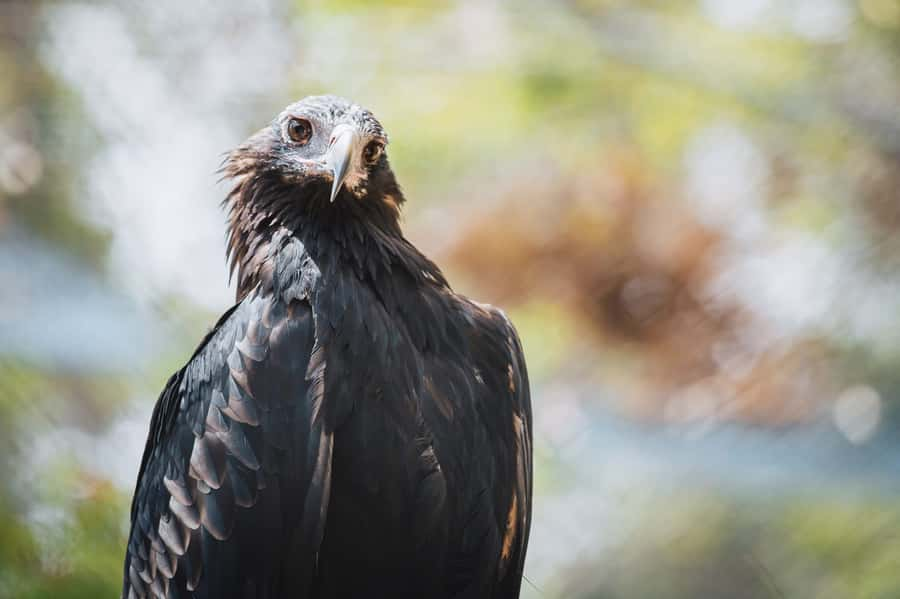
- Black kites can fly free during the presentation: You may see them catch food in the air or take food from a handler’s hand.
- The 1km walk adds real value: You can meet more of the centre’s owls, eagles, hawks, falcons, and other raptors after the main session.
- The talks are more than a flight display: Guides explain bird behaviour, adaptations, rehabilitation, and dangers such as poisoned rodents.
- A close owl encounter is part of the appeal: The experience can include a cheek-to-beak look and a photo opportunity with a bird of prey.
- It works well for families: Children can watch birds fly overhead, while adults get practical conservation information.
- You are close to Margaret River town: Capes Raptor Centre is 5 kilometres south of the townsite, but transport is not included.
Why this small Margaret River stop is worth your time
Margaret River is known for wineries, beaches, forests, and food. Capes Raptor Centre gives you something different: a chance to understand Australia’s birds of prey at close range.
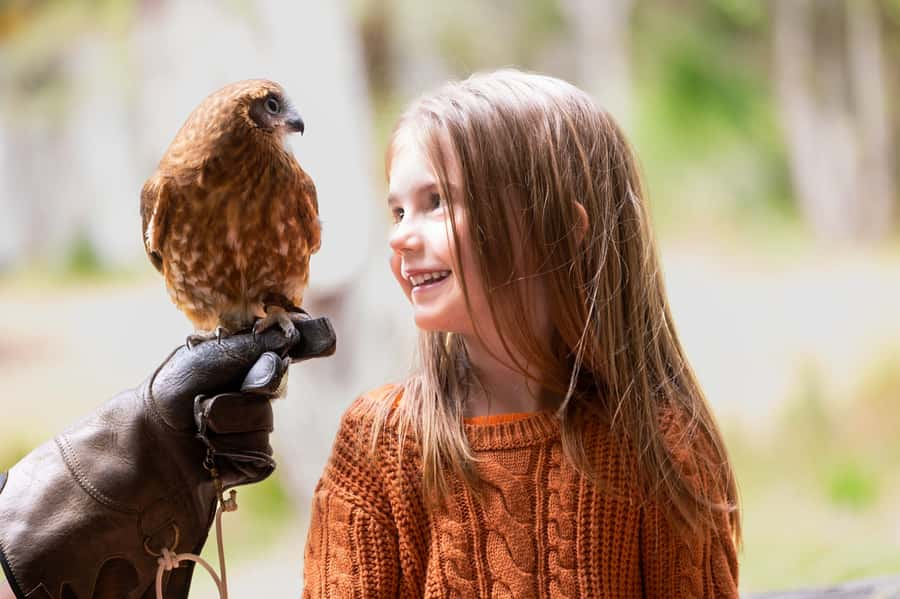
The centre cares for injured, orphaned, and displaced raptors, including eagles, hawks, falcons, and owls. That mission changes the feel of the visit. You are not simply looking at birds in display cages. You are learning why some birds cannot return to the wild, how they hunt, and how human activity can affect them.
The twice-daily Bird of Prey Encounter is the main event. It combines a talk with controlled flying and feeding demonstrations. The exact birds shown can vary, but the presentation has included owls and black kites, along with other raptors under the centre’s care.
I especially like that the session is both visual and practical. You see the birds fly, but you also learn what makes each species different. One presentation might focus on an owl’s hunting habits, while another explains how a kite uses its speed and sharp eyesight to seize food.
The centre has earned a 4.7 rating from 72 reviews, with strong praise for the guides, the birds, and the conservation work. That high score makes sense if you want an activity that feels educational without becoming a formal classroom lesson.
More Walking Tours in Australia:
- Sydney Opera House Official Guided Walking Tour
★ 4.5 · 3,770 reviews - From Sydney: Blue Mountains Tour with Waterfall Walk & Lunch
★ 4.8 · 2,400 reviews - Sydney The Rocks Guided Walking Tour
★ 5.0 · 1,546 reviews
The Bird of Prey Encounter: flight, feeding, and close views
The encounter usually gives you the clearest look at the centre’s work. You sit or gather for the presentation while a guide introduces the birds and explains their habits.
Guides named in recent sessions include Rachel, Robert, Rob, Anne-Marie, Tara, and Cherie. The exact presenter can vary, but the strongest part of the experience is the clear, friendly explanation of how these birds live and survive.
The show may include birds flying over the audience. Bonnie, for example, has flown above children during a presentation, creating the kind of moment that makes the visit memorable for a family. You may also see birds catch food in the air or eat from a handler’s hand.
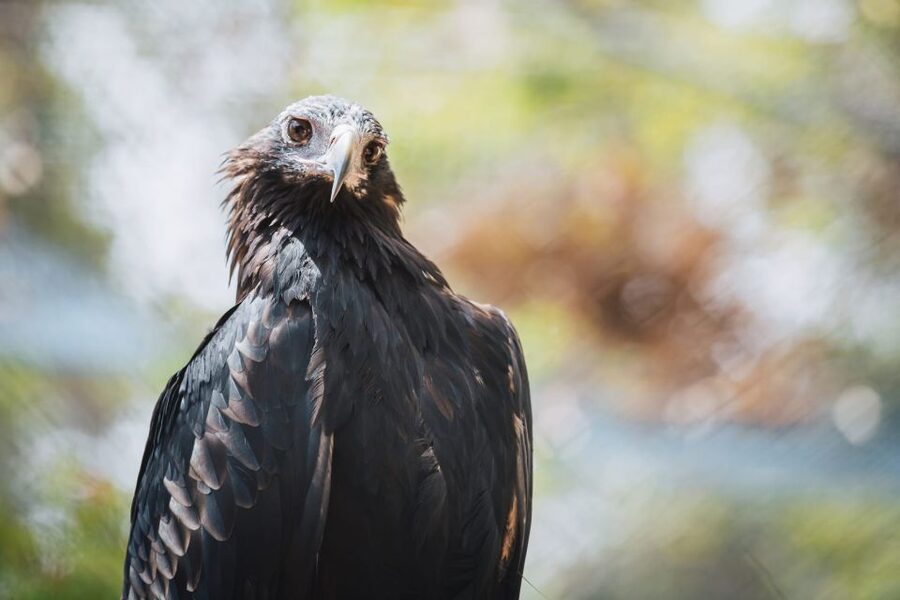
Black kites have been a particular highlight. Their flight is quick and controlled, and watching one take food gives you a better sense of the bird’s skill than a static view inside an aviary. Kevin the kite has also been described as a quirky and entertaining part of the presentation.
The encounter is not designed as a large-scale performance with a long line-up of species. One fair criticism is that you may see only two main types of bird flying during a particular session. If you expect a parade of eagles, hawks, falcons, and owls, you could find the flying portion more limited than expected.
That is also part of the centre’s responsible approach. These are living birds with individual needs, not performers that can be sent into the air on demand. The focus is on their welfare, behaviour, and rehabilitation, with flying used to help you understand the birds rather than simply provide spectacle.
The owl encounter and the value of a close look
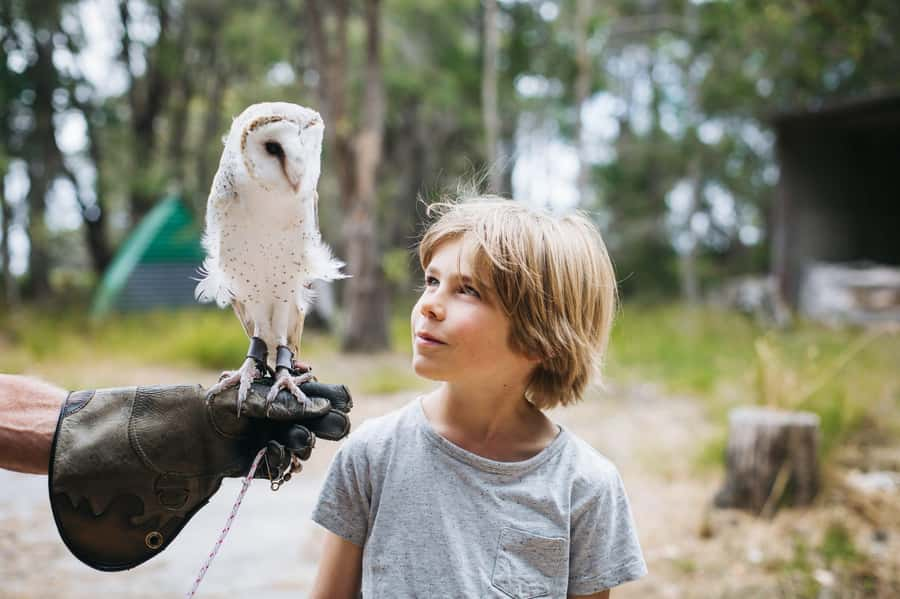
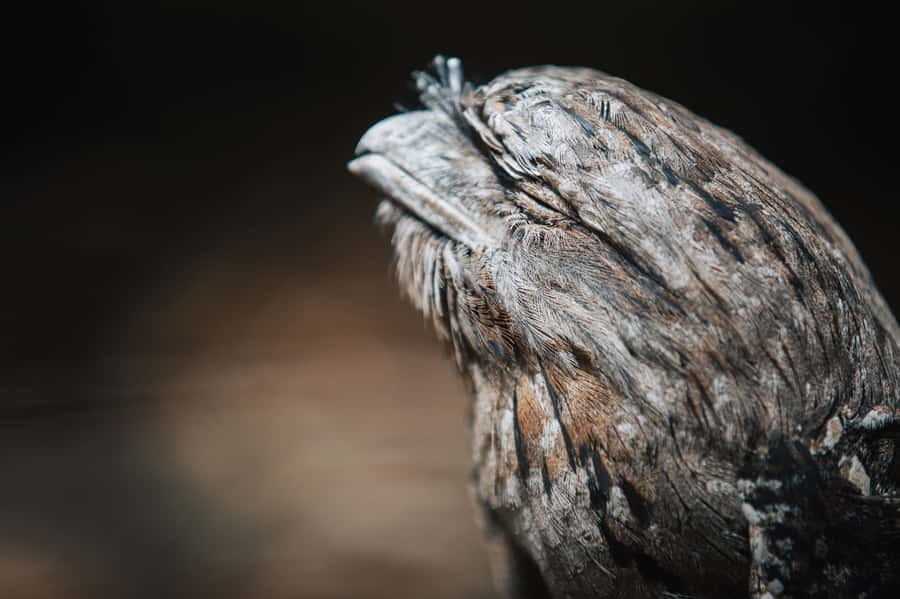
Owls are often the stars of the visit because they are hard to spot in the wild. Their quiet flight, unusual faces, and nocturnal habits make them especially interesting in a guided setting.
The talk can explain how barn owls hunt and how their bodies help them move quietly. Anne-Marie has been praised for her explanation of barn owls and kites, and owl information has been singled out as something even regular wildlife watchers may not know.
You may be able to get very close to an owl during the encounter. The phrase cheek-to-beak is not an exaggeration of the intended experience: the centre offers a close look and a chance to have your photo taken with a bird of prey.
This part can be exciting for children, but it also deserves a calm approach. The birds are handled by staff, and you should follow the presenter’s instructions closely. The value is in seeing the bird’s features and behaviour without treating it like a pet.
The owl encounter also helps explain why rehabilitation centres matter. A bird that is injured, orphaned, or unable to survive in the wild may need long-term care. The presentation gives you a clearer picture of that responsibility.
The 1km forest walk through the sanctuary
The forest walk can take place before or after the Bird of Prey Encounter. That flexibility matters because it lets you fit the visit around the session time and your energy level.
The route is self-guided and covers about 1 kilometre. You move through the native forest and stop at aviaries where you can meet other birds under the centre’s care.
This walk is quieter than the presentation. Instead of watching flight demonstrations, you have time to look at the birds and read the setting at your own pace. You may see powerful eagles, hawks, falcons, owls, and less obvious birds that are easy to miss in a quick visit.
I would allow enough time to walk slowly. The route is not simply a path between the entrance and the show area. It is part of the experience, and several people have found it one of the most peaceful parts of the visit.
The aviaries have generally been described as clean and easy to reach. At the same time, the setting is rustic, and some older cages or structures may look ready for an upgrade. New aviaries and other structures have been planned or built over time, but you should not expect a polished theme park.
That trade-off is worth understanding. The centre’s appeal comes from its working sanctuary feel. You are seeing a place focused on care and education, not a highly produced attraction with elaborate scenery.
Same streets, a different guide:
- Ultimate Melbourne Walking Tour: History, Laneways & Culture
★ 5.0 · 1,451 reviews - Sydney: The Rocks 90-Minute History Walking Tour
★ 4.7 · 1,092 reviews - Great Ocean Road Tour Plus Koalas, Forest Walk and Morning Tea
★ 4.5 · 1,068 reviews - Sydney Cricket Ground (SCG) and Museum Walking Tour
★ 4.9 · 616 reviews
The conservation message is practical, not abstract
One of the strongest parts of the presentation is the discussion of threats caused by people. A particularly important lesson concerns rat poison, including products such as RATSAK.
When a raptor eats a rodent that has consumed poison, the poison can remain in the dead animal and harm the bird. This is called secondary poisoning, and it can affect predators that play an important role in natural ecosystems.
That message gives the encounter a practical edge. You are not only hearing that birds need protection. You are learning about a specific danger connected to everyday household products.
The staff’s approach has been described as direct but non-judgmental. That matters because conservation advice works best when it explains the problem clearly and gives people a reason to change their habits.
The centre also shows why injured and displaced birds need specialist care. Raptors have strong beaks, sharp talons, and very specific feeding needs. Caring for them is not the same as keeping a typical domestic animal.
For me, this is what makes the $17 admission worthwhile. The price supports a place doing rehabilitation and education, while you receive a guided encounter and a forest walk in return.
How long to allow and how the visit flows
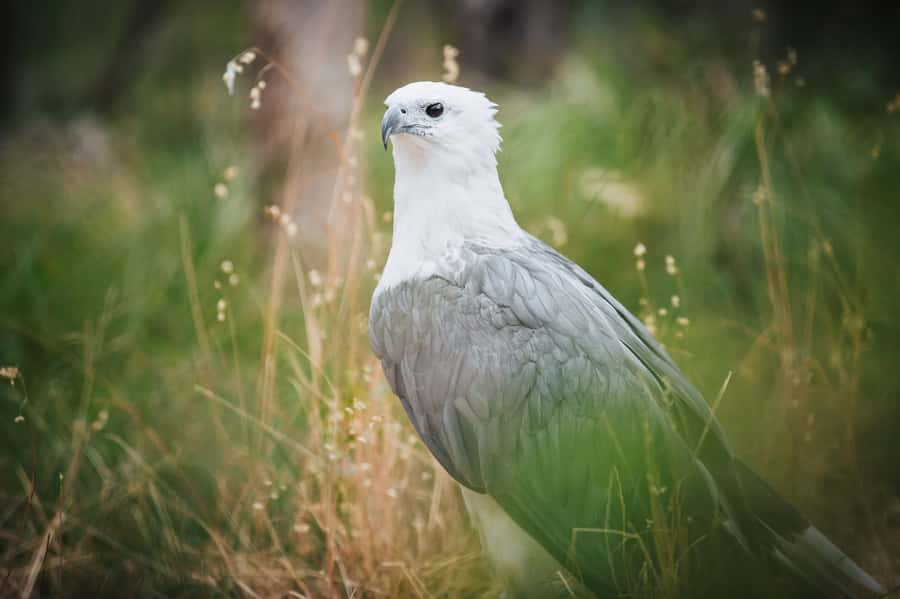
The stated duration is 90 minutes. That includes the Bird of Prey Encounter and the 1km self-guided forest walk.
The order can change. You may walk through the sanctuary first and attend the presentation afterward, or watch the encounter before exploring the forest. Check the available starting time when booking, since the activity runs twice daily rather than continuously.
The presentation is the part that requires you to arrive at the right time. The forest walk offers more flexibility, so you can use it before or after the scheduled session.
Because the centre is only 5 kilometres south of Margaret River townsite, it is easy to add to a day in the area if you have your own transport. Transportation is not included, so plan that part yourself.
Food and drink are also not included. The visit is short enough that this is unlikely to be a major issue, but you should not treat the centre as a full meal stop.
Wheelchair access is available. The walk is approximately 1 kilometre, so if you have specific mobility needs, it is sensible to confirm which parts of the route are most suitable before you arrive.
Who will enjoy Capes Raptor Centre most
This is a strong choice for families. Children get the excitement of birds flying overhead, while adults can follow the conservation message and ask questions. A close look at an owl can be more memorable for a child than another standard wildlife enclosure.
It also suits anyone who enjoys photography. You may have the opportunity for a photo with a bird of prey, and the forest setting provides a quieter backdrop than the flight presentation.
Wildlife lovers should appreciate the chance to see species that can be hard to find in the wild. Owls are especially elusive, and the centre lets you observe them at close range without relying on luck or sharp eyesight.
I would also recommend it to people who want a shorter Margaret River activity. Ninety minutes is long enough to feel substantial but short enough to fit between other plans.
You might not love it if you want a large, highly polished wildlife show with many species flying in sequence. The number of birds in the active flying display can be limited, and the rustic facilities may show their age.
Is $17 good value?
At $17 per person, this is one of the easier Margaret River activities to justify. You receive two linked experiences: a scheduled bird presentation and a self-guided walk through the sanctuary.
The value is strongest if you take your time. Rushing through the aviaries would reduce the visit to a short show and a quick exit. Allow the full 90 minutes, listen to the explanation, and use the forest walk to meet birds that do not appear in the flight demonstration.
The price also feels fair because the centre’s purpose goes beyond entertainment. Your admission helps support a place caring for injured, orphaned, and displaced birds while teaching people about the threats they face.
Flexible booking makes planning easier. You can reserve now and pay later, and cancellation is available up to 24 hours before the activity for a full refund. Those terms are useful if your Margaret River plans depend on weather or changing day schedules.
Practical tips for a better visit
Book around the twice-daily presentation rather than arriving without checking the time. The forest walk is flexible, but the main encounter is tied to the scheduled session.
Plan to walk at an unhurried pace. The route is only 1 kilometre, yet the birds are worth stopping for, especially if you want to read the information and notice the quieter residents.
Keep the conservation talk in mind. The warning about poisoned rodents is one of the most useful parts of the visit, and it gives the display a purpose beyond close-up photographs.
If you are visiting with children, explain that the birds are rescued animals, not tame pets. The close encounter is special because it is carefully managed.
Do not expect food or drink to be provided, and remember that you need to arrange your own transport from Margaret River. The centre is close to town, but not in the town centre itself.
Should you book the Margaret River Birds of Prey Encounter?
Yes, if you want a low-cost wildlife activity with a real conservation purpose. The strongest reasons are the close owl encounter, the black kite flight demonstrations, and the chance to see many other rescued raptors along the forest walk.
The main caution is simple: this is a working sanctuary with a rustic feel, not a glossy entertainment venue. The flying display may feature only a small number of bird types, and some facilities are still being improved.
For families, bird lovers, photographers, and anyone with a spare 90 minutes near Margaret River, I would book it. The combination of expert presentations, close bird encounters, and a quiet forest route gives you more than the modest price suggests.
FAQ
Where is Capes Raptor Centre located?
Capes Raptor Centre is located 5 kilometres south of the Margaret River townsite in Western Australia.
How long does the experience take?
The activity lasts 90 minutes, including the Bird of Prey Encounter and the 1km self-guided forest walk.
What is included in the ticket?
The ticket includes a twice-daily Bird of Prey Encounter and a 1km self-guided forest walk through the sanctuary.
Are birds flown during the presentation?
Yes. The presentation can include free-flying birds, including black kites. Birds may catch food in the air or eat from a handler’s hand.
Can I see owls?
Yes. Owls are part of the birds cared for at the centre, and the encounter can include a close look at an owl.
Can I take a photo with a bird of prey?
Yes. The experience includes the opportunity to have your photo taken with a bird of prey.
Can the forest walk happen before the presentation?
Yes. The forest walk can take place before or after the Bird of Prey Encounter.
Is transportation included?
No. Transportation is not included, so you need to arrange your own way to reach the centre.
Is the experience wheelchair accessible?
Yes. The activity is listed as wheelchair accessible.
New routes in Australia
- Welcome to Adelaide Walking Tour★ 5.0 · 119 reviews
- Ultimate Adelaide Walking Tour★ 5.0 · 222 reviews
- Cultural Caper Adelaide Walking Tour★ 5.0 · 122 reviews
- Melbourne: 3-Hour Foodie Discovery Walking Tour★ 4.9 · 313 reviews
- Sydney: Spirits of the Rock and Dark Past Walking Tour★ 4.0 · 144 reviews
- Sydney Cricket Ground (SCG) and Museum Walking Tour★ 4.9 · 616 reviews
- Sydney Convicts, History & The Rocks 2.5-Hour Walking Tour★ 4.9 · 181 reviews
- Sydney: City & The Rocks 3.5-Hour Walking Tour with a Drink★ 4.9 · 234 reviews
Australia Walking Tours, compared.
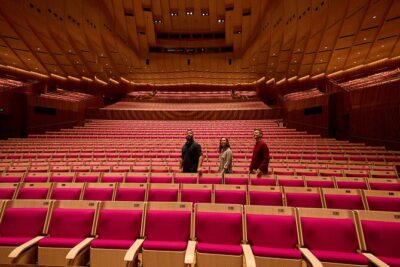
Sydney Opera House Official Guided Walking Tour
Read our review →
Blue Mountains Tour with Waterfall Walk & Lunch
Read our review →
Ultimate Melbourne Walking Tour: History, Laneways & Culture
Read our review →
Great Ocean Road Tour Plus Koalas, Forest Walk and Morning Tea
Read our review →
Sydney Cricket Ground (SCG) and Museum Walking Tour
Read our review →
Great Ocean Road 12 Apostles & Rainforest Walk with Morning Tea
Read our review →Browse the lists this tour appears in