
Review · SPAIN
Málaga: 3-Hour Complete Walking Tour with Tickets
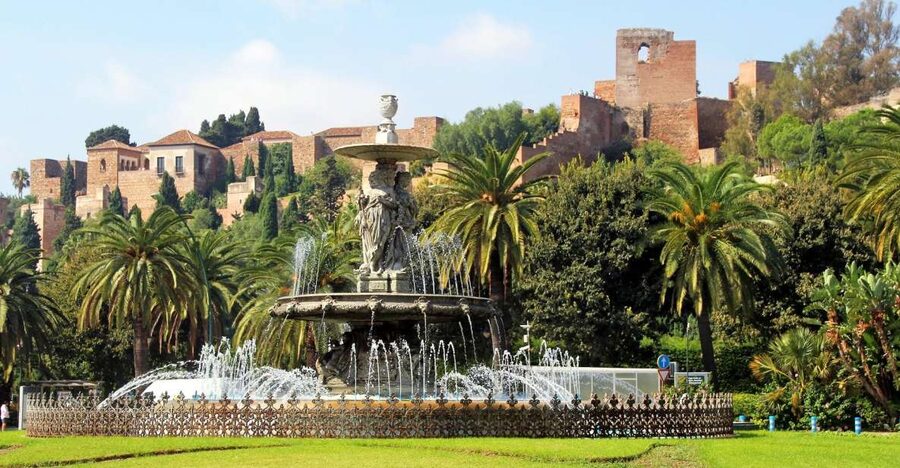
Málaga’s Roman Theatre, Alcazaba, and Cathedral make a fine first look at the city. In three hours, you move from ancient Rome to Moorish rule and then into the unfinished Christian cathedral known as La Manquita. The route gives you history, views, and a useful sense of where Málaga’s old center fits together.
I like the included entry tickets, especially for the Alcazaba and Cathedral. I also like the guides’ lively approach. Dani, Maria, Fabiola, and others are praised for clear explanations, humor, patience, and local stories. The main drawback is that this is a walking tour with some uphill ground, and the timing can stretch past three hours.
Key points to know before booking
- Three major sights in one morning or afternoon: Roman Theatre, Alcazaba, and Cathedral.
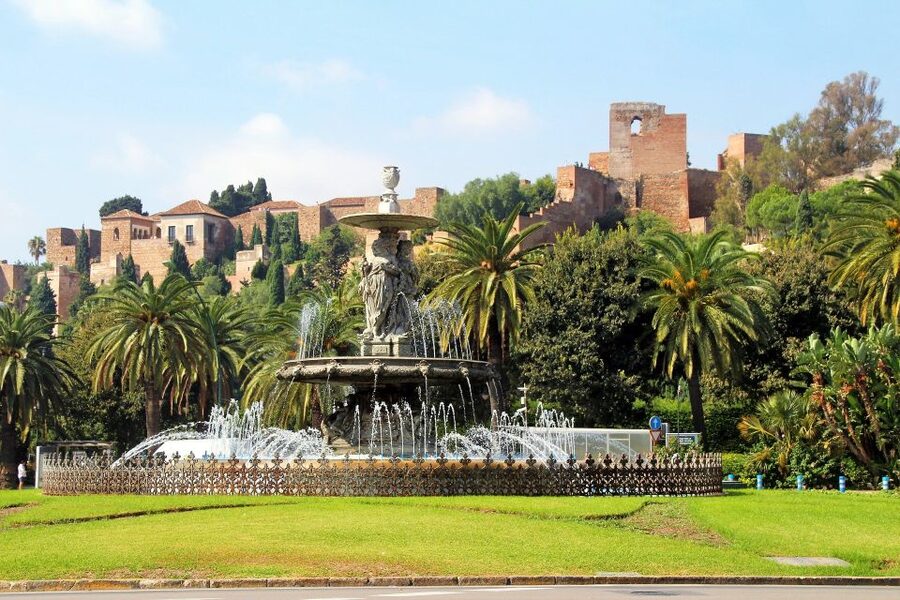
- The Alcazaba is the star attraction: Expect Moorish walls, palace spaces, and broad views over Málaga.
- Entry tickets are included: You do not need to arrange separate admission for the three listed sites.
- Guides make the difference: Dani, Maria, Fabiola, Yado, and other guides are praised for humor, patience, and strong storytelling.
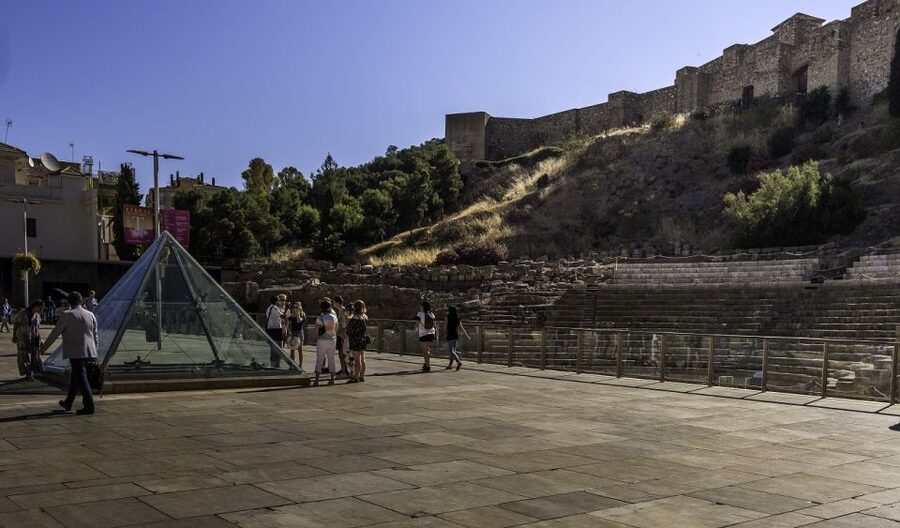
- Meet at the Crystal Pyramid: Look for the orange umbrella on Calle Alcazabilla.
- Plan for real walking: Comfortable shoes matter, and the tour is not suitable for people with mobility impairments.
Why this three-hour route works in Málaga
Málaga can look simple on a map, yet its old center packs together Roman, Islamic, and Christian landmarks. This tour links those layers in a sensible order. You begin beside the Roman Theatre, climb into the Alcazaba, then walk through the old center toward the Cathedral.
That sequence helps you understand the city rather than simply collect three photo stops. The Roman Theatre shows Málaga under Roman rule. The Alcazaba introduces the Islamic period and defensive power of the Moorish city. La Manquita brings you into the Christian era and the long building story that followed.
At $37 per person, the price is fair if you want guided access to all three sites. Separate admission, a local guide, and a route that covers the city’s main historic sights would take more planning on your own. The value is strongest for a first visit or a short stay.
You are paying for interpretation as much as admission. The stones are impressive, but a good guide explains why they are there and how the different periods connect. Guides such as Dani and Maria are repeatedly praised for mixing facts with humor, while Fabiola is known for adding stories and local color.
More Three-Hour Walks in Spain:
- Prague: 3-Hour Walking Tour of Old Town & Prague Castle
★ 4.7 · 5,696 reviews - Eat Like a Local: Venice 3-Hour Small-Group Food Tasting Tour
★ 5.0 · 3,137 reviews - Experience Porto’s Charm: 3-Hour Guided Walking Tour
★ 5.0 · 2,432 reviews
Meeting at the Crystal Pyramid on Calle Alcazabilla
The meeting point is the glass Crystal Pyramid on Calle Alcazabilla. Your guide carries an orange umbrella, which is the main way to identify the group.
Allow a little extra time to find the right guide. Several groups may gather in this busy part of central Málaga, and similar umbrellas can cause confusion. Check the guide’s name and tour language before setting off.
The tour is offered in English or Spanish. Audio equipment is provided for groups of more than 10 people, although one person found that using earpieces would have made a large group easier to follow. This is worth keeping in mind if you are sensitive to crowd noise or want to hear every detail.
The route ends at Málaga Cathedral, rather than returning you to the starting point. That is useful if you plan to continue exploring the old center, visit nearby museums, or stop for lunch. Hotel pickup and drop-off are not included.
Roman Theatre: Málaga’s ancient starting point
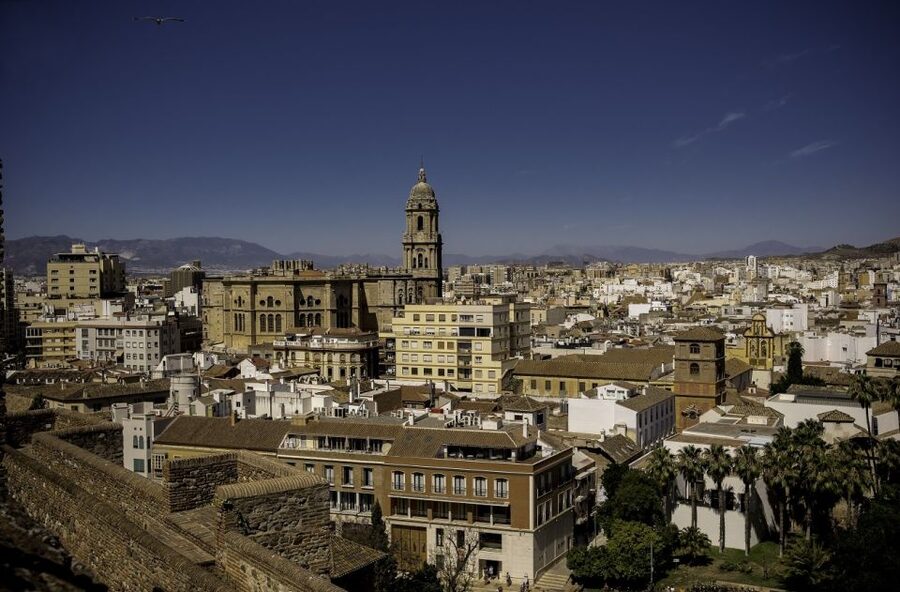
The first stop is the Roman Theatre, where the guided visit lasts about 30 minutes. This is the clearest surviving reminder of the Roman city of Malacca, built in the first century.
One especially striking detail is that the theatre remained hidden underground for centuries. That fact gives the site a sense of surprise. You are not looking at an isolated ruin outside town. You are standing in the middle of modern Málaga, beside busy streets and the Alcazaba, with part of the ancient city exposed beneath the present one.
The guide’s role matters here. Roman ruins can be hard to read without context, especially when only sections of the original structure remain. A good explanation helps you picture the theatre as a working public building instead of a few old stones.
The stop is not the longest part of the tour, and that is sensible. You get the story and the main features without spending half the afternoon at one archaeological site. If Roman history is your main interest, you may want to return later for a slower look, but the half-hour visit gives you a useful introduction.
The Alcazaba: the strongest part of the walk
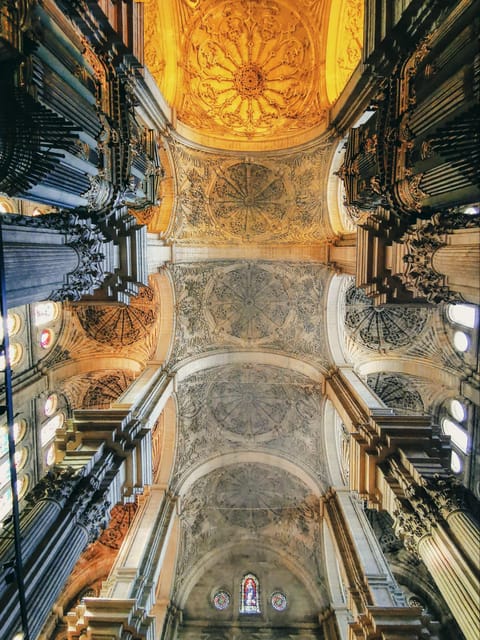
After the Roman Theatre, you enter the Alcazaba of Málaga. The guided visit lasts about 45 minutes, making it the longest stop on the route.
The Alcazaba is an 11th-century palatial fortification built on the slopes of Gibralfaro mountain. It was designed as a defensive stronghold, but it was also a residence with courtyards, palace areas, and views across the city.
This is the part of the tour I would value most. The route takes you uphill, but the effort brings a change in scale. From the fortification, you can look over Málaga and understand why this site mattered. The views are one of the tour’s main rewards, and the stone walls and elevated position make the Alcazaba feel very different from the street-level Roman remains.
The guide can also help you notice the balance between military design and courtly life. Thick walls and defensive positions tell one story. Interior spaces and architectural details tell another. Without that explanation, it is easy to treat the Alcazaba as simply a scenic climb.
The 45-minute visit is enough for a guided overview, but do not expect every corner. The site is larger than the time available. If you want a slow visit, detailed photography, or a close look at every passage, plan to return independently if your schedule allows.
Summer heat is another practical concern. The route includes walking and uphill sections, so carry water and wear shoes with a firm sole. The official advice is simple: choose comfortable footwear. Take it seriously.
More Entry Tickets on the Route in Spain:
- Madrid Old Town & Royal Palace Walking Tour Skip the Line Ticket
★ 4.5 · 1,829 reviews - Toledo: Guided Walking Tour with Cathedral Ticket and Tour
★ 4.2 · 98 reviews - Barcelona: Picasso Walking Tour with Picasso Museum Tickets
★ 3.5 · 93 reviews - Cartagena: Ancient Roman Walking Tour with Entry Tickets
★ 4.5 · 89 reviews
Walking through the old center
After the Alcazaba, the group moves through some of Málaga’s best-known central streets. This part connects the formal monuments and gives you a quick look at the city around them.
You pass El Pimpi, a well-known bodega bar, and the Picasso Museum of Málaga. These are not listed as extended interior visits, so you should think of them as orientation points rather than included museum tours.
That is still useful. You learn where key attractions are and can decide what deserves your own time later. The Picasso Museum is an obvious follow-up if you want to explore Málaga’s connection with Pablo Picasso. El Pimpi gives you a landmark for finding your way around the old center and a possible place to stop after the tour.
This middle section is also where the tour feels most like a city walk rather than a monument circuit. The guide can point out streets and places that you might otherwise pass without understanding. Several guides are praised for adding local stories, gossip, and details about nearby museums and restaurants.
One solo participant received restaurant suggestions after the tour. That sort of practical advice can be valuable, though the tour’s main focus remains history and the three included sights.
La Manquita and Málaga Cathedral
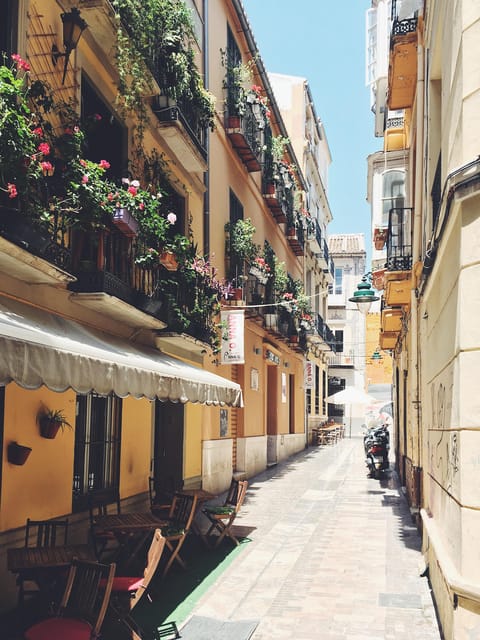
The walk ends at the Cathedral of the Incarnation, known locally as La Manquita, or the one-armed lady. The nickname refers to its unfinished state.
The cathedral’s construction was closely tied to the earlier Great Mosque on the site. That connection gives the final stop a useful place in the wider story of Málaga. The city changed religious and political character, but the earlier building history did not simply disappear.
The Cathedral entry is included, which improves the tour’s value. You do not just stop outside for a photograph. Your guide provides the setting and background before the visit ends.
Timing can sometimes change. One group found the Cathedral closed during the scheduled visit because a wedding was taking place. The guide extended the tour, showed the group other parts of Málaga, and returned to the Cathedral later. That is encouraging, but you should still avoid booking a tight flight or timed connection immediately after the tour.
The stated duration is three hours, yet one participant found the tour ran longer and had to leave early to catch a flight. I would leave a generous buffer after the scheduled finish, especially if you have transport to catch.
The guides are a major part of the experience
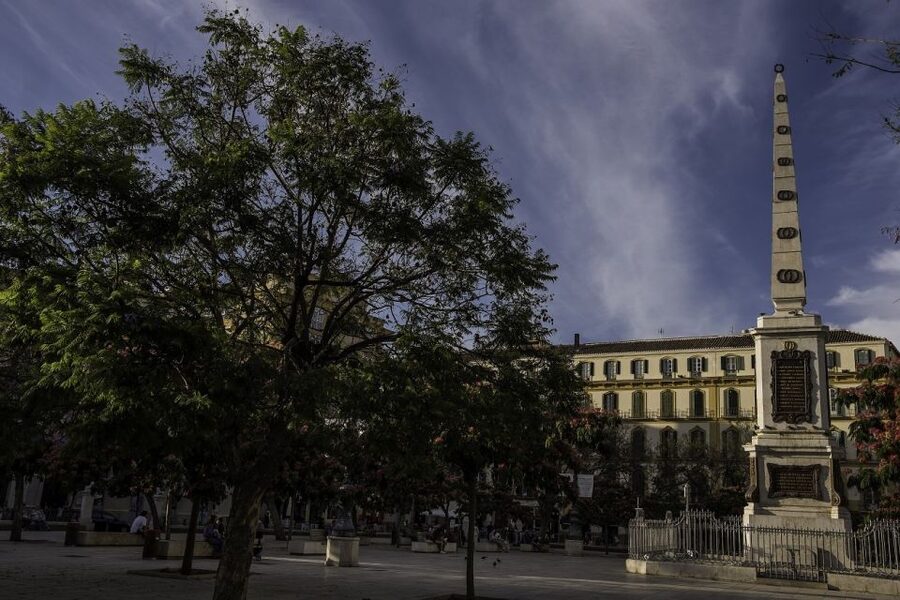
The guide quality is the tour’s most praised feature. That does not mean every guide will use the same style, but the named guides include Dani, Maria, Fabiola, Yado, Juan Carlos, Tanya, Natalia, and Josema.
Dani is repeatedly described as funny, clear, and good at handling a large group. Maria is praised for enthusiasm, patience, and a strong connection to Málaga. Fabiola is known for storytelling and for explaining the city’s changing influences over the centuries.
The strongest guides appear to do three things well:
- Explain the major facts without turning the walk into a lecture.
- Use humor and stories to keep the group involved.
- Make room for questions and include people who are walking at a slower pace.
That last point matters on a three-hour tour. One guide was praised for keeping an unhurried pace, while another was commended for managing a large group and making sure everyone was included.
The experience is still group-based, so expect less flexibility than on a private tour. You follow the guide’s timing, and the group may have different interests. If one person wants archaeological detail and another wants architecture, the guide has to balance both.
Walking demands, timing, and group comfort
This is not a difficult mountain hike, but it is not a flat stroll either. The Alcazaba sits on a slope, and the tour connects several sites on foot. The activity is specifically not suitable for people with mobility impairments.
Wear comfortable shoes and consider the season. Rain does not necessarily ruin the tour, as one group continued successfully in heavy rain, but wet streets and stone surfaces can make walking less pleasant.
The pace is generally described as manageable. One guide was praised for keeping things unhurried, and another took time to answer questions. Still, the tour covers three major sites in three hours, so the schedule has purpose.
For the best experience, arrive ready to keep moving between explanations. Bring water, especially in warm weather. If you need frequent rest stops or want long periods inside each monument, a self-guided visit over a full day may suit you better.
Who should book this Málaga walking tour
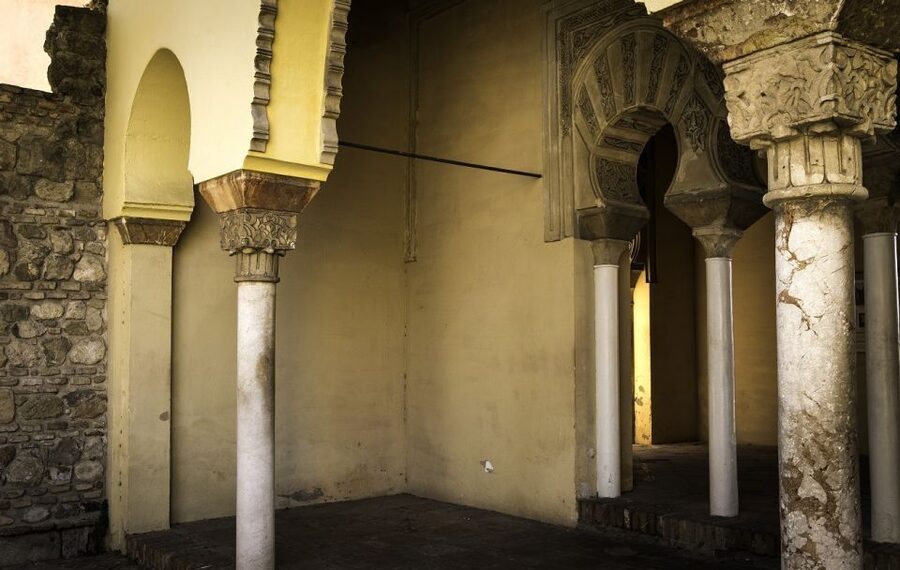
I would recommend this tour to a first-time visitor who wants a clear introduction to Málaga’s past. It works especially well if you have only one day in the city or want to get your bearings before exploring independently.
It also suits solo visitors. The guide provides structure, and the walking format makes it easy to hear about places you might want to visit later. Families with older children may enjoy the mix of ruins, fortress walls, views, and stories, though younger children may find three hours of historical explanation tiring.
History-minded visitors will get the most from the route, particularly those interested in Roman, Moorish, and Christian Spain. The Alcazaba is the highlight, but the value comes from seeing all three periods in one connected walk.
I would think twice if you have limited mobility, need a perfectly fixed finish time, or prefer quiet independent sightseeing. The tour can run beyond three hours, and the group format will not give you unlimited time at each stop.
Is $37 a good price?
At $37, the tour offers solid value. You receive a live guide, entry to the Roman Theatre, Alcazaba, and Cathedral, plus a route that links the three without requiring you to plan the order yourself.
The price is not only about admission. It also covers the explanations that make the sites easier to understand. The Alcazaba in particular gains much from a guide who can explain its defensive purpose, palace spaces, and position above the city.
The value drops if you plan to visit only one of the monuments or already know Málaga well. In that case, independent admission may give you more control. For a first visit, the combination of tickets and guiding makes the fee reasonable.
The tour also offers free cancellation up to 24 hours before departure and a reserve-now, pay-later option. These policies make it easier to fit the walk into a changing trip plan, though the key practical issue remains the finish time.
Should you book it?
Book this tour if you want Málaga’s main historic sights explained in one efficient walk, with the Alcazaba as the centerpiece. The included tickets, English or Spanish guiding, city-center meeting point, and strong guide roster make it a sensible first-day choice.
Skip it if you need step-free access, want to explore at your own pace, or have a flight soon after the scheduled finish. For everyone else, wear good shoes, leave time afterward, and expect a lively introduction to Málaga that gives you both history and a useful map of the old center.
FAQ
How long does the Málaga walking tour last?
The scheduled duration is three hours, though the tour may run longer in some situations. Leave extra time afterward if you have a flight or another fixed booking.
Where does the tour begin?
The meeting point is the Crystal Pyramid on Calle Alcazabilla. Look for the guide holding an orange umbrella.
Where does the tour end?
The tour ends at Málaga Cathedral, also called the Cathedral of the Incarnation or La Manquita.
Which attractions are included?
The tour includes the Roman Theatre, Alcazaba of Málaga, and Cathedral of the Incarnation.
Are entry tickets included in the price?
Yes. Admission to the Roman Theatre, Alcazaba, and Cathedral is included.
What languages are available?
The tour is offered in English and Spanish.
Is audio equipment provided?
Audio equipment is provided for groups of more than 10 people. Some large groups may find earpieces helpful for hearing the guide clearly.
Is the tour suitable for people with mobility impairments?
No. The activity is not suitable for people with mobility impairments, and comfortable shoes are advised.
Can I cancel the booking?
You can cancel up to 24 hours in advance for a full refund. A reserve-now, pay-later option is also available.
New routes in Spain
- Toledo: Guided Walking Tour with Cathedral Ticket and Tour★ 4.2 · 98 reviews
- Toledo: Guided Monument Walking Tour with Wristband Pass★ 4.5 · 487 reviews
- Valencia: Fallas Festival Walking Tour with Entry Ticket★ 4.6 · 86 reviews
- Barcelona: “The Shadow of the Wind” Literary Walking Tour★ 4.5 · 176 reviews
- Tenerife: Underwater Walk – Sea Trek Experience★ 5.0 · 237 reviews
- Tarragona: Roman Heritage Guided Walking Tour★ 4.7 · 261 reviews
- Seville: Sunset Roof Top Walking Tour★ 4.2 · 131 reviews
- Seville: Paranormal and Legends Guided Walking Tour★ 4.7 · 336 reviews
Spain Walking Tours, compared.

Barcelona Tapas and Wine Experience Small-Group Walking Tour
Read our review →
Tapas Walking Tour with Food, Wine, and History
Read our review →
Madrid Tapas & Wine Tasting Walking Tour – Small Group Local Bars
Read our review →
Albaicín and Sacromonte Guided Sunset Walking Tour
Read our review →
Toledo Tour & Vineyard Walk with Wine Tasting from Madrid
Read our review →


Browse the lists this tour appears in