
Review · SPAIN
Madrid: Guided Walking Tour of Monasterio de las Descalzas
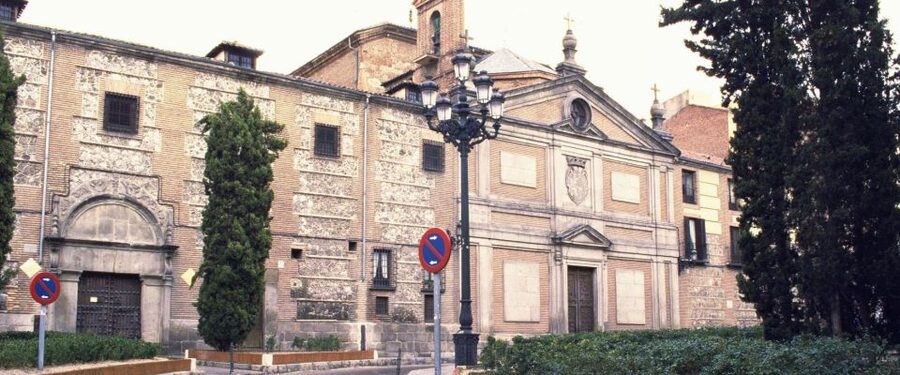
The most surprising thing about the Descalzas Reales Monastery is how much art and royal history sits behind a rather restrained exterior. Inside, you move through a cloistered convent, painted stairways, old rooms, and works by major European artists, all in the center of Madrid.
I like two things right away: the 75-minute length keeps the visit focused, and a live guide gives the rooms a story instead of leaving you to decode them alone. I also like the included skip-the-line ticket, especially since the tour costs $28 and covers the key interior spaces.
The main drawback is practical: photography is not allowed, there are no public restrooms inside, and the tour requires at least seven passengers to operate. You also need to arrive ready for a set guided visit, not a free-roaming museum stop.
Key points to know before you go
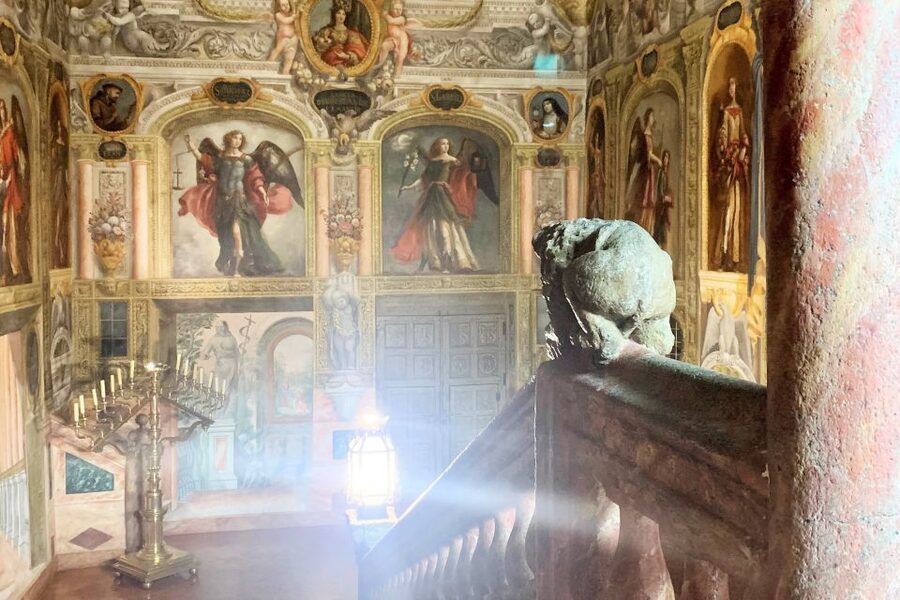
- The main staircase is the star: Painted walls, a striking ceiling attributed to Claudio Coello, and decorative doors make this more than a simple passage between floors.
- You see working-monastery spaces: The cloister, Choir Room, and rooms connected with religious life give the visit a quieter feel than Madrid’s big public museums.
- Major artists appear throughout: Look for works connected with Zurbarán, Antonio Moro, Luca Giordano, and Claudio Coello.
- The tour begins outside: Meet at Plaza de las Descalzas, 3, beside the benches and statues, and look for a guide holding a sign or an IBE TOURS umbrella.
- The group minimum matters: At least seven passengers are needed for the tour to operate, so keep that condition in mind when planning.
- Plan for a camera-free visit: Photography is forbidden inside, and the monument has no public restrooms.
Why the Descalzas Reales feels different from Madrid’s big museums
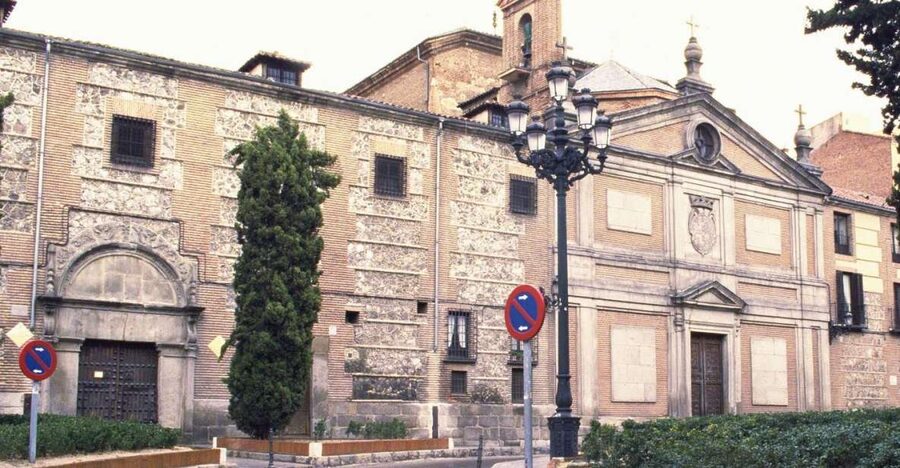
Madrid has grand art museums where you walk from gallery to gallery under bright lights and museum labels. The Descalzas Reales offers something else. This is a historic monastery, and its art remains tied to the building, its religious purpose, and the women who lived there.
That setting changes the visit. A painting is not simply one item on a wall. It may appear beside a stairway, over a doorway, or within a room shaped by centuries of prayer and ceremony. You get architecture, art, and stories in one compact visit.
The monastery was once regarded as the richest convent in Europe. That detail helps explain the scale and quality of what you see. Royal connections brought money, objects, and important works of art into a place that otherwise followed the disciplined life of a cloistered religious community.
You should not expect a huge museum with dozens of galleries. The appeal is concentrated. In 75 minutes, the guide leads you through a small group of rooms and points out details that would be easy to miss on your own.
More Guided Walks in Spain:
- Granada: Albaicín and Sacromonte Guided Sunset Walking Tour
★ 4.9 · 2,962 reviews - Madrid: Tapas & Wine Tasting Tour with Local Guide
★ 4.8 · 2,171 reviews - Madrid: Royal Palace Skip-the-Line Guided Tour
★ 4.5 · 2,140 reviews
Meeting at Plaza de las Descalzas
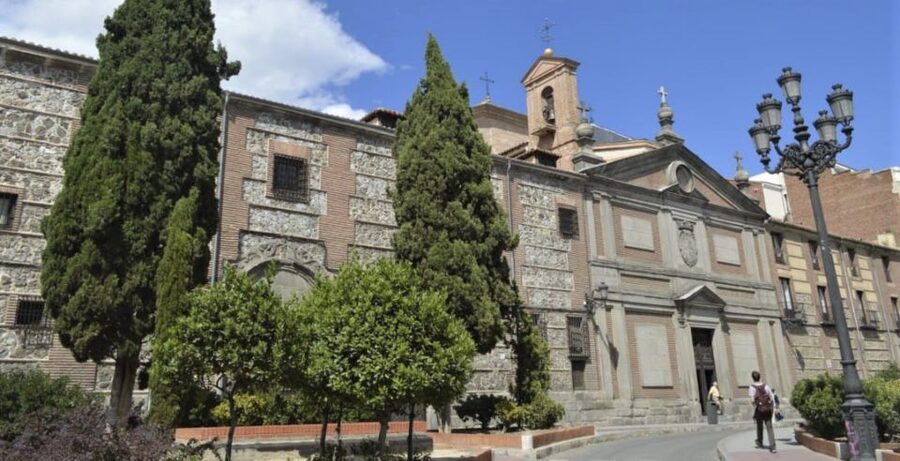
The meeting point is easy to identify if you use the full address: Plaza de las Descalzas, 3. Meet directly in front of the monastery entrance, near benches and statues. Look for the guide with a sign or an IBE TOURS umbrella.
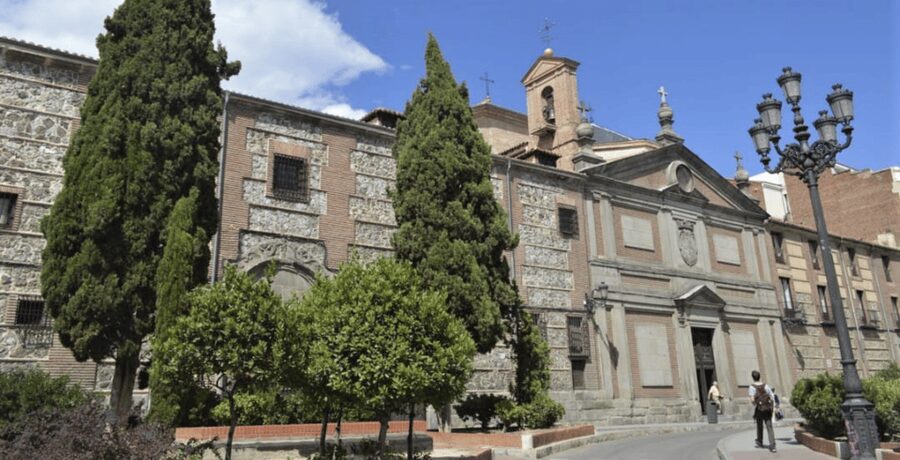
Arrive with enough time to find the entrance. The tour begins with an explanation of the facade and exterior, so the opening is not just a quick gathering before everyone rushes indoors. The outside introduction gives you a useful first look at the building and sets up the story of the convent.
The guide speaks French, English, or Spanish. The quality of the experience depends heavily on the person leading it, but the format has a clear advantage: the guide can connect the art, rooms, legends, and religious customs as you move along. Recent feedback describes the guides as friendly, clear, well prepared, and able to add personal comments that make the visit more enjoyable.
The group needs at least seven passengers. That condition is worth noting before you build your day around the tour. It may also affect the feel of the visit. One recent booking had only two participants and felt almost private, but you should not count on such a small group.
The cloister and the Good Friday procession
After the exterior introduction, the tour moves into the monastery. One of the first important spaces is the cloister, a central architectural feature of convent life.
The cloister is more than a pretty courtyard. It is a space for movement, quiet, and religious ceremony. The annual Procession of the Holy Burial passes through it on Good Friday, giving the area a continuing role in Madrid’s religious calendar.
As you walk here, listen closely to the guide’s explanation of how the space functioned. A self-guided visit might leave you with a few attractive views and no clear idea why the cloister matters. The guided format helps place the architecture within the life of a cloistered community.
The pace is also useful. You have enough time to look at the structure and hear its story, but the tour does not linger so long that the 75-minute schedule becomes cramped. Since photography is forbidden, you will need to rely on looking carefully and listening rather than trying to record every room on your phone.
The main staircase, the monastery’s visual highlight
The main staircase is widely regarded as the monument’s true jewel, and it is easy to see why. Stairs are often treated as simple functional spaces, but this one becomes a major artistic scene.
Look at the murals on the walls and then raise your eyes to the ceiling. The ceiling painting is attributed to Claudio Coello, giving the stairwell a dramatic finish. The combination of painted surfaces, height, and movement makes this one of the places where the building’s artistic ambition becomes clearest.
This is also a good example of why a guide adds value. Without an explanation, you might admire the decoration and continue upstairs. With context, you can understand that the staircase is one of the monastery’s most important visual statements.
Take your time here, but keep aware of the group. The tour is guided, and the route continues through several significant rooms. If you enjoy architectural details, this is the place to stay near the guide and ask questions about the murals and the ceiling attribution.
More Walking Tours in Spain:
- Barcelona Tapas and Wine Experience Small-Group Walking Tour
★ 5.0 · 5,804 reviews - Barcelona: Tapas Walking Tour with Food, Wine, and History
★ 4.8 · 4,261 reviews - Madrid Tapas & Wine Tasting Walking Tour – Small Group Local Bars
★ 5.0 · 3,644 reviews - Toledo Tour & Vineyard Walk with Wine Tasting from Madrid
★ 5.0 · 2,546 reviews
Painted walls, Plateresque doors, and smaller details
The monastery contains mural paintings from different periods. That gives the interior a layered look rather than a single design created all at once.
You will also see Plateresque doors, a detail that can be easy to pass without noticing. Their decoration helps show how even practical parts of the building received careful artistic treatment. Look at thresholds, frames, wall surfaces, and ceiling areas as well as the better-known paintings.
This is not a visit built around one famous object. Its interest comes from the relationship between many details. A door leads to a room with paintings; a staircase links decorated spaces; a cloister connects the building to ceremonial use.
That makes the tour a good choice if you like places where the setting matters as much as the individual artwork. If you prefer only famous paintings with plenty of time in front of each one, the fixed 75-minute route may feel brisk.
The Hall of Tapestries and Choir Room
The tour also includes the Hall of Tapestries and the Choir Room. These rooms broaden the visit beyond the cloister and staircase, showing how different parts of the monastery served different purposes.
The Hall of Tapestries gives you a chance to see the decorative side of the convent’s collection. The word hall matters here. This is not simply another small gallery, but a room where large woven works help shape the atmosphere and scale.
The Choir Room connects more directly with the monastery’s religious function. It is one of the places where you can better picture the daily rhythm of a cloistered community, even though the visit is focused on the building and its art rather than on a full reconstruction of convent life.
The rooms also make the tour feel well balanced. You are not spending all 75 minutes in one grand space. Instead, the route moves through areas with different moods and uses, while the guide links them through the history of the monastery.
Art by Zurbarán, Antonio Moro, and Luca Giordano
The collection includes paintings by major names such as Zurbarán, Antonio Moro, and Luca Giordano. You may not get the long, quiet viewing time available in Madrid’s large art museums, but you do get a different advantage: these works remain part of a historic religious setting.
The guide’s commentary is especially useful here. A name on a label tells you who made a painting. A spoken explanation can help you understand why the work is in this room, how it relates to the monastery, or what makes it important.
The mix of artists also adds variety. Zurbarán is associated with powerful religious painting, Antonio Moro with portraiture, and Luca Giordano with the grand style of the late Baroque. The tour gives you a compact introduction to different artistic approaches without requiring a full museum afternoon.
You should keep your expectations sensible. The information provided does not promise a complete catalog of every work or a specialist art lecture. Think of this as an accessible overview with strong visual stops, not an advanced seminar in Spanish painting.
How much value do you get for $28?
At $28 per person, the tour is priced above a casual walk through a public square, but the comparison is not quite fair. The cost includes the monastery admission, a skip-the-line ticket, and a live guide in French, English, or Spanish.
The biggest value is time. You do not need to work out which rooms matter most, and you do not have to rely on a short label to explain the building. The guide takes you directly to the cloister, staircase, woven-hanging room, Choir Room, and key works of art.
The tour is a good buy if you want structure and context. It is less compelling if you already have strong knowledge of the monastery and prefer to move at your own pace. Photography is not allowed, so the visit’s value rests on what you see and understand in the moment, not on collecting images afterward.
A 75-minute tour also fits neatly into a central Madrid day. You can give the monastery a focused block of time rather than committing half a day to a major museum. For many people, that balance makes the price reasonable.
Who will enjoy this visit most?
I would suggest this tour to you if you enjoy art in its original setting, religious architecture, royal history, and compact guided visits. It should also suit first-time visitors who want a clear introduction without spending hours reading labels.
The tour can work well for families with older children, provided they are interested in paintings, buildings, and stories. The route includes several visually strong spaces, but it is still a serious historic monument rather than an entertainment attraction.
It is also a good fit for anyone who wants to see a less obvious side of Madrid. The monastery sits in the city center, yet its interior experience is more restrained and enclosed than the large public attractions nearby.
I would hesitate to recommend it if you need complete freedom to wander, take photographs, or use a restroom during the visit. There are no public restrooms inside, and the tour operates rain or shine. Plan those details before you arrive.
Practical advice for a smooth visit
Wear something comfortable enough for standing and walking during the 75-minute route. The tour is indoors for much of its main content, but the opening takes place outside, so you should be prepared for the weather.
Do not plan to photograph the interior. Since photography is prohibited, put your phone away and focus on the guide’s explanation, especially in the main staircase where the ceiling and wall paintings deserve your full attention.
Use a restroom before entering because there are no public facilities in the monument. Also, food and drinks are not included, and hotel pickup and drop-off are not part of the experience.
The tour can be canceled for a full refund up to 24 hours in advance, and you can reserve now and pay later. Those options make it easier to fit the visit into a changing Madrid schedule, though the minimum of seven passengers still applies.
Should you book the Descalzas Reales tour?
Book it if you want a short, guided look at one of Madrid’s most unusual historic interiors. The staircase, cloister, Choir Room, painted walls, and major artworks offer plenty to see in 75 minutes, and the guide helps connect those pieces into a clear story.
Skip it if photography is essential to you, if you dislike fixed group visits, or if you want a long independent museum session. For everyone else, $28 is a fair price for admission, skip-the-line access, and an organized route through a monastery that is easy to overlook from the plaza outside.
FAQ
Where does the tour meet?
Meet at Plaza de las Descalzas, 3, directly in front of the monastery entrance. The meeting point is beside benches and statues. Look for a guide with a sign or an IBE TOURS umbrella.
How long does the guided visit last?
The visit lasts 75 minutes.
Which languages are available?
The live guide is available in French, English, and Spanish.
What areas of the monastery does the tour include?
The route includes the cloister, main staircase, Hall of Tapestries, Choir Room, painted walls, Plateresque doors, and other interior areas.
Are tickets included?
Yes. The experience includes skip-the-line admission tickets to the Descalzas Reales Monastery.
Can I take photographs inside?
No. Photography is not allowed inside the monument. There are also no public restrooms inside.
New routes in Spain
- Toledo: Guided Walking Tour with Cathedral Ticket and Tour★ 4.2 · 98 reviews
- Toledo: Guided Monument Walking Tour with Wristband Pass★ 4.5 · 487 reviews
- Valencia: Fallas Festival Walking Tour with Entry Ticket★ 4.6 · 86 reviews
- Barcelona: “The Shadow of the Wind” Literary Walking Tour★ 4.5 · 176 reviews
- Tenerife: Underwater Walk – Sea Trek Experience★ 5.0 · 237 reviews
- Tarragona: Roman Heritage Guided Walking Tour★ 4.7 · 261 reviews
- Seville: Sunset Roof Top Walking Tour★ 4.2 · 131 reviews
- Seville: Paranormal and Legends Guided Walking Tour★ 4.7 · 336 reviews
Spain Walking Tours, compared.
Barcelona Tapas and Wine Experience Small-Group Walking Tour
Read our review →
Tapas Walking Tour with Food, Wine, and History
Read our review →
Madrid Tapas & Wine Tasting Walking Tour – Small Group Local Bars
Read our review →
Albaicín and Sacromonte Guided Sunset Walking Tour
Read our review →
Toledo Tour & Vineyard Walk with Wine Tasting from Madrid
Read our review →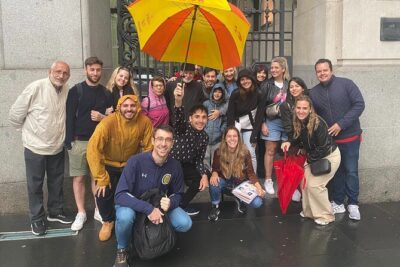
Browse the lists this tour appears in