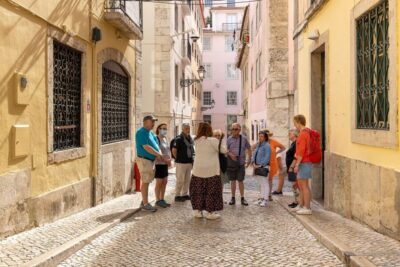
Review · TOURS
Hong Kong: Dark Side of Hong Kong Caged Homes Walking Tour
Hong Kong’s most startling sight may be a home smaller than many hotel rooms. This two-hour walk through Mong Kok and Sham Shui Po explains how land policy, population pressure, and sky-high prices have produced subdivided flats and cage homes. I like that it connects cramped rooms to the wider housing system, rather than presenting poverty as a strange spectacle.
I also like the vacant sample flat, which lets you see how a kitchen, bed, toilet, and living area can fit into about 100 square feet. The visit to SoCo, a charity that has worked with marginalized communities for more than 50 years, gives the tour a useful sense of purpose. The main drawback is its subject: this is serious, sometimes upsetting material, and the walk includes busy streets, staircases, and older buildings.
Key points to know before booking

- A 100-square-foot home becomes the tour’s most powerful lesson: You see how one tiny subdivided unit can serve as a complete household.
- The walk links housing costs to government policy: A local property professional explains why Hong Kong is often ranked the world’s least affordable city.
- Sham Shui Po shows a sharp social contrast: Luxury towers and dense low-income housing can sit close together.
- The rooftop stop reveals homes hidden above street level: It offers a rare look at rooftop dwellings, subject to weather and access.
- SoCo adds a practical, human ending: The charity has advocated for low-income and marginalized residents for over five decades.
- Guide quality matters: Stephen, Alice, Summer, Michael, Isaac, Wind, and others are praised for clear explanations, empathy, and personal insight.
Why this two-hour walk changes the way you see Hong Kong

Hong Kong is easy to read from ground level. You see towers, neon signs, packed streets, ferries, shopping centers, and steep hills. This tour asks you to look at the city from inside its housing problem.
The focus is not simply that some apartments are small. The important point is how the city’s limited land, large population, and high property prices affect ordinary life. A home can become a subdivided section of a larger flat, with several households sharing one original apartment. For a person on minimum wage, even that small section may be difficult to afford.
I appreciate this approach because it gives you facts and structure before showing you difficult living conditions. The tour begins with the causes, then takes you into the neighborhoods where those causes become visible. That order helps you understand the issue instead of treating it as a shock photo opportunity.
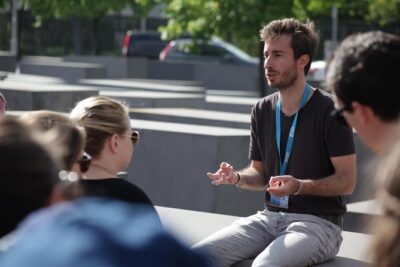
The guide also brings a local point of view. Several guides lead this experience, including Stephen, Alice, Summer, Michael, Isaac, Wind, and others. The strongest feedback centers on guides who explain the housing crisis clearly, answer questions patiently, and keep the tone respectful. One guide brings a personal story about Hong Kong’s housing market paradox, which adds an important reminder that the issue is not distant or abstract.
More Walking Tours in the world:
- Magical London: Harry Potter Guided Walking Tour
★ 4.7 · 22,044 reviews - Reykjavik Food Walk – Local Foodie Adventure in Iceland
★ 5.0 · 18,952 reviews - History and Hauntings of Salem Guided Walking Tour
★ 5.0 · 14,564 reviews
Starting inside Prince Edward MTR Station
The meeting point is inside Prince Edward MTR Station at Exit D, near Playing Field Road. Pay close attention to the inside-station instruction. Hong Kong MTR stations can have several exits, and meeting the guide outside the wrong one can waste valuable time.
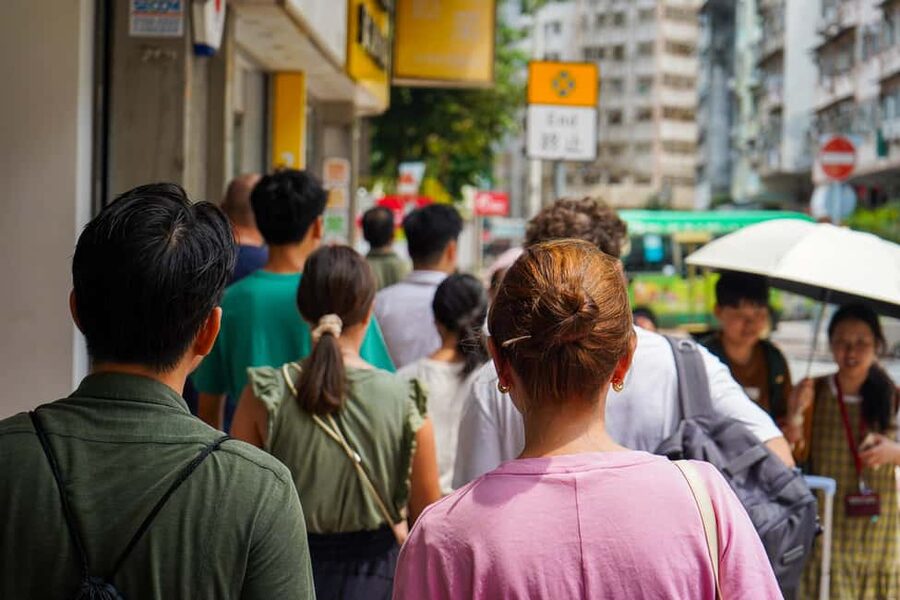
From there, you move on foot toward Mong Kok and Sham Shui Po. The route begins in one of Hong Kong’s busiest urban areas, so you should expect crowds, traffic, shopfronts, narrow pavements, and frequent stops while the guide talks. Wear shoes that can handle two hours of walking and stairs.
The tour ends at Sham Shui Po MTR Station, specifically near the North River Street Market and Cooked Food Centre. That is useful because you can continue exploring the district, eat at the market, or take the MTR onward without arranging transport.
There is no hotel pick-up, no drop-off, and no food included. Those are not real weaknesses for a walking tour, but you should plan around them. Eat beforehand or save your appetite for Sham Shui Po, where the finishing point gives you a practical chance to find food after the tour.
Mong Kok and the first signs of the housing squeeze
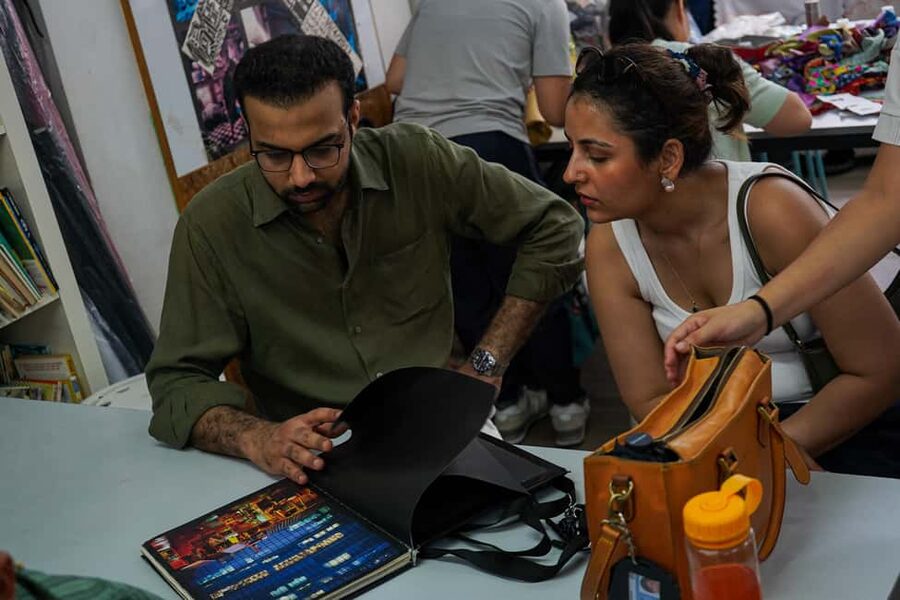
Mong Kok gives the tour a strong opening setting. It is dense, commercial, and full of the kind of city energy most people associate with Hong Kong. The guide uses this area to show how people, businesses, apartments, and transport all compete for limited space.
An early stop, described only as a secret stop, lasts about 10 minutes. The exact focus can depend on the day and guide, so do not expect a long museum-style visit. The value comes from listening to the explanation around you and noticing how much activity is packed into a small area.
The Mong Kok section also introduces the property market. You learn why a standard apartment of around 500 square feet might be divided into five much smaller units. That example makes the numbers easier to grasp. The original flat has not expanded, but the number of households living within it has.
This is where the tour moves beyond the familiar complaint that Hong Kong property is expensive. You are shown the practical result of those prices: rooms that combine sleeping, cooking, washing, and living in one cramped space. The guide may also discuss population growth, capitalism, and land scarcity as connected pressures.
If you enjoy economics, city planning, or housing policy, this part may be especially rewarding. If you prefer sightseeing with little discussion, the amount of explanation may feel heavy. The activity is designed for people who want context.
Entering a subdivided flat of about 100 square feet

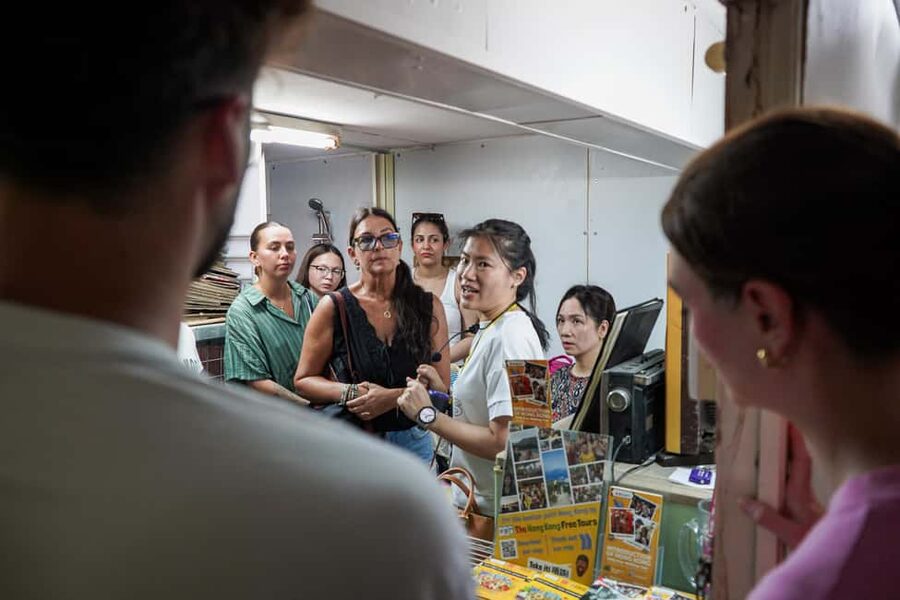
The most memorable stop is the sample subdivided flat. It is a vacant space maintained for the tour, not someone’s current home. That distinction matters. You are not walking through a family’s private room or photographing people who live there.
Inside, you see how a unit of roughly 100 square feet, or about 10 square meters, can contain a bed, cooking area, toilet, and living space. The measurements are easy to repeat, but the room makes them real. A figure on a page cannot show how quickly a few steps take you from one function to another.
The tour explains that a typical 500-square-foot apartment can be divided into five small units. The sample room helps you picture what that division means for daily life. There is less room for privacy, storage, movement, and rest. A family may need to carry out every part of life within one compact area.
This is also the point where the tour’s tone matters most. Guides such as Alice, Summer, Michael, and Stephen are repeatedly praised for treating the subject with care rather than using poverty for shock. That is the right approach. The room is there to explain a housing system, not to turn residents into an attraction.
You should still be prepared for discomfort. The stop may make you think about the gap between Hong Kong’s global wealth and the conditions faced by people on low incomes. The tour does not make that contrast easy to ignore.
Same streets, a different guide:
- New Orleans Premier Ghost, Voodoo and Vampire Walking Tour
★ 4.5 · 12,856 reviews - Amsterdam Anne Frank: Small-Group Walking Tour & Local Guide
★ 4.8 · 12,789 reviews - Edinburgh: Harry Potter Magical Guided Walking Tour
★ 4.8 · 11,944 reviews - Edinburgh Castle: Guided Walking Tour with Entry Ticket
★ 4.7 · 11,699 reviews
Cage homes and the human cost of high rent
The phrase cage home refers to a metal enclosure used as a living space, often for a single resident on a low wage. The room can be part of a larger subdivided flat, with the enclosure marking out a person’s sleeping and storage area.
You are not simply shown a cage and left to react. The guide explains how this kind of housing fits into the wider rental market. For someone earning little, paying for any private room can be difficult. The result is a form of housing that provides shelter but very little comfort or personal space.
This section can feel confronting. It is not suitable for anyone seeking a light afternoon walk, and the tour itself warns that the subject may not suit every visitor. I think that honesty is useful. You can make a better choice when you know in advance that the experience deals with poverty, overcrowding, and social inequality.
The strongest part is the way the guide connects individual living conditions to policy. You are encouraged to ask how land is released, who can afford new housing, and what happens when supply does not match demand. The discussion turns a disturbing sight into a question about choices and possible solutions.
Sham Shui Po, where the contrast becomes visible
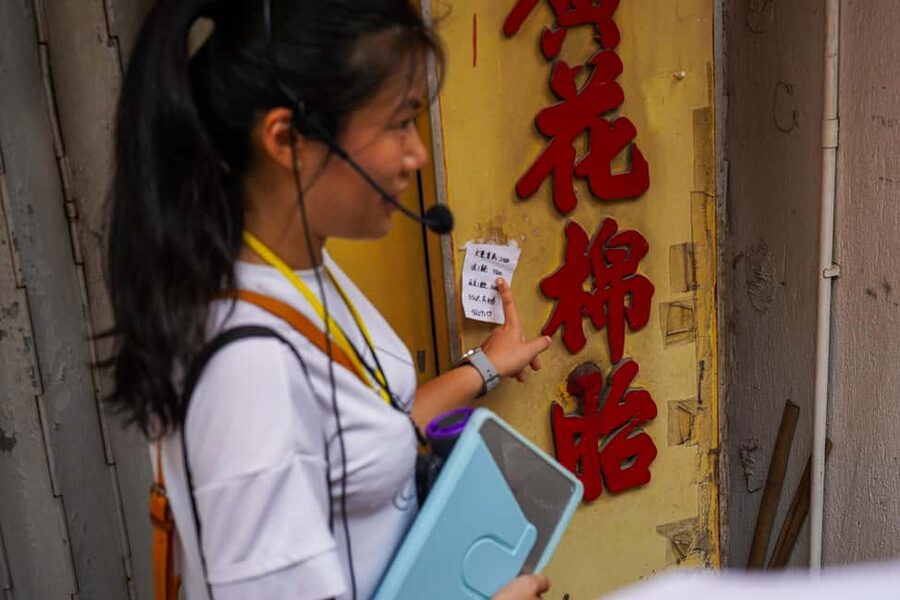
Sham Shui Po is the heart of the tour. The district is one of Hong Kong’s poorer areas, and its streets reveal a very different side of the city from the polished skyline.
You walk through backstreets and older buildings, passing dense clusters of subdivided flats. At the same time, modern and expensive apartment towers are close by. That contrast is one reason the neighborhood works so well for this experience. The issue is not hidden in a far-off suburb. It exists alongside the city’s wealth.
The guide may also discuss the area’s underworld and the social pressures faced by residents. Do not expect a neatly arranged attraction with signs at every stop. Much of the learning comes from the guide pointing out what you would otherwise walk past.
The route includes stairs and older buildings. It may be harder for people with limited mobility, and wet weather can make the walk less comfortable. The tour can be canceled because of poor weather, with the choice to reschedule or receive a full refund. Comfortable shoes are a simple but important part of preparing.
One practical issue is group size. At least one participant found the group larger than expected but still felt well looked after. A larger group can make it harder to hear in a noisy street, though a good guide will keep people together and make time for questions.
Looking up at Hong Kong’s rooftop dwellings
The rooftop stop offers one of the tour’s most unusual views. Above the street, you may see makeshift rooftop homes that are easy to miss when your attention is fixed on traffic and shop signs.
These dwellings create a sharp contrast with Hong Kong’s modern towers. The skyline suggests wealth and technology, while the rooftops reveal people making use of every available patch of space. The view is not a scenic overlook in the usual sense. Its value is social and architectural.
Access and visibility can depend on weather and conditions, so keep expectations flexible. The tour description promises a look at hidden rooftop slums, but the precise view can vary. You should not expect to enter every rooftop dwelling or treat the area as an open attraction.
I like this stop because it changes your habits as a sightseer. Afterward, you may find yourself looking up at rooftops, balconies, and older facades instead of only photographing the skyline. Hong Kong’s housing problem becomes a three-dimensional issue, running from street-level cage homes to rooftop structures and high-rise apartments.
SoCo gives the walk a constructive ending

The final major stop is SoCo, a local charity that has advocated for marginalized communities for more than 50 years. After seeing cramped homes and hearing about high rents, you get a chance to consider the groups trying to improve conditions.
This ending is important. A tour about poverty can leave you with guilt or helplessness if it only displays hardship. SoCo adds organized local work and discussion about possible solutions. The focus remains on rights, housing, and the needs of people who are often overlooked.
You may have the chance to buy books or make a donation, so carrying some cash is sensible. Donations are not included in the $31 tour price, and the experience does not require you to contribute. Still, having cash gives you the option to support the organization or take home reading material.
The charity visit also helps answer an ethical question: is this tour using hardship for entertainment? The vacant sample flat, the educational explanation, and the connection to SoCo all help keep the focus on understanding and support. You should still behave carefully. Listen, avoid intrusive photography, and remember that the district is a home for real people, not a stage.
Is $31 fair value for two hours?
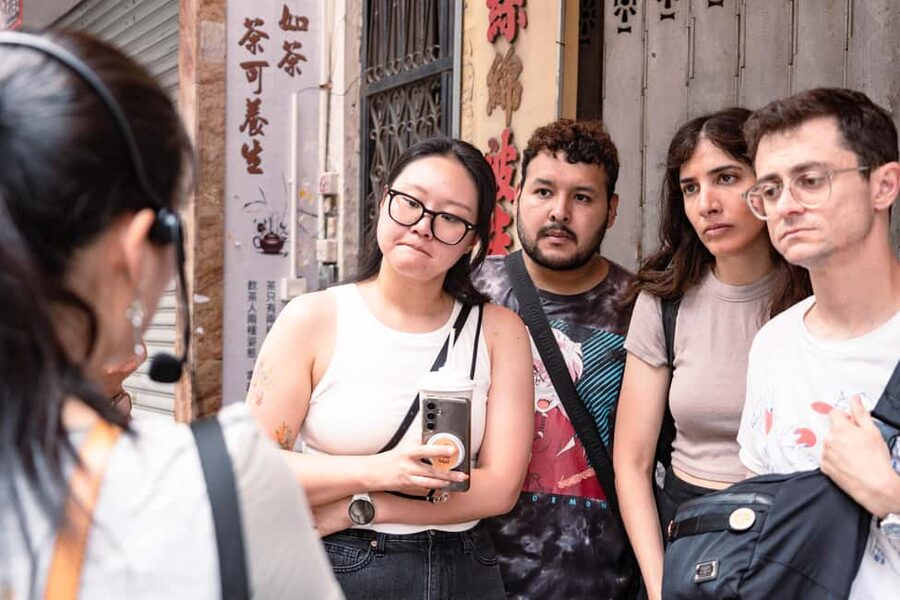
At $31 per person, the tour costs more than a casual self-guided walk through Mong Kok and Sham Shui Po. You can walk these streets for free. What you are paying for is the guide’s interpretation, access to a maintained sample flat, the organized route, and the social context that is difficult to assemble on your own.
I think the price is fair if you want to understand Hong Kong’s housing crisis rather than simply observe the neighborhood. A local guide can explain why a building looks the way it does, how a larger apartment may be divided, and how land policy shapes the rental market. Those details give meaning to what you see.
The value also depends on your interest. If you want famous sights, food tastings, or a relaxed stroll, spend the money elsewhere. If you care about housing, economics, social policy, or the lives of ordinary residents, two focused hours can add more to your trip than another standard sightseeing loop.
The tour includes only the professional local guide. Food, drinks, and transport are separate. You can easily combine the finish with a meal at or near Sham Shui Po’s market, but budget for that on your own.
Which guide might lead your walk?
The tour uses several English-speaking guides, and names that appear with this experience include Stephen, Alice, Summer, Michael, Isaac, Wind, Simeone, Wing Man, and others. The most praised qualities are clear explanations, empathy, local perspective, and an ability to answer questions.
Stephen is described as a Hong Kong local who enjoys sharing stories about the city. Alice is praised for presenting financial and social information in an objective way without making the subject feel hopeless. Summer is associated with strong passion for affordable housing and low-income communities.
Michael is noted for bringing personal care to the topic and ending with the charity visit. Isaac is praised for explaining the Mong Kok area and answering questions. Wind is described as warm, engaging, and sensitive when presenting the difficult side of Hong Kong’s prosperity.
Your guide will affect the tone and pace, but the main themes remain the same. It is worth arriving ready to listen and ask questions. The experience works best as a conversation, not as a lecture where you simply follow along silently.
Who should book this Hong Kong walking tour?
You should consider booking if you:
- Want to see Hong Kong beyond its shopping districts and skyline
- Are interested in housing policy, economics, or urban planning
- Prefer local stories and social issues to standard sightseeing
- Can handle an emotionally serious subject
- Are comfortable walking through busy streets and older buildings
- Want a guided experience in English
- Have already visited Hong Kong and want a different perspective
You may want to skip it if you are looking for entertainment, scenic views, or a gentle activity. The tour does include an unusual rooftop view, but its purpose is not photography. It asks you to think about how people live and why the city has developed such sharp inequality.
Should you book the Dark Side of Hong Kong tour?
Book it if you want the city to make more sense. The visit to the 100-square-foot flat, the explanation of subdivided 500-square-foot apartments, the rooftop stop, and the SoCo discussion fit together well. You finish with a clearer idea of how Hong Kong’s high property prices affect daily life.
I especially recommend it for repeat visitors and anyone studying cities, housing, or social policy. First-time visitors can also fit it into a Hong Kong trip, but I would pair it with brighter experiences rather than making it your only activity.
The key question is simple: can you approach poor neighborhoods with respect and curiosity? If yes, $31 buys a thoughtful two-hour lesson in the real pressures behind the skyline. If not, choose another walk. This one is serious, direct, and far more useful than a quick glimpse through a tour-bus window.
FAQ
How long is the Dark Side of Hong Kong tour?
The walking tour lasts two hours.
How much does the tour cost?
The listed price is $31 per person.
Where does the tour begin?
It begins inside Prince Edward MTR Station at Exit D, near Playing Field Road.
Where does the tour end?
It ends at Sham Shui Po MTR Station, near 北河街街市及熟食中心, also known as North River Street Market and Cooked Food Centre.
What language is the tour conducted in?
The live tour guide speaks English.
Does the tour enter a real occupied cage home?
The tour visits a vacant subdivided flat maintained for the experience. It is not an occupied family home, so the visit does not intrude on a resident’s privacy.
Is the tour suitable for people with limited mobility?
The route includes busy streets, staircases, and older buildings, so it may not be suitable for people with limited mobility.
What happens if bad weather cancels the tour?
If poor weather causes a cancellation, you can reschedule or receive a full refund. You can also cancel up to 24 hours in advance for a full refund.
New routes in the world
- Baltimore Walking Foodie Tour in Fells Point★ 5.0 · 182 reviews
- Baku Oil Heritage & Old Town Walking Tour★ 5.0 · 232 reviews
- Baku Walking Tour (Old City)★ 5.0 · 127 reviews
- The Madam’s Curse Walking Ghost Tour★ 4.5 · 103 reviews
- Austin Small Group Morning Walk★ 5.0 · 412 reviews
- Austin Haunted Pub Crawl Walking Tour★ 4.5 · 232 reviews
- Austin Downtown Private Walking Food Tour With Secret Food Tours★ 5.0 · 71 reviews
- Austin Murder Walk★ 5.0 · 310 reviews
Tours, compared.
Magical London: Harry Potter Guided Walking Tour
Read our review →
History and Hauntings of Salem Guided Walking Tour
Read our review →
New Orleans Premier Ghost, Voodoo and Vampire Walking Tour
Read our review →
Amsterdam Anne Frank: Small-Group Walking Tour & Local Guide
Read our review →

Edinburgh Castle: Guided Walking Tour with Entry Ticket
Read our review →