
Review · GRANADA
Granada: Walking Food Tour
Granada’s food story is best understood one bite at a time. This 3.5-hour walking tour takes you from ham and olive oil shops to tapas bars and the historic Chikito restaurant, explaining how Roman, Berber, Sephardic, and Nasrid influences still shape the city’s table.
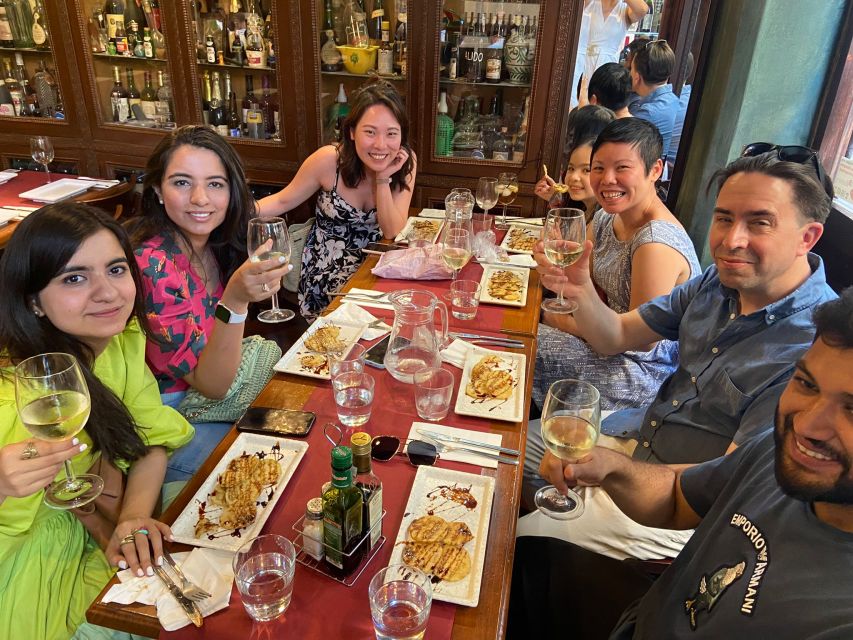
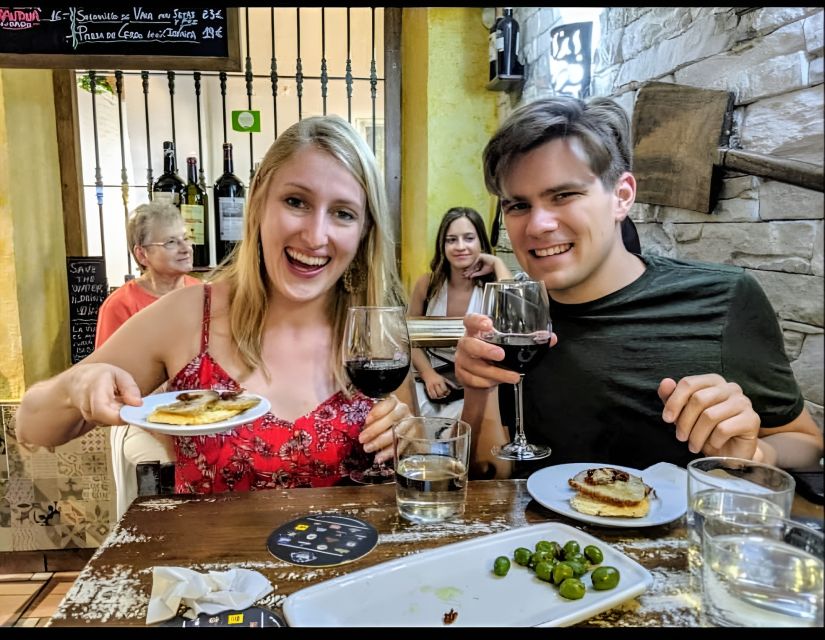
I like the small group, capped at 10, and the way the tour works as both a meal and an orientation to central Granada. I also like the range: you may taste Serrano and Iberian ham, local wine, Tinto de Verano, olive oil, regional dishes, sweets, and tapas rather than eating the same kind of snack all afternoon.
The main consideration is that this is not a sightseeing tour built around major monuments. You walk between food stops, but the focus is eating, drinking, and conversation. The tour is also not suitable for wheelchair users, and the Iberian ham tasting is not included on Saturday evenings.
Key points at a glance
- Granada on a plate: Learn how Alpujarra ham, Sierra Nevada air, olive oil, local wines, and traditional recipes fit into the region’s food culture.
- A full meal, not a nibble: The included food and drinks are intended to cover lunch or dinner.
- Small-group format: A maximum of 10 people makes it easier to ask questions and speak with your guide.
- Historic Chikito stop: Taste local recipes at a restaurant tied to Granada’s artists, writers, and poets of the early 1900s.
- Guides with food experience: Guides have included Katia, Laura, Bruce, Marcel, Molly, Emma, and Kate, with several bringing restaurant or chef experience.
- Useful first-day activity: The food stops and restaurant advice can help you choose where to eat for the rest of your stay.
Why Granada’s food makes a good walking tour
Granada is often introduced through the Alhambra, flamenco, and its old quarters. Those are essential, but food explains the city in a more everyday way. On this tour, your guide connects what you eat with the people and cultures that have shaped Andalusia.
You hear about Sephardic, Berber, Nasrid, and Roman influences. That mix matters because Granada’s cooking is not one neat tradition. It combines mountain produce, olive oil, cured meats, wine, old spice routes, and recipes shaped by centuries of cultural exchange.
I find this kind of context especially useful when a dish is unfamiliar. Instead of simply being told that a ham is local, you learn how ham is cured in the Alpujarra mountain villages and dried with the clean air from the Sierra Nevada. That turns a tasting into a small lesson in place and climate.
The walking also helps you read central Granada. Stops may include family-run businesses, restaurants, bars, spice shops, sweet shops, and the souk area. You are not just seated in one restaurant for three hours, so you get a clearer sense of where locals shop and eat.
More Food Walking Tours in Spain
- Barcelona: Tapas Walking Tour with Food, Wine, and History
★ 4.8 · 4,261 reviews - Madrid Tapas & Wine Tasting Walking Tour – Small Group Local Bars
★ 5.0 · 3,644 reviews - Toledo Tour & Vineyard Walk with Wine Tasting from Madrid
★ 5.0 · 2,546 reviews
The ham tasting explains more than Spanish labels
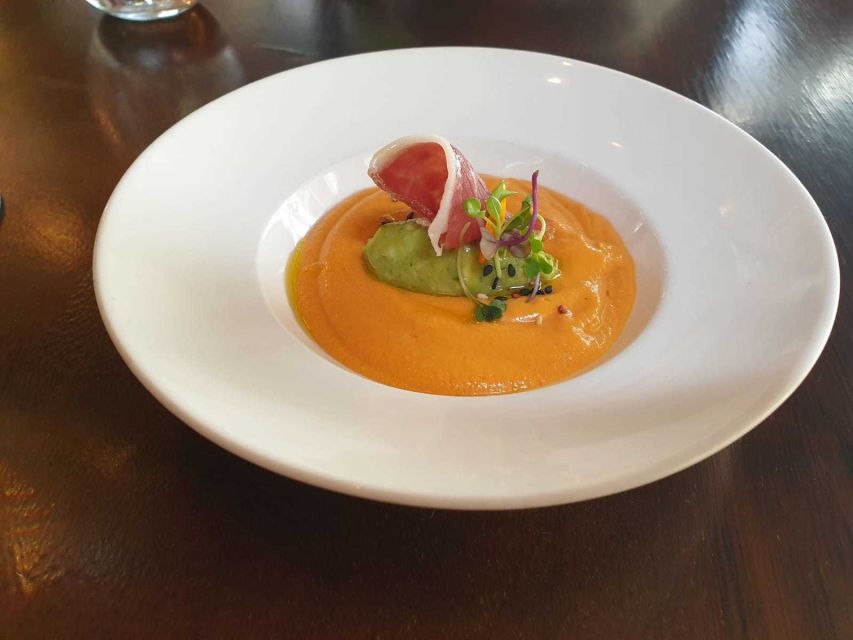
Ham is one of the clearest reasons to book this experience. You may taste several styles, including Serrano ham from Granada and Iberian ham from Andalusia. The comparison gives you a practical way to understand differences in flavor, curing, and prestige.
Your guide explains production rather than simply passing around plates. The Alpujarra villages use mountain conditions to cure ham, with the Sierra Nevada air helping create the dry environment associated with the region. That is a useful detail to carry into markets and restaurant menus later in your trip.
The distinction between Serrano and Iberian ham can be confusing when you first arrive in Spain. A guided tasting gives you a reference point, especially if you are considering buying ham as a food gift. You can ask questions at the moment you are tasting, rather than trying to decode a label on your own.
There is one timing detail to note. The Iberian ham tasting is not included on Saturday evenings. If that tasting is important to you, check the available departure before booking.
Local drinks, from regional wine to Tinto de Verano
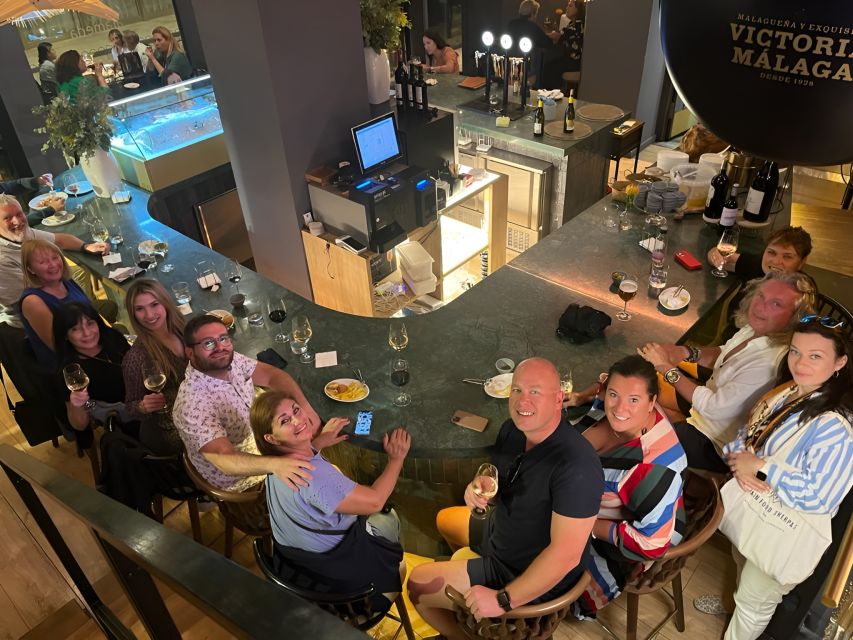
The drink side of the tour is broader than a basic wine tasting. You may try wines from the Granada region, Tinto de Verano, vermouth, and pairings chosen for the food being served. Additional drinks are not included, so the included pours matter when you judge the value.
The guides explain the wines in plain terms and connect them to local food. That makes the tasting approachable for people who know little about Spanish wine. It also works for experienced drinkers who want to understand Granada’s own production rather than sticking only to famous regions elsewhere in Spain.
Tinto de Verano gives you a taste of a relaxed Spanish drinking habit. Vermouth adds another local aperitif experience. The point is not to rush through a long list of drinks, but to show how Granada’s eating culture moves between aperitif, tapas, wine, and a proper plate of food.
If you do not drink wine, the tour can still work. Olive oil, ham, cheese, tapas, sweets, and other dishes provide plenty of food interest. One family with children particularly enjoyed the olive oil tasting and returned to the shop the next day to buy bottles.
What happens at the restaurants and tapas stops
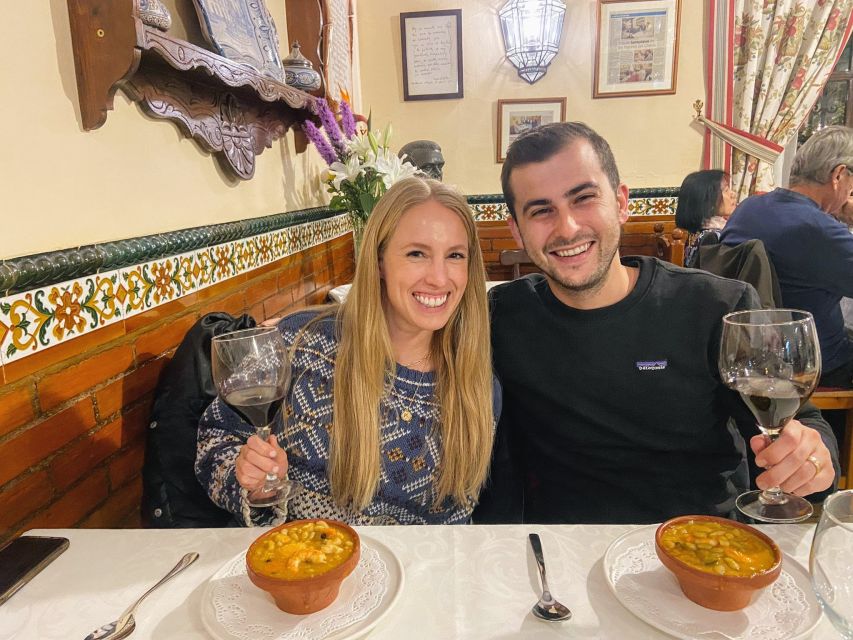
The exact order and dishes can change, but the tour generally moves through several bars and restaurants rather than relying on one large meal. You might visit three restaurant stops, with a mix of tapas, traditional dishes, and drinks.
One useful feature is that the food is not limited to the most familiar tourist tapas. Dishes described by participants include oxtail croquettes, pork with saffron, Iberian pork, local cheese, and regional recipes served with wine. At La Cueva 1900, one tasting included queso de cerdo. At Chikito, the presa ibérica was a highlight for one group.
These examples show the range you can expect, but they should not be treated as a fixed menu. The tour description promises typical dishes, ham, wines, and food sufficient for a full lunch or dinner, not a guaranteed list of every plate.
Chikito is the most notable restaurant stop. Its importance is not only culinary. Local artists, writers, and poets met there in the early 1900s, so the restaurant adds a cultural layer to the meal. You get a sense of how a dining room can be part of Granada’s creative life, not just a place to eat.
Some stops may be more polished than others. Recent groups have eaten in comfortable, air-conditioned restaurants, while the walking portions take place outdoors in the city center. If rain arrives, the experience becomes less comfortable, although the food stops themselves provide shelter.
Same streets, a different guide:
- Barcelona Tapas and Wine Experience Small-Group Walking Tour
★ 5.0 · 5,804 reviews - Granada: Albaicín and Sacromonte Guided Sunset Walking Tour
★ 4.9 · 2,962 reviews - Madrid Walking Tour from Puerta del Sol to Retiro Park
★ 5.0 · 2,285 reviews - Barcelona: Food Walking Tour with Tapas and Wine
★ 4.9 · 2,180 reviews
Olive oil, spices, sweets, and the shopping side of the tour
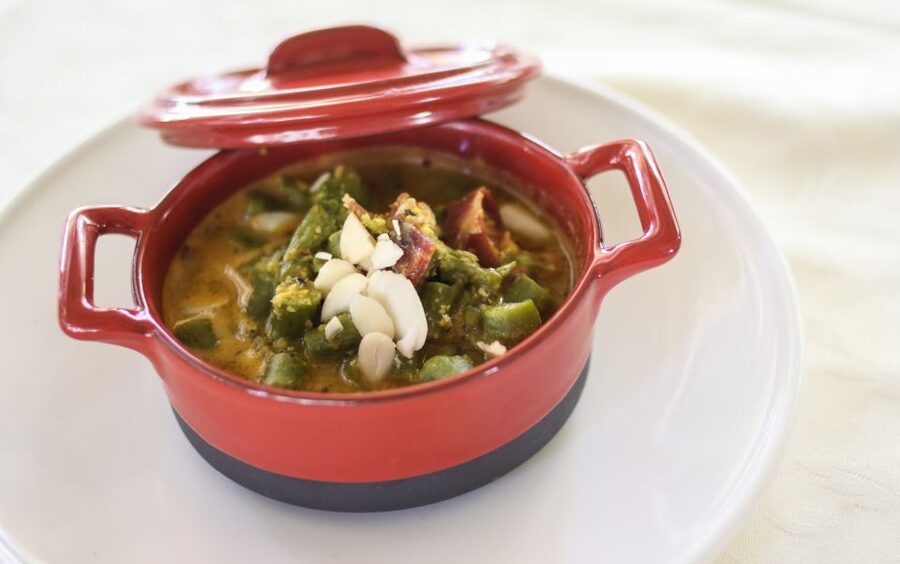
The olive oil tasting is one of the most useful parts for anyone who plans to shop in Andalusia. Spain produces many types of olive oil, and tasting different examples helps you notice the differences instead of treating every bottle as the same.
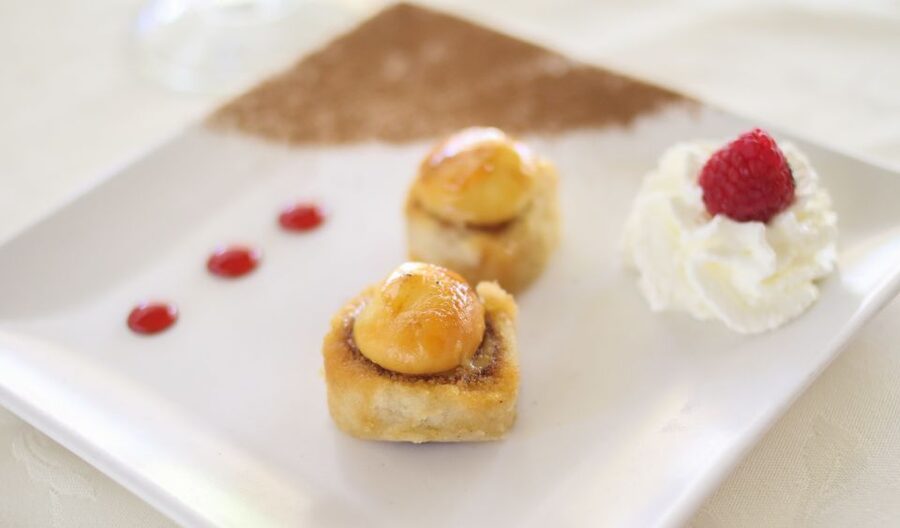
Your guide may also take you into shops selling herbs, spices, or turrón. These are short stops, but they make the tour more practical. You learn what is local, what makes a good food gift, and where you might return later.
I especially like that the tour does not treat shopping as a forced souvenir stop. The focus remains on food and production. If you find an olive oil, spice blend, or sweet you like, you have the option to return independently.
The spice shop and souk area also reinforce Granada’s connections with North Africa and the wider Mediterranean. This is where the cultural material makes sense alongside the food. The flavors are not presented as isolated curiosities. They fit into the city’s long pattern of trade and cultural exchange.
The guides make a major difference
The experience depends heavily on the guide, and the listed guides bring different strengths. Katia has restaurant experience in Granada and has led tastings on food, wine, and olive oil. Laura grew up in Granada and is known for combining local food knowledge with city history and an easy conversational style.
Bruce is particularly useful if you want historical context during the walk. He has guided groups through Granada’s food and culture while keeping the pace relaxed. Marcel brings a strong personality, humor, and broad explanations of Spanish food and history. Molly, Emma, Kate, and other guides have also led versions of the experience.
Because guide assignments can vary, you should not book expecting one specific person unless the operator confirms it. The common thread is a guide who can explain the food, answer questions, and connect the stops to Granada.
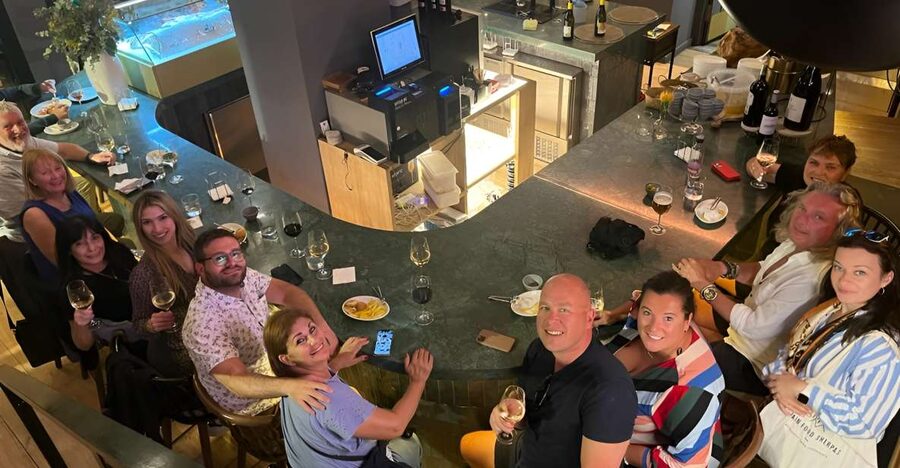
A small group makes this easier. With no more than 10 participants, you are less likely to be lost at the back of a large crowd. You can ask about allergies, wine, olive oil, Spanish dining customs, or where to eat the next day.
The tour has also worked well for mixed groups. Parents with children enjoyed the food beyond the wine, and one participant learning Spanish appreciated informal language practice with the guide. Couples, solo visitors, and food-focused families should all find the format manageable.
Why the $82 price can be good value
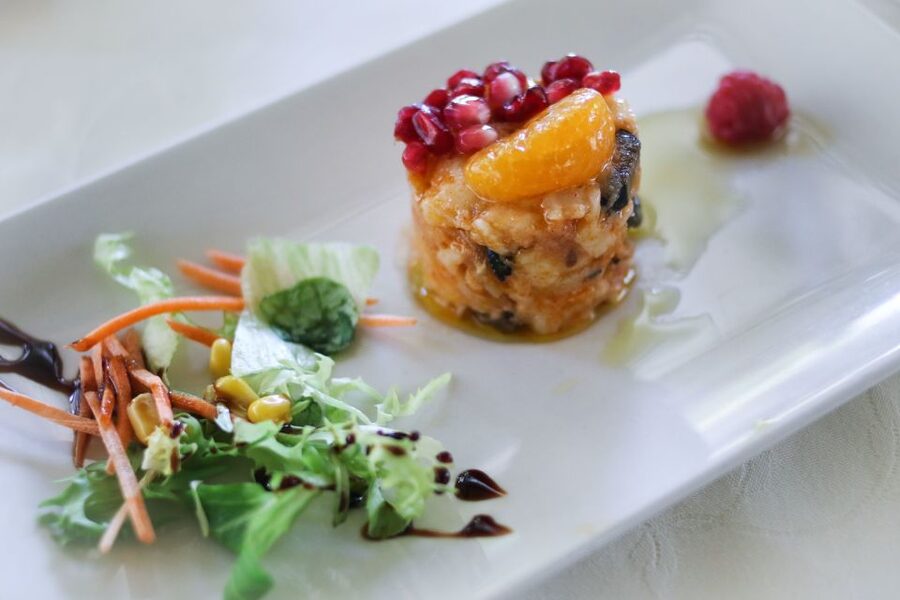
At $82 per person, this is not a cheap tapas crawl. It is a guided meal with drinks, tastings, local business visits, and three and a half hours of personal explanation. The included food is meant to replace lunch or dinner, which makes the cost easier to judge.
The value is strongest if you would otherwise spend money experimenting at several restaurants without knowing what to order. You get a selection of foods, wine, and local products in one outing, plus recommendations for later meals.
Several dishes served on the tour are more substantial than a quick bar snack. Oxtail croquettes, pork dishes, Iberian pork, ham, cheese, and other plates can add up quickly when ordered separately. The guide’s explanations also help you avoid spending your limited time on ordinary or poorly chosen stops.
The value is weaker if you do not eat much, do not drink at all, or prefer to choose every dish yourself. Additional drinks cost extra, and the menu is not presented as a fixed list in advance. People with strict dietary needs should state them when booking so the operator can assess what is possible.
Timing, meeting point, and what to wear
The meeting point is the kiosk at Teatro Isabel La Catholica, on the Casino sidewalk near Puerta Real. Arrive five minutes early. The operator can wait no longer than 15 minutes after the scheduled start, so this is not an activity to reach casually after a late lunch.
The tour lasts 3.5 hours, and departure times depend on availability. An afternoon start may function as a late lunch, while an evening departure can become your dinner. Check the time carefully, especially if you have an Alhambra visit, flamenco show, or train departure on the same day.
You will be walking between stops, though the food is the main event. Wear comfortable shoes and come ready to eat. Granada’s streets can be uneven in parts, and the activity is not suitable for wheelchair users.
Tell the operator about dietary requirements when you book. The tour includes several kinds of food and drink, so advance notice is important for allergies or restrictions. One participant with a walnut allergy received careful attention from the guide, but you should still communicate your needs before arrival.
The best place in your Granada schedule
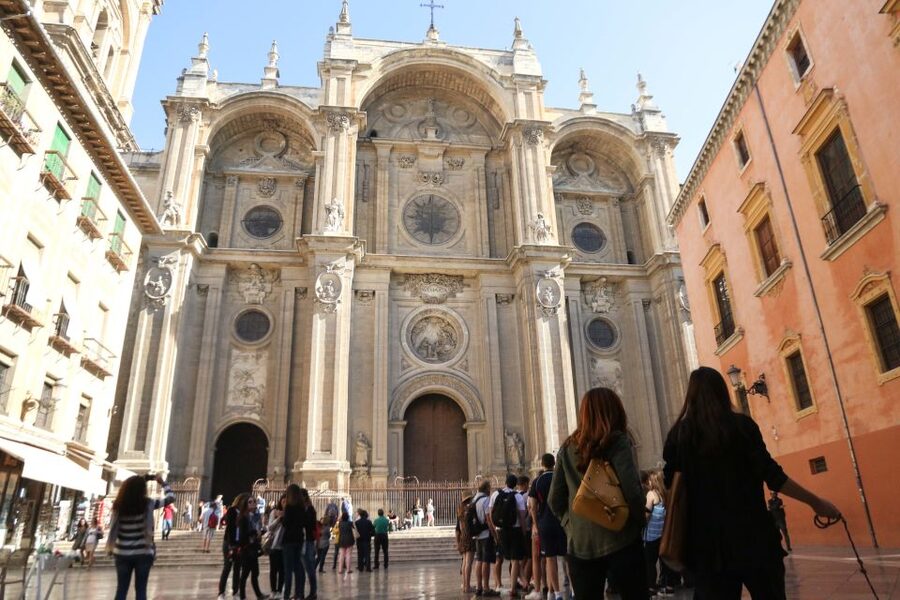
I would put this tour near the start of a Granada visit. It helps you get your bearings around the center and gives you names of foods and places to look for later. You can return to a bar or shop you enjoyed, use the restaurant advice, and order with more confidence.
It also works well after the Alhambra, when you want a more ordinary view of the city. The Alhambra shows royal Granada. This tour shows what people produce, pour, sell, and eat in the streets around it.
I would not schedule it immediately after a large meal. The included food is substantial, and several people found they did not need another meal that day. It is better treated as lunch or dinner, not as a light pre-dinner activity.
The tour is a particularly good match for food lovers, first-time visitors, curious wine drinkers, and people who want cultural context without sitting through a formal lecture. It is less suited to anyone seeking a monument-heavy walking tour or a tightly fixed menu.
Should you book the Granada Walking Food Tour?
Book it if you want a generous meal, local drinks, and a practical introduction to Granada’s food culture. The strongest reasons are the small group, the variety of stops, the ham and olive oil tastings, and guides with solid local food experience.
At $82, the price is fair when you count the included food and drinks as lunch or dinner. I would book early in the trip, tell the operator about dietary needs, and check the day if Iberian ham is essential. Skip it only if you prefer to eat independently, avoid most tastings, or need wheelchair access.
The overall rating is 4.8 from 460 reviews, and the praise is consistent around the guides, generous portions, food quality, historical context, and value. Those are the parts most likely to make this a memorable Granada evening.
FAQ
How long is the Granada Walking Food Tour?
The tour lasts 3.5 hours.
How much does the tour cost?
The listed price is $82 per person.
What food and drinks are included?
Food and drinks sufficient for a full lunch or dinner are included. Tastings may include Granada ham, Iberian ham, cheese, tapas, traditional dishes, local wines, Tinto de Verano, vermouth, and olive oil.
Is Iberian ham included on every departure?
No. Iberian ham tasting is not included on Saturday evenings.
Where does the tour meet?
The meeting point is the kiosk at Teatro Isabel La Catholica, on the Casino sidewalk near Puerta Real.
How large is the group?
The tour is limited to a maximum of 10 participants.
Is the tour conducted in English?
Yes. An English-speaking food guide leads the tour.
Can wheelchair users join?
No. The activity is not suitable for wheelchair users.
New routes in Spain
- Toledo: Guided Walking Tour with Cathedral Ticket and Tour★ 4.2 · 98 reviews
- Toledo: Guided Monument Walking Tour with Wristband Pass★ 4.5 · 487 reviews
- Valencia: Fallas Festival Walking Tour with Entry Ticket★ 4.6 · 86 reviews
- Barcelona: “The Shadow of the Wind” Literary Walking Tour★ 4.5 · 176 reviews
- Tenerife: Underwater Walk – Sea Trek Experience★ 5.0 · 237 reviews
- Tarragona: Roman Heritage Guided Walking Tour★ 4.7 · 261 reviews
- Seville: Sunset Roof Top Walking Tour★ 4.2 · 131 reviews
- Seville: Paranormal and Legends Guided Walking Tour★ 4.7 · 336 reviews
Granada Walking Tours, compared.
Albaicín and Sacromonte Guided Sunset Walking Tour
Read our review →
Albaicín, Sacromonte & Museum of Caves Walking Tour
Read our review →
Historic Center and Lower Albaicin Walking Tour
Read our review →
Browse the lists this tour appears in