
Review · OLD TOWN
Dubai: Old City Walking Tour with Abra Ride
Dubai’s skyscrapers get the attention, but the city makes more sense from the narrow lanes of Al Fahidi Historical Neighbourhood. This three-hour tour links old houses, wind towers, coffee, markets, and a short abra crossing into one sensible walk.
I like the way the route shows Dubai as a trading town before it became a global business center. I also like the mix of sights and small experiences: Arabic coffee or tea, a date or other tasting, and the simple wooden boat across the creek. The main consideration is heat. Even with short indoor stops, you will walk for much of the tour, so comfortable shoes and a cooler time of day matter.
Key points to know before booking
- The route crosses Dubai Creek by shared abra, giving you a quick but memorable view of the old waterfront.
- Al Fahidi and Al Bastakiya provide the best context, with traditional homes, narrow lanes, and wind towers.
- Coffee, tea, bottled water, and a small tasting are included, adding more than just photo stops.
- The final hour focuses on shopping, with time at the Spice Souk and Gold Souk rather than only passing by.
- Guides including Abdullah, Shahzad, Mazher, and Ikram have been praised for clear explanations and friendly service.
- The meeting point is Sharaf DG Metro Station, exit 4, formerly called Al Fahidi Metro Station.
Why old Dubai is the right place to start
Dubai’s polished modern center can make the city seem as if it appeared overnight. Old Dubai tells a different story. Around the creek, trade, fishing, pearl diving, migration, and family life shaped the settlement long before the towers arrived.
That is the useful idea behind this tour. You are not simply checking off a fort and two markets. You are walking through the part of town that explains how Dubai connected the Arabian Peninsula with traders from across the region.
The experience begins at a selected pickup point, with the standard meeting place at Sharaf DG Metro Station, exit 4. If you choose hotel pickup, the driver arrives about 40 minutes to one hour before the walking portion begins. The metro meeting point is likely the simpler choice if you are already near Bur Dubai.
The walk is broken into short sections, usually only a few minutes between stops. That keeps the route manageable, though the total experience still involves plenty of time on foot.
More Old Town Walking Tours in the world:
- Underground Vaults Walking Tour in Edinburgh Old Town
★ 4.5 · 8,506 reviews - Prague: 3-Hour Walking Tour of Old Town & Prague Castle
★ 4.7 · 5,696 reviews - Dubrovnik: Old Town Walking Tour
★ 4.8 · 5,174 reviews
Al Seef: a polished introduction to the creek
The first substantial stop is Al Seef, where you spend about 20 minutes walking and taking photographs. It sits beside Dubai Creek and presents old-style architectural details in a carefully built waterfront setting.
This is not the untouched old city. Al Seef is a modern development designed with traditional visual touches. That does not make it useless. It gives you an easy introduction to the creek, the old trading quarter, and the architectural ideas you will see in more historic areas.
Your guide can begin connecting Dubai’s earlier trading life with its current identity here. The setting is also useful for photographs, especially if you want a first look at the water before the abra ride later in the tour.
Al Fahidi and Al Bastakiya: wind towers and quiet lanes
From Al Seef, the walk continues into Al Bastakiya and the Al Fahidi Historical Neighbourhood. This is the most atmospheric part of the experience. The lanes are narrow, the buildings are low, and the wind towers give the district a strong sense of place.
The wind towers were designed to catch air and direct it into the house below. You do not need an architecture lesson to appreciate them. Once your guide explains their purpose, the old homes become practical records of how people adapted to desert heat before modern air conditioning.
The tour allows about 15 minutes at Al Bastakiya, followed by around 15 minutes at the Bayt Al Khanyar Museum and Coffee Shop. The timing is enough for an introduction, but not enough for a slow museum study. Think of this section as a guided walk with selected stops rather than a long, independent museum visit.
This is where the guide makes a real difference. Abdullah has been praised for explaining local culture, rules, and customs in a clear way. Shahzad has also been singled out for bringing architecture and Dubai’s development into the conversation. Names can vary by departure, but the strongest part of the experience is the human explanation between the buildings.
Coffee, dates, and a small taste of local culture
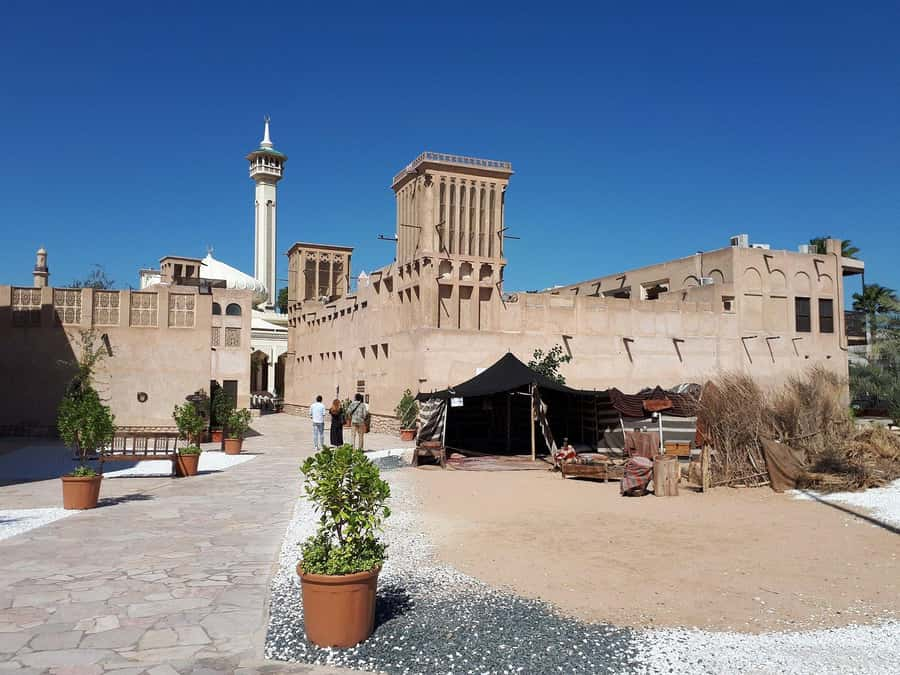
At Bayt Al Khanyar Museum and Coffee Shop, you have a 15-minute stop that combines sightseeing with a drink. Tea or coffee is included for each person, as is bottled water. A small dish is provided for tasting, and the experience may include dates or a similar local sample.
This is a modest part of the tour, but it helps break up the walking. Arabic coffee carries cultural meaning as well as flavor, and your guide can explain how it fits into hospitality and daily life. The tasting also gives you a chance to ask questions without trying to walk and listen at the same time.
Do not expect a full meal. If you need lunch, plan it before or after the tour. The included tasting is best understood as a small introduction, not a substitute for dining.
More Walking Tours in the world:
- Magical London: Harry Potter Guided Walking Tour
★ 4.7 · 22,044 reviews - Reykjavik Food Walk – Local Foodie Adventure in Iceland
★ 5.0 · 18,952 reviews - History and Hauntings of Salem Guided Walking Tour
★ 5.0 · 14,564 reviews - New Orleans Premier Ghost, Voodoo and Vampire Walking Tour
★ 4.5 · 12,856 reviews
Al Fahidi Fort and the story of Dubai’s growth
The route then reaches Al Fahidi Fort, with about 20 minutes devoted to a photo stop, explanation, and pass-by visit. The fort is one of the key historic reference points in this part of Dubai, and it helps frame the city’s early defensive and administrative life.
The wider tour description includes the Dubai Museum, but access to historic sites can change. One person noted that some areas were closed for renovation during their visit. Treat the fort and museum portion as subject to current conditions rather than assuming every interior room will be open.
That uncertainty is worth knowing before you book. The tour remains useful even if a museum room is unavailable because much of its value comes from the outdoor neighborhood, the guide’s explanation, and the markets ahead. Still, if your main goal is a long museum visit, this is not the best format.
The Old Textile Market: a brief look at commerce

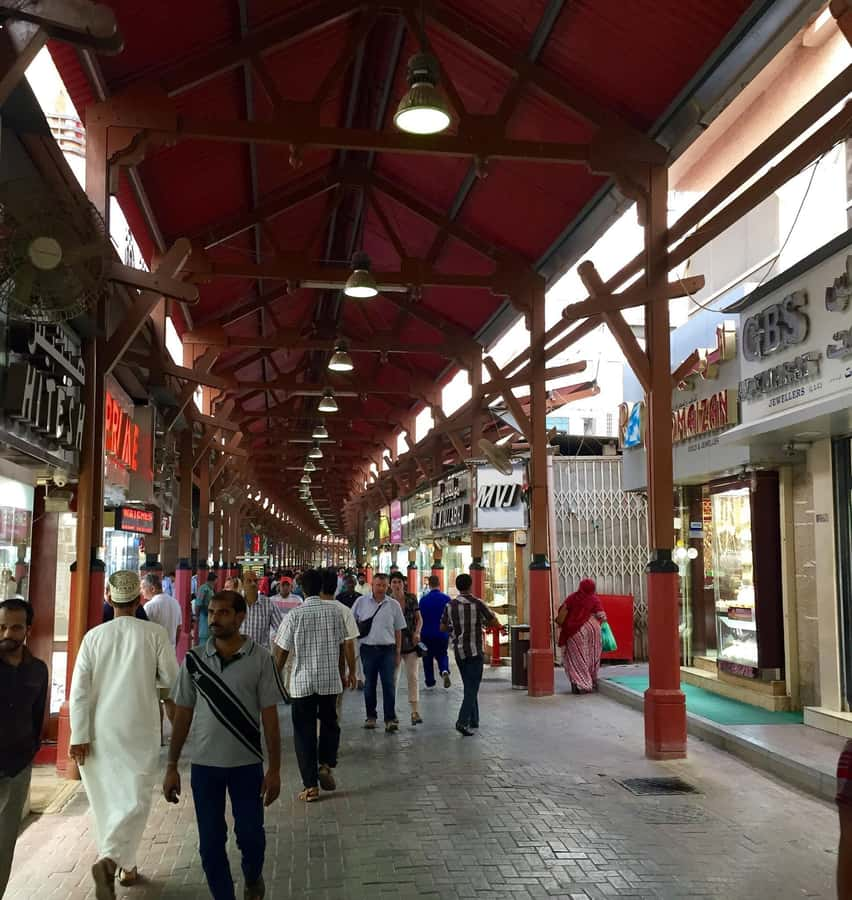
The Old Textile Market takes about 15 minutes and is reached by another short walk. This section connects the residential lanes with the commercial life of the creek.
You will have a chance to see fabric shops and the older market setting, though the schedule does not promise a long shopping session here. The stop is more about understanding how goods moved through old Dubai than finding a particular garment.
The guide can also help you read the transition from quiet lanes to working market streets. That change is one of the best features of the route. You see that Old Dubai is not a museum frozen in time. It remains a place for trade, movement, and everyday business.
The abra crossing: ten minutes that make the route memorable
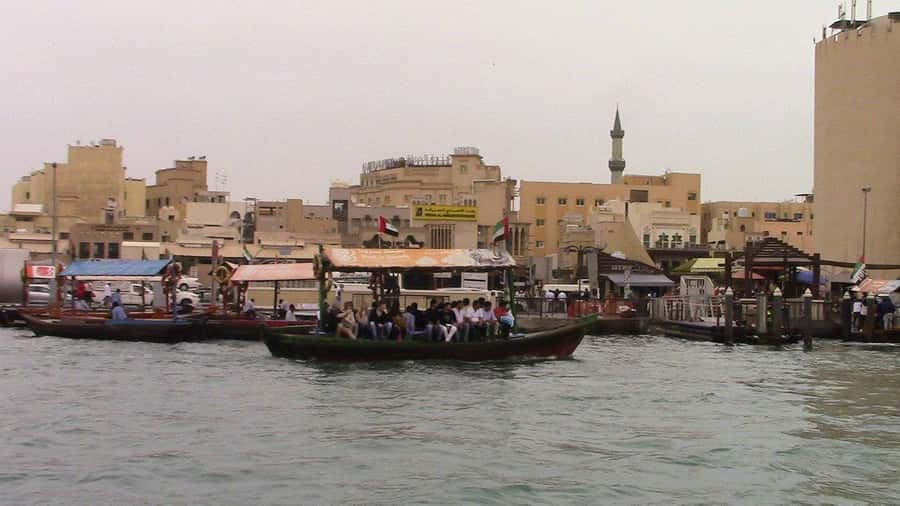
After the textile market, you walk to the water and take a shared abra for about 10 minutes. This is the tour’s clearest physical link between Bur Dubai and Deira.
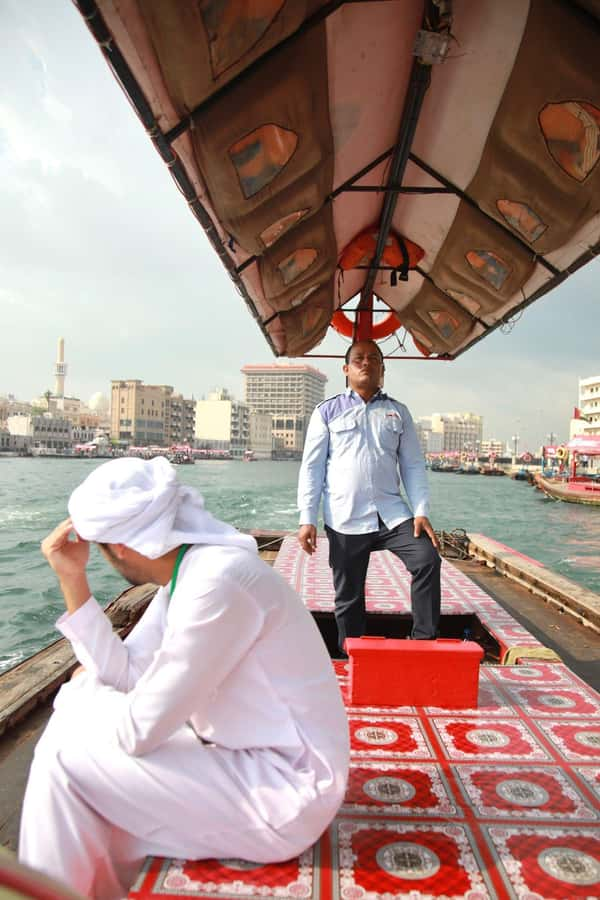
An abra is a simple traditional water taxi, not a sightseeing cruise with commentary and reserved seating. You share the boat, sit close to the water, and watch the creek from a low angle. That simplicity is the point. The ride feels more like transport than entertainment, and that makes it a useful part of the old city experience.
You get views of the creek, boats, waterfront buildings, and the movement between the two sides. The ride is short, so keep your camera ready, but do not expect a long cruise. At $19 per person, including the shared crossing, it adds a lot of character without turning the tour into an expensive boat excursion.
The Spice Souk: scents, samples, and sales pressure
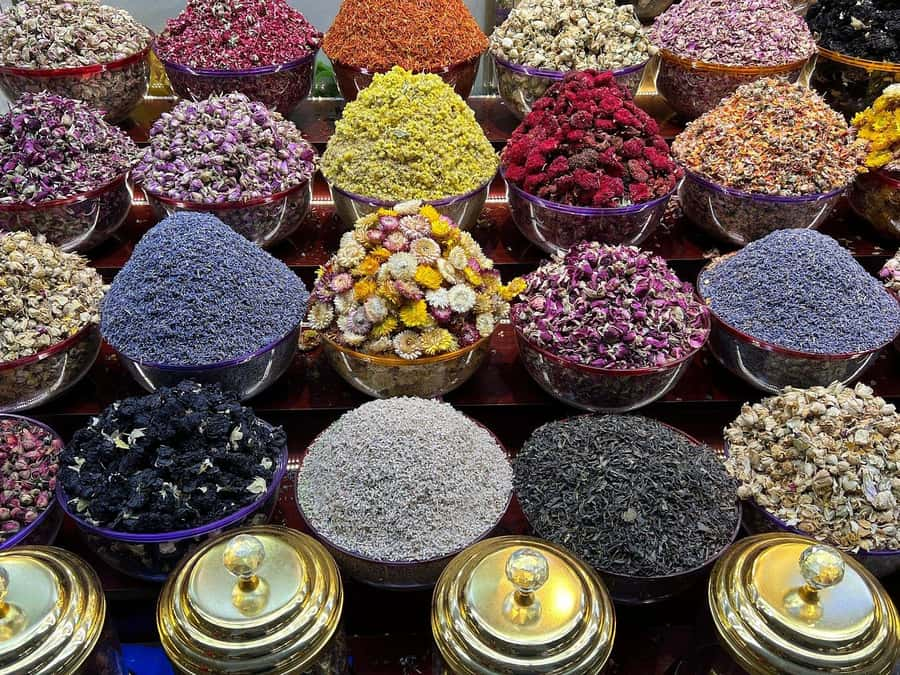
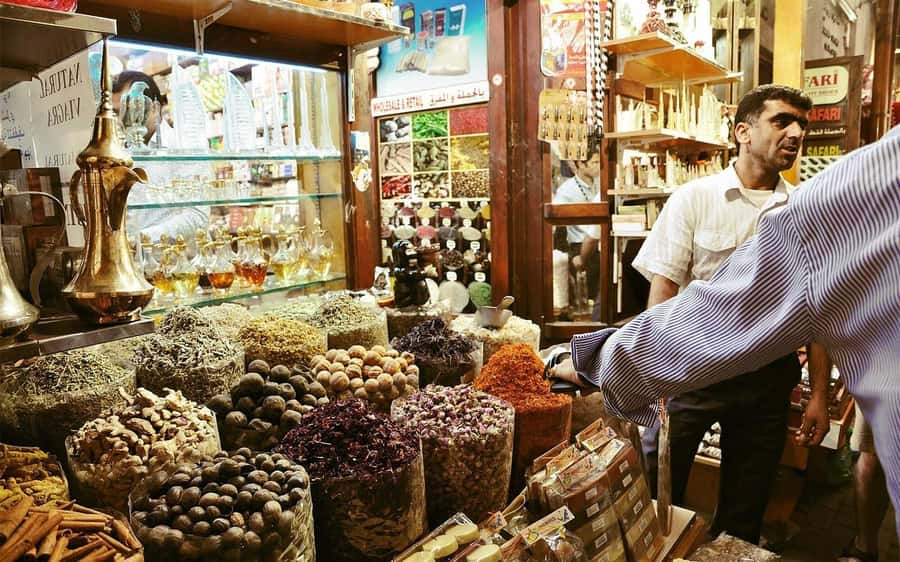
On the Deira side, you spend about 30 minutes at the Dubai Spice Souk. This is a proper stop, with time for sightseeing, a little shopping, and questions.
Expect displays of spices and other food products, along with shopkeepers who may invite you inside. The included visit to a spice shop can involve tastings and explanations of spices, chocolates, and other products. One tour account described a stop at Baba’s Cave spice shop, though the exact shop may depend on the guide and day.
This is a place to keep your buying instincts switched on. Some products may be sold at prices aimed at visitors, so compare costs and buy only what you actually want. The guide can help explain what you are seeing, but you remain responsible for deciding what to purchase.
The souk is most useful when you treat it as both a market and a lesson in trade. Smell the spices, ask questions, and enjoy the visual clutter. You do not need to buy anything to get value from the stop.
The Gold Souk: a dazzling finish
The final major stop is the Dubai Gold Souk, also for about 30 minutes. Even if you have no intention of buying jewelry, the displays are worth seeing. Shop windows are filled with gold pieces designed to attract attention, and the scale is more impressive than a quick pass through an ordinary jewelry district.
Your guide can explain how the market fits into Dubai’s commercial identity. The contrast with Al Fahidi is part of the lesson: one side of the creek shows older homes and traditional lanes, while the other presents trade in a more polished and highly commercial form.
You will have free time for shopping and photographs. If you are considering a purchase, ask about the price, design, and workmanship before agreeing to anything. If you are not shopping, use the time to look closely at the displays and watch the market activity.
The tour ends after about a 10-minute walk, with drop-off at Al Ras Metro Station in Dubai. This is convenient for continuing around Deira or returning by metro.
The guides are a major part of the value
The route is easy enough to follow on your own. The guide is what turns it into a useful introduction rather than a series of disconnected stops.
Abdullah has been praised for explaining Dubai’s past, local culture, and customs while keeping a comfortable pace. Shahzad has received similar praise for his friendly manner and explanations of architecture and the city’s development. Mazher has been described as especially good at showing the older side of Dubai and answering questions. Ikram and Imran have also been noted for clear information during the walking sections.
The guide assigned to you may be someone else, and the quality of the experience will depend partly on that person’s style. The available languages are English, Hindi, and Urdu. If you have questions, ask them early. The best guides can adjust the pace and add detail when the group shows interest.
At times, the tour may become a private experience if other people do not book the same departure. That is not guaranteed, but it can make the walk more flexible.
Price, pace, and practical comfort
At $19 per person, this is strong value if you want an overview of old Dubai with a guide. The price includes the licensed guide, neighborhood access, the shared abra, the markets, bottled water, tea or coffee, a small tasting, and taxes.
A self-guided visit would cost less, especially if you only walked through the neighborhoods and took the public abra. You would lose the explanations, cultural context, and help making sense of the markets. The tour earns its price through the guide rather than through expensive admissions.
The pace is moderate, with frequent short walks and stops. You should wear comfortable shoes, as requested by the operator. Dress for heat and bring water even though one bottle is provided. A participant on a hot day appreciated the air-conditioned breaks, but you should still expect outdoor walking.
The tour takes about three hours. That is long enough to cover both sides of the creek without consuming an entire day. It suits a first visit, a short Dubai stopover, or anyone staying in the older part of the city.
Hotel pickup and drop-off are optional. Without that add-on, meet at Sharaf DG Metro Station, exit 4. Check the starting time when booking, since departures vary.
Who should book this walk
I would choose this tour if you want context, local conversation, and a manageable introduction to Dubai’s older districts. It is particularly useful if modern Dubai is all you have seen so far and you want to understand the city’s earlier way of life.
Families can enjoy the boat ride, the market displays, and the short tasting, though young children may tire in the heat. The route also works well for people who prefer walking to a coach tour.
I would be less likely to choose it if you want a long museum visit, a relaxed food tour, or a private shopping guide. The museum access may vary, the tasting is small, and the souk time includes commercial stops where you may feel some pressure to buy.
Cancellation is free up to 24 hours before the activity, and you can reserve now and pay later. Those options help if your Dubai schedule is still shifting.
Should you book the Dubai Old City Walking Tour?
Book it if you want to see Al Fahidi, Al Seef, the textile market, the Spice Souk, and the Gold Souk in one compact outing, with the abra crossing tying the route together. The price is fair, and the combination of walking, culture, market time, and a short boat ride gives you more substance than a simple photo tour.
Go with realistic expectations. This is not a private historical seminar or a full-day food experience. It is a lively introduction to old Dubai, made better by a strong guide such as Abdullah, Shahzad, or Mazher. Wear good shoes, avoid the hottest part of the day if possible, and leave room in your schedule for a little browsing at the souks.
FAQ
How long does the Dubai Old City Walking Tour last?
The tour lasts about three hours, including the walking sections, market visits, tasting, and abra crossing.
Where is the meeting point?
The standard meeting point is Sharaf DG Metro Station, exit 4. The station was formerly called Al Fahidi Metro Station.
Is hotel pickup available?
Yes. Hotel pickup and drop-off are available if you select that option. Pickup takes place about 40 minutes to one hour before the activity begins.
What languages are available?
The live tour guide may conduct the tour in English, Hindi, or Urdu.
Is the abra ride included?
Yes. A shared abra crossing is included in the experience.
Are food and drinks included?
Each person receives bottled water and tea or coffee. A small dish is also provided for tasting. The tasting is not a full meal.
What should I bring?
Bring comfortable shoes for the walking route. The tour includes outdoor walking through historic neighborhoods and markets.
Can I cancel the booking?
You can cancel up to 24 hours in advance for a full refund. You can also reserve the activity and pay later.
New routes in the world
- Baltimore Walking Foodie Tour in Fells Point★ 5.0 · 182 reviews
- Baku Walking Tour (Old City)★ 5.0 · 127 reviews
- Baku Oil Heritage & Old Town Walking Tour★ 5.0 · 232 reviews
- The Madam’s Curse Walking Ghost Tour★ 4.5 · 103 reviews
- Austin Small Group Morning Walk★ 5.0 · 412 reviews
- Austin Haunted Pub Crawl Walking Tour★ 4.5 · 232 reviews
- Austin Downtown Private Walking Food Tour With Secret Food Tours★ 5.0 · 71 reviews
- Austin Murder Walk★ 5.0 · 310 reviews
Old Town Walking Tours, compared.
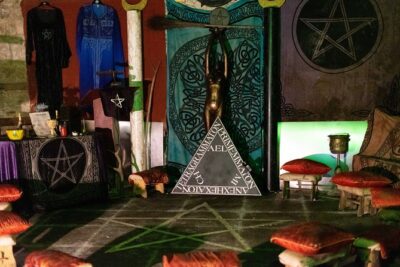
Underground Vaults Walking Tour in Edinburgh Old Town
Read our review →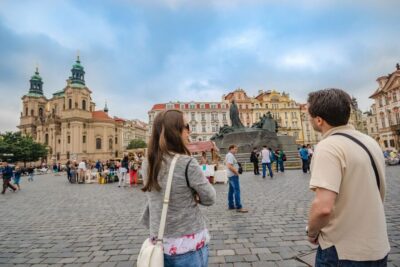
3-Hour Walking Tour of Old Town & Prague Castle
Read our review →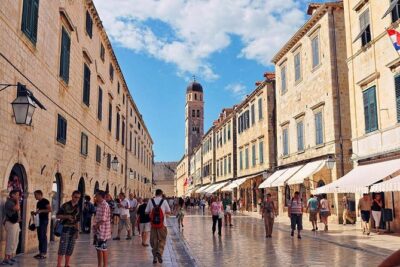
Old Town and Jewish Quarter Guided Walking Tour
Read our review →
Cartagena: Historic Center and Getsemaní Shared Walking Tour
Read our review →
Prague Ghost and Legend of Old Town Walking Tour
Read our review →
Browse the lists this tour appears in