
Review · COPENHAGEN
Copenhagen: Highlights & Hygge Guided Walking Tour w/ Lunch
Copenhagen’s best feature on this five-hour walking tour is the mix of major sights and ordinary city corners. You move from royal palaces and the Little Mermaid to old streets, green spaces, guard stories, Danish welfare ideas, and the everyday meaning of hygge. Guides such as Oskar, Therese, Jacob, and Kim bring plenty of local character to the route.
I like the small groups, limited to 10 people, and the way lunch and Danish treats break up the long walk. I also like the timing at Amalienborg, where you arrive for the changing of the guards. The main caution is simple: about 10 kilometers on foot is a lot, even at an easy pace, so this is not a light introductory stroll.
Key points at a glance
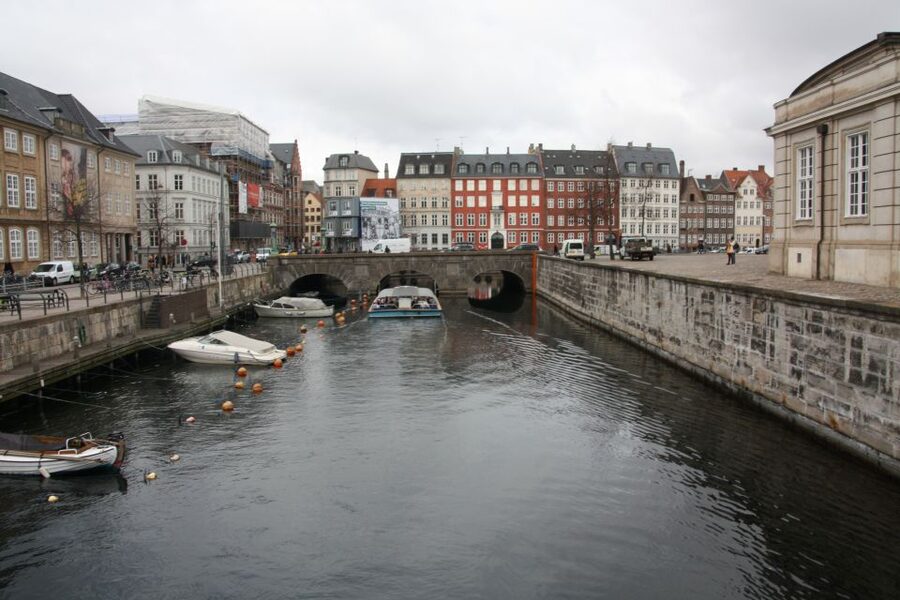
- Royal Copenhagen in one long walk: See Amalienborg, Rosenborg, Christiansborg, the Citadel, and the Little Mermaid in one outing.
- A local take on hygge: Learn how Danish comfort, togetherness, candles, food, and public life fit into daily culture.
- Small-group attention: Groups are capped at 10, leaving room for questions and help with photos.
- Lunch and treats included: Expect a light lunch plus a sweet treat, with local pastry or chocolate included on some outings.
- A 10-kilometer route: The pace is described as slow, with breaks, but comfortable shoes remain essential.
- A useful first-day tour: The route gives you a practical sense of Copenhagen’s layout before you explore on your own.
Why this Copenhagen walk works so well
At $110 per person, this is not a bargain-priced orientation walk. It is a substantial guided day with a small group, food, a local guide, and a route that covers a large part of central Copenhagen. If you tried to arrange the same sightseeing independently, you would still need to plan the route, research the buildings, time your visit to the guards, and find lunch.
The value rests mainly in the guide. Oskar is described as relaxed, funny, and strong on Danish history. Therese is especially good at creating a warm, easy atmosphere while explaining culture and current Danish life. Jacob has a patient style that suits people who ask many questions, while Kim combines the major sights with lesser-known corners and local pastries.
That range matters because Copenhagen is not only a city of palaces. The tour connects royal power with modern public life, old streets with quiet green spaces, and Danish ideas about happiness with details you can notice after the tour. You get more than a list of buildings.
The group size is another real benefit. With no more than 10 people, you should be able to hear the guide and ask questions without fighting for attention. A small party also makes it easier to pause for photographs or adjust the pace when the group needs a break.
More City Highlights Walking Tours in Copenhagen:
- Copenhagen Highlights Walking Tour
★ 5.0 · 2,324 reviews - Politically Incorrect Private Highlights Walking Tour
★ 5.0 · 1,244 reviews - Copenhagen: Group Walking Tour – City Highlights – 2 Hours
★ 4.7 · 1,088 reviews
Starting among the timber houses of Nyboder
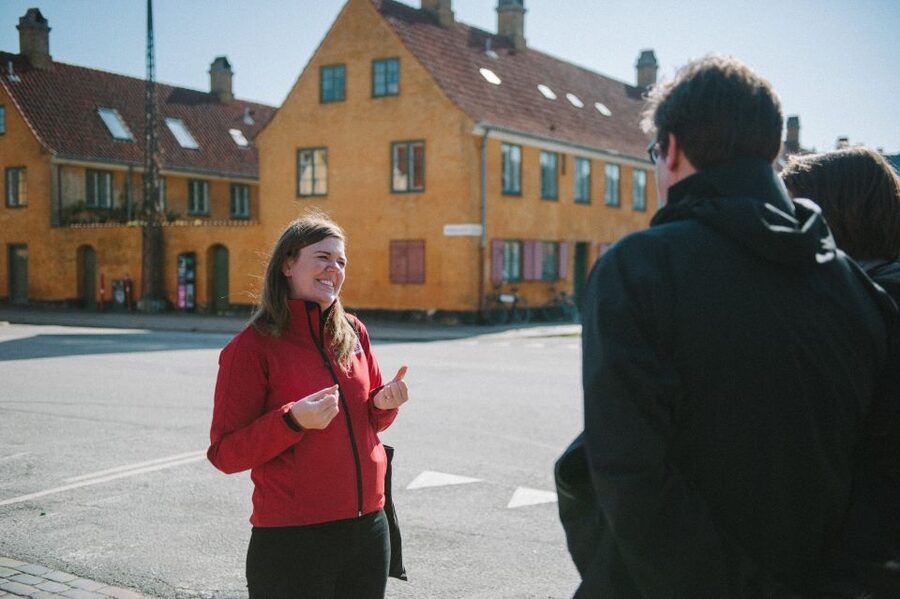
The meeting point is the statue on the square in front of Krokodillegade 21, in the Nyboder area. This is a useful beginning because the neighborhood gives you an immediate taste of old Copenhagen before the grand palace stops begin.
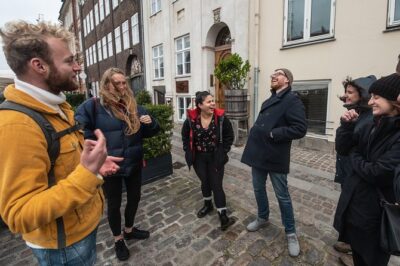
You will walk through cobblestone streets and past charming timber-framed houses. The setting helps show how Copenhagen developed as a compact city rather than as a collection of isolated monuments. Your guide uses these streets to introduce local history and point out details you could easily pass without context.
Nyboder also sets the tone for the day. The tour is not simply a march between famous buildings. It includes small urban spaces, quiet corners, and stories tied to the people who shaped the city. You should arrive ready to walk soon after meeting the guide, since the route covers a wide area.
The Citadel and Copenhagen’s defensive past
One of the early highlights is a walk along the Citadel, a star-shaped military site with broad views over the city and harbor area. Its earthworks and paths have a dramatic quality, and the setting can feel surprisingly calm despite being close to central Copenhagen.
This is where the tour’s history lessons gain scale. The guide explains Copenhagen’s rise and fall, rather than treating Danish history as a string of royal names. The Citadel gives you a physical sense of why the city mattered and how it defended itself.
The paths are easier at the tour’s slow pace, but they are still part of a long day on foot. Weather also matters. The tour operates in rain or shine, so bring weather-appropriate clothing and an umbrella if rain is possible. The open areas around the Citadel can feel less sheltered than the old streets.
Meeting the Little Mermaid with useful context
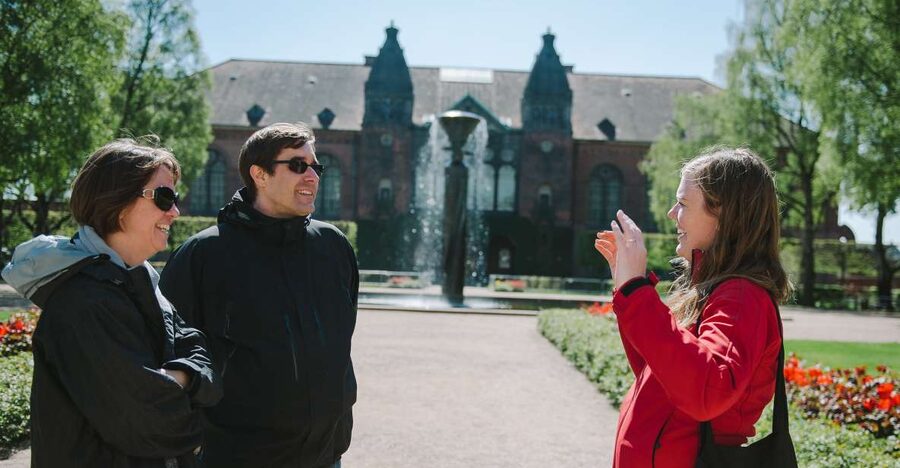
The Little Mermaid is one of Copenhagen’s most photographed sights, and the tour includes time to greet her and hear the less obvious stories connected with the statue. Your guide can help you take photographs, which is useful in a spot where crowds and angles often make a quick picture harder than expected.
The statue itself does not take long to see. That is not a criticism. Its value on this tour comes from the explanation around it and its place within the larger route. You are not spending half a day waiting for one monument to deliver an experience. You see it, learn why it matters, and continue through the city.
If you have seen many famous statues in European capitals, the Little Mermaid may not be the day’s most impressive sight. The guide’s storytelling gives it more interest than the object alone can provide.
More Walks with Lunch in Copenhagen:
- Prague Guided Walking Tour and Cruise with Authentic Czech Lunch
★ 5.0 · 3,627 reviews - From Sydney: Blue Mountains Tour with Waterfall Walk & Lunch
★ 4.8 · 2,400 reviews - Florence Walking Tour with Accademia, Uffizi & Lunch
★ 4.0 · 1,033 reviews - Soweto: Walking Tour with a Local Guide and Lunch
★ 4.9 · 648 reviews
Amalienborg and the changing of the guards
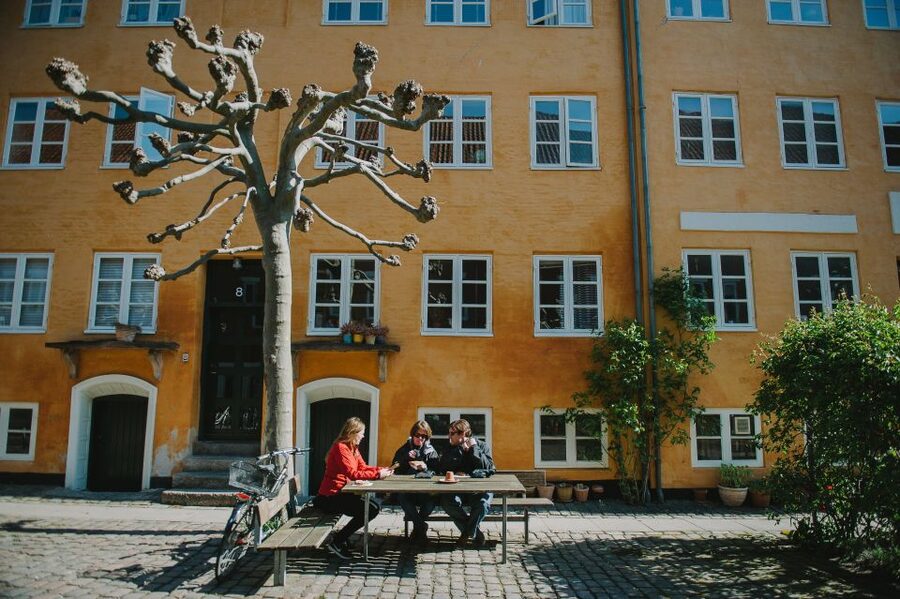
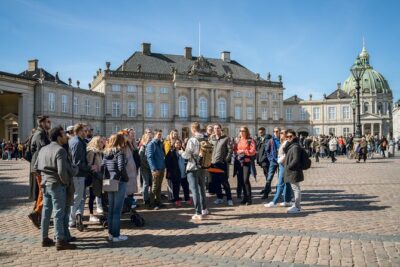
The approach to Amalienborg brings you into the heart of royal Copenhagen. The palace complex is known for its elegant square and its connection to the Danish royal family. The tour is timed to arrive for the changing of the guards, one of the day’s clearest pieces of ceremony.
This timing is a strong reason to choose a guided outing. If you explore alone, you need to know when and where to be. Here, the guide handles the timing and adds stories about the Royal Guards, including insider details connected with those who have served in the guard.
The changing ceremony is worth seeing, but keep your expectations sensible. It is a public military tradition, not a long theatrical performance. Its appeal comes from the setting, the uniforms, the precision, and the link between present-day Copenhagen and the monarchy.
Amalienborg is also a good place to ask questions. The guides are encouraged to discuss Danish culture, not just architecture. You might hear how royal tradition fits beside modern Danish politics and social values, a connection that makes the palace feel more relevant.
Rosenborg, Christiansborg, and royal drama
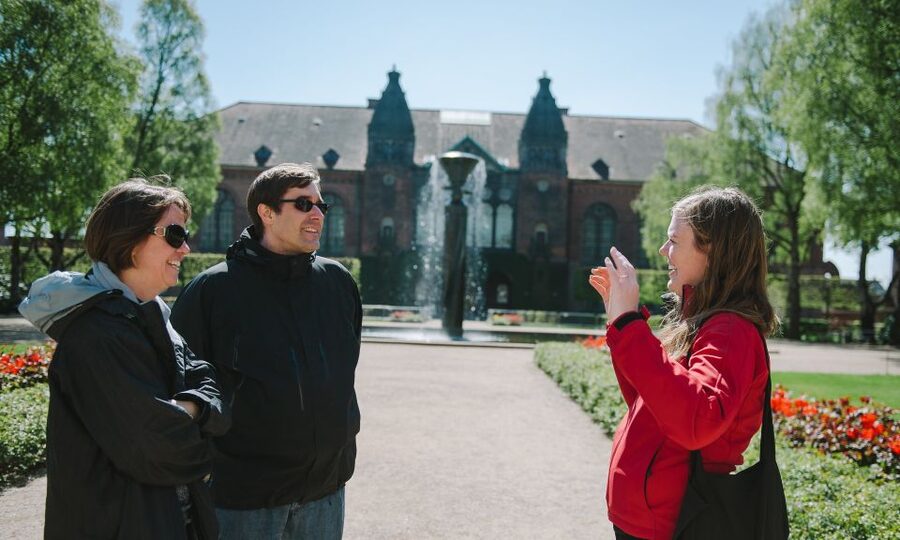
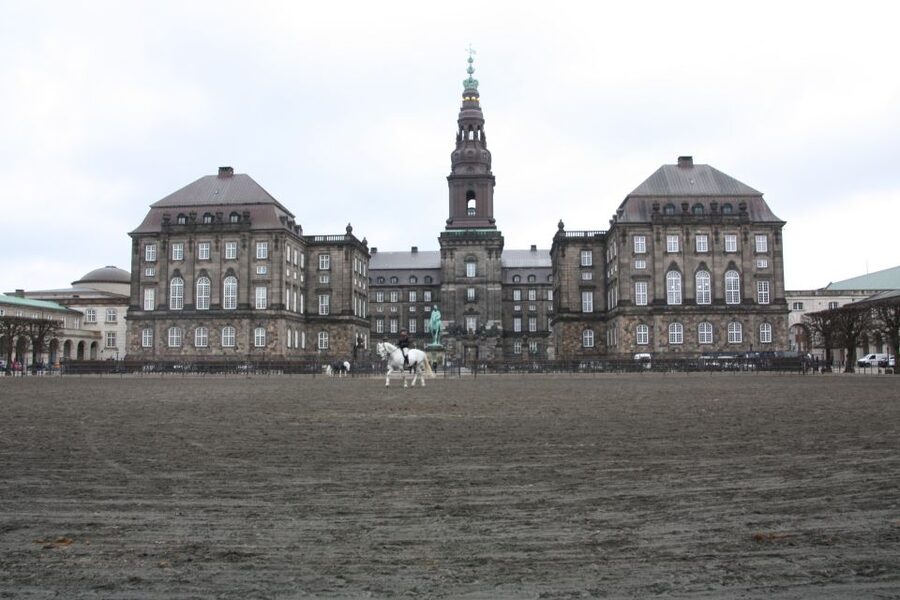
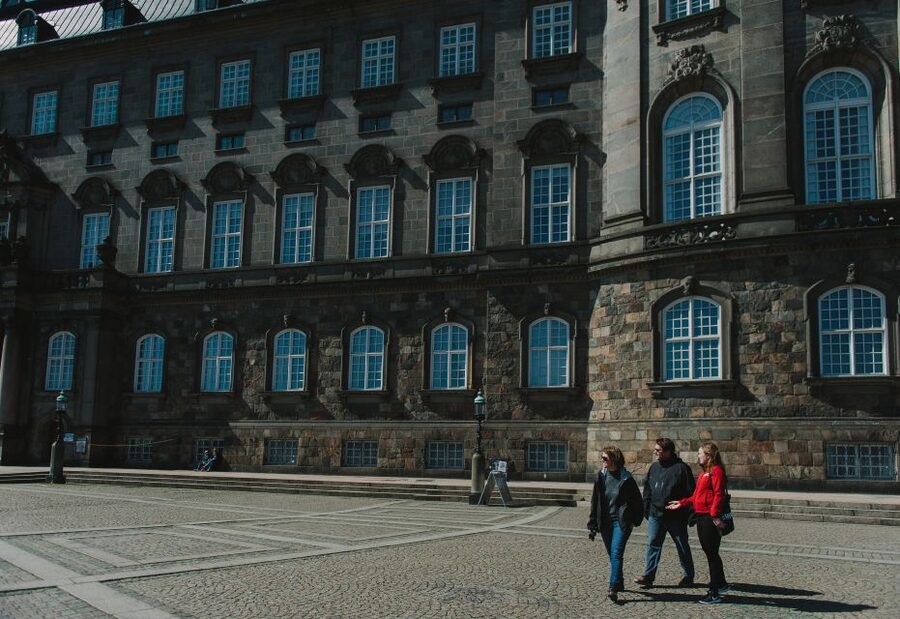
The route continues to Rosenborg and Christiansborg, two palaces that help explain different sides of Denmark’s past. Rosenborg has the atmosphere of a former royal residence, while Christiansborg now serves as the Parliament building. Seeing both lets you compare royal authority with the country’s current political system.
At Rosenborg, expect stories about former kings, their ambitions, and their private lives. The guide brings out the human absurdity behind the formal portraits, including grandiose plans and tangled love triangles. These details make the past easier to remember than a simple list of dates.
Christiansborg adds a modern civic layer. Here the conversation turns toward Denmark’s welfare system and the role it plays in Danish ideas about happiness. The subject is especially useful because it connects sightseeing with daily life. You hear not only how the buildings were used, but also how Danish society works today.
You should not expect a full interior tour of every palace. The supplied details focus on visiting the sites and hearing stories from the guide, not on admission to palace rooms. If entering the palaces is your main goal, check exactly what your booking includes before you reserve.
Hygge, food, and the welcome pause
Hygge is often reduced to candles, blankets, and coffee in travel advertising. This tour treats it as a broader idea linked to comfort, togetherness, and well-being. The guide explains how the feeling works in Danish life and how you might bring some of it home.
The subject makes more sense when paired with the walk. You see people using public spaces, notice cafés and gardens, and hear about the social habits behind Danish comfort. One guide, Therese, is especially praised for creating that relaxed sense of togetherness during the outing. That is a useful distinction: the tour does not only define hygge, it tries to practice it.
Food helps make the idea concrete. A light lunch is included, along with a sweet treat. Details can vary, but the food described during the experience includes local pastry, chocolate, and a street-side lunch. Other foods and drinks are not included, so carry money if you want extra refreshments.
The lunch is a practical pause in a long day. It gives your feet time to recover and creates a natural chance to ask the guide about restaurants, cafés, and other places to eat. Do not book this tour expecting a large restaurant meal. The wording is light lunch, and it should be treated as fuel rather than a major dining event.
How much walking should you expect?
The route covers approximately 10 kilometers. It is described as slow paced and includes breaks, but the distance remains the main consideration when deciding if this tour fits you.
You should wear comfortable shoes from the start. Copenhagen’s cobblestones, open paths, and long stretches between major sights can make the distance feel greater than it sounds. The tour is suitable for someone who wants a thorough city orientation, but it may frustrate you if you prefer short walks followed by long stops.
The relaxed pace helps. Guides have adjusted to different ages and needs, and the small group makes those adjustments more practical. Still, this is not an outing for saving your energy for an evening concert or a long dinner reservation. Allow some recovery time afterward.
The route also makes the tour weather dependent in a practical sense. It runs in all weather, so waterproof clothing, layers, and an umbrella can make a major difference. A rainy Copenhagen walk can still be worthwhile, but only if you dress for it.
Why the first day can be the best day
I would choose this tour early in a Copenhagen visit. It covers enough of the city to help you understand where the main districts and sights sit in relation to one another. Afterward, you can return to the places that caught your attention instead of spending your first day figuring out the map.
The guide’s personal recommendations add another layer of value. Before you part, you can ask what else to see, do, and eat. That one-on-one advice can be more useful than a generic list, especially if you explain your interests clearly.
A first-day booking also gives you a chance to hear about local customs before spending the rest of your visit in cafés, museums, gardens, and canals. The tour touches on Danish culture, geography, history, food, and current social ideas, so it works as a broad introduction rather than a narrow palace tour.
Who should book this tour?
You should consider it if you want major Copenhagen sights with explanation, not just photographs. It suits first-time visitors, history fans, people who enjoy asking questions, and anyone who prefers a local guide to a self-guided audio tour.
It is also a good fit if you like food included as part of sightseeing but do not need a formal meal. The pastry or chocolate and light lunch make the day feel more rounded without turning it into a food tour.
Families and mixed-age groups can benefit from the patient pace and breaks, though each person should be comfortable walking roughly 10 kilometers. The small group is helpful for questions and personal attention.
You may want to skip it if you have limited stamina, dislike walking in poor weather, or mainly want to go inside Copenhagen’s palaces. You may also prefer a shorter tour if you already know the city and only want a focused palace or food experience.
Is the $110 price fair?
At $110, the tour costs more than a basic two-hour city walk, but it also offers far more time and coverage. You receive five hours with an English-speaking local guide, a small group, a sweet treat, and a light lunch. The route includes the Citadel, Little Mermaid, Amalienborg, Rosenborg, and Christiansborg, along with old streets and green spaces.
The strongest value comes from combining timing and interpretation. Arriving at Amalienborg for the guards, hearing local stories about the palace, and getting help with photos are small services that can prevent common first-time mistakes. The price makes more sense if you would otherwise pay for separate sightseeing, food, and a shorter guided walk.
It is less compelling if you plan to visit only one or two landmarks or if you do not want to walk a long distance. Think of it as a full city orientation with lunch, not a quick highlights loop.
Should you book it?
Book this tour if you want to cover Copenhagen’s main sights in one well-planned outing and enjoy the company of an informed, personable local guide. Oskar, Therese, Jacob, Kim, and the other guides bring different personalities, but the strongest pattern is clear: friendly conversation, strong local knowledge, patience with questions, and an easy sense of humor.
The deciding factor is your feet. If 10 kilometers sounds manageable, the tour offers a useful mix of royal buildings, military history, city stories, food, and Danish culture. If that distance sounds tiring, choose a shorter experience and explore the palaces at a slower personal pace.
FAQ
How long does the Copenhagen walking tour last?
The tour lasts five hours. Some past outings have run closer to six hours, so allow a little flexibility in your schedule.
How far will I walk?
You will cover approximately 10 kilometers. The pace is slow and breaks are included, but comfortable shoes are essential.
What sights are included?
The route includes the Citadel, the Little Mermaid, Amalienborg and its Royal Guards, Rosenborg Palace, and Christiansborg, which houses Parliament. It also passes through older parts of Copenhagen, quiet green areas, and streets with timber-framed houses.
Will I see the changing of the guards?
Yes. The tour is planned to arrive at the Royal Palace at the time of the changing of the guards.
Is lunch included?
Yes. A light lunch and a sweet treat are included. Other foods and drinks are not included.
What language is the tour conducted in?
The tour is conducted in English.
How large is the group?
The group is limited to 10 participants.
Where does the tour meet?
You meet at the statue on the square in front of Krokodillegade 21 in the Nyboder area.
What should I bring?
Bring comfortable shoes and clothing suitable for the weather. The tour runs in rain or shine, so an umbrella may be useful.
New routes in Copenhagen
- Copenhagen: The Six Forgotten Giants Hunt and Nature Walk★ 5.0 · 95 reviews
- Copenhagen: Private Walking Tour with a Local★ 4.6 · 249 reviews
- Copenhagen: Private Walking Tour★ 4.6 · 174 reviews
- Copenhagen’s oldest and original food tour (Est. 2011).★ 4.8 · 442 reviews
- Copenhagen: Hygge and Happiness Culture Walking Tour★ 4.9 · 539 reviews
- Copenhagen: Politically Incorrect Beer Tasting Walking Tour★ 4.8 · 239 reviews
- Copenhagen: City Highlights Walking Tour with Local Guide★ 4.8 · 87 reviews
- Copenhagen: Christiania & Christianshavn Guided Walking Tour★ 4.7 · 119 reviews
Copenhagen Walking Tours, compared.
Politically Incorrect Private Highlights Walking Tour
Read our review →
Group Walking Tour – City Highlights – 2 Hours
Read our review →
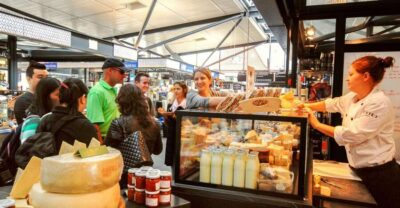
Copenhagen’s oldest and original food tour (Est. 2011).
Read our review →
Browse the lists this tour appears in