
Review · CHICAGO
Chicago: Treasures of the Golden Age Walking Tour
Chicago’s Golden Age is best understood at street level, where grand department stores, concert halls, hotels, and skyscrapers crowd the Loop. This two-hour walk connects those buildings to the city’s push for cultural greatness after the 1893 World’s Columbian Exposition.
I like the focus on interiors as well as façades, especially the Chicago Cultural Center’s enormous Tiffany dome. I also like the guides’ personal touch. Doug, Ron, Maureen, Paul S, and others have been praised for turning architecture into lively stories rather than a parade of dates and architects.
The main catch is simple: you walk for two hours, often through busy downtown streets, and the tour goes rain or shine. The listing says it is wheelchair accessible but also not suitable for people with mobility impairments, so check your needs before booking.
Key points to know before you book
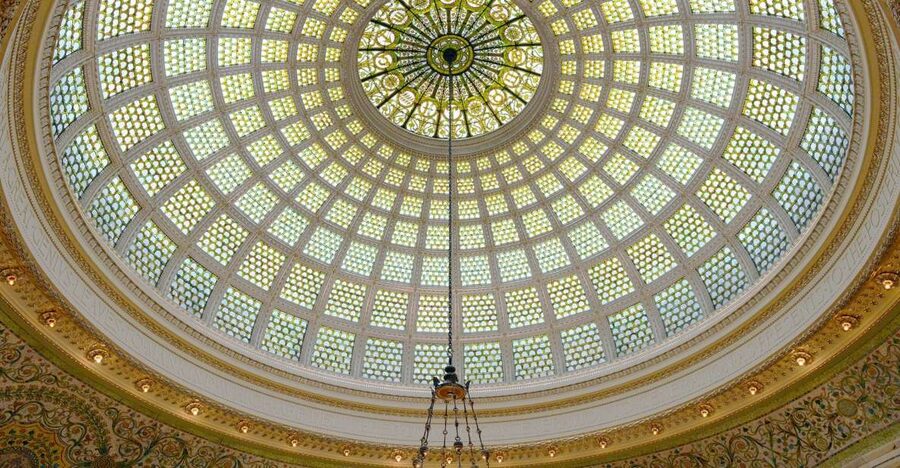
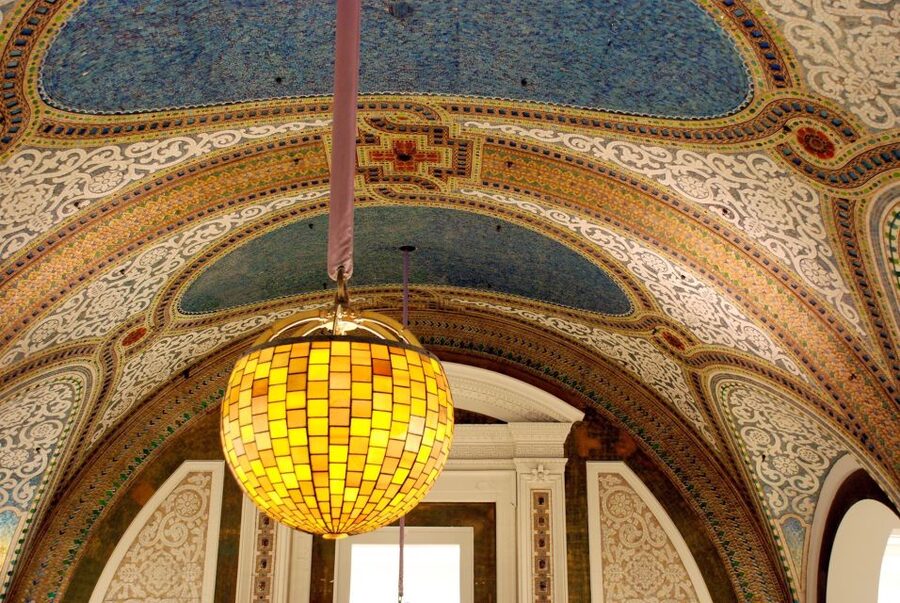
- The Chicago Cultural Center leads the way with the world’s largest Tiffany glass dome.
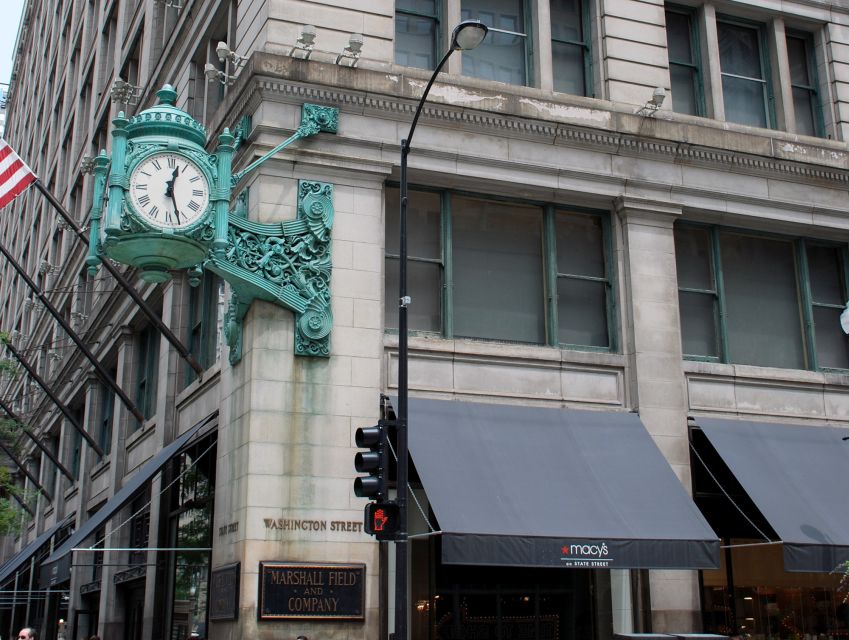
- State Street brings department-store history through the former Marshall Field’s, now Macy’s.
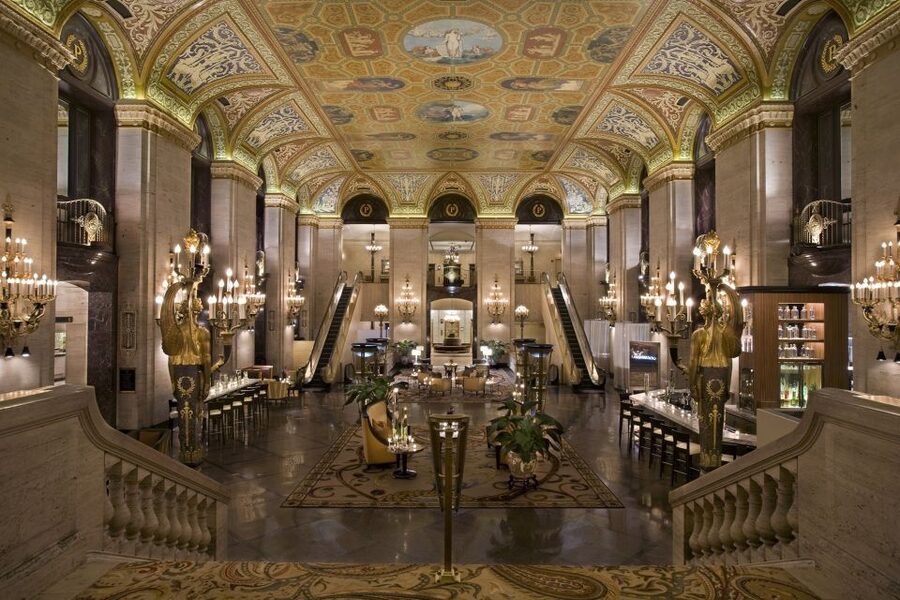
- The Palmer House adds hotel glamour and a beautifully restored 1920s setting.
- Daniel Burnham, Louis Sullivan, and Holabird and Roche anchor the architectural story.
- Guides make the difference, using local experience, anecdotes, and a microphone system when needed.
- Your ticket supports local education through Chicago Architecture Center programs.
Why Chicago’s Golden Age belongs on foot
Chicago’s architecture is often presented from the river, where the skyline makes a fine picture. This tour gives you a different view. You move through the Loop and look closely at buildings that can be easy to miss when you are rushing between museums, shops, and train stations.
The period covered runs roughly from the 1890s through the 1930s. That was a time when Chicago was trying to prove it could be more than a commercial powerhouse. After the World’s Columbian Exposition of 1893, city leaders and civic-minded residents wanted Chicago to become a major cultural center. The buildings from this era show that ambition in stone, steel, glass, marble, and ornament.
I like this approach because it explains why the buildings look the way they do. You are not simply told that a façade is Beaux Arts, neo-Georgian, or neo-Gothic. You learn how those revival styles helped Chicago present itself as a serious city with links to older European traditions.
At the same time, the walk keeps its attention on Chicago. Daniel Burnham, Louis Sullivan, and Holabird and Roche are not treated as names floating above the street. Their work becomes part of a larger story about commerce, civic pride, culture, and the people who paid for these ambitious projects.
More Walking Tours in Chicago:
- Chicago: Gangsters and Ghosts Walking Tour
★ 5.0 · 7,155 reviews - Chicago Favorites Ultimate Food and Walking Tour
★ 5.0 · 1,962 reviews - Chicago: Gangsters and Ghosts Guided Walking Tour
★ 4.7 · 1,697 reviews
Starting inside the Chicago Architecture Center
You check in inside the Chicago Architecture Center at 111 East Wacker Drive. The center is a useful starting point because it gives you a place to orient yourself before heading into the Loop.
Admission to the Chicago Architecture Center exhibits is included. That adds value if you have time before or after the walk, since you can pair the guided street tour with a look at the center’s own displays. The tour ticket also supports the center’s education work, including Girls Build!, Teen Fellows, and the Newhouse Architecture + Design Competition. It can also help keep Open House Chicago free.
The meeting point is near the river and within easy reach of the Loop’s major sights, though no hotel pickup or drop-off is offered. You need to arrive on your own, and you should not bring luggage or a large bag. There is no storage for luggage or strollers, and no coat check.
The check-in detail matters more than it might seem. Downtown Chicago walks are easier when you arrive with only what you need: identification, water, a phone, and weather-appropriate clothing. The activity information asks you to bring a passport or ID card.
The Chicago Cultural Center and its Tiffany dome
The Chicago Cultural Center is one of the tour’s strongest stops. Its interior decoration gives you the sort of visual jolt that photographs rarely capture well. The building is home to the world’s largest Tiffany dome, and the guide puts that feature into the larger story of Chicago’s cultural ambitions.
This is where the tour’s focus on interiors pays off. From the sidewalk, you may notice a grand civic building. Inside, the scale and detail become much clearer. Your guide can direct your attention to the craftsmanship and explain how a building intended for public culture used decoration to make a statement about the city.
The Cultural Center also gives the group a break from the pavement. That matters in winter, when Chicago’s wind can make a two-hour walk feel much longer. One guide, Tony, was praised for finding chances to go indoors during a very cold outing. Still, you should not count on the weather being comfortable. The tour runs rain or shine, and the activity information says weather does not qualify for a refund.
State Street, Macy’s, and the old department-store city
The walk continues toward State Street and the former Marshall Field’s department store, now Macy’s on State. This stop opens up a different side of architectural history. Department stores were not merely places to buy clothing or household goods. In Chicago’s Golden Age, they helped shape the experience of downtown itself.
Your guide connects the building to the people and businesses that helped Chicago grow into a cultural and commercial center. You will look at the exterior, and you may get a chance to see parts of the interior as well. Access inside can depend on the day and the building’s operating conditions, so think of interior visits as a valuable part of the route, not a guarantee for every single stop.
This is also one of the places where a guide’s storytelling matters. Sarah, who joined the walk as a solo visitor, appreciated being able to enter some buildings and found the experience different from a river architecture cruise. That distinction is useful. The river cruise gives you a broad skyline view. This walk lets you stop, look upward, step inside when possible, and examine the details at close range.
The State Street section can be busy, so you need to stay with the group and listen carefully. Ingrid was praised for using a microphone system that let people look around while still hearing the explanation. That small practical detail can make a big difference in a crowded downtown setting.
Same streets, a different guide:
- Chicago Loop District Food Tour with Deep Dish & Beef Sandwich
★ 5.0 · 870 reviews - Chicago: Secret Interiors Architecture Walking Tour
★ 4.9 · 498 reviews - Chicago: Underground Pedway & Downtown Secrets Walking Tour
★ 4.7 · 268 reviews - Chicago: Gangsters and Food Tasting Walking Tour
★ 4.6 · 228 reviews
Palmer House and the polished side of the 1920s
The Palmer House brings the story into the world of grand hotels. The hotel is described as beautifully restored and dating from the 1920s, giving you a chance to see how Chicago’s prosperous years were expressed through hospitality and design.
A hotel such as this was built to impress from the moment guests entered. Your guide explains the design choices and the social world behind them, tying the building to Chicago’s rise as a major destination for business, culture, and city life.
I find hotel interiors especially useful on architecture walks because they show how a building was meant to feel, not just how it was meant to look from the street. You can see how decoration, scale, and public rooms worked together. The Palmer House also adds variety after the civic grandeur of the Cultural Center and the commercial energy of State Street.
The route may include other significant Loop buildings along the way. The exact mix of interiors and the order of stops can vary, but the central theme remains consistent: Chicago’s effort to build a cultural metropolis through museums, stores, skyscrapers, concert halls, and hotels.
Burnham, Sullivan, Holabird and Roche
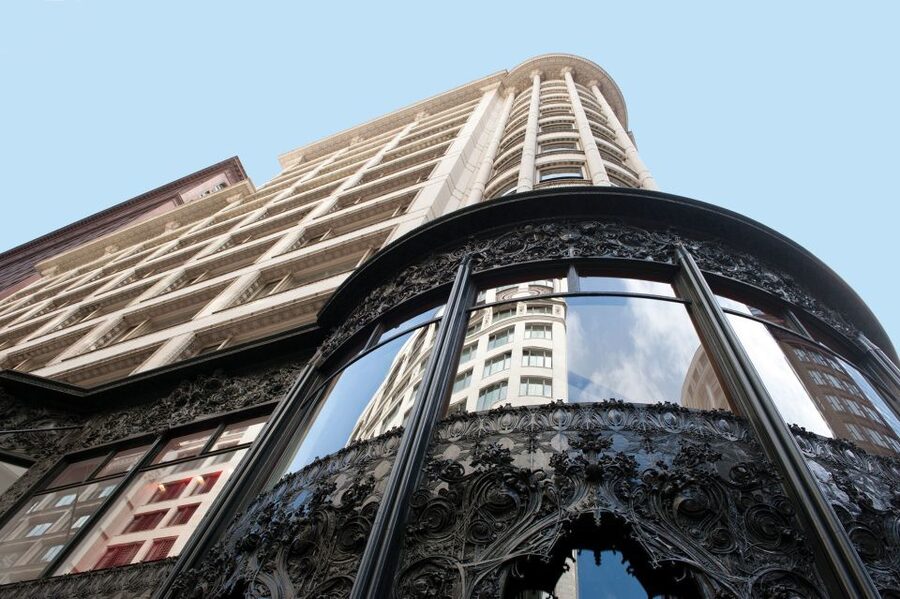
The architects give the walk its structure. Daniel Burnham represents the grand civic vision that helped shape Chicago’s image after the 1893 exposition. Louis Sullivan brings a different architectural voice, with a focus on originality and the relationship between structure and ornament. Holabird and Roche add another important chapter to the city’s design story.
You do not need a background in architecture to follow the explanations. The guide points out what to look for, then links those details to the era’s competing styles. Beaux Arts, neo-Georgian, and neo-Gothic design can sound like classroom terms, but they become easier to grasp when you are looking at actual buildings.
This is also where the tour helps you notice buildings that might otherwise seem plain. One particularly useful part of the route is learning why a structure that first appears unimportant may have a meaningful place in Chicago’s architectural story. The walk rewards patience and a willingness to look above street level.
The guides bring different strengths. Paul S was praised for mixing historical tales with personal anecdotes. Jackeline made technical points accessible by connecting them to stories about the people and buildings. John was noted for sharing a large amount of information while allowing the group inside several buildings. You may get a different personality on your tour, but the Chicago Architecture Center training gives the walk a clear foundation.
The pace, walking conditions, and weather
Two hours is enough time to cover a lot without turning the walk into an all-day commitment. You move at a steady pace, with stops for explanations and questions. Terry was praised for keeping both the walking speed and the presentation comfortable, while Matthew was noted for moving the group along at an appropriate pace.
You should wear comfortable shoes. The route covers downtown streets and includes plenty of time on foot. Victoria specifically advised comfortable footwear after seeing many buildings in a short period. That is good advice even in pleasant weather.
Chicago’s weather can change the feel of the experience. On a clear day, the streets and façades are easier to enjoy. In winter, you may need gloves and a warm coat. In rain, bring suitable clothing because the tour does not stop for bad weather and refunds are not provided because of conditions.
The good news is that the guides do look for indoor opportunities. Tony used interior visits to provide relief from the cold, and several people appreciated getting inside buildings along the route. Still, this is an outdoor walking tour first. Plan accordingly.
What the guide adds to the buildings
The strongest part of this experience is the guide. The Chicago Architecture Center trains the guides, and that background shows in the way they explain design without assuming you already know the subject.
Some guides use humor. Others add personal stories from decades of living in Chicago. One guide had lived in the city for more than 30 years and connected the buildings to local experience. Another was praised for presenting information naturally instead of sounding rehearsed.
That variety can make the same route feel different from one date to the next. You might get Doug, Ron, Maureen, Dan, Jackeline, Paul S, Ingrid, or another certified guide. The important thing is that the guide can help you see relationships between buildings rather than treating each stop as an isolated object.
Ask questions if you have them. The walk allows time for curiosity, and the guides are described as approachable. If you are interested in preservation, department stores, the city’s civic leaders, or design styles, this is a good setting to follow your own interests.
Price and what you receive for $35
The listed price is $35 per group of up to one person, which is an unusual way to display a tour price. Check the booking page carefully to confirm the final cost for your party and date.
For that price, you receive a two-hour guided walk, a Chicago Architecture Center certified guide, and admission to the center’s exhibits. The value is strongest if you want more than a quick look at famous façades. You are paying for context, access to selected interiors, and a trained local guide who can explain why the buildings matter.
The nonprofit connection adds another layer. Ticket income supports education and community programs in Chicago. That does not replace the need for a good tour, but it makes the purchase more useful than a basic sightseeing transaction.
If you already know Chicago architecture well, you may still find enough detail to justify the time. One repeat Chicago visitor had taken architecture tours before and still learned new things. If your interest is limited to taking skyline photos, a river cruise may suit you better. If you want to understand the buildings at close range, this walk offers better value.
Who should book this walking tour
I would choose this tour if you want a clear introduction to Chicago’s Loop architecture, especially the grand buildings from the late 19th and early 20th centuries. It suits first-time visitors, repeat visitors who want a fresh angle, architecture students, history fans, and solo visitors who enjoy learning with a small group.
It is also a good choice if you prefer a human guide to an audio app. You can ask questions, hear local anecdotes, and adjust your attention as the route unfolds.
Think twice if you dislike walking, have mobility concerns, or need a guaranteed indoor itinerary. The activity is marked wheelchair accessible, but it is also listed as not suitable for people with mobility impairments. Contact the provider before booking if accessibility is important to you.
Leave large bags and strollers behind. Pets are not allowed, though service animals are welcome. English is the tour language.
Should you book Chicago’s Treasures of the Golden Age?
Book it if you want to understand how Chicago turned civic ambition into buildings you can still enter and admire. The Tiffany dome, Macy’s on State, Palmer House, and the work linked to Burnham, Sullivan, and Holabird and Roche give the route real substance.
The best reason to go is the guide. A strong guide turns ornament, façades, and old commercial buildings into a story about people, money, culture, and a city determined to matter. Wear comfortable shoes, check the weather, arrive without bulky luggage, and allow time for the Chicago Architecture Center exhibits.
FAQ
How long is the Chicago Treasures of the Golden Age tour?
The walking tour lasts two hours.
Where does the tour meet?
Check in inside the Chicago Architecture Center at 111 East Wacker Drive, Chicago, Illinois 60601.
What buildings and sights are included?
The tour focuses on historic architectural landmarks in Chicago’s Loop, including the Chicago Cultural Center, the former Marshall Field’s department store, now Macy’s on State, and the Palmer House. It also covers buildings associated with Daniel Burnham, Louis Sullivan, and Holabird and Roche.
Is admission to the Chicago Architecture Center included?
Yes. Admission to the Chicago Architecture Center exhibits is included with the experience.
What language is the tour offered in?
The live tour guide speaks English.
Can I bring luggage, a stroller, or a pet?
No. The provider cannot store luggage or strollers, and pets are not allowed. Service animals are welcome.
Is the tour wheelchair accessible?
The activity information lists the tour as wheelchair accessible but also says it is not suitable for people with mobility impairments. Contact the provider before booking if you need specific accessibility support.
New routes in Chicago
- Chicago: Underground Pedway & Downtown Secrets Walking Tour★ 4.7 · 268 reviews
- Chicago: The Ultimate Foodie Walking Tour with Tasty Stops★ 4.6 · 92 reviews
- Chicago: Secret Interiors Architecture Walking Tour★ 4.9 · 498 reviews
- Chicago: Classic Food & Walking Tour with Free Bike or Kayak★ 4.9 · 145 reviews
- Chicago: Must See Chicago 90 minute Walking Tour★ 4.7 · 73 reviews
- Chicago: Prohibition Speakeasies Bus Tour or Walking Tour★ 4.8 · 168 reviews
- Chicago: Gangsters and Food Tasting Walking Tour★ 4.6 · 228 reviews
- Chicago: Taste of Chinatown Food and Cultural Walking Tour★ 4.9 · 97 reviews
Chicago Walking Tours, compared.

Chicago Favorites Ultimate Food and Walking Tour
Read our review →
Chicago Loop District Food Tour with Deep Dish & Beef Sandwich
Read our review →

Underground Pedway & Downtown Secrets Walking Tour
Read our review →

Prohibition Speakeasies Bus Tour or Walking Tour
Read our review →
Classic Food & Walking Tour with Free Bike or Kayak
Read our review →Browse the lists this tour appears in