

Review · AUSTRALIA
Adelaide: Guided Ultimate Walking Tour with Drink and Snack
Adelaide’s story is far stranger and more entertaining than its orderly streets suggest. This three-hour walk links arcades, laneways, public squares, the river, and Central Market while explaining how the city became known as the city of churches, why locals sometimes add an extra R to its name, and how Adelaide gave the world such oddities as goon, stobie poles, sunscreen, and the pie floater.
I like the small local snack and drink, which give the walk a taste of South Australia without pretending to be a full food tour. I also like the broad historical sweep: Indigenous heritage, colonial beginnings, women’s rights, social reform, inventions, colourful characters, and Adelaide’s darker episodes all get room. Guides including Dax, Rob, Graeme, and Ian are praised for answering questions and keeping the pace relaxed.
The main thing to watch is the walking time. You will be on your feet for two to three hours, with limited chances to sit while the guide talks. Central Market is closed on Mondays, and one booking was cut short when that was not made clear, so check the day before you book.
Key points at a glance
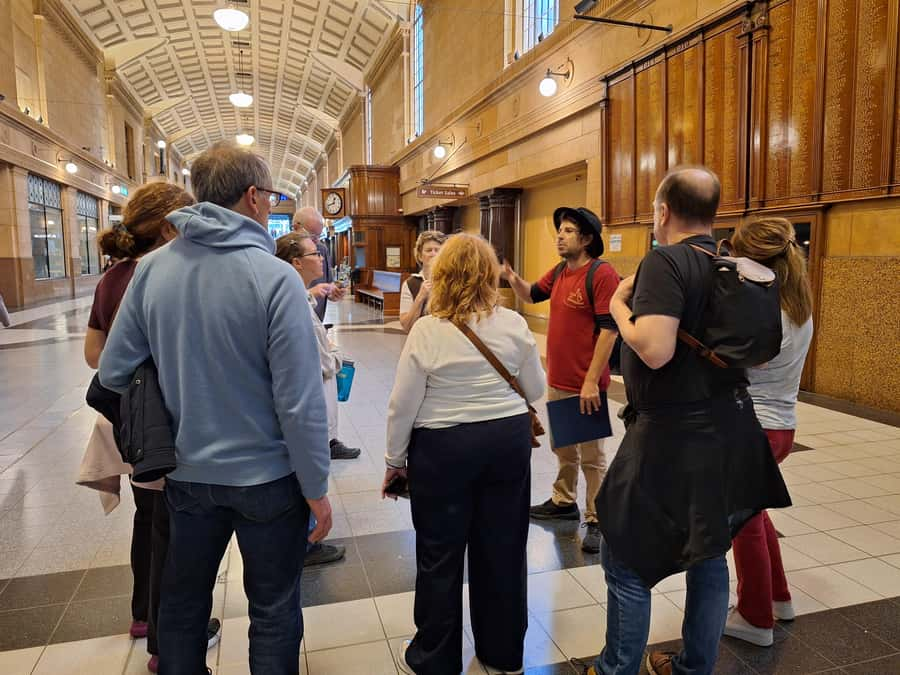
- Adelaide’s odd side: Hear the stories behind goon, stobie poles, sunscreen, the pie floater, and the city’s unusual soft-drink habit.
- A city orientation in three hours: Walk from Pirie Street through Rundle Mall, Adelaide Arcade, the riverfront, and Central Market.
- Local guides with personality: Dax, Rob, Graeme, and Ian are noted for clear storytelling, humour, patience, and enthusiasm.
- A modest taste of South Australia: Expect a small snack and drink, not a sit-down meal or dedicated food crawl.
- Good practical value: The $52 price includes the walk, refreshment, charity contribution, digital map, and personal suggestions for the rest of your stay.
- Best for adults and older children: The tour is not suitable for children under 12 and works best for people comfortable with steady walking.
Adelaide’s stranger story begins on Pirie Street

Meet outside the Adelaide Tourist Information Centre at 25 Pirie Street. This is a useful starting point because you are already near the central shopping streets and civic sights, rather than spending the first part of the tour getting out to the suburbs.
The guide sets up Adelaide as more than a neat planned city. You hear about the city’s name, its colonial foundation, its founders, and the stories that complicate its calm public image. Adelaide is often reduced to churches, festivals, and wine country, but this walk gives attention to the less polished material too, including murky episodes and unusual local characters.
That approach matters. A city tour is most useful when it helps you understand what you are seeing after the tour ends. Here, a plain street corner can become part of a story about reform, commerce, religion, politics, or local invention.
The company founder has more than 15 years of guiding experience and has worked in more than 40 countries. That background helps explain the tour’s practical tone. It is built for people who want a clear introduction, plenty of questions, and advice for the rest of their time in Adelaide.
More Guided Walks in Australia:
- Sydney Opera House Official Guided Walking Tour
★ 4.5 · 3,770 reviews - Sydney The Rocks Guided Walking Tour
★ 5.0 · 1,546 reviews - Melbourne: Ghosts, Murder, & Mystery Guided Walking Tour
★ 4.5 · 261 reviews
Victoria Square and Rundle Mall show two sides of the city
The route moves through Victoria Square, known by its Kaurna name, Tarntanyangga, for about 10 minutes. This is one of the points where the tour connects Adelaide’s colonial story with its Indigenous heritage.
The square also helps you understand the city’s layout. Adelaide’s central grid and open public spaces are easier to appreciate when you are standing inside one of them. Your guide can place later stops in context instead of treating each building as an isolated attraction.
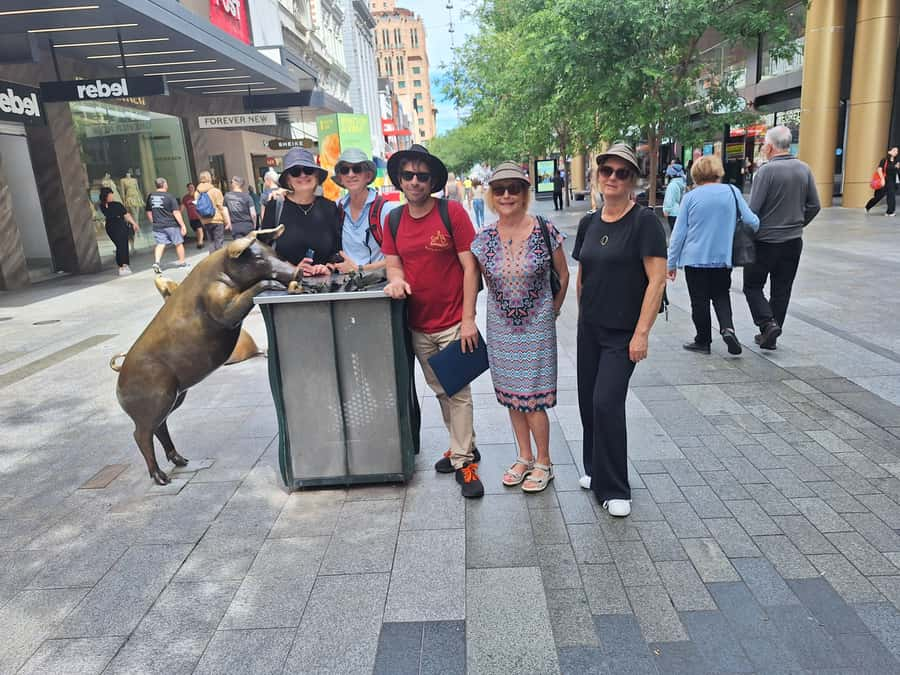
From there, the group walks toward Rundle Mall for another 10-minute stop. This is Adelaide’s central retail spine, but the point is not simply to look at shops. The guide uses the area to explain the city’s commercial life, public art, local habits, and characters.
You may also hear the local preference for calling Adelaide Radelaide. The nickname reflects affection for the city’s relaxed personality and creative side. It is a small detail, but these local expressions help the place feel lived in rather than displayed behind glass.
The tour is conducted in English. Guides are expected to speak clearly, and the available feedback repeatedly highlights the easy pace and room for questions. If you want a rapid march through facts, this may feel slow. If you like to stop, look around, and ask why something matters, the pace is a strength.
Adelaide Arcade brings history indoors

Adelaide Arcade receives about 20 minutes, making it one of the more substantial stops. This historic passage offers a change from broad streets and civic squares. You get a closer look at the city’s older commercial spaces, shopfronts, and covered walkways.
Arcades are especially useful on a walking tour because they show how Adelaide’s daily life developed at street level. They were places to shop, meet, pass through, and see the social divisions of the city at close range. Your guide can turn the architecture into a story about business, fashion, public life, and changing Adelaide.
This is also a good section for questions. Several guides, especially Dax, Rob, and Graeme, are praised for being patient and open to interruptions. You are not expected to save every question for the end.
The tour also passes the Art Gallery of South Australia and the University of Adelaide. These are brief exterior stops, not full visits inside the institutions. That distinction matters. You get orientation and context, but you will need a separate visit if you want to study the collections, buildings, or university grounds properly.
The riverfront provides the tour’s breathing space
Karrawirra Parri, the River Torrens, is one of the more scenic parts of the walk. The stop lasts about 20 minutes and includes the small food and drink tasting. This is the point where the tour shifts from a moving lecture to a more relaxed pause.
The tasting is deliberately modest. You might sample a classic Adelaide snack and drink, but this is not a meal and should not replace breakfast or lunch. Its value is cultural rather than culinary. Local food and drinks give the guide another way to explain Adelaide’s habits, humour, and identity.
One fact linked to the tasting is particularly memorable: Adelaide is described as the only city in the world where a non-carbonated drink outsells Coca-Cola. The tour uses details like this to show how local preferences can become part of a city’s personality.
The riverside stop also gives you time to ask for advice beyond the standard guidebook. You can ask about places to eat, sights to visit, or how to shape the rest of your stay. The included digital map adds practical value here, since you can continue exploring after the walk rather than trying to remember every recommendation.
The river section is scenic, but it is still part of a walking route. Seating may be limited while the guide talks. One person specifically wanted more opportunities to sit, so bring that in your decision if you have mobility or fatigue concerns.
More Walking Tours in Australia:
- From Sydney: Blue Mountains Tour with Waterfall Walk & Lunch
★ 4.8 · 2,400 reviews - Ultimate Melbourne Walking Tour: History, Laneways & Culture
★ 5.0 · 1,451 reviews - Sydney: The Rocks 90-Minute History Walking Tour
★ 4.7 · 1,092 reviews - Great Ocean Road Tour Plus Koalas, Forest Walk and Morning Tea
★ 4.5 · 1,068 reviews
Elder Park connects the river to Adelaide’s public life
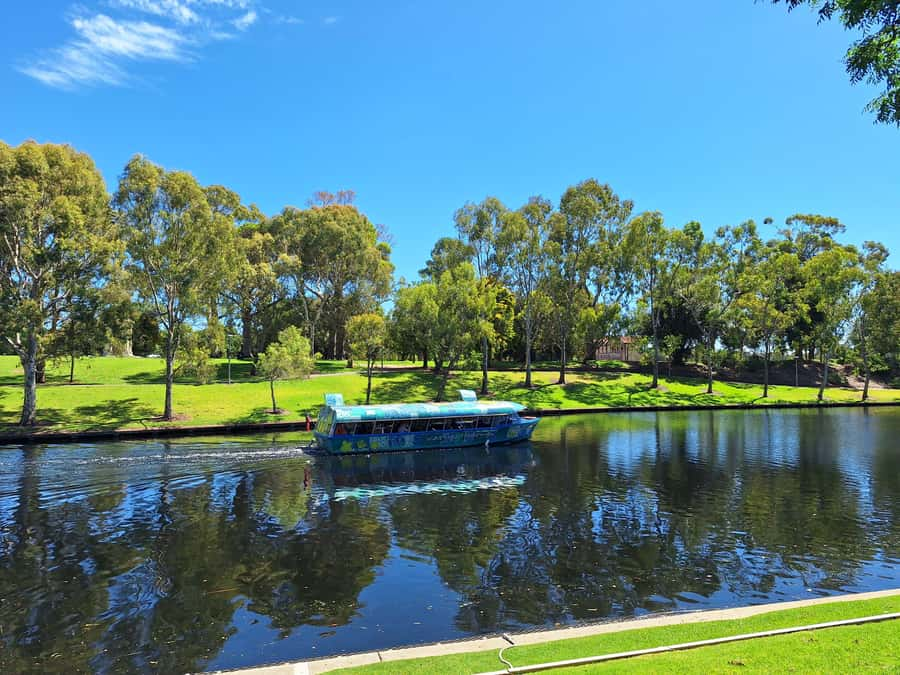
The route continues to Elder Park for about 10 minutes. This stop keeps you near the River Torrens but shifts attention toward Adelaide’s public spaces, events, and civic life.
You also get views toward the Festival Centre area. One participant particularly liked the route from Rundle Mall through the city library and along the river before finishing at Central Market. That sequence works well because the city gradually opens up, moving from narrow commercial spaces to the water and larger public buildings.
The walk does not require a separate bus or long transfer. A small tram ride has been included on at least one version of the experience, but the published route is primarily a stroll. Treat the tram as a possible part of the day rather than the main way you move around.
The tour is listed as wheelchair accessible, though you should still consider the total time on foot and the amount of standing at stops. Accessibility does not automatically mean the route will feel easy for every person. Ask the operator about the current route if you need frequent seating or have specific mobility needs.
Central Market is a useful final stop
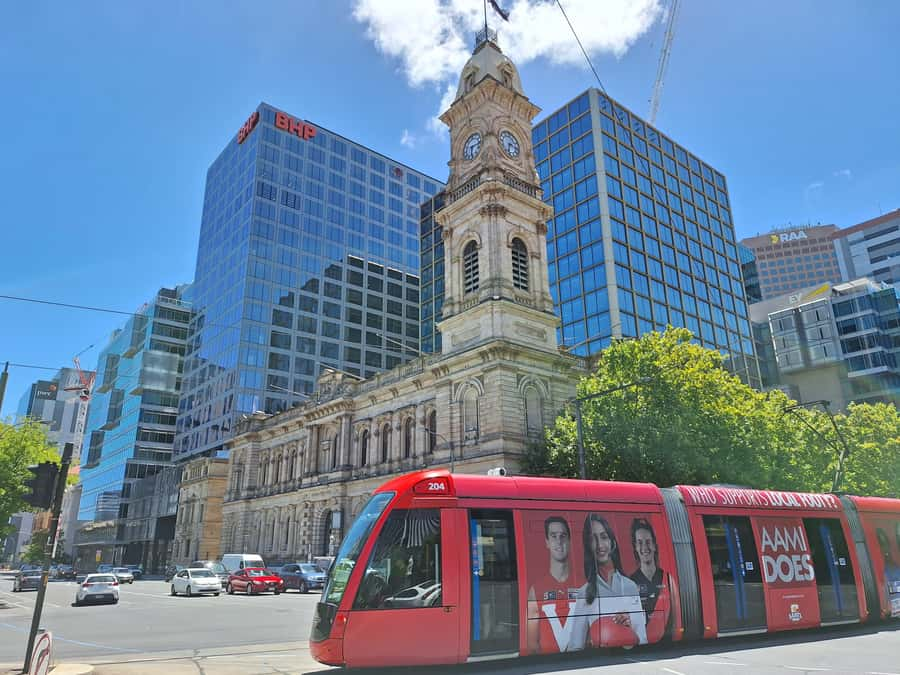
The walk finishes at Adelaide Central Market, with about 15 minutes allocated for sightseeing. This is a sensible endpoint because the market is both an attraction and a practical place to continue your day.
The tour gives you a basic introduction rather than a long market crawl. You can learn where the market fits into Adelaide’s food culture, then return on your own with more time to browse and eat. One guide’s final stop at the market was praised as a good way to continue exploring after the tour.
There is one important catch. Central Market is closed on Mondays, and a Monday booking ended early when the closure affected the planned route. The experience data does not promise a replacement stop or partial refund in that situation. I would avoid Monday if the market is important to you, or confirm the current plan before booking.
This is also why I would not book the tour only for food. The snack and market visit add flavour, but the main product is the city’s story and layout.
What the $52 price buys you
At $52 per person, the tour is not the cheapest way to walk around Adelaide. You can explore Rundle Mall, Victoria Square, the river, and Central Market without paying for admission. The question is whether you want a guide to connect those places.
The price includes two to three hours of guided walking, the snack and drink, a donation to a local charity, personal suggestions, and a digital map of recommended Adelaide spots. Five percent of the tour price goes to local charities, which gives the booking a small community benefit.
I see the best value in the time saved. You get a useful first orientation without having to research Adelaide’s origins, local terms, Indigenous history, reform movements, odd inventions, and food traditions yourself. You also get a chance to ask a local guide what deserves your attention afterward.
The tour is particularly good value if you have just arrived and want to plan the next few days. It is less useful if you already know central Adelaide well, have read extensively about its history, or prefer exploring alone with no fixed pace.
The guides make or break this kind of walk
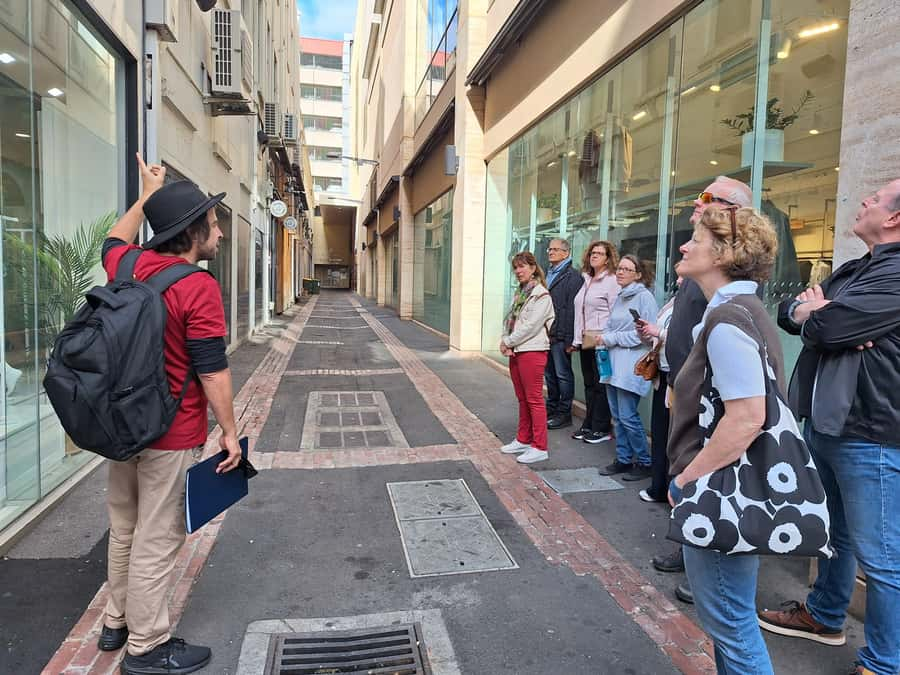
The guides named in the feedback include Dax, Rob, Graeme, and Ian. Their styles vary, but the qualities you can reasonably expect are clear explanations, local enthusiasm, humour, and time for questions.
Dax is repeatedly described as patient, friendly, and passionate about Adelaide. Rob is praised for combining modern facts with older stories and for creating an easy introduction to the city. Graeme is noted for humour and a strong supply of facts about early Adelaide. Ian is described as clearly invested in the city and its past.
That personal element is important. The route itself is good, but you can walk much of it alone. What you are paying for is the guide’s ability to connect ordinary places and make the sequence make sense.
The tour can run as a small group. That suits people who want conversation rather than a large crowd. It also means the quality of the experience may depend on the particular guide and the group’s questions. The consistently high rating of 4.9 from 80 reviews points to a strong record, while the occasional four-star comments provide a useful warning about seating and Monday scheduling.
Who should book this Adelaide walking tour?
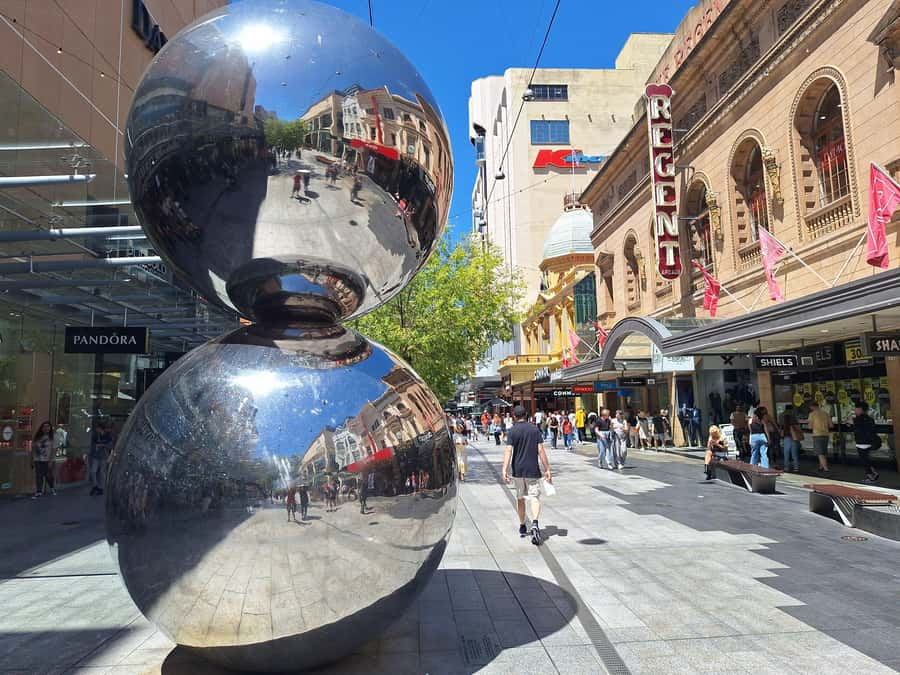
I would choose this tour early in an Adelaide stay. The route covers enough of the central city to help you decide where to return, and the guide’s recommendations can shape the rest of your visit.
It suits:
- First-time visitors who want the city explained rather than simply photographed.
- People interested in social history, local inventions, Indigenous heritage, and unusual stories.
- Solo visitors who would like a small-group introduction.
- Couples and adult families who enjoy walking and asking questions.
- Anyone who wants a gentle city orientation before visiting museums, galleries, markets, or the riverfront alone.
I would think twice if you dislike standing, need frequent rests, or want a dedicated food tour. Children under 12 are not accepted, and the two to three hours of strolling require reasonable mobility.
Wear comfortable shoes, carry water, bring a camera, and dress for the weather. Adelaide can be pleasant on foot, but the experience does not remove the need to prepare for sun, rain, or changing temperatures.
Should you book it?
Book it if you want Adelaide’s centre to make sense quickly, with a guide who can link the city’s orderly streets to its stranger stories. The snack, drink, charity donation, and digital map are welcome extras, but the real value is the human explanation of places you could otherwise walk past.
Choose a non-Monday date if Central Market matters to you. Also allow for a steady period of walking and some standing. For most adults arriving in Adelaide for the first time, this is a useful, good-humoured introduction at a fair price, especially when Dax, Rob, Graeme, or Ian brings the city’s stories to life.
FAQ
How long is the Adelaide walking tour?
The tour lasts three hours, with about two to three hours spent strolling around central Adelaide.
Where does the tour meet?
Meet outside the Adelaide Tourist Information Centre at 25 Pirie Street.
What places does the tour visit?
The route includes Victoria Square, Rundle Mall, Adelaide Arcade, the Art Gallery of South Australia, the University of Adelaide, Karrawirra Parri, Elder Park, and Adelaide Central Market.
Is food included?
Yes. You receive a small taste of classic Adelaide snacks and drinks. It is a tasting, not a full food tour or meal.
Is the tour suitable for children?
No. Children under 12 are not suitable for this activity.
Is the tour wheelchair accessible?
The activity is listed as wheelchair accessible. Since it includes two to three hours of strolling and standing, contact the operator if you need frequent seating or have specific mobility requirements.
What happens if I need to cancel?
You can cancel up to 24 hours before the tour for a full refund. You can also reserve now and pay later, subject to the booking terms.
New routes in Australia
- Welcome to Adelaide Walking Tour★ 5.0 · 119 reviews
- Ultimate Adelaide Walking Tour★ 5.0 · 222 reviews
- Cultural Caper Adelaide Walking Tour★ 5.0 · 122 reviews
- Melbourne: 3-Hour Foodie Discovery Walking Tour★ 4.9 · 313 reviews
- Sydney: Spirits of the Rock and Dark Past Walking Tour★ 4.0 · 144 reviews
- Sydney Cricket Ground (SCG) and Museum Walking Tour★ 4.9 · 616 reviews
- Sydney Convicts, History & The Rocks 2.5-Hour Walking Tour★ 4.9 · 181 reviews
- Sydney: City & The Rocks 3.5-Hour Walking Tour with a Drink★ 4.9 · 234 reviews
Australia Walking Tours, compared.
Sydney Opera House Official Guided Walking Tour
Read our review →
Blue Mountains Tour with Waterfall Walk & Lunch
Read our review →
Ultimate Melbourne Walking Tour: History, Laneways & Culture
Read our review →
Great Ocean Road Tour Plus Koalas, Forest Walk and Morning Tea
Read our review →
Sydney Cricket Ground (SCG) and Museum Walking Tour
Read our review →
Great Ocean Road 12 Apostles & Rainforest Walk with Morning Tea
Read our review →Browse the lists this tour appears in