Review · TOURS
Tirana Walking Tour
Tirana’s story is written in its buildings. On this $17 walking tour, you move from Italian government offices and Ottoman-era traces to communist monuments, polished public squares, and the cafés of Blloku. That quick change is the most interesting part of the city, and a good guide helps you read it instead of simply walking past it.
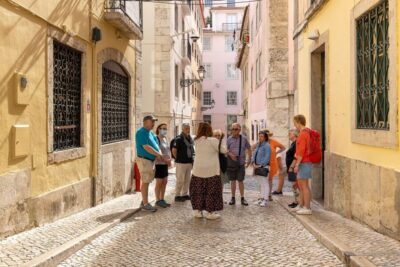
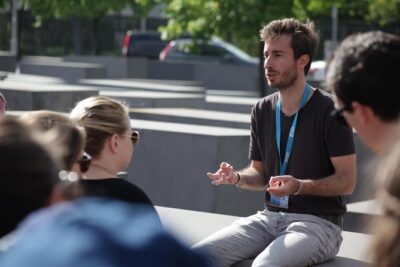
I like the personal history built into this tour. Guides such as Gloria, Ilir, Iris, and Thomas have explained Tirana through family memory, childhood experience, politics, food, and daily life, not just dates. I also like the café stop, where you can ask about restaurants, customs, transport, and what to see next.
The main drawback is the pace. Three hours covers a lot, and some guides may explain things while walking, which can be hard to hear in city noise. Ask for a walk, stop, and explain rhythm, and bring comfortable shoes. Museum access can also vary, especially on Mondays.
Key points at a glance
- A sharp lesson in urban change: See Italian-era buildings, communist structures, new towers, and redesigned squares in one compact route.
- Skanderbeg Square anchors the walk: The National History Museum, Palace of Culture, Et’hem Bey Mosque, and Watch Tower sit near the city’s symbolic center.
- Communist-era Tirana gets serious attention: Bunk’Art 2, Postbllok, the Pyramid, Enver Hoxha’s former villa, and the House of Leaves connect the city to its difficult recent past.
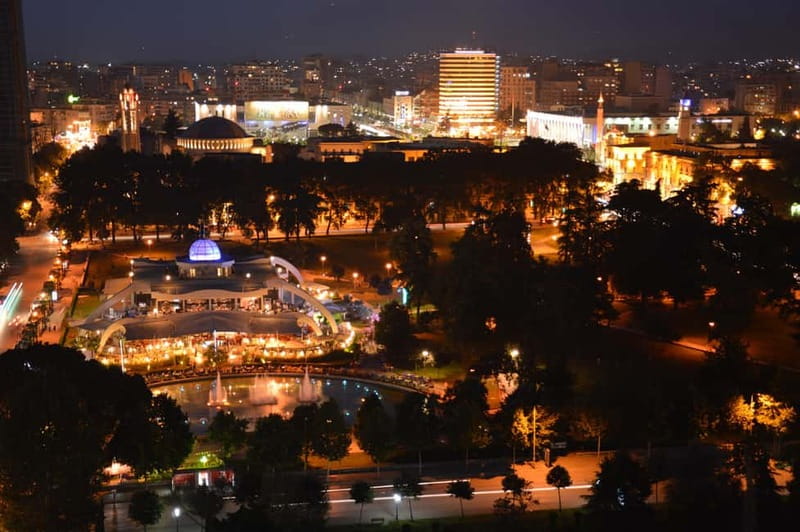
- Blloku brings the modern contrast: The former restricted district is now filled with cafés, restaurants, and a more relaxed evening mood.
- The guides make the difference: Gloria, Ilir, Iris, Thomas, Aron, and others are praised for clear English, personal stories, patience, and useful local suggestions.
- Good value for a first day: For $17, you get three hours with a qualified guide, but drinks, meals, museum tickets, and hotel transfers are extra.
Why Tirana makes such a good walking lesson
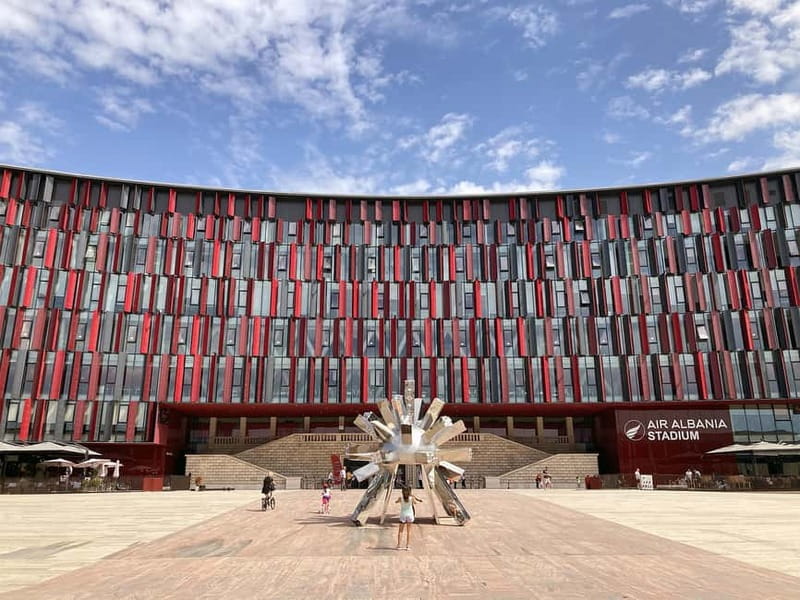
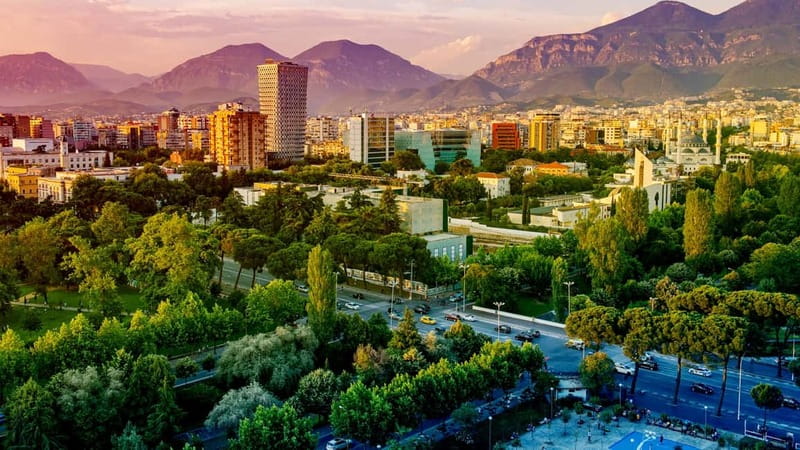
Tirana is not a city that reveals itself in one clean historical layer. Its center brings together Ottoman foundations, Italian planning from the 1920s, severe communist architecture, new construction, and a café culture that feels much younger than the city’s political past.
That is why I would take this tour early in a Tirana stay. You get the basic map first, then the context needed to understand what you see later. A large square is not just an open space. A bright new building may be part of Albania’s construction boom. A block of gray concrete may carry memories of isolation, state control, or post-communist change.
The tour begins near Tirana International Hotel and ends there, making the route practical if you are staying in the central area. Hotel pickup and drop-off are not included, so you need to reach the meeting point yourself. The activity lasts three hours and is conducted on foot, with a coffee or drink break along the way.
More Walking Tours in the world:
- Magical London: Harry Potter Guided Walking Tour
★ 4.7 · 22,044 reviews - Reykjavik Food Walk – Local Foodie Adventure in Iceland
★ 5.0 · 18,952 reviews - History and Hauntings of Salem Guided Walking Tour
★ 5.0 · 14,564 reviews
Skanderbeg Square and Tirana’s competing eras
The first major section centers on Skanderbeg Square, named for Albania’s national hero. This is the place to get your bearings, but it is also where Tirana’s architectural arguments are easiest to see.
The National History Museum and the Palace of Culture represent the heavy visual language of the communist period. The Italian government buildings from the 1920s offer a different mood, with Armando Brasini’s work showing how Italian architects helped reshape Tirana from a smaller Ottoman-style town into a more Western-looking capital.
A guide adds the missing links. On your own, you may notice that the buildings do not seem to belong together. With a good explanation, the clash becomes the point. Tirana was repeatedly redesigned by different political systems, and each one left behind its preferred image of the city.
The National History Museum is included as a stop, but you should clarify whether your booking includes time inside. Museum access is not guaranteed in every situation, and one Monday tour operated as sightseeing only because museums were closed. If entering the museum matters to you, check the opening day before booking and allow time to return on your own.
Et’hem Bey Mosque and the Watch Tower

From the square, the route continues to the Et’hem Bey Mosque and the Watch Tower. These are among the most useful stops for seeing Tirana before its modern political chapters.
The mosque recalls the city’s Ottoman-era development, while the Watch Tower represents a later stage of urban growth. Together, they show that Tirana was not created from scratch in the twentieth century. It had an older center, religious landmarks, markets, and civic life before the Italian and communist rebuilding programs changed its appearance.
You should dress and behave respectfully around the mosque. The tour description presents it as a visit and guided sightseeing stop, but the exact interior access can depend on conditions at the time. If you want detailed religious or architectural explanations, ask your guide to pause here rather than relying on a moving commentary.
Bunk’Art 2 and the harder communist story
Bunk’Art 2 brings the tour into Albania’s recent past. The site is connected to the communist security system and offers a way to discuss surveillance, political control, and the experience of living under Enver Hoxha’s dictatorship.
This section may be more valuable than a quick photo stop, but it can also make the three-hour schedule feel tight. Ask how much time is planned inside. The itinerary lists Bunk’Art 2 as a visit, yet a short city tour cannot give every museum the same attention as a dedicated museum visit.
The same is true of the House of Leaves Museum later in the route. It is tied to the country’s former surveillance apparatus and adds another layer to the story. If you are especially interested in communist Albania, consider returning to one or both places after the walk. The tour gives you the framework; extra time lets you study the material at your own speed.
Same streets, a different guide:
- New Orleans Premier Ghost, Voodoo and Vampire Walking Tour
★ 4.5 · 12,856 reviews - Amsterdam Anne Frank: Small-Group Walking Tour & Local Guide
★ 4.8 · 12,789 reviews - Edinburgh: Harry Potter Magical Guided Walking Tour
★ 4.8 · 11,944 reviews - Edinburgh Castle: Guided Walking Tour with Entry Ticket
★ 4.7 · 11,699 reviews
Tirana Castle, the old bazaar, and Tanners’ Bridge
Tirana Castle gives the walk a change of tone. The newly reopened site is connected with the city’s older core and now offers space for walking, browsing, and possibly shopping. It is not the sort of fortress experience you might expect from a dramatic hilltop ruin. Its value here is urban and historical, showing how Tirana reuses old traces while adapting them for present-day life.
The route also heads toward what remains of the old bazaar. This is important because modern Tirana can make its older commercial identity easy to miss. The market area helps explain how people traded, met, and moved through the city before wide avenues and large state buildings took over.
Tanners’ Bridge is one of the walk’s smaller but more appealing stops. This stone bridge recalls the period when the city’s waterways and craft trades shaped daily life. It is modest, so do not expect a grand monument. Its strength is the contrast: after large squares and political buildings, you see a practical piece of the older city.
Tirana Castle and the city’s religious mix
The itinerary also passes Namazgah Mosque, Saint Paul’s Cathedral, and the Resurrection of Christ Orthodox Cathedral. These stops broaden the tour beyond political history and show the city’s religious variety.
The buildings also help you understand Tirana as a capital that has been rebuilt and reinterpreted many times. Islamic, Catholic, and Orthodox landmarks appear within the same central route. Your guide can connect architecture with Albania’s social and political history, though the amount of time at each site may vary.
Some stops may be primarily exterior visits and photographs. That is normal for a route covering this much ground. If you want to enter a specific religious building, ask about access when you meet your guide.
The Pyramid, Postbllok, and Enver Hoxha’s villa
The Pyramid of Tirana is one of the city’s most striking symbols. Built during the communist period and later repurposed, it now represents the way Albania is trying to deal with its past without leaving the building frozen in time.
A quick stop here gives you a useful question to carry through the rest of the walk: should a difficult monument be preserved, changed, or given a new purpose? The guide can explain the building’s connection to Enver Hoxha and its later life, while the structure itself shows the physical scale of the old regime.
Postbllok, or Checkpoint, adds a more direct memorial to communist repression. It is a place for sober discussion rather than a cheerful photo stop. I appreciate its presence on a general city tour because it prevents Tirana’s polished center from becoming a story only about cafés, construction, and nightlife.
The route also passes the former villa of Enver Hoxha in Blloku. This is one of the most revealing locations in Tirana because the district was once restricted to the communist leadership and their inner circle. The villa helps connect national politics with a very specific urban neighborhood.
Blloku, from forbidden quarter to café district
Blloku is where the tour’s mood changes. Once associated with the ruling elite, it is now known for restaurants, cafés, bars, and an easygoing social scene. The transformation is not just a pleasant urban makeover. It says something about the scale of Albania’s political and economic shift within one generation.
The tour ends its social side with time in a fashionable Blloku café. A coffee or cocktail is not included in the $17 price, and meals and personal expenses are also extra. Still, this pause adds real value because it turns the last part of the tour into a conversation rather than another list of monuments.
Use this time well. Ask your guide where to eat, how local customs work, what transport is easiest, or which museum deserves a return visit. Thomas, Ilir, Gloria, and the other guides have been praised for giving restaurant suggestions, helping with taxis, and offering practical ideas beyond the official route.
What the guides add to the walk
The strongest reason to book this tour is the guide. The route itself is compact enough to follow with a map. The hard part is understanding why the city looks as it does, and that depends on explanation.
Gloria is repeatedly described as warm, patient, and good at explaining history, culture, customs, and everyday behavior. Ilir is praised for clear English, a friendly manner, and the ability to answer questions without making the tour feel formal. Iris brings strong knowledge of Tirana’s political changes and uses personal insight to make the subject easier to grasp.
Thomas is especially useful if you want links between old photographs, current buildings, and the city’s recent transformation. He has also adjusted the route for heat, suggested cold drink stops, and helped with practical matters such as food, shopping, and taxis. Aron has been valued for connecting Albania with wider Balkan politics, religion, and culture.
These details matter because the best city tour is not a speech delivered at fixed points. You should feel free to ask for slower walking, clearer explanations, or more time at a subject that interests you. One useful lesson from the tour experience is that sound can be a problem on busy streets. If you cannot hear, say so early and ask the guide to stop before explaining.
How much value do you get for $17?
At $17 per person, this is strong value if you want orientation and historical context in one outing. You receive a three-hour guided city tour with a qualified guide, and the route covers a surprising number of major locations.
The price does not include food, drinks, personal purchases, optional activities, museum costs where applicable, or hotel transfers. That keeps the basic price low, but you should budget extra for the café stop and any museum you choose to enter.
A private group option is available, which may suit families or friends who want more control over pace and questions. The standard experience can also run with very few participants. Some guides have continued with just one person, which can make the walk feel more like a private conversation, though you should not book solely on the expectation of a tiny group.
Free cancellation up to 24 hours before the start and reserve-now, pay-later booking make it easier to fit into a changing schedule. The tour is wheelchair accessible, but the route is entirely urban and includes walking between many stops, so confirm the exact arrangements if you need specific assistance.
Who should book this Tirana walking tour?
I would choose this tour for a first day in Tirana, especially if Albania’s twentieth-century history is new to you. It gives you a city map, a political timeline, and a list of places worth revisiting.
It suits people who like conversation more than a rigid lecture. The best use of the tour is to ask questions, explain your interests, and request pauses when a subject catches your attention. It also works well for solo visitors, since the guides have experience running the walk for a single participant.
Families can book it, but children must be accompanied by an adult and unaccompanied minors are not allowed. Young children may find three hours of historical explanation tiring, while older children and teenagers may respond well to the Pyramid, bunkers, surveillance museums, and the sharp contrast between old Blloku and new Blloku.
Bring comfortable shoes, water, and weather protection. Tirana can be hot, and one guide was careful to use shade and make drink stops during warm conditions. Rain does not automatically cancel the experience, but good shoes and a small umbrella will make the walk easier.
Should you book it?
Book it if you want Tirana explained, not just photographed. The $17 price is fair for three hours, the route covers the city’s key historical contrasts, and the guides are the main attraction. Gloria, Ilir, Iris, Thomas, and Aron have each brought a different mix of local memory, history, politics, and practical advice.
Skip it if you prefer to explore museums slowly or dislike walking tours that cover many stops in a short time. In that case, use the route as a checklist and spend your time inside the National History Museum, Bunk’Art 2, or the House of Leaves Museum.
For most first-time visitors, I would book it early in the stay, confirm which sites can be entered that day, and ask for a stop-and-explain pace. You will leave with a better sense of Tirana’s past, its fast-changing center, and where to spend the rest of your time.
FAQ
How long is the Tirana walking tour?
The tour lasts three hours and finishes at the Tirana International Hotel.
What languages are available?
The tour is offered with a live guide in Albanian, English, or Italian.
Where does the tour start?
The listed starting point is the Tirana International Hotel, though the meeting point can vary depending on the option you book.
Are food and drinks included?
No. Meals, drinks, and personal expenses are not included. The route includes time for a café stop, where you can buy a coffee or cocktail yourself.
Is the tour suitable for wheelchair users?
The activity is listed as wheelchair accessible. Contact the provider if you need details about the exact route and access at individual sites.
Can I cancel or pay later?
You can cancel up to 24 hours in advance for a full refund. A reserve-now, pay-later option is also available.
New routes in the world
- Baltimore Walking Foodie Tour in Fells Point★ 5.0 · 182 reviews
- Baku Oil Heritage & Old Town Walking Tour★ 5.0 · 232 reviews
- Baku Walking Tour (Old City)★ 5.0 · 127 reviews
- The Madam’s Curse Walking Ghost Tour★ 4.5 · 103 reviews
- Austin Small Group Morning Walk★ 5.0 · 412 reviews
- Austin Haunted Pub Crawl Walking Tour★ 4.5 · 232 reviews
- Austin Downtown Private Walking Food Tour With Secret Food Tours★ 5.0 · 71 reviews
- Austin Murder Walk★ 5.0 · 310 reviews
Tours, compared.
Magical London: Harry Potter Guided Walking Tour
Read our review →
History and Hauntings of Salem Guided Walking Tour
Read our review →
New Orleans Premier Ghost, Voodoo and Vampire Walking Tour
Read our review →
Amsterdam Anne Frank: Small-Group Walking Tour & Local Guide
Read our review →
Edinburgh Castle: Guided Walking Tour with Entry Ticket
Read our review →