
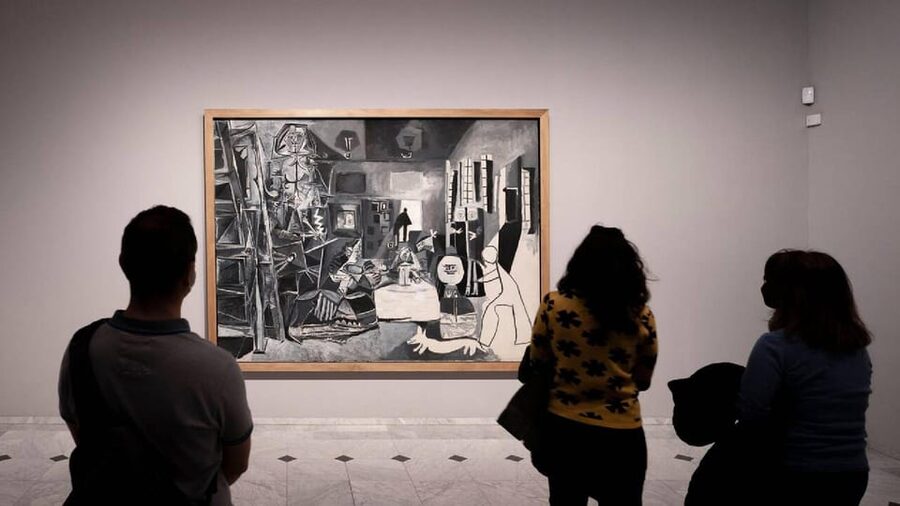
Review · MUSEUMS
Barcelona: Picasso Walking Tour with Picasso Museum Tickets
Picasso’s Barcelona story begins before the famous Cubist faces and broken forms. This two-hour experience takes you to the Picasso Museum, where early paintings, drawings, ceramics, and sculptures show how a young artist kept changing direction. The museum visit is self-guided, so you set the pace.
I like two things here: skip-the-ticket-line entry can save time, and the museum’s collection lets you follow Picasso’s development in one place. I also like the choice between tickets only and a small-group outside briefing in English or Spanish, with groups limited to eight.
The key catch is that the guide does not enter the museum. If you choose the guided option, expect about 30 minutes outside with the guide, followed by roughly 90 minutes on your own. At $37, the value depends on how much you want help with the neighborhood and how much you would normally pay for a museum ticket.
Key points to know before booking
- Picasso’s early work comes first: See paintings, sketches, and drawings that reveal how his methods changed before his best-known periods.
- The Blue and Rose galleries show a clear shift: Watch the mood move from sorrow and isolation to brighter circus and harlequin themes.
- The museum portion is self-guided: Even with the outside guide option, you explore the collection without an escort inside.
- The guided choice is really a briefing: The guide meets you before entry and helps with the area and tickets, but does not provide a museum tour.
- The visit lasts two hours: Plan on about 30 minutes outside and 90 minutes inside when selecting the guided option.
- Recent booking problems deserve attention: One February 2026 booking was canceled the day before because the museum was closed, while a January 2026 booking reported no guide and dissatisfaction with the price.
What the $37 Picasso experience actually includes
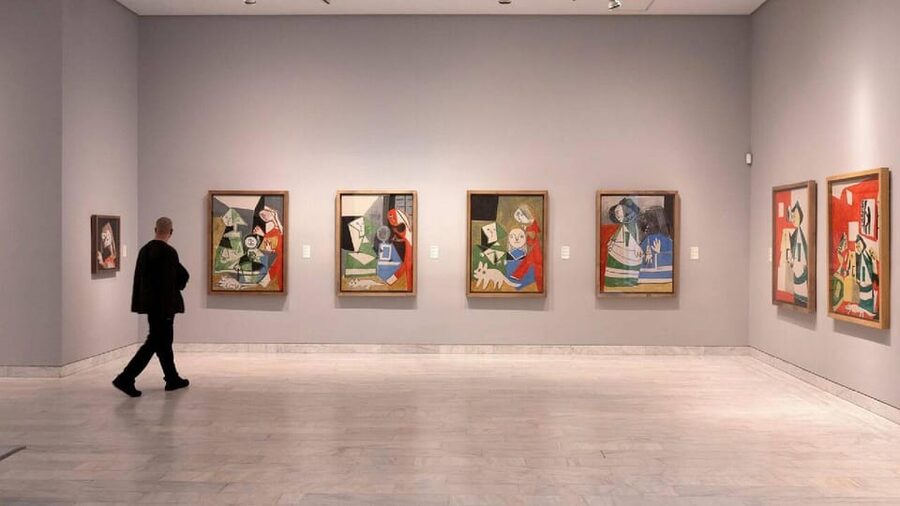
At $37 per person, this is not a full guided museum tour. It is better understood as a museum-entry arrangement with an optional outside introduction.
Your ticket includes entry to the Picasso Museum. If you choose the guided option, an outside guide meets you at the museum, gives a briefing, and helps you get inside. The guide speaks English or Spanish, and the group size is limited to eight.
That small size could make the opening talk easier to follow than a large crowd. You can ask a quick question about the neighborhood or Picasso’s connection to Barcelona, then continue independently. But do not book this expecting a guide to lead you from room to room.
The tickets-only option is simpler. You meet at the museum, receive your entry, and handle the entire visit yourself. This may suit you if you already know Picasso’s work and only want a convenient way to secure admission.
The price may be fair if the ticket saves you a long wait and you value the short introduction. It is less attractive if you want expert interpretation inside the galleries. A January 2026 booking report claimed that no guide appeared and that the museum ticket cost about twice the expected price. That does not prove every booking has the same problem, but it is a sensible reason to check the exact option and final price before paying.
More Museum Stops in Barcelona:
- Barcelona: Picasso Museum Entry, Digital Guide & Born Walk
★ 3.6 · 148 reviews - Picasso Museum and Walking Tour Plus Wine Tasting Upgrade
★ 4.3 · 111 reviews - Acropolis monuments & Parthenon Walking Tour with Optional Acropolis Museum
★ 5.0 · 2,678 reviews
Meeting Picasso before Cubism
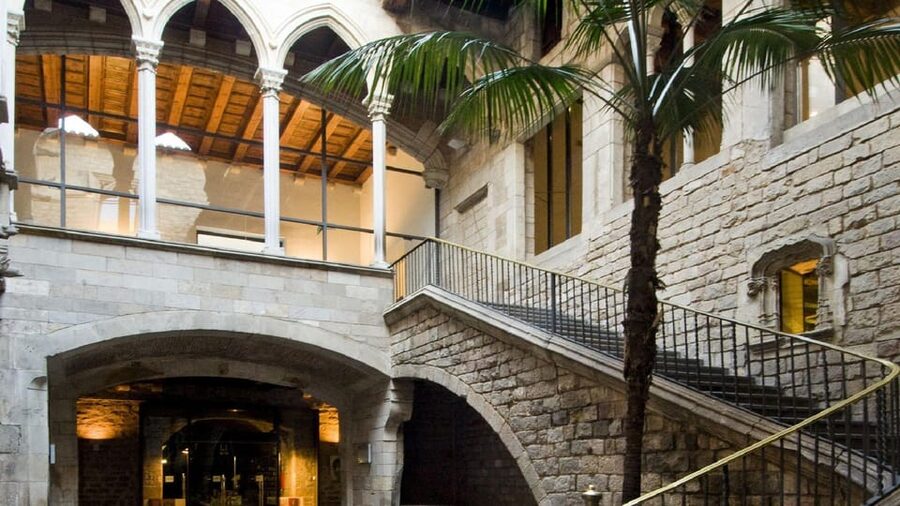
The strongest part of the museum visit is the chance to see Picasso before he became the Picasso most people recognize.
Begin with his early paintings, sketches, and drawings. Look for signs of practice and change rather than hunting for one famous masterpiece. The useful question is simple: what is Picasso trying to solve in each work, and how does the next piece answer that problem differently?
You can follow his methods as they shift. A drawing may feel direct and spare, while a later painting may show more control over form, color, or expression. The collection helps you see that Picasso did not appear fully formed. He tested ideas, changed his approach, and kept moving.
You might want an audio guide for this section. The activity information notes that an audio guide may be needed to understand the objects in greater detail, but it does not say that one is included. Check before you arrive if detailed explanation matters to you.
This early section also rewards visitors who are new to Picasso. Instead of beginning with Cubism’s fractured shapes, you first get a sense of the artist’s starting point. That makes the later changes easier to grasp.
The Blue Period: sorrow in shades of blue
The Blue Period gallery gives the museum its most serious mood. Picasso uses blue tones to create a feeling of sadness, distance, and solitude, with themes connected to poverty, hurt, and isolation.
Take your time here. The color is not just decoration. It shapes the emotional temperature of the work. Even without an art background, you can notice how limited color changes the way a figure or scene feels.
I find this section most useful when you compare several pieces rather than studying only one. Ask how Picasso uses posture, empty space, and facial expression to make people appear cut off from the world around them. The paintings are quiet, but they are not easygoing.
This is also a good point to use an audio guide if one is available to you. A little context can help explain why the Blue Period matters and how Picasso’s choices relate to his life and artistic direction. Without that help, you can still see the mood, but you may miss some of the links between the works.
If you are visiting with young children, this part may feel heavy. The museum includes several kinds of work, so you can keep moving, but the Blue Period is not the lightest section of the visit.
The Rose Period and Picasso’s circus figures
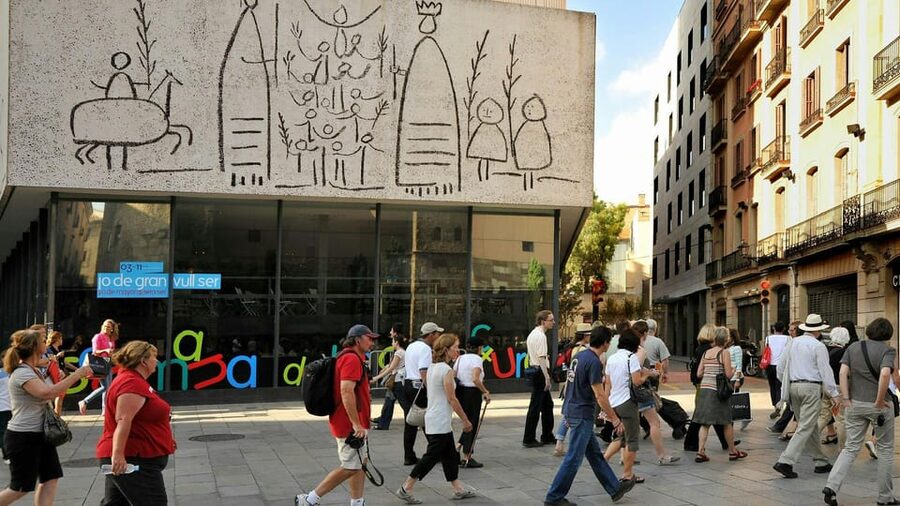
The Rose Period brings a clear change. The colors become warmer and the subjects shift toward circus performers, harlequins, love, and happiness.
This contrast is one of the best reasons to follow the collection in order. The move from blue to rose is not a small adjustment. It shows Picasso trying a new emotional language. The circus figures also give him a way to explore movement, costume, identity, and performance.
Look closely at the harlequins. Their patterned clothing and theatrical role make them easy to recognize, but they can also seem thoughtful or distant. That mixture of play and seriousness is part of what makes this period worth more than a quick glance.
The Rose Period section is a useful reset after the darker Blue Period rooms. You can see how a change in subject and color affects the entire feel of the collection. If you are short on time, do not rush through this section just to reach Cubism. It provides the bridge between Picasso’s early emotional paintings and his later experiments with form.
More Entry Tickets on the Route in Barcelona:
- Edinburgh Castle: Guided Walking Tour with Entry Ticket
★ 4.7 · 11,699 reviews - Beijing: Forbidden City Tour(Group/Private)-Tickets Included
★ 4.8 · 7,974 reviews - Edinburgh Castle: Guided Walking Tour with Entry Ticket
★ 5.0 · 5,540 reviews - Milan: Guided Walking Tour & Last Supper Visit with Ticket
★ 4.7 · 5,409 reviews
Cubism: shapes, angles, and competing views
The Cubism section is where many visitors expect the famous breakthrough. Picasso’s Cubist works use geometric shapes, broken forms, and more than one point of view.
Do not worry about finding one correct way to read these paintings. Start with the simple visual facts. A face may be shown from several angles. A body may be reduced to planes and shapes. Objects can appear separated and rebuilt rather than copied from one fixed position.
This makes Cubism easier to understand as a process. Picasso was not only changing how a picture looked. He was asking how much information a painting could hold at once and how a viewer might assemble it.
Because the museum visit is self-guided, you have time to pause in front of a work that confuses you. That is a real benefit here. A rushed guide might give you an answer and move on, but independent time lets you look, step back, and look again.
The drawback is the lack of an inside guide. If Cubism is new to you, the shapes may seem clever but cold without explanation. An audio guide or a little reading before the visit can make this section much more rewarding.
Sculptures and ceramics beyond the canvas
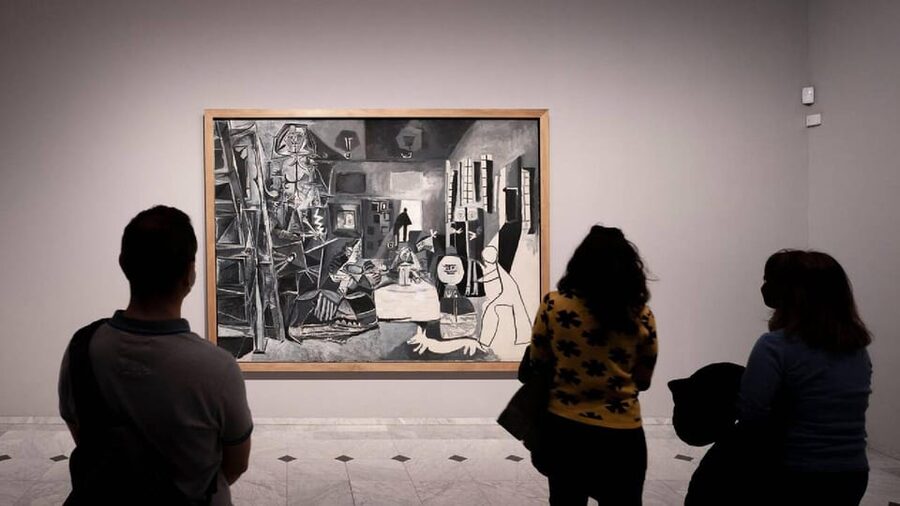
The museum also includes sculptures and ceramics, giving you a break from paintings and drawings.
These objects show Picasso working in three dimensions and experimenting with materials. You can see how an idea changes when it is built, shaped, or formed rather than placed on a flat surface. That shift matters because it shows the artist as more than a painter.
Pay attention to the physical qualities of the pieces. Sculpture asks you to think about volume and space. Ceramics bring another set of choices, including surface, shape, and the relationship between a useful object and an artwork.
The collection’s variety is a strong point for visitors who are not drawn to every painting. You may prefer the ceramics or sculptures to the Cubist canvases, and the museum gives you room to make that judgment for yourself.
Do not assume this section is a minor add-on. It broadens your view of Picasso’s working methods and supports the idea that he kept testing new forms rather than staying with one style.
Picasso’s studio and the artist’s working process
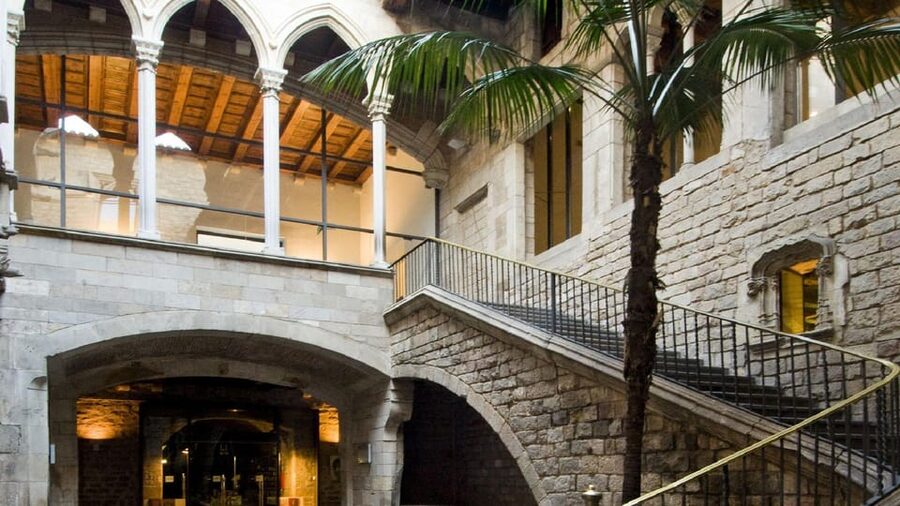
A studio display offers a glimpse of Picasso’s creative space and the setting in which he developed ideas into finished work.
The value here is less about a single object and more about imagining the working process. Picasso’s art can seem highly controlled once it is on a museum wall. A studio setting reminds you that ideas begin in a less tidy place, through trial, change, and repeated decisions.
This is a useful stop near the end of your visit because you have already seen several stages of his work. After the early paintings, Blue and Rose Period pieces, Cubism, sculpture, and ceramics, the studio helps connect the finished objects with the act of making them.
The information provided does not promise a complete reconstruction of every detail of Picasso’s daily routine, so keep expectations sensible. Think of it as a visual link to his creative environment, not a long presentation by a museum specialist.
The outside walk and the old Barcelona setting
If you choose the guided option, the experience begins outside the galleries. The guide gives a briefing lasting about 30 minutes and provides information about the area before helping you obtain entry.
That opening can add useful context. Picasso’s connection with Barcelona is not limited to the pictures inside the museum, and walking around the old neighborhood helps you think about the places and city life connected with his early years.
Still, this is not a long walking tour. The guide’s role ends before your museum visit begins. The experience does not include hotel pickup or drop-off, and you need to make your own way to the Picasso Museum.
The meeting point is the museum itself, which keeps the arrangement straightforward. Wear comfortable shoes and comfortable clothes, especially if you plan to spend extra time walking before or after the two-hour activity.
If you select tickets only, there is no outside guidance at all. You should arrive ready to find the meeting point, enter with your ticket, and explore independently.
A practical look at timing, crowds, and comfort
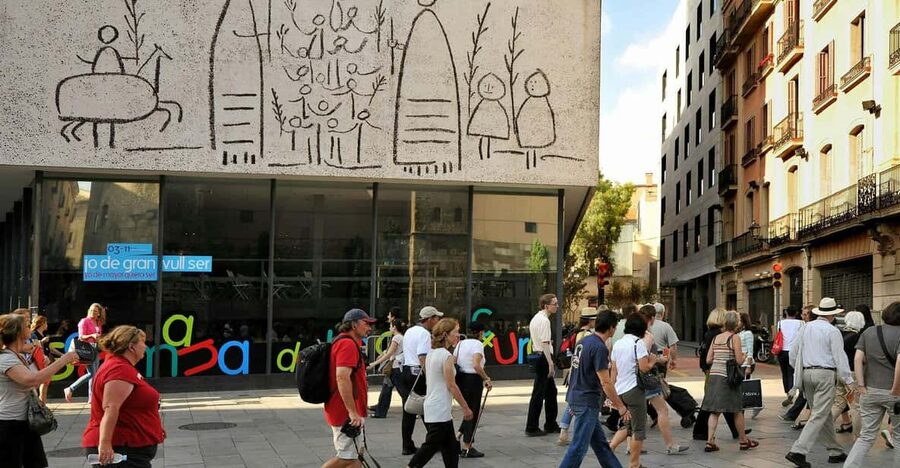
The advertised duration is two hours. With the guided option, about 30 minutes goes to the outside briefing and entry process, leaving around 90 minutes inside the museum.
Ninety minutes is enough for a focused visit, but it is not an unlimited amount of time. You can see the main areas, yet you may need to choose between reading every label and giving each section a proper look. If you are a serious art student, you may want more time than this activity provides.
The skip-line feature can help, especially when your Barcelona schedule is tight. A saved queue is valuable in a city where every lost half-hour affects lunch, another museum, or an evening reservation. The exact benefit depends on the conditions when you visit.
The museum does not allow pets, food, drinks, luggage, or large bags. Pack lightly. Comfortable shoes are sensible, and large items could cause trouble at entry.
The experience is not suitable for wheelchair users or people with mobility impairments. If access needs are important for your visit, confirm the current arrangements before booking rather than assuming the skip-line ticket solves every access issue.
The museum shop and the last few minutes
Leave time for the museum shop. It carries gifts connected with Picasso’s famous paintings and work, which can be a practical place to find a small souvenir tied directly to the visit.
You do not need to buy anything, of course. But the shop can help you remember which image or period caught your attention, particularly if you want a postcard or art-themed gift rather than a generic Barcelona item.
Do not let shopping cut short the gallery visit. The shop comes at the end, so use your remaining museum time first. The collection has enough variety that a final ten minutes spent with one painting may be more valuable than a hurried browse through souvenirs.
Recent reliability concerns to keep in mind
The overall rating is 3.5 from 93 ratings, which suggests a mixed experience rather than a sure bet.
Two recent verified booking reports are especially important. A February 14, 2026 booking from Denmark received notice the day before that the museum would be closed on the booked date, meaning the planned visit did not happen. A January 7, 2026 booking from Italy reported that there was no tour and no guide, and claimed the museum tickets were sold at roughly twice the expected price.
These cases may reflect specific dates or booking-option problems, but they point to two checks you should make. First, confirm that the museum is open on your chosen day. Second, read the difference between Tickets Only and the guided option carefully, then check the final price before confirming.
The activity allows free cancellation up to 24 hours before the start time and offers reserve-now, pay-later booking. Those terms give you some flexibility, but they do not replace checking the date, option, and inclusions.
Who should book this Picasso visit
I would consider it for a first-time Picasso visitor who wants a short museum stop, skip-line entry, and the chance to see the artist’s work in chronological groups.
It also suits you if you like exploring at your own pace. Once inside, you are not tied to a guide’s route or timing. You can linger over the Blue Period, move quickly through a section that does not interest you, or spend extra time with the sculptures and ceramics.
The guided option may help if you want a brief introduction to the neighborhood and need assistance getting inside. The small group limit of eight is appealing, but remember that the guide leaves after the entry process.
I would be cautious if you expect a traditional guided museum tour. You will not have a guide explaining each gallery, and the audio guide is not clearly included. I would also think twice if your schedule cannot absorb a possible change caused by a museum closure.
FAQ
Where does the Picasso walking tour meet?
The meeting point is the Picasso Museum in Barcelona.
Is the museum visit guided?
No. The museum visit is self-guided. If you choose the guided option, an outside guide gives a briefing for about 30 minutes and helps you get your tickets, but does not enter the museum with you.
What is included in the tickets-only option?
The tickets-only option includes museum entry but no guidance. You explore the museum on your own.
How long does the experience last?
The stated duration is two hours. With the guided option, about 30 minutes is used for the outside briefing and entry, followed by about 90 minutes inside the museum on your own.
Which languages are available?
The outside guide is available in English or Spanish when the guided option is selected.
Can I bring food, drinks, pets, or large luggage?
No. Pets, food and drinks, luggage, and large bags are not allowed. Comfortable shoes and comfortable clothes are recommended.
Should you book the Barcelona Picasso experience?
Book it if you want a compact museum visit with entry arranged for you, prefer to explore independently, and understand that the guide stays outside. The early works, Blue and Rose Period galleries, Cubism, ceramics, sculptures, and studio display give you a useful view of Picasso’s changing work in one stop.
Skip it if you are paying mainly for expert interpretation inside the museum. You would receive only a short outside briefing, and the tickets-only option provides no guidance at all.
Before paying, confirm the museum’s opening date, select the correct option, and check the final cost. At $37, it can be reasonable for convenient entry and a short introduction, but the value drops quickly if you expect a full guided tour or encounter the kind of booking problem reported in January and February 2026.
New routes in Barcelona
- Barcelona: “The Shadow of the Wind” Literary Walking Tour★ 4.5 · 176 reviews
- Picasso Museum and Walking Tour Plus Wine Tasting Upgrade★ 4.3 · 111 reviews
- From Barcelona: Montserrat Walking and Horseback Riding Tour★ 4.8 · 81 reviews
- Barcelona: Walking tour with Montjuic Castle & Cable Car★ 4.7 · 832 reviews
- Barcelona: Gothic Quarter Walking Tour w/ Montjuïc Cable Car★ 4.4 · 90 reviews
- Barcelona: Ramblas, Old Town & Gaudí Houses Walking Tour★ 4.9 · 239 reviews
- Barcelona Walk Like a Local: El Born & Gothic 15+ Sights★ 4.9 · 88 reviews
- Barcelona: Hidden Gems Walking Tour Including 10+ Sights★ 4.9 · 121 reviews
Museums, compared.
Acropolis monuments & Parthenon Walking Tour with Optional Acropolis Museum
Read our review →
Frida Kahlo VIP [Museum Tickets Included] Walk, Markets & Churros
Read our review →
Sydney Cricket Ground (SCG) and Museum Walking Tour
Read our review →
Bogotá City Tour with Monserrate, Gold and Botero Museums
Read our review →
Guided Walking Tour and Chocolate Museum Ticket
Read our review →
The Acropolis, Athens Walking City Tour and Acropolis Museum
Read our review →
Walking Tour with David, Duomo & Uffizi Gallery
Read our review →
Siena Walking Tour with Cathedral and Crypt & Museum Option
Read our review →Browse the lists this tour appears in