

Review · SAVANNAH
Savannah: Civil War Walking Tour
Savannah’s Civil War story comes alive in its squares, homes, and quiet streets, not in a distant museum case. This 105-minute walk takes you to the houses of William Hardee, James Bartow, and Joseph E. Johnston, then to Gen. William T. Sherman’s headquarters, where you’ll discuss the famous promise of 40 acres and a mule.
I like the way the tour links military plans to real places, and I like that strong guides such as Cathy and Zack add stories about Savannah’s founding, architecture, pirates, and the American Revolution. The main drawback is simple: you’ll be on your feet outdoors, and uneven sidewalks can make a stroller awkward.
Key points at a glance
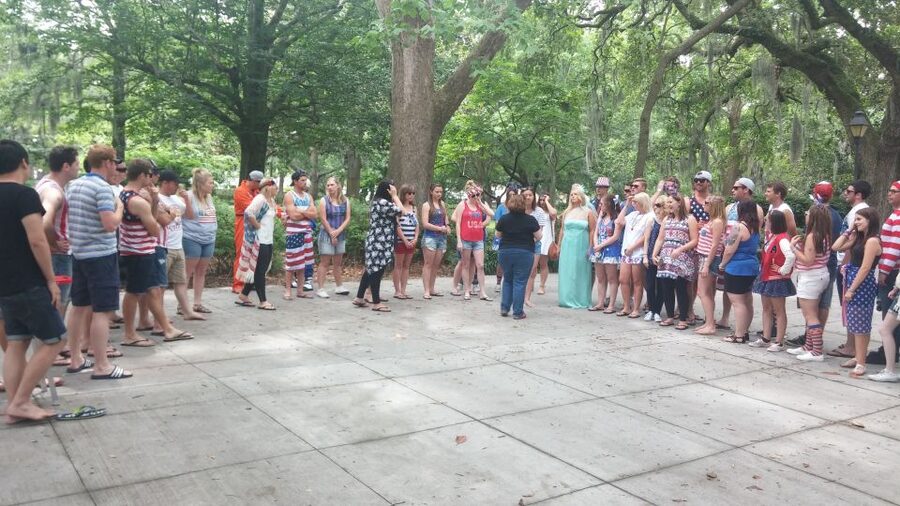
- Sherman’s headquarters: Discuss Field Order No. 14 and its promise of land and a mule to formerly enslaved people in the area.
- Generals’ homes: Pass the Savannah houses connected with William Hardee, James Bartow, and Joseph E. Johnston.
- More than battle dates: The walk also places the Civil War within Savannah’s earlier political, architectural, and military story.
- Strong guide-led format: Cathy and Zack are among the guides praised for clear explanations, humor, and easy conversation.
- Good value at $20: You get 105 minutes with a live English-speaking guide, with no transportation added to the cost.
- Outdoor planning matters: Wear comfortable shoes, dress for the weather, and allow time to reach Warren Square.
Why Savannah makes a good Civil War classroom
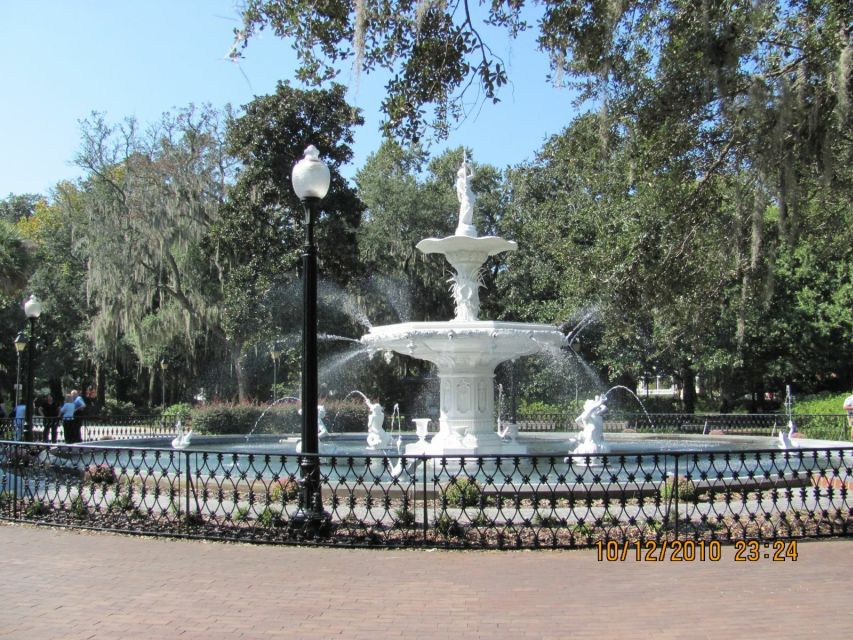
Savannah can look almost too polished for a war story. Its squares, historic houses, and shaded streets suggest quiet prosperity. The tour helps you see how this attractive setting also held military offices, political arguments, private homes, and decisions that affected the nation.
I like this approach because you are not simply being handed a list of battles. You are shown where important people lived and worked. A house linked to a Confederate general becomes a starting point for discussing command, loyalty, strategy, and the limits of military power.
The tour also treats Savannah as part of a longer story. Guides have brought in the city’s founding, pirates, architecture, and the American Revolution. That wider frame can be useful if you are visiting Savannah for the first time and want more than a narrow account of 1861 to 1865.
It also means the experience may not match your idea of a strictly military tour. If you want battlefield maps, troop movements, and a stop-by-stop account of campaigns, this walk may feel broader than expected. If you want to understand how the war touched Savannah’s streets and leaders, that breadth is a plus.
More Walking Tours in Savannah:
- Savannah History and Haunts Candlelit Ghost Walking Tour
★ 5.0 · 3,235 reviews - Savannah First Squares Culinary & Cultural Walking Food Tour
★ 5.0 · 3,229 reviews - Historic Savannah Guided Walking Tour
★ 5.0 · 2,918 reviews
Starting at Warren Square
The meeting point is Warren Square, at 22 Habersham Street, enclosed by Congress and Habersham Street. It is a practical place to begin because you are already in Savannah’s historic core, where the tour can move through streets and squares instead of relying on a bus or shuttle.
Plan to arrive ready to walk. Transportation is not included, and the tour itself is conducted on foot. At $20 per person, that keeps the price modest, but it also means your comfort depends on sensible preparation.
Wear shoes you can walk in for at least 105 minutes. Savannah’s sidewalks are not always smooth, and one family found a stroller difficult to use because of uneven paving. A young child did complete the walk, but the experience required some walking rather than depending on the stroller.
The starting area has metered parking nearby. A city garage is within a block of Reynolds Square, a couple of blocks east of the meeting point, at Drayton and East Bryan Streets, with entrances on Drayton and Abercorn Streets. The stated rate is $1 for the first hour, 50 cents for each additional hour, and a daily maximum of $4.
That garage information matters because street parking can add stress before a walking tour. If you are driving, give yourself time to park and walk to Warren Square rather than arriving at the last minute.
The generals’ houses and the human scale of command
One of the best features of the walk is the chance to see houses connected with Confederate generals William Hardee, James Bartow, and Joseph E. Johnston. These are not just names on a printed timeline. Their homes help put military leadership into the setting of everyday Savannah.
The stop connected with Hardee can lead into questions about command and strategy. James Bartow brings another personal connection to the city and the early Confederate effort. Joseph E. Johnston gives the guide a way to discuss senior leadership and the difficult relationship between battlefield decisions and political pressure.
The tour description does not promise entry into these houses, so expect to view them from the outside. That is worth knowing. You are paying for the guide’s interpretation and the walk between sites, not for interior access or a house museum visit.
This format works best when you enjoy looking closely. A doorway, facade, square, or street corner can seem ordinary until the guide explains who lived there and why the location mattered. I find that kind of local detail easier to remember than a string of dates.
The experience also gives you room to ask questions. Cathy, whose background in education was praised, has been described as willing to take questions and add useful context. Another guide, Zack, was praised for keeping the tour moving while still covering a great deal of information.
Sherman’s headquarters and Field Order No. 14
The most important stop is Gen. Sherman’s headquarters. Here, the discussion turns from generals’ homes to the war’s political and social consequences.
The guide explains Field Order No. 14, first issued in Savannah. It promised 40 acres of good land and a mule to every freed slave in the area. That detail is central to understanding why Savannah mattered beyond its military position. It connects the end of a campaign with the question of what freedom would mean in practical terms.
The phrase 40 acres and a mule is familiar to many Americans, but standing at the place tied to the order gives it sharper meaning. You can consider who made the promise, who expected it to be kept, and why such promises became part of the country’s long political struggle after the war.
This is also where the tour’s title makes the most sense. The walk is not only about troop movements. It is about power, emancipation, and the political aftermath of the conflict. The guide links a Savannah decision to issues that continued to affect the United States long after the armies stopped fighting.
Do not expect the stop to settle every question about Reconstruction or federal policy. The tour has limited time, and its purpose is to place Savannah within the larger story. Still, this part gives the walk weight and keeps it from becoming a parade of famous names.
Same streets, a different guide:
- Savannah’s Ghost City “Dead of Night” Walking Night Tour
★ 4.5 · 2,482 reviews - Southern Flavors Food, Pub Crawl, and History Walking Tour
★ 4.5 · 1,623 reviews - Genteel and Bard’s Savannah Dark History and Ghost Encounter Walking Tour
★ 5.0 · 1,546 reviews - Bonaventure Cemetery Walking Tour with Transportation
★ 5.0 · 1,467 reviews
Strategy, intrigue, and the city behind the war
The experience promises discussion of military strategies, intrigue, and the horror of the conflict. The best way to understand that promise is to think of the tour as a guided conversation between place and policy.
You may hear how Savannah fit into the war’s wider military picture, why leaders cared about the city, and how strategic decisions affected civilians and enslaved people. The supplied information does not give a full battle-by-battle route, so you should not book this expecting a battlefield simulation or a military museum lecture.
Instead, the guide uses the historic center as evidence. You pass buildings tied to decision-makers, then connect those people to the war’s larger questions. This makes the tour accessible even if you do not already know the order of campaigns.
It also leaves space for different interests. A history enthusiast can ask about command and strategy. A first-time visitor can focus on the city’s architecture and the people who lived there. A family may appreciate the stories and humor that keep a serious subject moving.
The tone appears to depend partly on the individual guide. Cathy has been praised for her teaching background, humor, and ability to answer questions. Zack has been praised for his energy, architecture notes, and sense of movement. Other guides have also been described as friendly and engaging.
One caution is worth noting. A single reported experience involved a late start, a long wait before walking, and an opening remark the participant found inappropriate. That does not describe every tour, but it is a reminder that live guiding is personal and can vary by day. The broader pattern points to strong preparation and good subject command, but you should still allow for the human element.
Why the extra Savannah history helps
Several guides have included material about the American Revolution, pirates, Savannah’s founding, and its architecture. At first, that may sound like a detour from the Civil War. In practice, it can help explain why Savannah looked and functioned as it did when the Civil War began.
Cities do not appear fully formed at the start of a conflict. Their streets, buildings, economy, and political habits come from earlier decades. A short explanation of Savannah’s founding can make the city’s layout easier to read. Architectural notes can help you notice details that would otherwise pass by.
The added material is especially useful if this is your first visit. You get a better sense of the historic center while still keeping the Civil War as the main subject. One guide even included enough broader history that a participant suggested the tour name could reflect it.
That is both a strength and a limitation. You will likely leave with a better understanding of Savannah as a city, not just Savannah as a wartime setting. But if you want every minute devoted to Civil War military history, the extra context may feel like time taken away from the main theme.
Guide style and group feel
The tour includes a live English-speaking guide, and the guide is the main value of the experience. There are no transport features, audio devices, or entry tickets listed. Your $20 buys interpretation, local knowledge, and the chance to ask questions while moving through the historic district.
Cathy has been singled out for her educator’s background and patient answers. Zack has been praised for mixing history with architecture and keeping the group moving. Other guides have been described as funny, enthusiastic, and good at explaining details that are easy to miss.
A small group can make a major difference on a walking tour. One family had only four people on a morning outing, which made the experience feel almost private. Another participant booked a private tour and enjoyed the conversational format. Group size is not guaranteed, so treat those as possible conditions rather than a promise.
The guides also seem willing to adjust the pace when questions are useful. One account described a tour that covered a large amount of information without losing momentum. That balance matters. A guide who talks too quickly can leave you behind, while a guide who stops for every question may run far past the planned time.
The stated duration is 105 minutes. Some guides have continued beyond the planned time to cover points of interest, but you should not count on extra time when planning another booking.
Price, timing, and practical value
At $20 per person, this is a fair price for nearly two hours of live guiding in Savannah’s historic center. You are not paying for transport or admission to a major attraction. You are paying for the guide’s ability to connect several outdoor sites into one understandable story.
The value is strongest if you enjoy history and want more than a general sightseeing circuit. The tour adds details that a trolley ride may pass over quickly. One participant found that it supplied important information the trolley could not provide, which is a useful comparison if you are choosing between formats.
A trolley can cover more ground with less walking. This tour gives you a closer look at specific homes and squares, with time to ask questions. I would choose this walk for depth in a compact area, then use a trolley or other transport separately if I wanted a broader city overview.
Tips are not included, so budget for that if your guide gives you a worthwhile experience. Free cancellation is available up to 24 hours before the tour for a full refund, and you can reserve now and pay later. Those policies are helpful if your Savannah schedule is still shifting.
The walk is offered in English. That is important if you are comparing it with a multilingual sightseeing option. The subject depends on explanation, so you will get the most from it if you are comfortable following a sustained history talk in English.
Who should book this walk
I would recommend it most strongly to:
- History fans who want Civil War politics and strategy tied to actual Savannah addresses.
- First-time visitors who want Civil War material mixed with the city’s founding and architecture.
- Families with older children who can walk for 105 minutes and enjoy stories about people and decisions.
- Visitors who prefer small-group conversation and the chance to ask questions.
- People who find trolley tours too general and want more detail in the historic center.
I would be more cautious if you have trouble walking outdoors, need a smooth stroller route, or want an indoor experience. The tour is also not the best match if your main goal is a detailed account of battles far beyond Savannah or access inside historic houses.
Final call: a strong value for place-based history
Book this tour if you want Savannah’s Civil War story explained through its streets, homes, and political decisions. The combination of generals’ houses, Sherman’s headquarters, and Field Order No. 14 gives the walk a clear spine, while the added material on architecture and earlier history makes the city easier to understand.
At $20, it offers good value, especially with a guide who can answer questions and bring order to a complicated subject. Wear proper shoes, allow time to park or reach Warren Square, and remember that the experience is outdoors.
Skip it only if you want a purely military tour, a fully accessible route, or a ride rather than a walk. For everyone else, this is a thoughtful way to see Savannah as a place where war, freedom, and politics met on ordinary-looking streets.
FAQ
How long is the Savannah Civil War Walking Tour?
The tour lasts 105 minutes. Some guides may spend extra time on points of interest, but the scheduled duration is 105 minutes.
How much does the tour cost?
The price is $20 per person.
Where does the tour meet?
The tour departs from Warren Square at 22 Habersham Street, Savannah, Georgia 31401. The square is enclosed by Congress and Habersham Street.
What is included in the price?
A live English-speaking guide is included. Transportation is not included.
Which places do you see on the tour?
You pass the houses associated with William Hardee, James Bartow, and Joseph E. Johnston. You also visit the area of Gen. Sherman’s headquarters and discuss Field Order No. 14.
Is the tour offered in English?
Yes. The listed tour language is English.
Can I cancel or pay later?
You can cancel up to 24 hours in advance for a full refund. You can also reserve the tour and pay later.
New routes in Savannah
- Savannah: Highlights Off the Beaten Path Guided Walking Tour★ 4.8 · 112 reviews
- Savannah: Terrors, Ghosts, and Ghouls Walking Tour★ 4.3 · 171 reviews
- Savannah: History and Culture Walking Tour★ 4.6 · 149 reviews
- Savannah: Historic District Foodie Walking Tour★ 4.8 · 613 reviews
- Savannah: Local Favorites Walking Food Tour★ 4.7 · 147 reviews
- Savannah: Ghosts, Asylums, Voodoo, and Horror Walking Tour★ 4.5 · 383 reviews
- Haunted Savannah Booze and Boos Ghost Walking Tour★ 5.0 · 1,186 reviews
- 2-Hour Bonaventure Cemetery Walking Tour★ 5.0 · 1,270 reviews
Savannah Walking Tours, compared.

Savannah History and Haunts Candlelit Ghost Walking Tour
Read our review →
Savannah First Squares Culinary & Cultural Walking Food Tour
Read our review →

Savannah’s Ghost City “Dead of Night” Walking Night Tour
Read our review →
Southern Flavors Food, Pub Crawl, and History Walking Tour
Read our review →
Genteel and Bard’s Savannah Dark History and Ghost Encounter Walking Tour
Read our review →
Bonaventure Cemetery Walking Tour with Transportation
Read our review →
Haunted Savannah Booze and Boos Ghost Walking Tour
Read our review →Browse the lists this tour appears in