Review · TOURS
Hidden Tallinn: Soviet Walking Tour
Tallinn’s Soviet past is not tucked away in a museum. It is written into hotel towers, market stalls, grim government offices, and the cracked concrete of Linnahall. This two-hour walk with Tom of Hidden Tallinn links those places with stories about shortages, surveillance, daily routines, and small acts of defiance.
I like two things right away: the route takes you beyond the polished Old Town, and Tom puts ordinary life at the center rather than turning the tour into a list of dates. The Central Market and the former KGB sites make the past feel close and practical.
The main drawback is weather. Much of the experience is outdoors, and icy conditions can make the Linnahall steps unsafe. The tour is also not suitable for children under 12 or wheelchair users, despite the general activity information describing it as wheelchair accessible, so confirm access details before booking.
Key points at a glance
- The KGB headquarters and prison cells: See where state power, fear, and surveillance shaped everyday Tallinn.
- The Central Market: Visit Tallinn’s last remaining Soviet-era market and connect history with daily shopping.
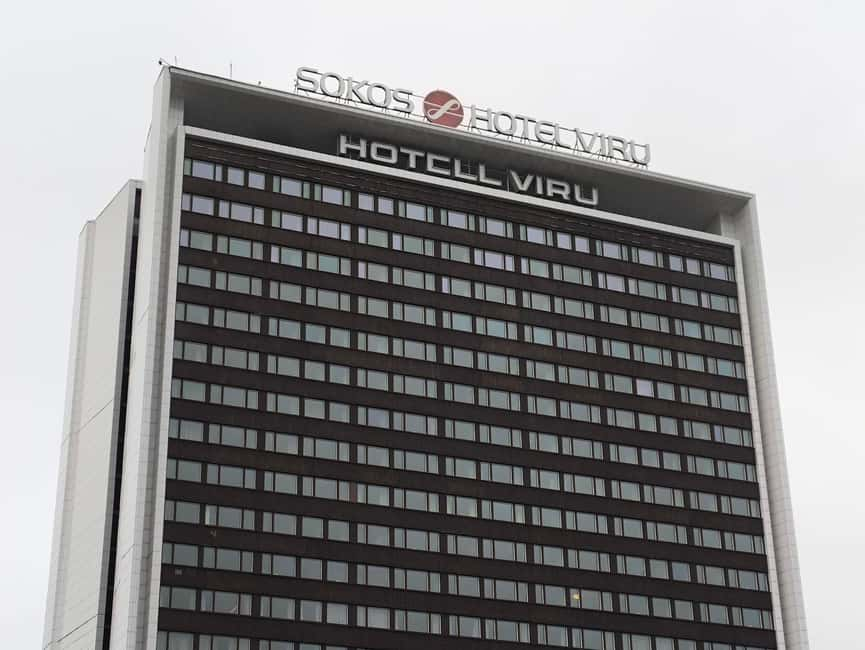
- The Viru Hotel: Learn how a major hotel became part of the Soviet surveillance system.
- Linnahall: End beside an abandoned monument to Soviet ambition, with a possible winter change to Old Town.
- Tom’s storytelling: Expect researched facts, personal-scale anecdotes, humor, and time for questions.
- $35 for two hours: A sensible price if you want context and unusual sights rather than a standard city walk.
Why Soviet Tallinn feels different from Old Town
Tallinn’s medieval center is rightly popular, but it can leave you with a narrow picture of the city. This walk shifts your attention to the decades when Estonia was part of the Soviet Union, a period that still affects buildings, public spaces, family memories, and national identity.
You will not simply look at old concrete and hear that it was built during the Soviet period. The useful part is learning how those places worked. A market tells you about supplies and shopping. A hotel tells you about foreign visitors and surveillance. A government building tells you how authority operated.
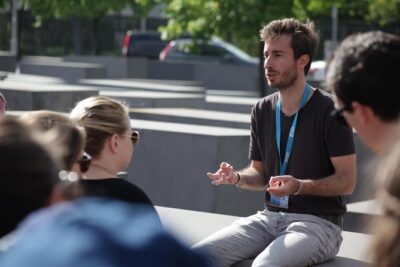
Tom’s approach, based on the many details he brings to the walk, is conversational and story-led. He explains difficult subjects in plain English, then adds anecdotes that show how policies affected real people. That makes the tour suitable for someone who already knows Cold War history, but also for someone starting with only a general idea of communism.
The tone is serious without being grim from beginning to end. Stories about shortages and state control are balanced with humor, curious details, and examples of quiet resistance. That balance matters. You get a clearer picture of how people adapted, complained, joked, and carried on.
More Walking Tours in the world:
- Magical London: Harry Potter Guided Walking Tour
★ 4.7 · 22,044 reviews - Reykjavik Food Walk – Local Foodie Adventure in Iceland
★ 5.0 · 18,952 reviews - History and Hauntings of Salem Guided Walking Tour
★ 5.0 · 14,564 reviews
Starting outside Hampton by Hilton Tallinn
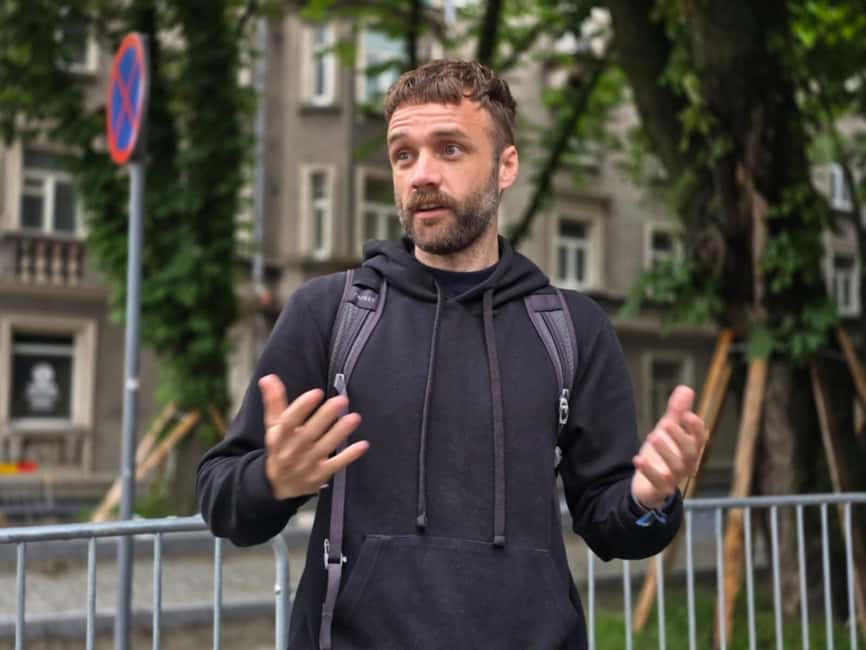
The meeting point is outside Hampton by Hilton Tallinn, next to the Hampton Hilton sign. If rain is falling, Tom meets you in the hotel lobby instead.
This is a practical starting point for a walking route because you do not need to find a distant monument or museum entrance. Plan to arrive with enough time to locate the sign and check your clothing before setting off. The tour lasts about two hours, and the route is conducted in English.
Transportation to the starting point is not included. You will need to make your own way there, as well as arrange your return from Linnahall unless the route ends in Old Town because of winter weather.
The walk is best treated as an outdoor history lesson. Wear shoes suited to city pavement and bring weather-appropriate clothing. Tallinn can be cold, wet, or icy, and the group may pause outside while Tom explains a building or location.
The former KGB headquarters and prison cells
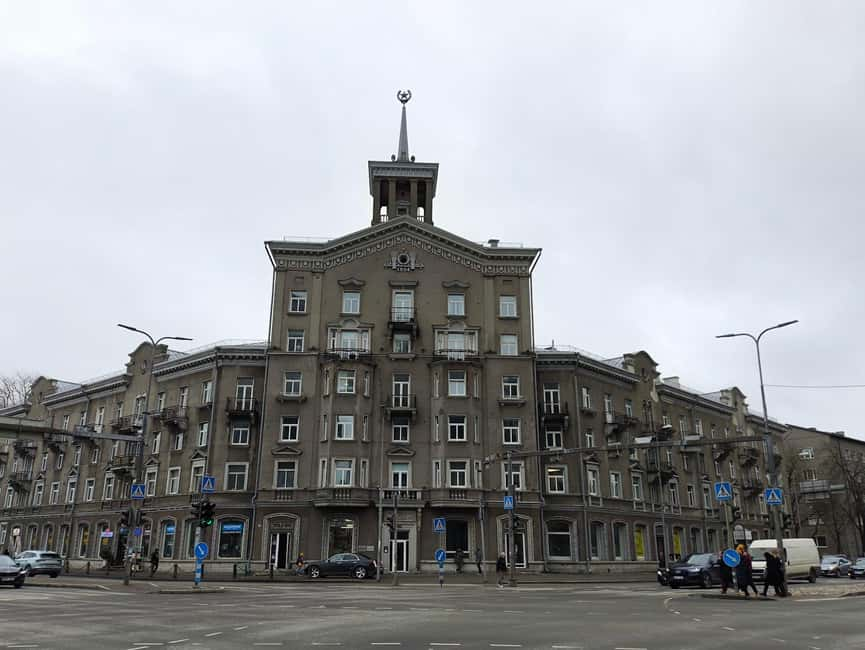
The former KGB headquarters is one of the tour’s strongest stops because it turns an imposing building into a place with a human story. You learn how surveillance and state control were not abstract ideas. They affected what people said, whom they trusted, and how they behaved in public.
The KGB prison cells add a darker physical reminder. The itinerary describes them as a pass-by rather than an included interior visit, so you should not assume that you will enter the cells. Even from outside, the location helps connect political history with confinement and fear.
This part of the walk suits you if you want more than architecture. Tom explains the setting through the experiences of people who lived under the system, which helps you understand the difference between official slogans and private life.
It is also a useful stop for visitors who know the Soviet Union mainly through major Cold War events. The focus here is Tallinn. You get local examples of how a broad political system was felt in one city, in offices, apartments, streets, and conversations.
The Viru Hotel and the mechanics of surveillance
The Viru Hotel is one of the most striking buildings connected with Soviet Tallinn. Its story is not just about where people slept. It shows how a hotel for foreign visitors could also be part of a system built around observation and control.
Tom uses the building to explain the uneasy mix of tourism and surveillance. Hotels connected Estonia with the outside world, but that contact was carefully managed. The result is a place that looks like a normal piece of city architecture while carrying a complicated political past.
You may find this one of the tour’s most memorable sections because the building remains part of Tallinn’s everyday scene. It is not an isolated ruin. The contrast between a functioning hotel and its earlier role gives the history extra force.
This is also where the tour moves beyond the usual picture of Soviet life as queues and gray apartment blocks. Foreign visitors, official hospitality, secrecy, and monitoring all fit into the same story. Tom’s explanations help you see how a public building could have a private side.
Same streets, a different guide:
- New Orleans Premier Ghost, Voodoo and Vampire Walking Tour
★ 4.5 · 12,856 reviews - Amsterdam Anne Frank: Small-Group Walking Tour & Local Guide
★ 4.8 · 12,789 reviews - Edinburgh: Harry Potter Magical Guided Walking Tour
★ 4.8 · 11,944 reviews - Edinburgh Castle: Guided Walking Tour with Entry Ticket
★ 4.7 · 11,699 reviews
Central Market, where history remains in use
The Central Market is described as Tallinn’s last remaining Soviet-era market. It is a valuable stop because you are not only looking at a relic. You are seeing an everyday place that has continued to serve practical needs.
Markets reveal how people actually lived. They are about food, supply, prices, routines, and the effort required to find what you needed. A discussion here gives you a better sense of Soviet life than a grand political speech would.
The market also keeps the tour grounded. After hearing about government offices and surveillance, you return to ordinary errands. That shift helps show how political systems enter daily life, often through shopping and shortages rather than dramatic events.
Do not expect a food tour or a meal to be included. Meals, drinks, and personal expenses are not covered, so treat the market as a historical stop rather than a scheduled tasting session. If you want to buy something, that cost is yours.
The overlooked corners between major sites
The tour is not built only around famous addresses. Several stops are described as small or overlooked places where Soviet history still echoes. These may be the spots you would walk past without noticing.
That design is one of the best reasons to choose this walk instead of a standard Tallinn orientation tour. A large monument tells you what a city wanted to display. A minor building or ordinary public space can tell you how the system functioned in practice.
Tom’s commentary also connects architecture with people. A building may reveal official priorities, while a nearby street can suggest how residents used or understood that space. The value is in the connection between place and story.
The route includes several pass-by stops, so expect a walking narrative rather than long visits inside each site. If you prefer museum interiors, displays, and seats, this may feel light on physical exhibits. If you enjoy seeing a city while listening to a good guide, the format works well.
Linnahall, a concrete symbol of Soviet ambition
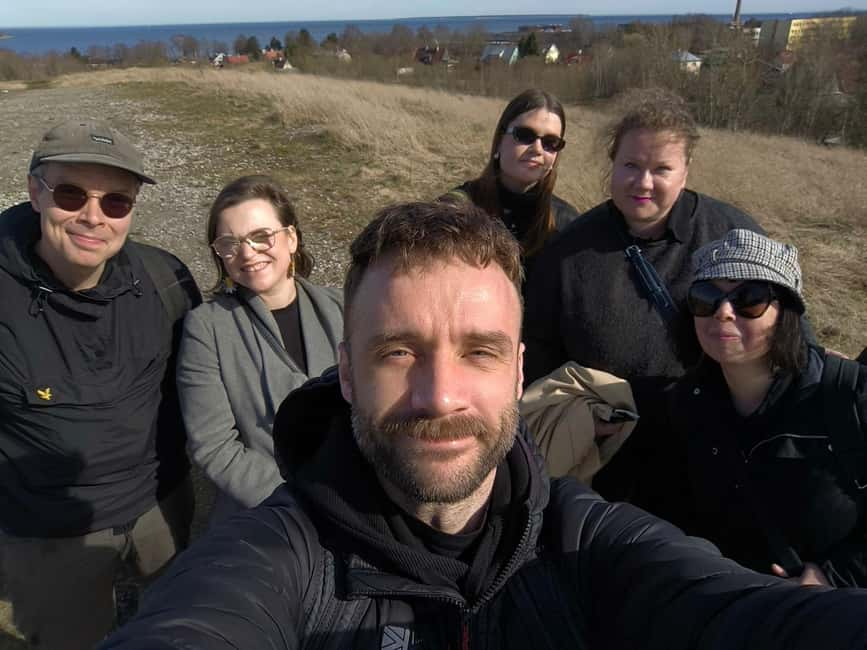
The walk finishes at Tallinna Linnahall, an abandoned remnant of grand Soviet architecture. The building makes a strong final stop because it shows ambition on a huge scale, followed by neglect and uncertainty.
Linnahall is not simply an old building to photograph. Its size and condition raise questions about public projects, changing political systems, and what happens when a city no longer knows what to do with a monument from its past.
The steps are important to the route, but they can be dangerous in very icy weather. In winter, the ending point may change to Old Town depending on conditions. That is not a small detail. If Linnahall is the sight you most want to see, check the day’s plan and prepare for a possible change.
Because the tour ends here, you should think ahead about your next stop. Transportation back to your accommodation is not included. The end point gives you a chance to continue exploring, but you need to arrange that part yourself.
What Tom does especially well
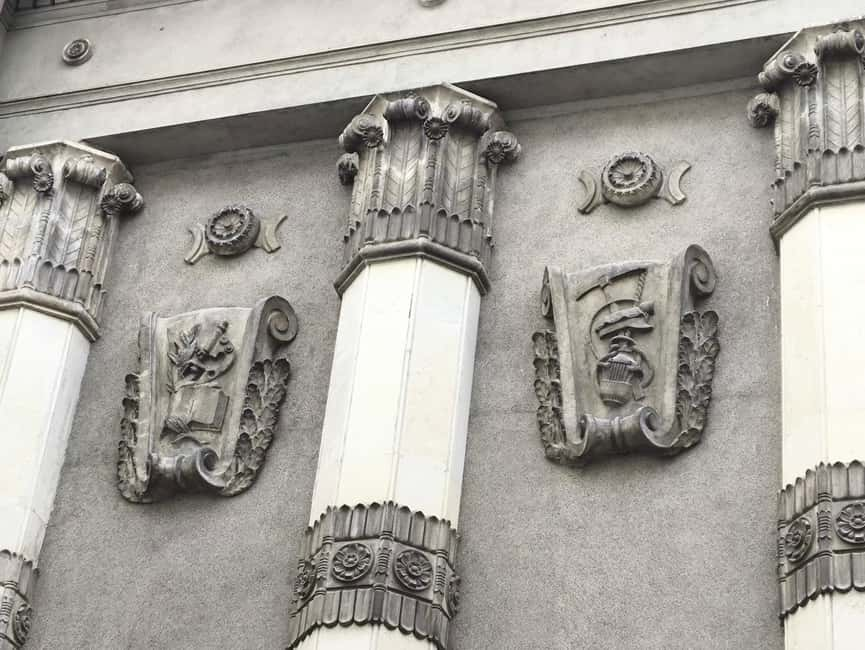
Tom receives consistent praise for his storytelling, preparation, and ability to answer questions. The important point for you is not simply that he knows dates. He explains how the period felt and why a building or location mattered.
His style appears to work for mixed groups. Families with older teenagers, history enthusiasts, first-time visitors, and even local residents can find a reason to pay attention. One local participant found that familiar buildings took on a new meaning after hearing the stories behind them.
Tom also follows up with additional reading material in some cases. That is useful if the tour sparks an interest in the KGB Museum, Soviet garden sites, or Estonia’s wider twentieth-century history. You should not expect those places to be part of this two-hour walk, but the tour can help you decide what to see next.
The pacing is another strength. Stops break up the walking, so the route does not feel like two hours of nonstop marching. Still, this is an active outdoor tour. If you have mobility concerns, ask directly about the route, especially since the supplied information gives conflicting descriptions of wheelchair access and suitability.
Who gets the most from this tour
I would choose this experience if you want to understand Tallinn through its recent past rather than spend all your time in medieval streets. It is particularly useful for:
- People interested in the Cold War, communism, or twentieth-century European history
- Curious visitors who prefer local stories to a basic list of monuments
- First-time visitors who want a different side of Tallinn
- Repeat visitors who have already seen the Old Town
- Teenagers aged 12 and over who enjoy stories and real places
- Anyone who likes architecture with political meaning
You do not need specialist knowledge. Tom’s explanations make the period accessible, and the stories give you enough context to follow along.
I would think twice if you dislike outdoor walking, need a fully step-free route, or want to enter every site. Several locations are pass-bys, and the experience depends on listening outside rather than touring a sequence of interiors.
Is $35 a fair price?
At $35 per person, the cost is reasonable for a two-hour private-history-style walking experience with a live English guide. You are paying for the route design, research, explanation, and access to context you would be unlikely to gather from simply walking past the buildings.
The value is strongest if you use the tour as a foundation for the rest of your Tallinn visit. Afterward, you may understand why the Viru Hotel, the KGB sites, the market, and Linnahall matter. That context can make later independent sightseeing more rewarding.
It is less good value if you only want landmark photographs or a general introduction to Tallinn. The tour is focused. Soviet history is the subject from start to finish, and the emphasis is on stories of daily life, surveillance, shortages, and resistance.
Free cancellation up to 24 hours before the start and the option to reserve now and pay later make the booking fairly flexible. Those terms are useful if your Tallinn plans depend on weather, but they do not remove the need to dress for the conditions.
Practical advice before you go
Wear warm, waterproof clothing in cold or wet weather. Several people have completed the walk in rain and bitter cold, but that does not make unsuitable clothing a good idea.
Give yourself time to find the Hampton Hilton sign. In rain, look for Tom in the lobby instead.
Bring questions. This tour appears to reward curiosity, and Tom makes time for them. If you already know a little about Estonia or the Soviet Union, ask how the local story differs from the wider Soviet pattern.
Do not count on an indoor ending at Linnahall in winter. Ice may change the route to Old Town, and the steps can be unsafe. If the weather is poor, confirm the final stop with the guide.
Remember that meals, drinks, transportation, and personal purchases are not included. The tour itself is the product, not a combined sightseeing and food package.
Should you book Hidden Tallinn?
Book it if you want a thoughtful look at the parts of Tallinn that standard sightseeing often skips. The former KGB headquarters, prison cells, Viru Hotel, Central Market, and Linnahall give the walk a strong range, from state power to ordinary shopping and monumental architecture.
I especially recommend it for anyone curious about how people lived under Soviet rule. Tom’s strength is making the subject human, with anecdotes and daily details alongside the politics.
Skip it if you want a relaxed indoor activity, a broad city overview, or guaranteed access inside every building. For the right audience, though, $35 buys a focused and memorable two hours, and it gives you a much better understanding of the city beyond the medieval center.
FAQ
Where does the Soviet Tallinn walking tour start?
The meeting point is outside Hampton by Hilton Tallinn, next to the Hampton Hilton sign. If it is raining, the guide meets you in the hotel lobby.
How long does the tour last?
The walking tour lasts two hours. Starting times vary, so check availability when booking.
What language is the tour in?
The tour is conducted in English with a live guide.
Does the tour visit Linnahall?
Yes. Tallinna Linnahall is the planned finishing point, although the ending may change to Old Town in winter if weather conditions make the Linnahall steps unsafe.
Is the tour suitable for wheelchair users?
The activity information gives conflicting details, describing it as wheelchair accessible while also listing wheelchair users as not suitable. Contact the provider before booking to confirm the current route and access conditions.
What is included in the price?
The price includes the Soviet Tallinn walking tour. Transportation to the meeting point, meals, drinks, and personal expenses are not included.
New routes in the world
- Baltimore Walking Foodie Tour in Fells Point★ 5.0 · 182 reviews
- Baku Oil Heritage & Old Town Walking Tour★ 5.0 · 232 reviews
- Baku Walking Tour (Old City)★ 5.0 · 127 reviews
- The Madam’s Curse Walking Ghost Tour★ 4.5 · 103 reviews
- Austin Small Group Morning Walk★ 5.0 · 412 reviews
- Austin Haunted Pub Crawl Walking Tour★ 4.5 · 232 reviews
- Austin Downtown Private Walking Food Tour With Secret Food Tours★ 5.0 · 71 reviews
- Austin Murder Walk★ 5.0 · 310 reviews
Tours, compared.
Magical London: Harry Potter Guided Walking Tour
Read our review →
History and Hauntings of Salem Guided Walking Tour
Read our review →
New Orleans Premier Ghost, Voodoo and Vampire Walking Tour
Read our review →
Amsterdam Anne Frank: Small-Group Walking Tour & Local Guide
Read our review →

Edinburgh Castle: Guided Walking Tour with Entry Ticket
Read our review →