
Review · NEW ZEALAND
Rotorua: Hell’s Gate Geothermal Walk
Hell’s Gate puts you close to boiling mud, steaming fumaroles, and sulfur-stained pools without requiring a long hike. The 2-kilometre route takes about an hour, and the mix of geothermal features and bush makes this more varied than a simple walk from pool to pool. The hot waterfall and vegetated section are especially memorable.
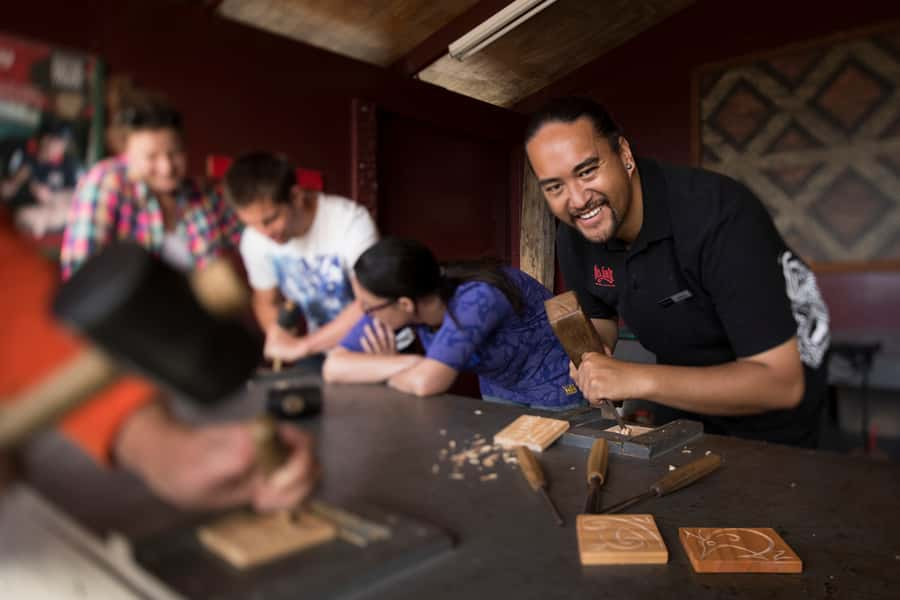
I like the choice between a self-guided walk and a local guide, and I like the included Māori carving activity when it is available. Guides such as Liam, T, and Luke have been praised for their humor and clear explanations. The main drawback is the strong rotten-egg smell, and the advertised price details need checking because the activity information lists both a $26 price and an entry ticket as not included.
Key points
- New Zealand’s largest active mud volcano: See bubbling mud and hot ground at close range, while staying on the marked route.
- A useful 2-kilometre walk: Allow about an hour for the self-guided circuit, longer if you stop often for photos.
- Hot waterfalls and bush: The reserve combines steaming geothermal features with a surprisingly green, wooded section.
- Guide or map: Join an English-language walk at 10:30 AM or 2:30 PM, or explore independently with the supplied map.
- Māori carving can be included: The activity and mud foot pool depend on availability, and carving participants must be at least 12.
- Prepare for sulfur: The smell can be strong, and the fumes may tarnish gold or silver jewelry.
Hell’s Gate’s bubbling entrance to Rotorua
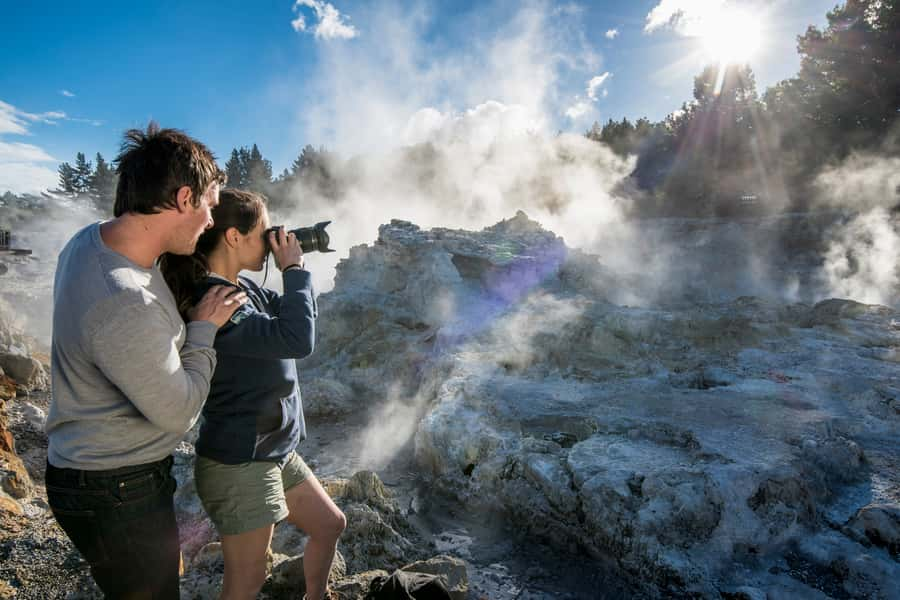
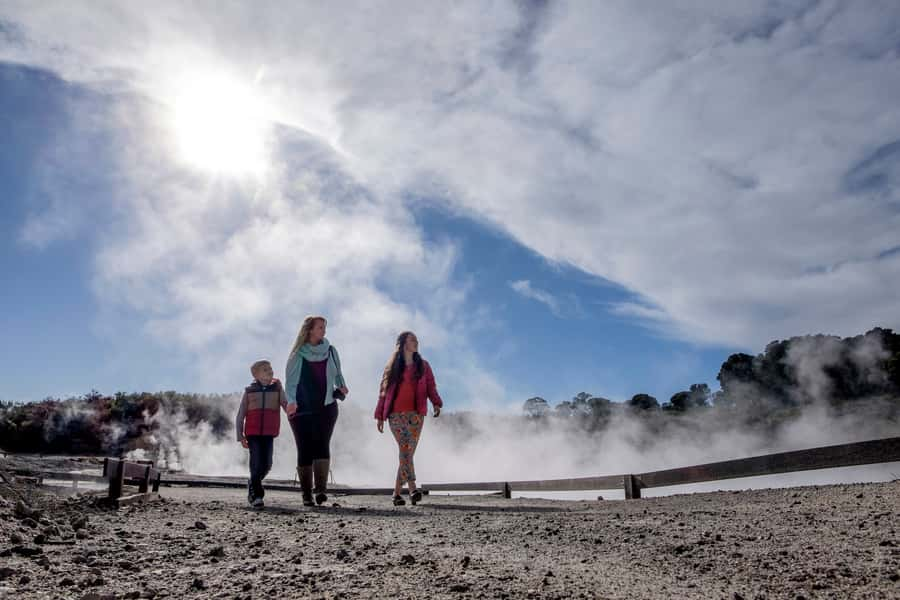
Rotorua is famous for geothermal activity, but Hell’s Gate gives you a particularly close look at the raw, active side of it. This is not a manicured garden of colorful pools alone. You walk past boiling mud, hot water, fumaroles, sulfur crystals, and ground that constantly reminds you that the earth below is still working.
The reserve is about a 15-minute drive from central Rotorua. From the city, take State Highway 30 east, continue for about five minutes past the airport, then turn toward Whakatane. Hell’s Gate is another 3 kilometres along that road.
At the entrance, you receive a map for the self-guided walk. The map and signs explain the main sights, so you can set your own pace. That matters if you have limited time or want to stop for photographs without keeping up with a group.
The route is generally easy to follow, but this is an active geothermal site rather than an ordinary park. Stay on the marked path and pay attention to barriers and instructions. Boiling mud and water above 100 degrees Celsius are not harmless curiosities.
More Walking Tours in New Zealand:
- Hobbiton™ Movie Set Walking Tour from Shires Rest
★ 5.0 · 3,577 reviews - Rotorua’s Ultimate Zipline: 6 ziplines, 400 m Tandem, Cliff Walk
★ 5.0 · 2,557 reviews - Waitomo Caves: Ruakuri Glowworm Cave Guided Walking Tour
★ 4.7 · 1,249 reviews
The one-hour geothermal route
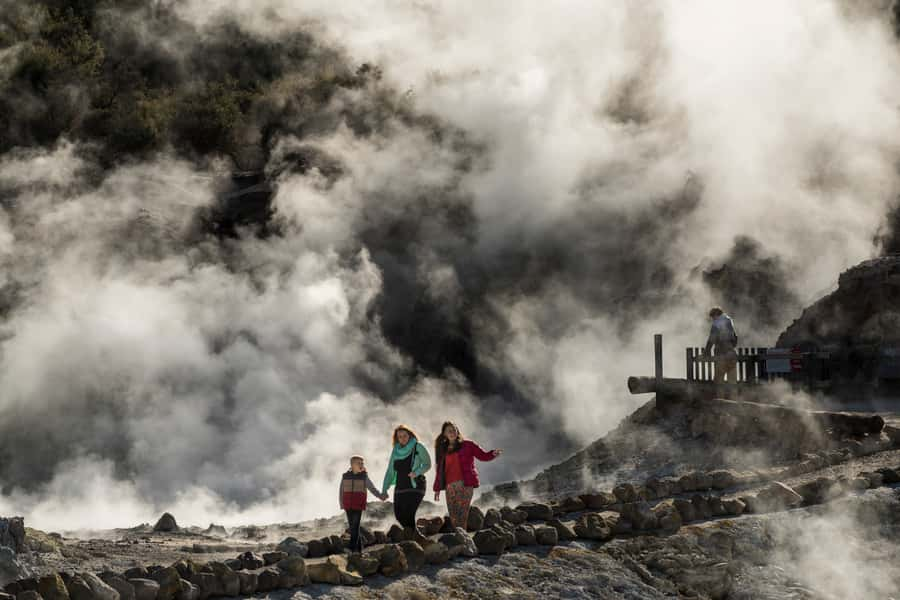
The walking route takes about an hour and covers roughly 2 kilometres. I would allow more time if you enjoy photography, want to read every explanation, or plan to use the optional activities afterward.
Your first impression is likely to come from the smell. Sulfur can produce a strong rotten-egg odor, and it is not something you can avoid completely at Hell’s Gate. Most people can tolerate it, but very young children may find it difficult. If you are sensitive to strong smells, keep that in mind before booking.
The reward is the sheer variety. You may see steaming vents, hot pools, sulfur deposits, boiling mud, and water moving through the reserve. The colors and textures change from one section to the next, from pale mineral crusts to darker mud and steaming pools.
One of the clearest highlights is New Zealand’s largest active mud volcano. Mud volcanoes do not look like the sharp volcanic cones you may picture. Here, the activity comes through bubbling, churning mud and gases rising from below. It is a strange, almost theatrical sight, but the heat is real and the viewing areas deserve respect.
The reserve also contains examples of land coral. That unusual feature adds a geological detail many people would miss on a quick walk. The map helps explain what you are seeing, which is useful because geothermal areas can otherwise blur into a series of similar-looking pools.
Why the hot waterfall matters
The hot waterfall is one of the most distinctive features at Hell’s Gate. The reserve describes it as the largest hot waterfall in the Southern Hemisphere, and it gives the walk a strong focal point beyond the usual mud pools.
You can also see hot water lakes and moving water around the geothermal field. These features help you understand that Hell’s Gate is not simply a collection of isolated pools. Heat, water, minerals, and gas are interacting across a wider area.
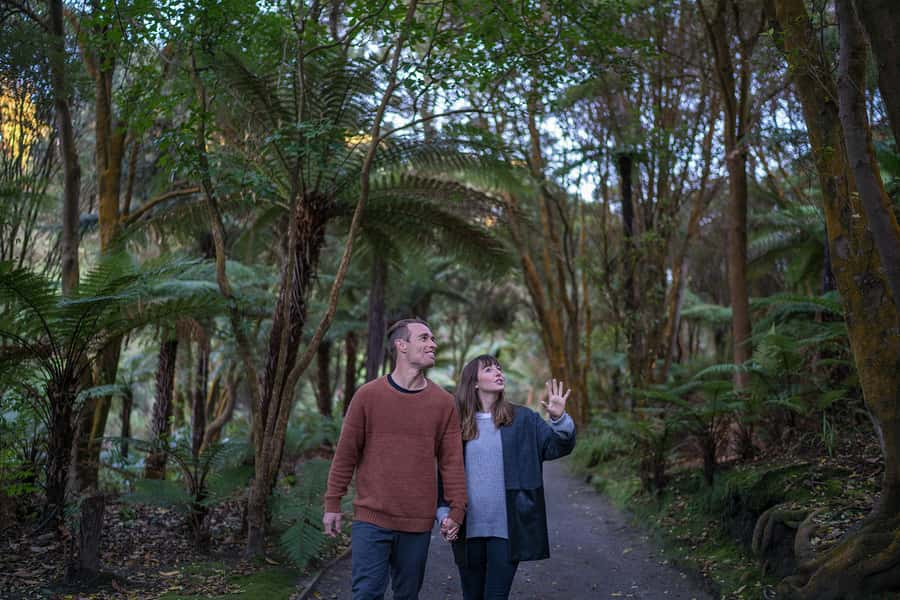
The route also passes through a vegetated and bush-covered section. That contrast is one of the best reasons to choose Hell’s Gate over a site that shows only exposed geothermal ground. One moment you are looking at sulfur deposits and steam; the next, you are walking through a greener part of the reserve.
That change makes the walk feel more varied and gives you a better sense of how plants exist beside geothermal heat. A guide can add useful explanations about the vegetation and the properties of the pools, but the printed material gives independent walkers enough information to understand the main stops.
Choosing the guide at 10:30 AM or 2:30 PM
The guided walk is available at 10:30 AM and 2:30 PM, subject to availability. The guided option lasts about 1.5 hours, while the self-guided route is usually completed in about an hour.
The difference is not just length. A guide gives you context at the exact place where you are looking at a pool or mud feature. You can learn why a pool behaves as it does, how the vegetation survives nearby, and how Māori culture connects with the geothermal setting.
Past guided sessions have featured guides named Liam, T, and Luke. Liam was described as friendly, humorous, and very informative, while T was praised for storytelling and energy. Luke was noted for being engaging and funny. Guide assignments can change, so do not book on the assumption that one particular person will lead your walk.
I would choose the guide if this is your main geothermal stop in Rotorua or if you want the cultural and geological background to come alive. I would choose the self-guided option if you have a tight schedule, prefer quiet observation, or arrive outside the two listed tour times.
The self-guided route is not a second-rate option. The map includes explanations of the pools and features, and the walk is easy to follow. Its weakness is that written information cannot answer a question on the spot or add the personality and humor of a good local guide.
Same streets, a different guide:
- Rotorua: Hell’s Gate Outdoor Mud Spa & Guided Walk
★ 4.7 · 1,140 reviews - Abel Tasman: Sea Shuttle Cruise and Walking Tour Combo
★ 4.6 · 704 reviews - Auckland: Flavours of our City Food Walk
★ 5.0 · 371 reviews - Abel Tasman National Park: Sailing and Self-Guided Walk
★ 4.8 · 238 reviews
Māori carving and the mud foot pool
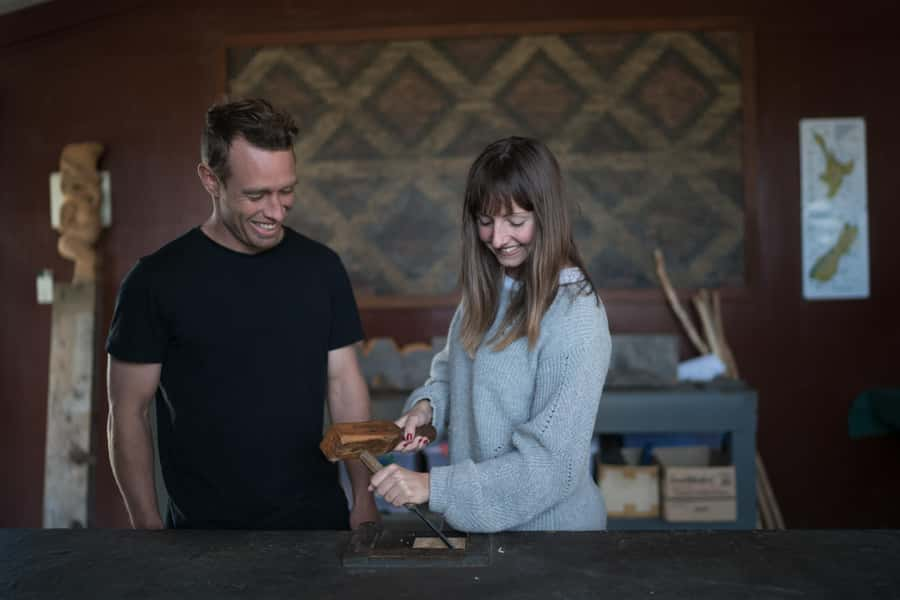
The Māori carving activity is a welcome change of pace after the walk. It gives you something hands-on to do rather than simply viewing geothermal features. It also adds a cultural element to a visit that could otherwise focus only on geology.
Carving is subject to availability, and children must be at least 12 to participate. Check the current arrangements when you arrive, particularly if this activity is important to your plans.
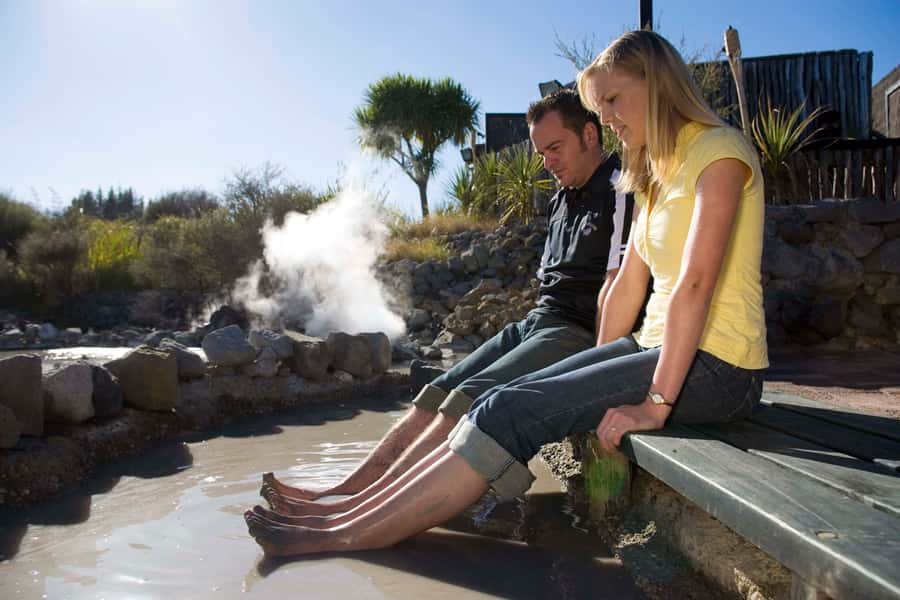
A mud foot pool may also be available. The supplied information makes clear that both the mud foot pool and Māori carving depend on availability, so treat them as possible extras rather than guaranteed parts of every visit.
If you use the pools, listen carefully to the instructions before entering. One practical complaint has been that clearer directions would help, along with more benches in the change rooms. That is not a reason to skip the activity, but it is useful to know if you are planning to change clothes or spend extra time on site.
Is the $26 price good value?
The stated price is $26 per person, but the information also says the entry ticket is not included. That is an important inconsistency. Before paying, confirm exactly what the price covers and whether you are booking a walk, a reserve admission ticket, or an add-on package.
If $26 includes entry to the geothermal reserve, the value is reasonable for an hour-long walk with a map, access to the geothermal field, and possible extras such as Māori carving or the mud foot pool. A guided walk adds more value if you want explanations rather than a quick look at the pools.
If the $26 is only a booking or activity fee and admission is separate, the total cost will be higher. Check the final booking screen or contact Hell’s Gate directly before making your plans.
The cafe is useful after the walk. A coffee and food options give you somewhere to pause, especially after visiting in wet weather. A rain cape can be purchased onsite, but you should bring weather-appropriate clothing rather than rely on buying one after arrival.
Rain can improve the geothermal mood
Hell’s Gate operates in all weather, and rain can make the area especially atmospheric. Water, steam, wet rock, and dark mud can sharpen the contrast between the hot ground and the surrounding bush.
You still need sensible clothing. Bring comfortable shoes, water, sunglasses, sunscreen, and protection suited to the forecast. The route is outdoors, and the experience is not canceled simply because conditions are damp.
A rain cape is available for purchase onsite. I would rather bring a waterproof layer, since you may want both hands free for photography and the walk can be more comfortable when you are not worrying about getting wet.
The route is not suitable for people with mobility impairments. The information provided does not describe the path in enough detail to promise full accessibility, so ask the reserve directly if you have specific mobility needs.
Practical warnings near the pools
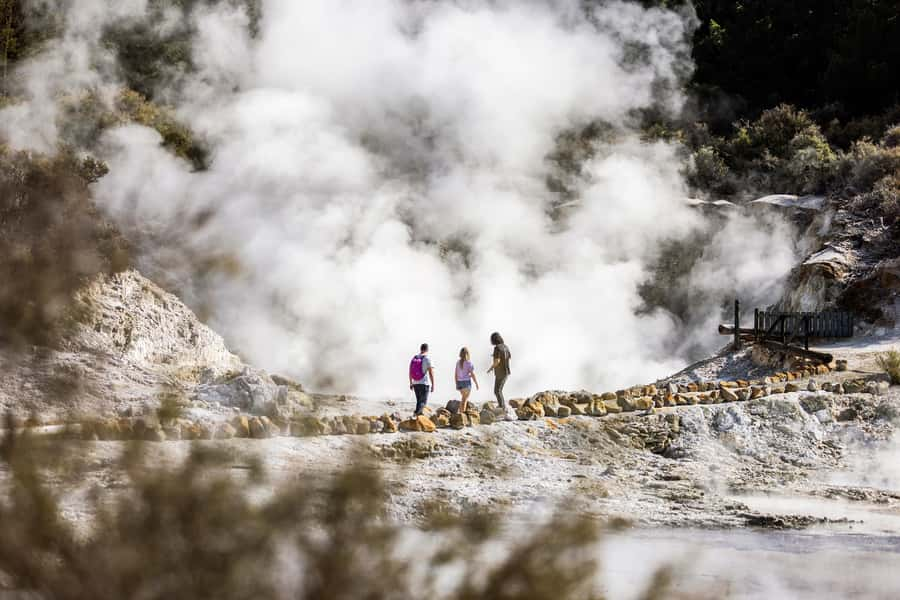
Do not treat the geothermal field like a regular walking park. Keep to the marked route, follow staff instructions, and never step over barriers for a closer photograph. The water can exceed 100 degrees Celsius, and boiling mud is dangerous even when it looks slow and harmless.
Leave drones at home. Smoking is not allowed.
Take off valuable jewelry before entering the geothermal area. Sulfur residue and fumes can tarnish gold and silver items. This is an easy precaution and one that should be mentioned before you begin, not after a ring or necklace changes color.
The smell is part of the experience, but it can be intense. If you are visiting with young children, be aware that the odor may be harder for them to handle. Sunglasses can help on a bright day, and water is worth carrying during the walk.
Who will enjoy Hell’s Gate most?
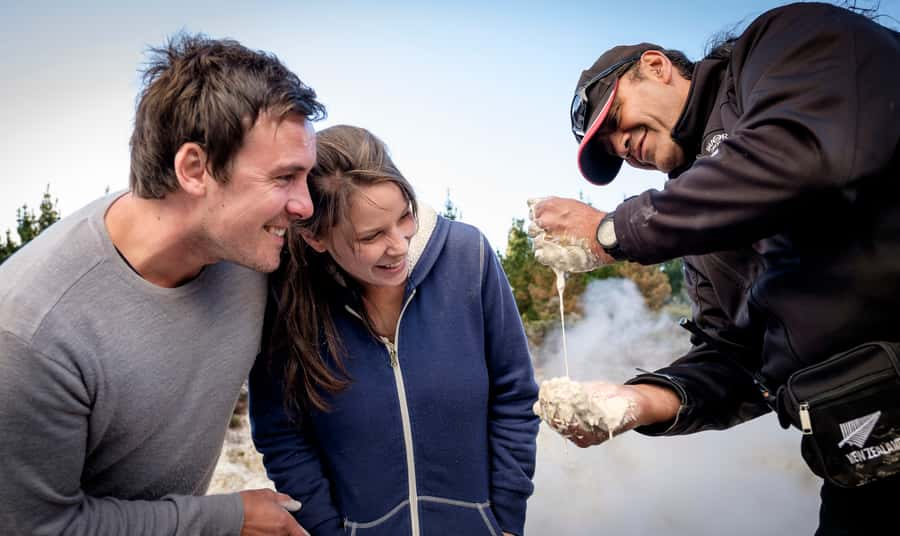
I would recommend Hell’s Gate to you if you want to see several geothermal features in one compact visit and do not mind walking outdoors in changing weather. It suits people who enjoy natural science, photography, Māori culture, and unusual places that feel far removed from an ordinary city park.
It is also a good choice if you have only part of a day in Rotorua. The drive from the city is short, and the walk takes about an hour. Add time for the cafe, carving, the mud foot pool, or a slower pace.
Families with older children can manage the route, but children must be at least 12 for the carving activity. The strong smell may be a problem for very young children, even though the walking paths themselves are described as easy for children and adults.
I would think twice if you dislike sulfur smells, have mobility limitations, or expect a large erupting geyser show. One important point is that the site does not have a hot water geyser like some other geothermal attractions. Hell’s Gate is about mud, steam, hot water, mineral deposits, bush, and the feeling of standing beside active ground.
Should you book the Hell’s Gate walk?
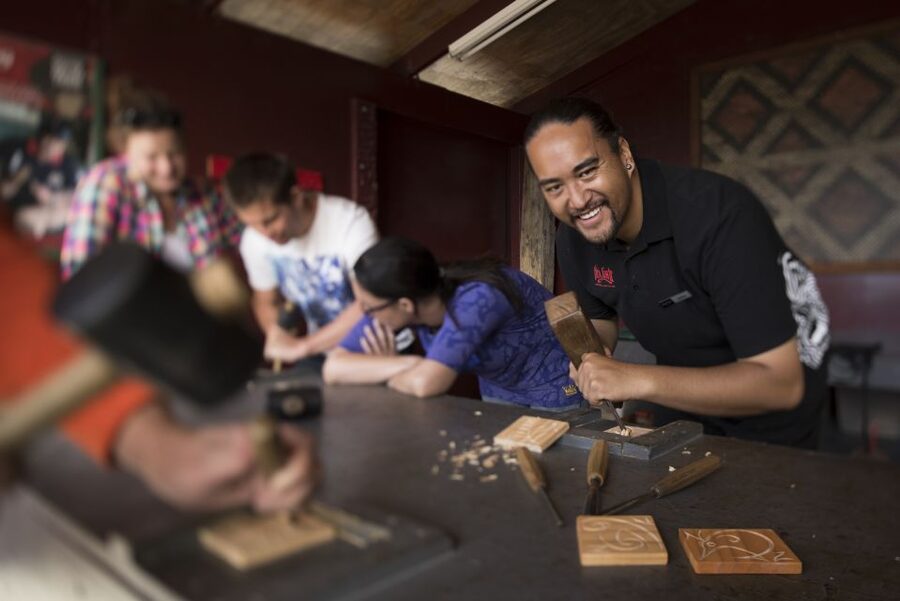
Book it if you want an informative, manageable geothermal walk with a mix of exposed hot ground and green bush. The hot waterfall, active mud volcano, land coral, and possible Māori carving give the visit more variety than a short stop beside one famous pool.
Choose the guided time if you want geology and culture explained as you go. Choose the self-guided walk if you value flexibility, but confirm the admission price before booking because the pricing information is not fully consistent.
Hell’s Gate is not the best fit for anyone bothered by sulfur, limited mobility, or a strict expectation of dramatic geyser eruptions. For most visitors who want to see Rotorua’s geothermal character at close range, it offers a worthwhile hour and a few memorable surprises.
FAQ
How long does the Hell’s Gate geothermal walk take?
The geothermal route takes about one hour and covers roughly 2 kilometres. The guided walk is listed as lasting about 1.5 hours.
What time are the guided walks?
Guided walks are available at 10:30 AM and 2:30 PM, subject to availability. The guide speaks English.
Can I explore Hell’s Gate without a guide?
Yes. You receive a map for the geothermal walk, and the self-guided route includes explanations of the main geothermal pools and features.
What will I see at Hell’s Gate?
You can see steaming fumaroles, hot water lakes, sulfur crystals and deposits, boiling pools, erupting water, New Zealand’s largest active mud volcano, hot waterfalls, land coral, and a vegetated bush section.
Is Māori carving included?
A complimentary Māori carving activity may be available, but it is subject to availability. Children must be at least 12 years old to participate.
Is the mud foot pool included?
The mud foot pool is subject to availability. Ask onsite what is operating on the day of your visit and what instructions apply before entering.
What should I bring?
Bring comfortable shoes, sunglasses, sunscreen, water, and weather-appropriate clothing. The activity operates in all weather, and rain capes are available to purchase onsite.
New routes in New Zealand
- Auckland Small-Group Walking Tour with Treats★ 5.0 · 182 reviews
- Auckland Food Walking Tour★ 5.0 · 73 reviews
- Auckland: Flavours of our City Food Walk★ 5.0 · 371 reviews
- Stewart Island: Ulva Island Guided Wilderness Walk & Cruise★ 4.5 · 165 reviews
- Stevensons Island 2-Hour Cruise and Nature Walk★ 4.6 · 160 reviews
- Rotorua: Waimangu Volcanic Valley Ticket & Self-Guided Walk★ 4.8 · 104 reviews
- Rotorua: 6 Ziplines, 400m Tandem, Cliff Walk & Swing Bridges★ 4.9 · 93 reviews
- Napier: Art-Deco + Te Mata Peak+ Garden Walk + Wine Tasting★ 4.7 · 99 reviews
New Zealand Walking Tours, compared.
Hobbiton™ Movie Set Walking Tour from Shires Rest
Read our review →
Rotorua’s Ultimate Zipline: 6 ziplines, 400 m Tandem, Cliff Walk
Read our review →
Waitomo Caves: Ruakuri Glowworm Cave Guided Walking Tour
Read our review →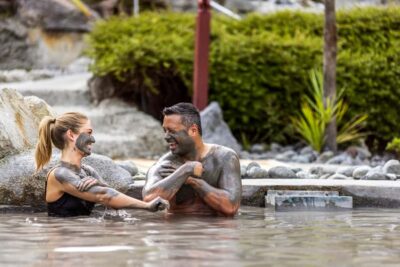
Rotorua: Hell’s Gate Outdoor Mud Spa & Guided Walk
Read our review →
Abel Tasman: Sea Shuttle Cruise and Walking Tour Combo
Read our review →
Abel Tasman National Park: Sailing and Self-Guided Walk
Read our review →
Auckland: Flavours of the City Walking Food Tour
Read our review →Browse the lists this tour appears in